
- March 2, 2026
- Admin User
- 0
A recent webinar hosted by the Newmark Group explored the growing role of Artificial Intelligence (AI) in transforming healthcare systems across Africa, outlining both its vast potential and the risks that must be carefully managed.
The session, themed “AI in Healthcare: Opportunities and Challenges,” convened experts in healthcare and communications who agreed that AI offers practical solutions to many of the long-standing structural challenges facing health systems on the continent, provided its deployment is thoughtful, ethical and locally grounded.
In his opening remarks, CEO of Newmark Group, Gilbert Manirakiza, highlighted how AI is already improving operational efficiency. According to him, AI-driven tools are enabling faster decision-making by analysing patient feedback, tracking online conversations, tailoring health messages to specific audiences and reducing administrative bottlenecks.
He further described AI as a significant opportunity for Africa’s youth, particularly in developing home-grown technology solutions. Governments across the continent, he noted, are increasingly open to supporting innovations that address systemic gaps not only in healthcare but across multiple sectors. “This is the biggest moment in Africa given our demography,” he said.
Manirakiza also pointed to the growing number of patients turning to AI platforms such as ChatGPT for guidance on symptoms and treatment options. In light of this trend, he stressed the responsibility of health communicators to ensure that reliable and accurate medical information is accessible. “If AI makes mistakes in healthcare, the consequences affect real lives,” he said.
He emphasised that Africa’s healthcare landscape differs significantly from Western contexts where most AI systems are developed. With widespread reliance on mobile phones, diverse local languages, and strong trust in religious and community leaders, he warned that tools trained predominantly on Western datasets may misinterpret African realities. While AI can accelerate processes, he maintained that human oversight remains essential to guarantee accuracy.
AI Deployment Expands Across Africa’s Healthcare Systems
Another speaker, Daniel Marfo, observed that AI is now deeply embedded in everyday human activity. He outlined practical applications already in place: insurance firms processing thousands of claims daily using AI systems, and hospitals deploying electronic medical records that suggest possible diagnoses and prioritise urgent cases.
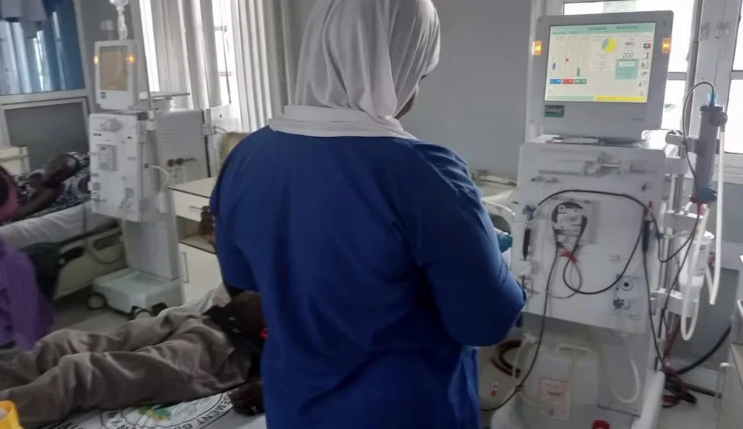
Marfo also noted the growing use of AI in diagnostic imaging, where tools are assisting in identifying abnormalities in X-rays and MRI scans, particularly valuable in regions facing shortages of radiologists. This has contributed to shorter waiting times and quicker interventions for patients.
At the national level, countries including Rwanda, Sierra Leone and Ghana are investing in AI-powered health data centres to strengthen disease surveillance and improve public health planning.
Despite these advances, Marfo cautioned that AI tools must align with local medical standards to gain the confidence of healthcare professionals. He reiterated that AI should function as an aid to clinicians rather than a substitute for their expertise.
Adding a clinical perspective, Dr. Afriyie Bempah discussed AI’s role in building resilience against future health emergencies. He explained that resilience extends beyond recovery, focusing instead on early detection and prevention.
He cited examples such as Kenya using AI to analyse mosquito patterns to forecast malaria outbreaks, and Ghana deploying digital tools to strengthen disease reporting systems. In South Africa, digital health platforms have been adapted to remotely manage patients living with chronic illnesses.
Dr. Bempah underscored the importance of integrating data across clinics, pharmacies and supply chains. Improved data sharing, he explained, enables early identification of disease trends and helps prevent large-scale outbreaks.
During the interactive session, participants raised concerns about data protection, inaccurate AI outputs, algorithmic bias and resistance from segments of the healthcare workforce. In response, speakers recommended establishing clear regulatory frameworks, verifying AI-generated information and creating internal review structures to oversee implementation.
In their concluding remarks, panelists encouraged healthcare professionals to develop competence in AI tools as a means of improving service delivery. They also urged young Africans to view health technology as a promising field for innovation and investment.
The webinar closed with a clear message: AI is poised to remain a permanent feature of healthcare systems. However, its effectiveness across Africa will depend on strong governance, contextual adaptation and consistent human supervision, particularly in a sector where errors can have life-or-death consequences.
For more in-depth reports and expert insights on how AI is transforming Africa’s health sector and other key industries, visit LouisaOlaniyi.com.ng today. Stay informed, stay ahead, and explore the stories shaping Africa’s future.