- February 7, 2026
- Admin User
- 0
The failure to operationalise Nigeria’s Mental Health Act has continued to deter foreign donors from committing resources to the country’s health sector, according to the Provost and Medical Director of the Federal Neuropsychiatric Hospital, Aro, Abeokuta, Professor Afis Agboola.
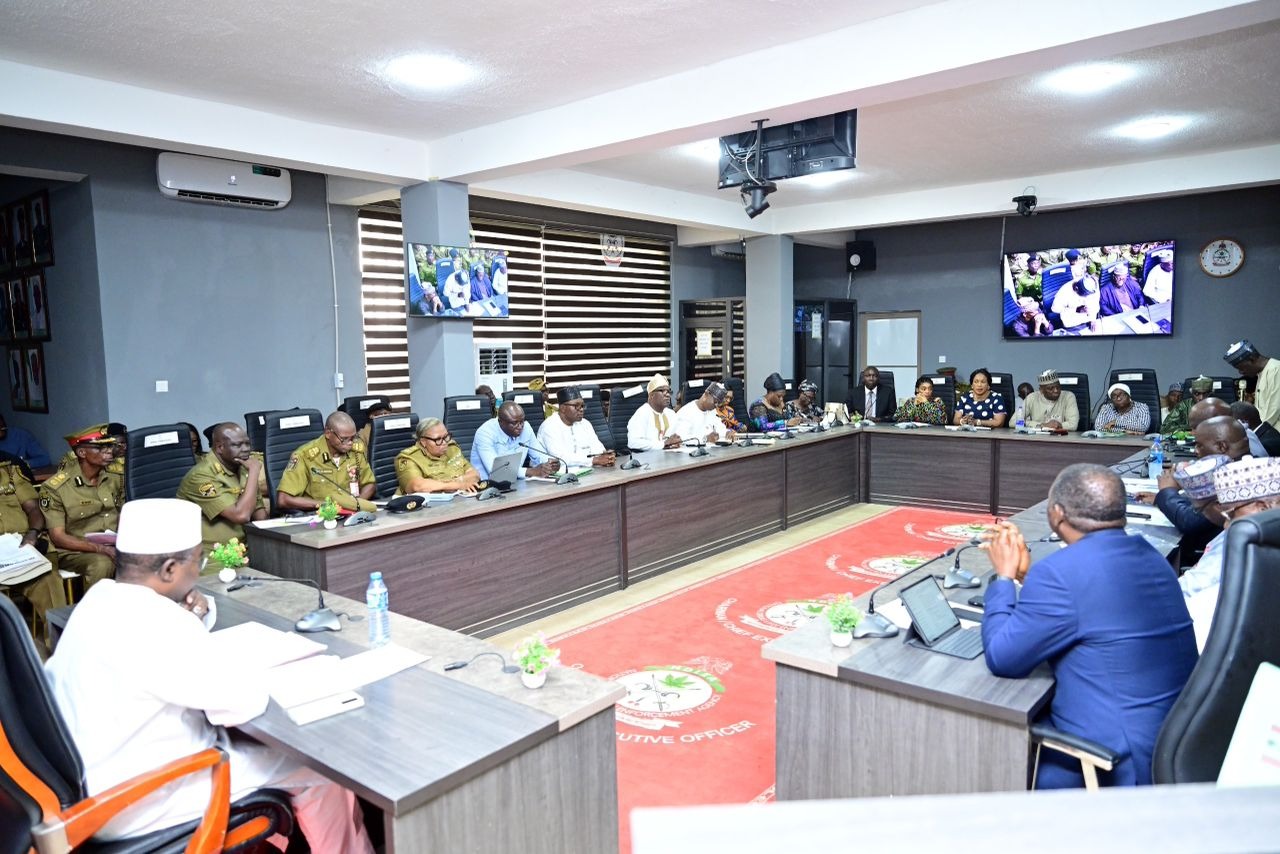
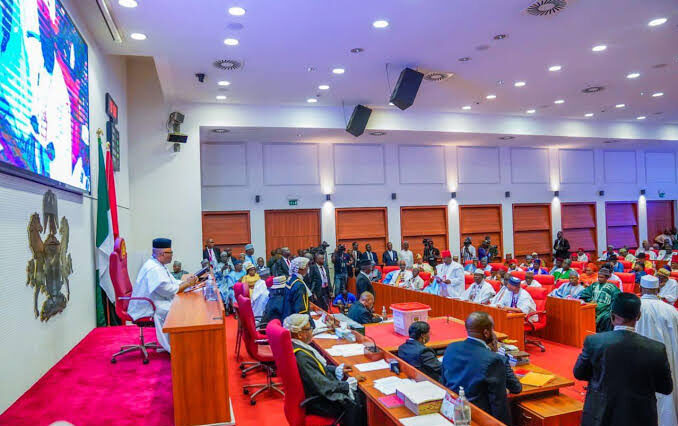
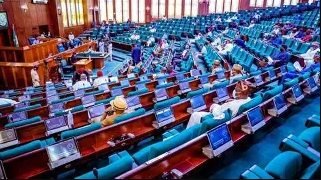
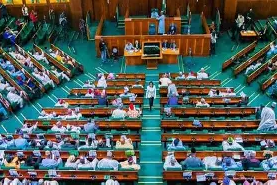
Agboola made the disclosure in Abuja on Saturday during the 2025 budget performance and 2026 budget defence session organised by the House of Representatives Committee on Specialty Healthcare. He said the prolonged gap between the passage of the law and its execution was placing immense strain on psychiatric institutions nationwide.
The medical director revealed that his hospital had spent nearly N1 billion from internally generated revenue to care for abandoned patients, describing the situation as unsustainable. According to him, patient abandonment remains a critical challenge across mental health facilities in the country.
“We have the issue of abandonment of patients. It’s a major problem, and unfortunately, we have a bill that was passed by the National Assembly, the Mental Health Act, that was signed into law by former president Muhammadu Buhari,” Agboola said.
“Unfortunately up to this very moment, there is no execution of that law. The Act itself specifies who does what, the representative of the federal government, the state government and even the local government,” he added.
Agboola explained that repeated engagements with the Federal Ministry of Health had yielded little progress, with officials citing funding constraints as the main obstacle to implementation. “We try to reach out to the Federal Ministry of Health which is our parent body, and what they kept saying is a funding issue,” he stated.
Mental Health Act Delays Strain Hospitals and Workforce
Highlighting the prolonged nature of the problem, he said, “The issue of non-implementation of the Mental Health Act is an issue that we have been battling for over two years now. I understand the bureaucracy of the civil servants. Just two days ago, I had a meeting with the Minister of Health, the Honourable Minister of State for Health and the Permanent Secretary. They kept saying that the psychiatric hospitals are asking for more.”
Agboola insisted that the demands from psychiatric hospitals were unavoidable, stressing the social and medical implications of untreated mental illness. “We cannot but ask for more because mentally-ill patients are Nigerians who have problems that could have caused social issues and other medical conditions. We cannot but continue to ask for more,” he said.
He warned that the absence of a functional legal and funding framework for mental healthcare had made meaningful engagement with international partners difficult. According to him, many donor agencies require clear policy execution, accountability mechanisms and well-defined roles across federal, state and local governments before committing funds.
On budgetary matters, Agboola disclosed that the hospital recorded zero implementation of its 2025 budget due to the non-release of appropriated funds. He said the situation had forced several psychiatric hospitals to reduce their non-regular workforce, including consultants, as salary arrears continued to mount.
Nigeria’s Mental Health Act, signed into law in January 2023, replaced the colonial-era Lunacy Act of 1958. The legislation aims to safeguard the rights of persons with mental health conditions, expand access to quality mental healthcare and clearly outline responsibilities for all tiers of government in areas such as funding, rehabilitation and social reintegration.
The law also provides for the establishment of a Mental Health Fund, the promotion of community-based care and protections against abuse, discrimination and unlawful detention of persons with mental illness. However, more than two years after its enactment, key provisions remain largely unimplemented, with no operational funding mechanisms or coordinating structures in place.
Mental health professionals have consistently warned that this disconnect between legislation and execution has overstretched psychiatric hospitals, worsened patient abandonment and weakened Nigeria’s ability to attract donor funding and technical support for mental healthcare.
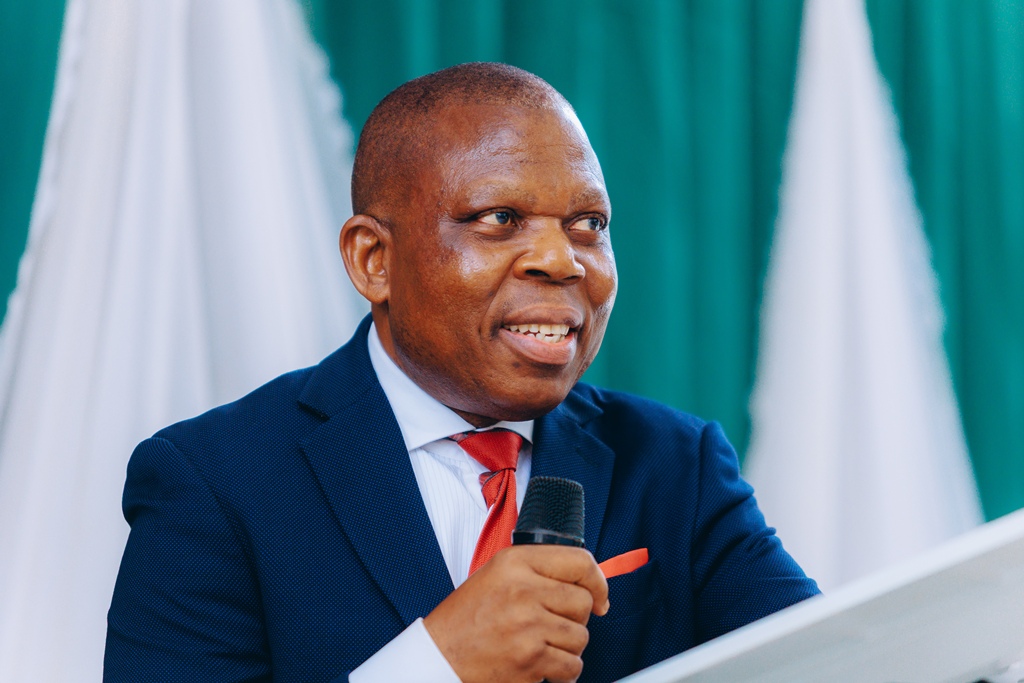
In his remarks, the Chairman of the House Committee on Specialty Healthcare, Alex Egbona, acknowledged the funding challenges facing the sector and assured stakeholders that steps were being taken to improve budget releases. He said at least 30 per cent of the capital component of the 2025 budget allocation would be released before the end of February 2026.
Nigeria’s mental health system is at a breaking point and silence only deepens the crisis. Read full reports, explore expert insights, and stay informed on critical health policy developments shaping the country. Visit LouisaOlaniyi.com.ng for more in-depth reporting, analysis, and updates on issues that matter.