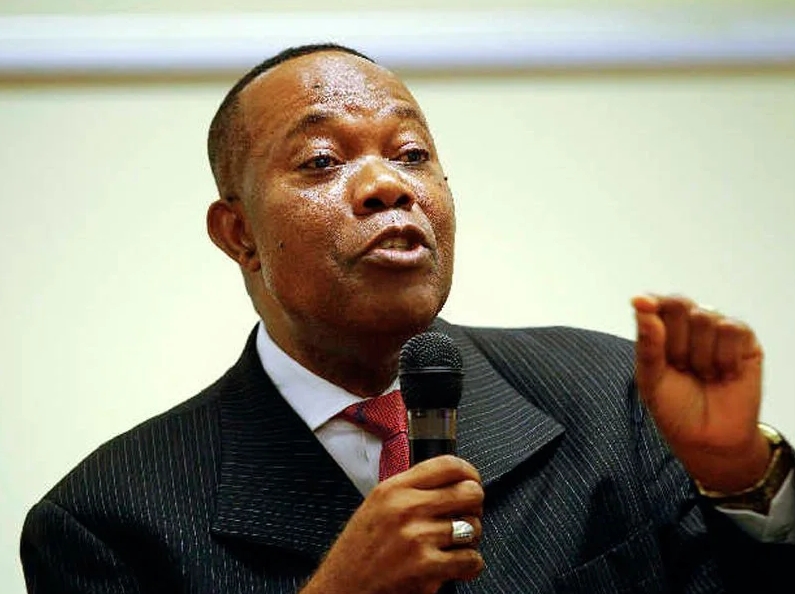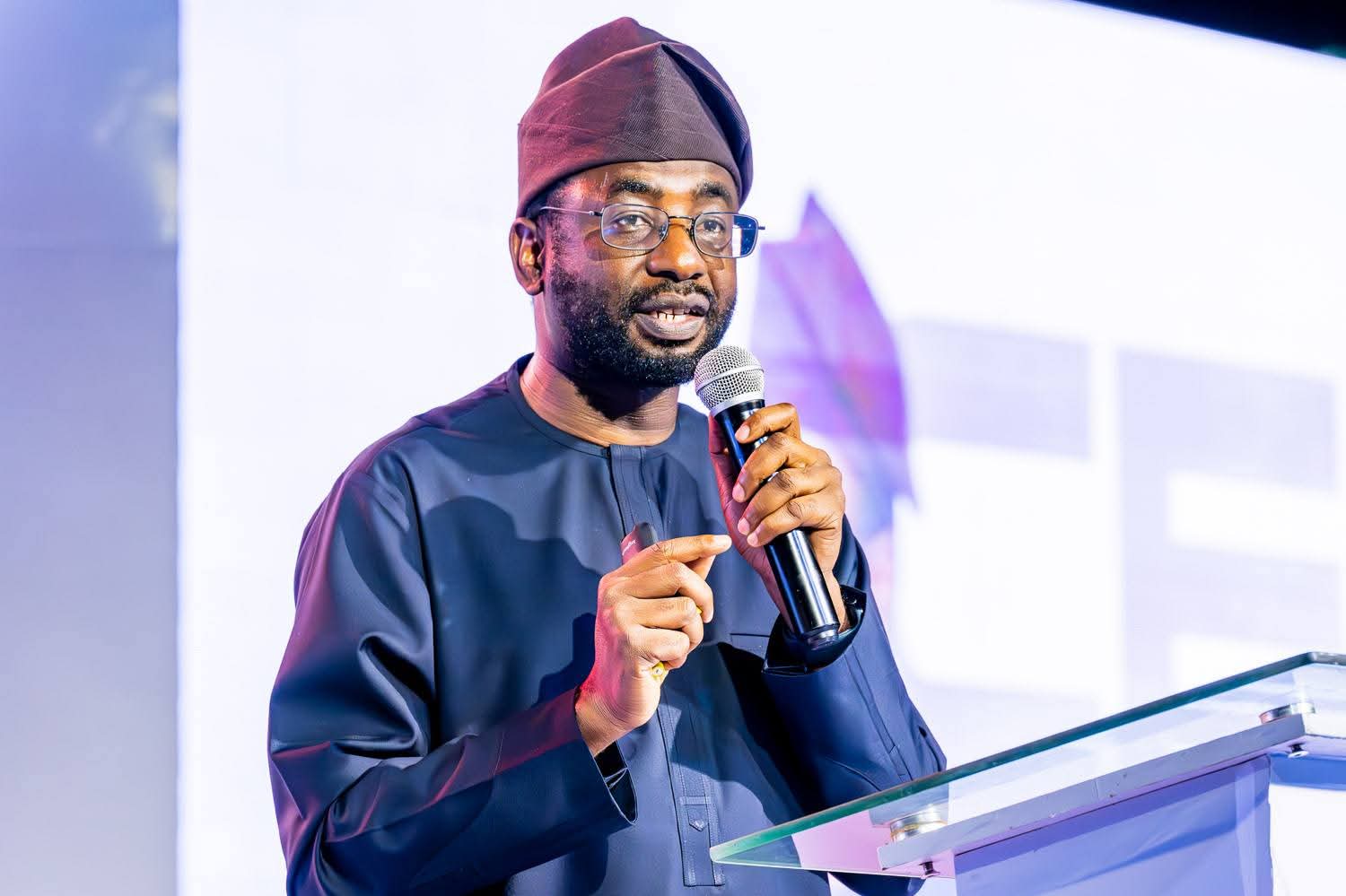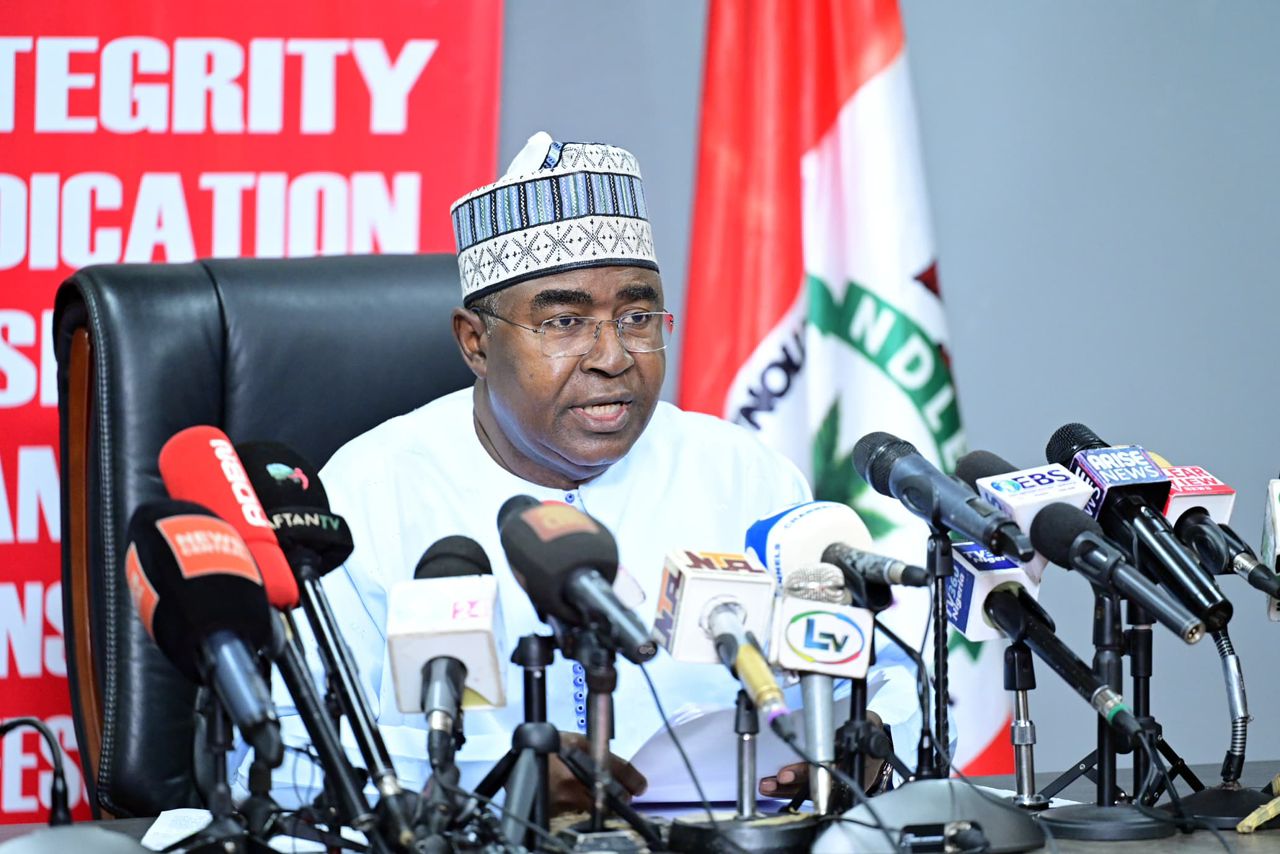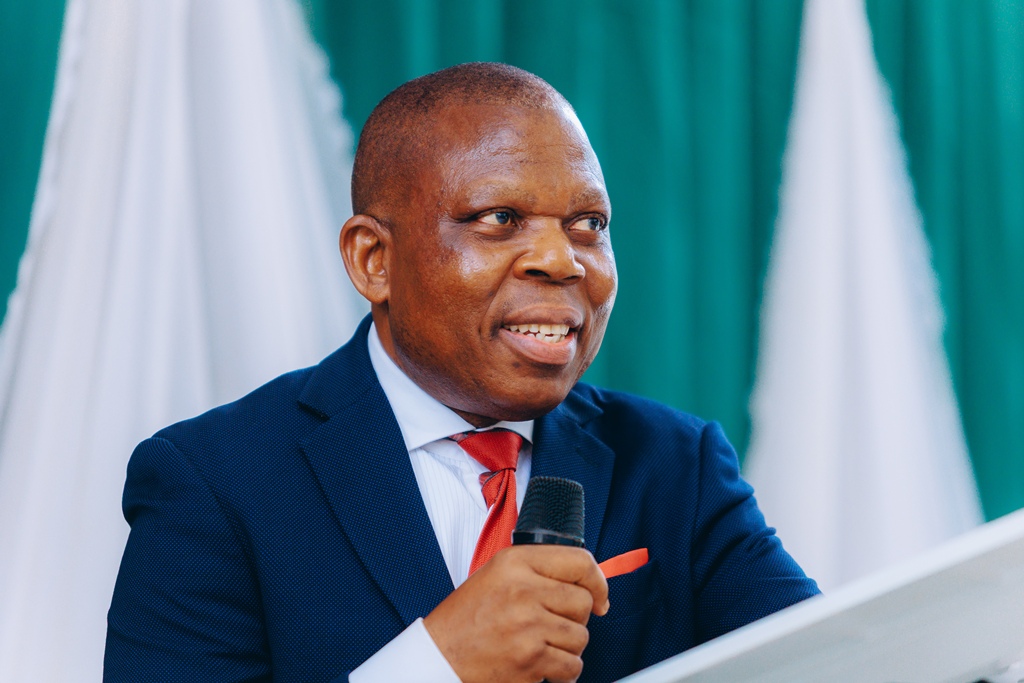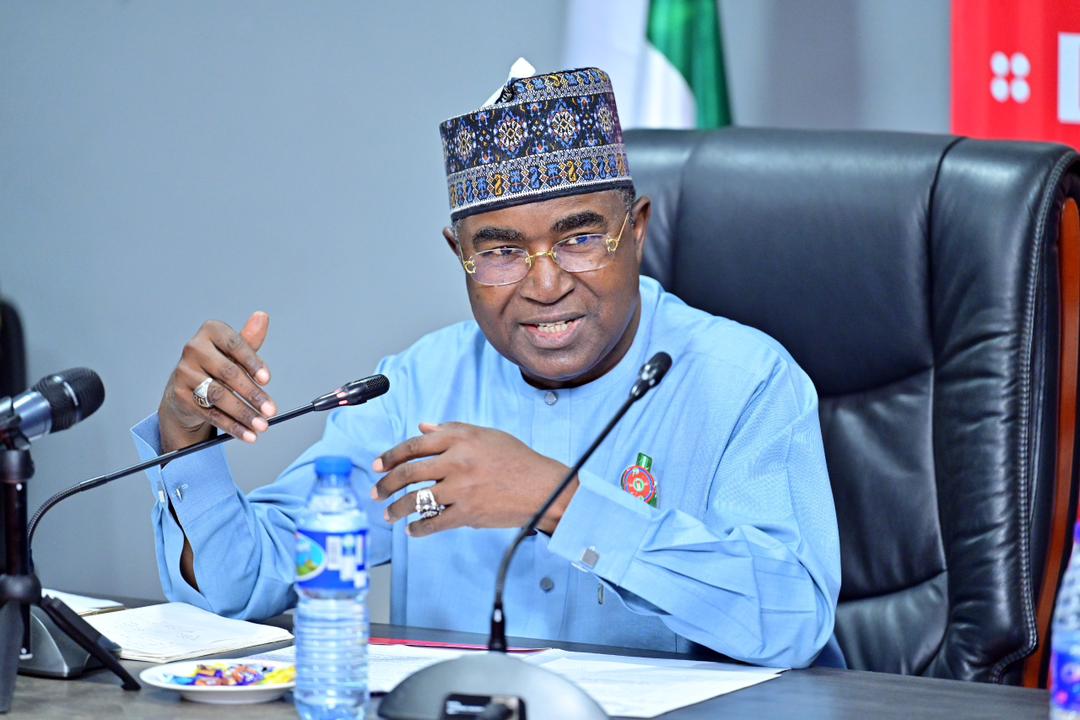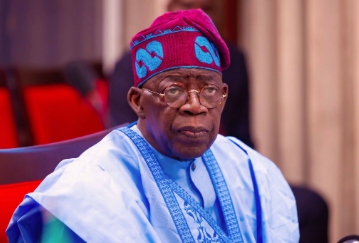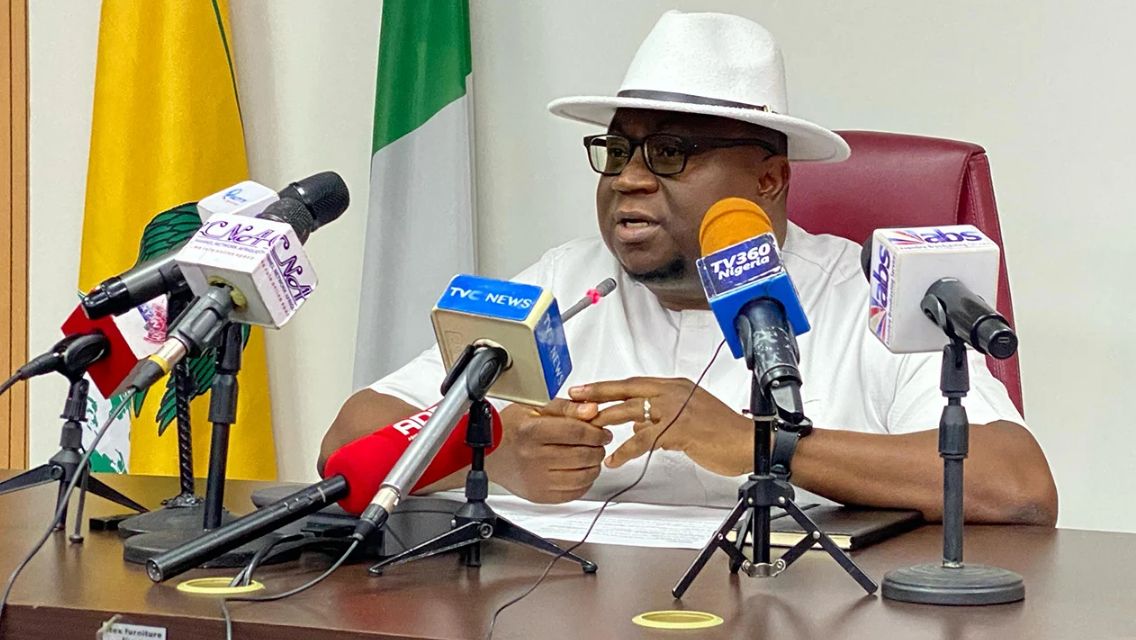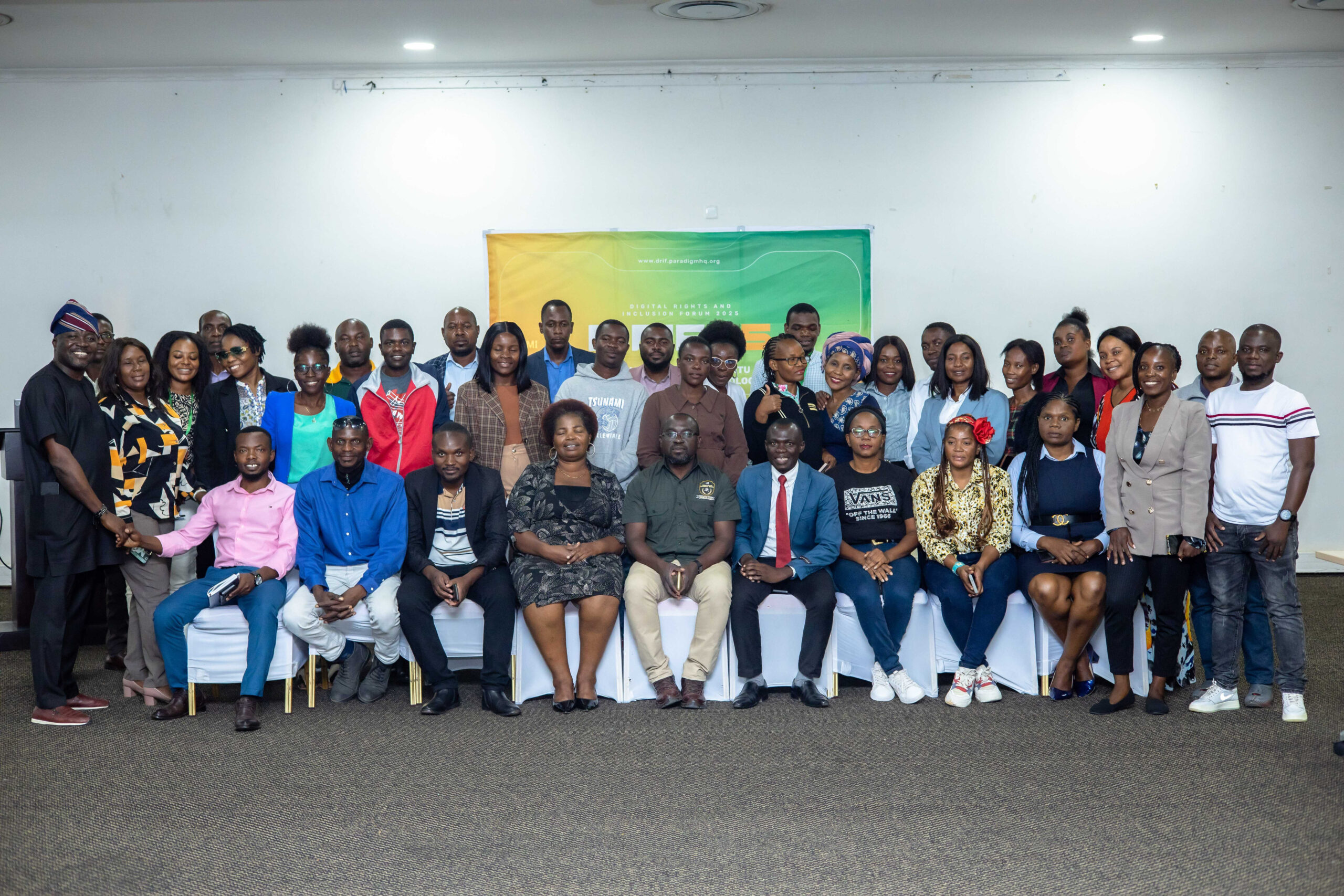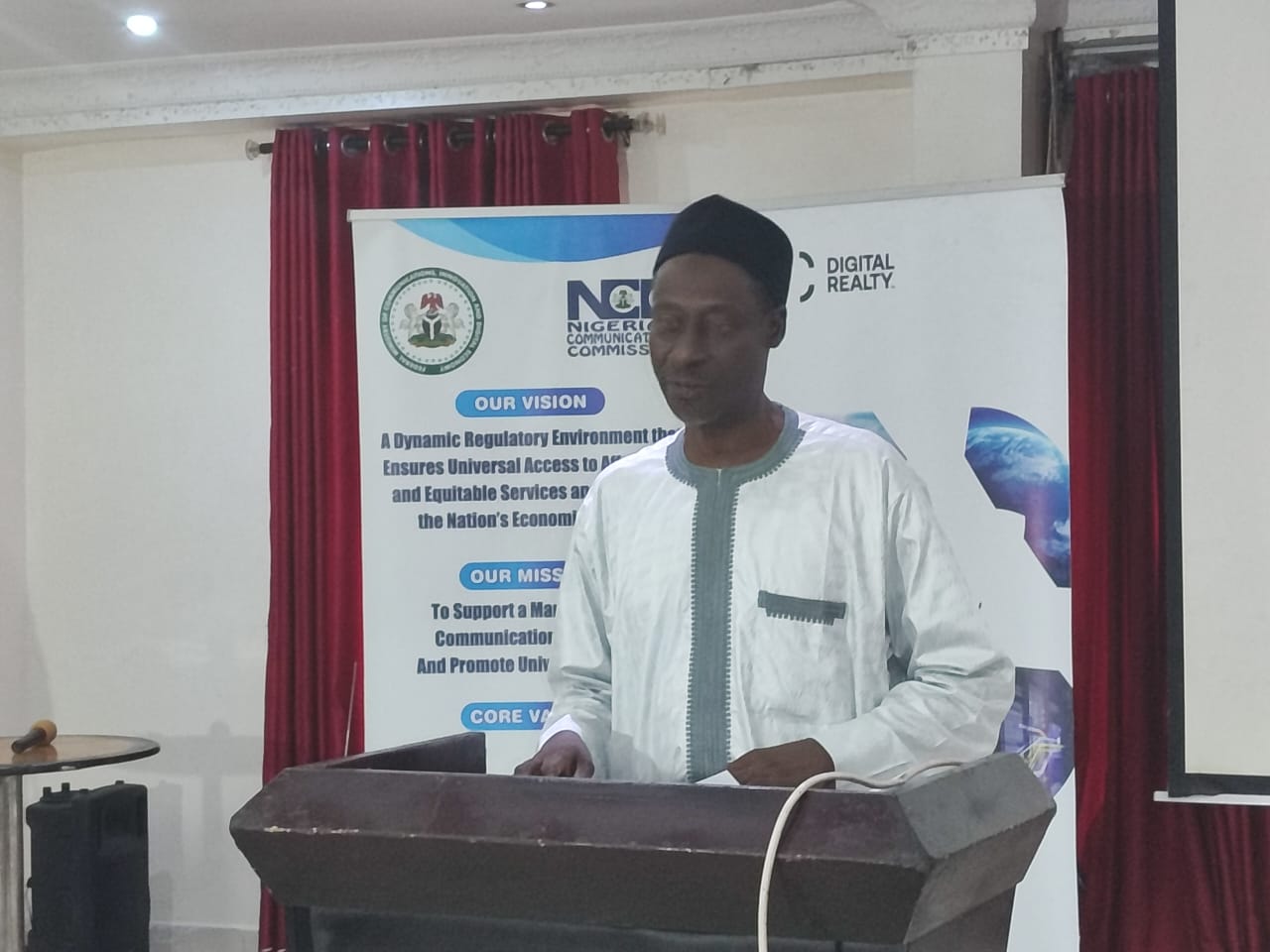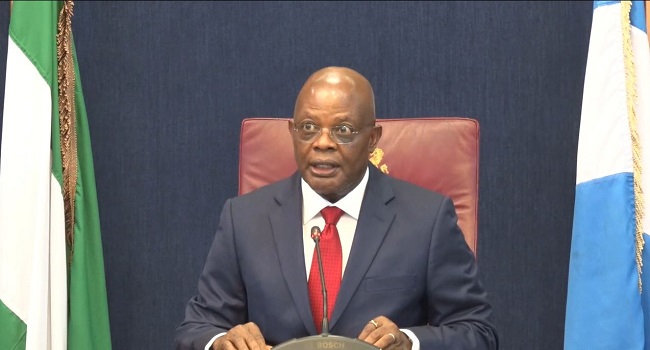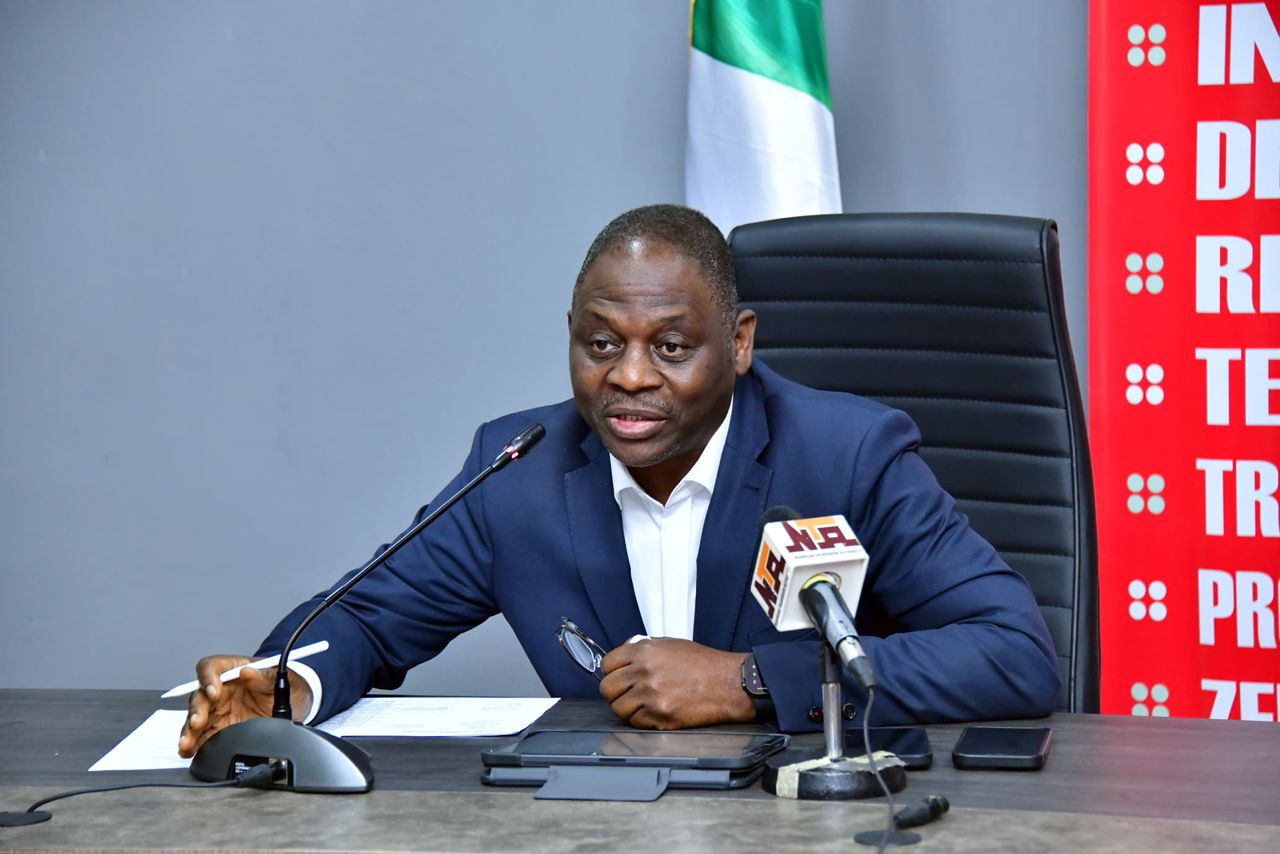

The Chairman of the Independent National Electoral Commission (INEC), Joash Amupitan, has assured Nigerians that the 2027 general election will be credible, transparent and significantly improved, as the commission moves to correct past shortcomings and strengthen the electoral process nationwide.
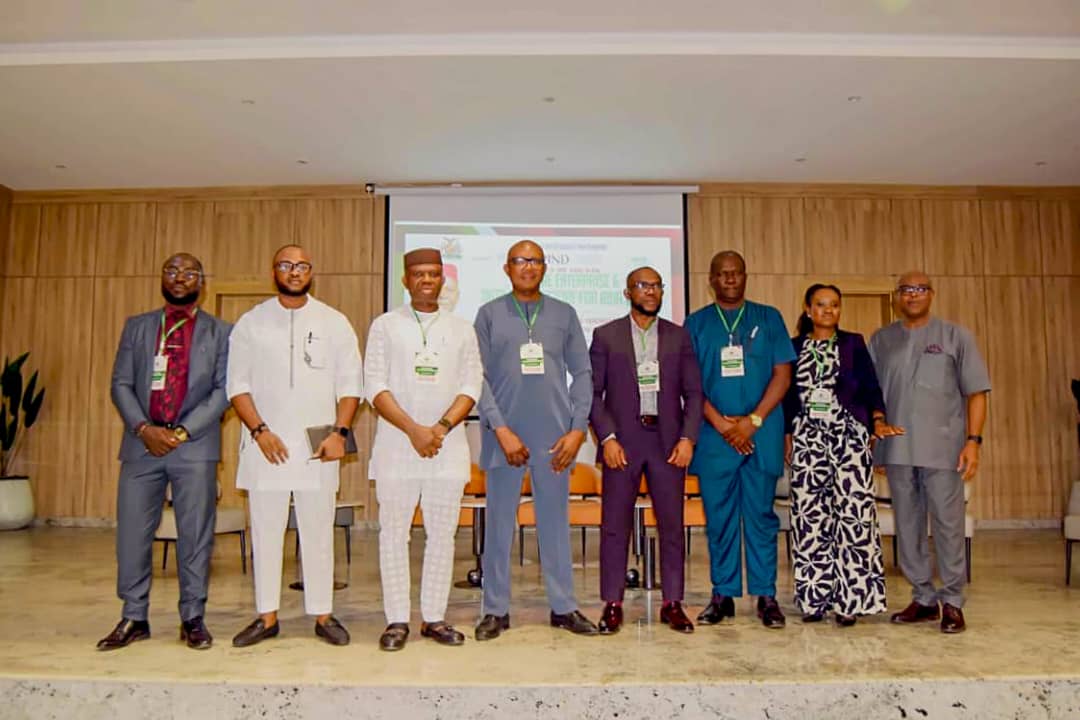
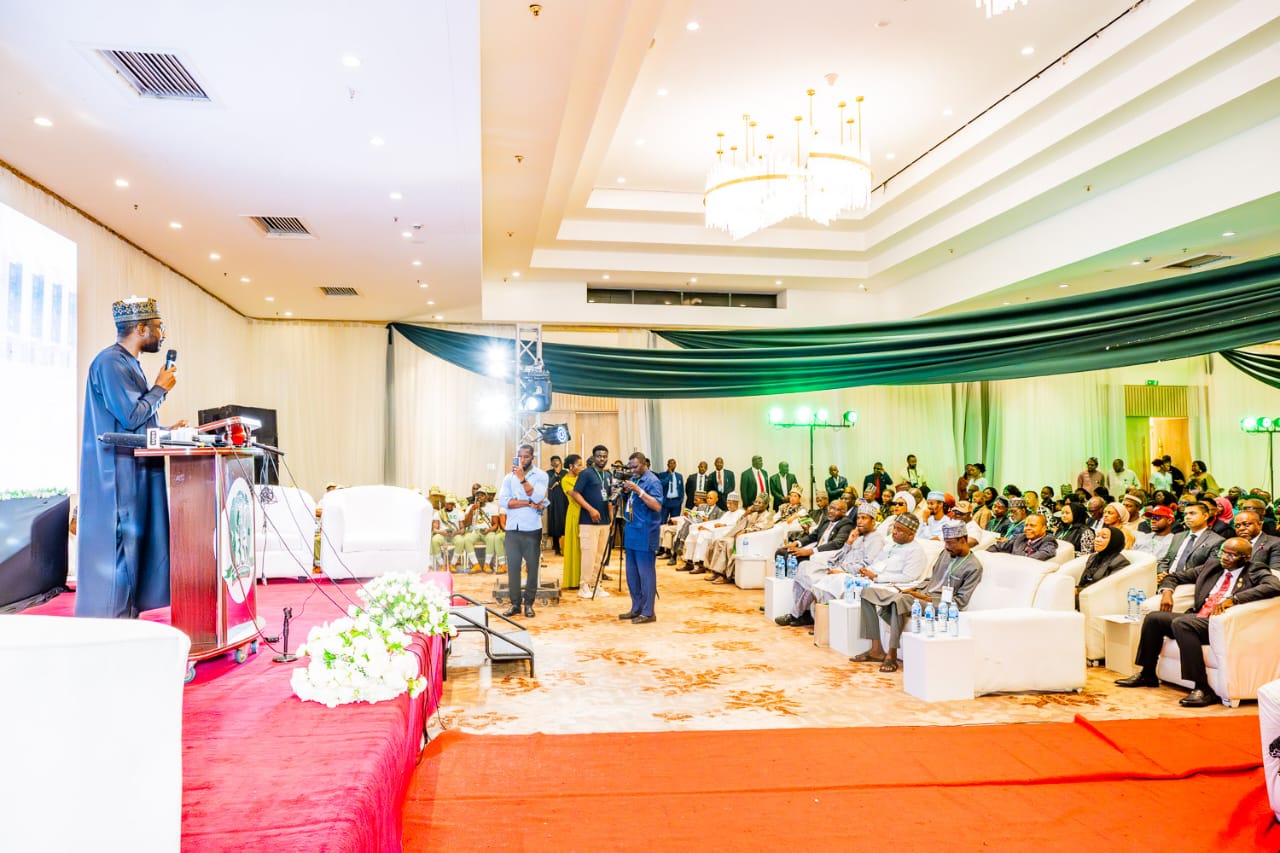
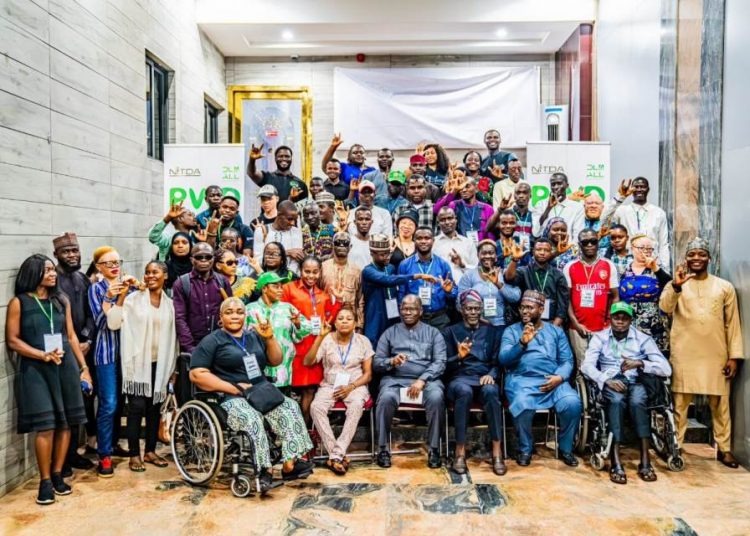
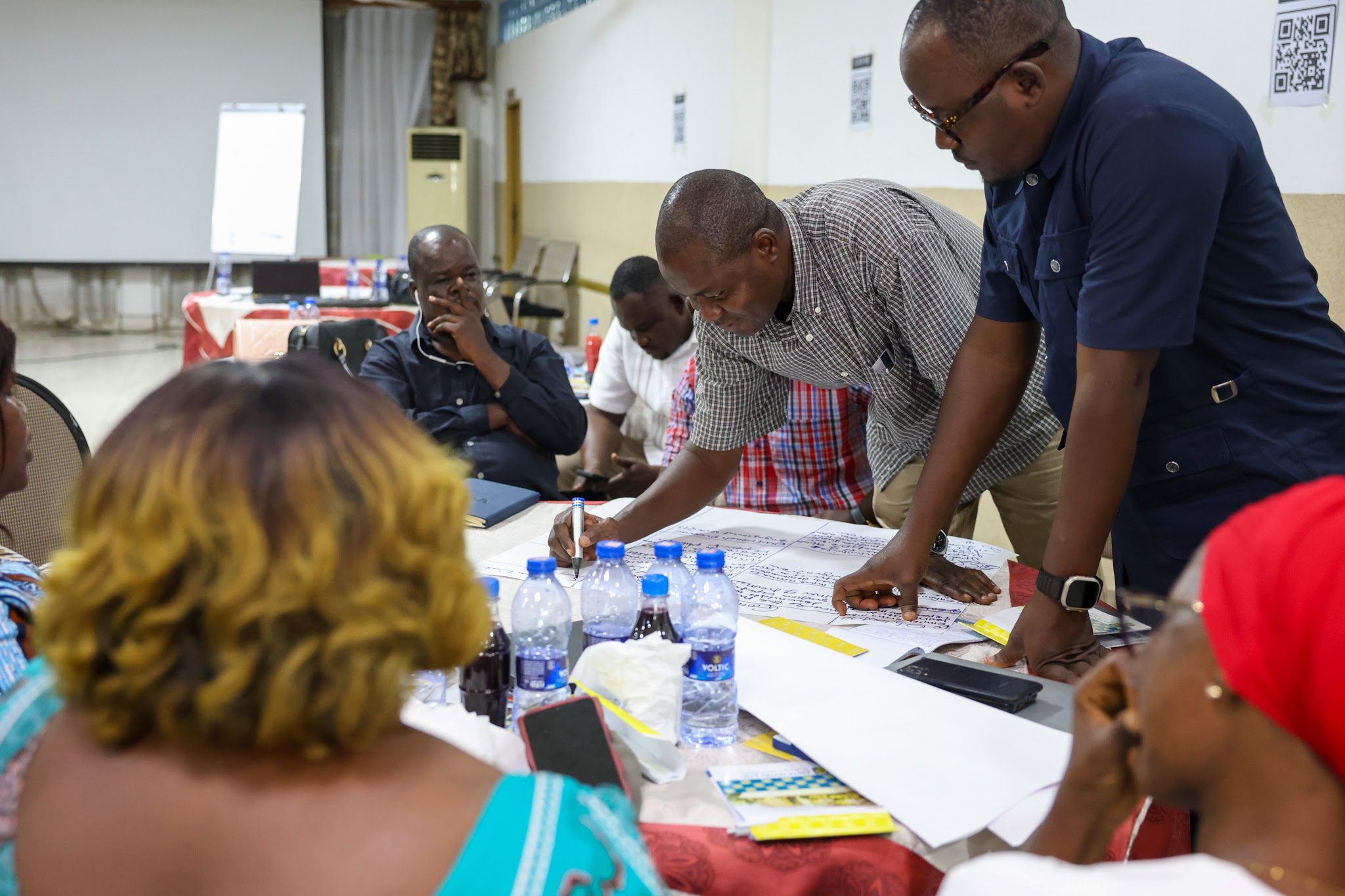
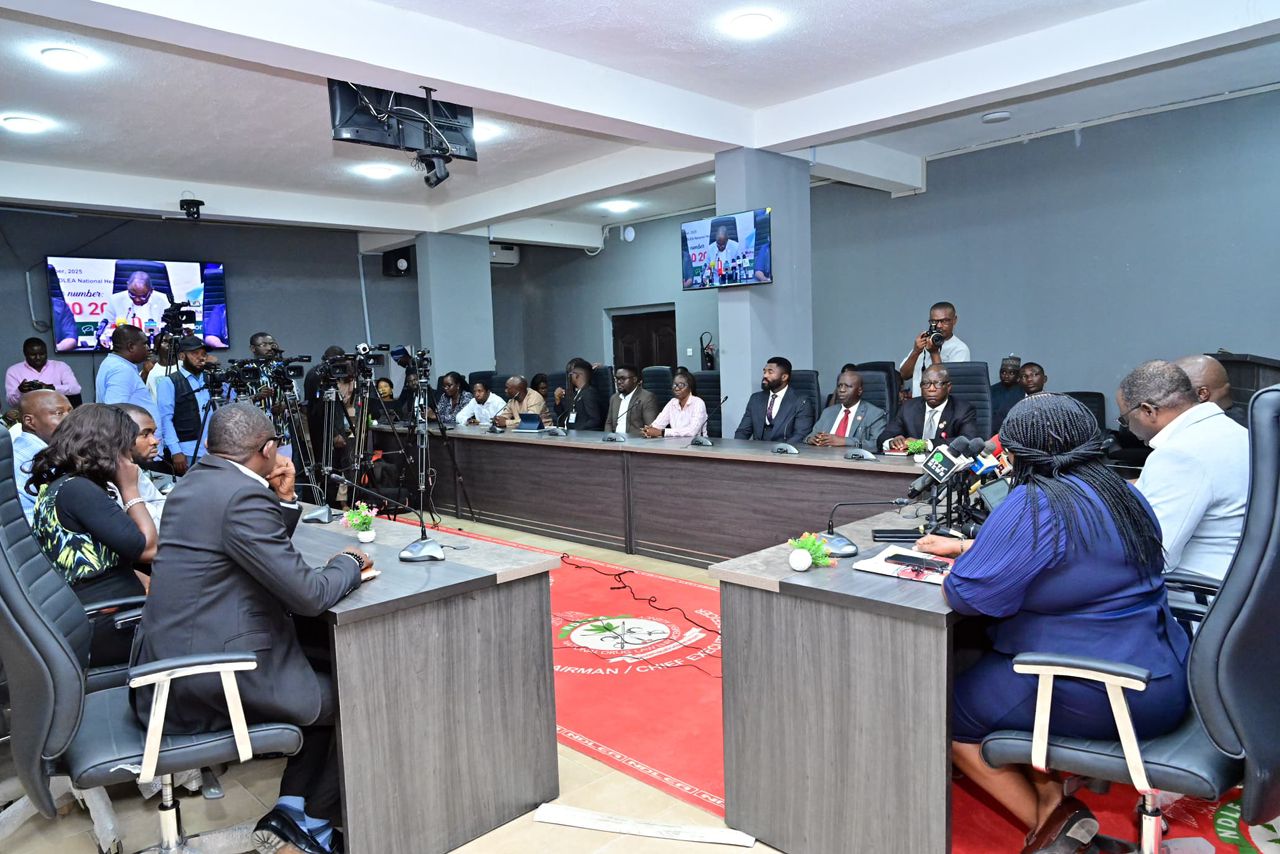
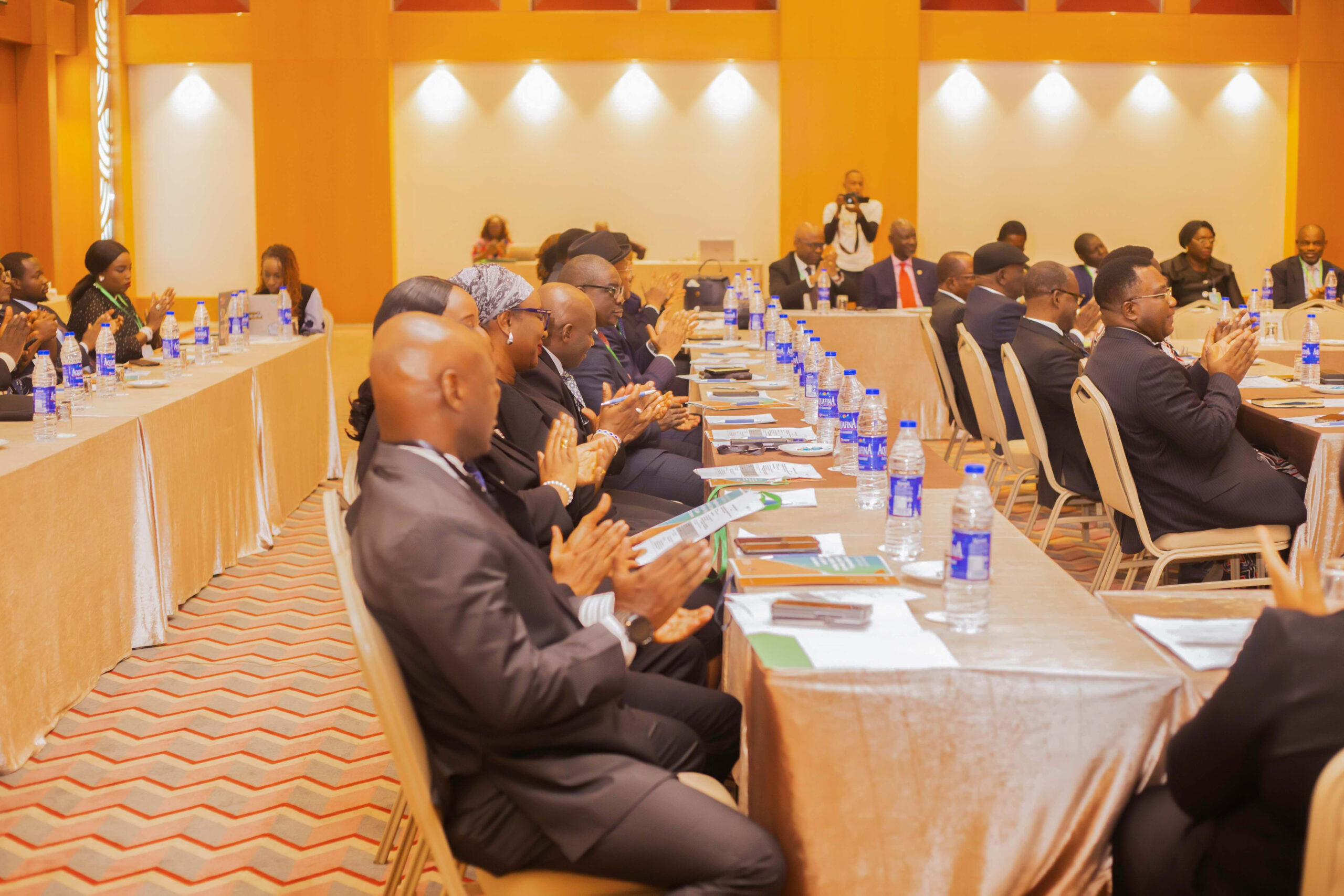
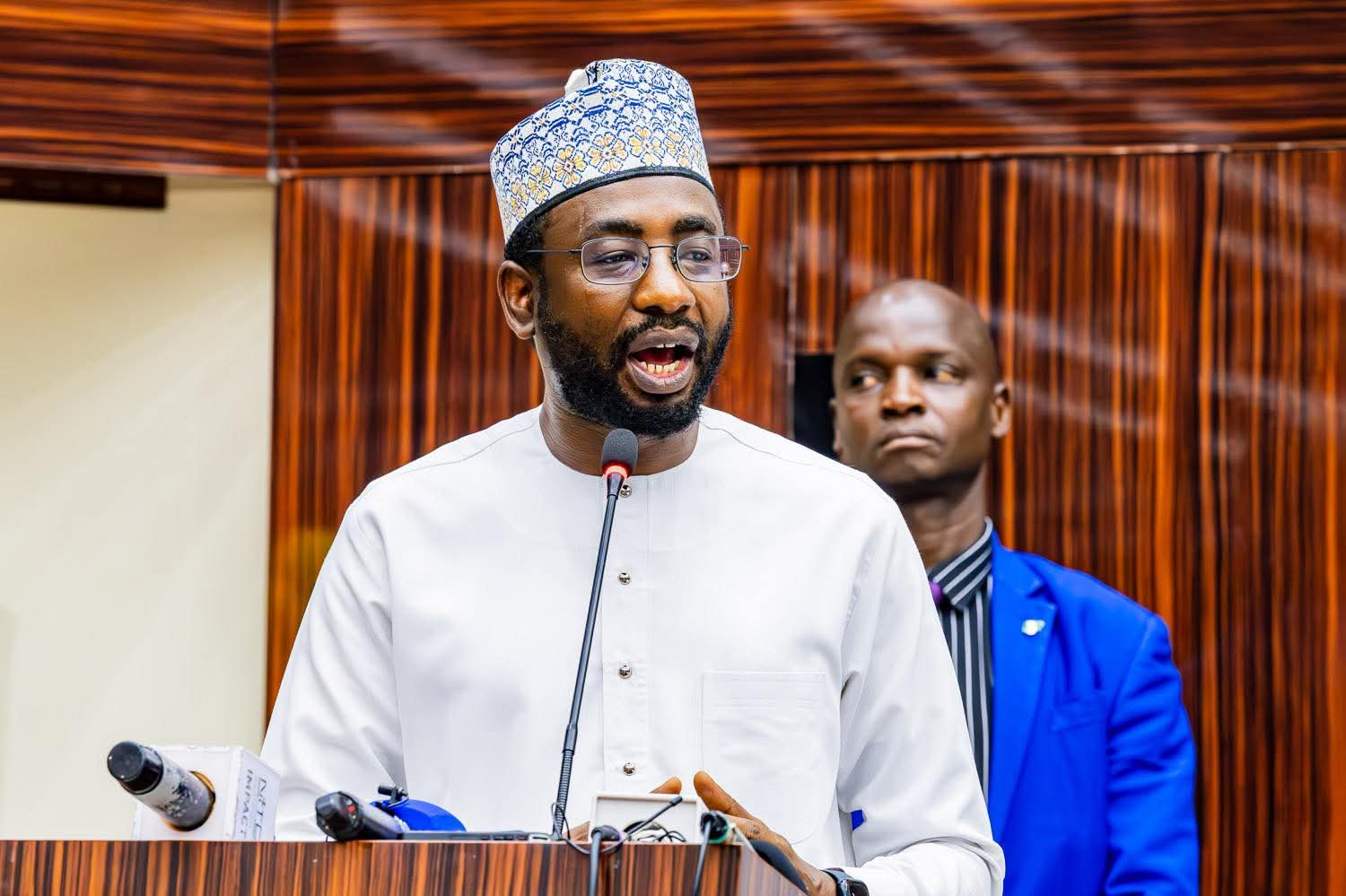
Amupitan gave the assurance on Sunday while speaking at the Citizens’ Townhall on the 2026 Electoral Act in Abuja. He expressed strong confidence in INEC’s level of preparedness, stating that ongoing reforms and strategic planning would deliver a smoother and more reliable voting experience across the country.
“By the grace of God, the 2027 election will be the best Nigeria has ever had. The electorate of 2027 is more aware and understands the direct correlation between elections and national development.”
He stressed the importance of public trust in the electoral system, noting that credibility remains central to national progress.
“We want a process that guarantees the legitimacy and confidence people want to see in their system. When people trust INEC and their leaders, the country will move forward,” he stated.
INEC Tackles Electronic Glitches Ahead of 2027 Election
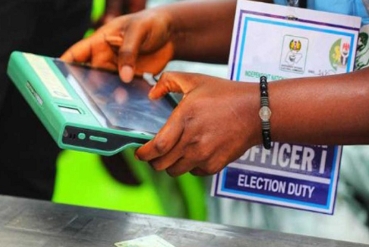
Responding to concerns surrounding electronic transmission of results, particularly the technical issues recorded during the 2023 presidential poll, the INEC chairman said the commission is implementing practical measures to prevent a recurrence. He identified result management and logistics as priority areas requiring careful coordination and improvement.
“So result management and logistics are two basic issues that, from our own end, we’re trying to see how best we’re able to manage them very well, so as to enhance the transparency and credibility of the system.”
“The glitch is eliminated; by God’s grace, it will not surface in Nigeria,” he added.
Amupitan further clarified that provisions in the law permitting alternative collation methods should not be interpreted as an anticipation of failure, but rather as contingency safeguards.
“It is just a proviso, a safety. If it fails, results must still be transmitted. But our determination is that it will not fail,” Amupitan said.
Reflecting on the 2023 experience, he acknowledged that although the Bimodal Voter Accreditation System (BVAS) had been deployed in several off-cycle elections before the presidential contest, the nationwide scale of the general election revealed limitations in stress-testing and operational readiness.
To prevent similar gaps in 2027, INEC plans to conduct a nationwide mock presidential exercise ahead of the election. According to him, this exercise will test the system’s capacity to withstand the pressures of a large-scale national vote.
He also underscored the role of logistics and infrastructure in delivering credible polls, explaining that difficulties often arise from network availability and operational challenges rather than from the electronic transmission platform itself.
“We will try to give Nigerians a near-perfect election,” Amupitan stated.
For more updates on Nigeria’s 2027 general elections, electoral reforms, and other top national stories, visit LouisaOlaniyi.com.ng today. Stay informed and follow full stories.