The U.S. lawmakers’ recommendation signals growing pressure on Abuja to reconsider its defence alignment as part of broader security and geopolitical considerations. This article was originally published on Guardian.ng and has been adapted for further clarity.
The United States has intensified diplomatic and security pressure on Nigeria following a strongly worded congressional report submitted to President Donald Trump.
Washington simultaneously deepened military coordination with Ghana in a move that enhances its operational reach in West Africa.
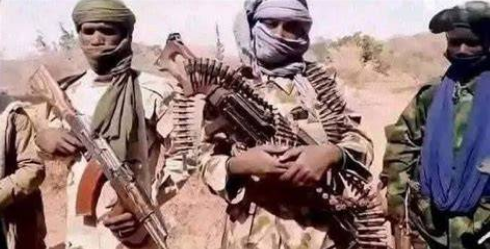
In a joint submission to the White House on Monday, the United States House Committee on Appropriations and the United States House Committee on Foreign Affairs described Nigeria as the most dangerous place in the world to practise the Christian faith and urged the Trump administration to impose targeted sanctions, withhold security assistance and renegotiate bilateral security terms with the Federal Government.
The report, which followed hearings, bipartisan fact-finding visits and consultations with administration officials, also recommended invoking Country of Particular Concern presidential directives, expanding visa restrictions and conditioning funding on demonstrable action against religious violence. Lawmakers warned that failure to curb extremist attacks could destabilise West Africa and threaten U.S. national security interests.
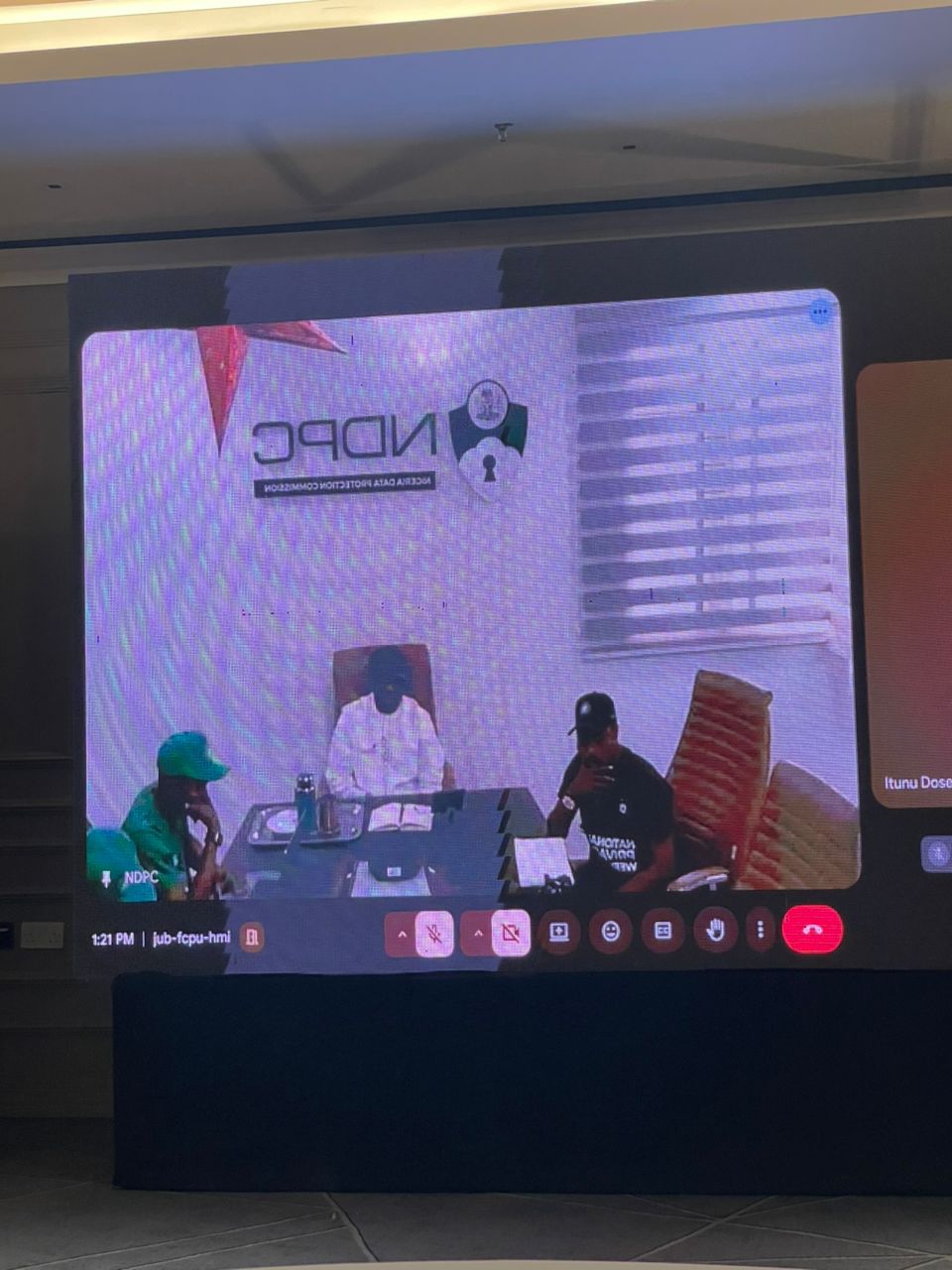
The submission came amid heightened U.S. military engagement with Ghana, where President John Dramani Mahama yesterday met the Commander of United States Africa Command (AFRICOM), U.S. Air Force Gen. Dagvin Anderson, to discuss expanded defence cooperation and joint maritime operations.
According to the AFRICOM chief, the United States military closely monitors global terrorist networks and has observed a significant migration of extremist elements into the West African sub-region.
He stressed that the terrorist threat has evolved beyond the capacity of any single nation to contain.
“No one nation can take this threat out alone. One of the things that we do at AFRICOM and within the U.S. military is we look at these terrorist threats globally. So, we understand how these networks evolve and move. And what we have seen is that a large portion of that network has migrated into the Sahel. They found refuge there in ungoverned space and they have taken advantage of that,” Anderson explained.
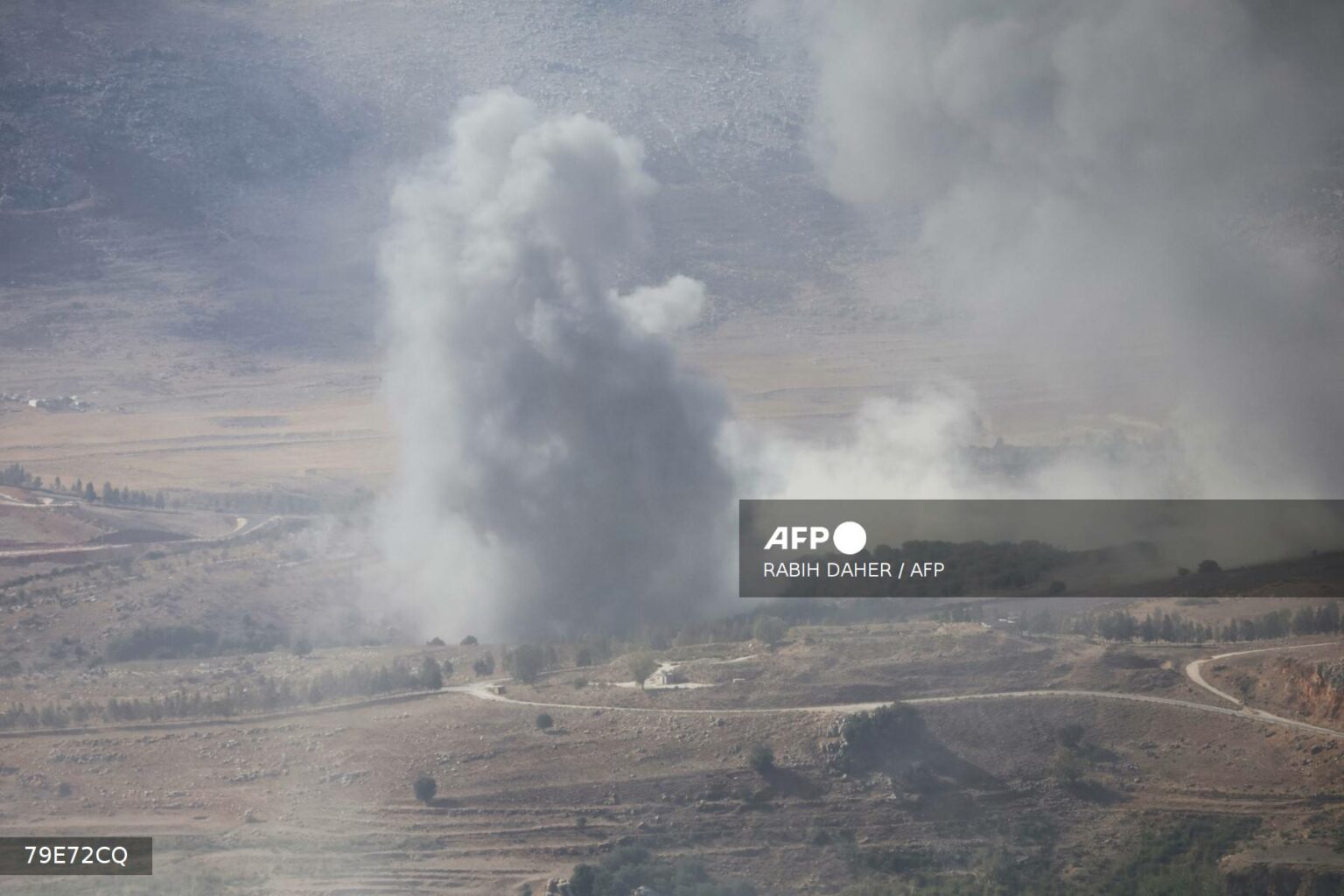
The U.S. Christmas Day airstrike on Sokoto, Nigeria, was reportedly launched from a U.S. naval platform in waters off Ghana’s coast.
Lawmakers also called for implementation of the Fiscal Year 2026 National Security and Department of State appropriations legislation, which withholds funding to Nigeria pending demonstrable action to halt attacks on Christian communities.
It further recommended the repeal of Sharia codes and criminal anti-blasphemy laws, arguing that they contribute to systemic religious discrimination, and proposed steps to compel Fulani herdsmen to disarm, including the possible blocking of beef and cattle-related exports.
The committees said jihadist networks had exploited weak enforcement and limited accountability to carry out coordinated attacks on Christian communities over nearly two decades.
Chairman of the Appropriations Committee, Tom Cole, said the report focuses on defending lives, upholding religious liberty and stopping terrorists.
“Liberty continues when strength stands guard. Protecting the freedom to worship requires vigilance that deters evil, confronts violence, and stands watch so prayer is never left undefended,” he said.
Chairman of the Appropriations Subcommittee on National Security, Department of State, and Related Programs, Mario Díaz-Balart, said lawmakers heard directly from witnesses and experts about violence against Christians.
“We must stand with vulnerable communities and ensure those responsible for this violence are held accountable,” he said.
The committees maintained that protecting religious liberty and countering extremism would require policy shifts backed by measurable accountability.
Ghana’s president meets AFRICOM chief
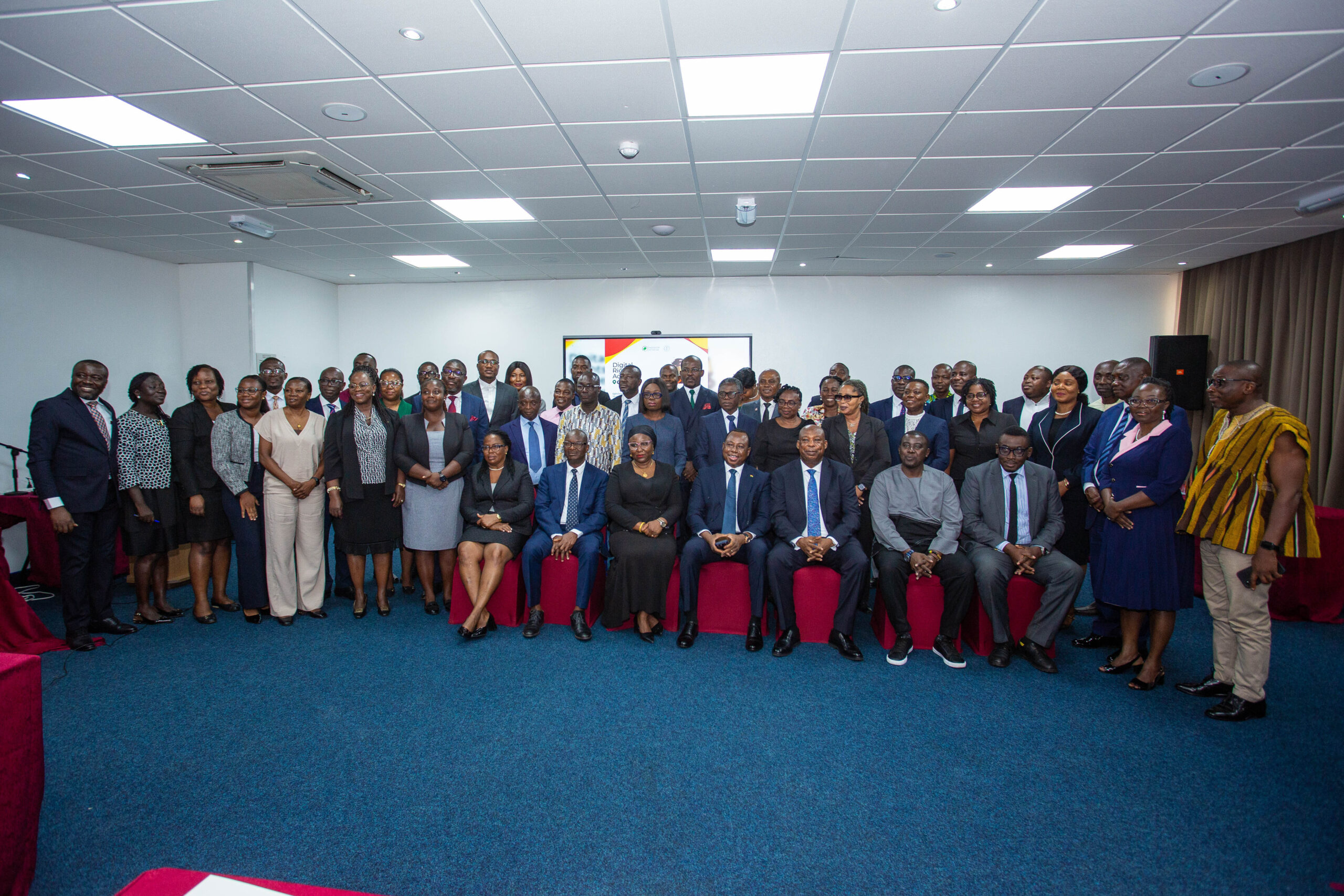
The engagement between Ghana’s President, John Dramani Mahama, and the Commander of the United States Africa Command (AFRICOM), U.S. Air Force Gen. Dagvin Anderson, held at Jubilee House in Accra, focused on subregional security threats and the need for increased U.S. support to tackle evolving challenges across West Africa.
Key issues discussed included a proposed bilateral agreement for joint maritime patrols to safeguard Ghana’s coastal waters and combat illegal fishing and piracy. Both sides also explored improving coordination between AFRICOM and the Ghana Armed Forces in logistics and broader security cooperation to enhance operational effectiveness.
Mahama and Anderson emphasised Ghana’s role as a strategic regional partner and reaffirmed their commitment to stability across the subregion, stressing mutual respect and shared democratic values.
Ghana has, in recent years, deepened military cooperation with the U.S., hosting AFRICOM’s largest military exercise, African Lion, and partnering with the U.S. Army Southern European Task Force, Africa (SETAF-AF) on medical readiness and joint drills.
The Ghana Armed Forces have also participated in the recent “Best Medic” exercise and co-hosted the 2024 Africa Maritime Forces Summit with U.S. Marine Forces Europe and Africa. In addition, Ghana partnered with SETAF-AF to host the African Land Forces Summit in Accra last year.
Officials said the latest engagement reflects Washington’s efforts to consolidate partnerships with key West African allies amid rising security threats in the Sahel and Gulf of Guinea.
AFRICOM said sustained high-level consultations are aimed at strengthening capable forces across the continent to promote regional peace and stability while advancing shared strategic interests.
FG denies religious persecution, ransom claims amid U.S. pressure
The Federal Government has rejected claims of state-backed religious persecution and dismissed allegations that it paid ransom or released militant commanders to secure the freedom of abducted schoolchildren, insisting that Nigeria’s security challenges are rooted in terrorism and organised criminality rather than religious bias.
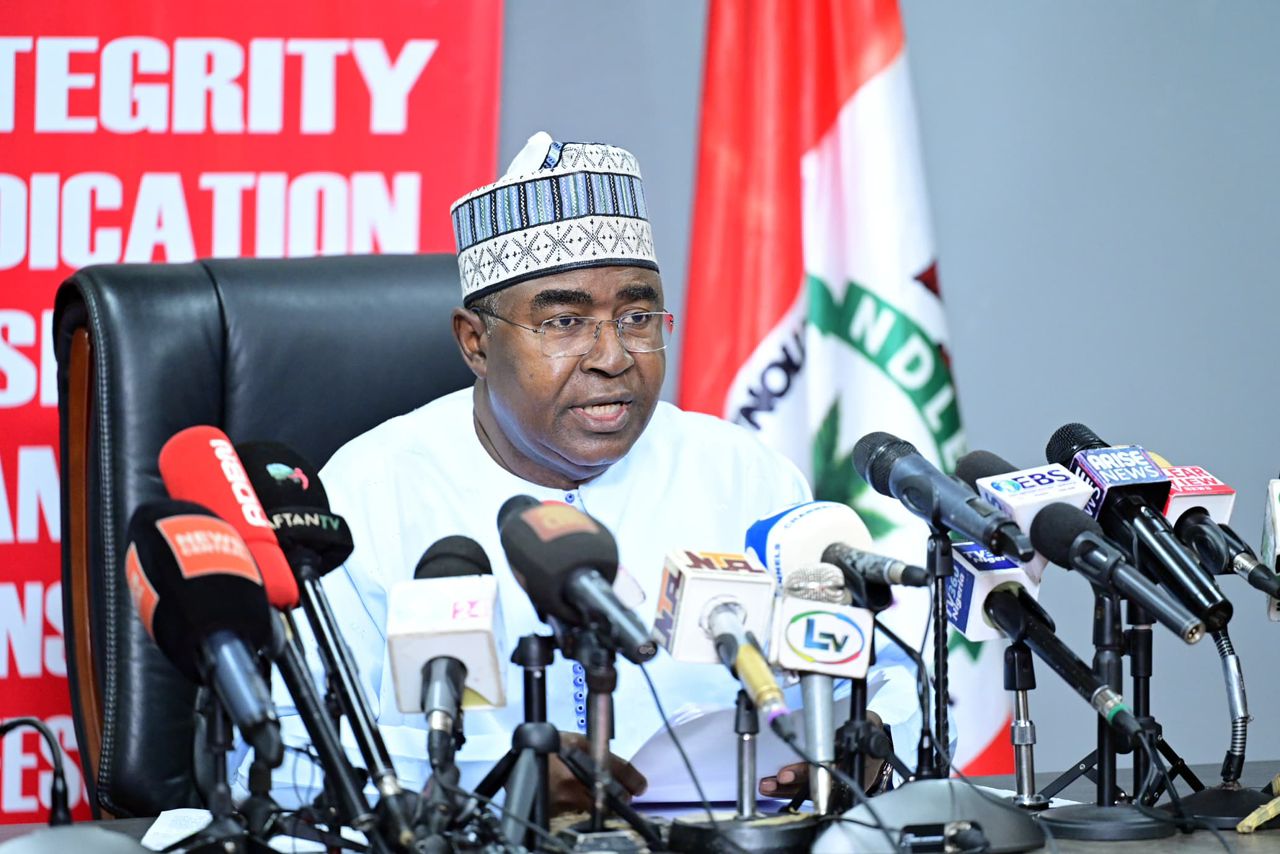
In a statement, the Minister of Information and National Orientation, Mohammed Idris, said the government had taken note of recent recommendations emerging from engagements within the United States Congress, including a joint report on Christian persecution in Nigeria submitted to the White House on Monday by the House Foreign Affairs Committee and the House Appropriations Committee.
He acknowledged that parts of the country continue to face serious security challenges, including terrorism, banditry and communal conflicts, which have resulted in loss of lives and destruction of property across several communities.
“It is important to state clearly that Nigeria does not have, and has never had, a state policy of religious persecution,” Idris said. “The violence being confronted by our security agencies is not driven by government policy or religious bias, but by complex security threats, including terrorism, organised criminality, and longstanding communal tensions.”
The minister stressed that the Constitution of the Federal Republic of Nigeria guarantees freedom of religion and worship for all citizens and that the government remains committed to upholding those protections and ensuring equal protection under the law.
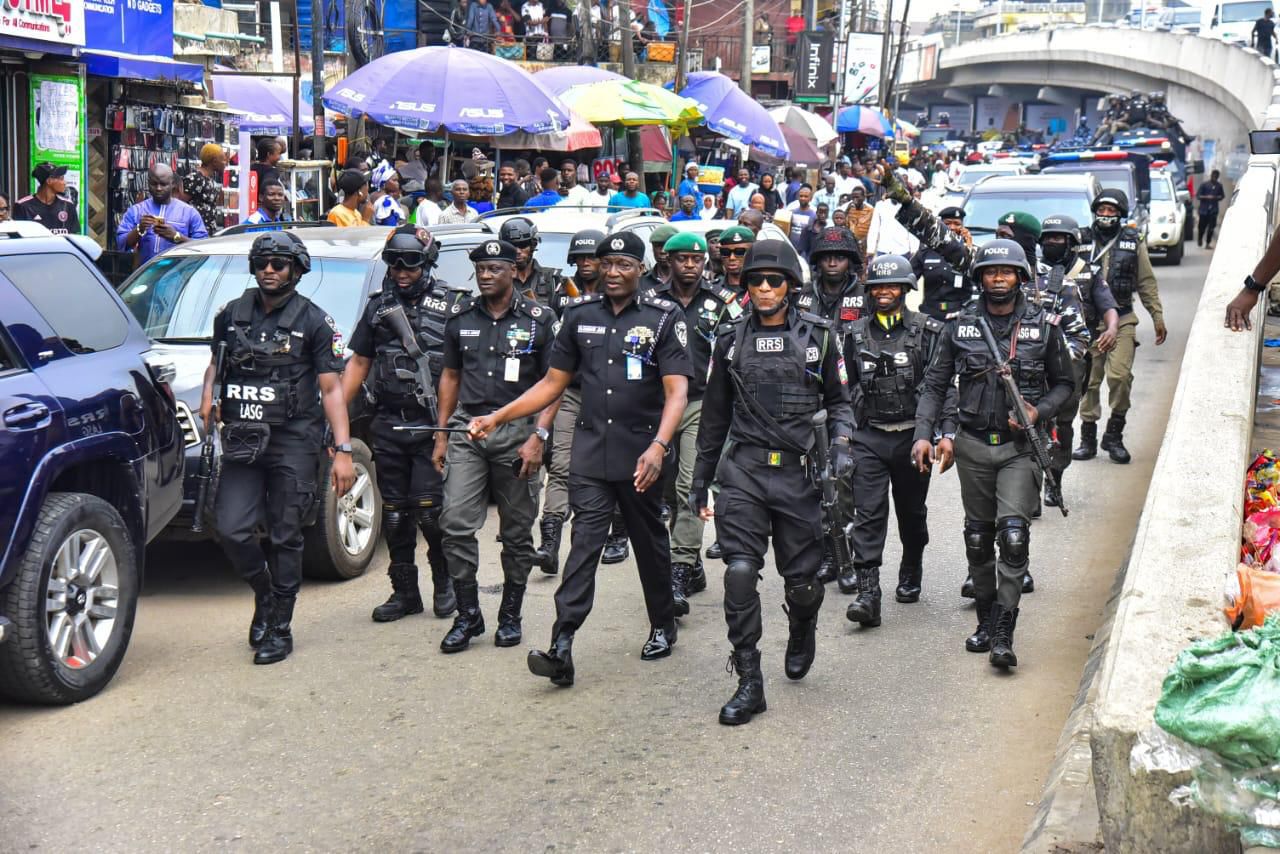
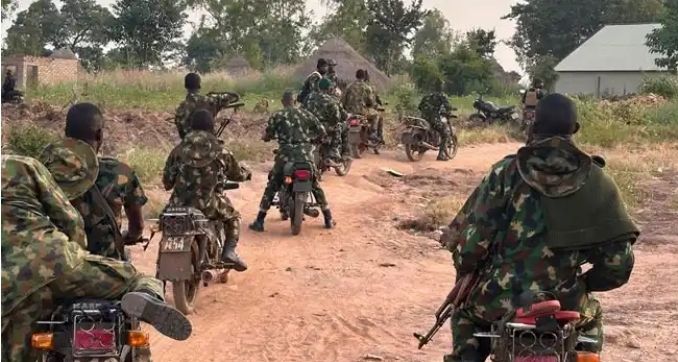
He said the government had strengthened coordinated military and law enforcement operations in affected regions, intensified surveillance and clearance operations in forested areas exploited by criminal groups, and enhanced intelligence-sharing and inter-agency collaboration to improve early warning and rapid response mechanisms.
Idris added that specially trained forest guards had been deployed to deny terrorists and bandits safe havens, improve territorial control and reinforce community-level security presence, alongside increased investment in equipment, mobility assets and technology for the Armed Forces and other agencies.
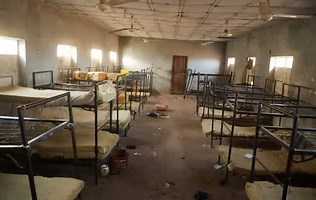
On allegations that the government paid ransom to secure the release of schoolchildren abducted from St Mary’s Boarding School in Niger State, the minister described the claims as “completely false and baseless”.
“For the avoidance of doubt, no ransom was paid, and no militant commanders were freed,” he said.
He stated that the Office of the National Security Adviser, the Department of State Services and the leadership of the National Assembly had all publicly refuted the allegations.
The government also dismissed reports that ransom was delivered by helicopter to insurgents, describing such claims as fiction. Idris said the DSS had formally characterised the helicopter allegation as “fake and laughable”.
According to him, Nigeria is confronting what he termed a structured, profit-driven criminal enterprise, and the successful rescue of the pupils without casualties was achieved through professional intelligence gathering and operational precision.
While reaffirming respect for press freedom, the government urged media organisations to verify information before publication, warning that speculative reports could embolden criminals and undermine troop morale.
Idris reiterated that Nigeria values its longstanding and strategic partnership with the United States and remains open to constructive dialogue rooted in mutual respect, shared responsibility and recognition of Nigeria’s sovereignty.
“The Federal Government will continue to engage international partners through appropriate diplomatic channels while remaining focused on its primary duty, the protection of all Nigerians,” he said.
PDP, ADC demand probe into alleged ransom payments
The Peoples Democratic Party (PDP) and the African Democratic Congress (ADC) have accused the Federal Government of encouraging criminality over reports that ransom was allegedly paid to secure the release of kidnapped victims in Niger, Kebbi and Kwara states.
In a statement issued in Abuja, the PDP described the development as “shameful and unfortunate”, warning that any confirmation of ransom payments would violate existing anti-terrorism laws and embolden criminal groups.
The statement, signed by the party’s National Publicity Secretary, Comrade Ini Ememobong, followed media reports alleging that large sums were paid to kidnappers amid heightened international scrutiny of illicit financial flows linked to extremist networks.
The PDP said the reports came on the heels of recent engagements between Nigerian officials and the United States Assistant Secretary of the Treasury, Jonathan Burke, on efforts to disrupt terror financing.
Citing the National Bureau of Statistics’ Crime Experience and Security Perception Survey 2024, the party said N2.3 trillion was reportedly paid as ransom between May 2023 and April 2024, with more than two million Nigerians kidnapped within the same period.
It argued that ransom payments, if established, contradict global best practice, which discourages governments from negotiating with criminal groups.
“Rather than assuaging criminals, ransom payments embolden them and fuel further operations,” the PDP said.
The party also described as hypocritical any alleged involvement in ransom negotiations, noting that the Terrorism (Prevention and Prohibition) Act criminalises such payments.
The PDP further criticised what it termed the “ad hoc” security strategy of President Bola Tinubu’s administration, alleging that delayed or partial release of security funds had weakened operational capacity and emboldened non-state actors.
It called on the government to halt any ransom payments, fully implement the anti-terror law and strengthen efforts to track illicit financial flows. The party also urged authorities to empower the Multi-Agency Kidnap Fusion Cell established in December 2024.
Specifically, it asked the government to “honestly clear the air” over allegations that millions of dollars were paid to secure the release of victims, including those abducted from St Mary’s School in Niger State.
Similarly, the ADC, in a statement signed by its National Publicity Secretary, Bolaji Abdullahi, said it had reviewed reports alleging that the Federal Government paid over N10 billion and released two senior Boko Haram commanders to secure the freedom of abducted pupils and staff of St Mary’s Catholic School, Papiri.
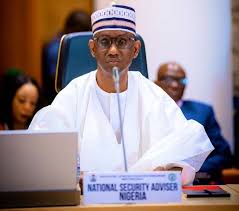
The party recalled that the government and security agencies had denied paying ransom, with the National Security Adviser, Nuhu Ribadu, reportedly describing ransom payments as “one of the worst things” promoting insecurity.
The ADC said the Terrorism (Prevention and Prohibition) Act, 2022 expressly outlaws negotiations and ransom payments to kidnappers and terrorists.
It warned that if the allegations were confirmed, it would suggest that government was undermining its own laws and incentivising further abductions.
“Nigeria cannot claim to discourage ransom payments while operating in a manner that, if confirmed, rewards terror networks,” the party said.
The ADC called for a categorical explanation on whether any ransom was paid or detainees released in connection with the Papiri abduction, cautioning against sacrificing national security principles for short-term gains.
CAN official cautions against repeal of Sharia, urges new constitution
The Christian Association of Nigeria (CAN) has cautioned that calls by a United States congressional panel for Nigeria to repeal Sharia and blasphemy laws could heighten religious tension and destabilise the country.
Instead of scrapping Sharia provisions, the Christian body is advocating a new, people-driven constitution, arguing that only a fresh constitutional framework can adequately reflect Nigeria’s complex religious and ethnic realities.
A senior CAN official, who spoke in confidence because of the sensitivity of the matter, said international pressure on the issue must be handled carefully.
“This is a very sensitive issue. If you look at the process required to amend the Constitution, you will see that it could create serious tension,” the official said.
The caution follows recommendations by a U.S. congressional panel which, after hearings and consultations, urged Abuja to repeal Sharia and blasphemy laws over alleged persecution of Christians.
The panel also proposed sanctions, visa restrictions and a bilateral U.S.–Nigeria security agreement to protect vulnerable communities and counter extremist violence, while pressing the Nigerian government to demonstrate concrete action against religious persecution and insecurity.
The CAN source said discussions at a recent meeting of the Nigeria Inter-Religious Council (NIREC) highlighted the sensitivity of the matter.
“At one of the recent meetings of NIREC, some Muslim clerics strongly argued that Sharia is a way of life and part of the culture of certain northern communities, and therefore cannot simply be repealed or removed from the Constitution,” the official said.
He warned that mishandling the debate could inflame passions, noting that religion remains an extremely sensitive issue in the country.
“Even how this issue is discussed in the media requires great care,” he added.
While expressing concern that some individuals exploit Sharia to justify abuses, the official stressed that CAN is not calling for its abolition. Rather, the association is pushing for a new constitutional order.
“Our position is that Nigeria needs a new constitutional framework, one that genuinely reflects the will of the people,” the source said, arguing that the 1999 Constitution, which originated under military rule, is fundamentally flawed.
He added that any new arrangement should fairly accommodate all faiths and ethnic groups, suggesting that where Sharia is recognised, other faith-based legal systems should also be constitutionally guaranteed.
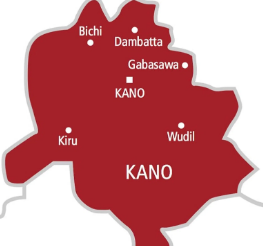
Kano Assembly urges state govt to respond to U.S. allegations against Kwankwaso
The Kano State House of Assembly yesterday called on the state government to formally respond to allegations reportedly made by the United States against former governor Rabiu Kwankwaso, including claims linking him to terrorism and proposals to freeze his assets and bank accounts.
The motion was moved during plenary by Usman Tasiu (NNPP–Kiru) and presided over by the Speaker, Jibril Falgore.
Leading the debate, Tasiu described Kwankwaso as a dedicated public servant whose administration, he said, made notable contributions to the welfare of Kano residents.
He highlighted the former governor’s efforts in promoting peace, advancing education and driving infrastructural development across religious divides in the state.
Tasiu also described the senator as a unifying figure who mediated tensions between Nigeria’s northern and southern regions and maintained a firm stance against terrorism while in office.
Following deliberations, the Assembly unanimously adopted the motion, urging the Kano State Government to take appropriate steps in addressing the allegations attributed to the United States.
In separate resolutions, the House approved motions calling on the state government to construct roads in several local government areas, including Tarauni, Madobi, Garun Malam and Kura/Garun Malam.
The motions were sponsored by Kabiru Dahiru (APC–Tarauni), Sulaiman Ishaq (APC–Madobi), Deputy Speaker Muhammad Bello (APC–Rimin Gado) and Zakariyya Alhassan (APC–Kura/Garun Malam).
The sitting was adjourned until Monday, March 2, 2026, following a motion made by the Majority Leader, Lawan Hussaini.
Insecurity is governance failure, not terrorism, says ex-Army chief
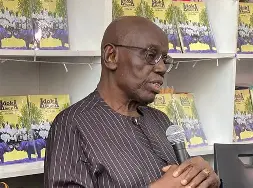
A former Commandant of the Nigerian Army Training and Doctrine Command, Retired Major General Ishola Williams, described Nigeria’s worsening insecurity as a public safety crisis rooted in governance failures, corruption and intelligence lapses, rather than terrorism or external aggression.
Williams spoke during an interview on Frontline, a current affairs programme on Eagle 102.5 FM, Ilese Ijebu, where he criticised the country’s security architecture, military spending and policing structure, and called for urgent institutional reforms.
He argued that framing the crisis as terrorism or foreign invasion distracts from internal drivers such as political manipulation, poverty, arms proliferation and weak institutions.
“Let us start from the basics. There is a difference between defence, security, and public safety. Nigeria today does not have a defence problem, because no external force is attacking us,” he said. “What we have is a public safety crisis caused by our own citizens, due to governance failure and institutional collapse.”
Williams said acts such as suicide bombings and mass attacks are tactics, insisting that banditry, kidnapping, illegal mining and organised crime are public safety threats, not war.
He dismissed claims that armed groups are infiltrating Nigeria from neighbouring countries, maintaining that most perpetrators are Nigerians. He linked the roots of violence, particularly in the North, to political actors who armed youths for elections and later abandoned them.
“Extremism did not start this crisis — bad governance did,” he said, adding that most Boko Haram fighters are local recruits pursuing domestic objectives.
The retired general accused security institutions of corruption and lack of accountability despite trillions of naira spent on defence. He said equipment alone cannot resolve insurgency without intelligence, doctrine and discipline.
Williams advocated decentralised policing, urging the National Assembly to expedite legislation on state police. He proposed restructuring the Nigeria Police Force into federal intelligence and paramilitary units while allowing states to manage routine policing.
He cited the Western Nigeria Security Network, Amotekun, as a workable community policing model and cautioned against reliance on foreign military intervention, arguing that Nigeria must develop home-grown solutions.
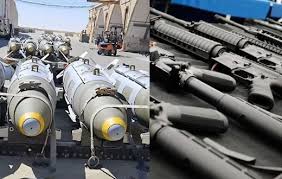
U.S. lawmakers urge Nigeria to cut military ties with Russia
UNITED STATES lawmakers have urged Nigeria to divest from Russian military equipment and deepen defence cooperation with Washington as part of a proposed bilateral agreement aimed at protecting vulnerable Christian communities and countering extremist violence.
The proposal, contained in a joint report by the United States House Committee on Appropriations and the United States House Committee on Foreign Affairs, calls for “continued and expanded security cooperation, including by divestment of Russian military equipment for American military equipment through sales and financing”.
The report, released on Monday, was prepared following President Donald Trump’s redesignation of Nigeria as a Country of Particular Concern (CPC) over allegations of Christian persecution, despite repeated rebuttals by the Federal Government.
Lawmakers said the proposed U.S.–Nigeria partnership would seek to “protect vulnerable Christian communities from violent persecution” and eliminate jihadist activity, while also advancing economic cooperation and countering adversaries in the region.
The Chinese Communist Party and the Russian Federation were named as adversaries.
“The United States and Nigeria should take this moment to redefine a new strategic partnership to make America — and Nigeria — safer, stronger, and more prosperous,” the report stated.
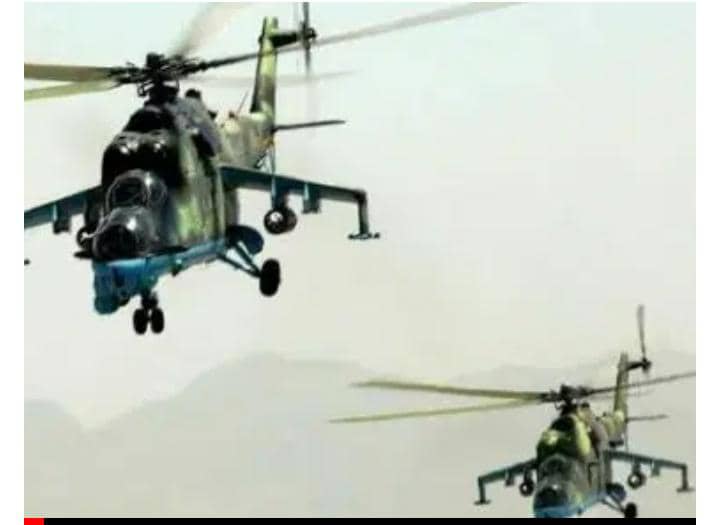
Nigeria maintains a long-standing military relationship with Russia. In 2021, then Minister of Defence, Bashir Magashi, signed a defence cooperation agreement with Moscow covering the supply of military hardware, training, after-sales services and technology transfer.
The agreement followed Nigeria’s expressed need for additional Russian equipment to tackle insecurity.
In May last year, Christopher Musa, then Chief of Defence Staff and now Minister of Defence, met Russian officials to finalise arrangements on training, logistics, arms supply and intelligence-sharing in counter-terrorism operations. He said at the time that Russia had donated weapons and drones to support operations in Nigeria and the Sahel.
Earlier this month, Russia’s ambassador to Nigeria, Andrey Podyolyshev, confirmed ongoing talks on further military cooperation.
Russia has expanded its footprint in the Sahel in recent years, capitalising on regional tensions with Western powers.
For deeper insights, exclusive updates, and balanced analysis on Nigeria’s security and foreign policy developments, visit LouisaOlaniyi.com.ng today. Stay informed with credible reporting that keeps you ahead of the headlines.