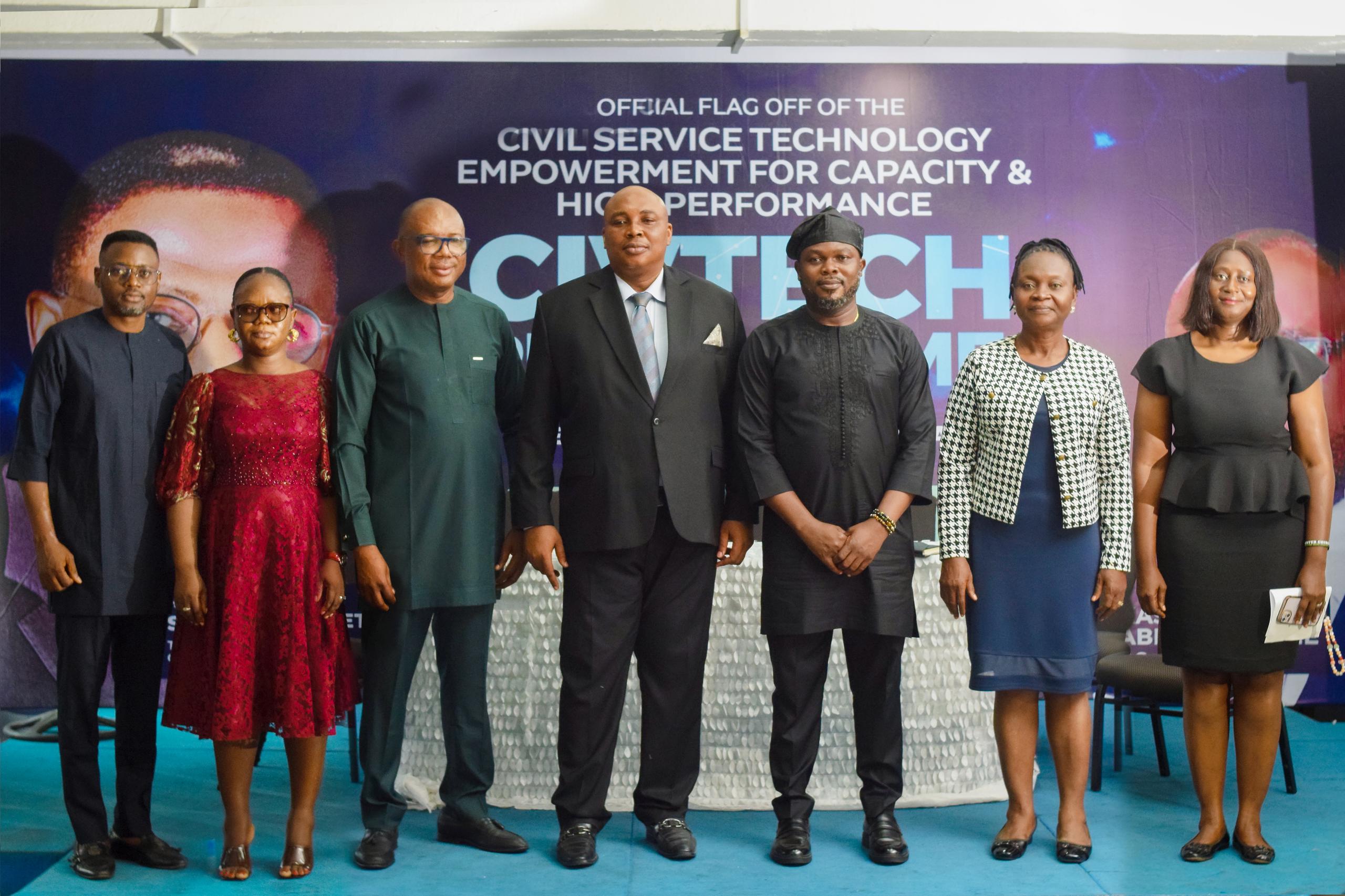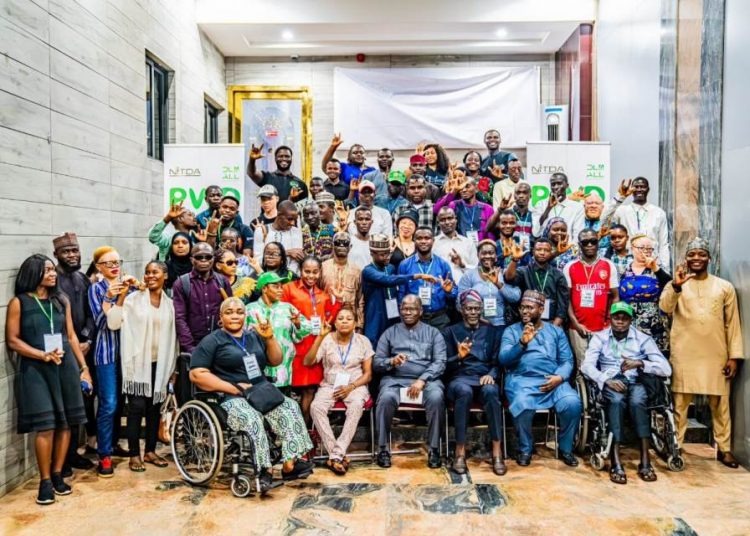
The National Information Technology Development Agency (NITDA) has recorded a major milestone in the Federal Government’s digital transformation agenda following the successful rollout of the Digital Literacy for All (DL4ALL) Workforce Programme across the Federal Civil Service. This was revealed in a statement by Hadiza Umar (Mrs.), Director, Corporate Communications & Media Relations (CC&MR), NITDA.
Implemented in strategic partnership with the Office of the Head of the Civil Service of the Federation (OHCSF), the programme achieved broad participation, enrolling more than 45,000 civil servants per course across four foundational digital literacy modules. These include Digital Awareness; Using Computers and Mobile Devices; Digital Content Creation, Communication and Collaboration; and Digital Safety and Security.
According to the DL4ALL Workforce Programme Final Report for 2025, enrolment figures ranged between 45,813 and 54,377 learners per course, representing an estimated 65–75 per cent coverage of the Federal Civil Service workforce. The report further indicates that completion rates across the modules ranged from 38.1 per cent to 44.6 per cent, which aligns with global benchmarks for large-scale voluntary online training initiatives.
Significantly, completion rates improved as participants progressed into more advanced modules—an outcome widely interpreted as evidence of increased learner commitment, improved digital readiness, and deeper skill acquisition. As a result, tens of thousands of civil servants now possess foundational digital competencies, helping to establish a reliable pipeline for intermediate and role-specific digital skills development across Ministries, Departments and Agencies (MDAs).
Programme data also revealed that institutional leadership and internal coordination had a stronger influence on learning outcomes than workforce size. While large MDAs such as the Federal Ministry of Education and the Federal Ministry of Defence recorded the highest enrolment and completion figures overall, several smaller institutions achieved completion rates exceeding 70 per cent. This, the report notes, reflects the impact of strong ICT leadership, active Digital Literacy Champions, and consistent performance monitoring.
DL4ALL Drives Advanced Digital Skills and Public Sector Reform
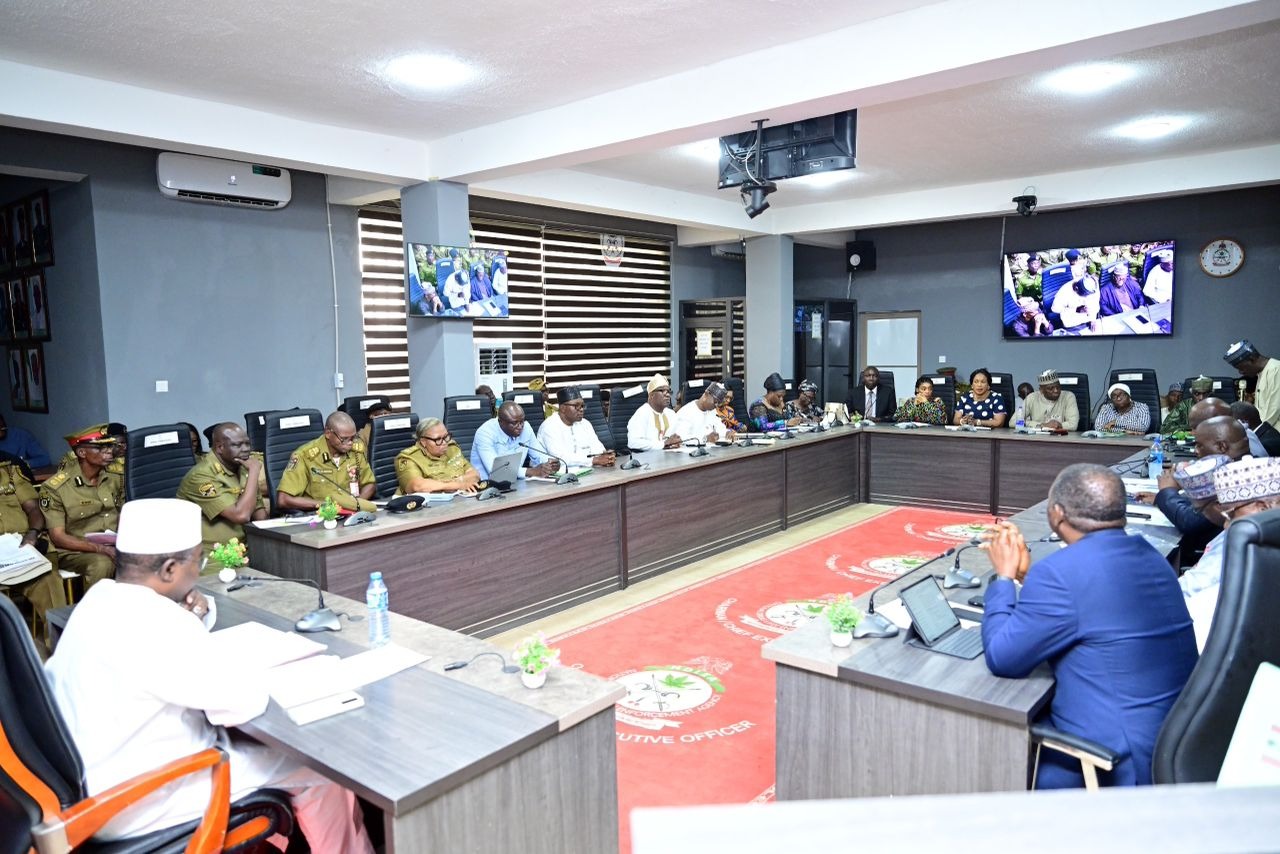
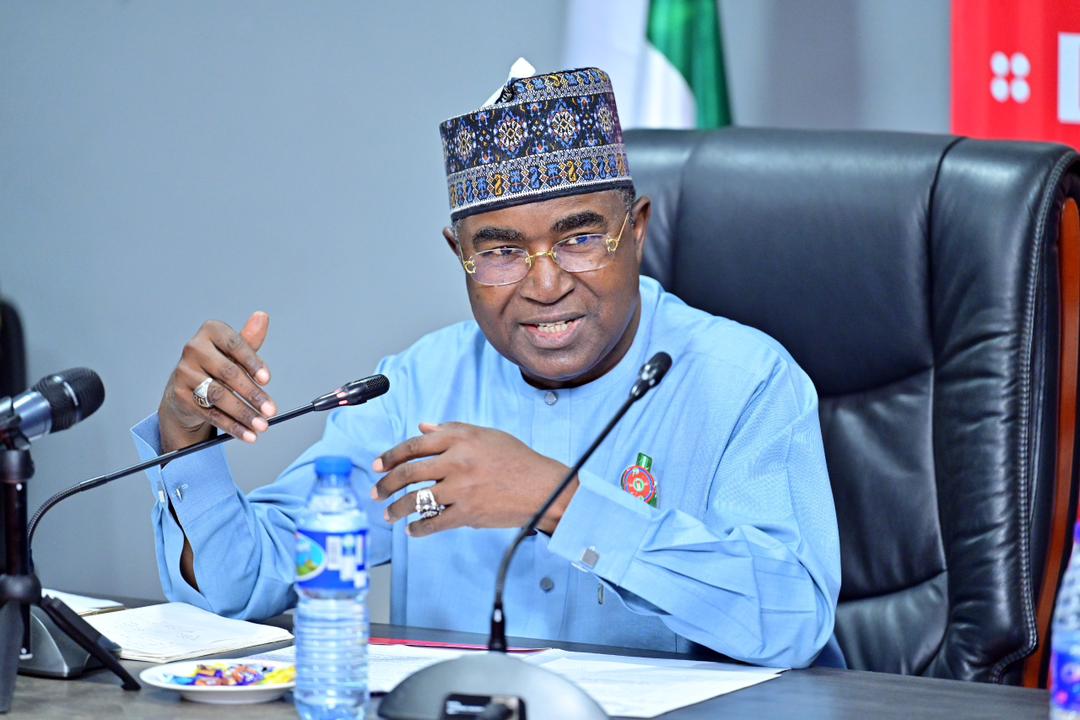
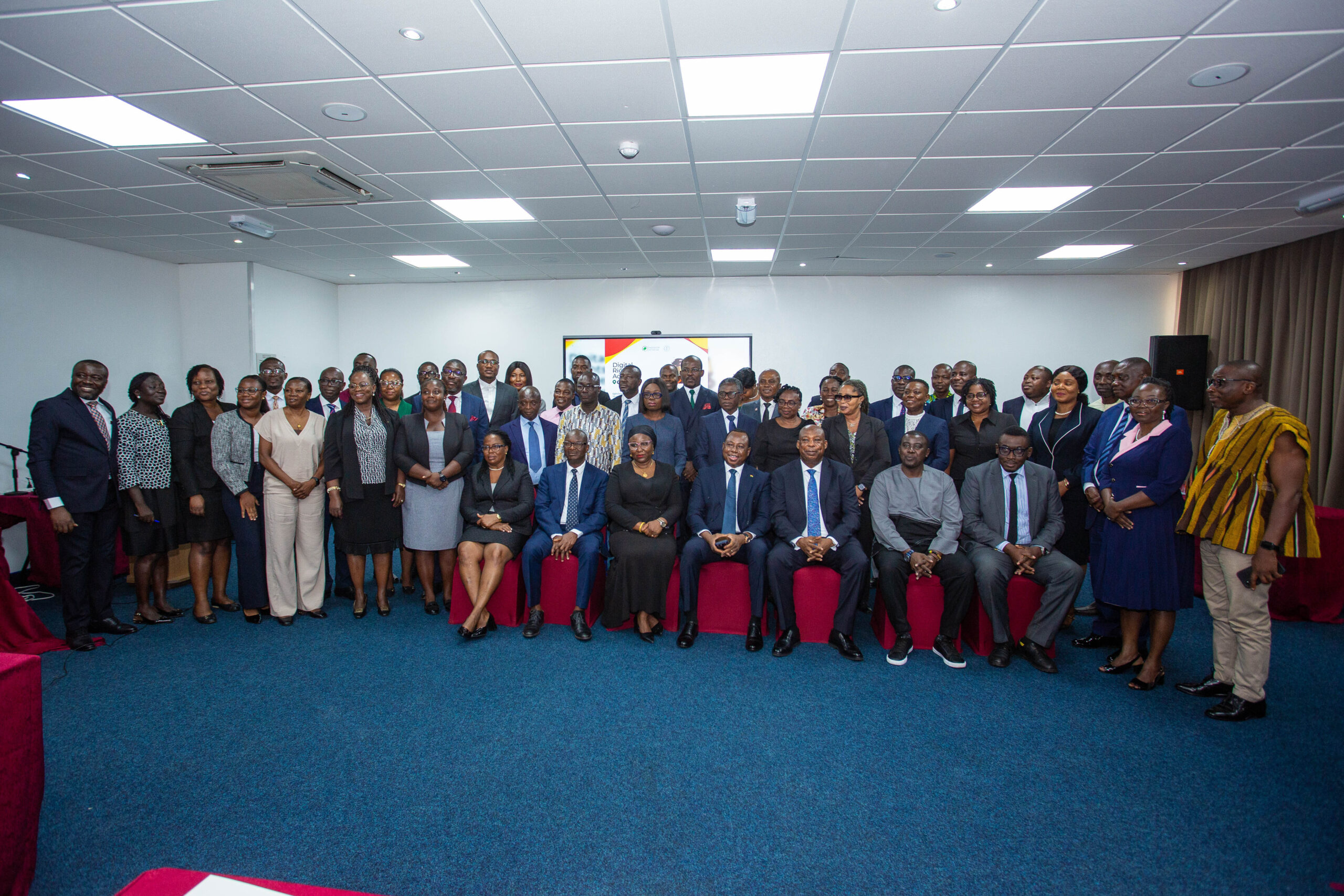
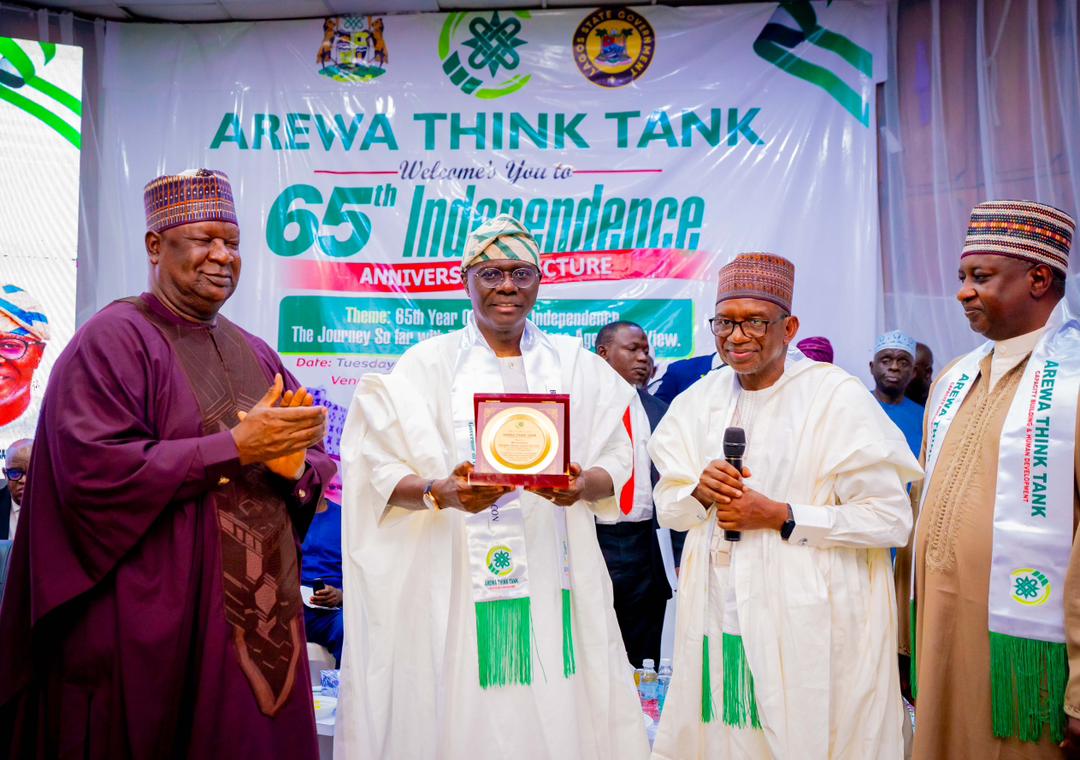
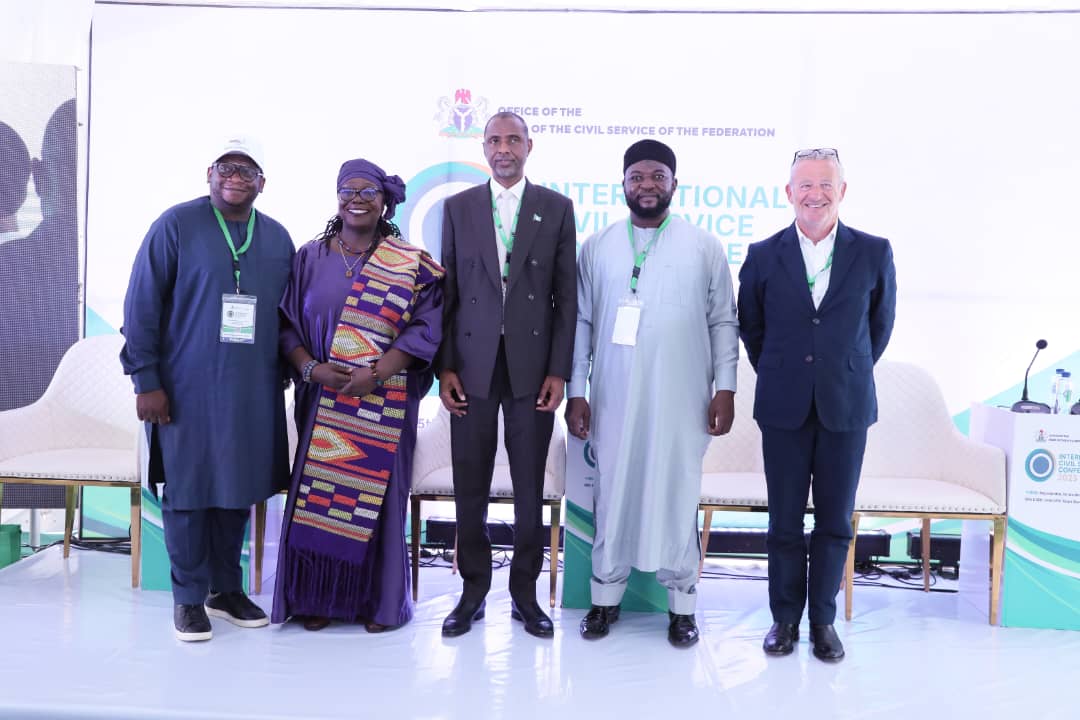
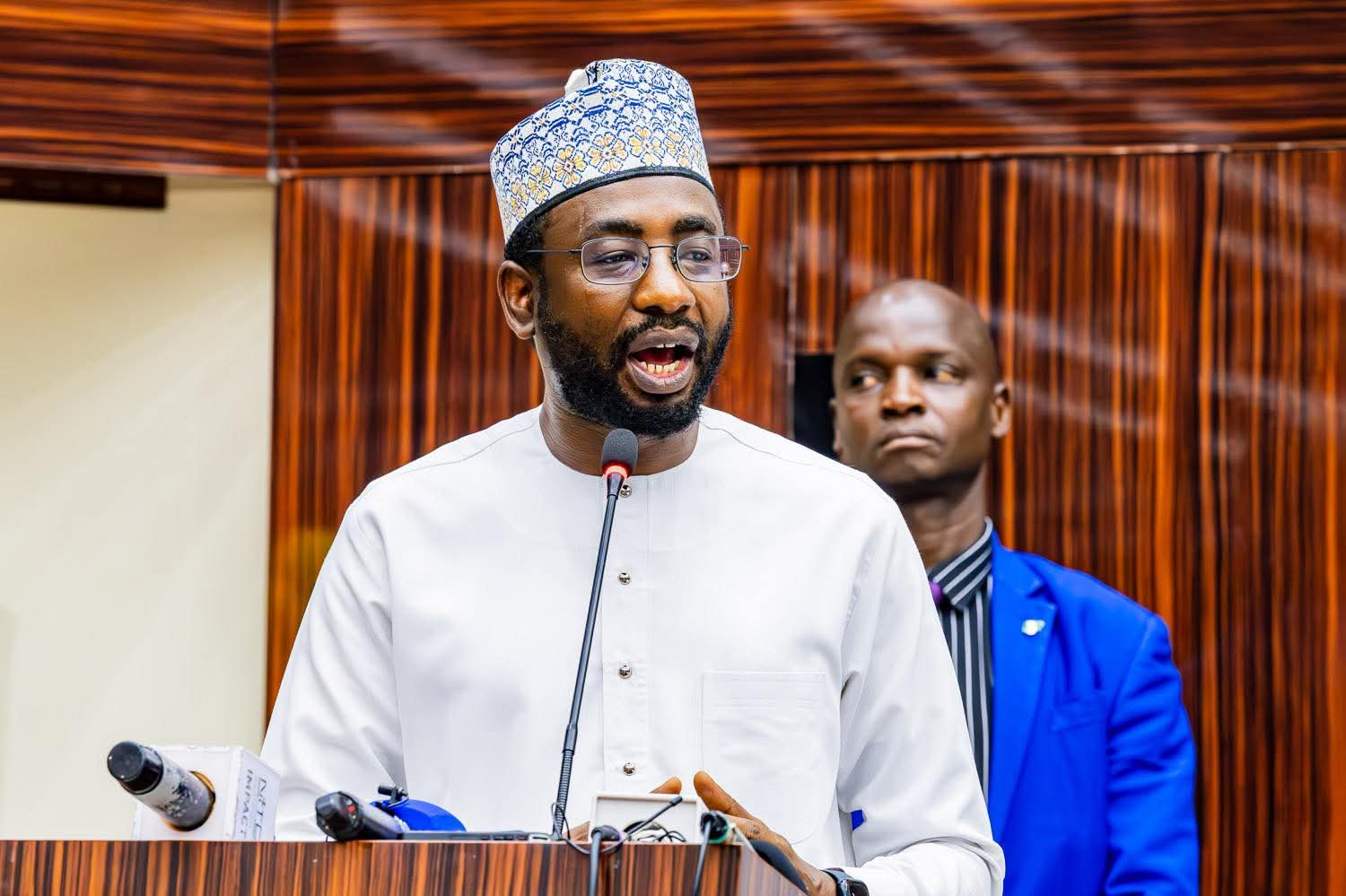
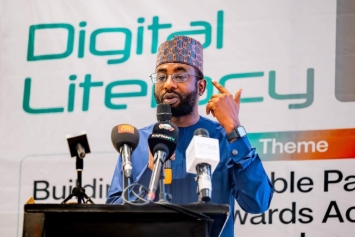
Speaking during a courtesy visit and award presentation at the Office of the Head of the Civil Service of the Federation, NITDA Director-General Kashifu Inuwa highlighted the importance of the agency’s collaboration with the Cisco Networking Academy in delivering the programme. He noted that the partnership enables civil servants to access high-quality digital learning with minimal financial barriers while also creating progression pathways into more advanced fields.
According to Inuwa, the initiative provides opportunities for participants to advance into “networking, cybersecurity, data fundamentals, programming, and emerging technologies, beginning in 2026,” thereby strengthening long-term digital capacity within the public sector.
With the foundational phase of DL4ALL firmly in place, NITDA has outlined priority areas for 2026 and beyond. These include transitioning from basic digital literacy to job-relevant and role-based digital skills, institutionalising the Digital Literacy Champion model across MDAs, strengthening monitoring through the national DL4ALL digital dashboard, and supporting civil servants in achieving certification-ready digital competencies.
The agency says these efforts support the Federal Government’s target of achieving at least 70 per cent digital literacy by 2027, while positioning the Federal Public Service as a more efficient, technology-driven and citizen-centred institution.
As NITDA continues to expand collaboration and refine implementation strategies, the DL4ALL Workforce Programme is increasingly viewed as a transformative platform for sustainable public sector capability development. The initiative, according to the agency, places “people, skills and digital readiness at the forefront of Nigeria’s governance modernisation agenda.”
For more updates on digital transformation, public sector innovation, and national development initiatives, visit LouisaOlaniyi.com.ng.