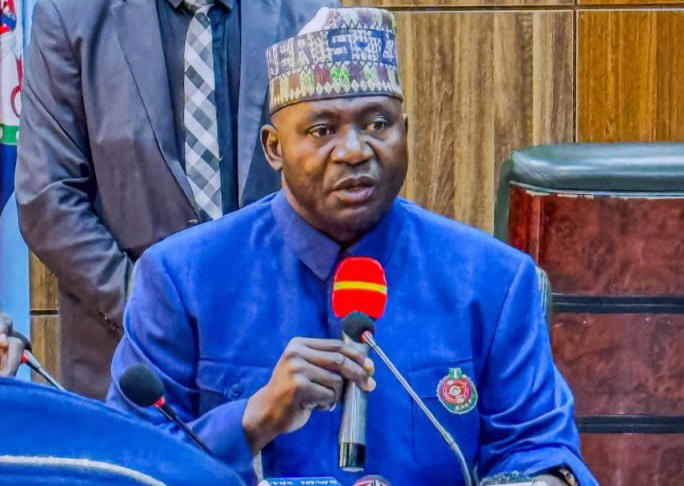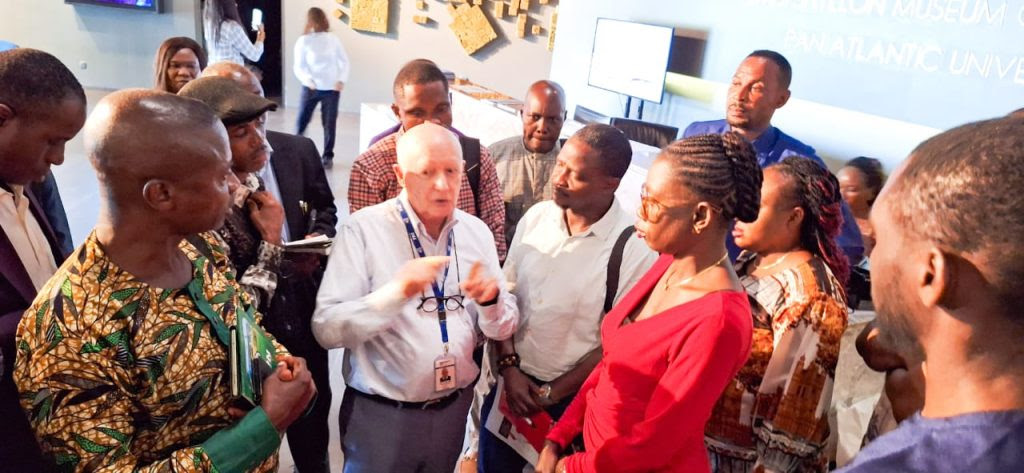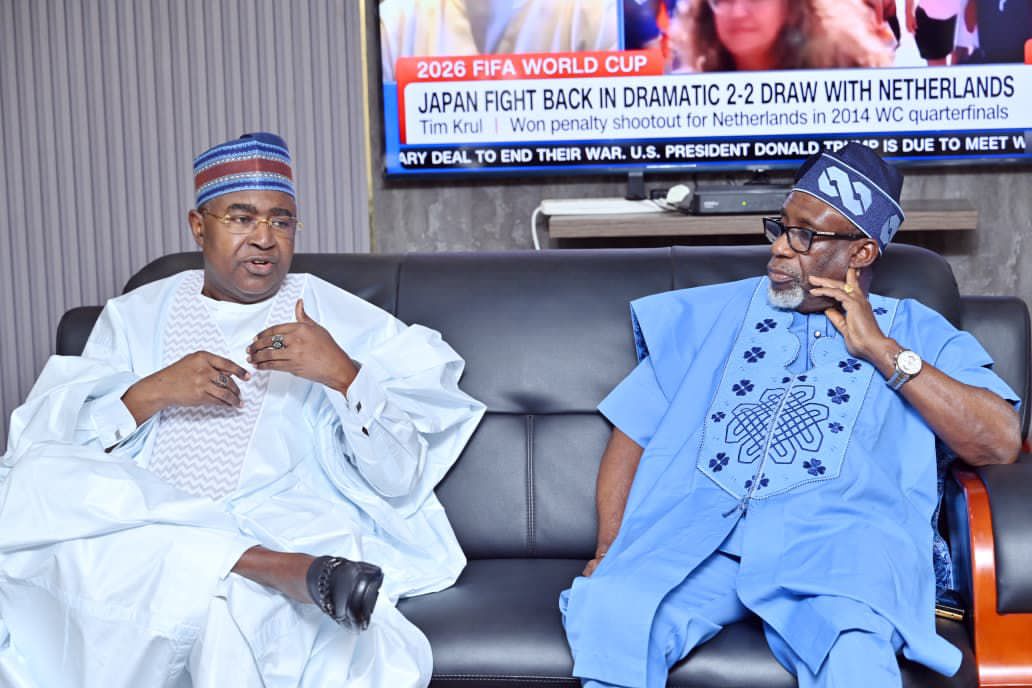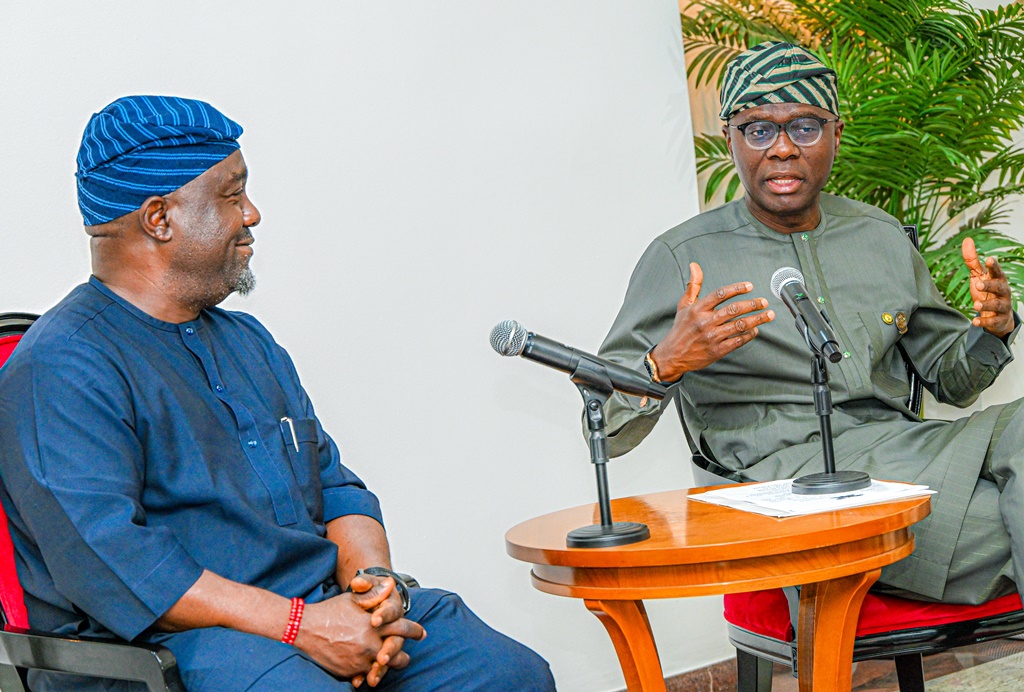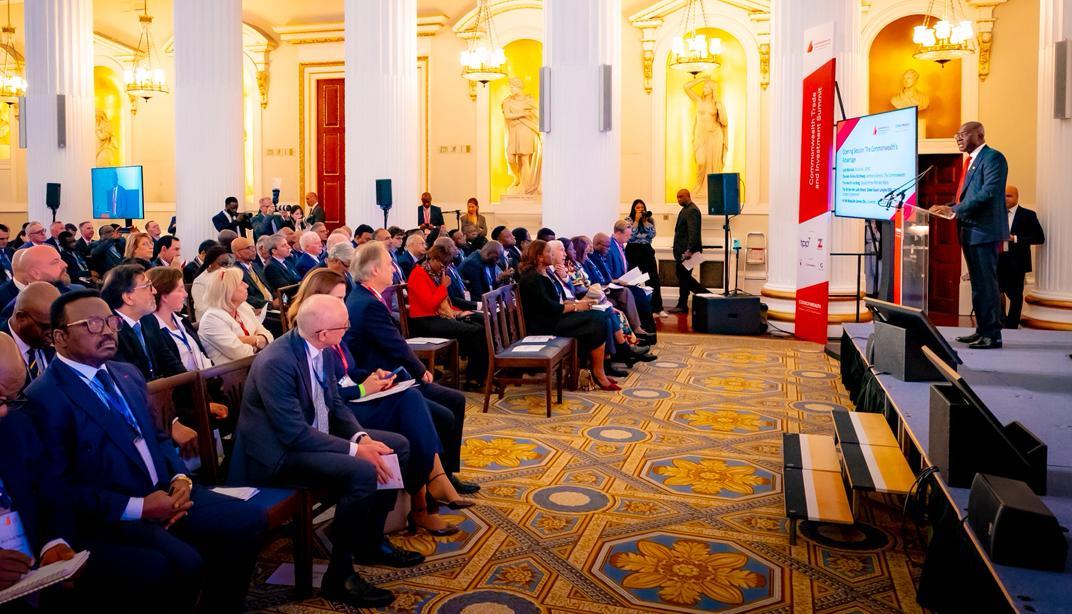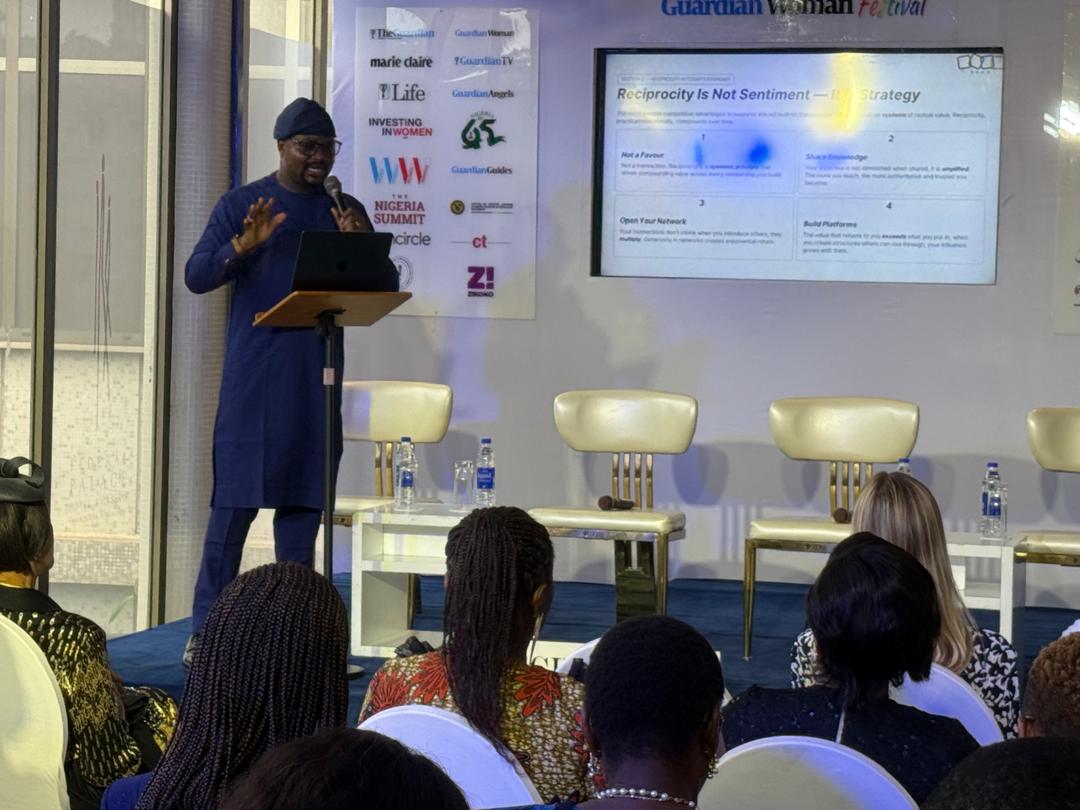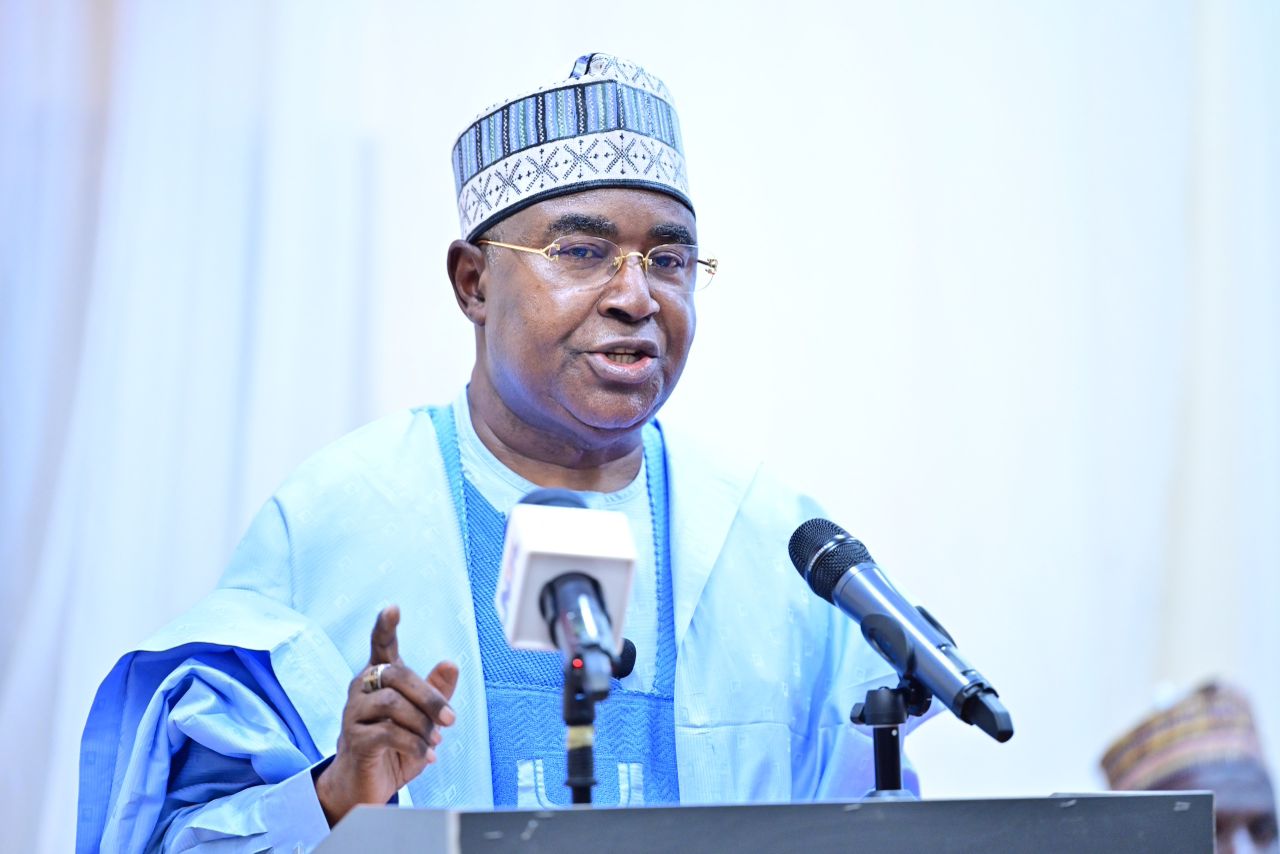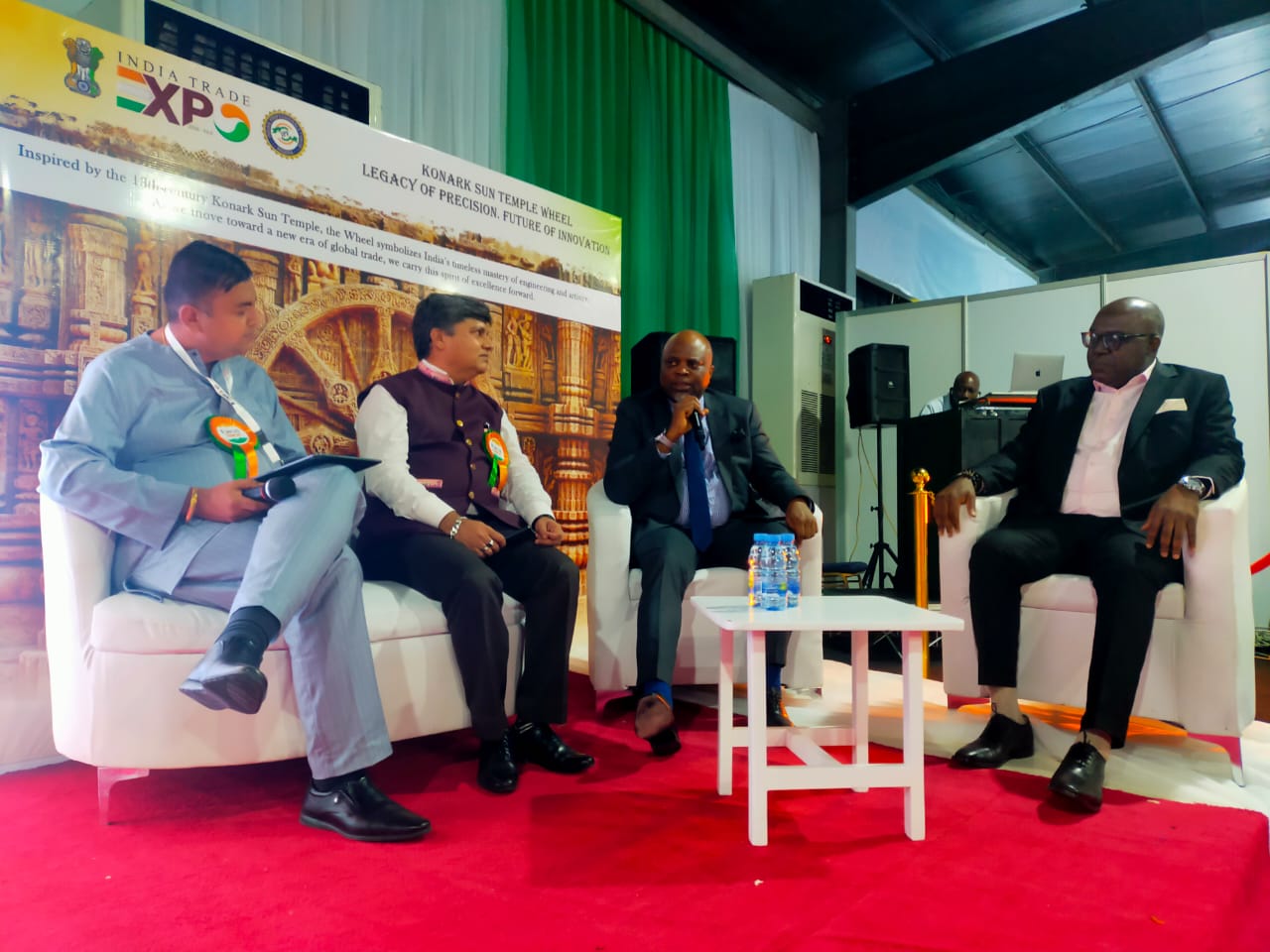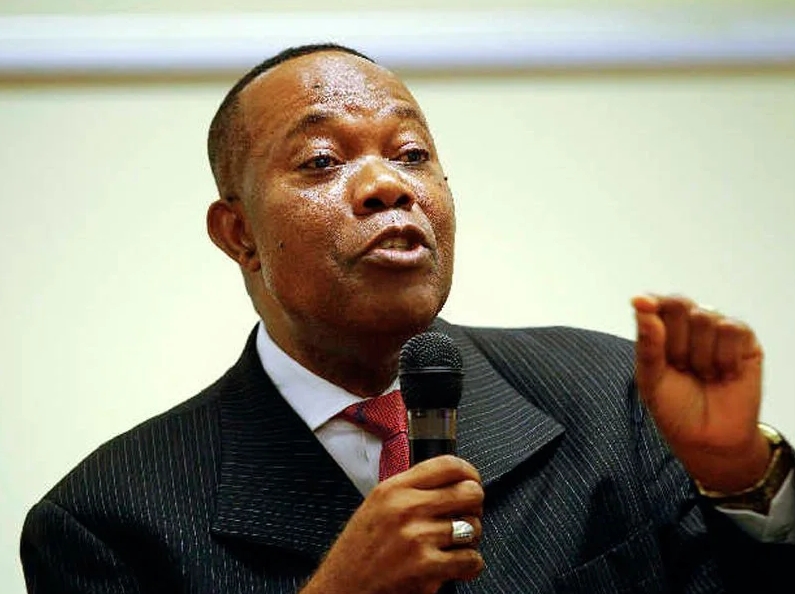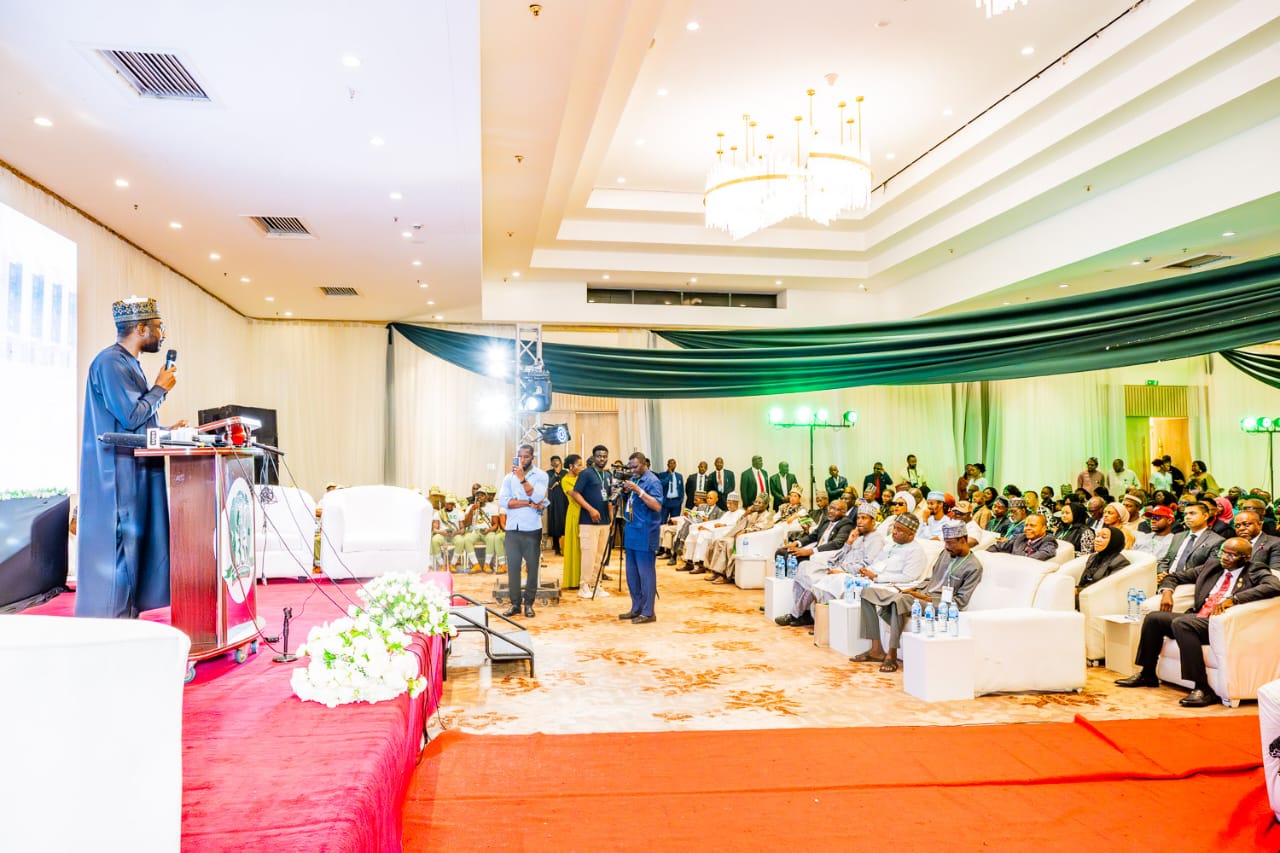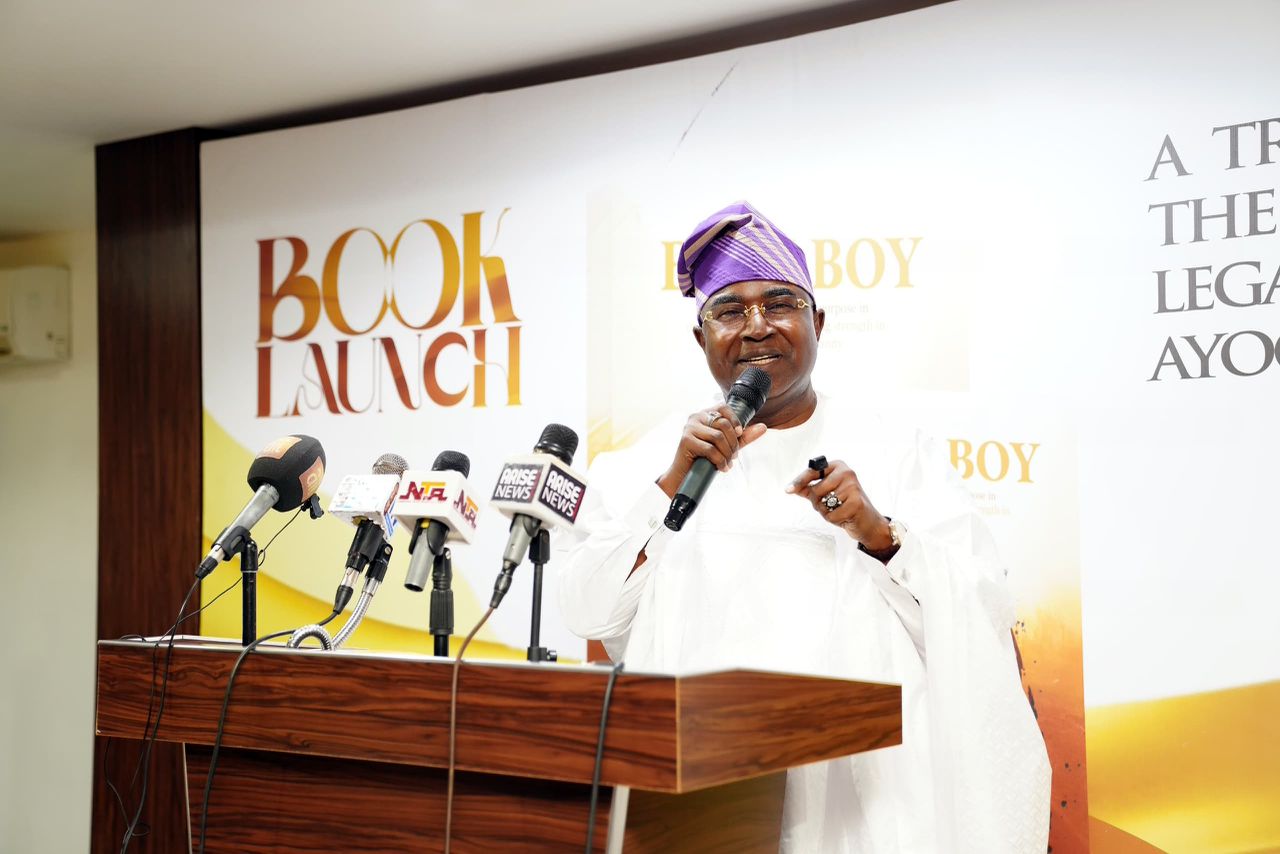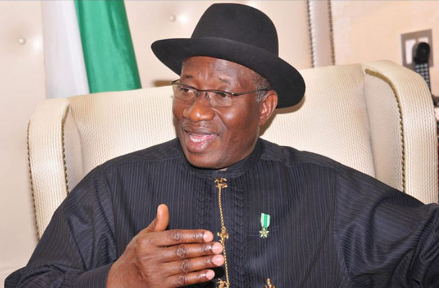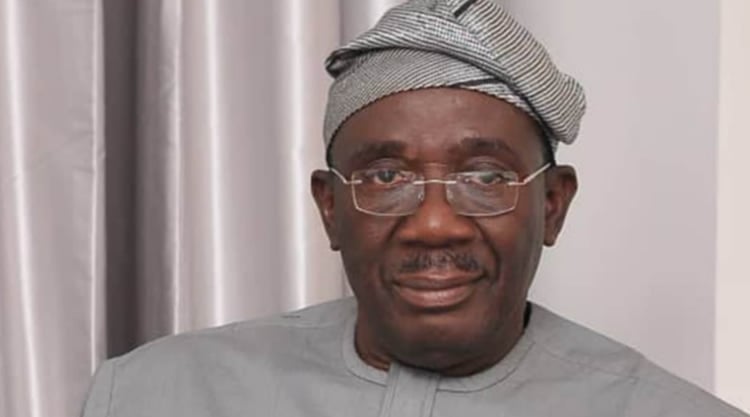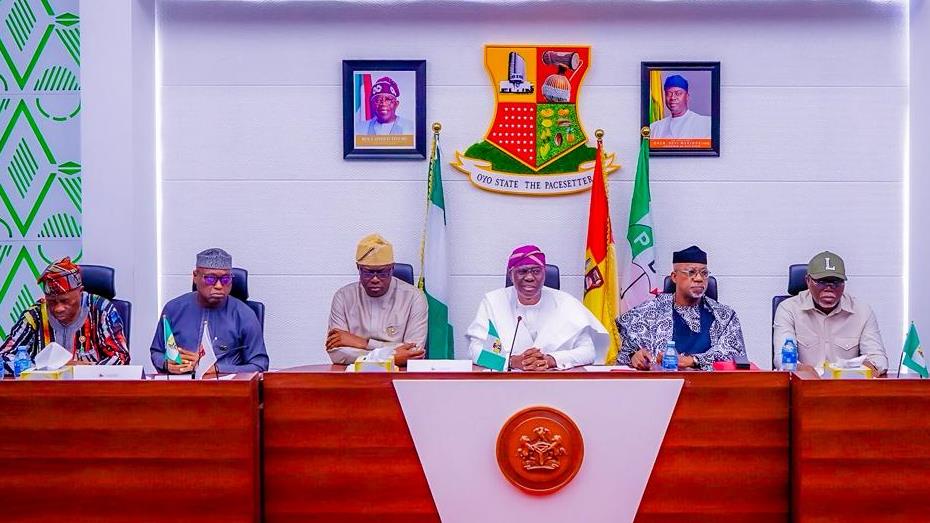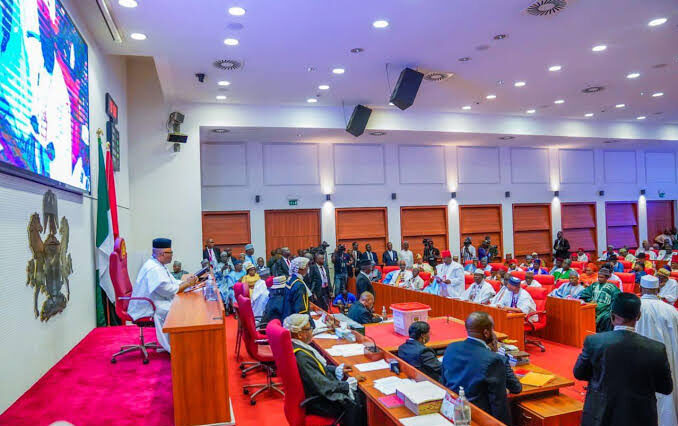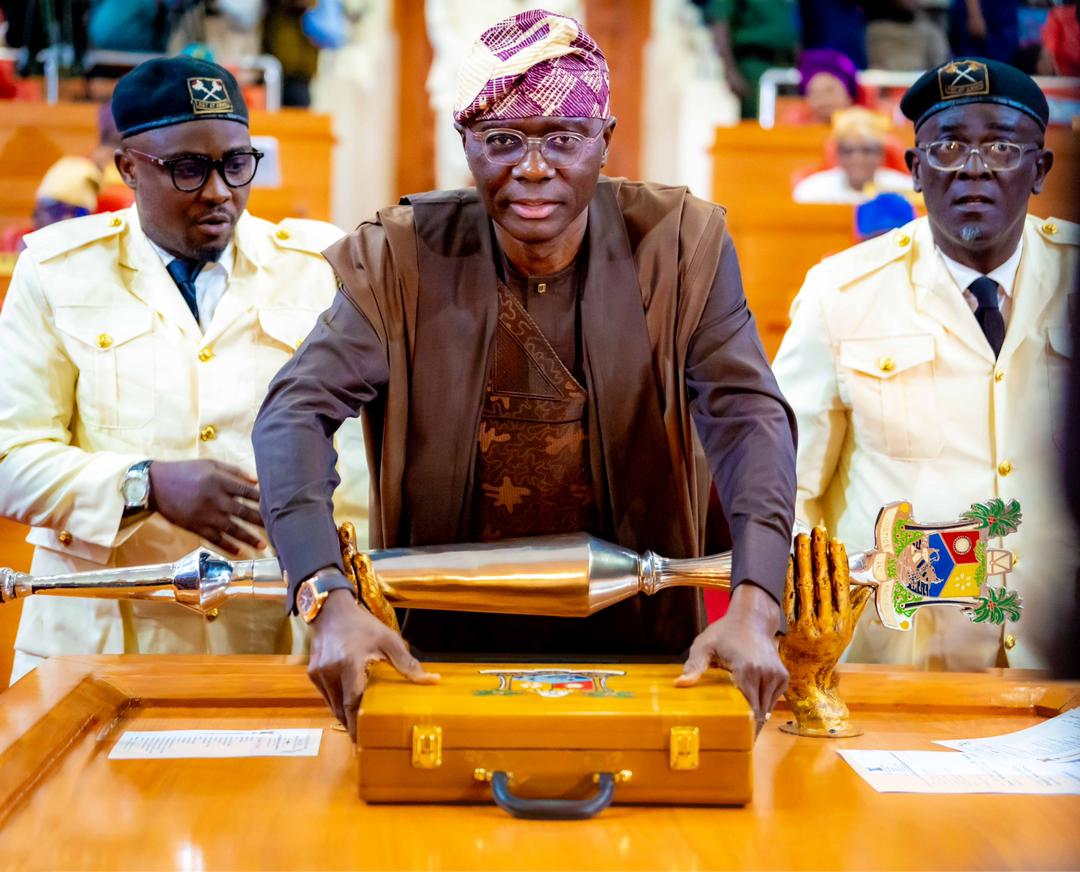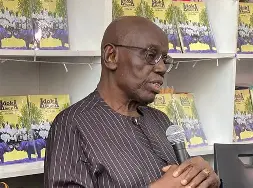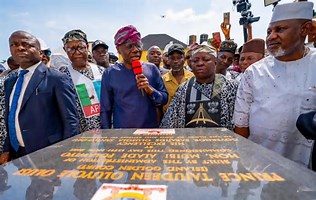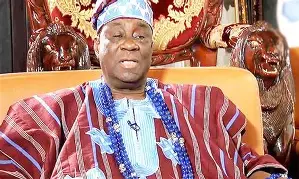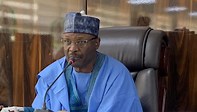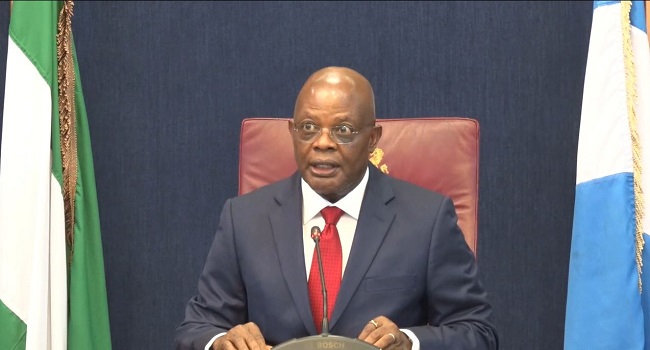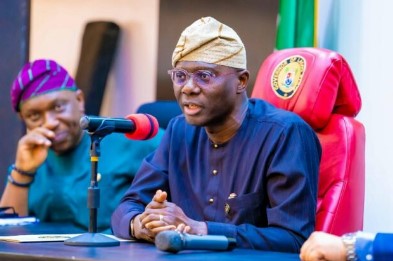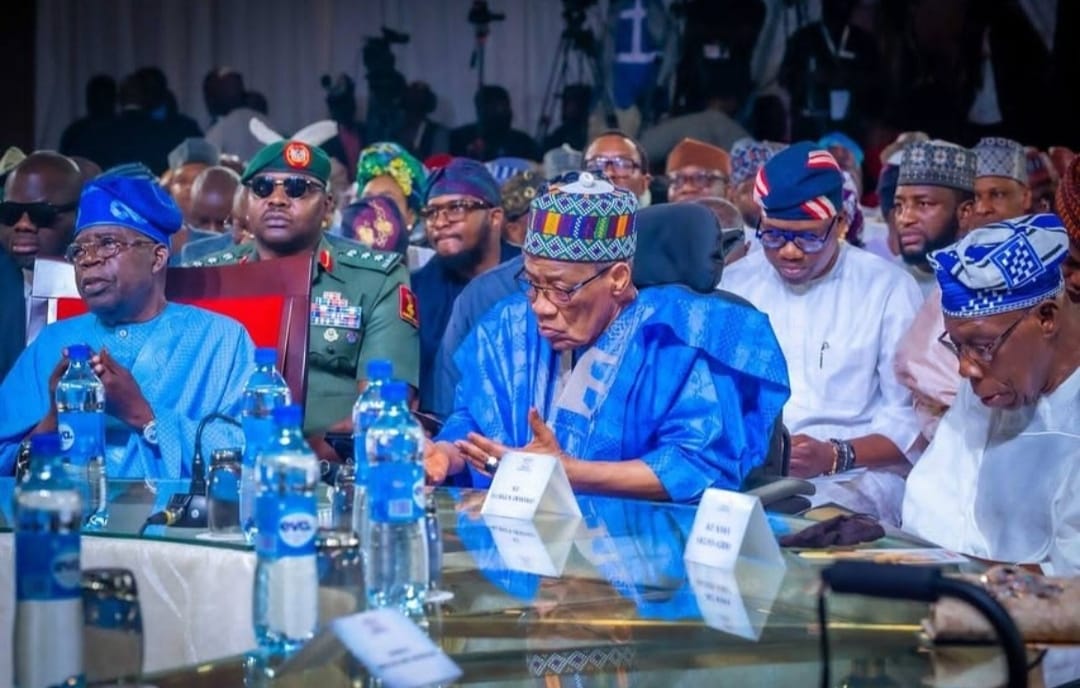

Former President Olusegun Obasanjo has declared that at 89, he is not about to leave the world anytime soon. Speaking in Abeokuta on Wednesday at a colloquium held to mark his 89th birthday, Obasanjo dismissed a fake letter circulating online in which he was allegedly announcing his death, describing it as the handiwork of mischief makers.
Delivering a lecture titled “Burden and Blessing of Leadership: Reflections from Global Africa to the World,” the former leader said those behind the false publication were wasting their time.
“I dey kampe,” he said, insisting that he remains strong and in good health. Born on March 6, 1937, Obasanjo added that he believes his continued life at 89 is no mistake, stressing that God still has work for him to do and has given him the strength to do it.
He condemned those wishing him dead, saying their desire does not align with God’s will. According to him, “They publish and circulate a fake paper credited to me that I am writing, giving notice of my death, pafuka.” He maintained that God has assured him of more years and purpose, declaring again, “I dey kampe as usual.”
Beyond addressing the rumours, Obasanjo turned his attention to what he described as Africa’s enduring leadership crisis. He argued that the continent’s struggles with poverty, conflict, insecurity and underdevelopment stem largely from failures in leadership rather than geography or history.
“Africa is not a problem to be managed but a promise to be fulfilled through honest, courageous, selfless, incorruptible and transformational leadership,” he said.
He warned that many leaders begin with reformist zeal but soon abandon their promises. “The same young reformer who promised accountability begins to silence the press, harass the judiciary, and intimidate civil society,” he said, noting that institutions are often twisted to serve personal and family interests.
Obasanjo on Leadership, Sacrifice and Moral Courage
To bridge the leadership gap, the former president advocated leadership formation rather than mere training. He urged young Africans to embrace accountable and transparent governance, warning that neglecting the youth today would create instability for generations to come.
Reflecting on his own journey, Obasanjo spoke about the weight and loneliness of leadership, recalling key moments from the Nigerian Civil War and his presidency from 1999 to 2007.
He recounted commanding the Third Marine Commando Division during the final days of the war in January 1970, describing the moral dilemma of advancing troops while civilians were trapped and starving.
“No textbook told me what to do. No senior officer was going to make that call. It was mine alone,” he said, adding that the decision not to shell Owerri helped save lives.
He also referenced his imprisonment under the regime of the late Sani Abacha, where he was detained for three and a half years and nearly executed. True leadership, he said, demands the courage to uphold principle even when it costs alliances or personal freedom.
Despite the burdens, Obasanjo highlighted the blessings of leadership, pointing to achievements such as Nigeria’s Paris Club debt relief and the creation of the Economic and Financial Crimes Commission to recover stolen funds.
For him, the greatest reward remains the moral satisfaction of choosing what is right over what is easy.