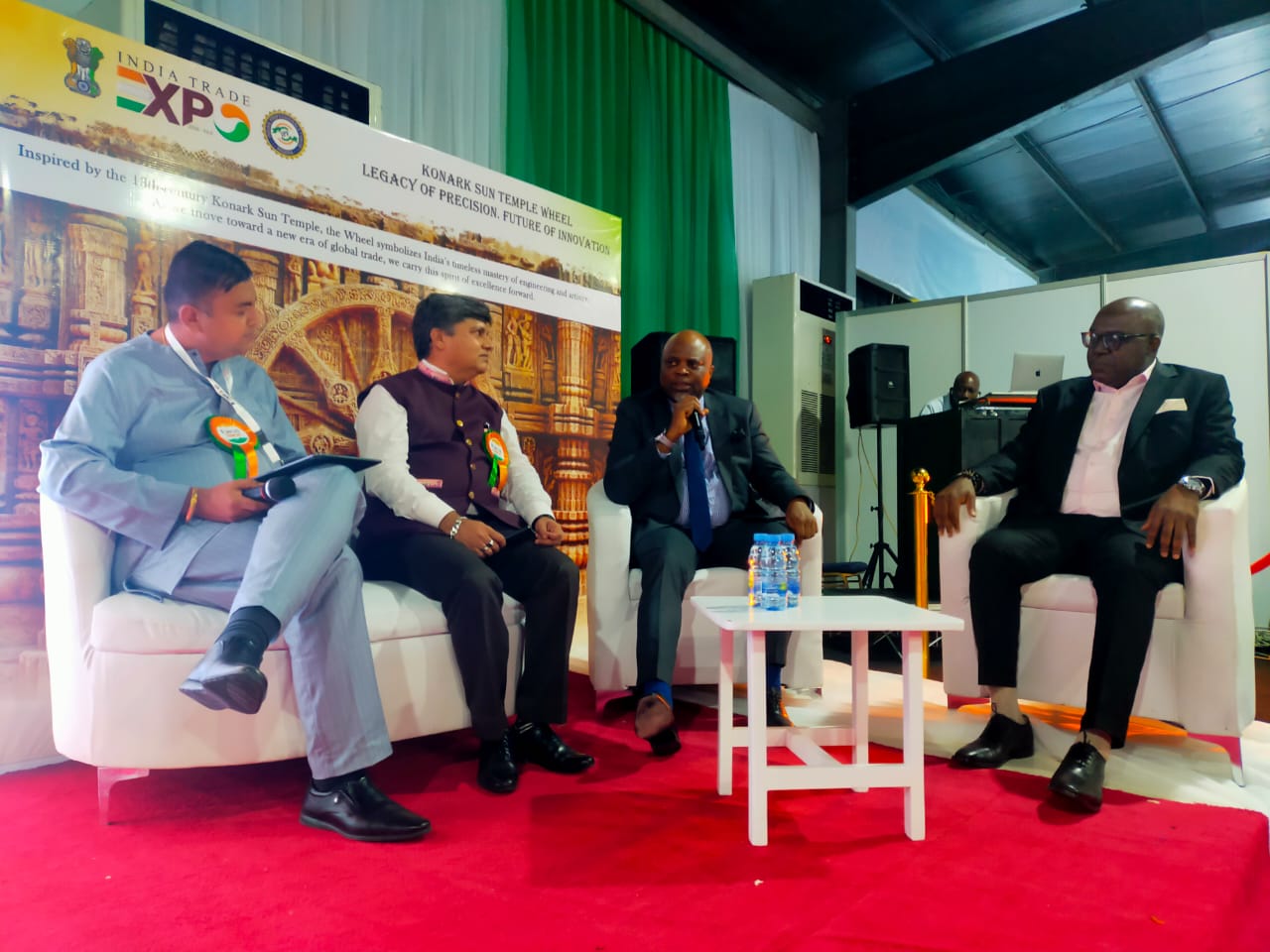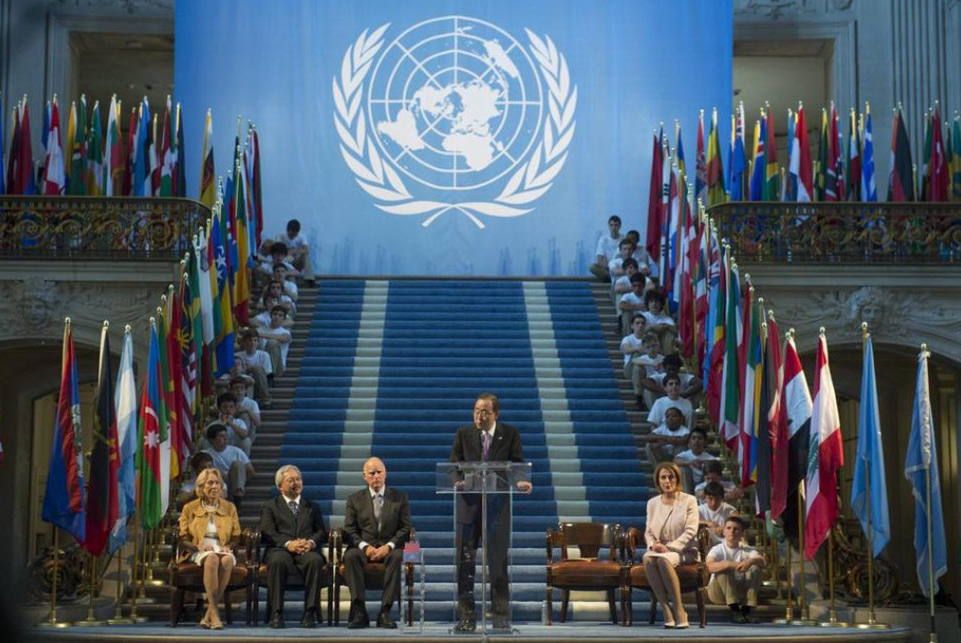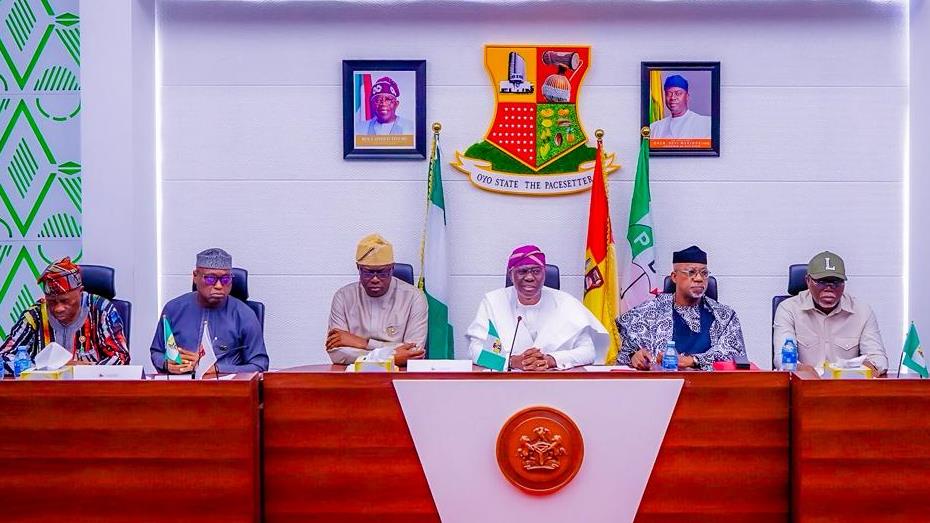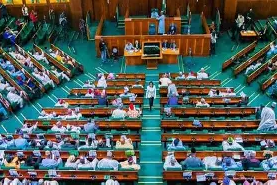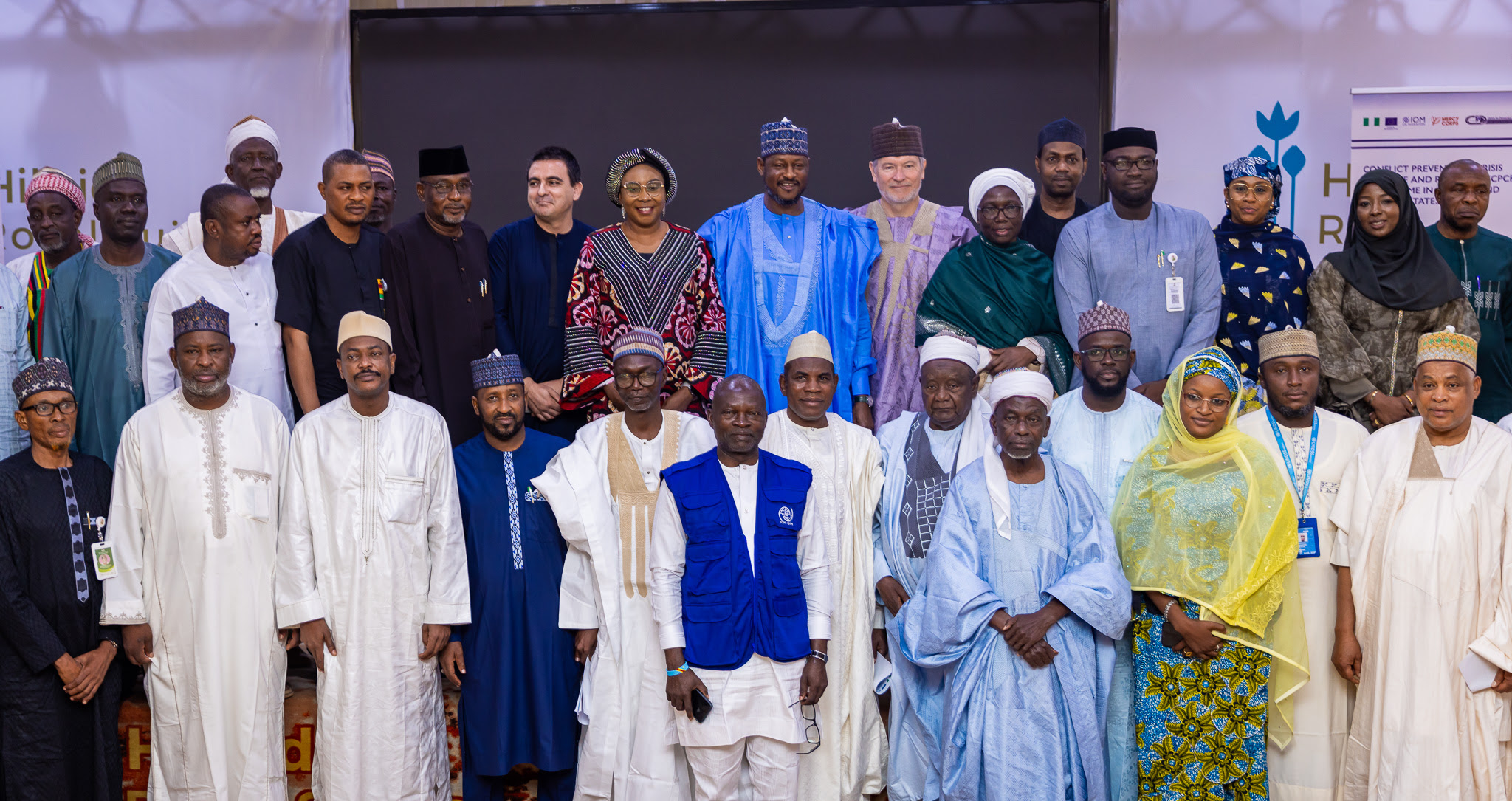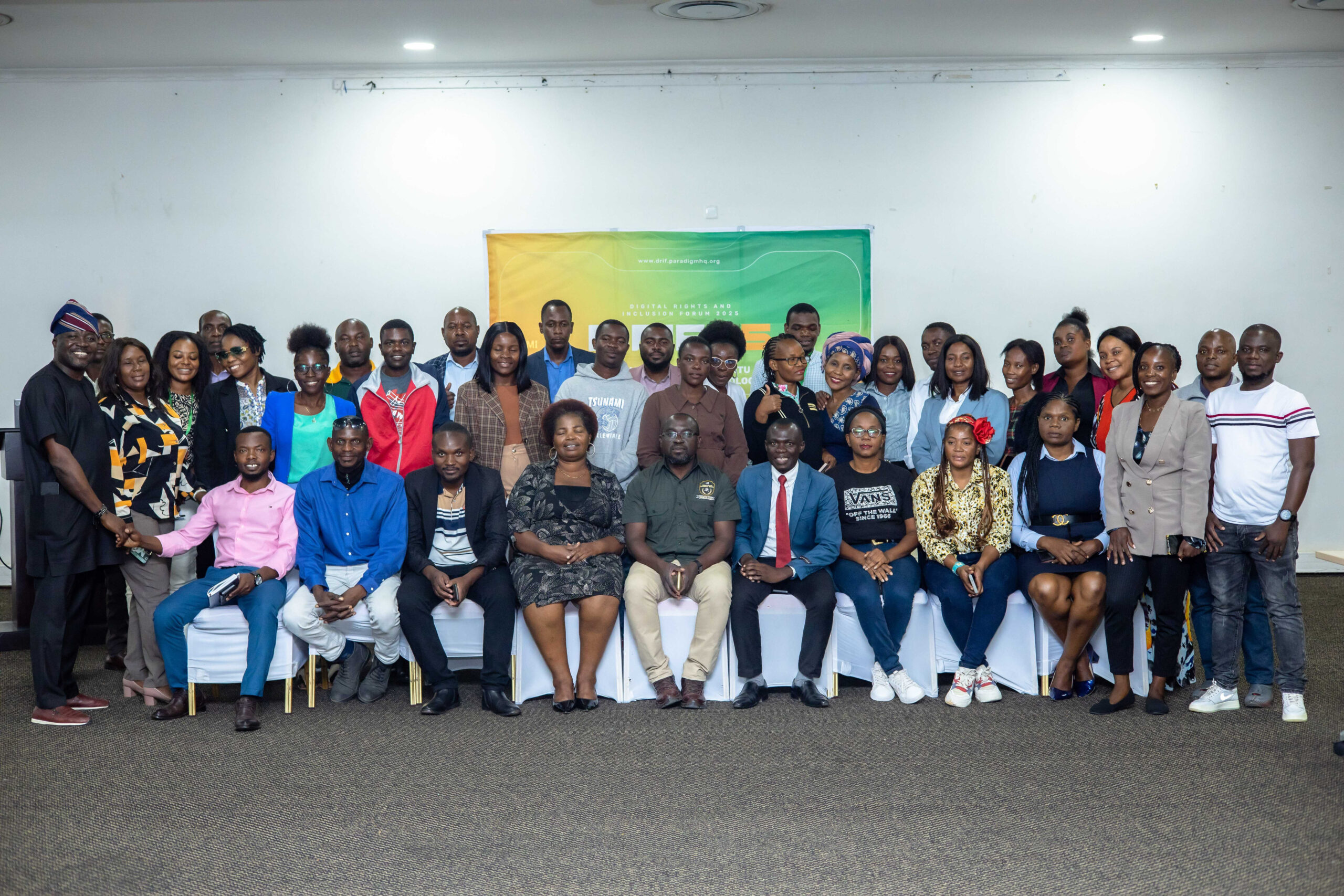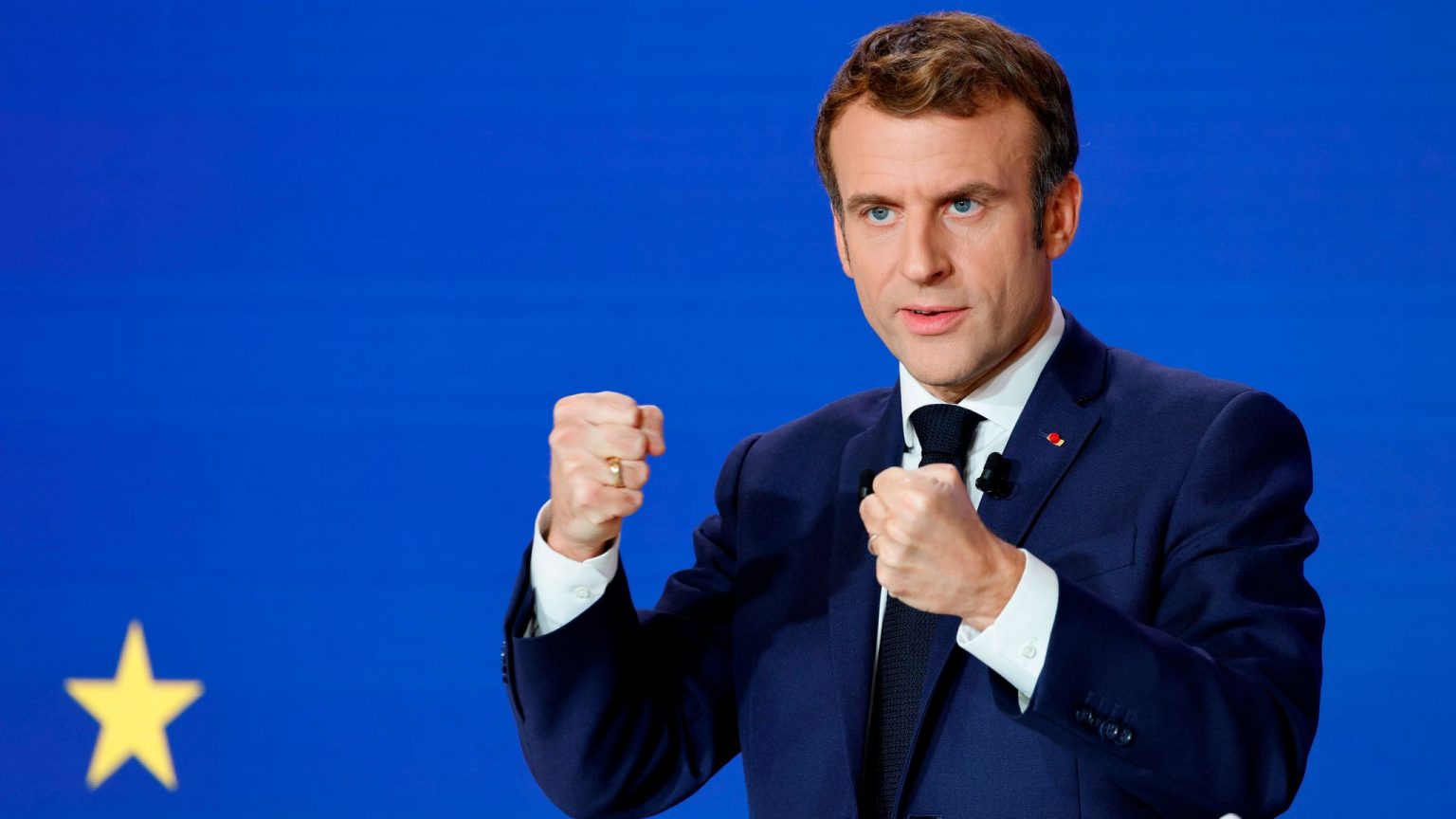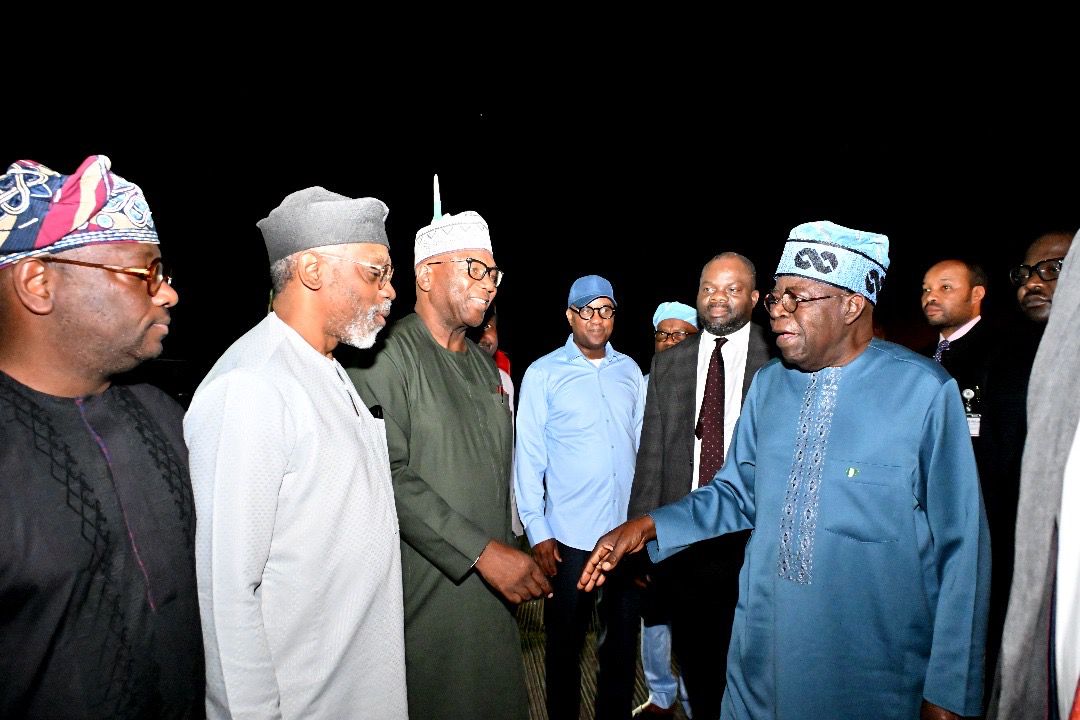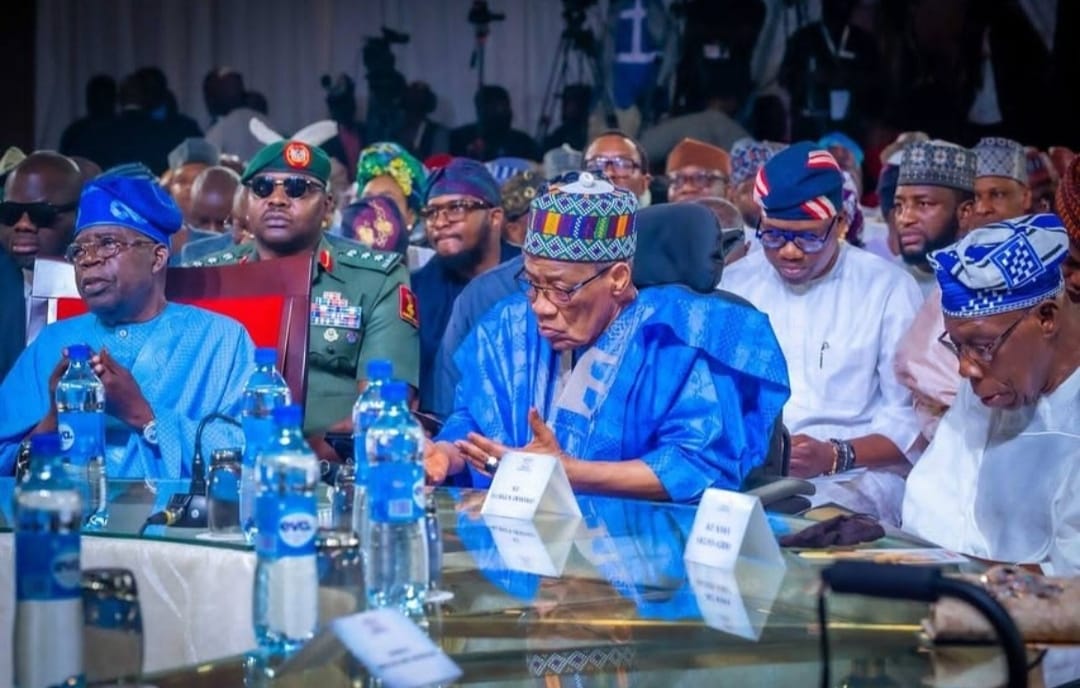

Presidents and senior government officials from across West Africa on Sunday convened in Nigeria for a regional summit, with discussions largely shaped by two recent coup attempts that have once again unsettled the subregion.
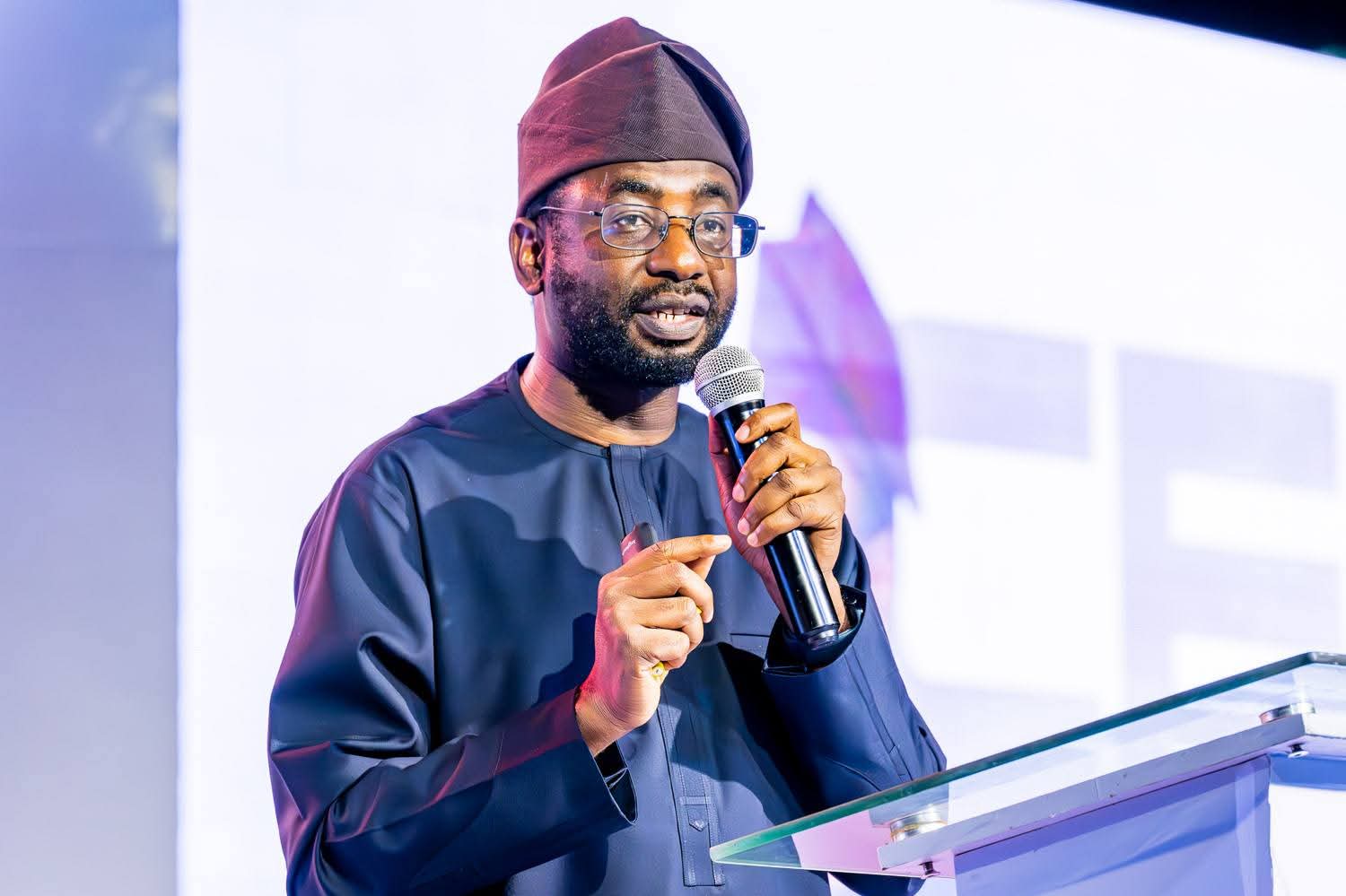
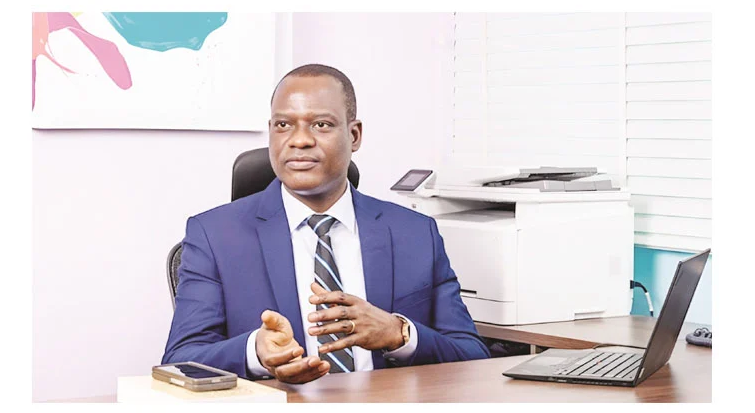
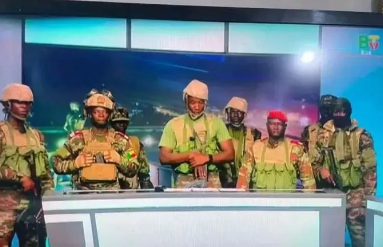
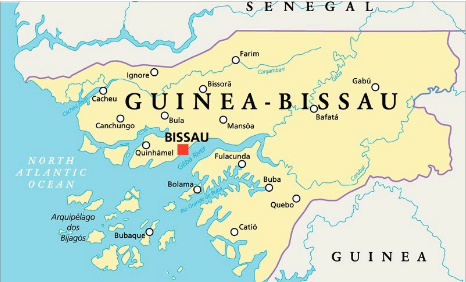
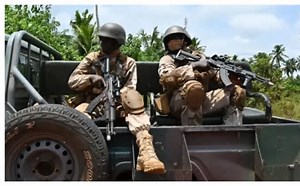
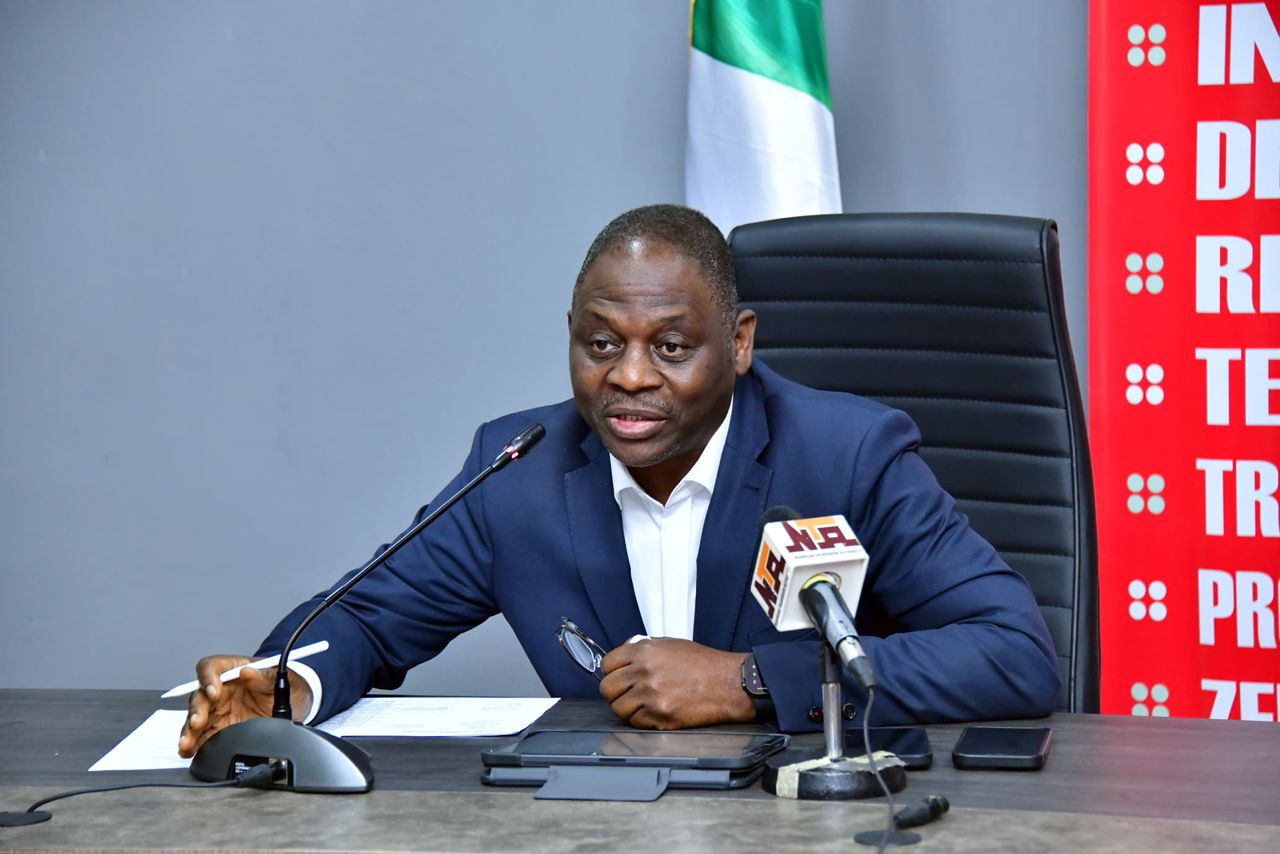
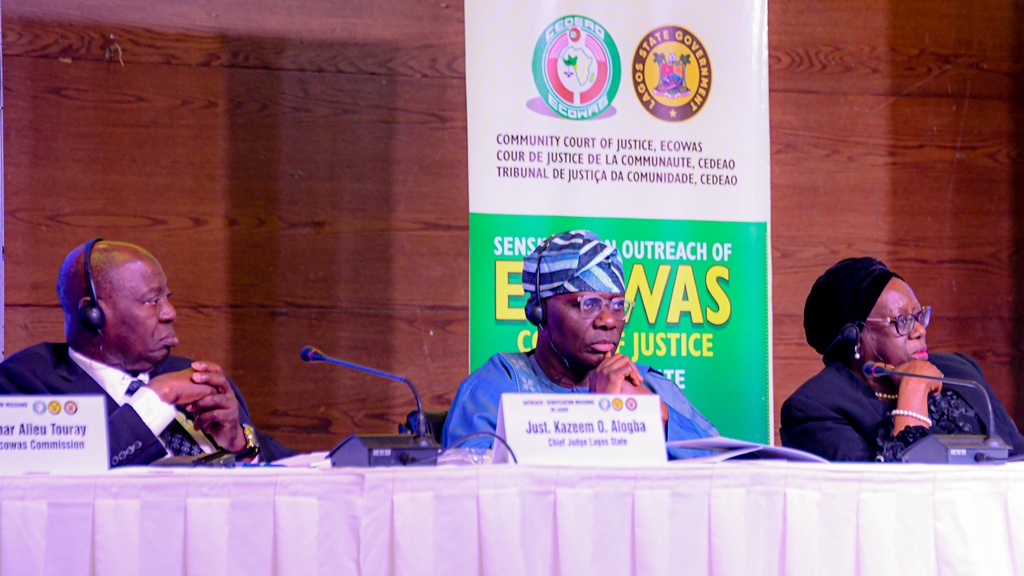
A successful military takeover in Guinea Bissau in November, alongside a foiled coup attempt in Benin a week ago, has rattled the Economic Community of West African States (ECOWAS). These developments come after a wave of coups between 2020 and 2023 in Burkina Faso, Guinea, Mali and Niger—countries that remain under military rule. Addressing leaders at the opening ceremony of the heads of state summit in Abuja, ECOWAS Commission President Alieu Touray said, “The events of the last few weeks have shown in concrete terms what regional solidarity means.”
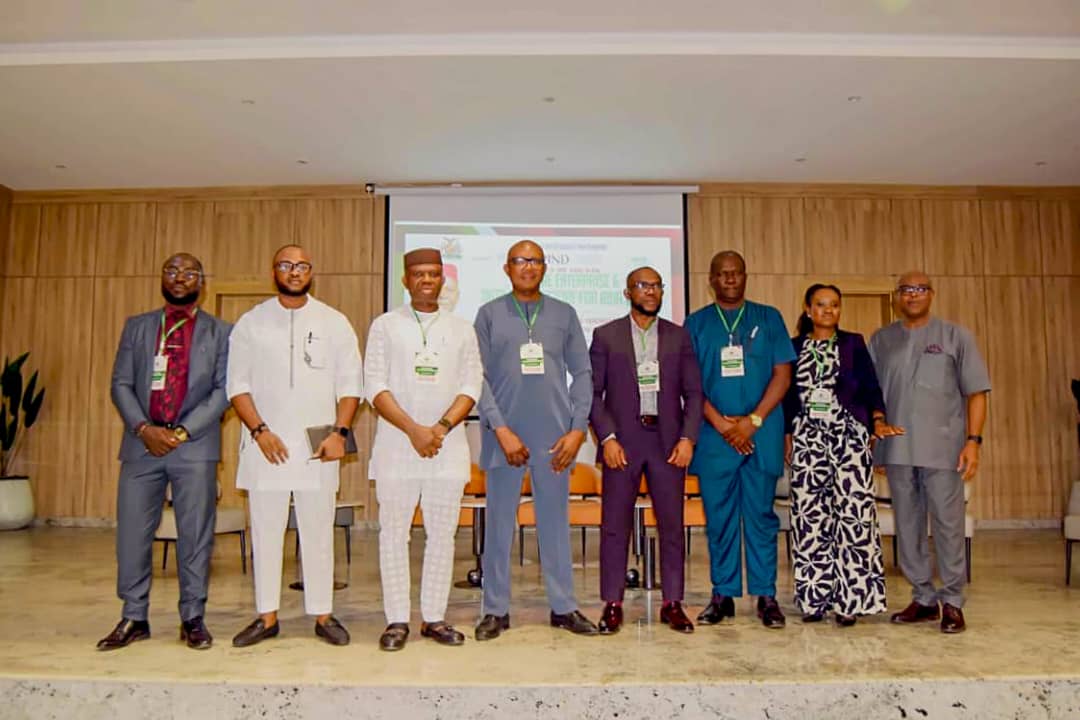
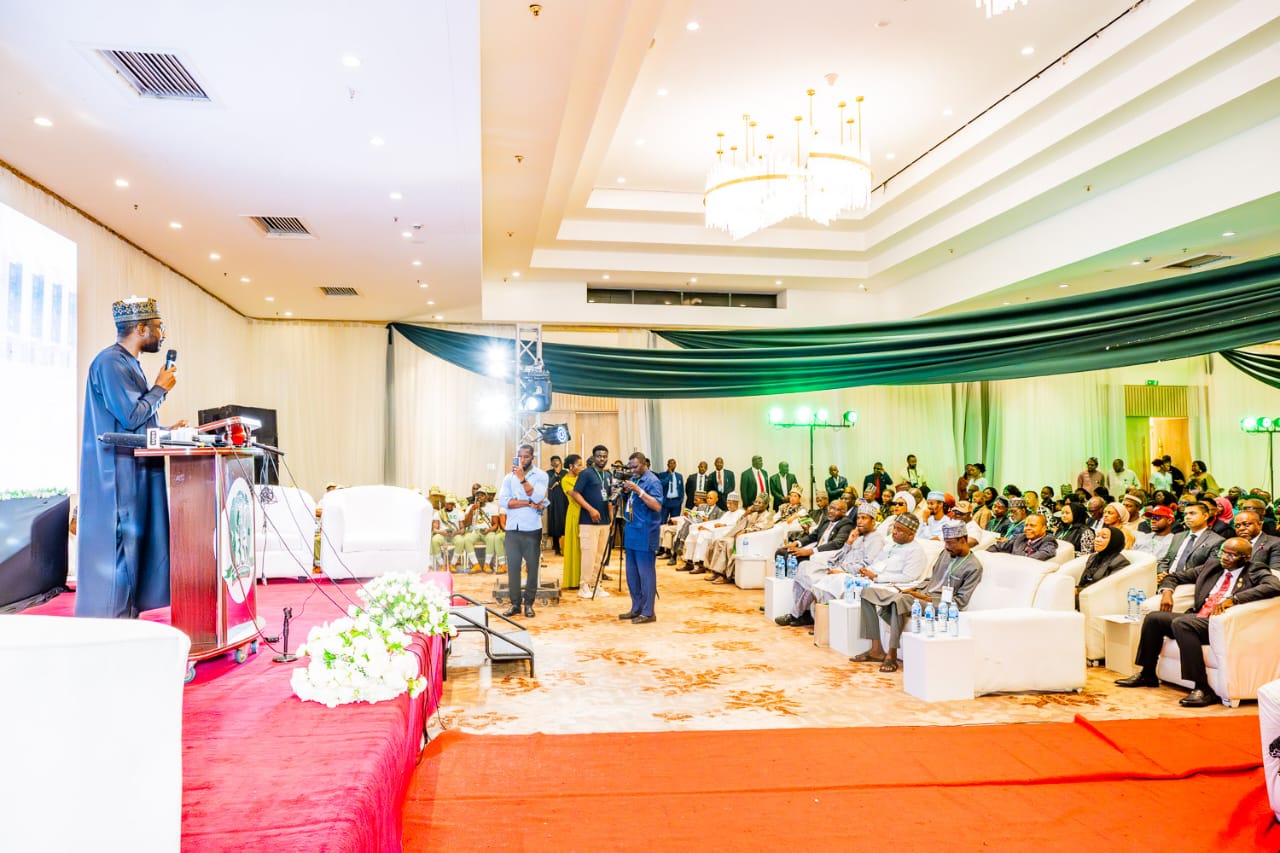
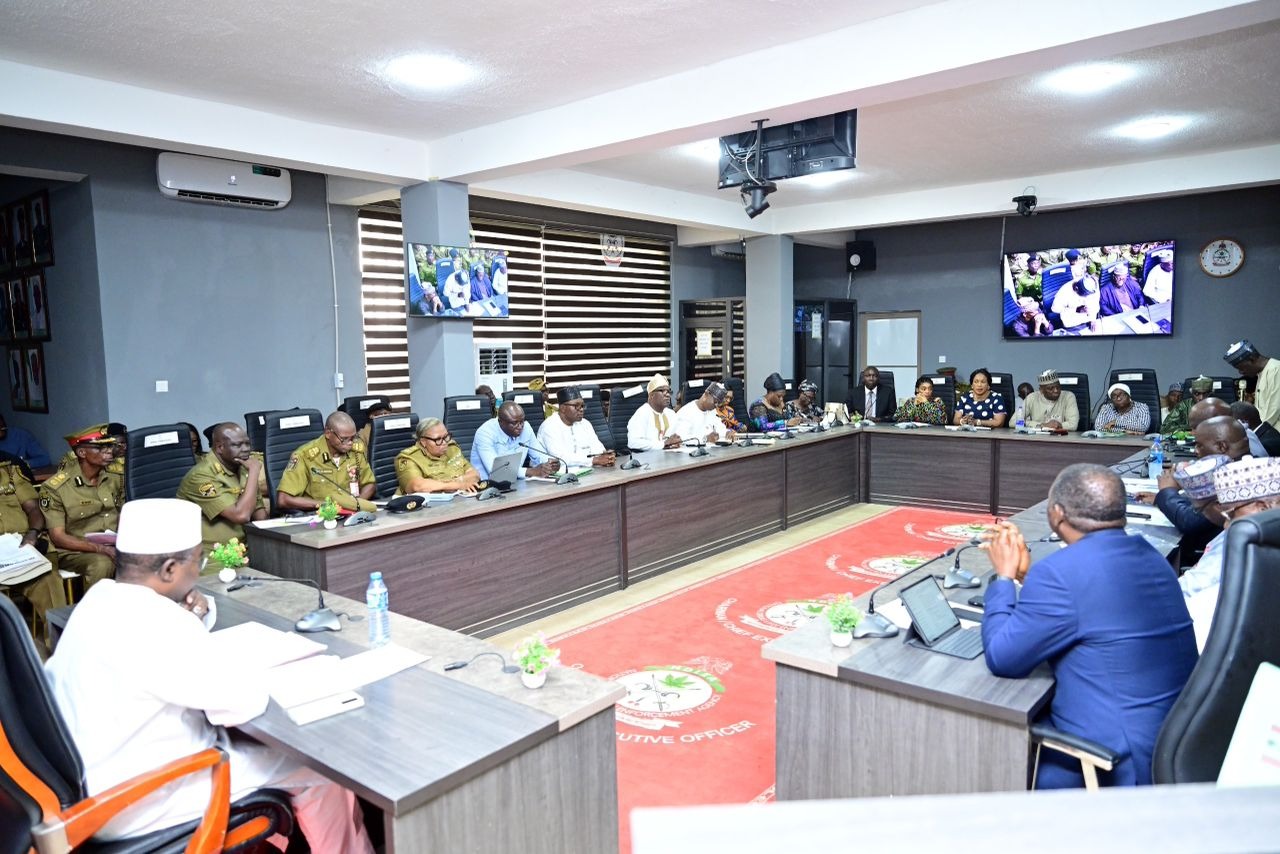
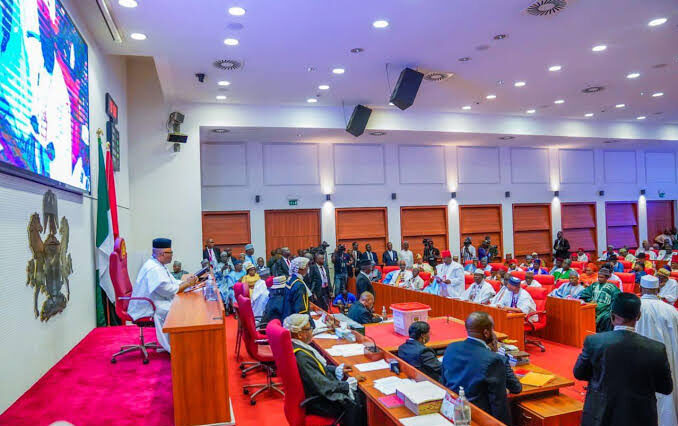
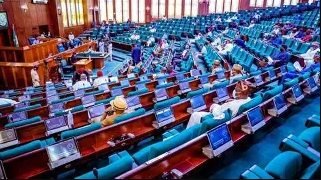
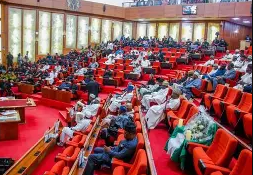
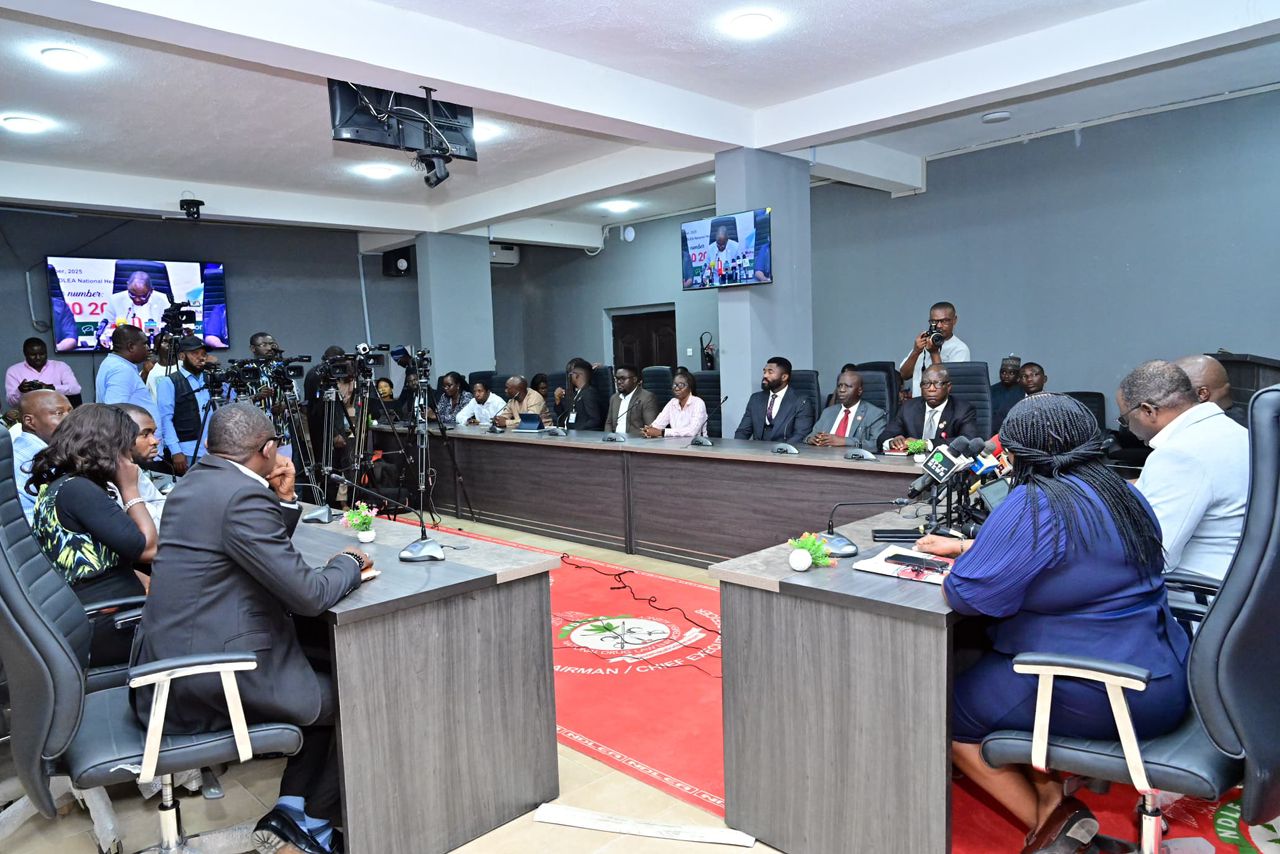
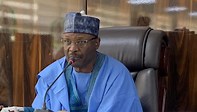
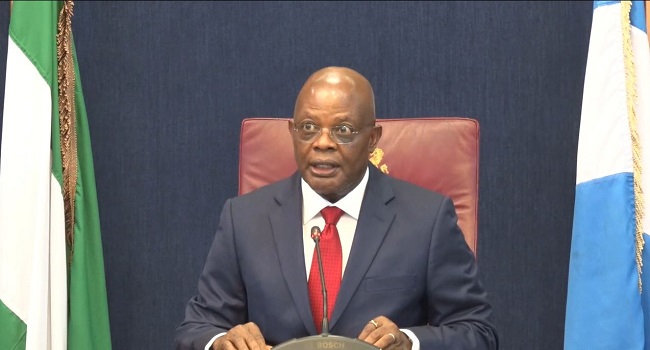
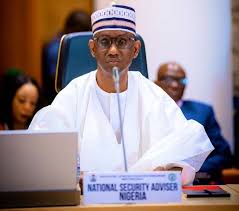
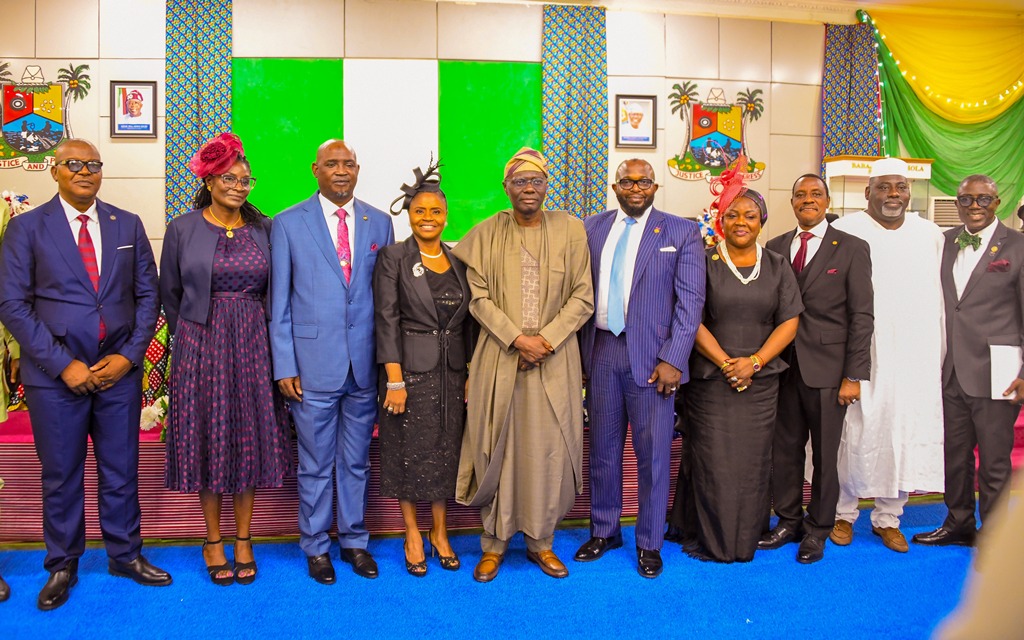
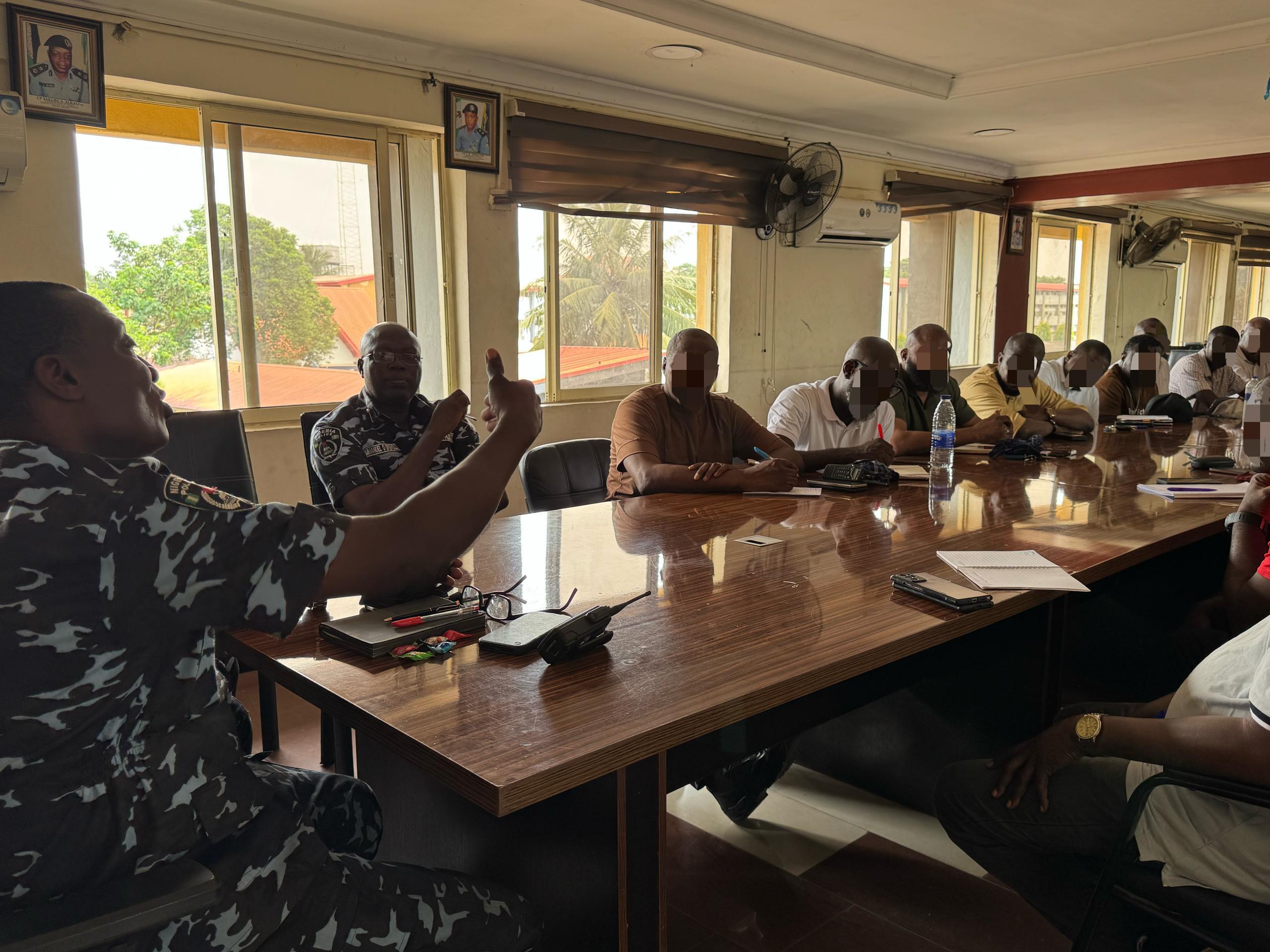
Although the summit was scheduled before the latest coup attempts, they featured prominently on the agenda. The meeting was held in a highly secured conference hall within the expansive presidential villa complex at Aso Rock. According to the official programme, leaders were expected to deliberate on a recent ECOWAS mission to Guinea Bissau, as well as “the situation in the Republic of Benin.” Trade liberalisation initiatives and an “update on the transition process” in Guinea were also slated for discussion.
Presidents Confront Sahel Insecurity and Democratic Strains
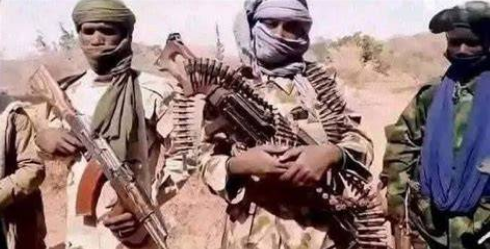
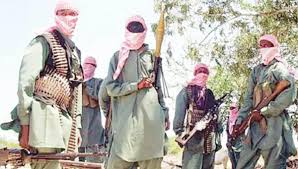
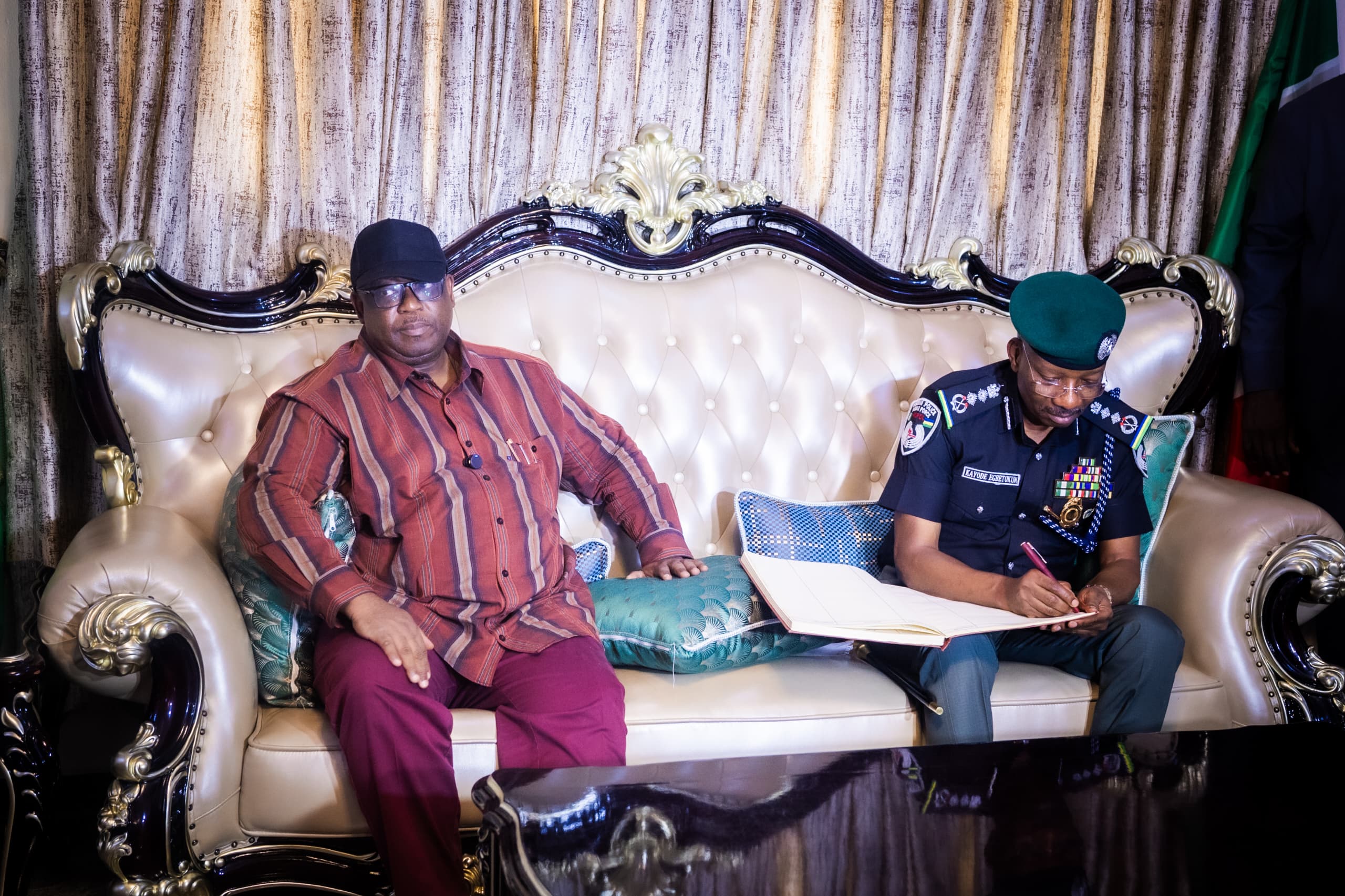
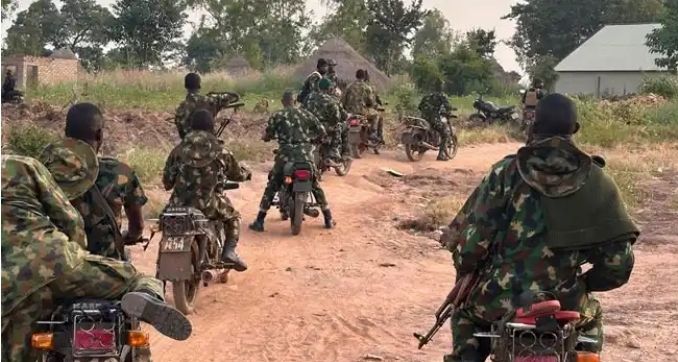
Security concerns in the Sahel region ranked high among priorities, as jihadist groups continue to wage insurgencies in Burkina Faso, Mali and Niger. Under military rule, the three countries withdrew from ECOWAS and formed a separate bloc known as the Alliance of Sahel States (AES). Last week, Touray called for dialogue with the AES on shared security challenges, warning of the broader implications of the conflict. Echoing this concern, Sierra Leone President Julius Bio, the current holder of ECOWAS’s rotating chairmanship, said, “No border can insulate us from violence.”
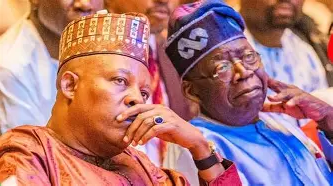
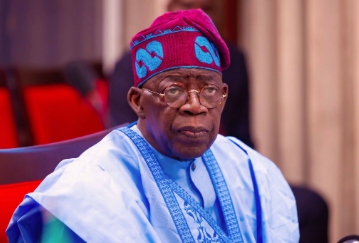
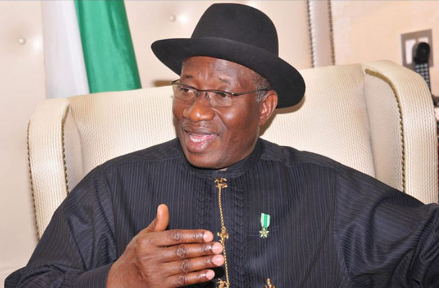
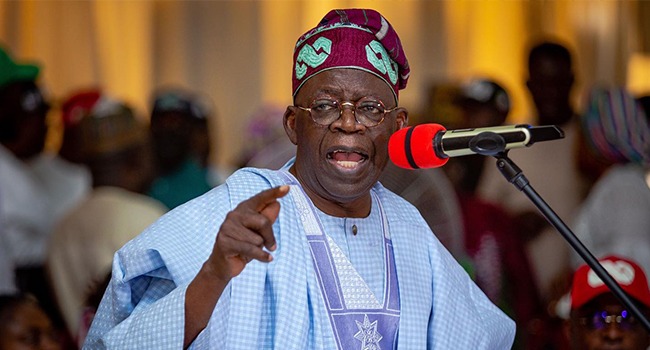
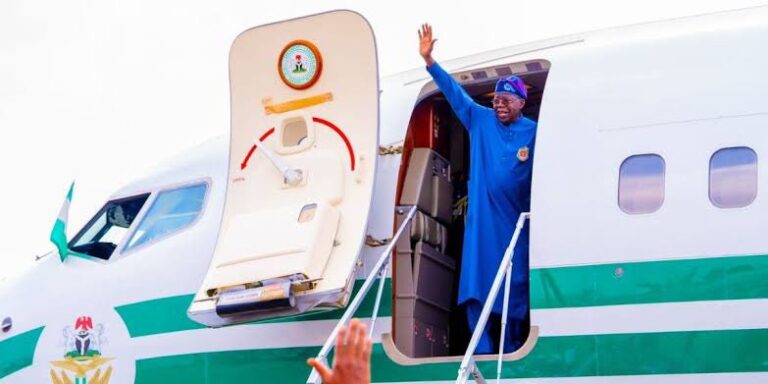
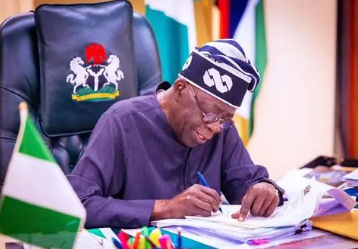
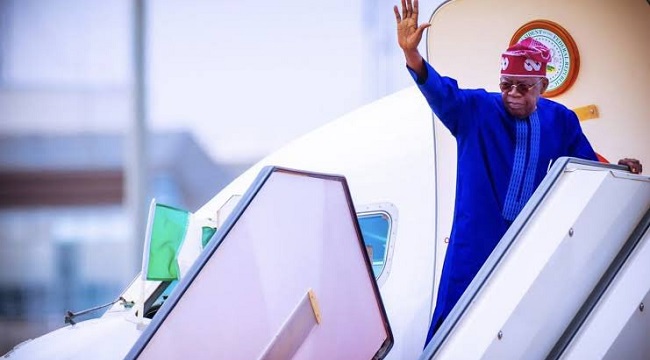
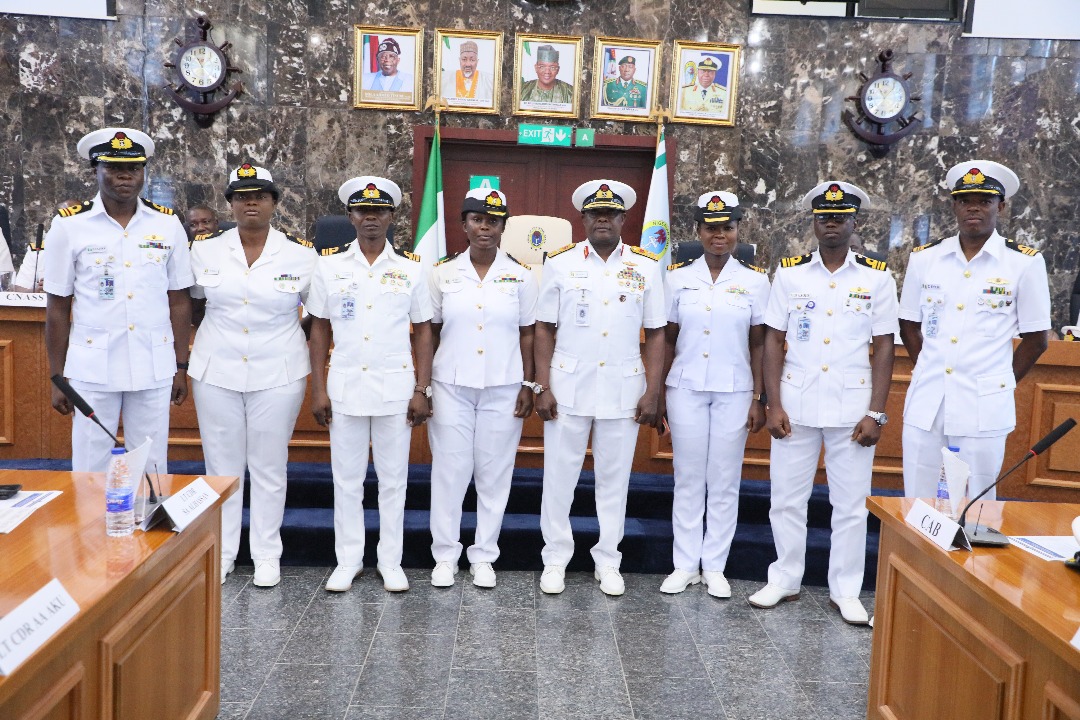
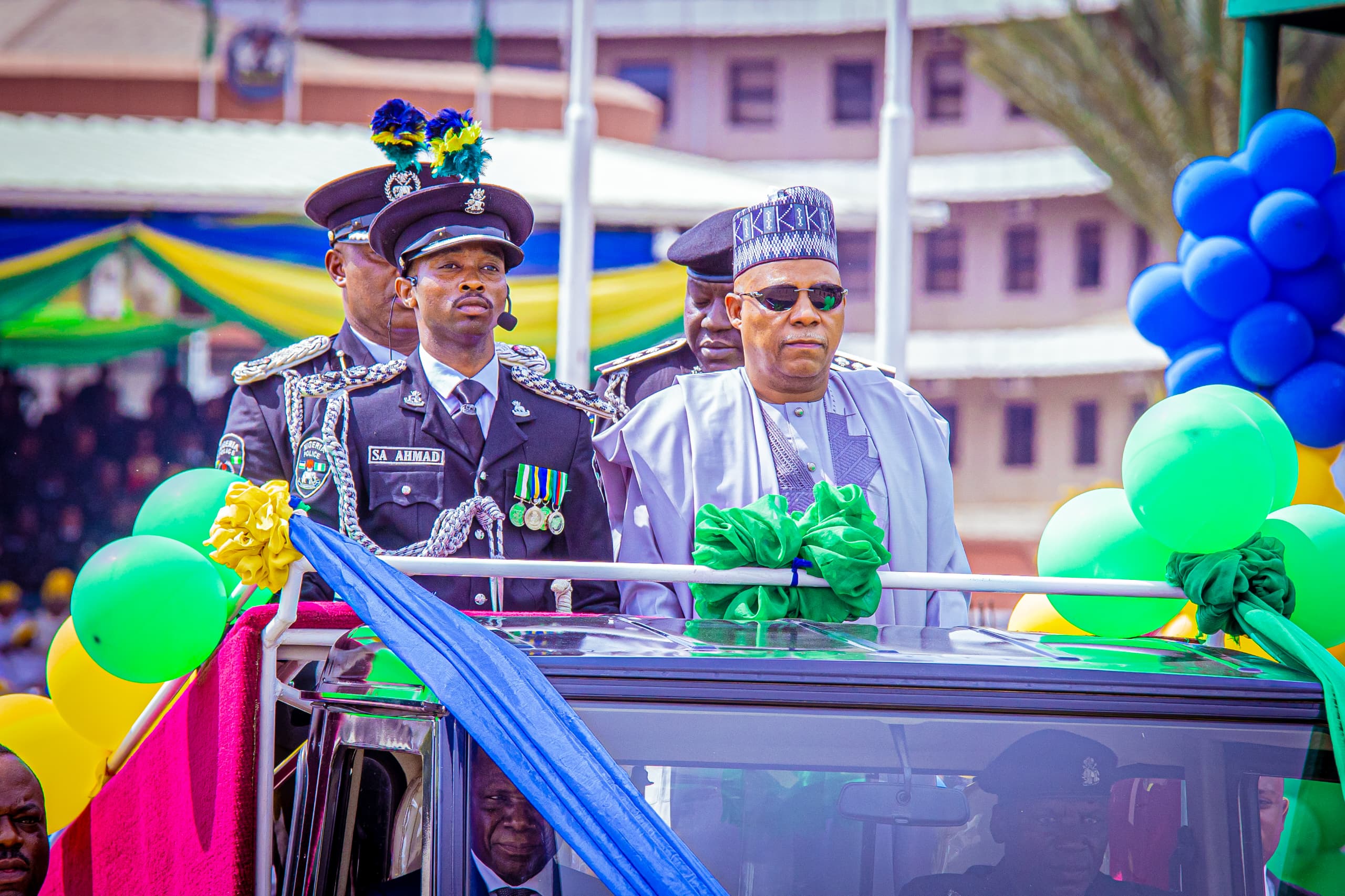
Notably absent from the summit were the heads of state of Guinea and Guinea Bissau, both suspended from ECOWAS following military takeovers in their countries. Nigerian President Bola Tinubu also did not attend the meeting and was represented by Vice President Kashim Shettima.
Beyond military coups, the region continues to grapple with concerns over democratic backsliding among civilian governments. In October, Ivory Coast re-elected President Alassane Ouattara to a fourth term in a poll that saw his main rivals barred from contesting. Similarly, the 2023 elections that brought both Bio and Tinubu to power were marred by complaints of irregularities, further underscoring the fragile state of democracy across West Africa.
Stay informed on West Africa’s evolving political and security landscape. Get in-depth analysis, verified updates, and regional insights you can trust—visit LouisaOlaniyi.com.ng for the full story and more breaking news from across Africa.