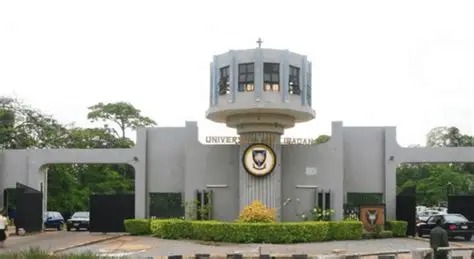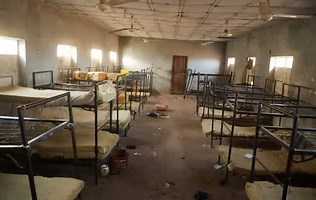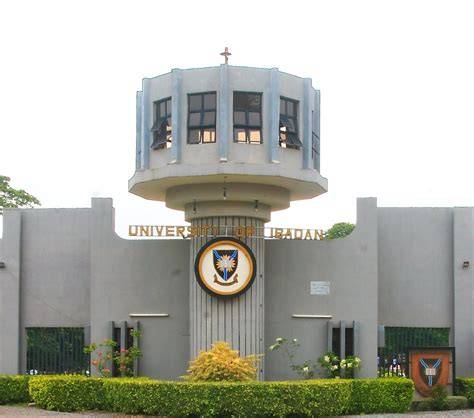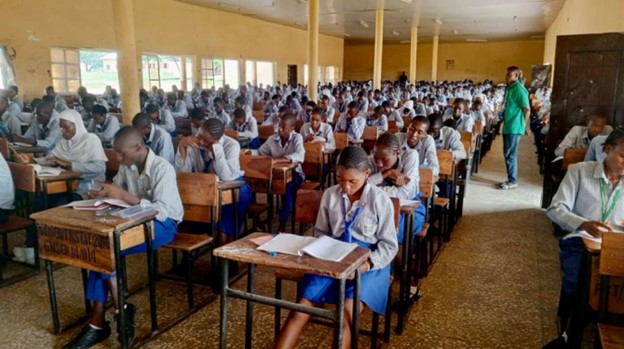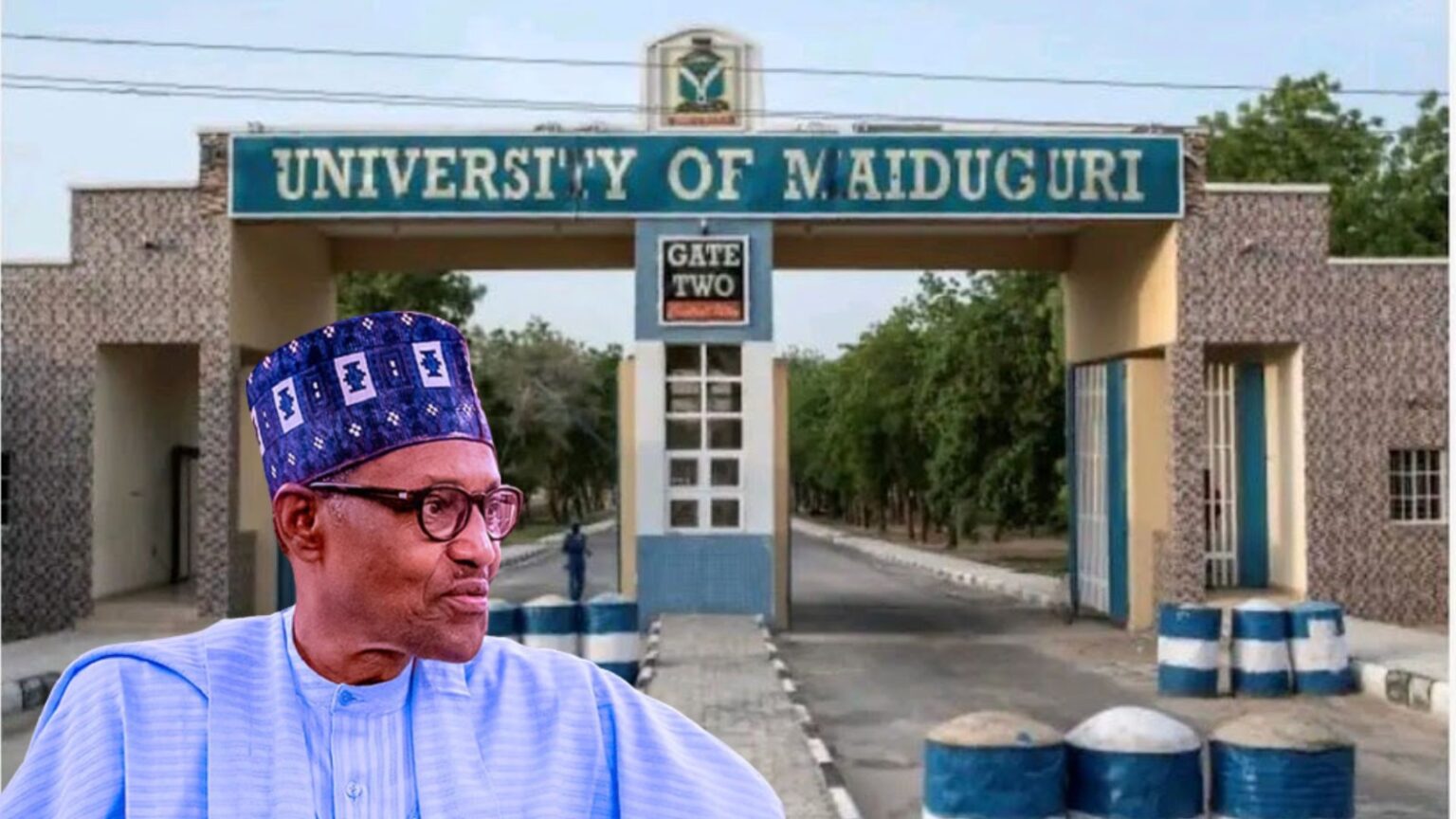

The Federal Government has announced plans to inject an additional N30 billion over the next three years to stabilise and rehabilitate 74 federal universities across the country. The intervention is expected to complement the institutions’ annual budgetary allocations.
In addition, the government plans to raise budgetary allocation to the education sector to 15 per cent, in line with the recommendation of the United Nations Educational, Scientific and Cultural Organisation (UNESCO).
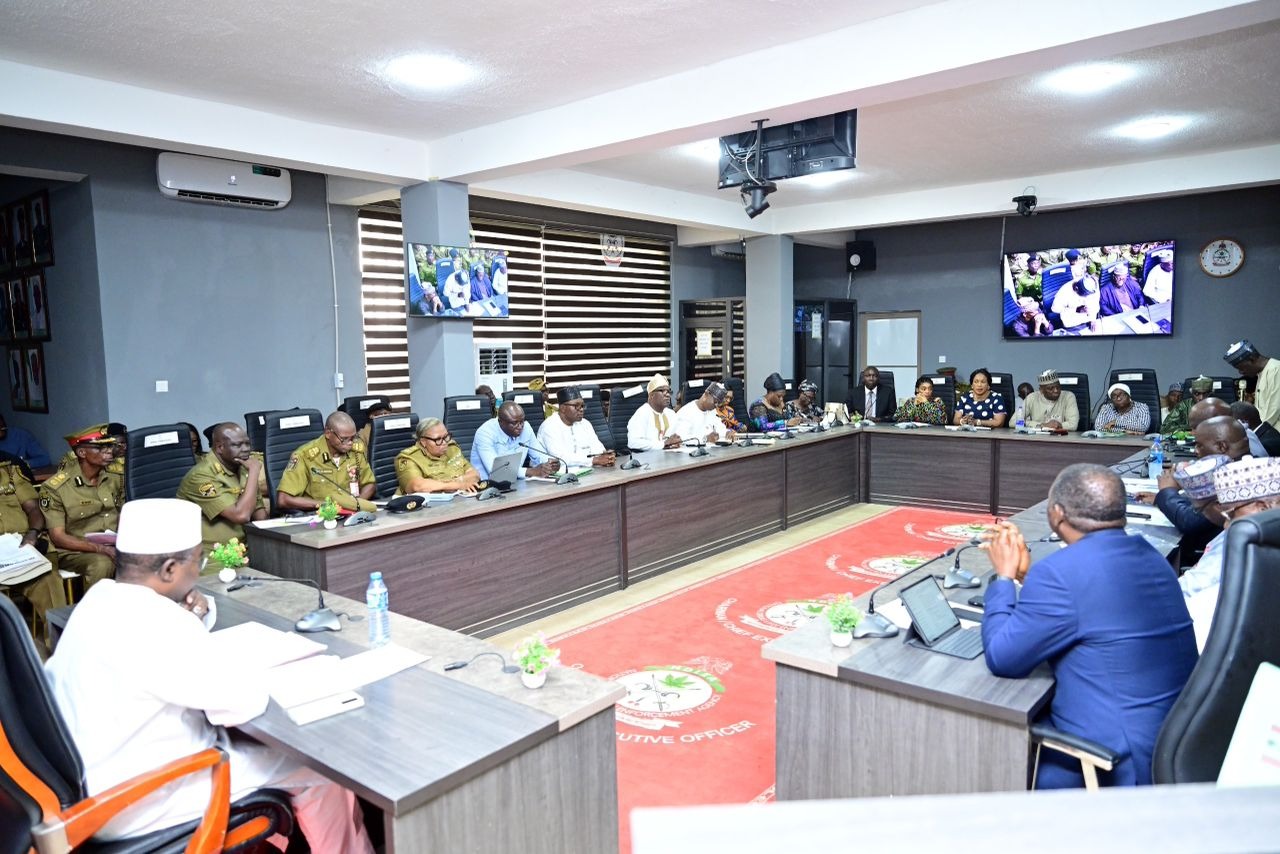
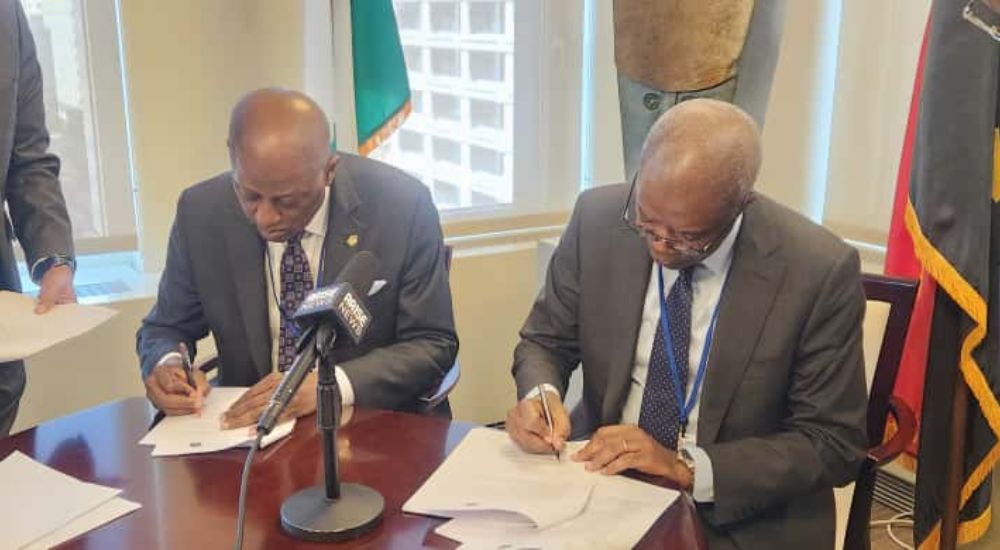
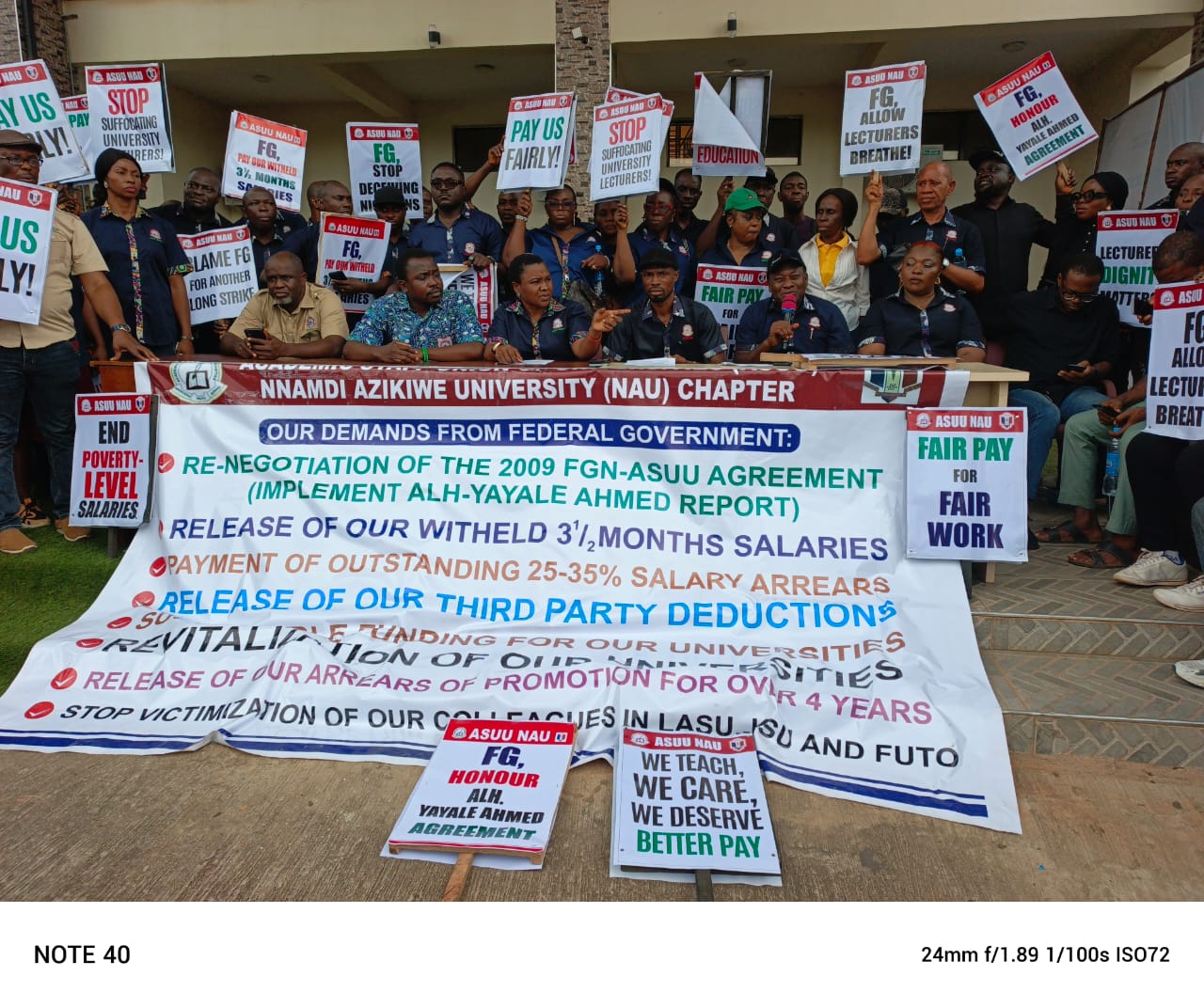
The initiatives are contained in an agreement signed between the Federal Government and the Academic Staff Union of Universities (ASUU). The agreement introduces a ‘Stabilisation and Restoration Fund’, which will be disbursed in three equal instalments of N10 billion annually from 2026 to 2028 and managed by the National Universities Commission (NUC).
“It was agreed that the government shall provide N30 billion to be paid in three equal instalments of N10 billion yearly from 2026 to 2028 to be managed by NUC,” Section 4.3.3 of the agreement titled ‘Stabilisation and restoration fund’ states.
Education experts have welcomed the initiative, noting that if transparently managed and judiciously deployed, the fund could help address persistent infrastructural decay, improve teaching and learning facilities, and boost research capacity in federal universities. However, they cautioned that sustained funding, accountability, and effective monitoring by relevant stakeholders would be essential to ensure long-term impact rather than short-term relief.
On broader funding strategies, the agreement recommended that the government, through strong political commitment, should implement a ‘progressive increase of 2.5 per cent yearly to 15 per cent’ in education funding. It also proposed allocating 50 per cent of the total education capital budget to universities while maintaining the existing policy of non-payment of undergraduate tuition fees.
Despite UNESCO’s recommendation that countries allocate between 15 and 20 per cent of annual public spending to education, Nigeria has struggled to meet this benchmark. Reports indicate that federal spending on education between 1999 and 2026 ranged from a low of 1.69 per cent in 2011 to a peak of 13 per cent in 2008.
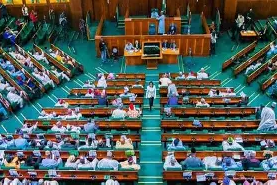
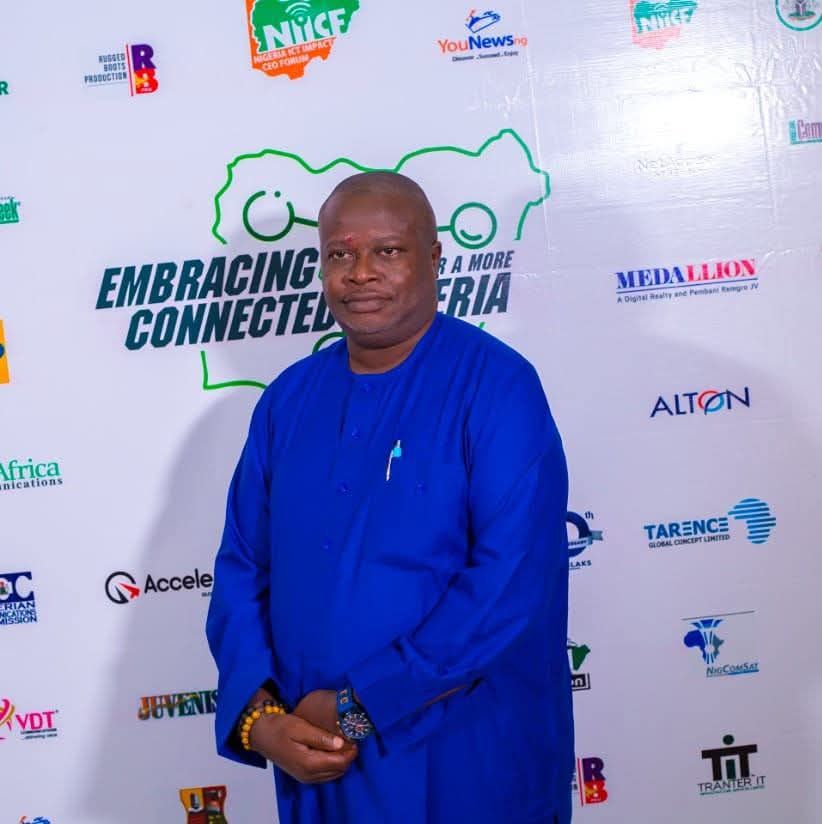
Although the Federal Government earmarked N3.52 trillion for education in the N58.47 trillion 2026 budget currently before the National Assembly, the Initiator of the Creative Change Centre, Omole Ibukun, described the allocation as inadequate. He noted that the figure represents just 6.02 per cent of the total budget and falls short of international standards, stressing that it is insufficient to deliver the urgent transformation needed across the education system.
Unions Seek Inclusion as CONUA Calls for Broader Talks
Meanwhile, the Congress of University Academics (CONUA) has distanced itself from the agreement, urging the Federal Government to fast-track negotiations with all university unions. The union confirmed that discussions were ongoing with other recognised unions, including CONUA, as part of a broader sector-wide engagement aimed at improving conditions of service, institutional stability, and the overall quality of university education.
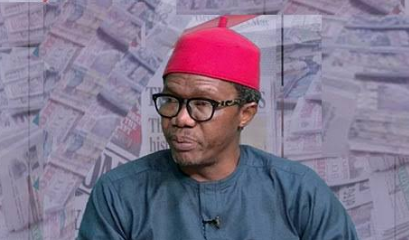
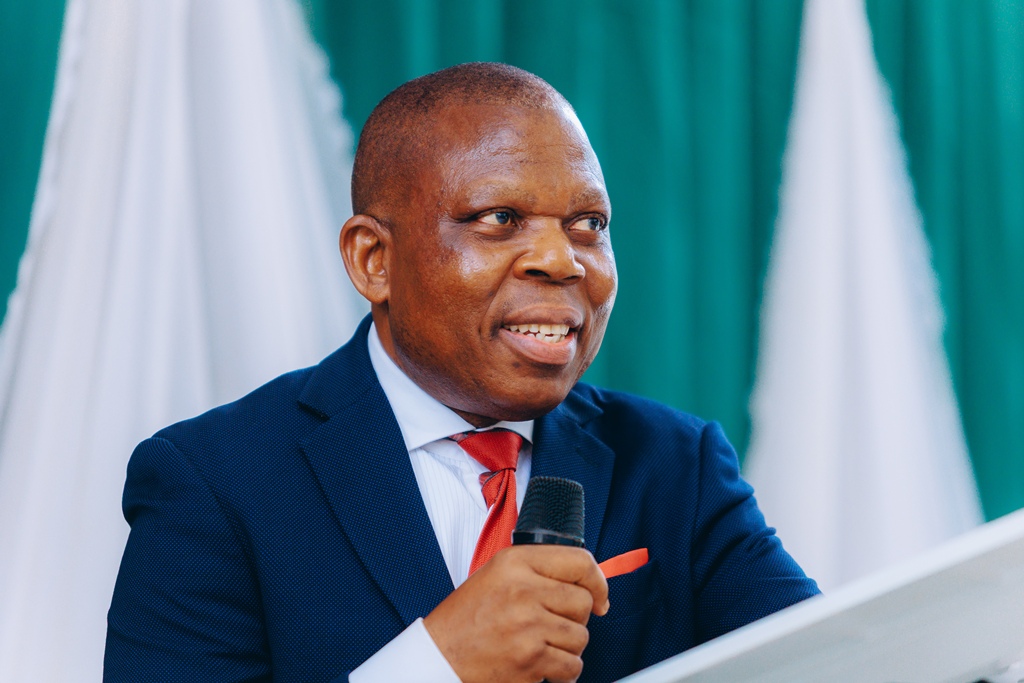
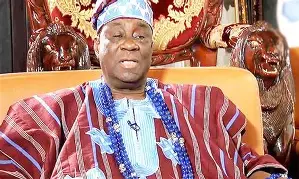
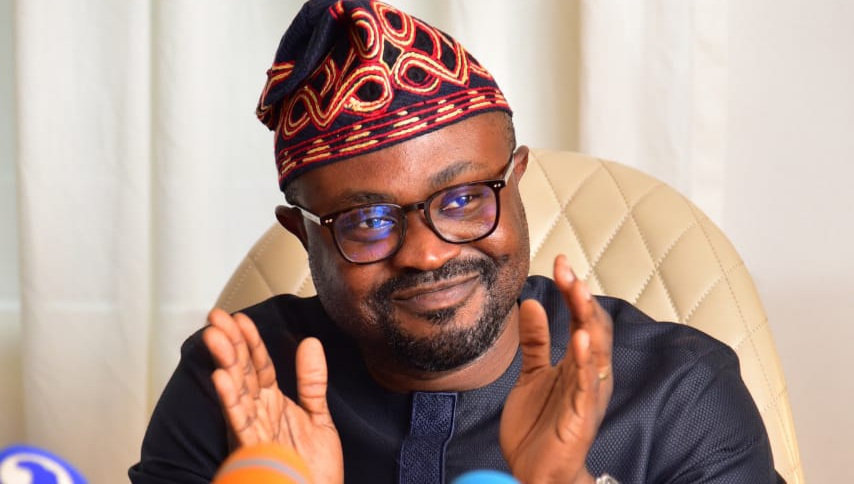
Speaking in an exclusive interview, CONUA National President, Dr ‘Niyi Sunmonu, dismissed claims that the union would be absorbed into another academic body. He insisted that CONUA would remain independent despite comments and threats allegedly made by ASUU President, Prof. Chris Piwuna, during a recent appearance on Arise Television.
Sunmonu reaffirmed CONUA’s legal status, noting that it is duly recognised by law, with its registration validated by the National Industrial Court of Nigeria (NICN) and supported by provisions and conventions of the International Labour Organisation (ILO).
He also acknowledged the conclusion of the renegotiation process between the Federal Government and ASUU, describing it as an outcome of the long-standing 2009 agreement that had remained unresolved for several years.
Stay informed on critical developments shaping Nigeria’s education sector and national policies. For in-depth analysis, verified updates, and expert perspectives on government–union agreements, budget reforms, and university funding, visit LouisaOlaniyi.com.ng, your trusted source for credible news and insights.