- March 18, 2026
- Admin User
- 0
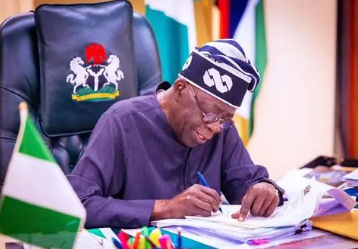
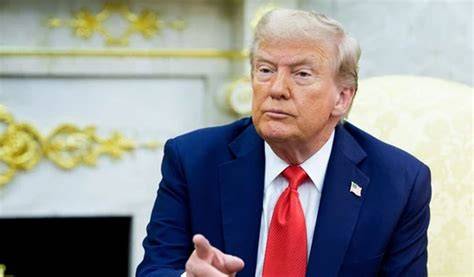
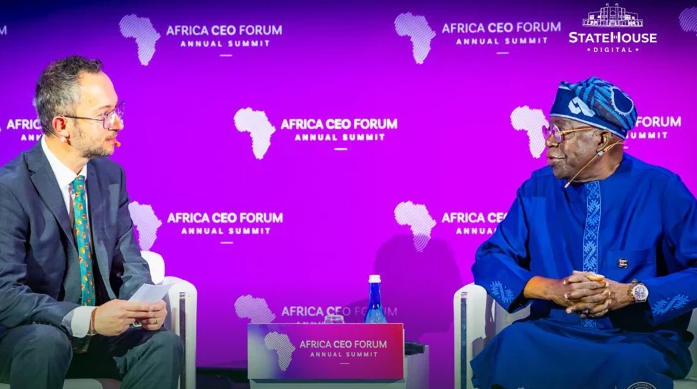
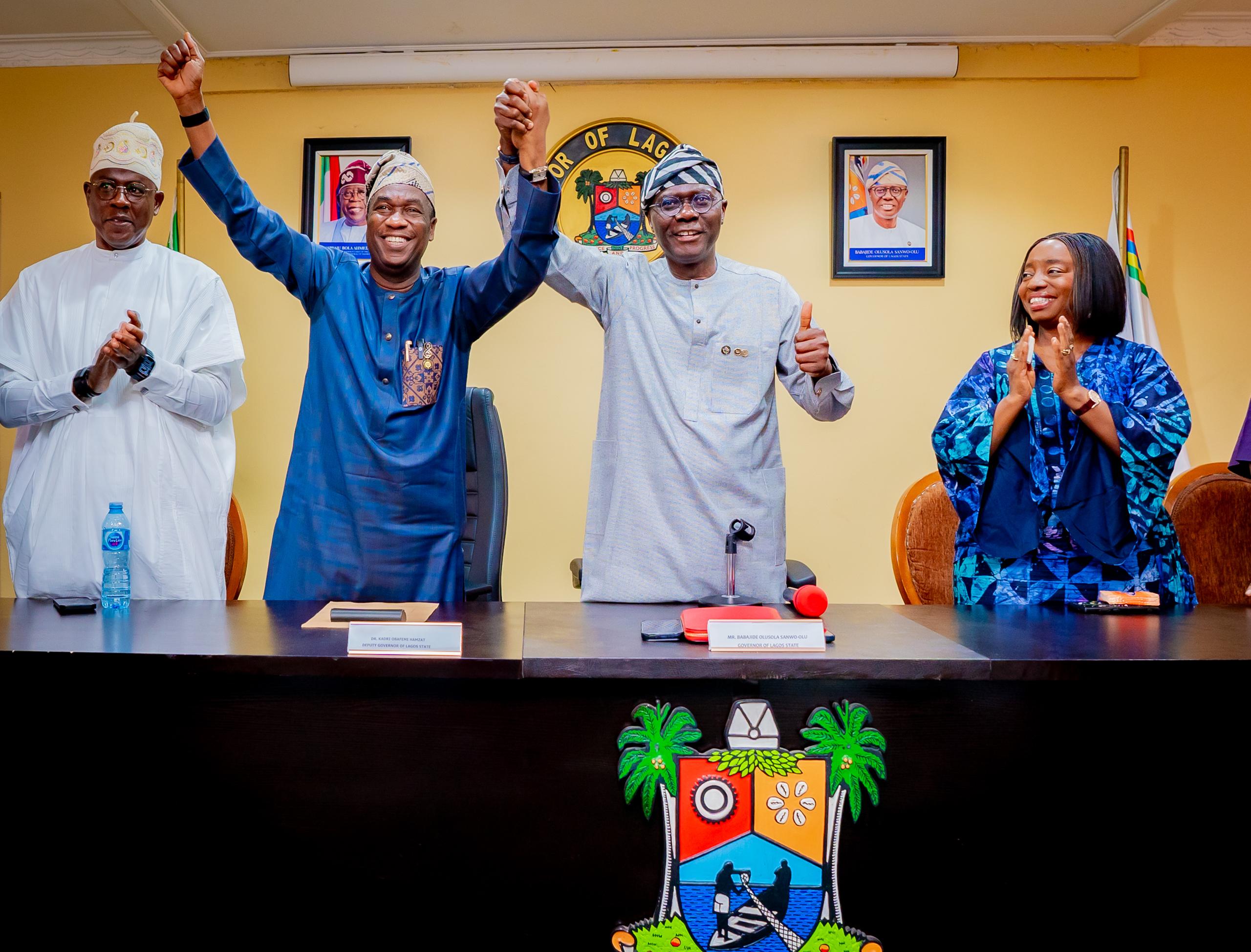
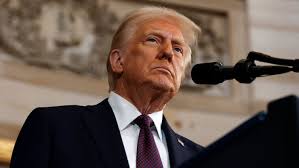
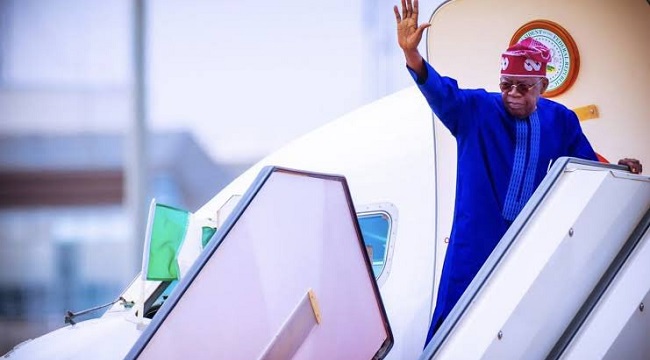
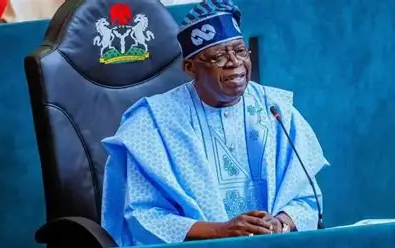
President Bola Ahmed Tinubu has reaffirmed his administration’s readiness to support the Nigerian media industry as it grapples with the growing dominance of global technology companies and worsening economic pressures affecting local journalism.
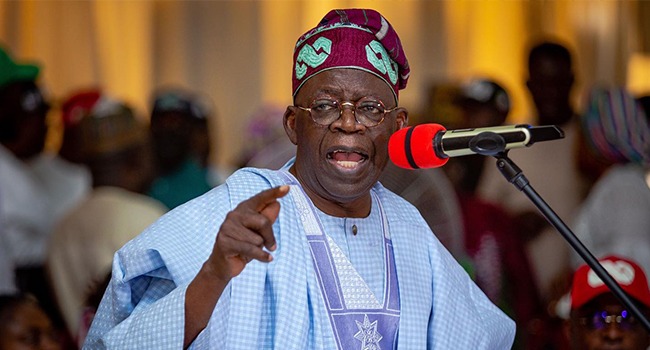
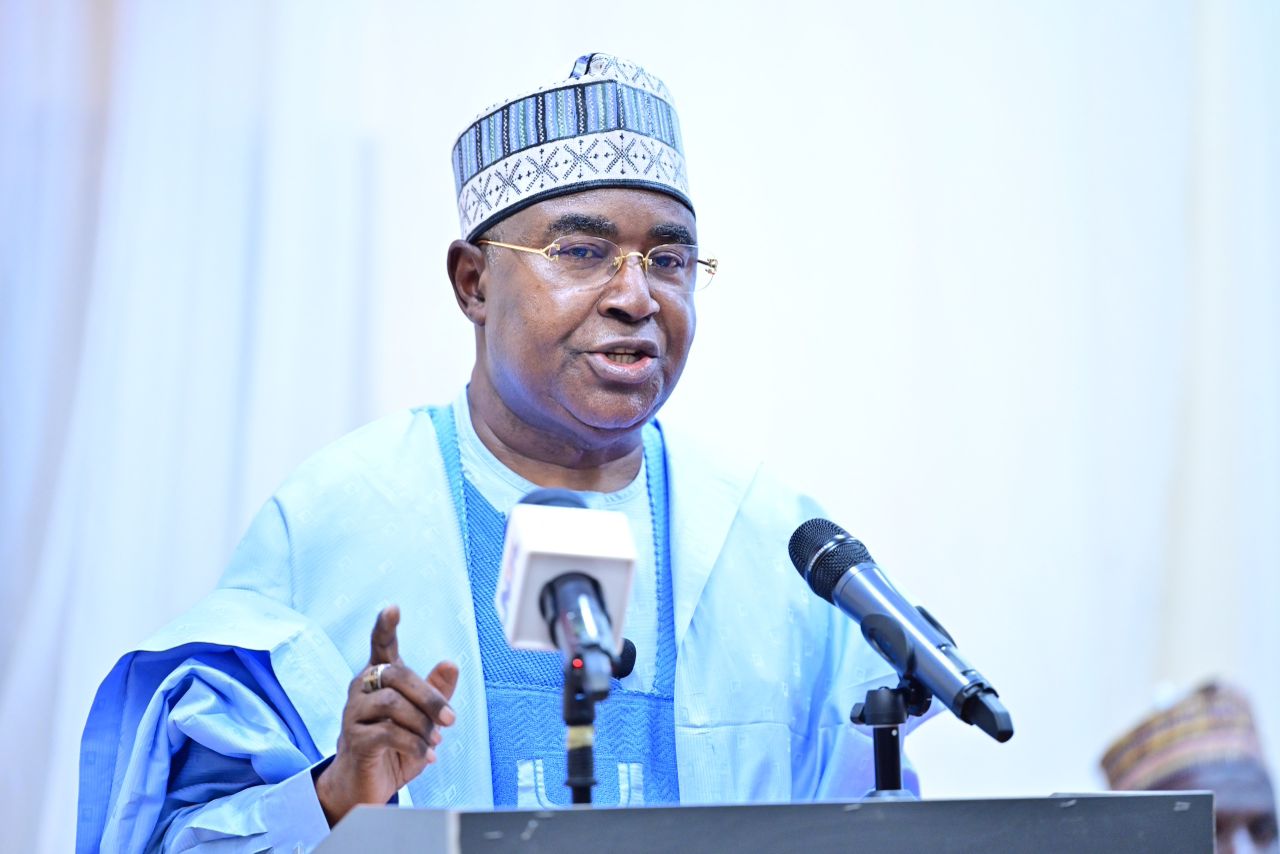
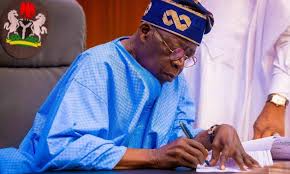
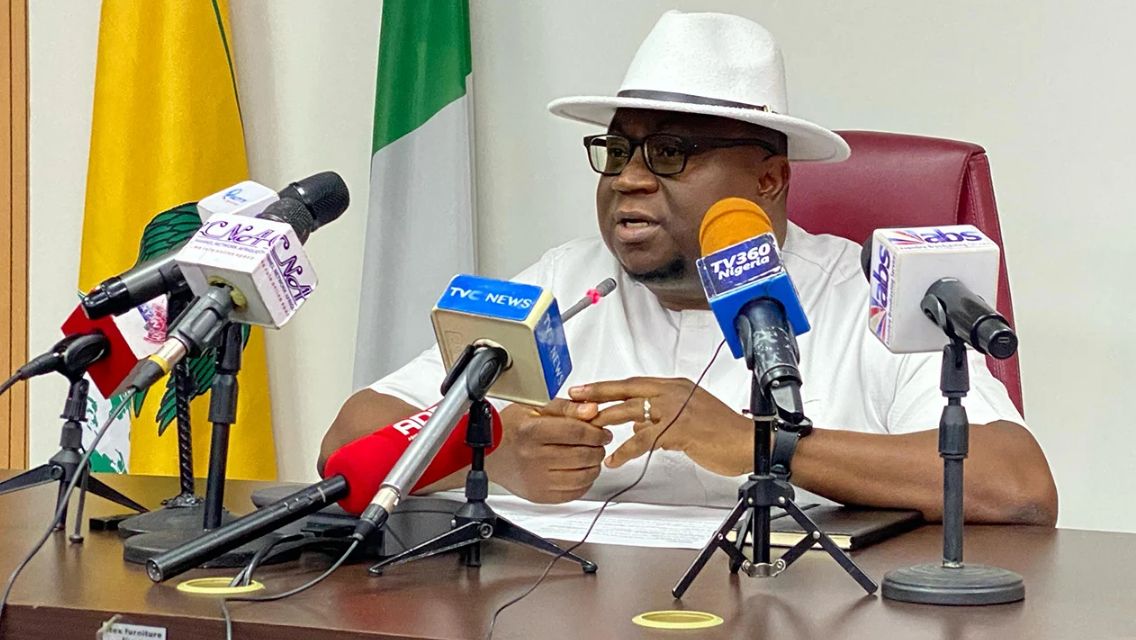
Speaking at a meeting held at the State House on Friday, the President pledged government backing for what he described as an evidence-based campaign by Nigerian media organisations against the anti-competitive influence of major digital platforms.
According to him, the press remains an “indispensable partner” in Nigeria’s pursuit of economic stability, press freedom, and social cohesion. He also noted that the government is prepared to address structural challenges and what he termed “digital cannibalisation” that are threatening the sustainability of traditional media institutions.
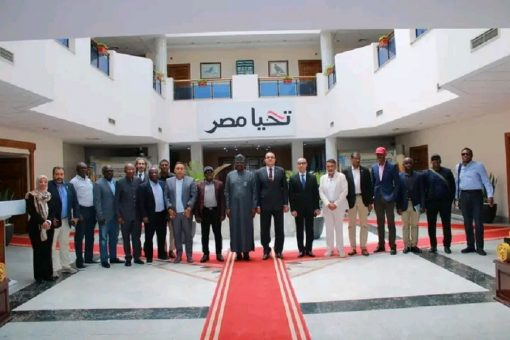
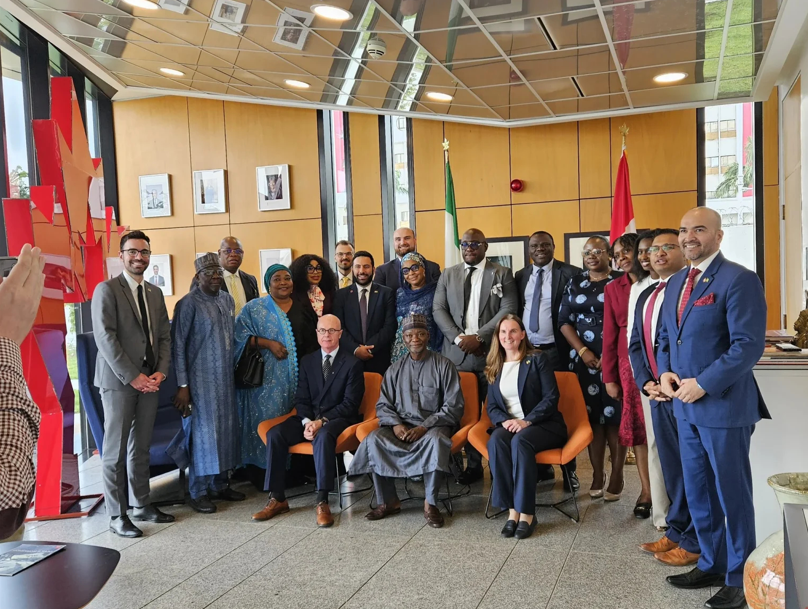
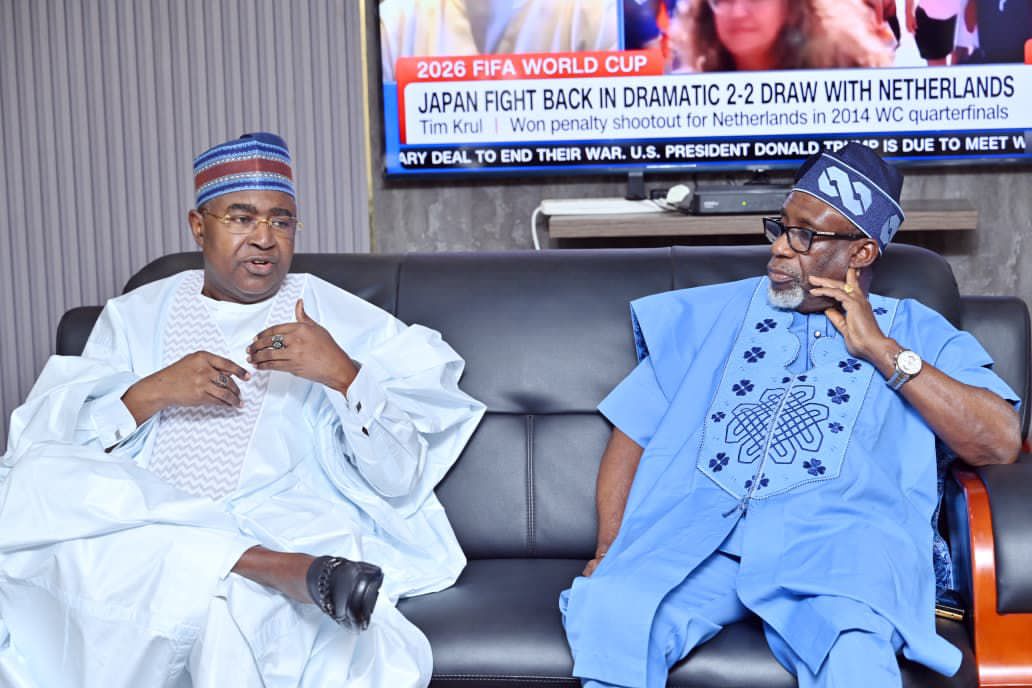
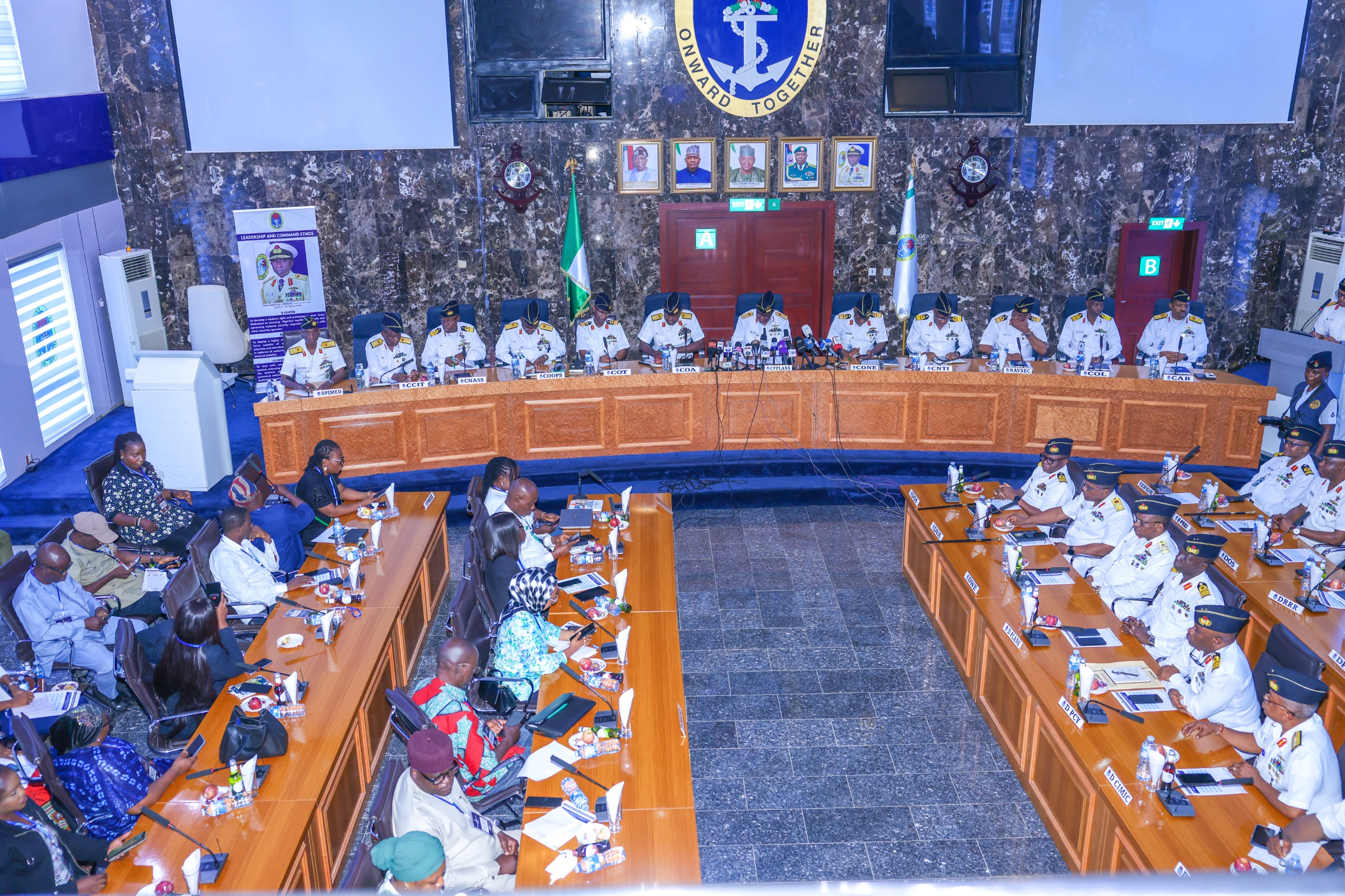
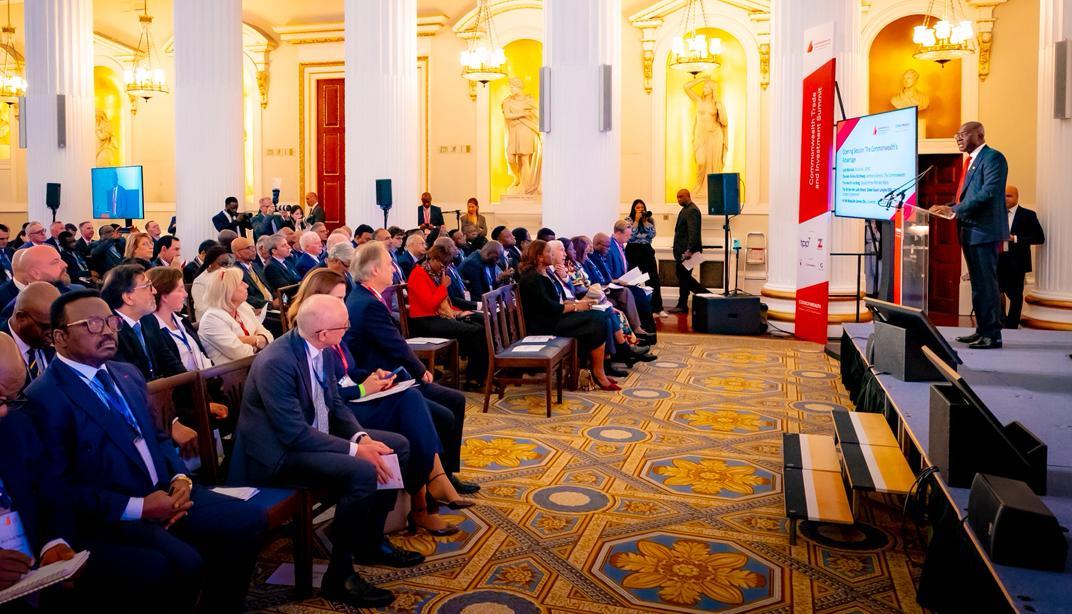
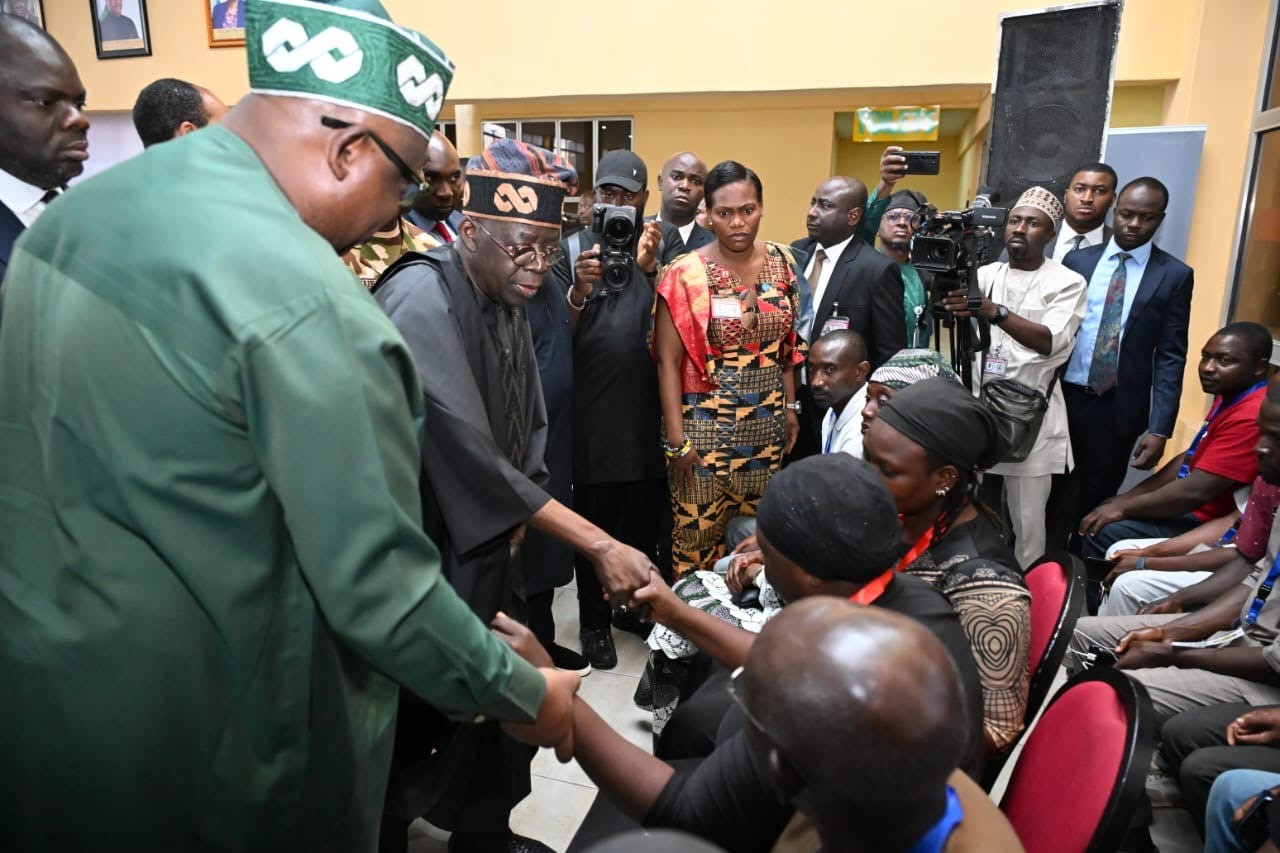
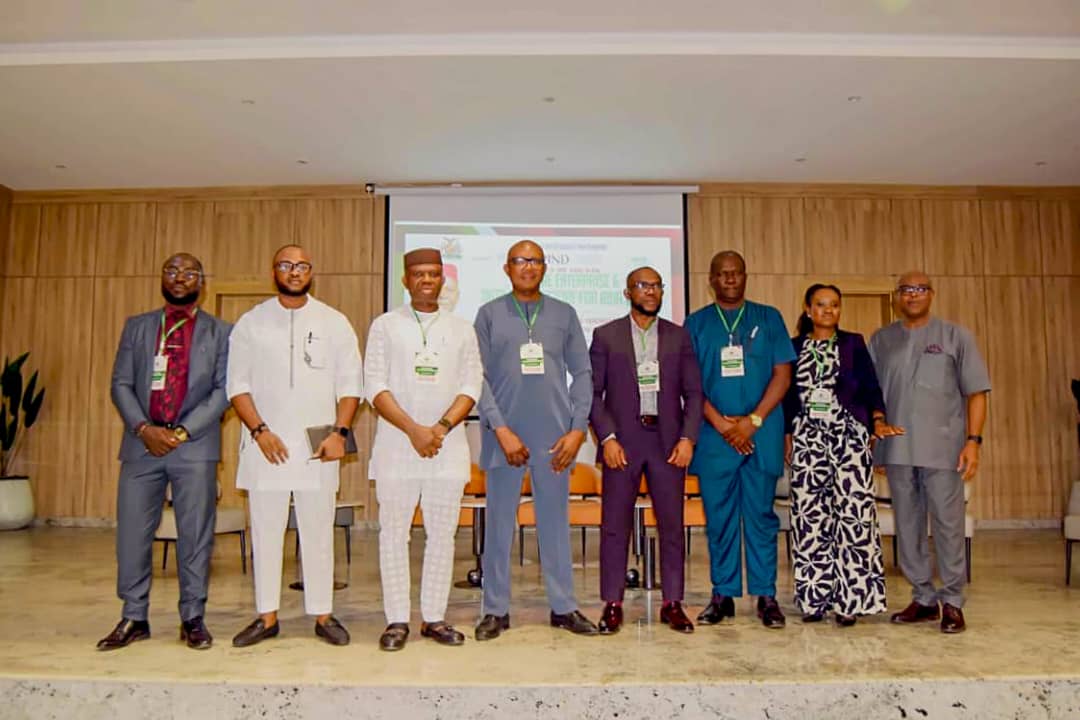
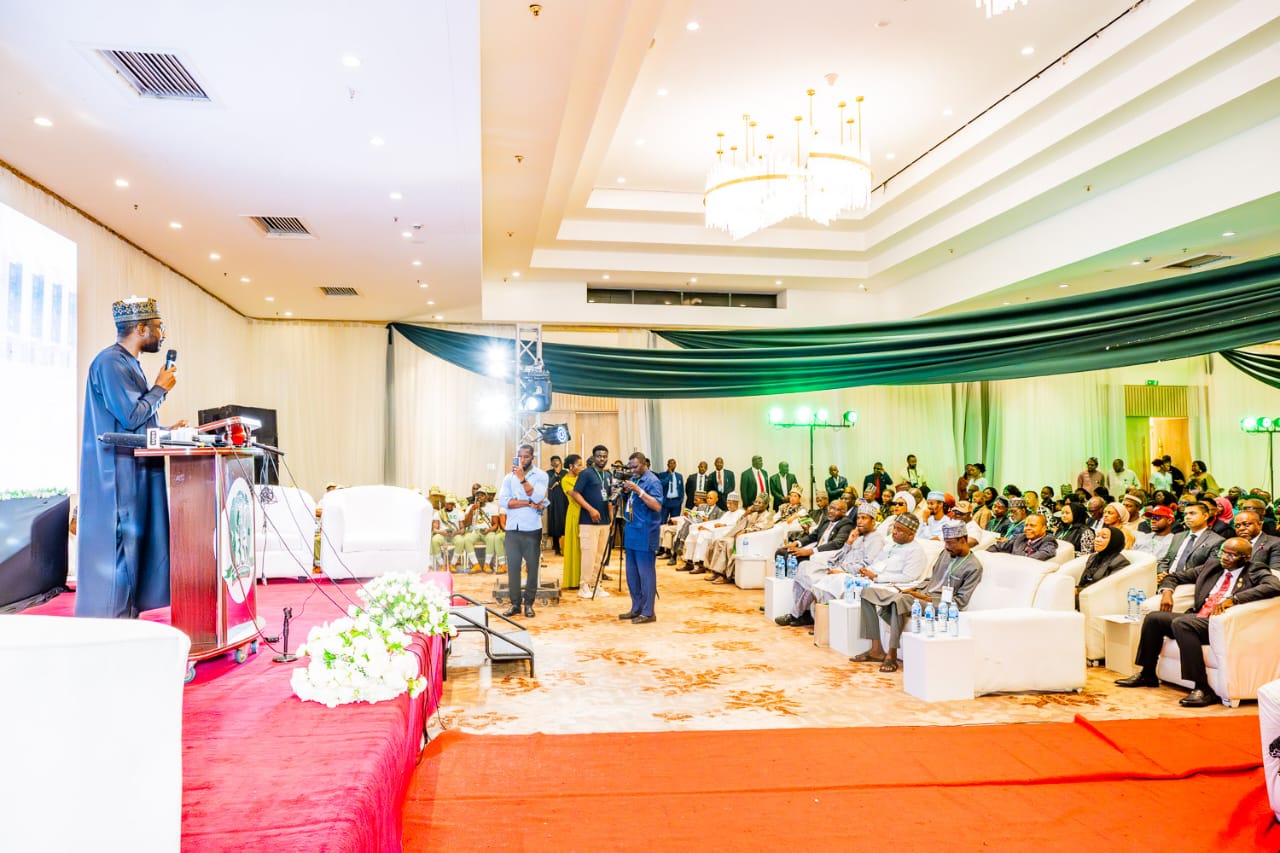
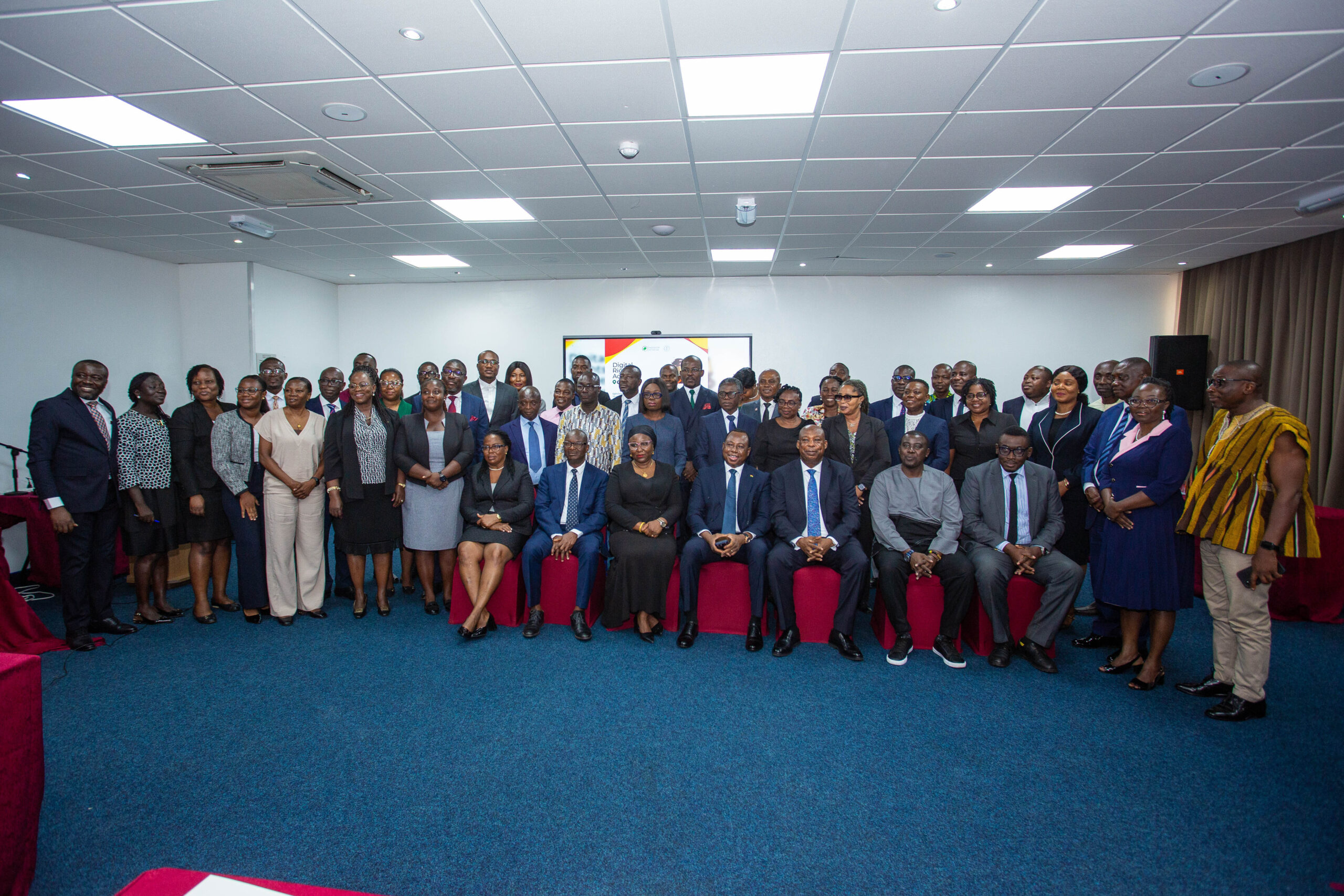
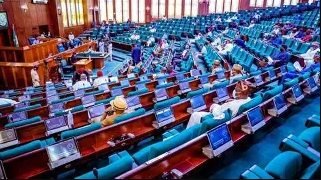
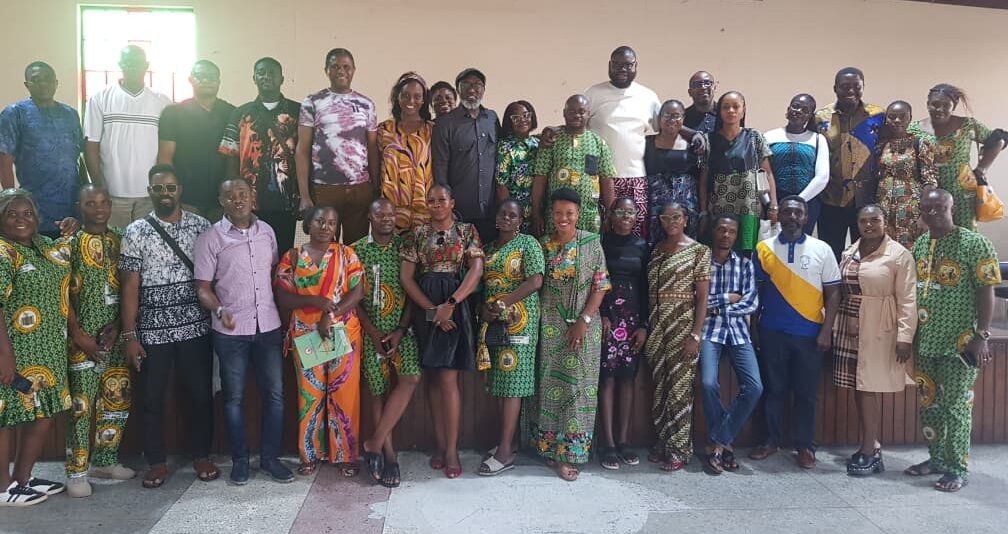
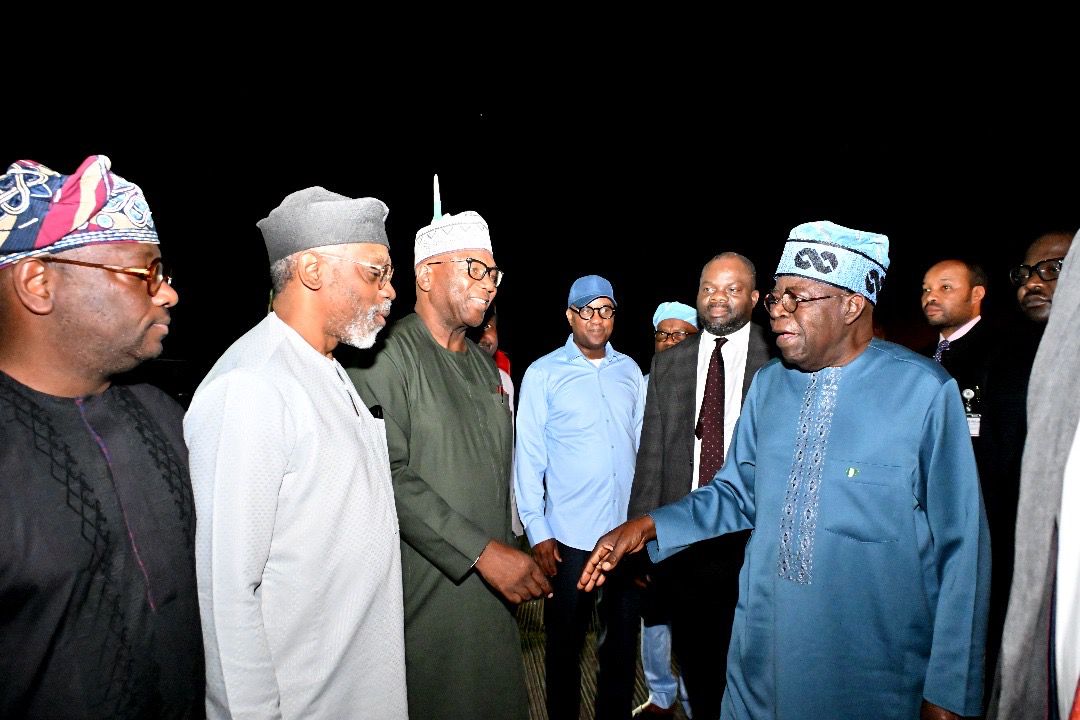
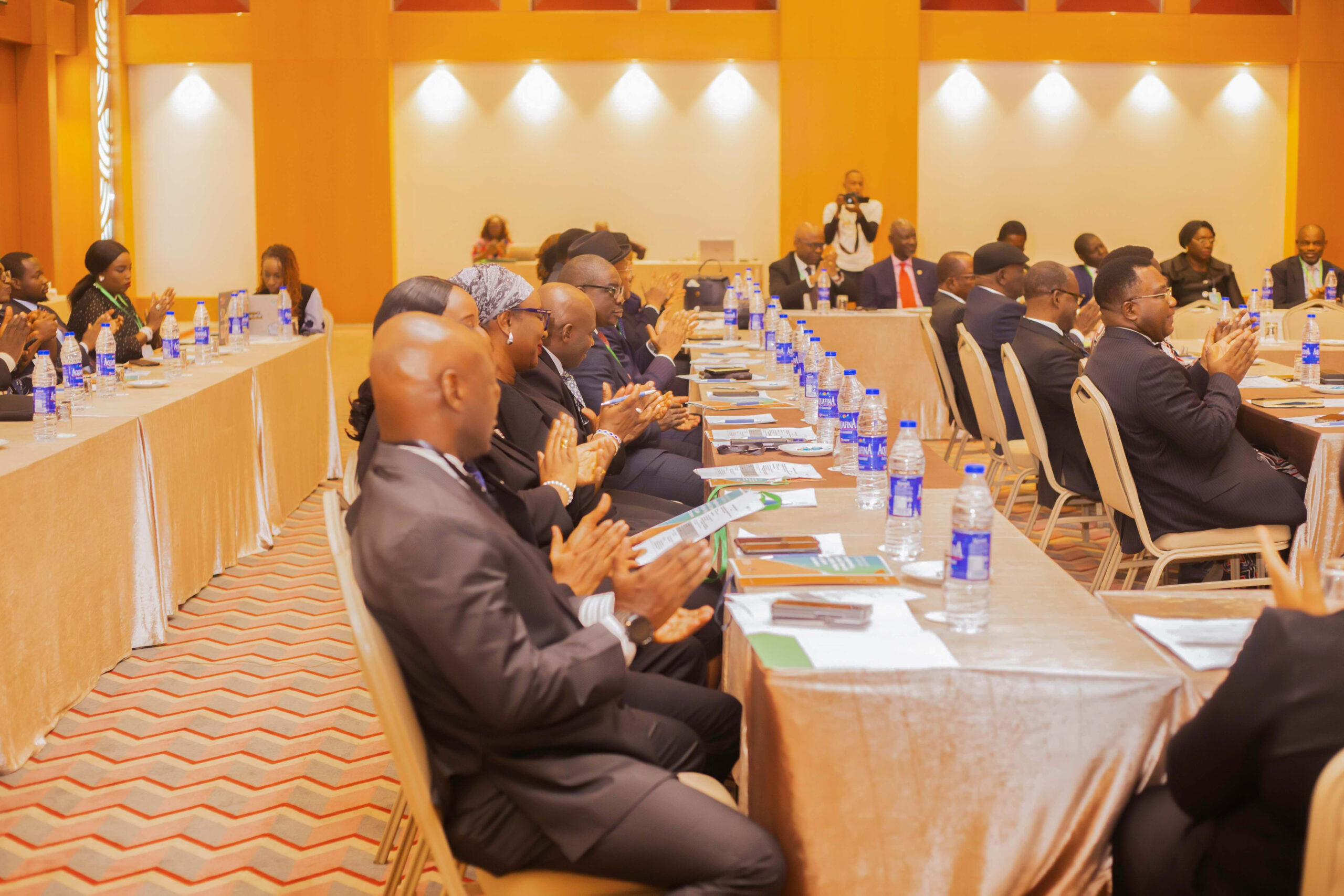
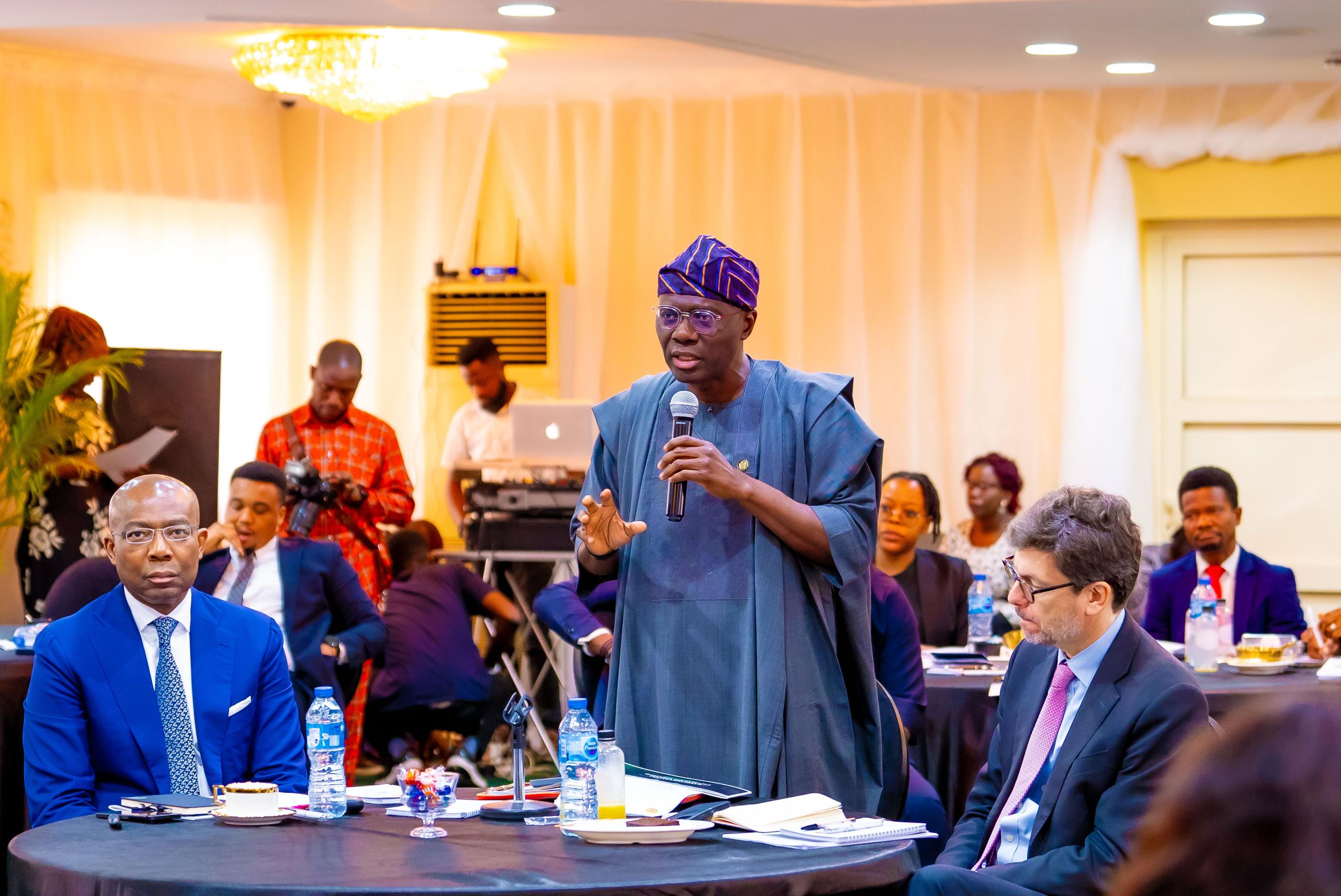
The assurance was given during an interfaith dinner with a delegation from the Nigerian Press Organisation (NPO). The group was led by its president and publisher of The Guardian, Maiden Alex‑Ibru.
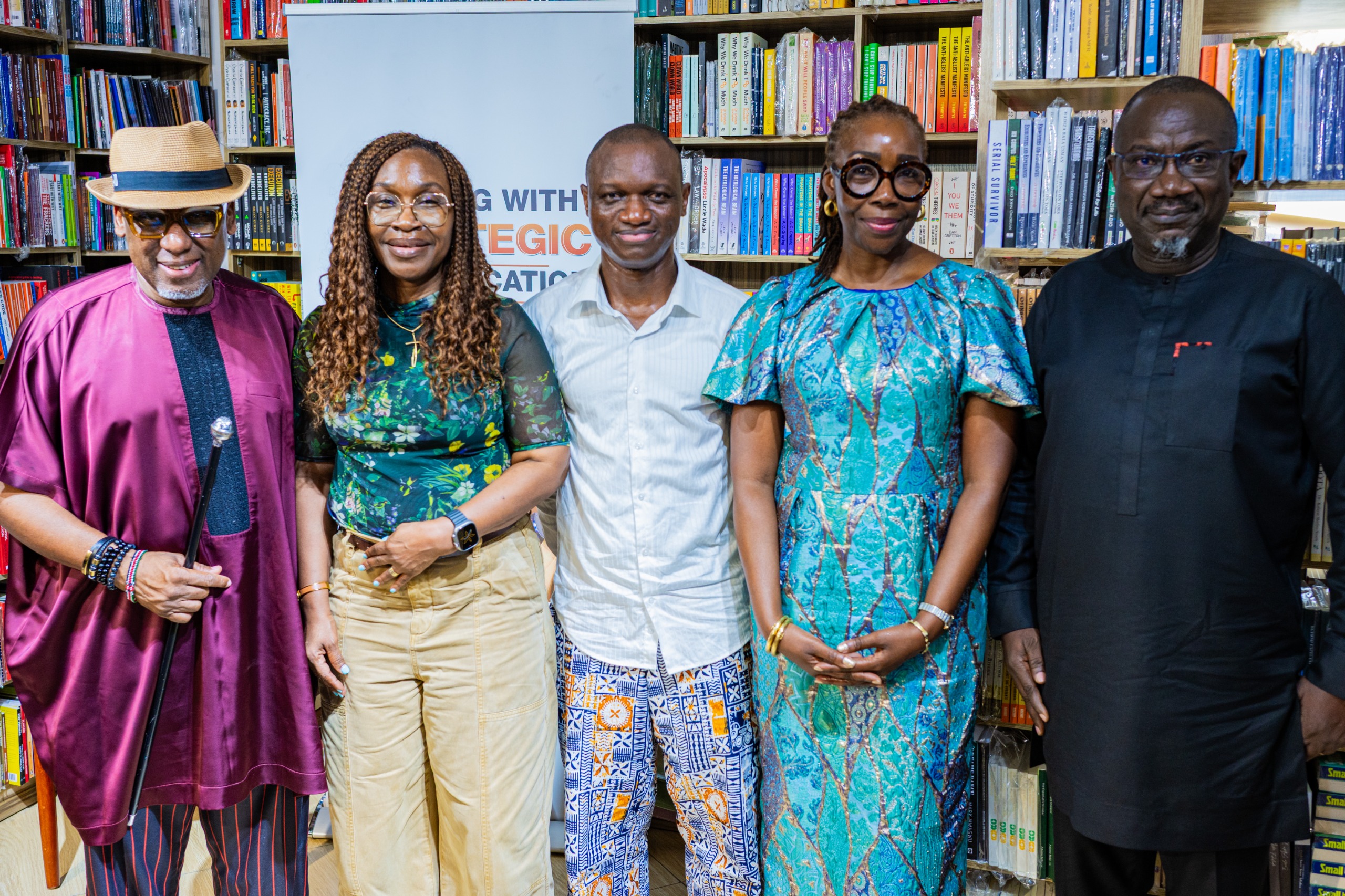
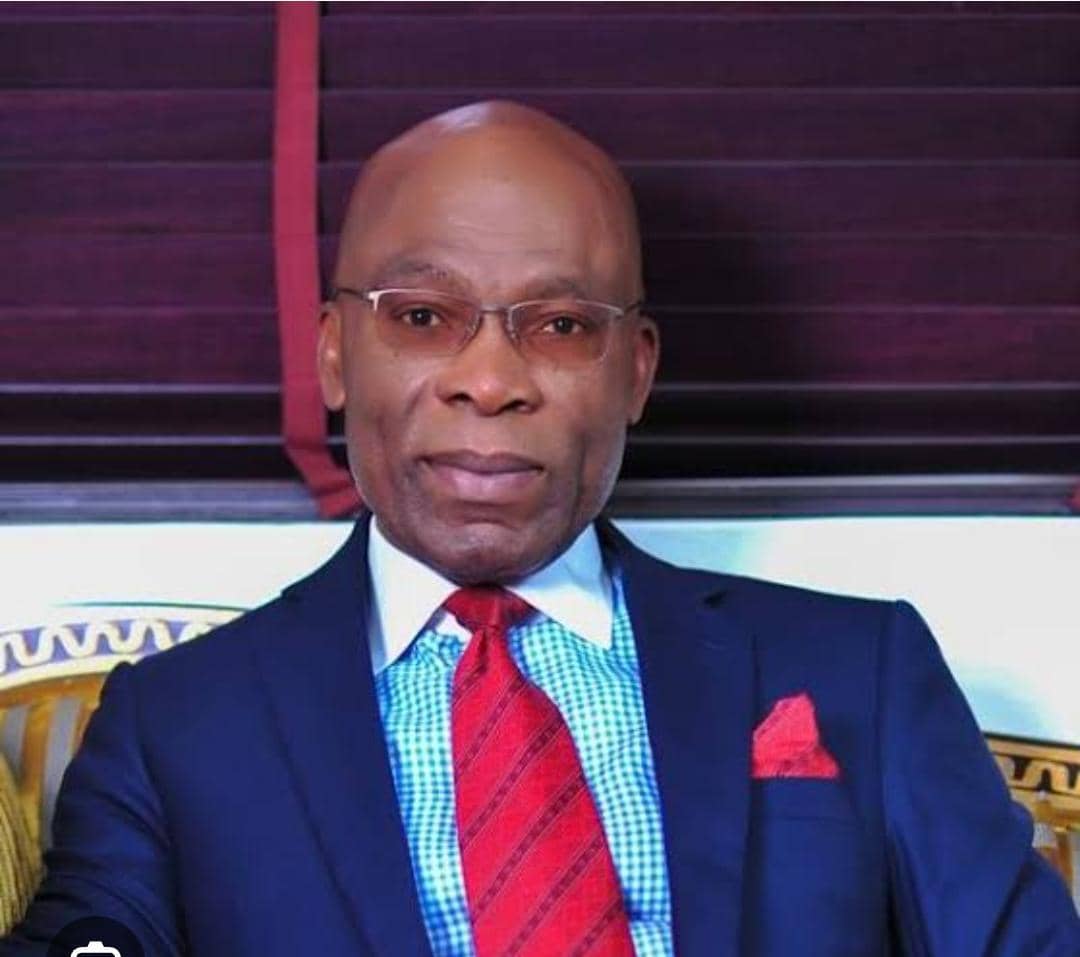
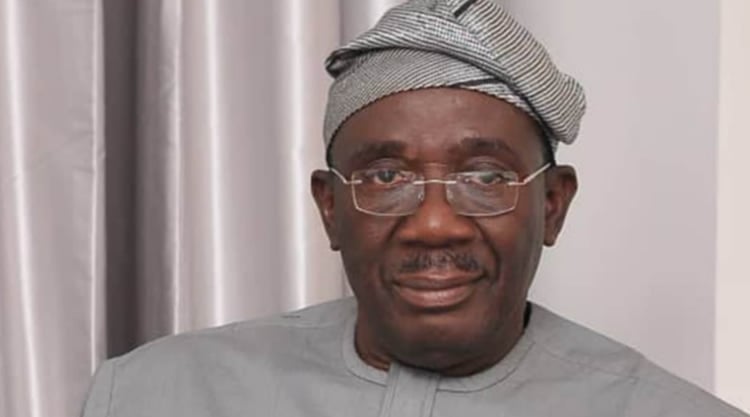
Other prominent figures in the delegation included former governor and media veteran Olusegun Osoba; publisher of Vanguard, Sam Amuka; Chairman of THISDAY/ARISE News Channel, Nduka Obaigbena; Chairman of Channels Television, John Momoh; and Director-General of the Nigerian Television Authority (NTA), Saliu Abdulhamid Dembos.
Also present were former NPAN President and veteran journalist Ray Ekpu; President of the Nigerian Guild of Editors, Eze Anaba; President of the Guild of Corporate Online Publishers, Danlami Nmodu; and President of the Nigeria Union of Journalists, Alhassan Yahya Abdullahi. Executives of the Newspaper Proprietors’ Association of Nigeria (NPAN), managing directors of media houses, journalists across multiple platforms, and civil society representatives were also in attendance.
Tinubu Reviews Tariffs to Support Nigerian Media
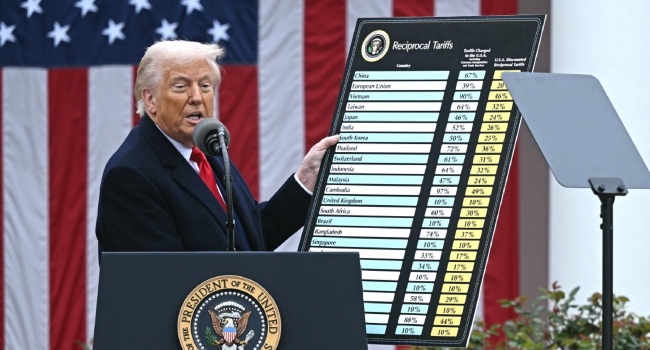
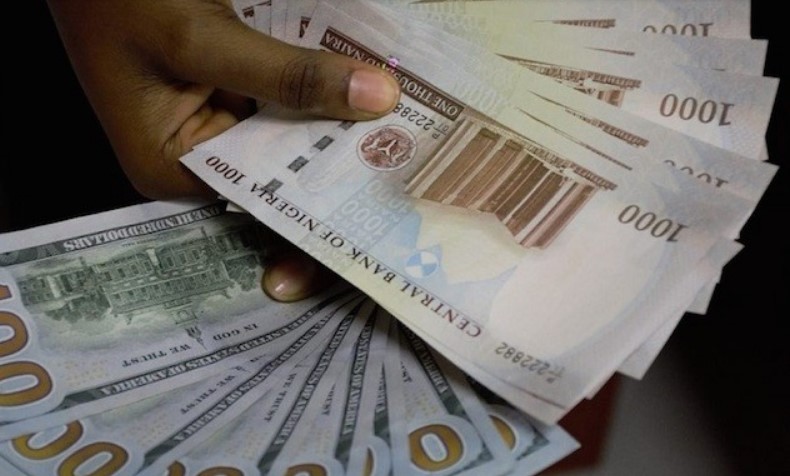
During the engagement, President Tinubu disclosed that the government is reviewing the list of items eligible for tariff exemptions. The review could include materials critical to media production such as newsprint, printing plates, chemicals, and broadcast equipment for radio and television stations. These items currently attract tariffs ranging between five and ten per cent but may be granted exemptions similar to those enjoyed by educational and research materials if the proposal is approved.
With the industry facing rising production costs, especially for imported materials and equipment, the President indicated that his administration is willing to intervene by reconsidering tariff policies affecting the sector.
“You have the government’s full support, because we know how important your work is to the sustenance of democracy,” the President said.
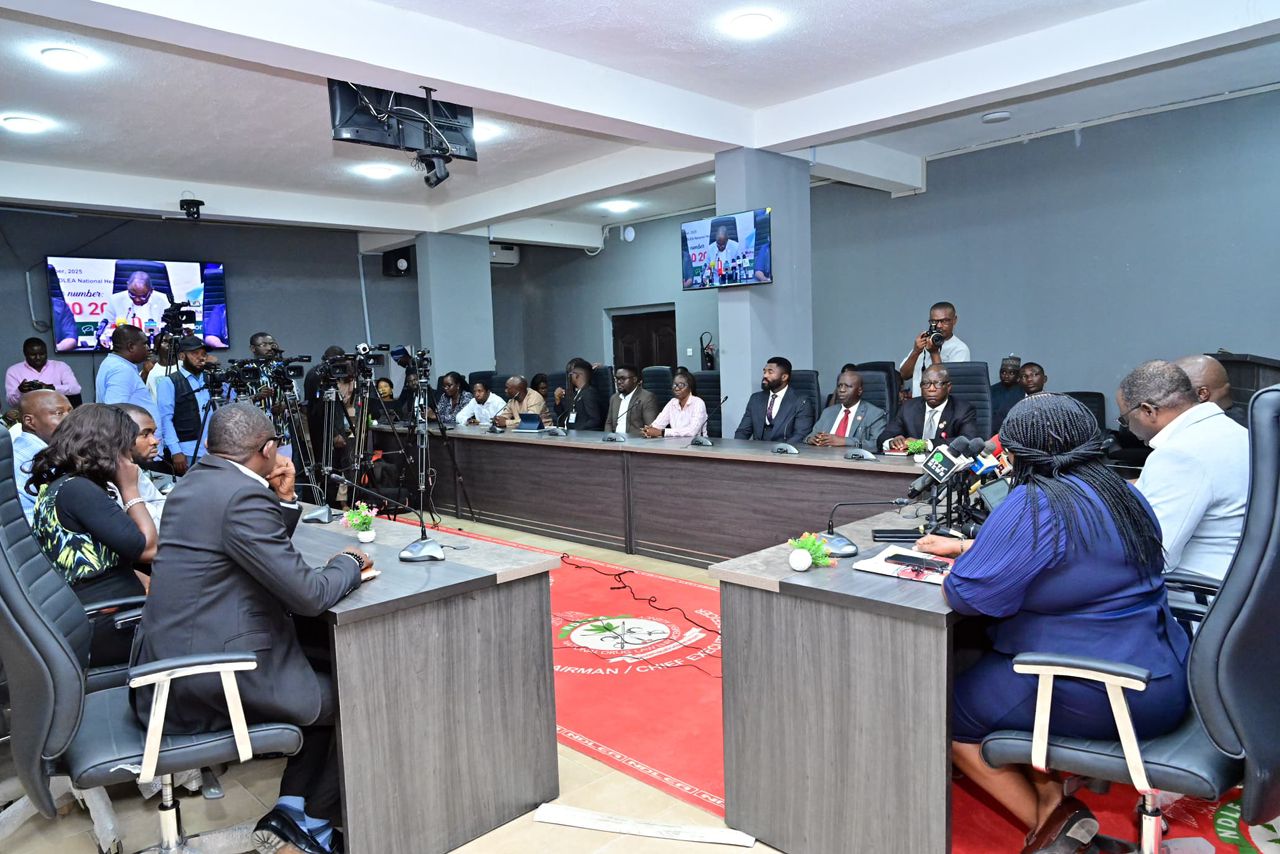
Earlier in the meeting, Deputy President of the Newspaper Proprietors’ Association of Nigeria and Publisher of BusinessDay, Frank Aigbogun, delivered remarks on behalf of the NPO, raising concerns over the activities of global technology companies.
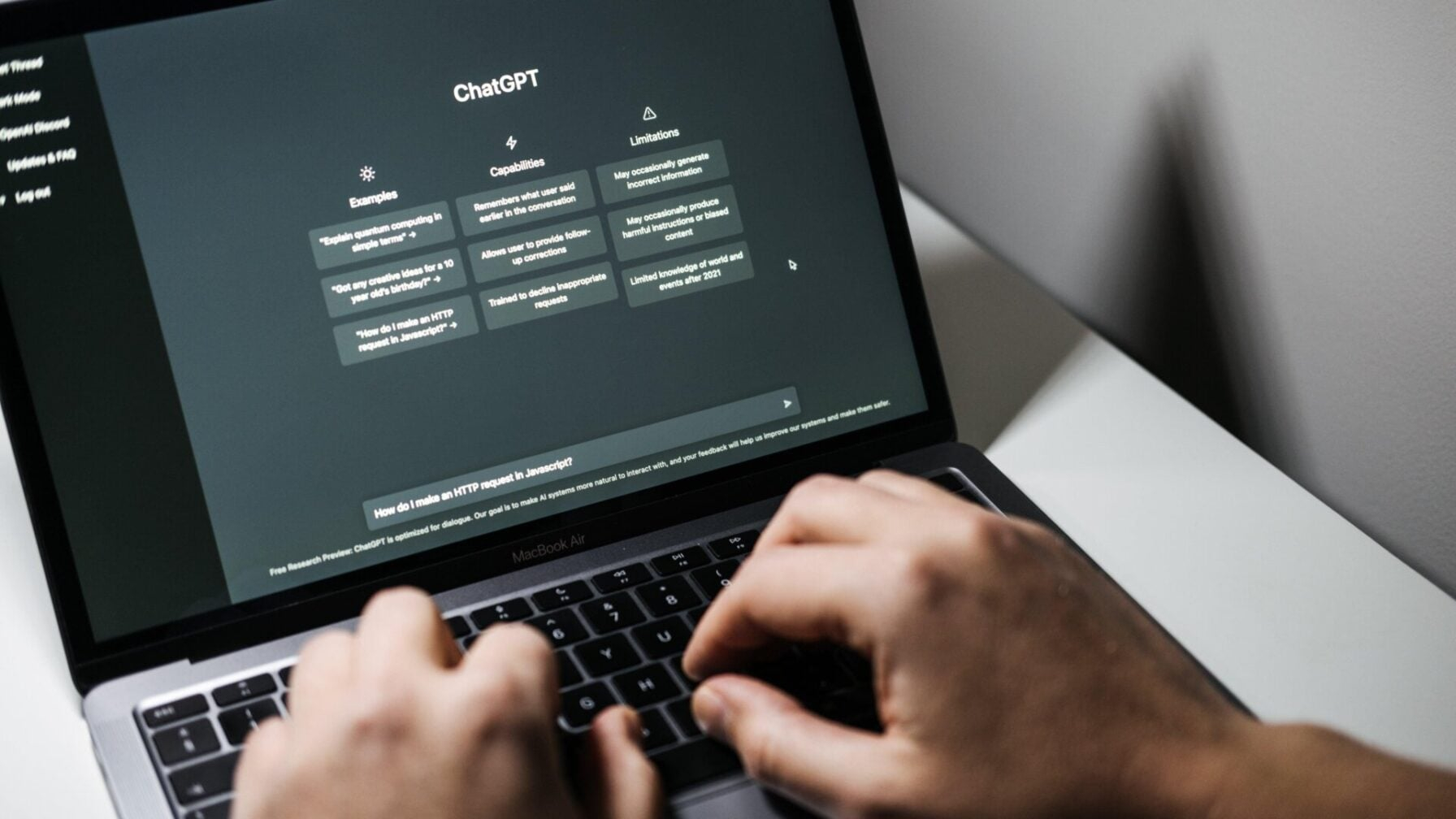
He accused some platforms of increasingly “scraping” proprietary media content to train artificial intelligence systems, often bypassing digital paywalls in the process.
Aigbogun urged the President to direct the Federal Competition and Consumer Protection Commission (FCCPC) to collaborate with the media industry in investigating allegations that the market dominance of global technology firms is costing local publishers as much as 70 per cent of their legitimate revenue. According to estimates cited during the meeting, the losses could amount to hundreds of millions of dollars and have also resulted in significant job losses across the sector.
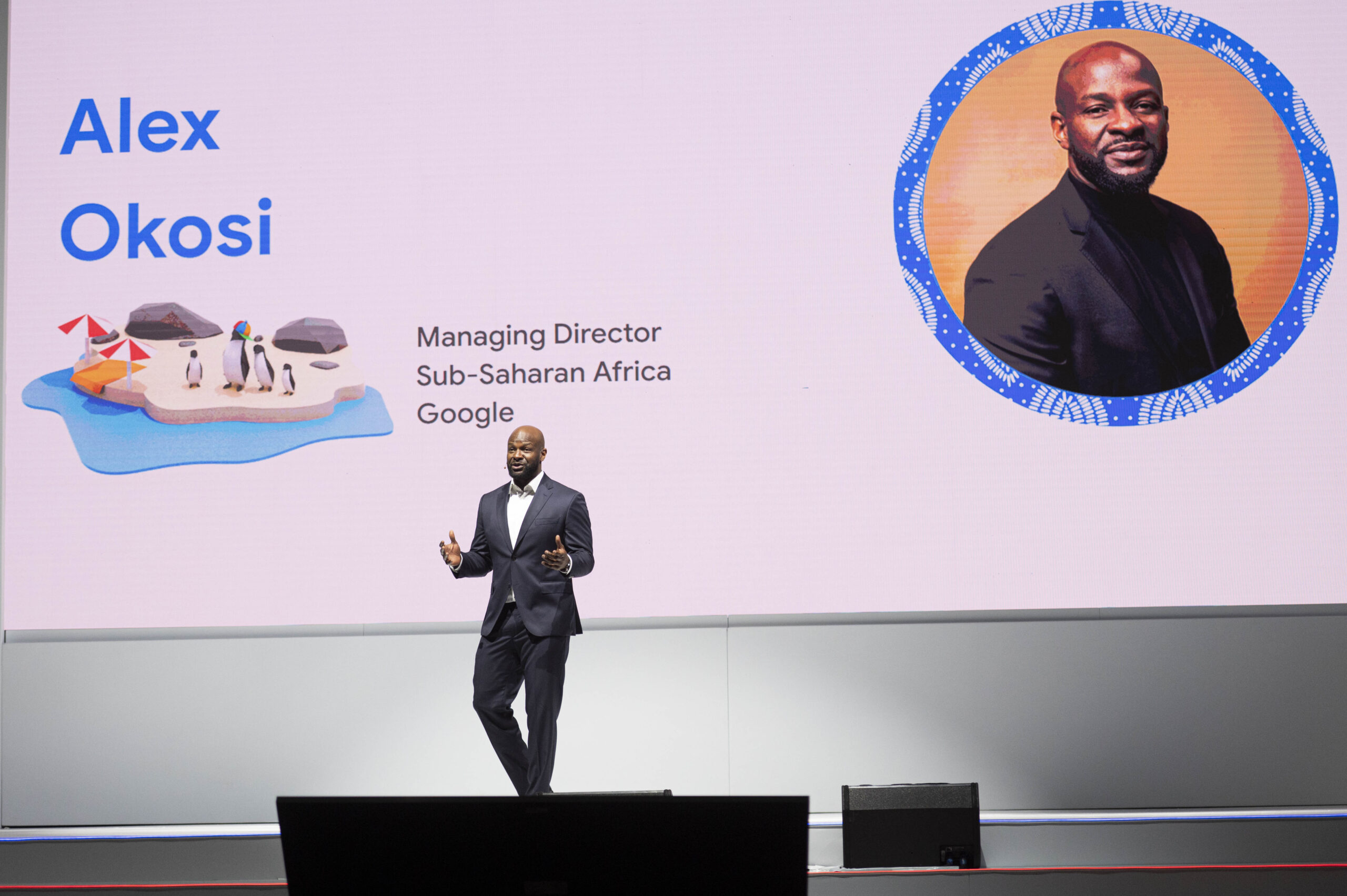
Before the President addressed the delegation, Nigeria’s Minister of Information and National Orientation, Mohammed Idris, revealed that the government had already begun discussions with major technology companies, including Meta and Google.
“The government will not allow anybody to come here, reap from our economy, and go away without giving back,” he said.
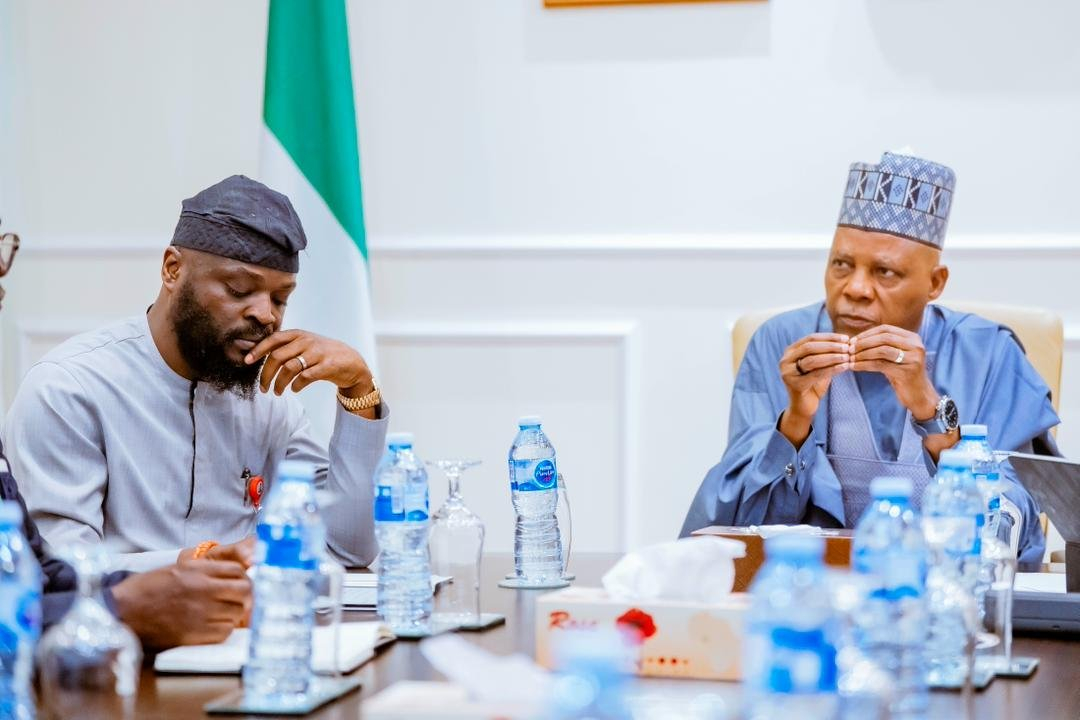
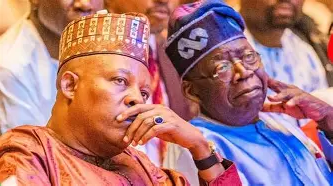
Among other senior officials present were Vice President Kashim Shettima and several presidential aides and advisers.
The meeting followed an earlier communication by the Nigerian Press Organisation to the government in January, in which the group warned that the growing influence of global technology platforms poses an existential threat to Nigeria’s local media industry.