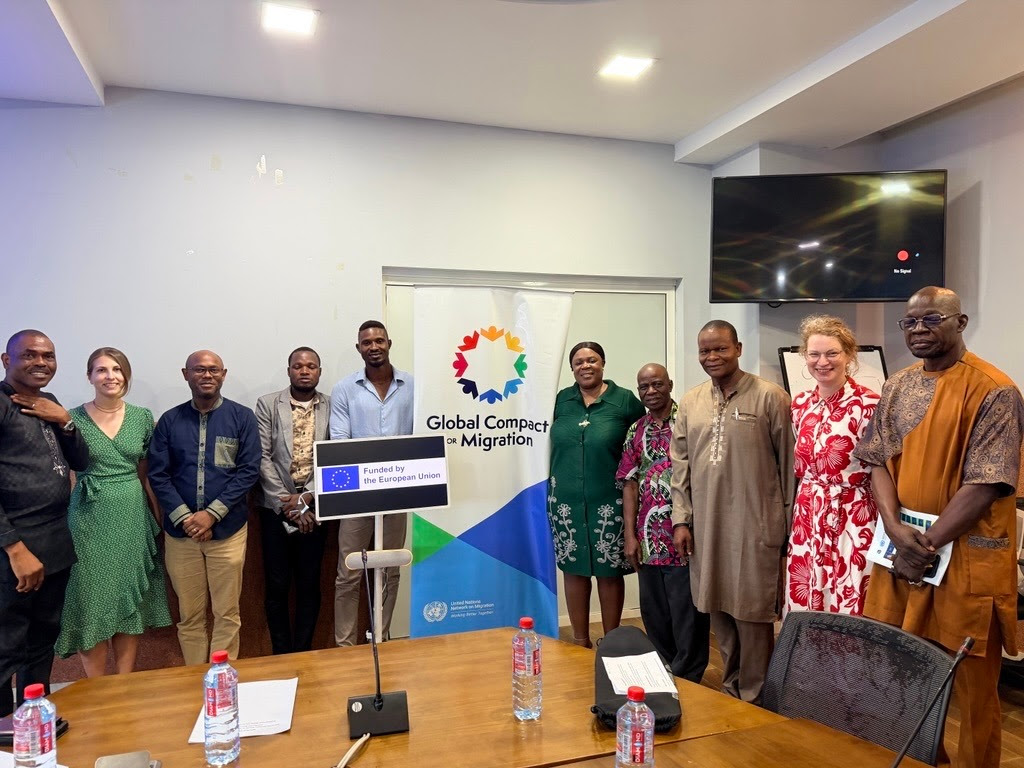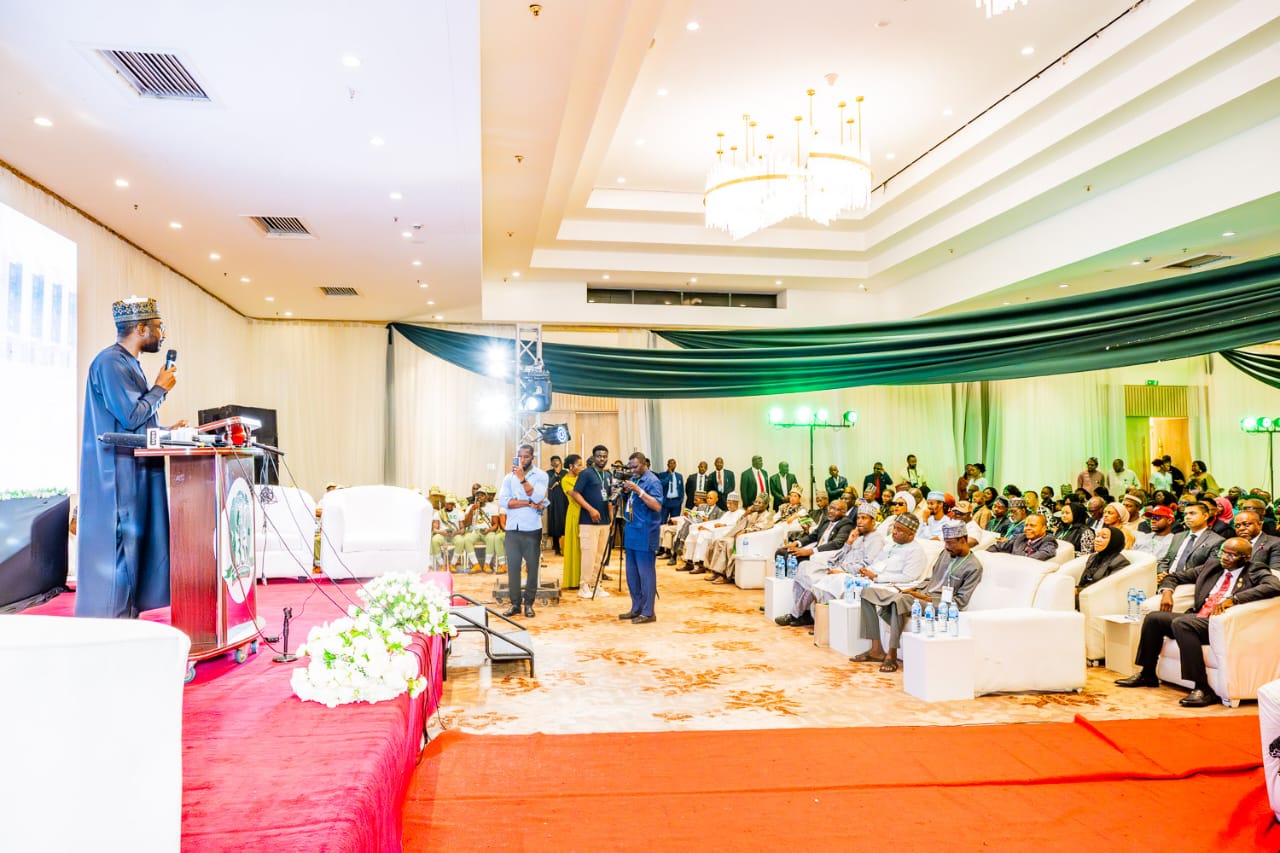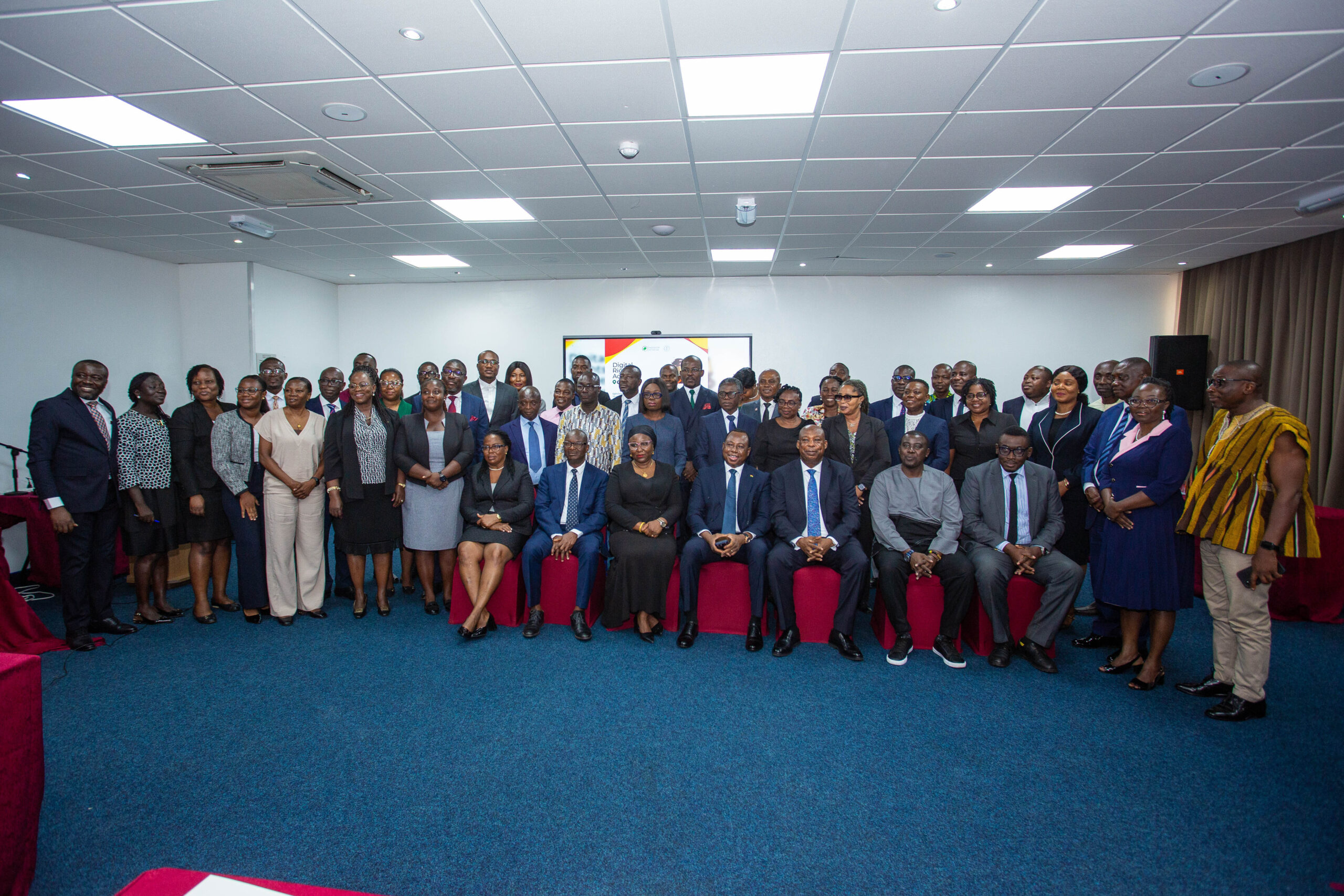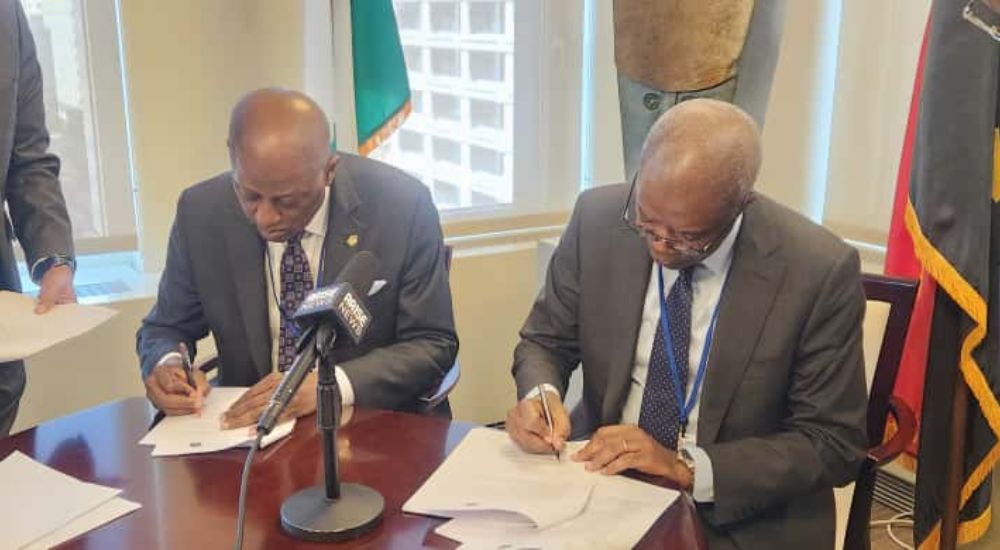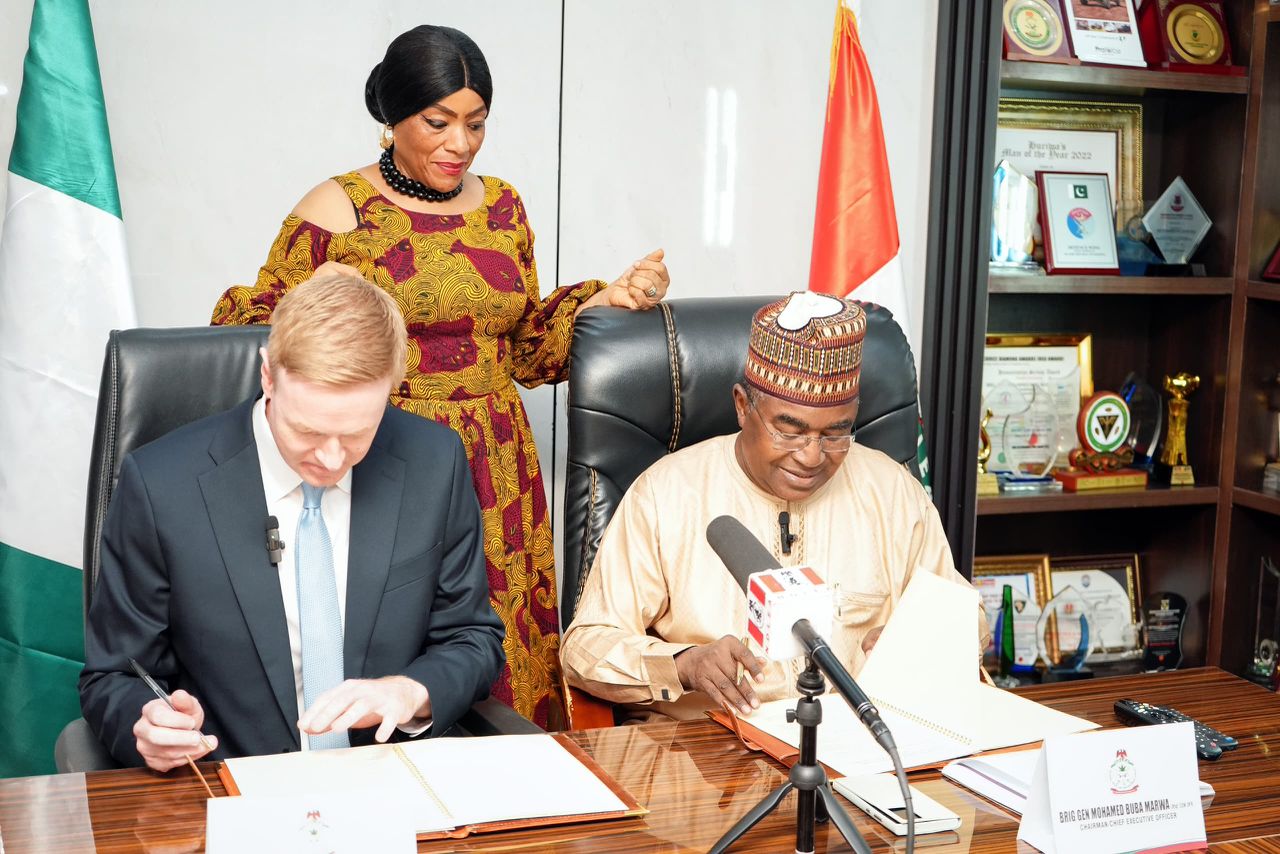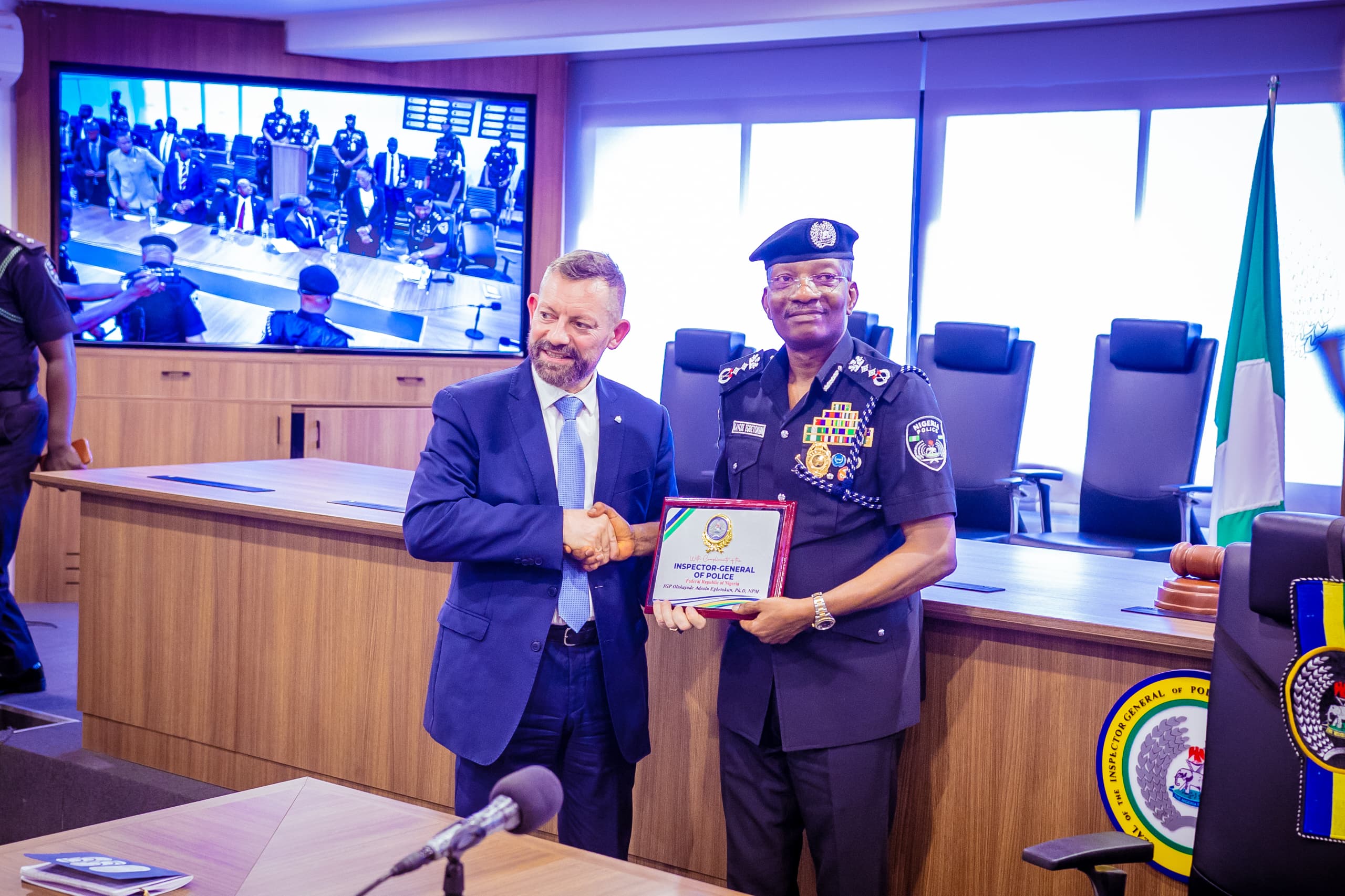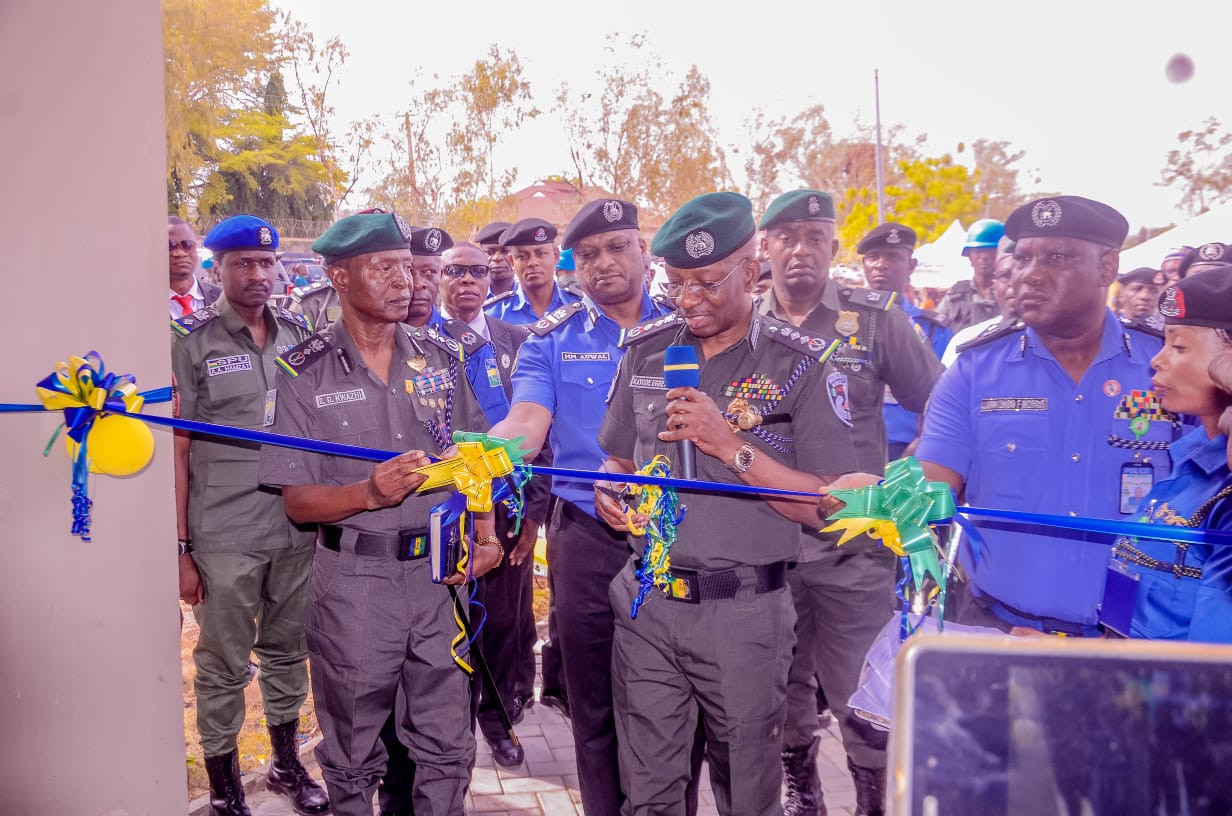

The Government of The Gambia, in partnership with the International Organization for Migration (IOM) has launched a new initiative to strengthen migration and tourism data collection and analysis across major transit points to make informed policies.
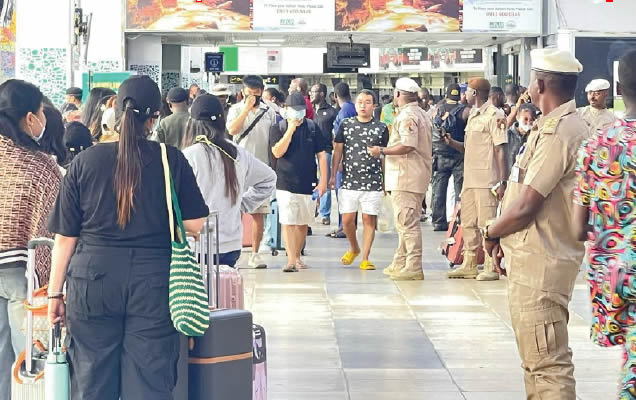
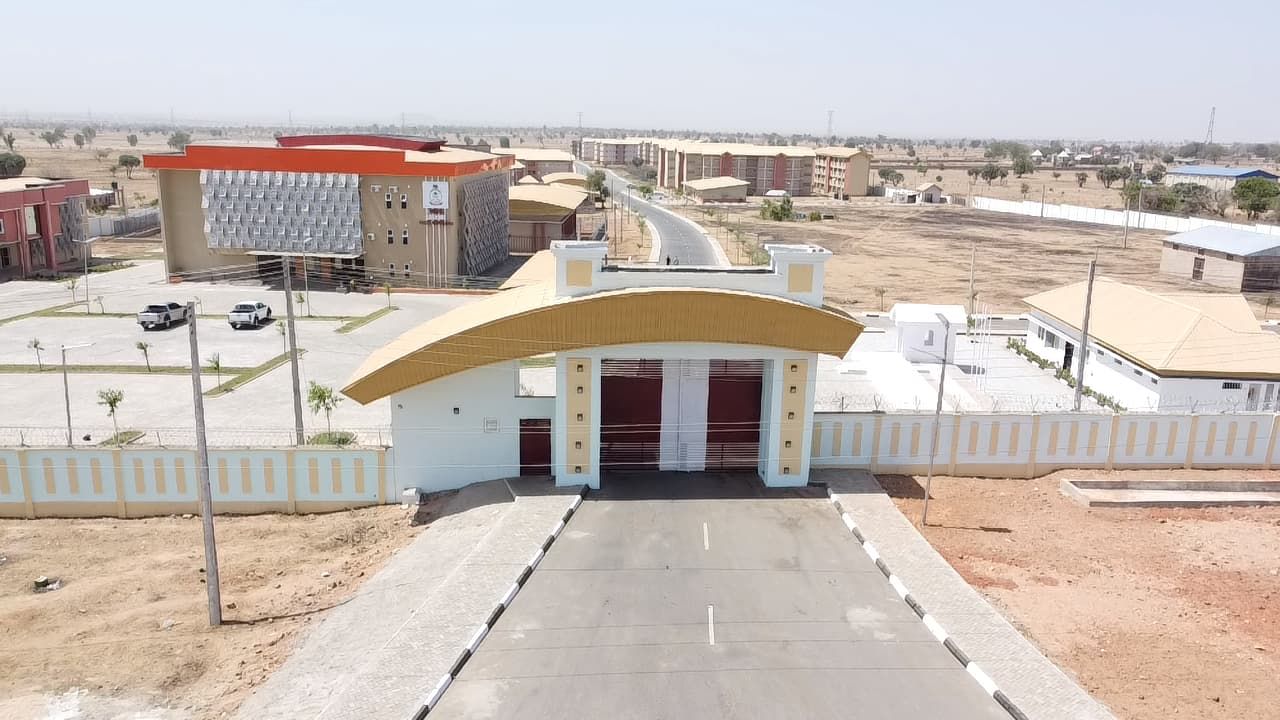
The initiative, deployed in the framework of the Tourism Diversification and Resilience in The Gambia Project (TDRGP), will deploy the Migration Information and Data Analysis System (MIDAS) at three new Points of Entry (PoEs) – Nyamanarr in the Upper River Region, the Kartong Border Crossing Points in the West Coast Region, and the Banjul Seaport – expanding coverage beyond the seven locations already equipped with the system, which serve some of the busiest transit corridors for visitors and traders entering The Gambia by land and sea.
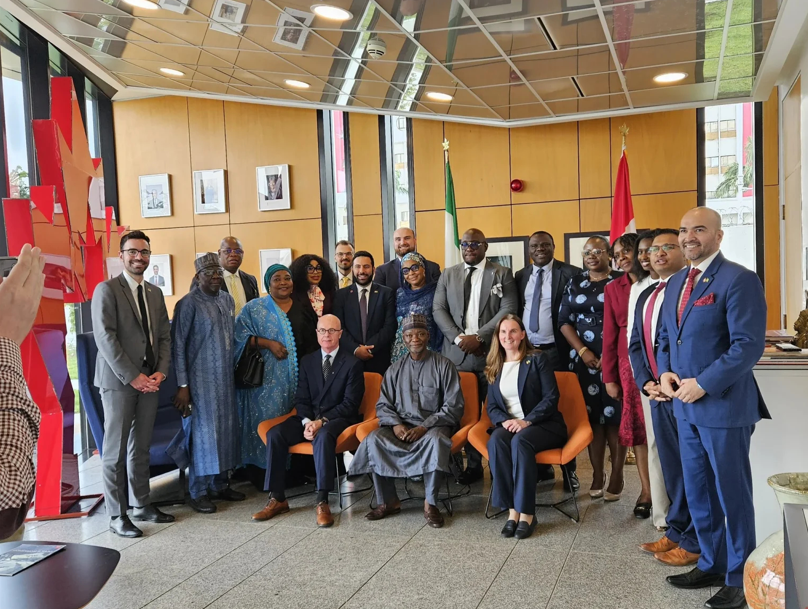
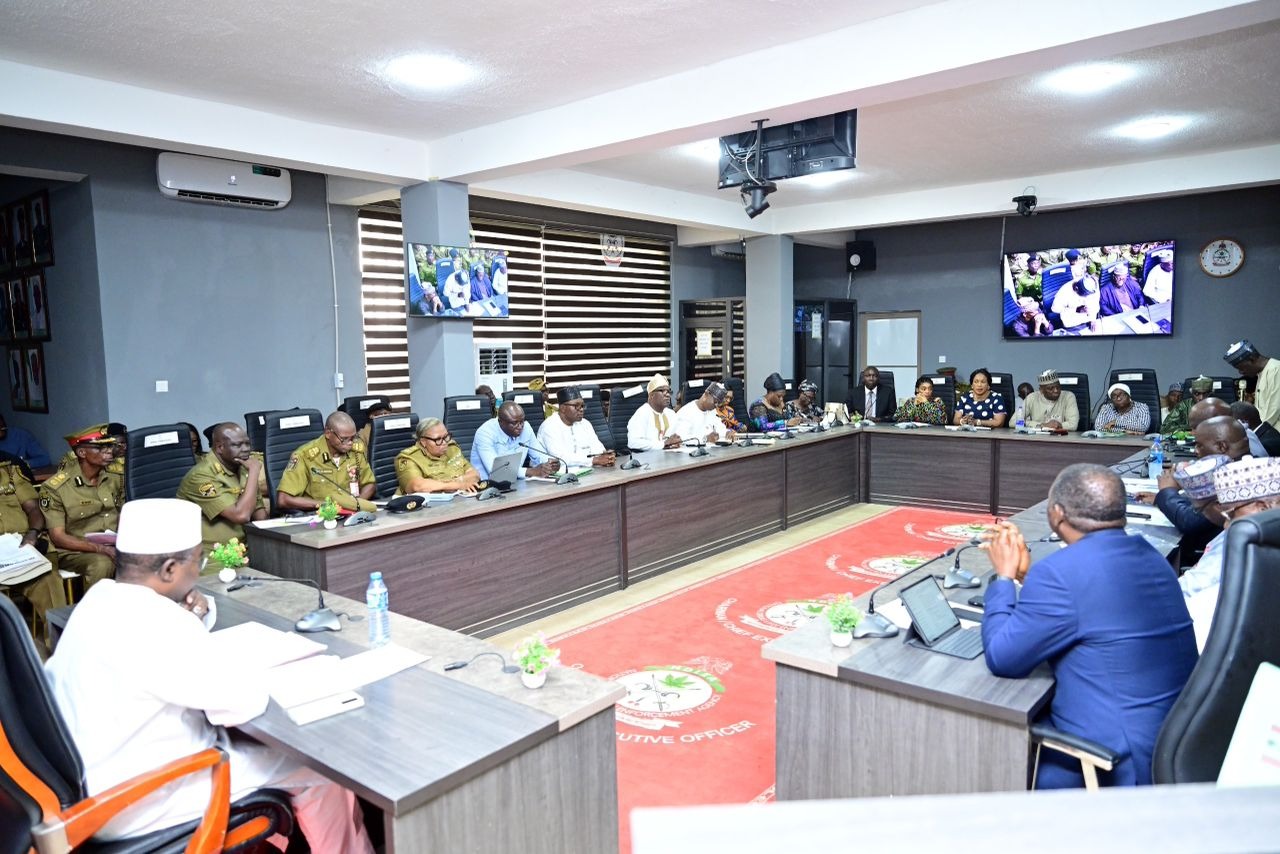
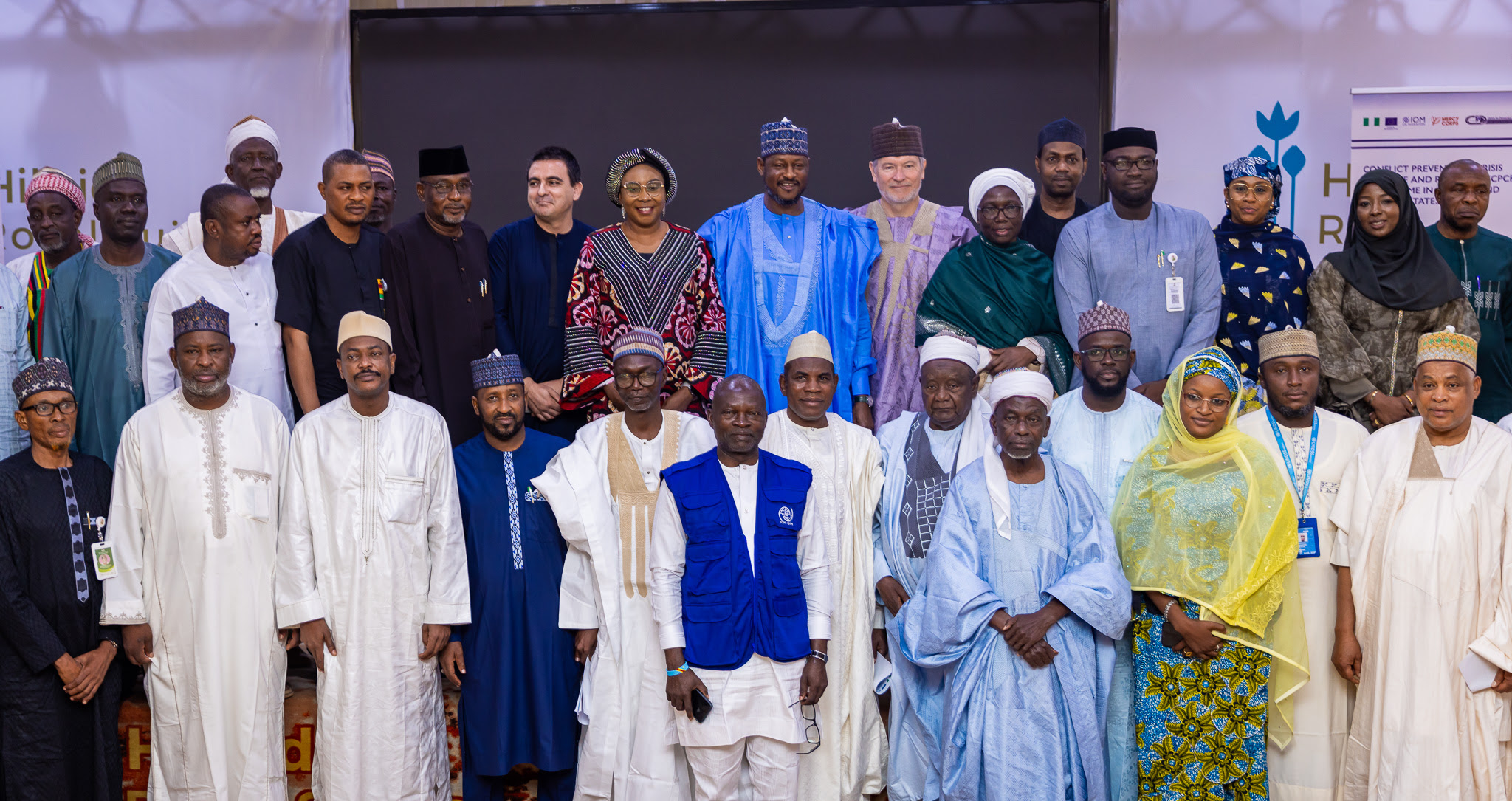
Through this partnership, IOM will work closely with The Gambia Immigration Department (GID) to reinforce the country’s capacity for evidence-based policymaking by enhancing border management operations and improving the systematic collection, harmonization, and use of migration and tourism statistics.
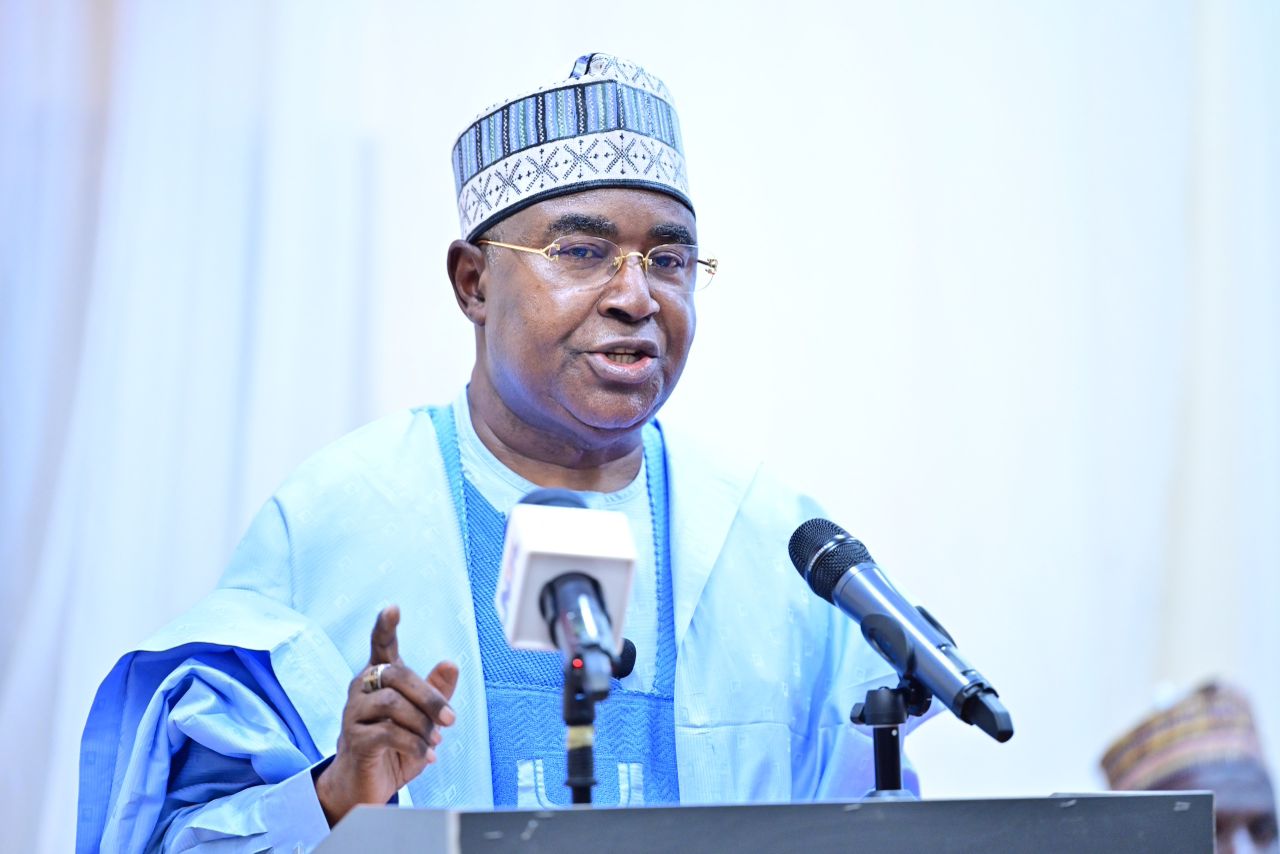
“The expansion of MIDAS to additional land and sea entry points represents a strategic investment in strengthening The Gambia’s migration governance framework and the credibility of our national tourism statistics,” said Hon. Abdoulie Jobe, Minister of Tourism, Arts and Culture. “Within the foreseeable future, we expect measurable improvements in the timeliness and completeness of tourism data reporting, including a significant increase in data captured from land and sea arrivals. This initiative will also support the development of preliminary modules toward The Gambia’s first Tourism Satellite Account.”
The Gambia Advances Data-Driven Border Management
Tourism remains one of The Gambia’s most vital economic pillars, contributing up to an estimated 20 percent of national GDP. In 2023, the country recorded over 206 800 tourists coming in via air, marking a 13 percent increase from 2022. However, gaps in data collection, particularly from land and sea arrivals, continue to constrain comprehensive reporting and strategic decision-making, underscoring the need for robust, integrated data systems across all entry points.
Developed by IOM in 2009, MIDAS is a border management information system designed to collect, process, store and analyze traveler information in real time across an entire border network. The system supports States in strengthening migration governance, enhancing operational efficiency, and facilitating evidence-based policy planning. It also enables a route-based approach to migration management by enabling authorities to better understand and monitor mobility dynamics along key corridors.
“This upgrade reflects our commitment to modern, accountable, and well-coordinated border management,” said Ebrima Mboob, Director General of The Gambia Immigration Department. “Expanding MIDAS to additional entry points will strengthen our operational capacity while improving the quality and reliability of migration and tourism data used for national decision-making.”

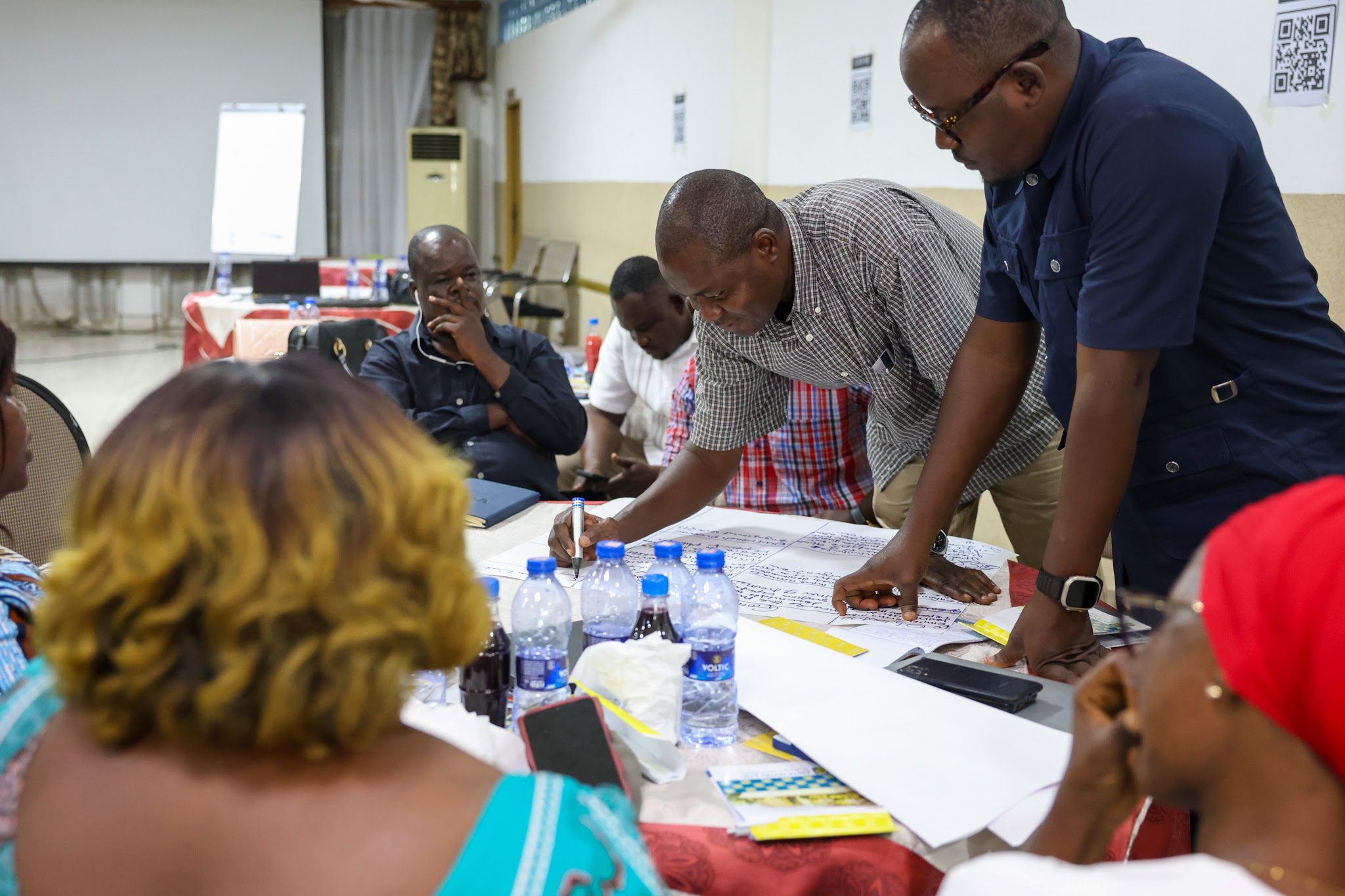
Through the 13-month project, IOM will work with national authorities and other stakeholders to upgrade physical and digital infrastructure necessary for MIDAS deployment; train immigration and border officials on MIDAS operation, data management, and system maintenance; develop Standard Operating Procedures for data sharing among agencies; support coordination through the Tourism Statistics Committee; and facilitate discussions on long-term sustainability, interoperability, and government ownership of the system.
“With stronger and more integrated reporting systems, the Government will be better positioned to track mobility patterns, identify emerging trends, and design data driven strategies across sectors – including tourism, trade, and national security,” said Sibgha Ajaz, Officer-in-Charge of IOM The Gambia. “This is a major milestone in advancing safe, orderly, and well managed mobility in the country.”
The initiative aligns with The Gambia’s Recovery-Focused National Development Plan (2023–2027), the UN Sustainable Development Cooperation Framework, the African Union Border Governance Strategy and Global Compact for Safe, Orderly and Regular Migration (GCM).
IOM reaffirms its commitment to supporting The Gambia in leveraging technology for effective migration governance, improved service delivery, and enhanced tourism sector resilience.
Stay informed on key developments shaping migration, tourism, and policy across Africa. Visit LouisaOlaniyi.com.ng for more in-depth reports, expert insights, and the latest news updates.