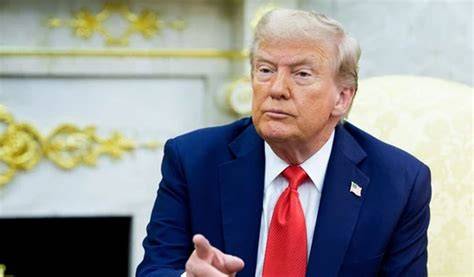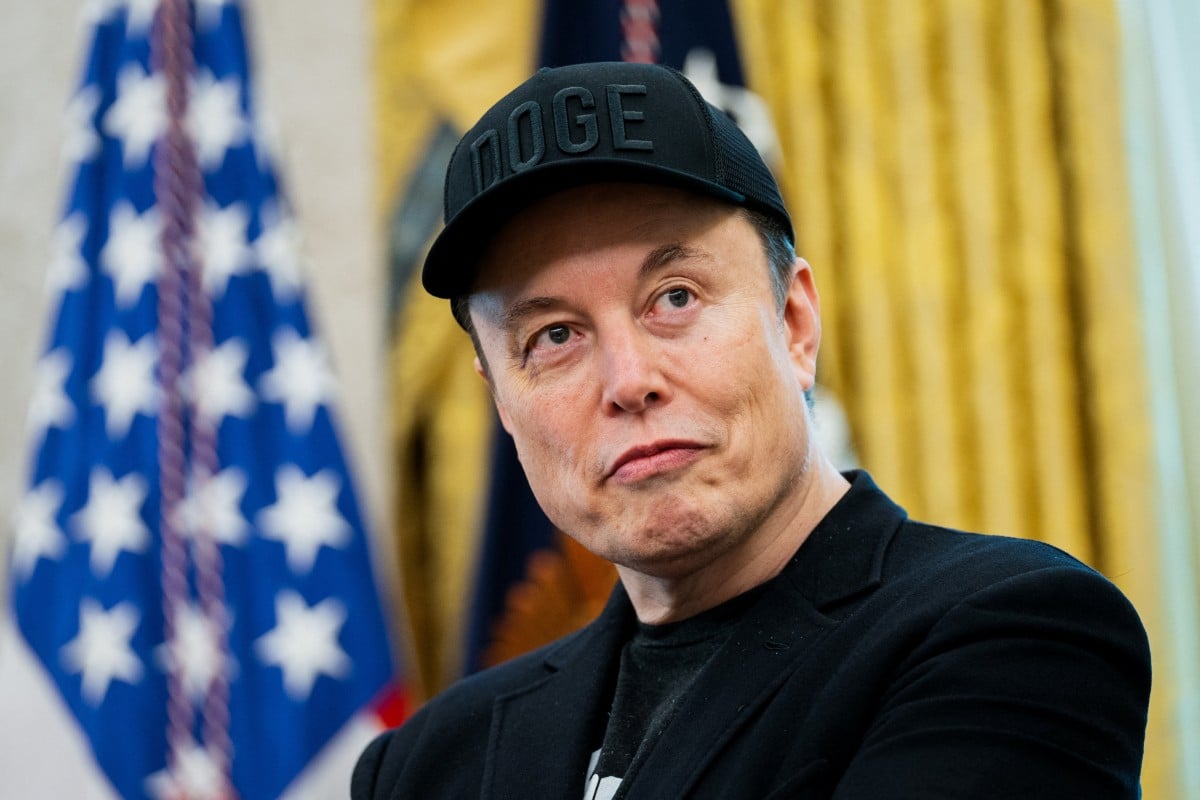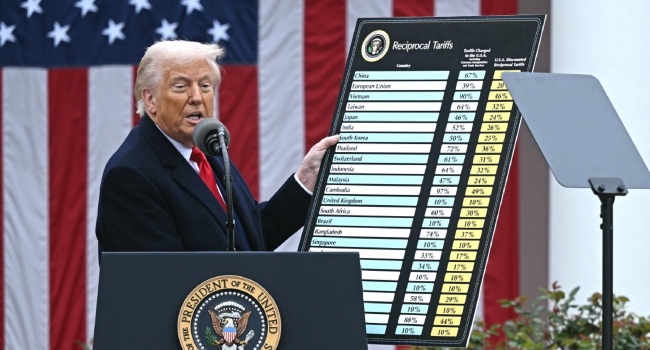

US President Donald Trump on Thursday announced a fresh round of tariffs targeting foreign-made medicines and imported metals, intensifying his trade agenda one year after launching sweeping trade measures against dozens of countries.
The new orders are aimed at pressuring pharmaceutical firms to move production to the United States, while also tightening rules around steel, aluminium and copper imports. Administration officials argue that some foreign producers have been “artificially manipulating” metal prices in a way that allows them to pay lower tariff rates.
Under the revised policy, finished products containing significant amounts of steel, aluminium and copper will now face a 25 percent tariff on their entire value, instead of only on the metal content within the goods. The move is expected to raise concerns about possible increases in consumer prices.
The announcement comes exactly one year after Trump declared what he called “Liberation Day,” when he introduced varying tariff rates on goods from numerous economies. That move disrupted global supply chains and unsettled financial markets.
Although the Supreme Court struck down those broader global tariffs in February, Trump has continued searching for alternative legal authorities to restore parts of his trade programme.
Trump has repeatedly argued that the tariff push is designed to revive American industry by attracting jobs, investment and revenue back into the country. Critics, however, maintain that many of those promised economic benefits have yet to materialise.
One of the new orders signed on Thursday imposes a 100 percent tariff on patented pharmaceuticals produced outside the United States. The steep duty will apply unless countries negotiate trade deals with Washington for lower rates, or pharmaceutical companies agree to establish manufacturing plants in the United States.
Trump Details New Tariffs on Pharmaceuticals and Metals
According to a senior US official, large pharmaceutical companies will have 120 days to commit to “reshoring plans” before the new tariff takes effect, while smaller companies will be given a 180-day grace period.
“We expect the lion’s share of the world’s patented pharmaceuticals to be building in America,” the official said.
Companies that commit to building manufacturing plants in the United States, with completion deadlines set before the end of Trump’s second presidency, will instead face a lower 20 percent tariff.
The European Union, Japan, South Korea and Switzerland will not be subject to the 100 percent rate. Instead, they will face a 15 percent pharmaceutical tariff because of trade agreements previously reached with Washington.
Drugmakers that agree to “Most Favored Nation” pricing arrangements with the Trump administration, while also investing in US-based manufacturing, could avoid the higher pharmaceutical tariffs altogether.
Trump also signed a separate order reshaping the existing 50 percent tariffs on steel, aluminium and copper imports. Under the revised approach, importers will now pay tariffs based on the prices faced by American buyers.
A White House official told AFP that the new metals policy is scheduled to take effect at 12:01 a.m. Eastern Time on Monday.
The senior administration official accused “foreign countries were artificially manipulating” imported metal prices in a way that reduced the tariffs they owed.
The proclamation further states that finished products made with more than 15 percent steel, aluminium and copper content will now face a 25 percent tariff on their total value, rather than being taxed only according to the metal content.
“It’s a simplification and a fairness issue,” the official said.
When asked about concerns over rising living costs ahead of this year’s midterm elections, the official dismissed fears that the tariffs would affect consumers.
“I don’t think it’s going to have any impact in affordability.”
“These will not have an impact on the price of the good on the shelf,” the official insisted.
AFP
Stay informed on the latest global trade developments, economic policies, and international business stories as they unfold. Visit LouisaOlaniyi.com.ng for more breaking news, in-depth analysis, and timely updates.