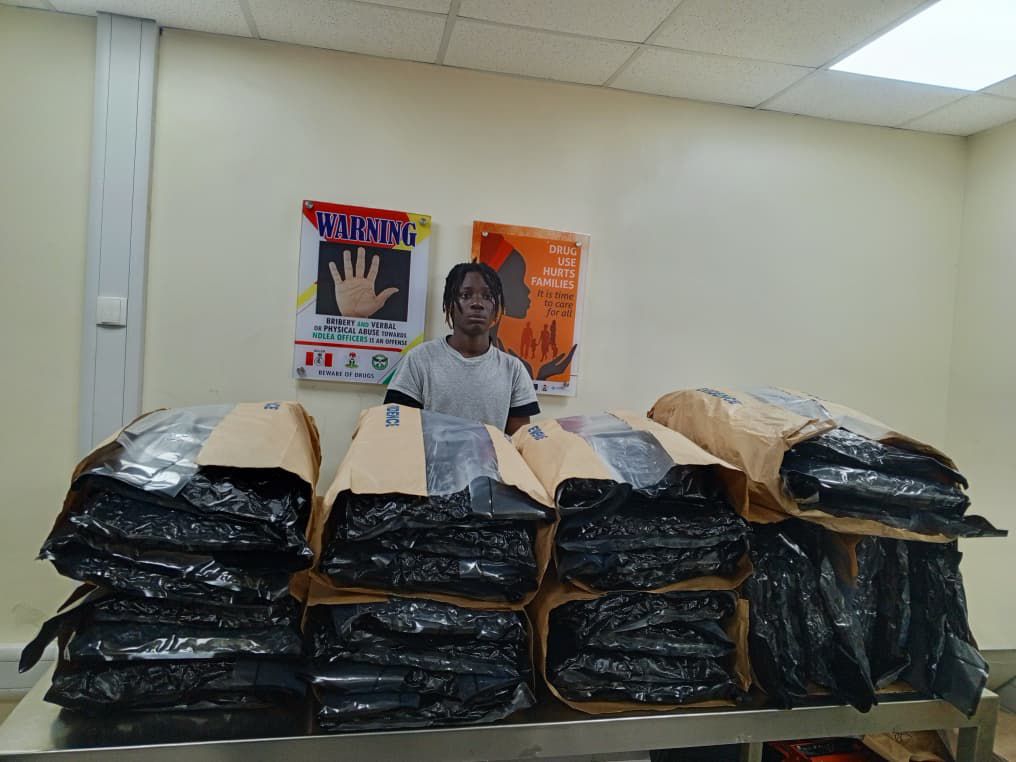
A suspected member of an examination fraud syndicate, Emmanuel Akataka, has confessed to orchestrating an online scam that allegedly defrauded more than 131 candidates, despite previously being arrested and released by the Joint Admissions and Matriculation Board (JAMB).
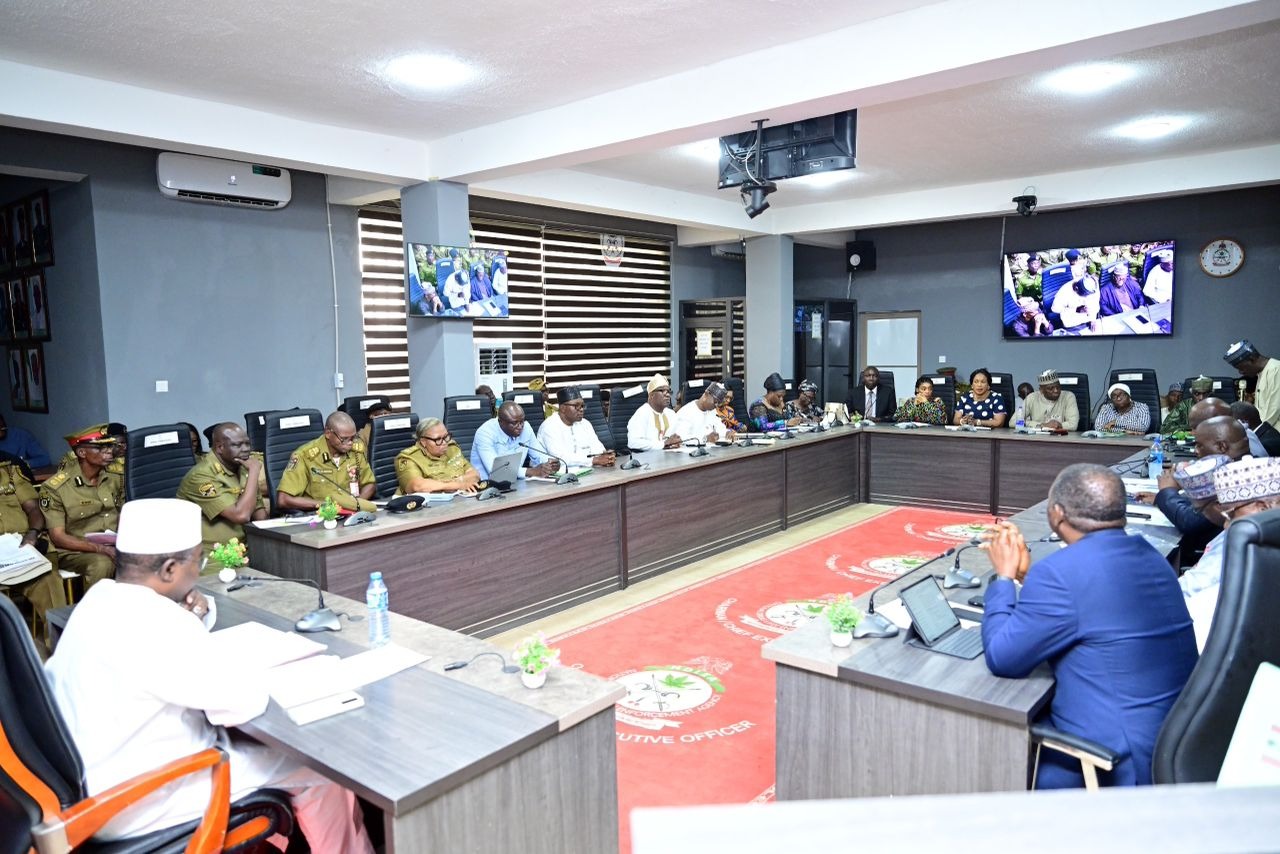
Akataka was re-arrested by JAMB officials and, during an interview with journalists at the Board’s headquarters in Abuja on Thursday, admitted that he returned to the illegal operation after earlier promising to support efforts aimed at curbing examination malpractice.
He claimed to have made over N1.5 million from the scheme. However, the JAMB Registrar, Prof. Ishaq Oloyede, disputed the figure, insisting that the suspect earned more than N8 million by deceiving UTME candidates with promises of inflating their scores in this year’s examination.
“I am ashamed of everything I did. All I am asking for is one last chance. I will never go back to this act again,” he said.
The 26-year-old suspect, who is from Delta State, blamed his actions on poverty and family challenges, including the illness of his mother and the death of his father in 2025.
According to him, he returned to fraudulent activities shortly after regaining his freedom because of financial pressure and desperation.
JAMB Uncovers Online Exam Scam Targeting 131 Candidates
Investigators said Akataka operated under different aliases and managed an online platform known as “Example Master Educational Platform,” which he allegedly used to lure candidates by promising JAMB “assistance.”
He revealed that no fewer than 131 candidates fell victim to the scam this year, with each victim reportedly paying between N5,000 and N8,000.
“I used AI to create convincing posts and images,” he admitted, explaining how he deployed digital tools, including the Gemini application, to make his operations appear legitimate.
He further stated that many of the candidates approached him directly, asking him to “help” them secure high scores.
JAMB’s Director of Special Duties, Zainab Hamza, who spoke on behalf of the Registrar, Prof. Ishaq Oloyede, rejected any attempt to justify the suspect’s actions and stressed that the Board remains committed to identifying and dismantling fraud networks.
During the interrogation, she questioned why Akataka returned to criminal activities despite knowing the consequences from his previous arrest.
Although the suspect denied having any insider support within JAMB, he admitted that he used social media groups and messaging platforms to reach more candidates.
He also confessed to operating multiple bank accounts, including accounts opened with false identities, to receive payments from victims.
Despite his repeated apologies and emotional pleas, JAMB maintained a strict position, reaffirming its resolve to protect the credibility of its examinations and cautioning candidates against falling for fraudulent schemes.
The Board also urged members of the public to remain vigilant, stressing that there is no legitimate shortcut to examination success outside hard work and due process.
Stay informed with the latest education, security and public affairs updates from across Nigeria by visiting LouisaOlaniyi.com.ng for more news and in-depth reports. Stay updated with more verified stories, exclusive updates and developments on JAMB and other national issues.