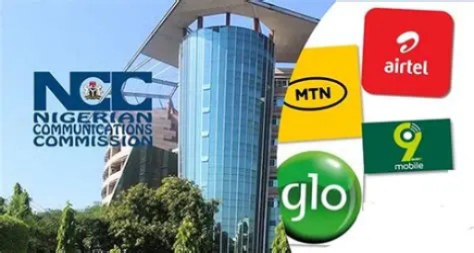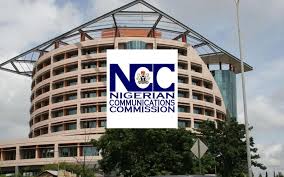
The Nigerian Communications Commission (NCC) has issued a firm 45-day ultimatum to licensed telecommunications operators to regularise any unapproved changes in their shareholding structures, warning that failure to comply will attract regulatory sanctions.
The directive, issued pursuant to the Nigerian Communications (Enforcement Processes, etc.) Regulations, 2019, and Regulations 41, 42 and 43 of the Licensing Regulations, 2019, forms part of the Commission’s efforts to strengthen corporate governance, transparency, and regulatory discipline within Nigeria’s telecommunications sector.
In a notice published on its official corporate website, the NCC reminded telecom operators that any change in shareholding exceeding 10 per cent requires prior regulatory approval. The Commission stressed that unapproved ownership changes constitute a breach of licensing conditions and undermine the integrity of the regulatory framework guiding the sector.
“The Commission will, at the expiration of the 45-day grace period, impose appropriate enforcement actions and sanctions on defaulting licensees in line with extant regulations,” the NCC stated.
The regulator urged affected companies to take immediate steps to regularise their ownership structures, noting that sustained non-compliance could have far-reaching implications for sector stability, investor confidence, and fair competition.
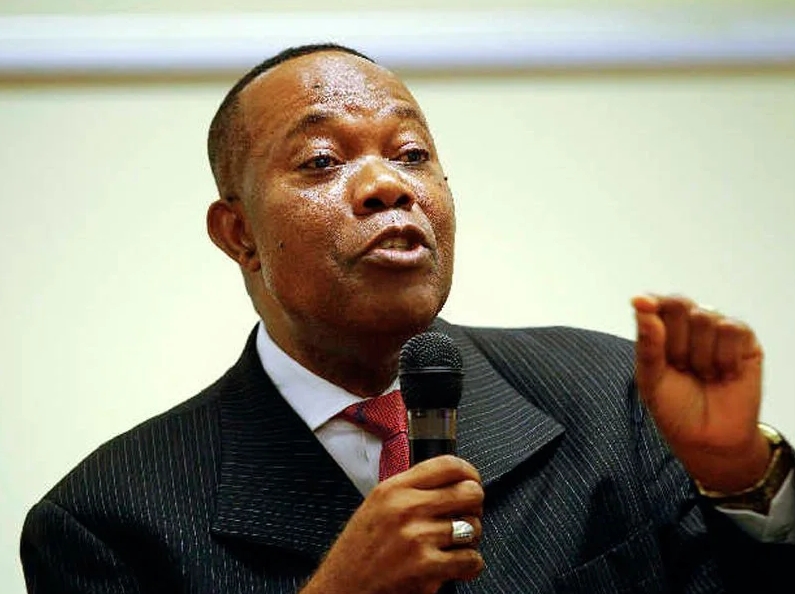
Reacting to the development, economist Celestine Ukpong described the NCC’s action as timely and necessary, particularly as Nigeria seeks to attract fresh capital into critical infrastructure sectors.
“Telecommunications is a capital-intensive industry. Clear ownership structures and regulatory compliance are essential for investor confidence,” Ukpong said. “When shareholding changes happen without approval, it creates uncertainty for regulators, investors, and even lenders. The NCC’s directive sends a strong signal that governance standards will be enforced.”
NCC Enforcement Push Seen as Boost to Market Stability
Ukpong added that stricter regulatory oversight could help prevent regulatory arbitrage and protect the long-term sustainability of the sector. “In the medium term, this move could enhance transparency and improve Nigeria’s attractiveness to institutional investors,” he noted.
Similarly, Peter Adebayo, a Fellow of the Institute of Chartered Accountants of Nigeria (FCA), said the ultimatum reinforces the importance of corporate discipline and financial accountability among licensed telecom operators.
“Shareholding structures have implications for risk management, financial reporting, and regulatory exposure,” Adebayo explained. “Unapproved changes can mask related-party transactions, weaken oversight, and complicate compliance with anti-money laundering and corporate governance standards.”
He warned that regulatory sanctions arising from non-compliance could have financial consequences for operators. “Penalties, licence conditions, or other enforcement actions could affect balance sheets and market valuations. It is therefore in the best interest of operators to regularise promptly,” he said.
Industry watchers believe the NCC’s move reflects a broader regulatory push to ensure that telecom operators operate within clearly defined rules, particularly as the sector continues to expand in scale, complexity, and economic importance.
The Commission reiterated that regulatory compliance remains non-negotiable and central to sustaining consumer trust, promoting fair competition, and ensuring the long-term growth of Nigeria’s telecommunications industry.
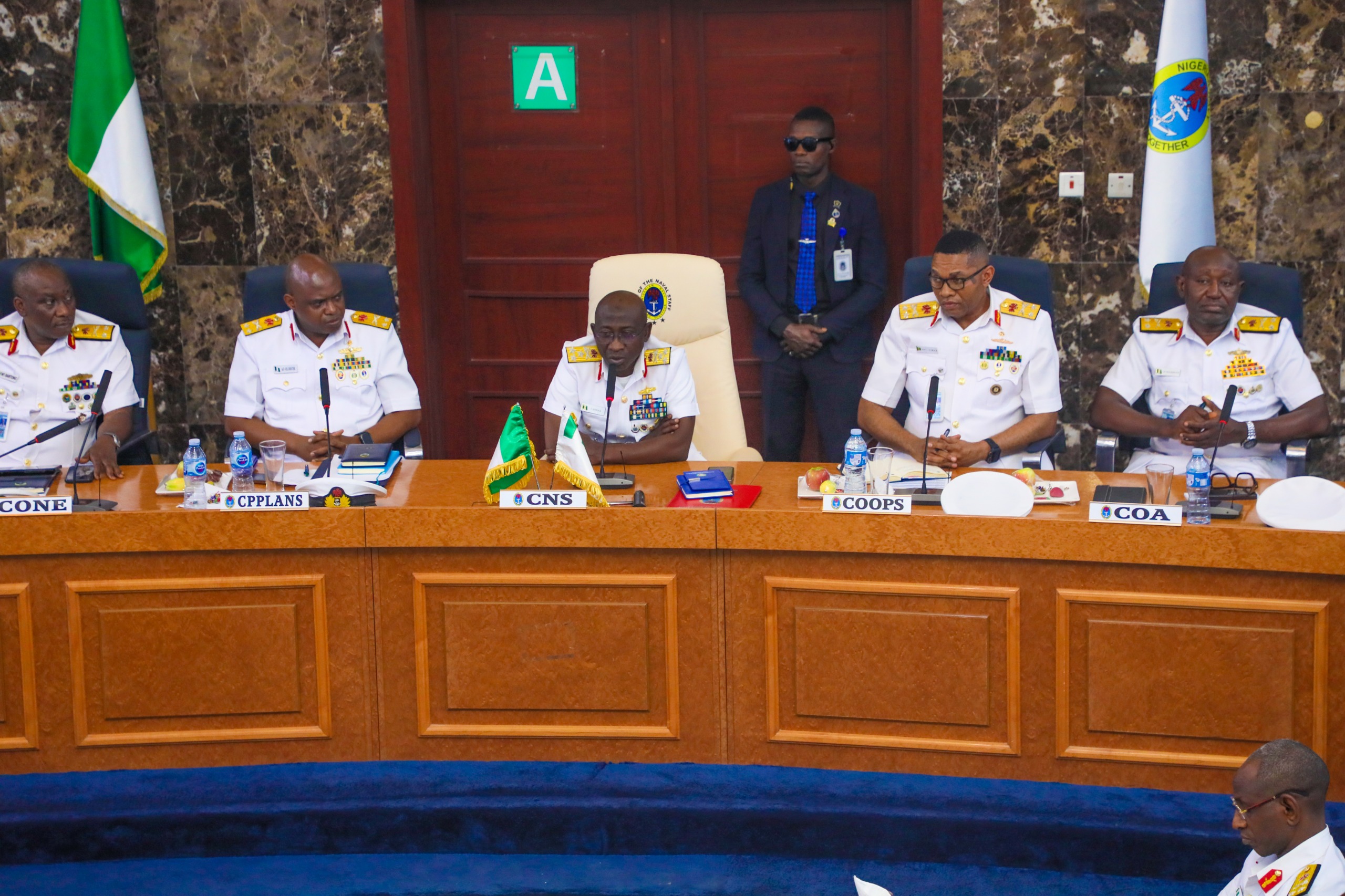
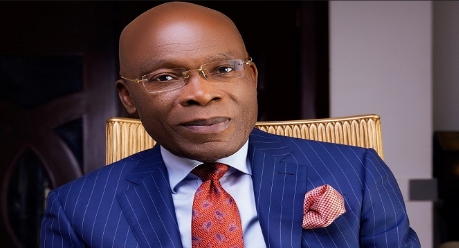
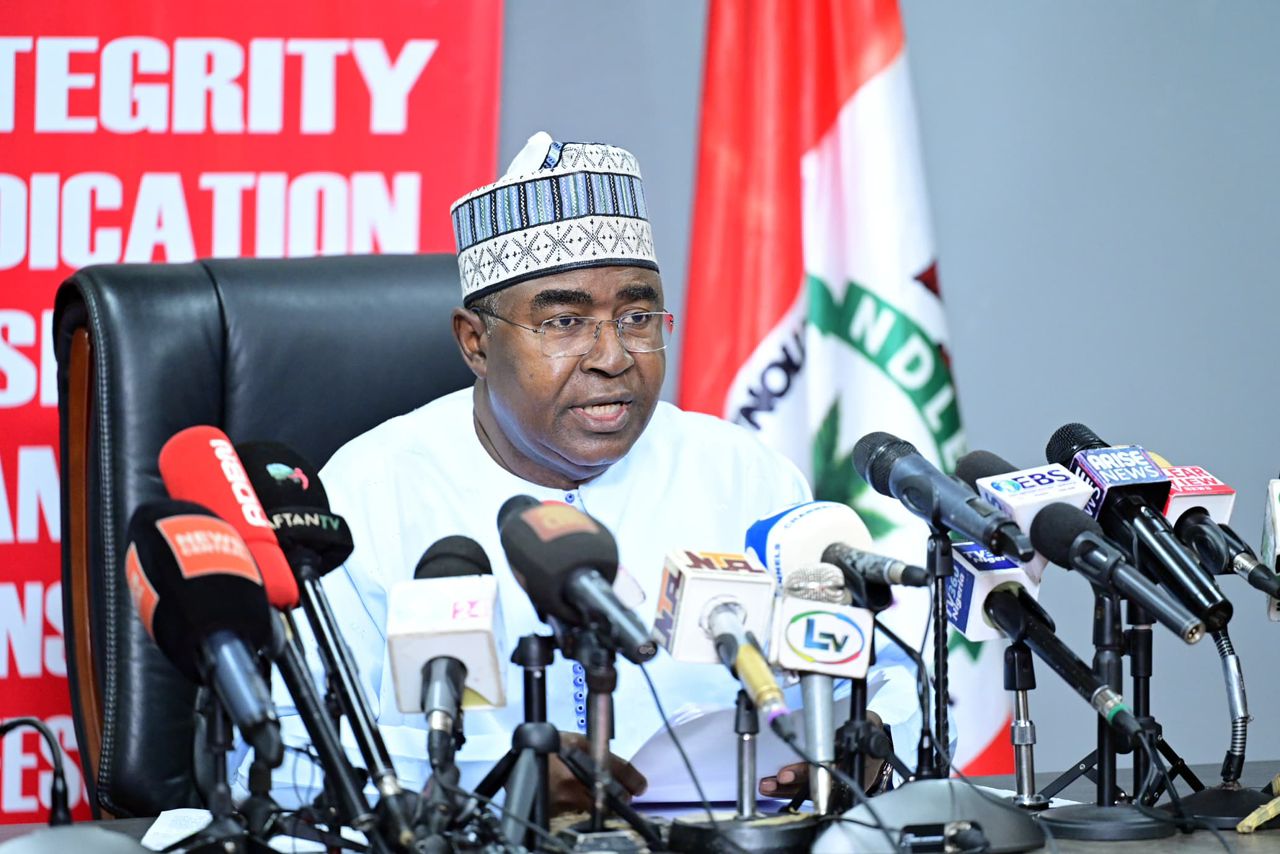
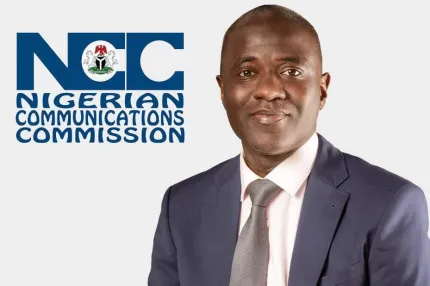
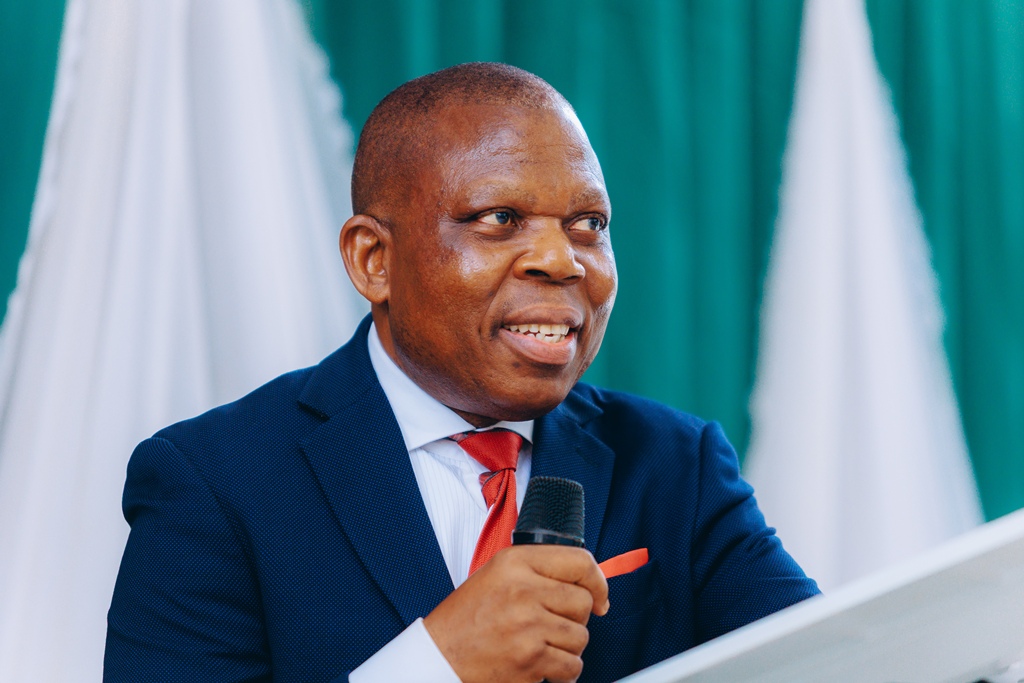
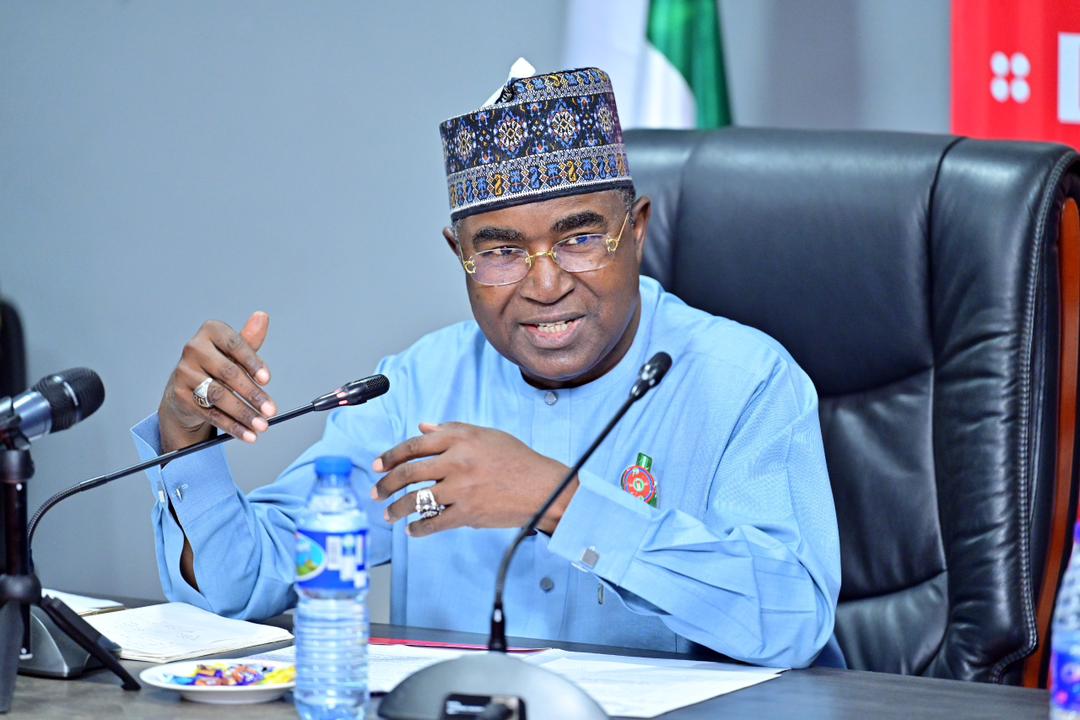
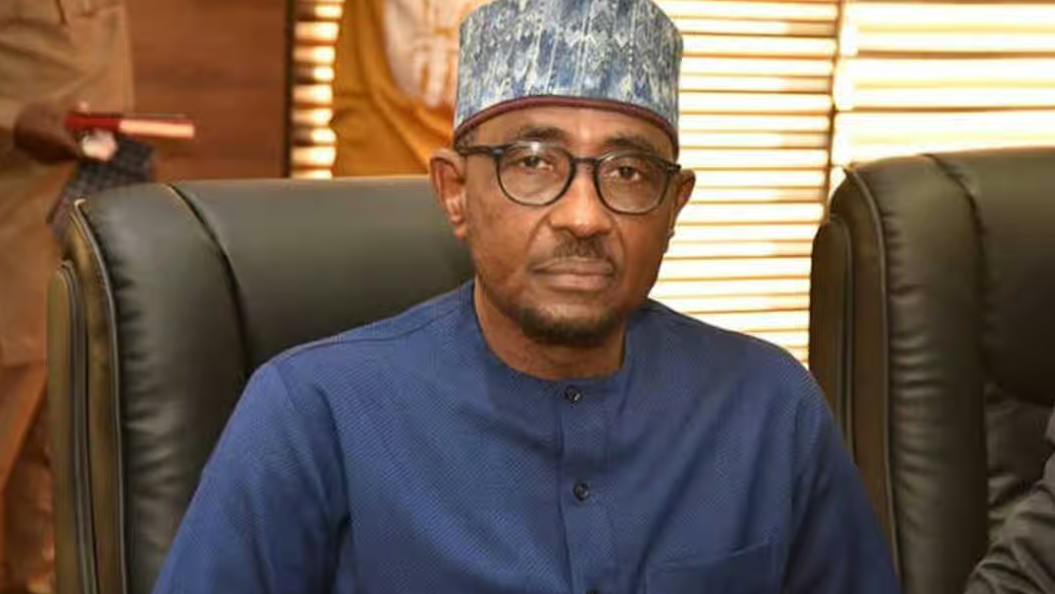
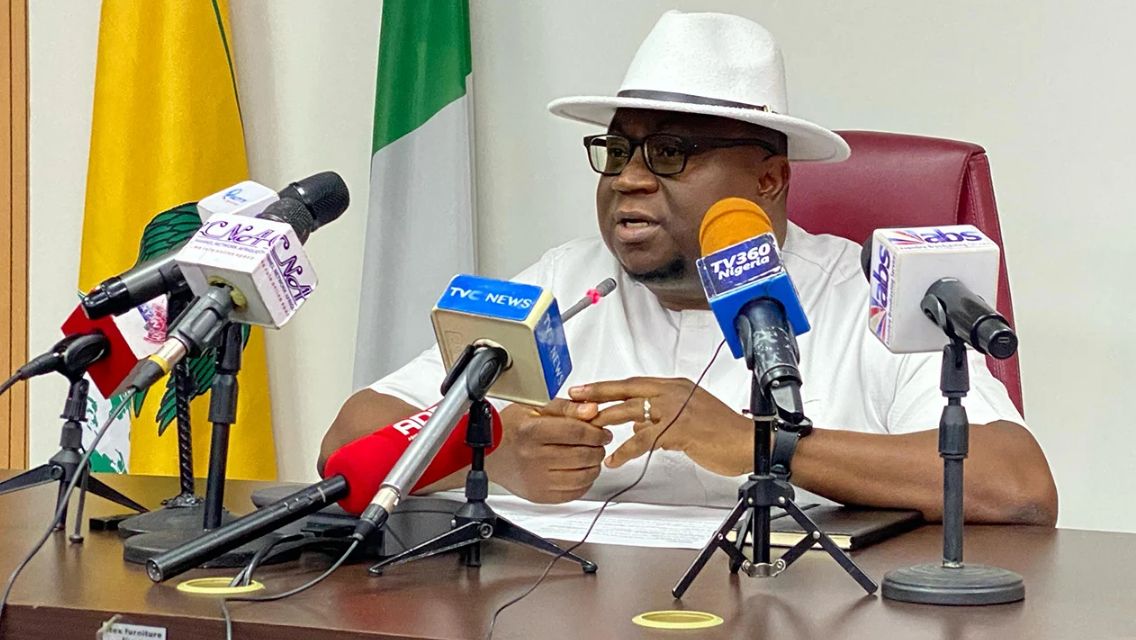
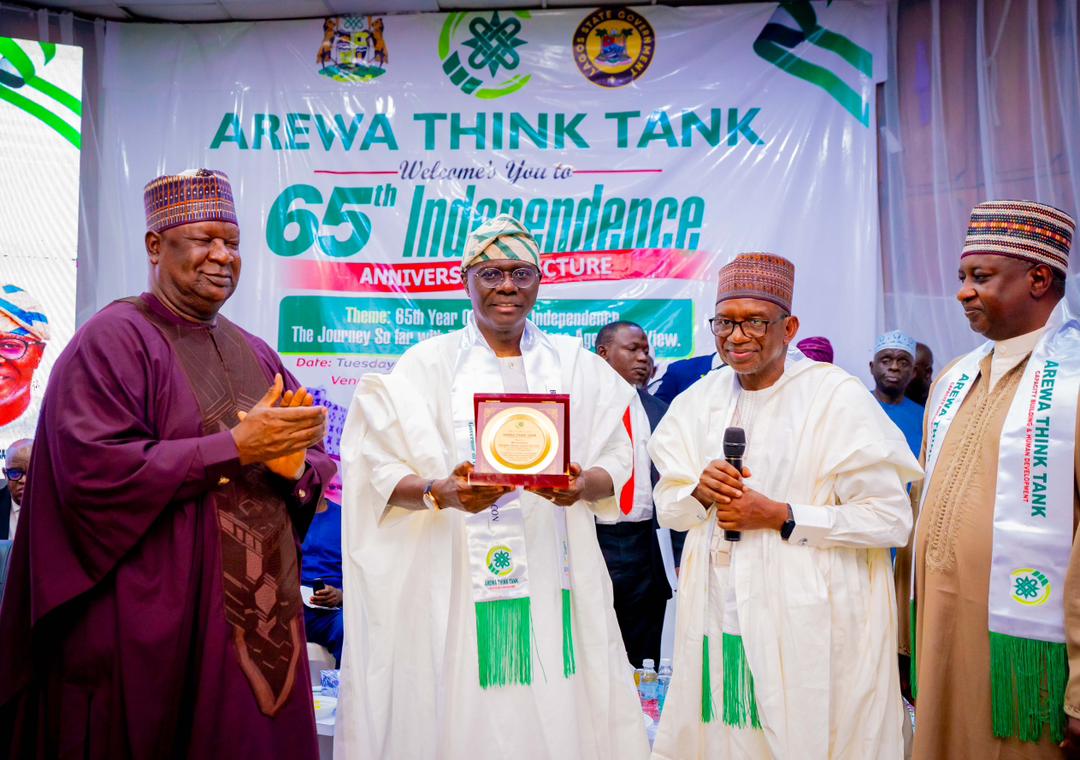
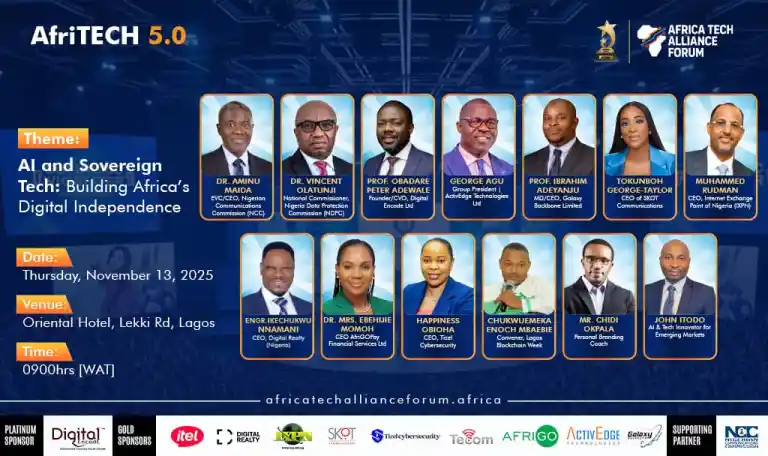
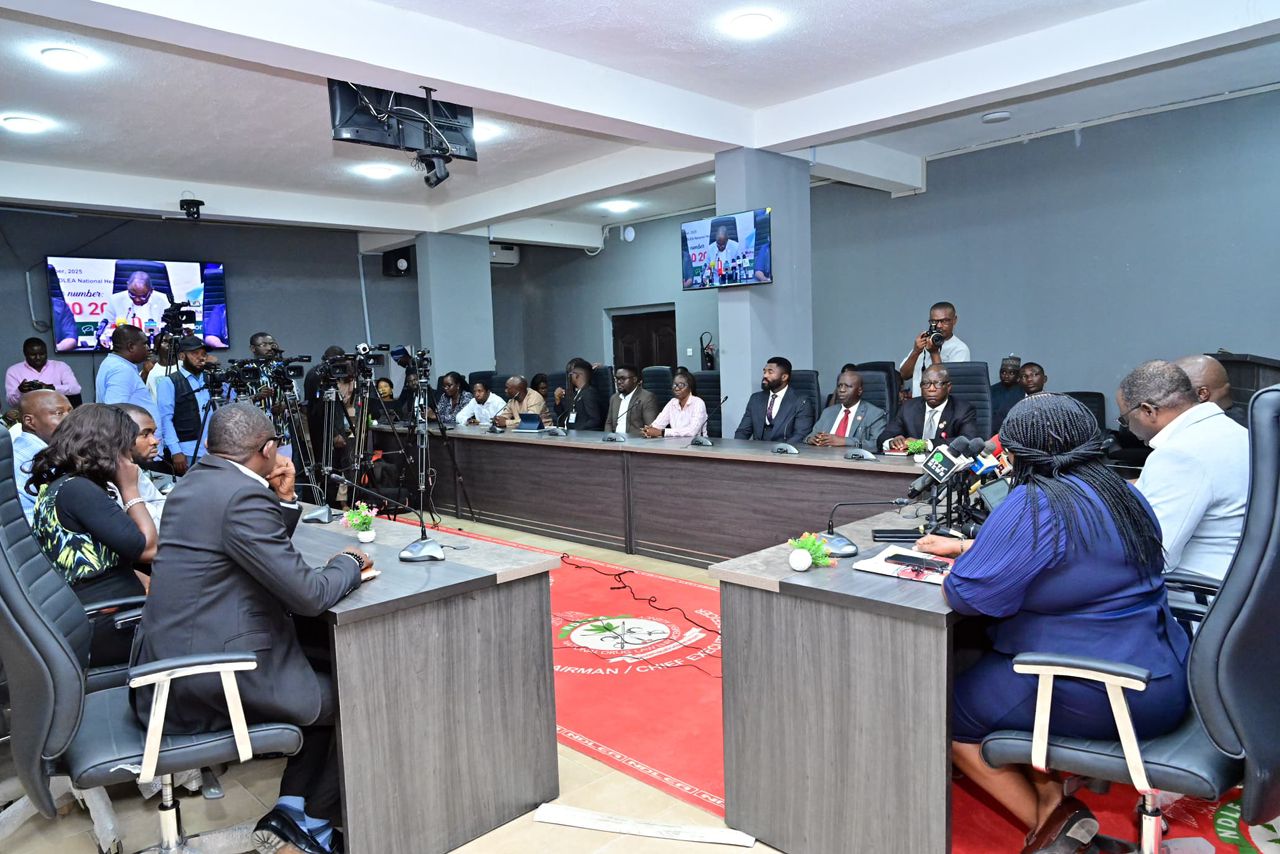
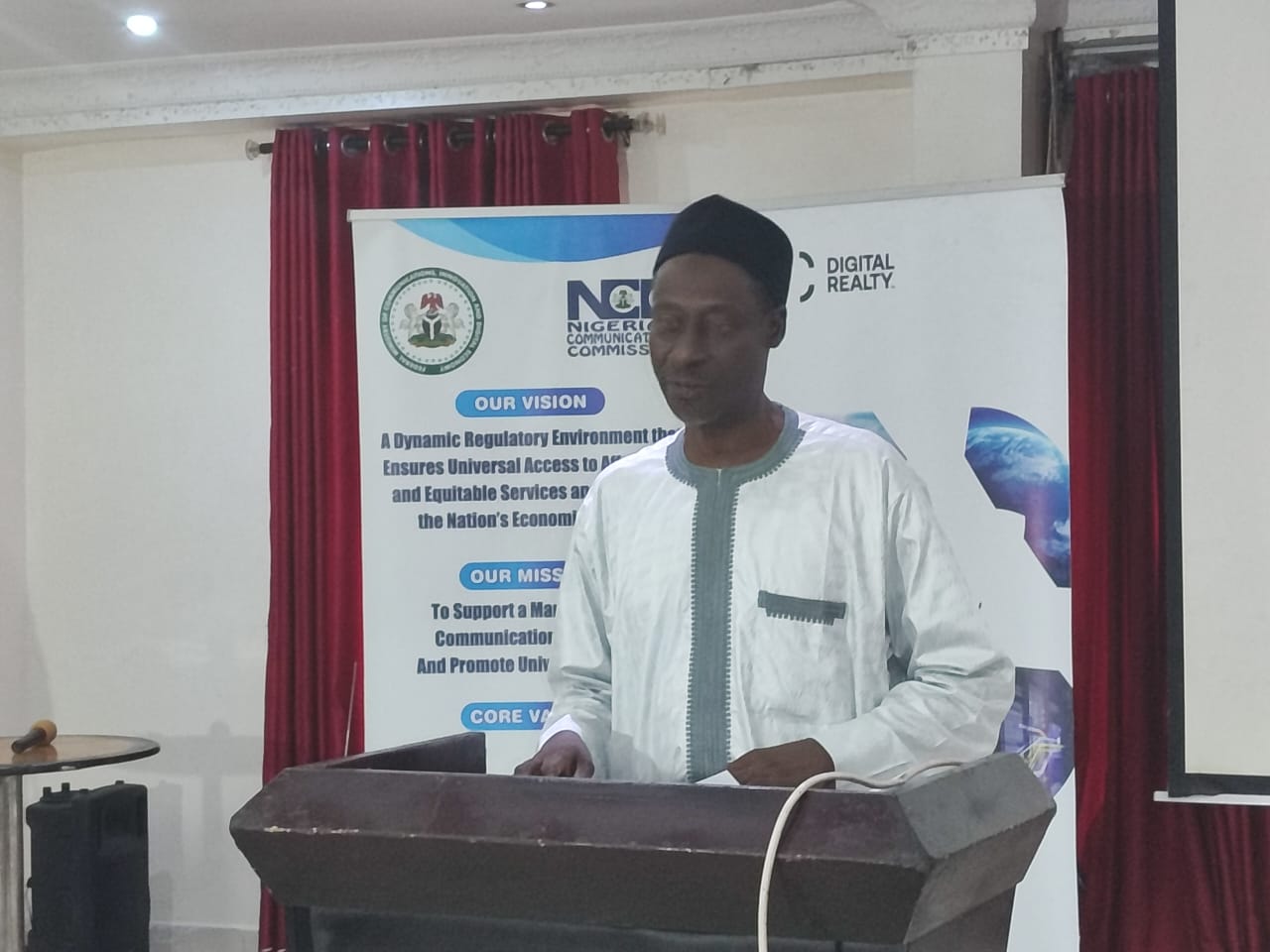
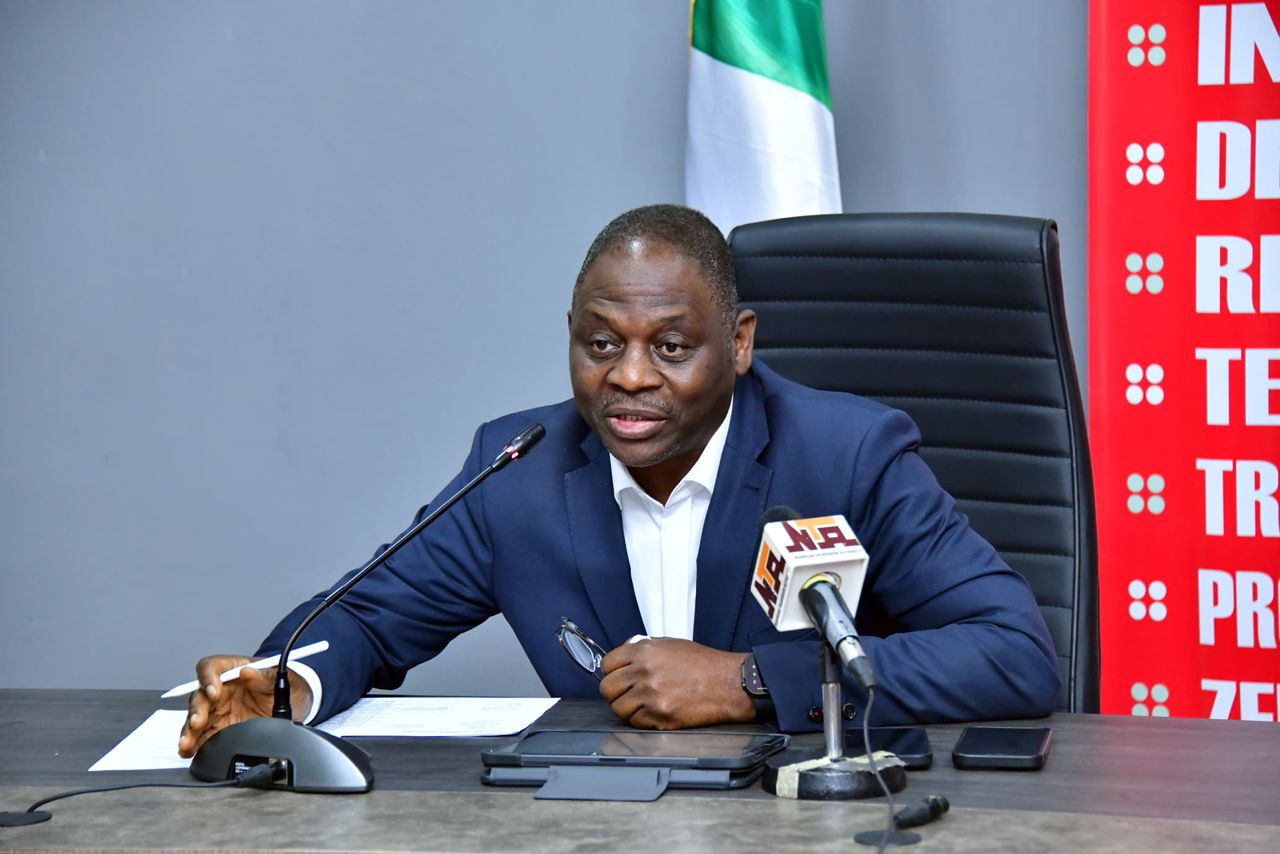
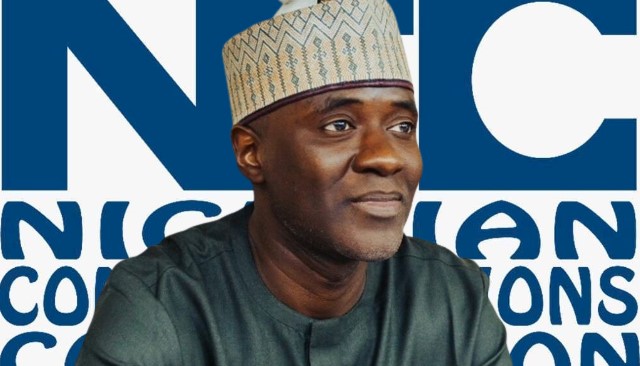
The Executive Vice Chairman (EVC) and Chief Executive Officer (CEO) of the NCC, Dr. Aminu Maida, has given telecom operators 45 days to regularise unapproved shareholding changes or face sanctions, with experts warning that the directive could significantly impact investor confidence, corporate governance standards, and overall market stability in Nigeria’s telecom sector.
Stay informed on Nigeria’s telecom regulations and business governance updates. Read more expert insights and in-depth analysis at LouisaOlaniyi.com