
Nigeria’s telecom sector is facing a potential regulatory test following the proposed $6.2 billion move by MTN Group to take full ownership of IHS Towers, a development that has drawn close scrutiny from authorities in Nigeria.
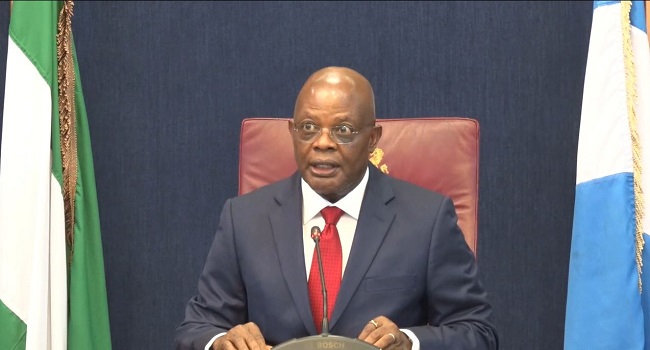
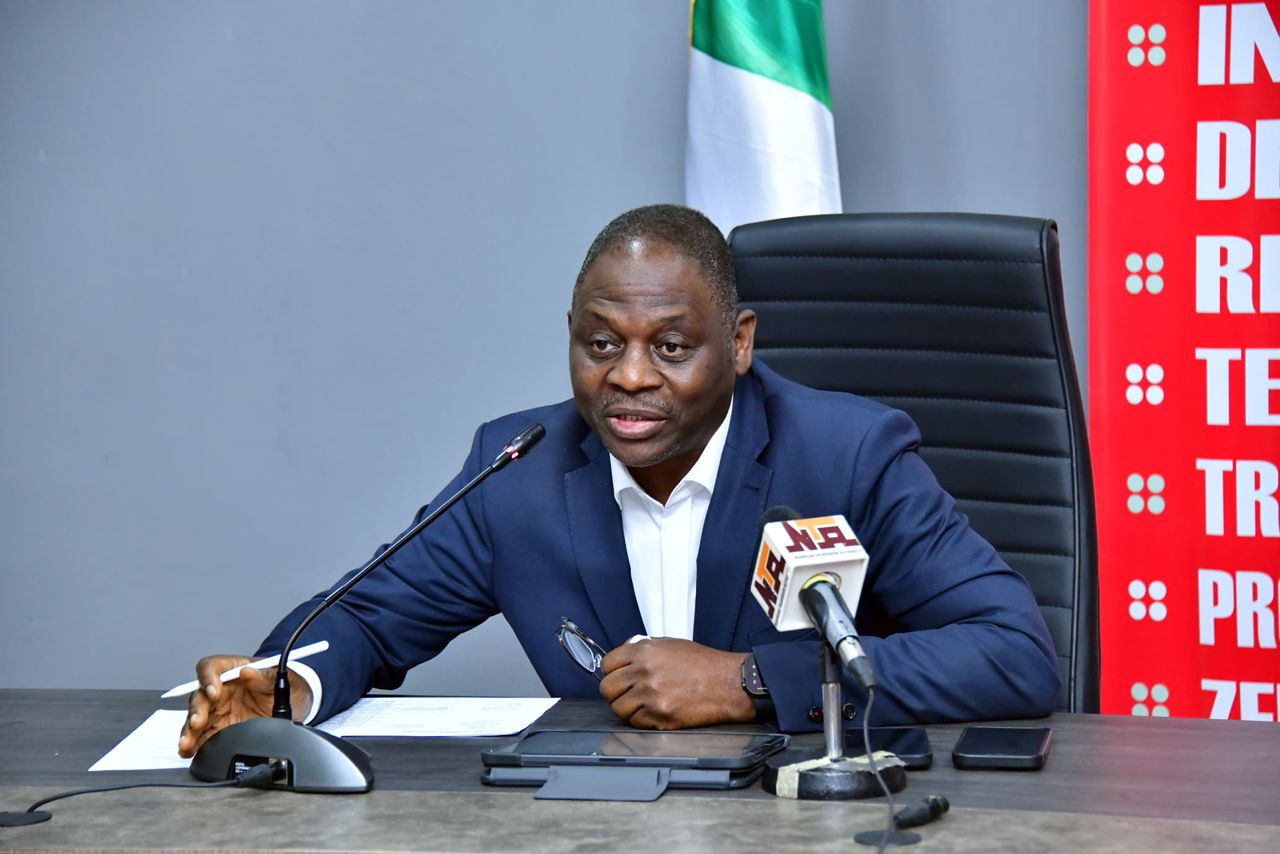
In a statement issued Tuesday, Minister of Communications, Innovation and Digital Economy Bosun Tijani said the government will carry out a comprehensive review of the proposed deal to safeguard the country’s digital economy. The assessment will be coordinated by the Federal Ministry of Communications, Innovation and Digital Economy in collaboration with regulators, including the Nigerian Communications Commission.
The review signals a pivotal moment for the telecommunications industry, as authorities weigh the potential operational benefits of consolidation against broader concerns about market balance and infrastructure control. The acquisition would effectively return to MTN critical network assets it began divesting more than a decade ago, a move the company says will enhance cost certainty and support network expansion. However, policymakers are closely examining the strategic significance of these passive infrastructure assets.
“Given the strategic importance of telecommunications infrastructure to national security, economic growth, and financial services, the Ministry will undertake a thorough assessment to review its impact on the sector,” the statement read.
MTN Deal Faces Scrutiny Over Competition and Consumer Impact
Regulators are focusing on three central issues. First is consumer impact, specifically whether the structural shift could lead to higher service costs or reduced quality. Second is market competition. IHS Towers currently operates as a neutral infrastructure provider serving multiple operators, including Airtel and Globacom, both of which rely on shared tower access.
Officials are concerned that full ownership by MTN could alter competitive dynamics, potentially allowing the operator to influence access terms for rival networks. The third area under review is systemic risk, particularly the implications of concentrating control over infrastructure that supports essential services such as mobile financial transactions and emergency communications.
Authorities have framed the proposed consolidation as a matter with implications beyond commercial interests, citing potential risks to national digital sovereignty and long-term sector stability.
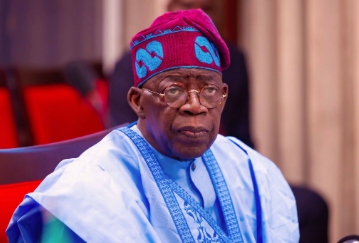
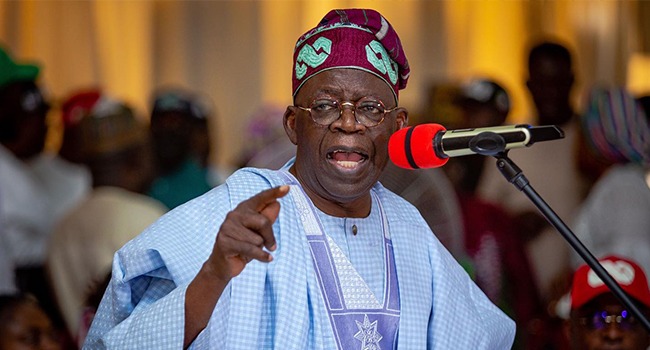
At the same time, the minister emphasized the government’s commitment to maintaining an investment-friendly environment. He noted that reforms introduced under President Bola Ahmed Tinubu have helped restore stronger profitability across the sector but stressed that a transaction of this scale requires heightened regulatory attention rather than routine approval.
“Our objective is clear: to ensure that any market consolidation or structural changes protect consumers, safeguard investments, and preserve the long-term sustainability of the sector,” he said.
Industry observers suggest the review process could result in strict regulatory conditions or behavioral safeguards, particularly to ensure continued fair and transparent access to tower infrastructure for competing network providers.
Stay ahead of Nigeria’s evolving telecom landscape. Read the full analysis and ongoing updates here at LouisaOlaniyi.com.ng
For advertising opportunities, reach out to us at louisaolaniyibusinessnetwork@gmail.com or call +234 805 563 3726 / +234 706 328 1722.