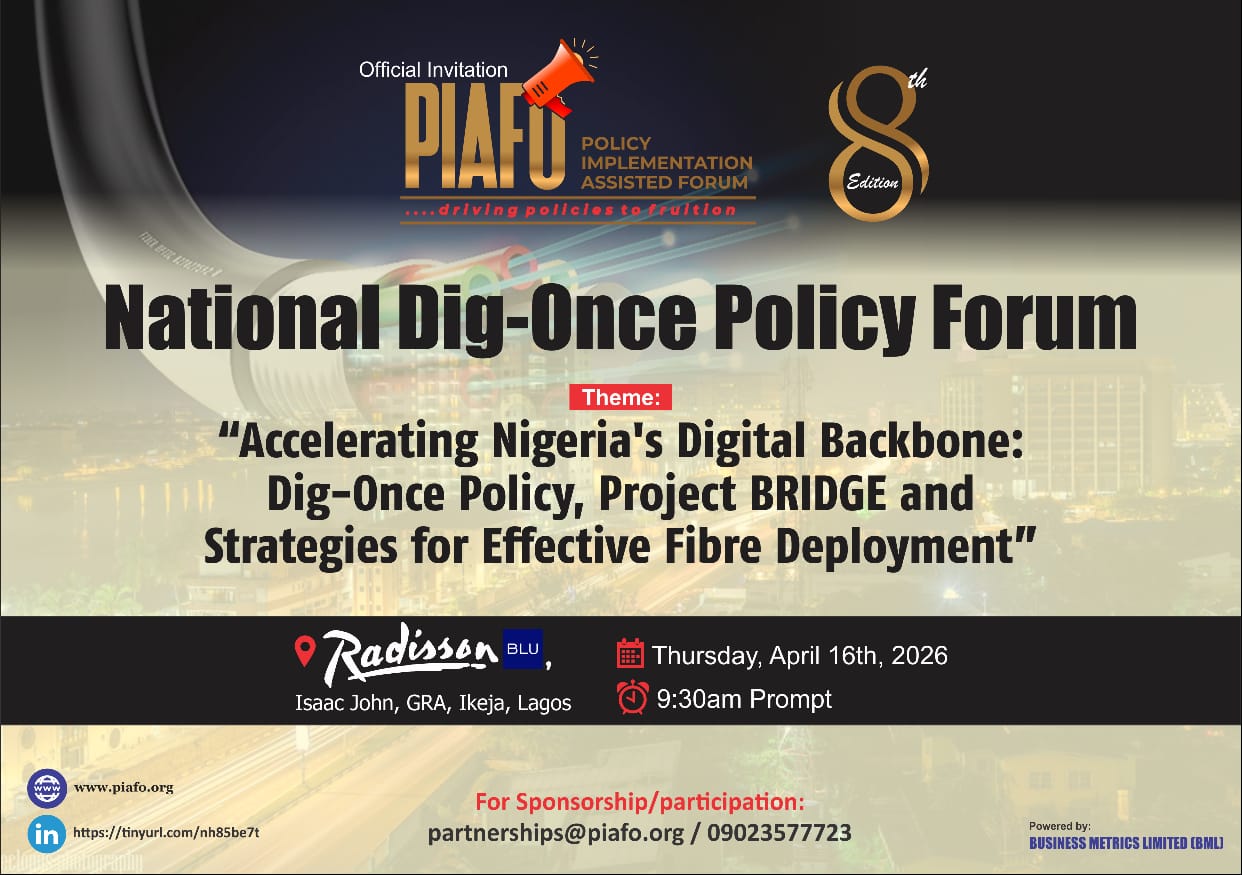

Nigeria’s digital infrastructure drive has received a major boost as the European Bank for Reconstruction and Development (EBRD) approved €100 million ($108 million) to support Project BRIDGE, the Federal Government’s nationwide fibre-optic expansion initiative.
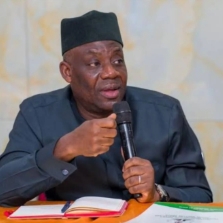
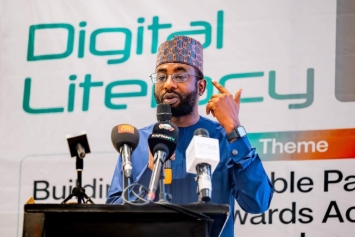
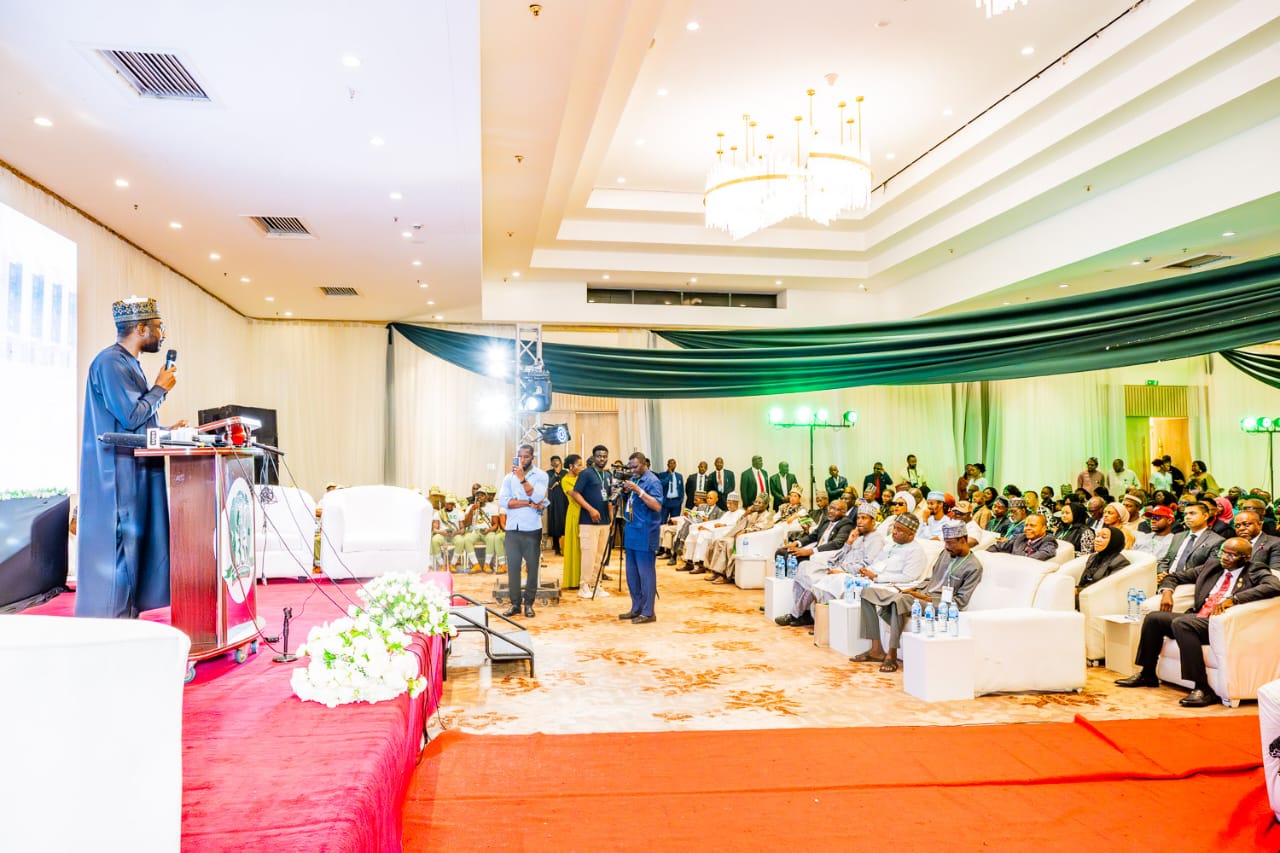
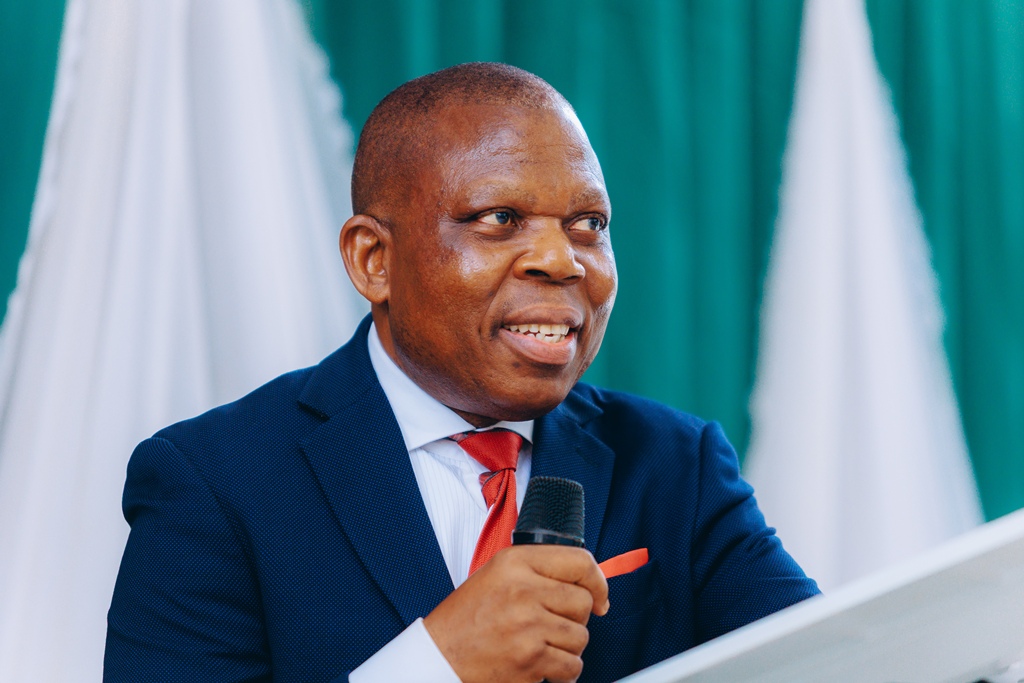
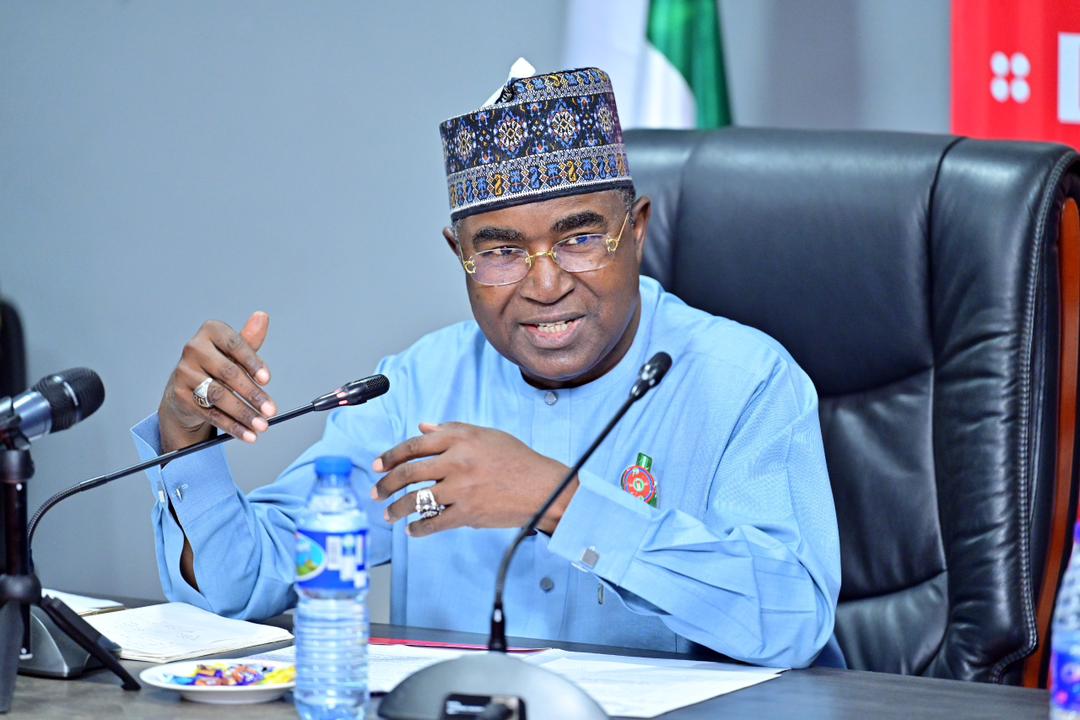
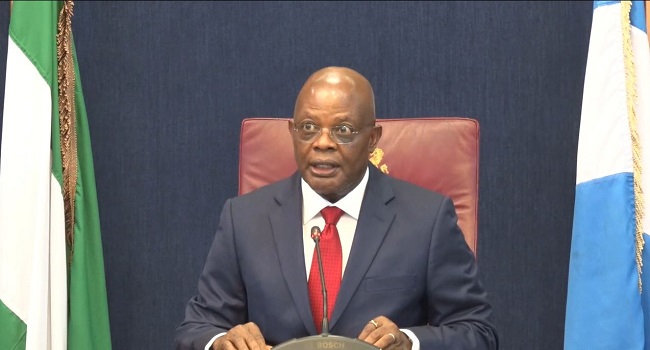
The funding forms part of a broader strategy to bridge connectivity gaps and strengthen internet access across the country. Minister of Communications, Innovation, and Digital Economy, Bosun Tijani, confirmed the approval on Wednesday following a two-week investment tour across six European countries.
According to the minister, the investment will support the rollout of 90,000 kilometres of fibre-optic cable nationwide, while drawing in private sector partners to oversee portions of the network’s operations.
Introduced in August 2025 as a Special Purpose Vehicle (SPV), Project BRIDGE, Broadband Infrastructure Development and Grounding Efficiency — was structured to attract private capital and reduce reliance on traditional public procurement processes.
The Federal Government is targeting 70 percent internet penetration and connectivity coverage for 80 percent of underserved communities by 2027.
Tijani disclosed that the EBRD board approved the funding after “extremely positive engagements” during the European tour.
Project BRIDGE Moves to Implementation with EBRD Funding
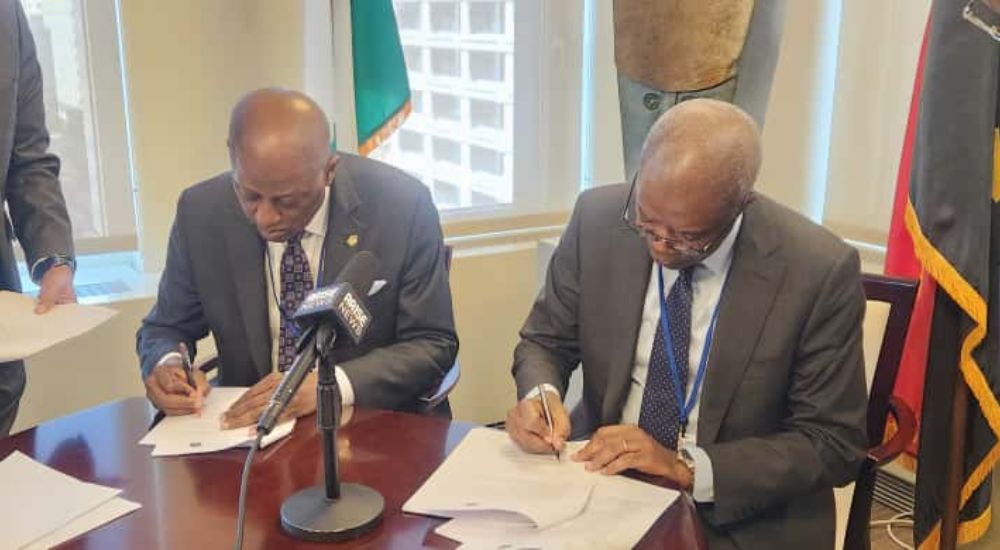
The €100 million commitment from the EBRD complements a $500 million financing package from the World Bank Group, alongside a €22 million grant from the European Union dedicated specifically to Project BRIDGE.
The EU contribution forms part of a wider €45 million support envelope aimed at strengthening Nigeria’s digital economy ecosystem.
Beyond infrastructure, the EU-backed funding will advance digital capacity building and governance reforms. Tijani stated that €18 million has been allocated for the digitisation of public services, while €5 million will support the 3 Million Technical Talent (3MTT) programme.
This approach is designed to ensure that the expanding broadband infrastructure is matched by a skilled workforce capable of managing and sustaining it.
By combining concessional loans with targeted grants, the government is seeking to unlock further private sector investment into the telecoms ecosystem.
Officials expect the nationwide fibre deployment to lower data costs and improve service reliability, key drivers for growth across Nigeria’s fintech, agri-tech, and creative sectors.
With funding commitments now secured, Project BRIDGE is transitioning from capital mobilisation to implementation, with private partners set to assume significant operational responsibilities in the next phase.
For more updates on Nigeria’s digital economy, infrastructure investments, and policy developments, visit LouisaOlaniyi.com.ng and stay informed.