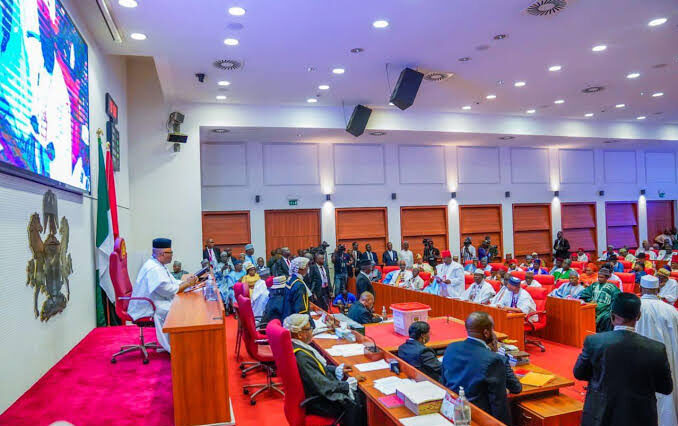
Nigeria’s Senate has declined to adopt a key electoral reform that would have made the real-time electronic transmission of election results compulsory, a move that has sparked disappointment among many citizens and civil society groups who view the measure as essential to transparent and credible elections.
The decision followed intense debates in the National Assembly, where anticipation had been building nationwide over proposed amendments to the Electoral Act 2022. For months, Nigerians followed the discussions closely, hoping the reforms would strengthen electoral integrity ahead of the crucial 2027 general elections. That hope, however, gave way to frustration as the Senate voted against the provision.
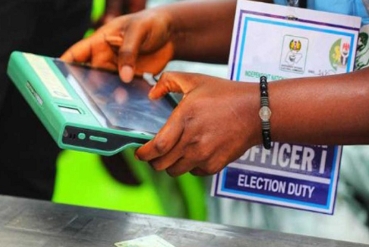
At the centre of the controversy was a proposed amendment to Clause 60, Subsection 3, which sought to require presiding officers at polling units to electronically transmit results to the Independent National Electoral Commission’s (INEC) IReV portal immediately after results were signed, stamped, and witnessed by party agents. Instead of adopting this requirement, lawmakers retained existing language that leaves the method and timing of result transmission to INEC’s discretion.
The outcome has resonated deeply with many Nigerians, especially young people, activists, and advocates for electoral transparency. In areas where previous elections have been marked by long delays, overnight waits, and lingering suspicions of manipulation, the promise of instant upload had come to represent more than a procedural change, it symbolised renewed trust in the democratic process.
“I stood outside my polling unit for hours in the heat,” said one voter in Lagos who declined to give her name. “We were told the results would be on IReV quickly. But it only came late, and that created doubt in all our minds. To hear our lawmakers have now said no to instant upload, it feels like someone has taken a step backward.”
Senate Action Fuels Public Debate on Democratic Accountability
Civil society organisations had consistently called on lawmakers to enshrine real-time transmission into law, arguing that it would significantly reduce opportunities for result tampering and allow citizens and political parties to track outcomes as votes are counted. Despite these appeals, the Senate’s rejection of the clause—passed alongside the wider Electoral Act Amendment Bill 2026, has underscored ongoing disagreements over how best to guarantee credible elections.
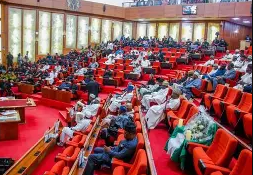
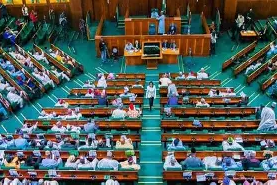
During deliberations, senators weighed concerns about infrastructure limitations and logistical challenges against public demands for greater openness and accountability. While some lawmakers framed the decision as a cautious and practical approach, many Nigerians see it as a missed opportunity to deepen trust in the electoral system.
“This isn’t just about technology,” said a civil rights advocate in Abuja. “It’s about whether the voices of millions of Nigerians are truly seen and heard. Without clear, real-time transmission, we risk repeating the same old patterns of skepticism and distrust.”
As the country looks toward elections that will shape its political future, the Senate’s decision is expected to echo beyond the halls of the National Assembly, fueling conversations in homes, campuses, marketplaces, and online spaces where citizens continue to debate, question, and push for a democracy that truly reflects the will of the people.
The debate over Nigeria’s electoral future is far from over. Stay informed, follow credible analysis, and join the conversation on democracy, governance, and accountability. Read more in-depth reports and citizen-focused insights on electoral reforms and national issues at LouisaOlaniyi.com.ng.