The United Nations has warned that the ongoing crisis in the Middle East could escalate dangerously if urgent diplomatic efforts are not made to halt the fighting.
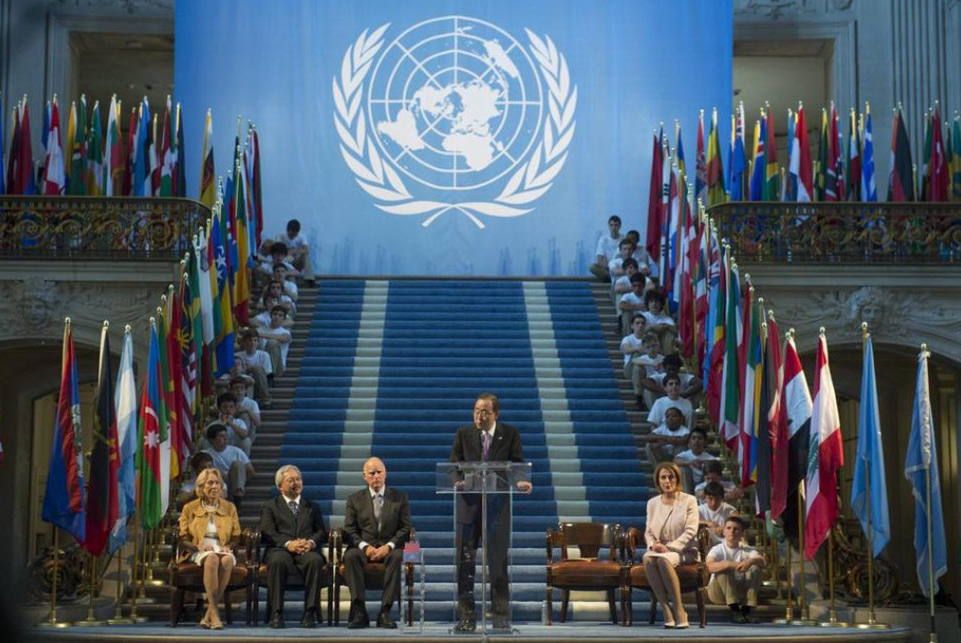
Speaking on the situation, UN Secretary-General António Guterres cautioned that the conflict risks spiralling beyond control if hostilities continue across the region.
He said the widespread violence is inflicting severe suffering on civilians and destabilising the region.
“All the unlawful attacks in the Middle East and beyond are causing tremendous suffering and harm to civilians throughout the region,” Guterres said.
The UN chief further warned that the conflict could have broader global consequences, particularly for vulnerable populations.
He noted that the crisis “pose a grave a risk to the global economy, particularly to the most vulnerable people”.
“The situation could spiral beyond anyone’s control.
“It is time to stop the fighting and get to serious diplomatic negotiations. The stakes could not be higher,” Guterres urged.
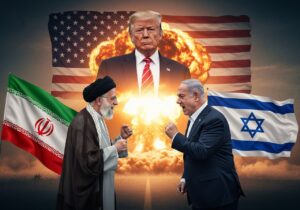
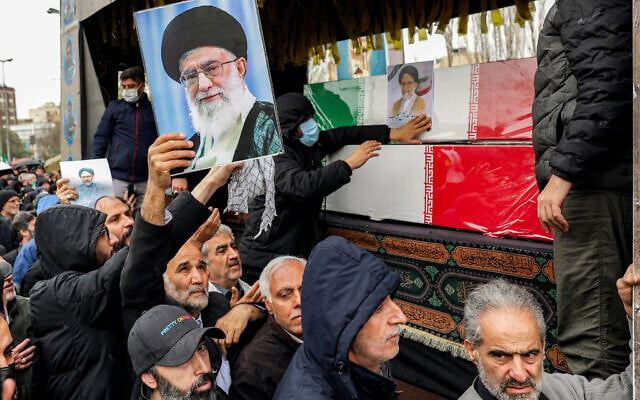
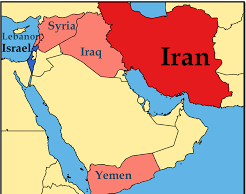
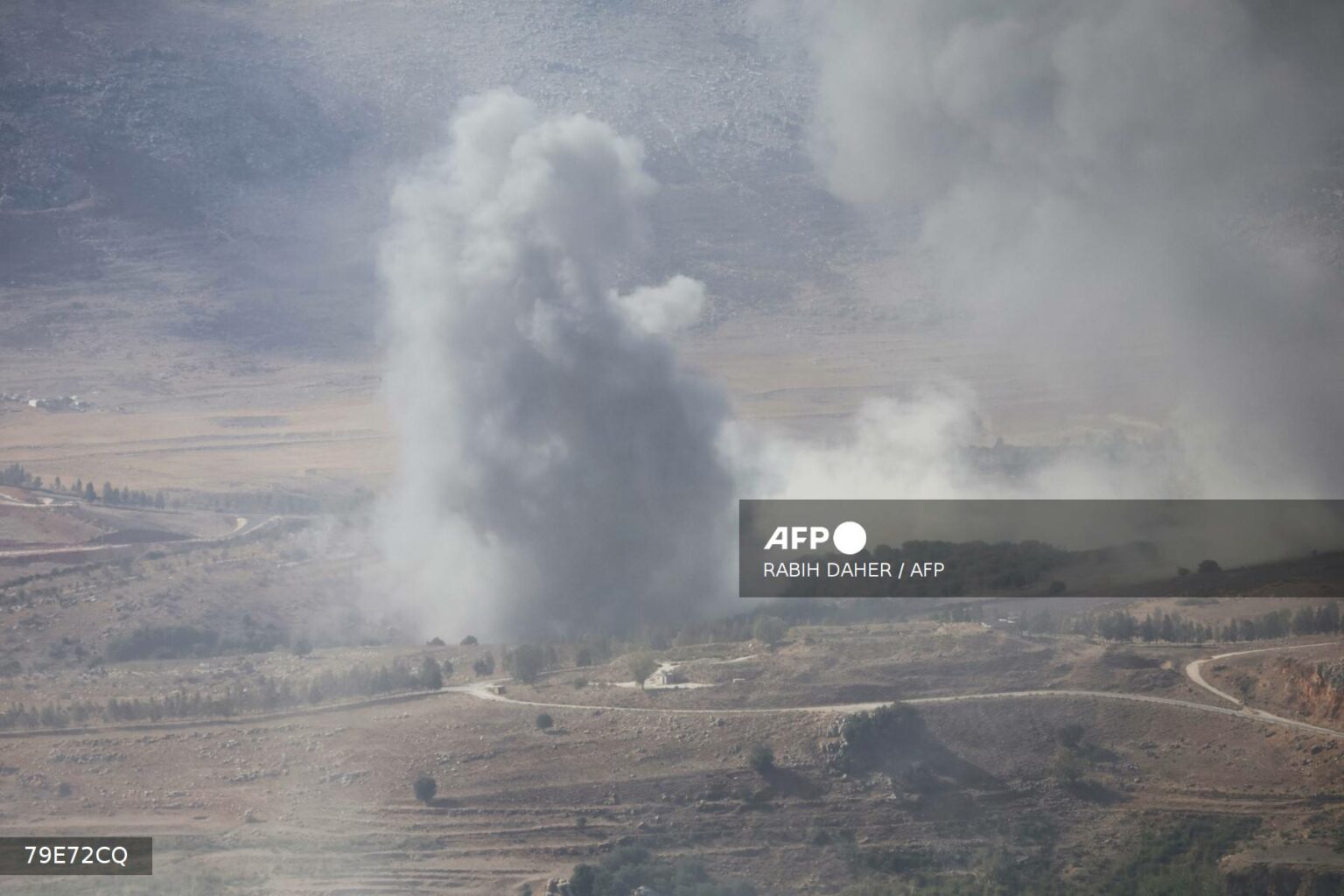
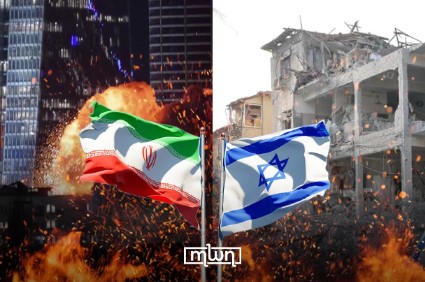
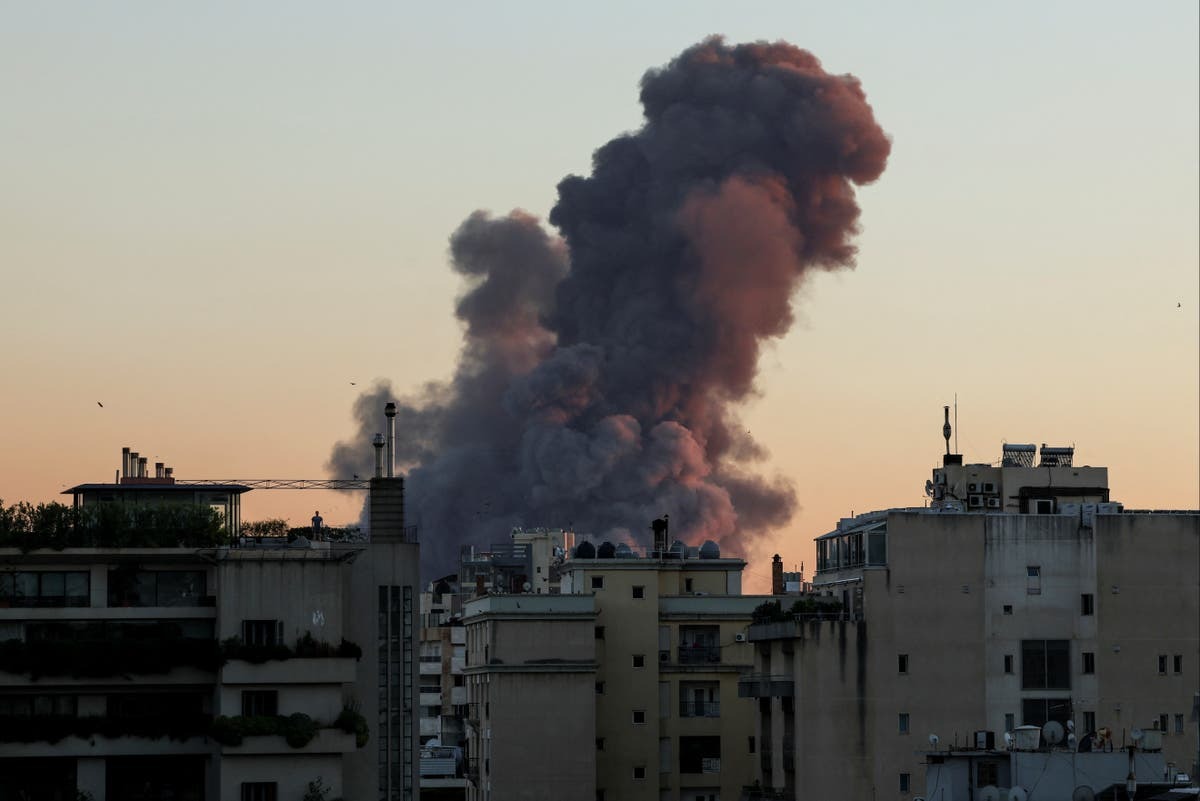
Military strikes and counter-strikes have continued across the Middle East as the United States and Israel wage war against Iran. The confrontation has now entered its seventh day, with no immediate signs of de-escalation.
Escalating Middle East War Puts World at ‘Grave Peril’
Meanwhile, UN Emergency Relief Coordinator Tom Fletcher warned that the international community is facing a dangerous moment as the conflict intensifies.
According to Fletcher, the world is currently in “a moment of grave peril”.
He criticised the massive financial resources being channelled into warfare at a time when humanitarian aid budgets are being reduced.
Fletcher noted that staggering sums are funding the war “while politicians continue to boast about cutting aid budgets in greatest need.”
The UN High Commission for Human Rights, Office of the United Nations High Commissioner for Human Rights, has also described the escalating conflict as a major humanitarian emergency requiring an immediate regional response.
UN human rights chief Volker Türk warned that the conflict is spreading beyond the original parties involved and urged governments to act swiftly to reduce tensions.
At the same time, Iran’s Permanent Representative to the UN, Amir Iravani, maintained that his country does not seek further escalation but will defend its sovereignty.
He stated that Iran was not seeking war or escalation “but Iran will never surrender its sovereignty.”
Iravani added that Tehran would take every necessary step to defend its territory and independence.
The Iranian ambassador also called on UN member states to condemn what he described as “this criminal war against the Iranian people”.
He urged the UN Security Council to respond urgently, warning that inaction could lead to severe consequences.
“Today it is Iran, tomorrow it could be any other member state.”
Fletcher further warned that the expanding conflict could have humanitarian consequences far beyond the Middle East.
He reiterated the importance of respecting international law and protecting humanitarian workers, noting that aid organisations would continue assisting civilians caught in the violence.
The UN relief chief again stressed that the world is facing a moment of “grave peril” as multiple conflicts intensify and humanitarian crises become increasingly interconnected.
He warned that the consequences of the current fighting could spiral beyond the control of those who initiated it.
Fletcher called for an immediate shift toward diplomacy and restraint to prevent further escalation.
“What we need is de-escalation and immediate cessation of hostilities, genuine dialogue and negotiations in line with the Charter of the United Nations. We need calmer heads to prevail.”
He also expressed concern that huge financial resources are being spent on warfare even as humanitarian assistance faces major funding cuts.
Fletcher concluded by warning that the ongoing crisis could divert attention and resources from other major humanitarian emergencies around the world, including conflicts in Sudan, the Democratic Republic of the Congo, and Ukraine.