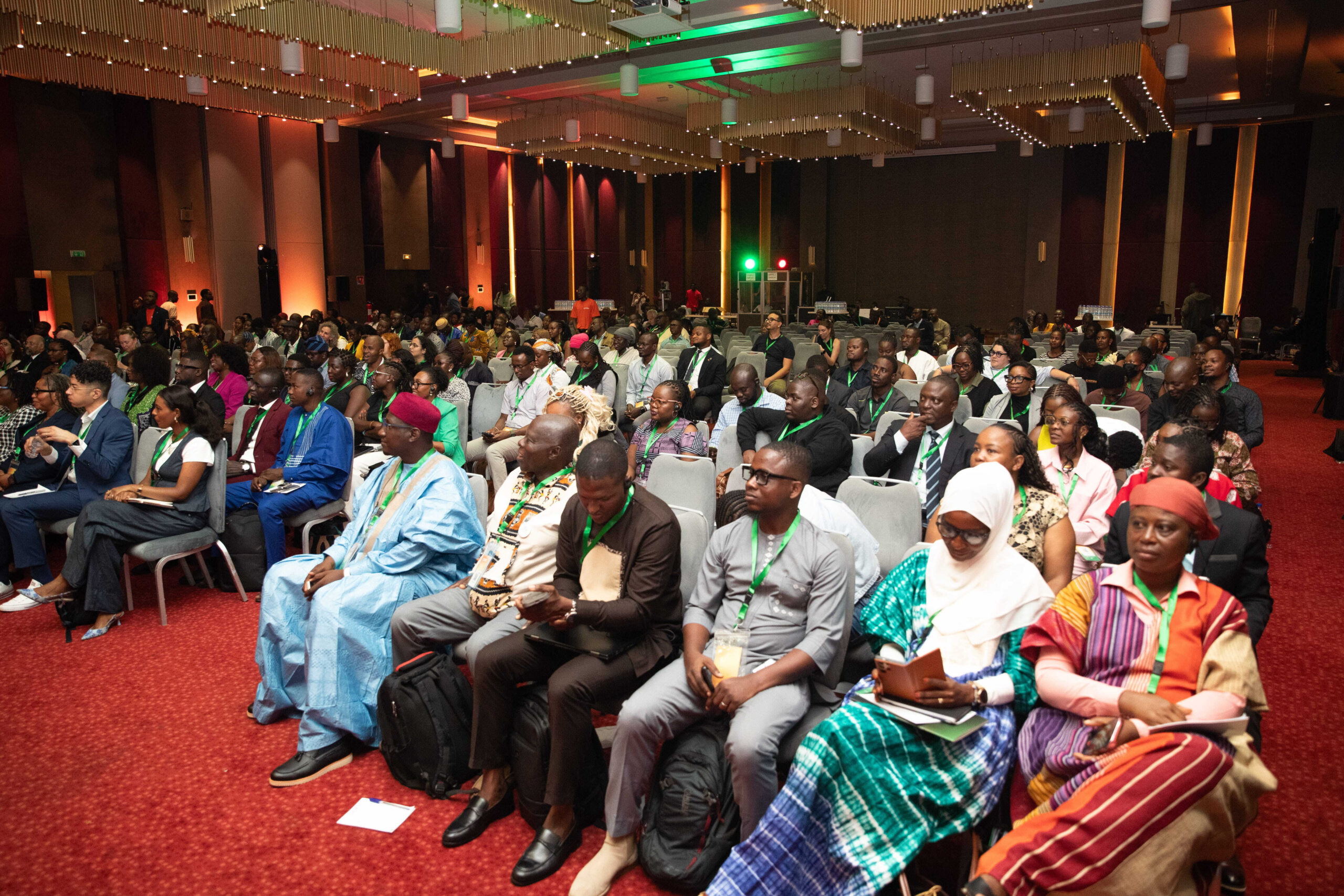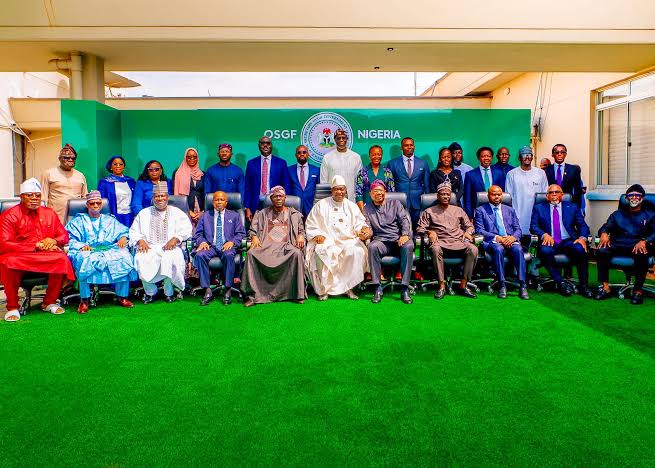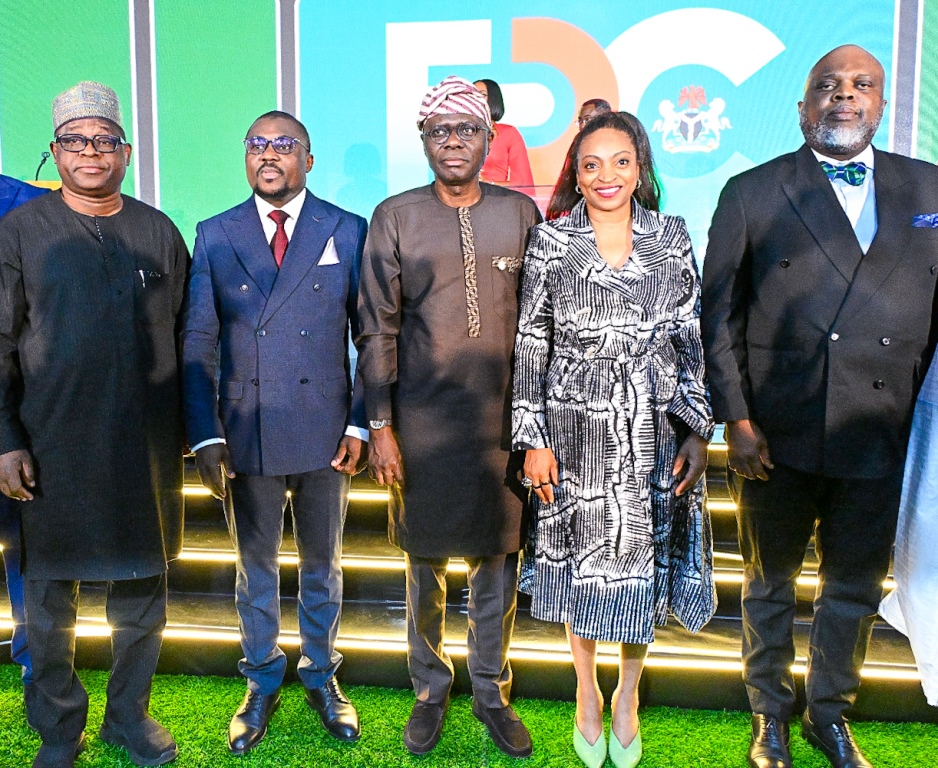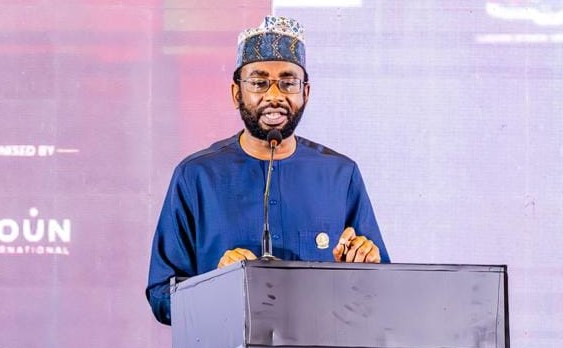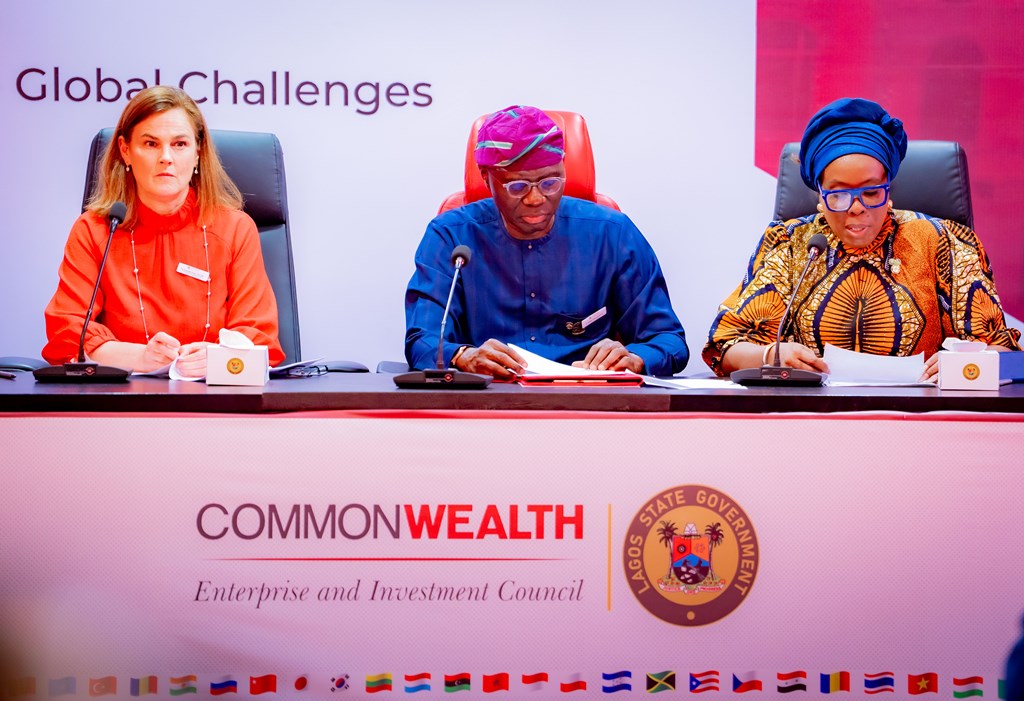
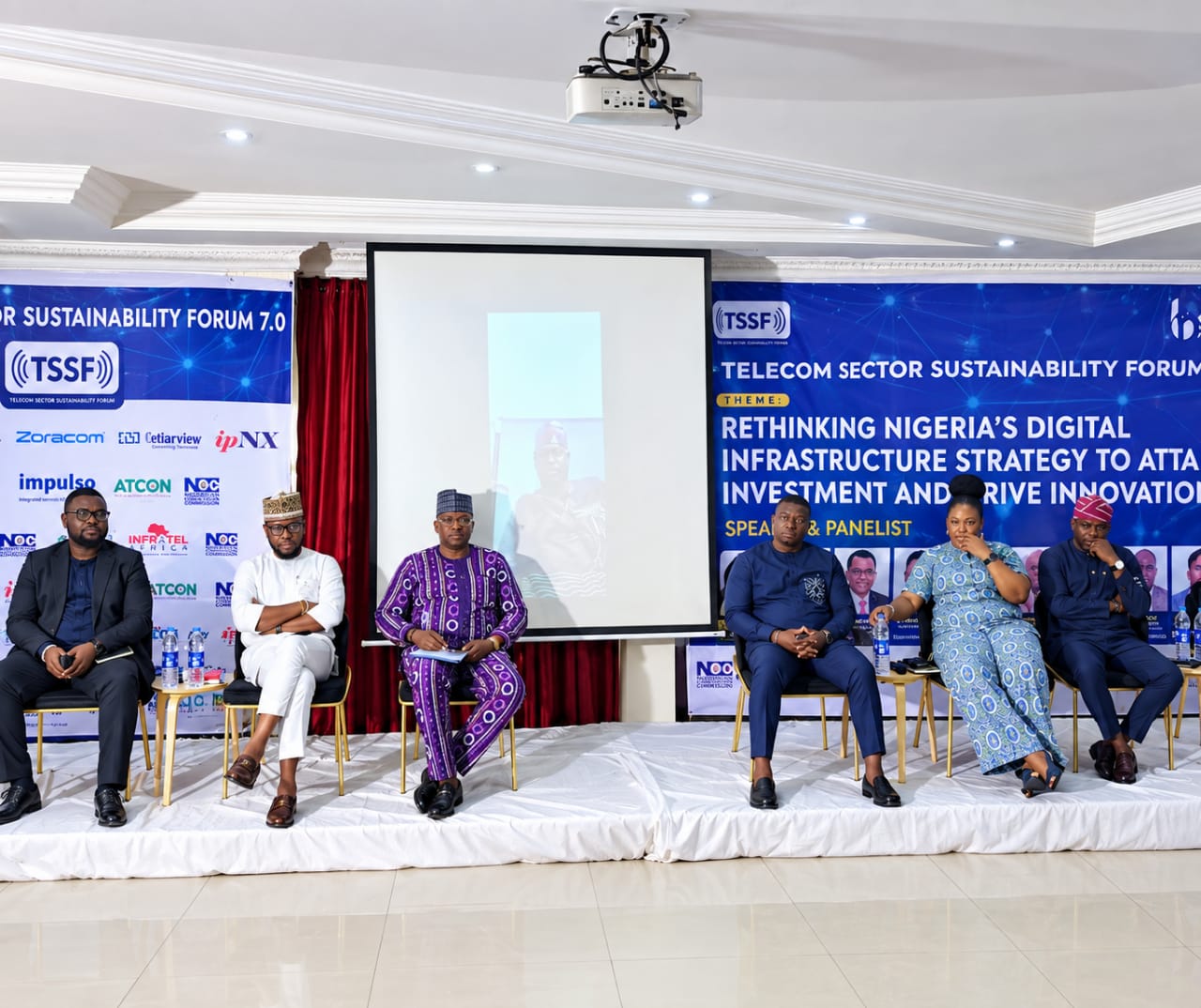
The Telecom Sector Sustainability Forum (TSSF) 7.0, held in Lagos on Wednesday, September 16, 2026, brought together policymakers, regulators, operators, investors and innovators to discuss how Nigeria can build a stronger, more sustainable digital infrastructure to attract investment and drive innovation.
Themed “Rethinking Nigeria’s Digital Infrastructure Strategy to Attract Investment and Drive Innovation,”* the forum focused on practical solutions for deepening connectivity and unlocking Nigeria’s digital economy potential.
“Telecom Is No Longer Just About Communication” — Bukola Olarewaju
In her opening remarks, the Convener, Ms. Bukola Olarewaju, described telecommunications as the fundamental pillar of Nigeria’s data-driven digital economy, supporting financial services, e-commerce, healthcare, education, governance and innovation.
According to her, sustaining this progress requires collective effort to address current realities such as rising infrastructure costs, foreign exchange pressures, high financing costs, energy expenses and network deployment costs.
She noted that demand for reliable connectivity continues to rise as businesses, government and citizens depend more on digital services.
“The question before us is not whether Nigeria needs more digital infrastructure — invariably we do — but how do we create the right environment to attract the capital required to build, maintain and expand that infrastructure sustainably?” she asked.
“We Licence Spectrum, Not GSM” — Engr. Nnamani
Delivering the lead paper titled “Enabler of Digital Infrastructure Development and Investment,” Engr. Ike Nnamani, Chief Executive Officer of Digital Realty Nigeria and Co-Chair of the National Sovereign Investment (NSI) Technical Working Group, explained how the industry is evolving.
He clarified that what the Nigerian Communications Commission (NCC) issued was a Digital Mobile Licence, not a GSM licence.
“The regulators issue spectrum, they don’t licence service. What you do with the spectrum they give you is up to you, based on the technology you decide to adopt,” he said.
Nnamani noted that even MTN, widely regarded as Africa’s biggest mobile operator, is expanding beyond traditional telephony into data centres and cloud services.
“The biggest plan for MTN is to go into cloud services. They are actually looking at emerging cloud service as their biggest business going forward,” he said.
He observed that global hyperscalers such as Amazon and Apple now play a major role in digital infrastructure because they embraced emerging technologies early.
“Without Local Cloud, Data Will Be Stored Elsewhere”
Engr. Nnamani explained that while Nigeria was declared a digital economy by late former President Muhammadu Buhari on May 29, 2023, hosting data locally remains critical for true digital sovereignty.
He disclosed that the National Information Technology Development Agency (NITDA) has set up a Technical Working Group and developed the National Sovereign Cloud Initiative to localize cloud services under a Cloud-First policy.
“For instance, if one wants to host data belonging to Nigerians, it should be sitting in a geographical space within Nigeria,” he said.
“Quality Customer Experience Will Keep Customers Happy” — Zoracom
Engr. John Nwachukwu, Chief Strategy/Executive Officer of Zoracom Communications Limited, said operators are increasingly investing in fibre connectivity, including fibre-to-the-home, to improve service quality.
“If you have a quality customer experience, you will ensure your customers are happy by bringing in solutions,” he said.
“Real Broadband Is Still A Long Way Off” — WTES
Mr. Chidi Ajuzie, Chief Operating Officer of WTES Group, noted that while mobile penetration has reached 90 percent, broadband penetration stands at 67 percent according to NCC data.
He said this shows there is still significant room for growth in broadband deployment to fully power the digital economy.
Nnamani also cited data showing that internet traffic exchange between Nigeria and South Africa is lower than that between South Africa and Kenya, an indication that deeper digitisation is needed.
“Beyond Connectivity Statistics” — ATCON
In his goodwill message, Mr. Ajibola Olude, General Secretary and Chief Operating Officer of the Association of Telecommunications Companies of Nigeria (ATCON), said focus must extend beyond connectivity figures to measurable outcomes that improve lives.
He emphasized the need to develop a pipeline of skilled, industry-ready digital professionals and to prioritize rural inclusion, as many rural communities are still unconnected.
“For growth to thrive, we need to enable digital businesses to emerge, expand and create meaningful employment opportunities across Nigeria,” he said.
“Problems Don’t End, But We Must Tell Our Success Stories” — ALTON
The National Chairman of the Association of Licensed Telecom Operators of Nigeria (ALTON), Engr. Gbenga Adebayo, said challenges will always exist, but the industry must also celebrate its achievements.
“As we look at sustainability and the progress of the future, we must remember to talk about the work we have done and the sacrifices made that are enhancing society everywhere,” he said.
He cited ALTON members’ recent initiative to provide zero-rated access to professional and educational websites as an example of the industry’s positive impact.
The Way Forward
The summit, moderated by WIONews Nigeria Correspondent Louisa Olaniyi, concluded with a panel session featuring Engr. John Nwachukwu (Zoracom), Mr. Chidi Ajuzie (WTES), Ms. Rosaline Ilori (Bridge 57 Solutions), Dr. Olusola Teniola (IPNX, virtual), Mr. Olawale Owoeye (Cedarview Communications), Mr. Akinyele Oludare (Impulso Integrated Services), and Dr. Tola Yusuf (Infratel Africa).
Panellists agreed that Nigeria must strengthen policy harmonisation, encourage infrastructure sharing, address power and Right of Way (RoW) issues, and build a sustainable, investor-friendly environment that will drive innovation and secure the future of its digital economy.