
- March 12, 2026
- Admin User
- 0
Meta Platforms has launched new scam-detection tools across Facebook, WhatsApp and Messenger, introducing additional safeguards designed to warn users before they interact with suspicious accounts or potentially fraudulent messages.
The company said the new features are intended to identify suspicious behaviour at an earlier stage, noting that scammers often try to avoid detection by initially acting like regular users before carrying out fraudulent activities.
Facebook testing alerts for suspicious friend requests
As part of the rollout, Meta is testing a new alert system on Facebook that notifies users when a friend request may be suspicious.
Under the feature, users sending or receiving a request from an account displaying unusual behaviour, such as having very few mutual friends or indicating a location in a different country, will see a prompt advising them to carefully review the request before accepting it.
The notification is designed to help users decide whether to proceed with the request, ignore it, or block the account entirely.
In cases where the system identifies potential scam activity, Messenger will issue a warning and ask the user whether they would like to share recent chat messages for an artificial intelligence review. If a scam is confirmed, the platform will recommend blocking or reporting the account and will provide guidance on common online fraud tactics.
Crackdown on global scam networks
Meta also highlighted its broader enforcement efforts against online fraud networks operating on its platforms.
According to the company, more than 159 million scam advertisements were removed in 2025, with 92 per cent taken down before users reported them.
During the same period, the company shut down approximately 10.9 million Facebook and Instagram accounts linked to criminal scam centres.
In a recent international enforcement operation carried out with several law-enforcement agencies, Meta investigators disabled over 150,000 accounts associated with scam networks. The operation also led to 21 arrests by the Royal Thai Police.
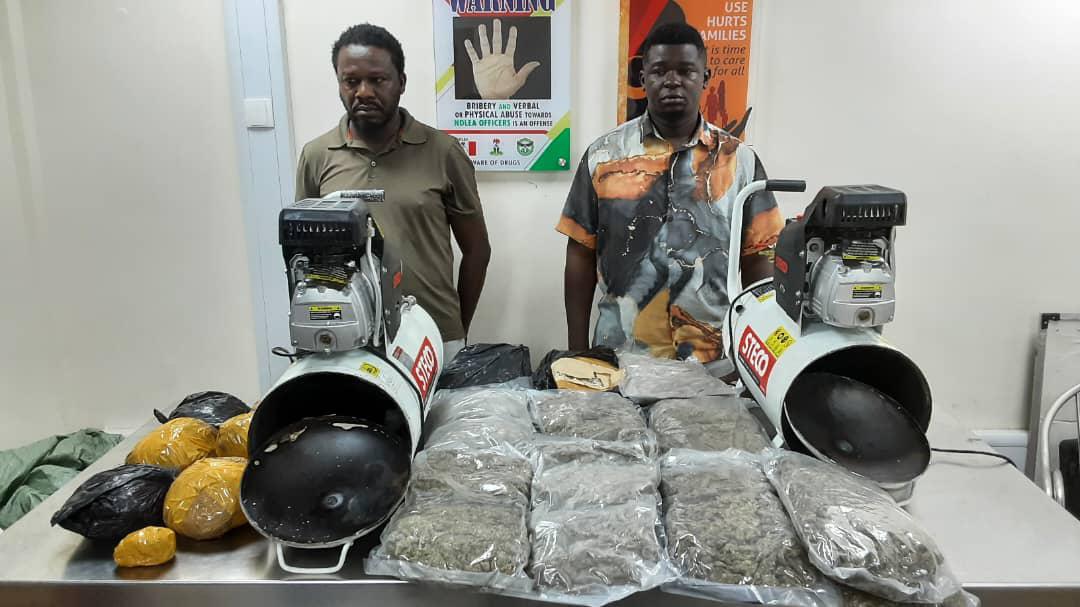
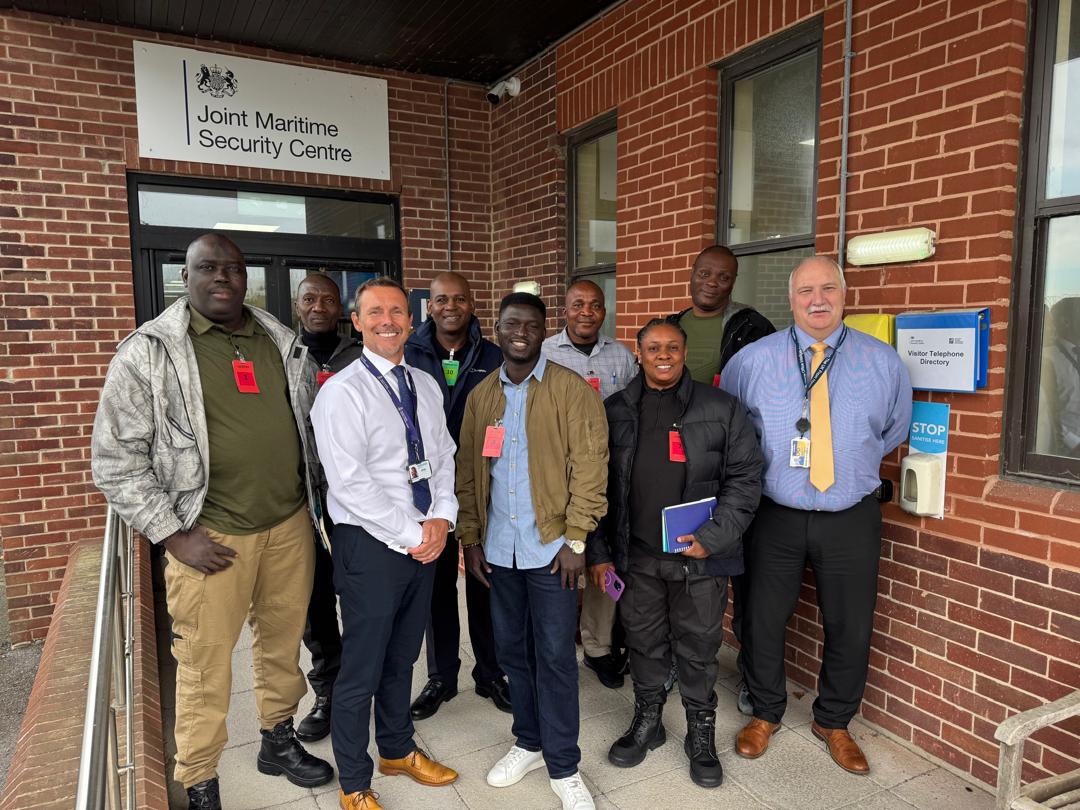
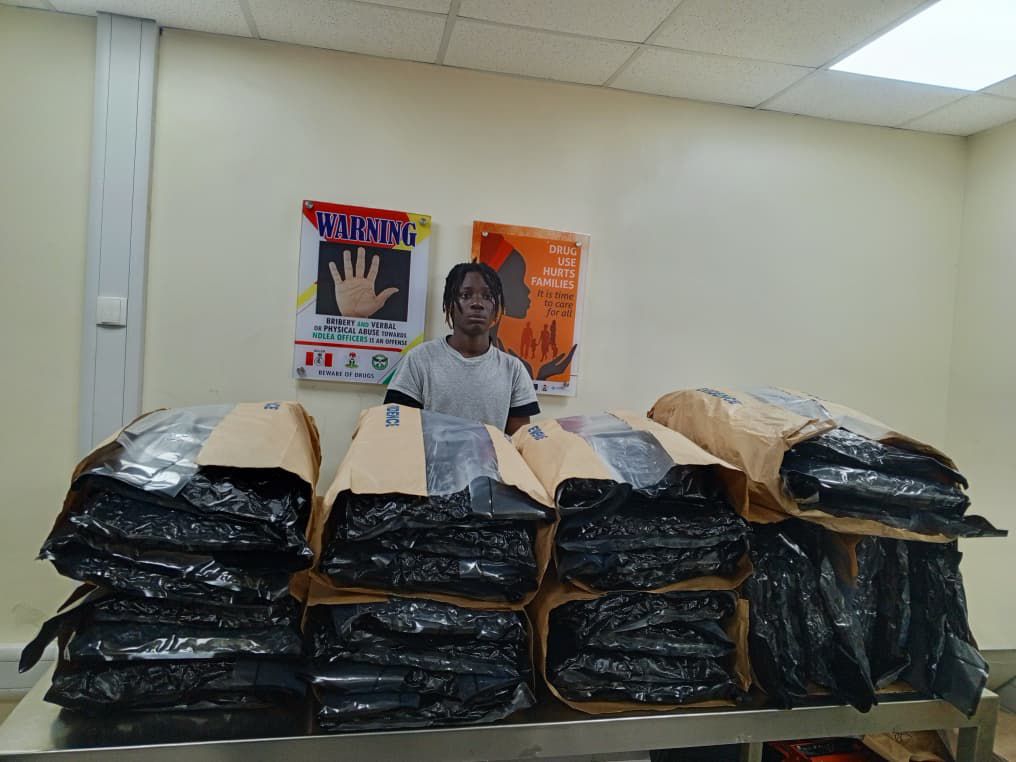
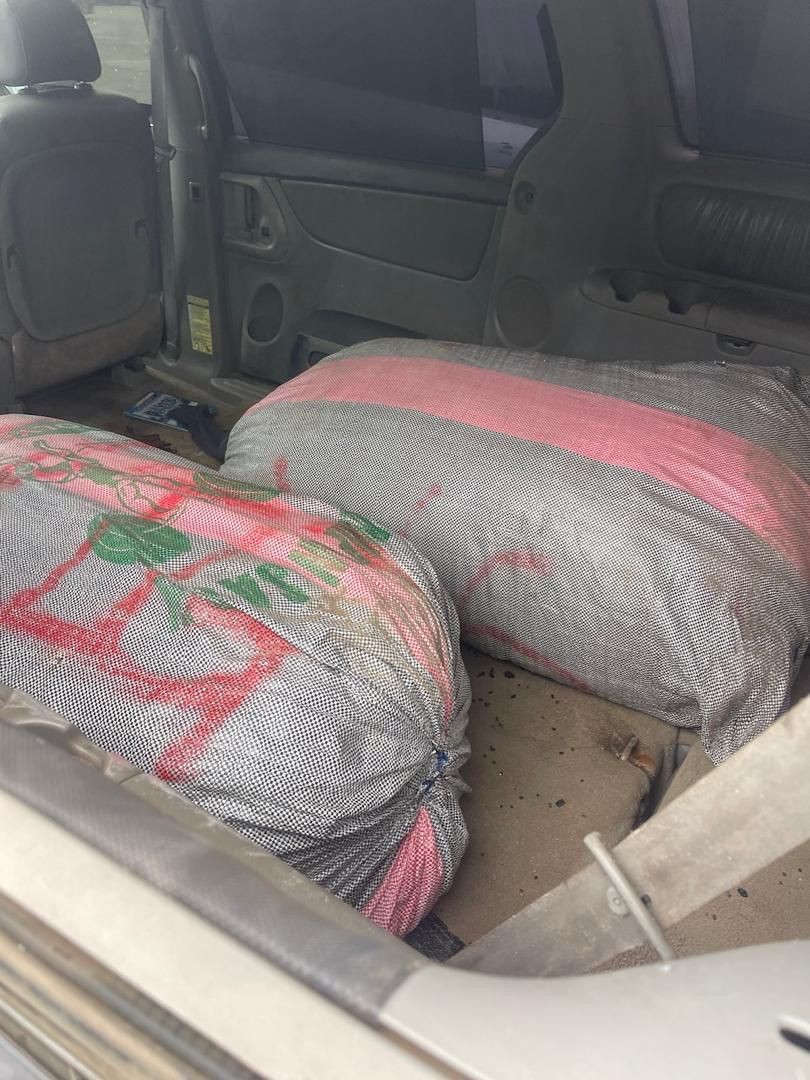
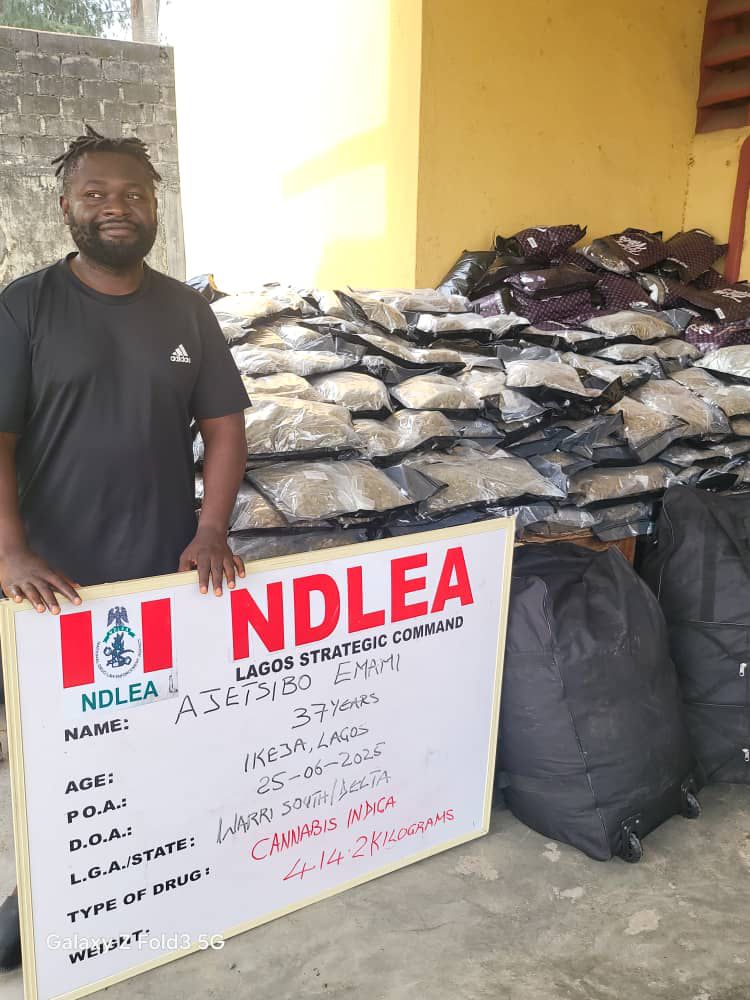
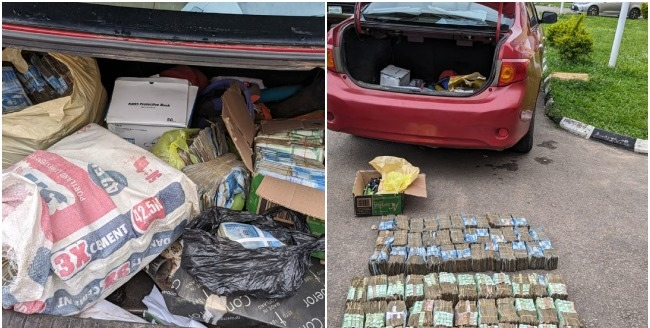
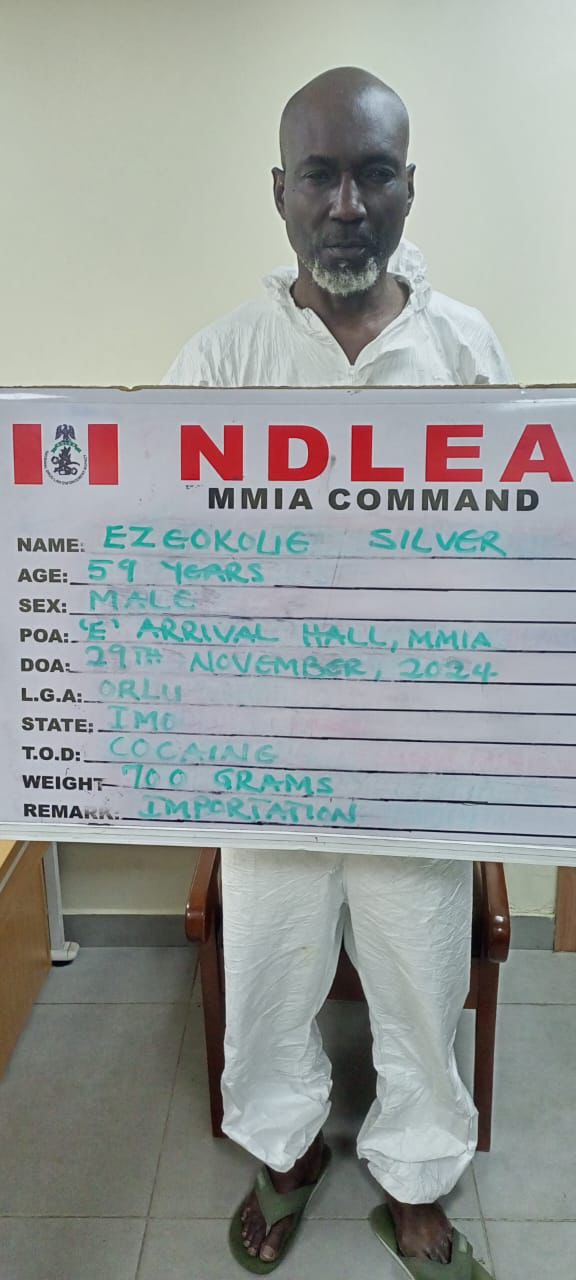
The company further disclosed that it collaborated with the Nigeria Police Force and the UK National Crime Agency to dismantle a scam centre located in Agbor in Delta State. The operation resulted in the arrest of seven suspects accused of targeting victims in the United Kingdom and the United States.
Artificial intelligence tackling impersonation scams
Meta said artificial intelligence plays a central role in detecting more complex scam tactics, particularly those involving impersonation of celebrities, public figures, or well-known brands.
The company explained that its AI systems analyse signals across text, images and account activity to identify deceptive practices such as fake fan pages, misleading biographies and fraudulent links that imitate legitimate websites.
The technology is also used to detect domain impersonation, a tactic where scammers redirect victims to websites designed to resemble trusted platforms in order to steal information.
Stronger advertiser verification
As part of its wider anti-scam strategy, Meta is expanding advertiser verification across its platforms.
The company said it aims for verified advertisers to generate 90 per cent of its advertising revenue by the end of 2026, compared with about 70 per cent currently.
According to Meta, the expanded verification will focus mainly on high-risk advertising categories, while lower-risk businesses such as small local retailers will account for the remaining share.
Global awareness campaigns
Meta noted that technology alone cannot fully eliminate online scams, stressing that public awareness remains essential in combating digital fraud.
The company said it has partnered with organisations including the United Nations Office on Drugs and Crime and the International Justice Mission to run global campaigns that help people identify and avoid online scams.
“Scammers are constantly evolving their tactics, and so are we,” the company said. “We will continue investing in technology, partnerships and education to help keep people safe across our platforms.”
Stay informed about the latest technology, security updates, and global developments by reading more trusted reports and analysis on our website. Visit LouisaOlaniyi.com.ng for more news, insights, and updates that help you stay safe and informed online.