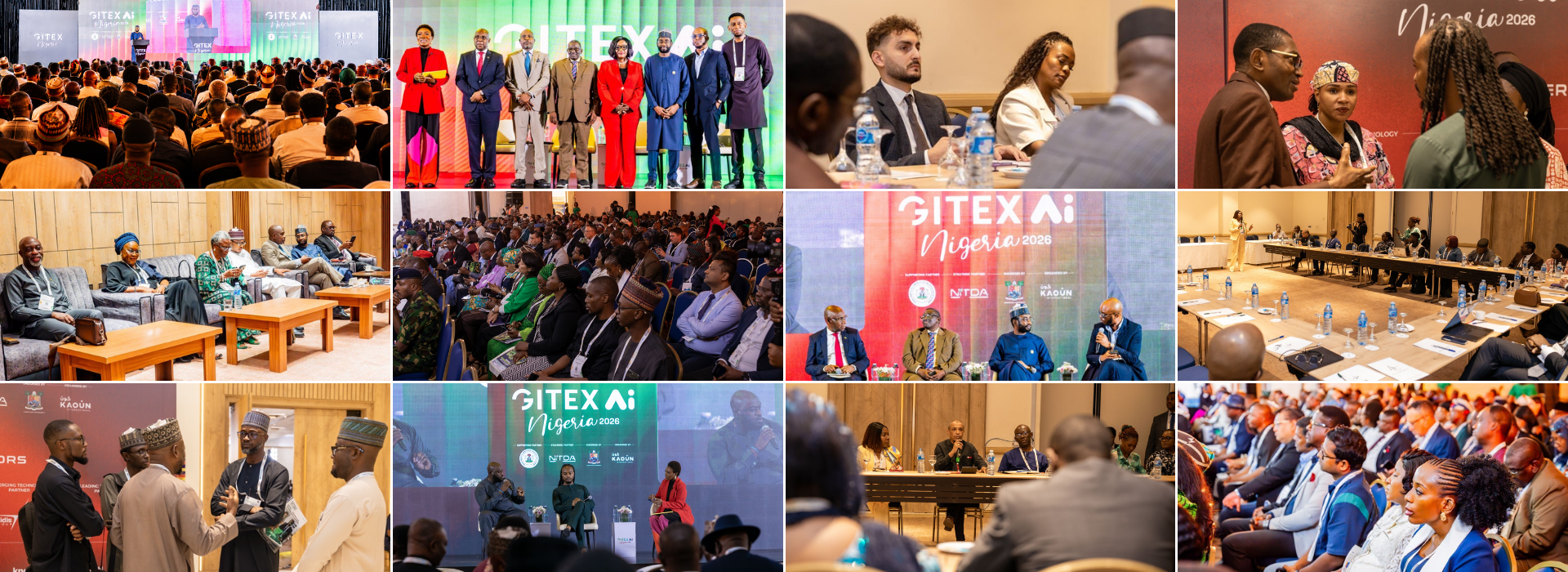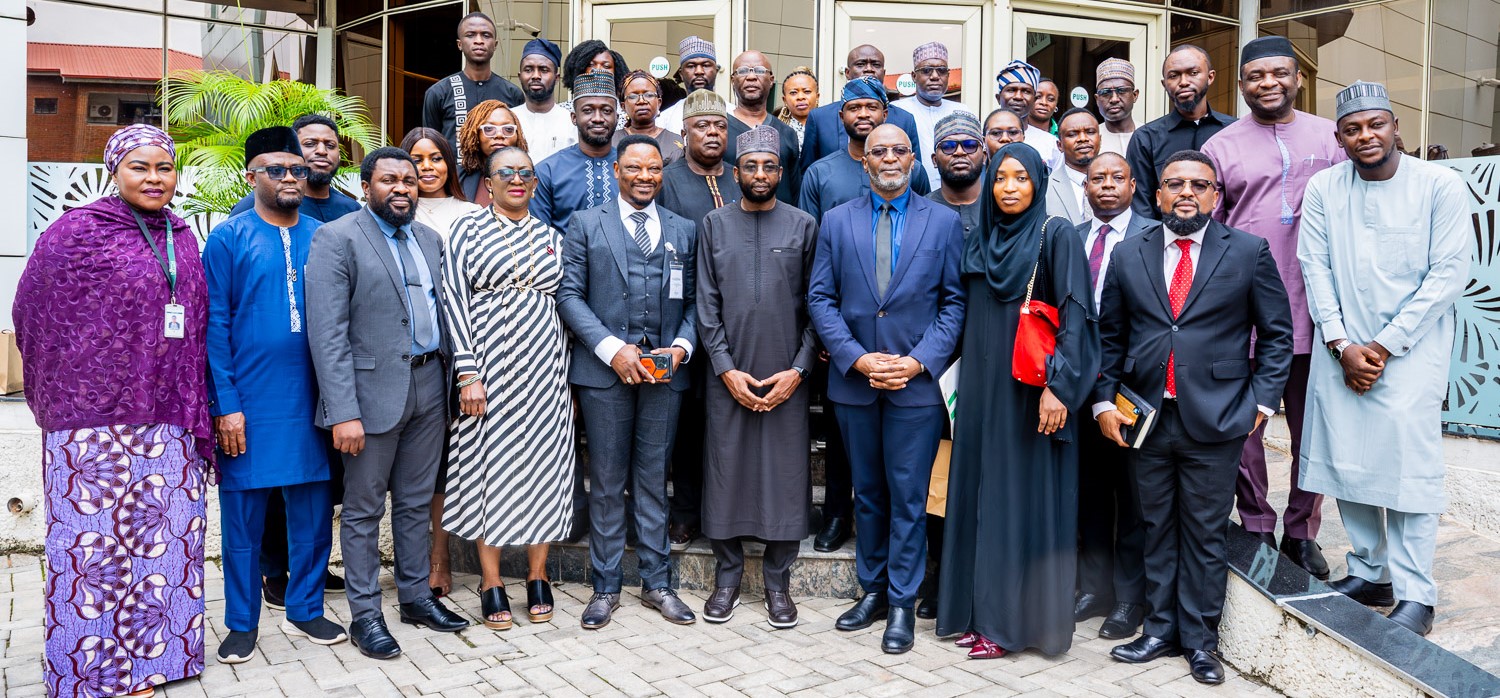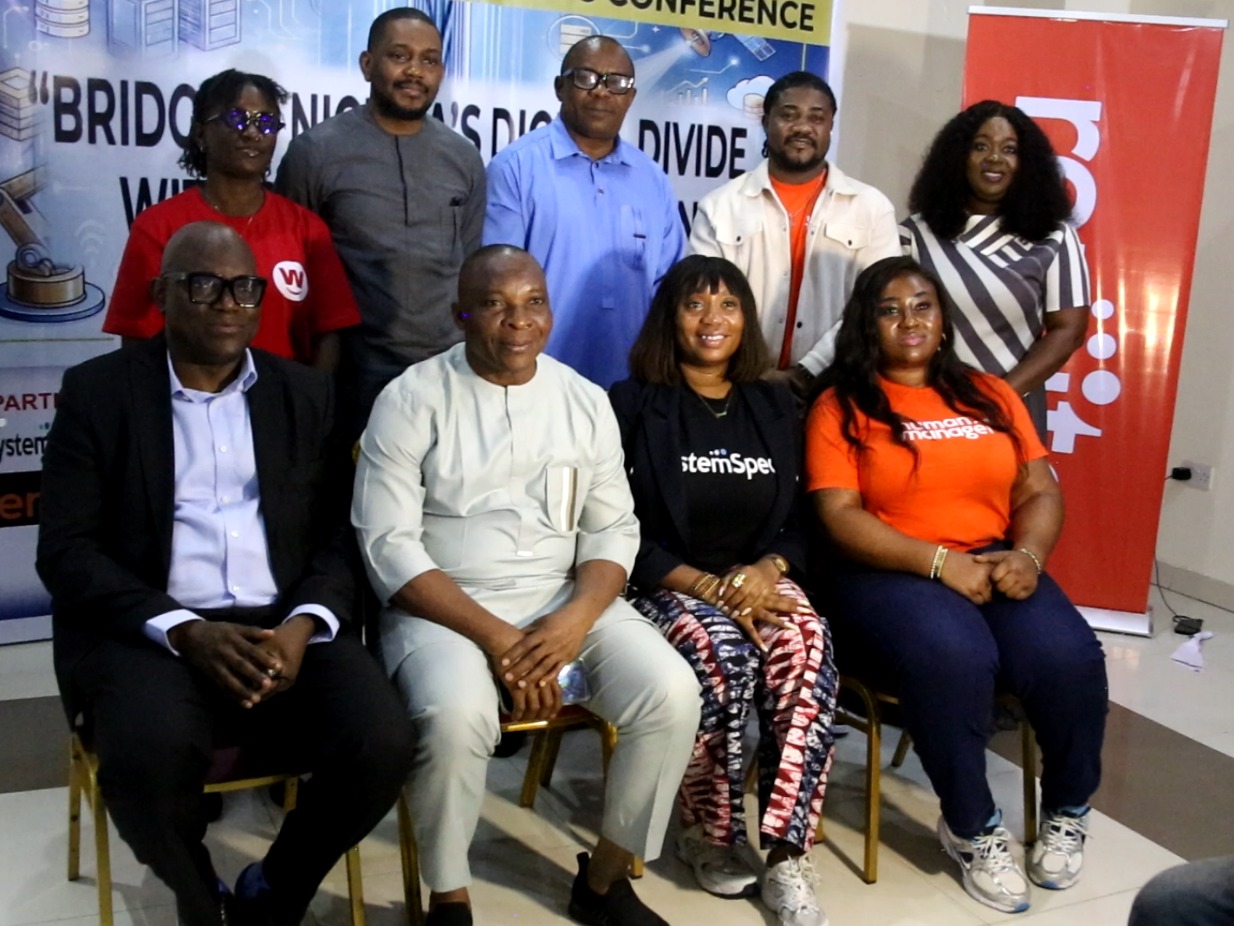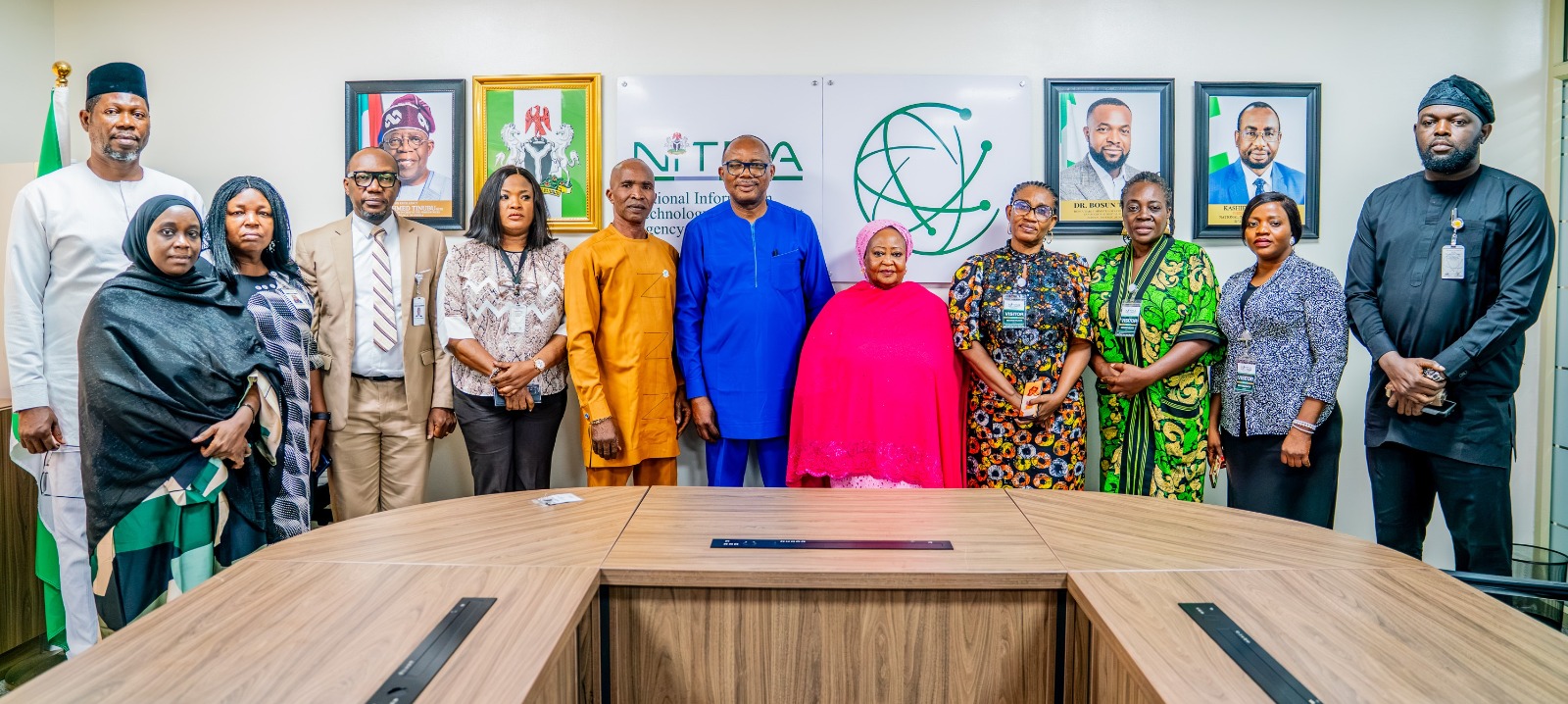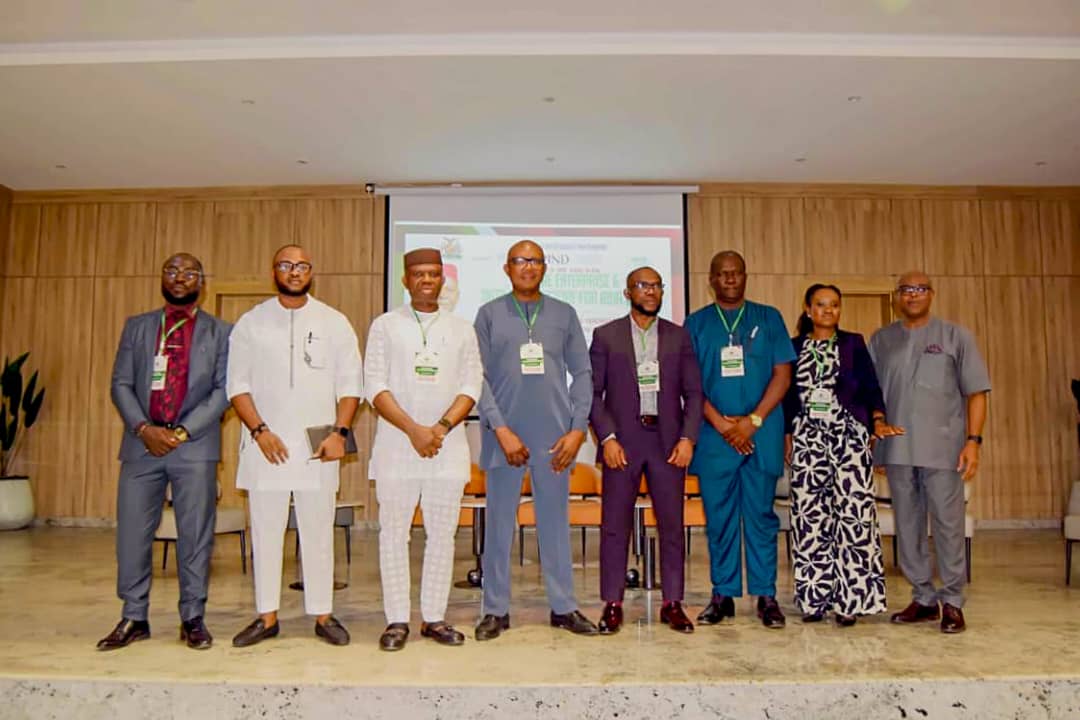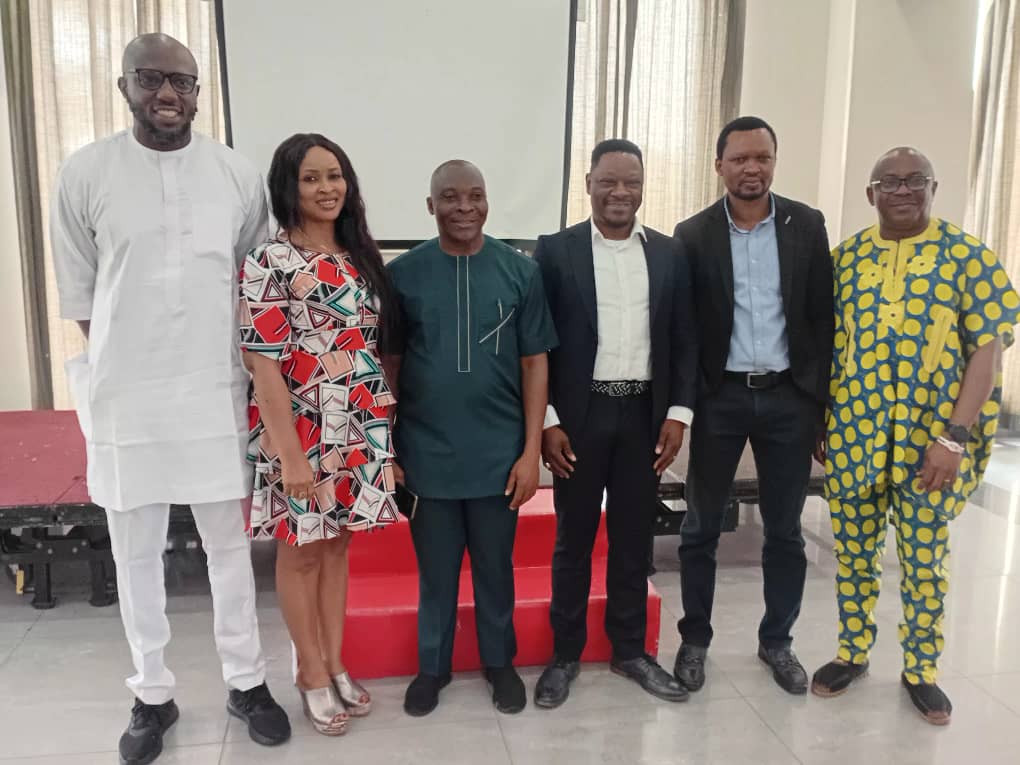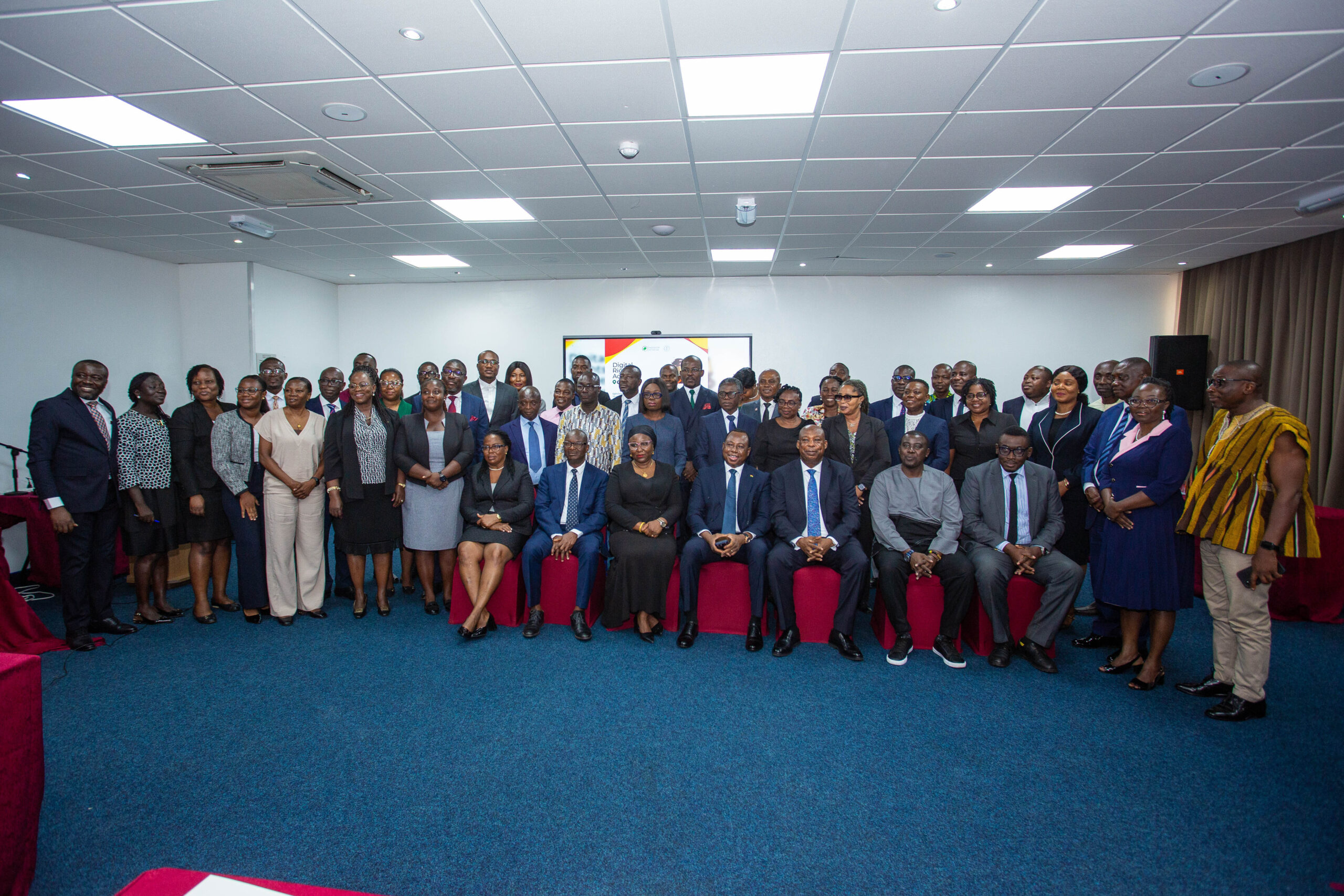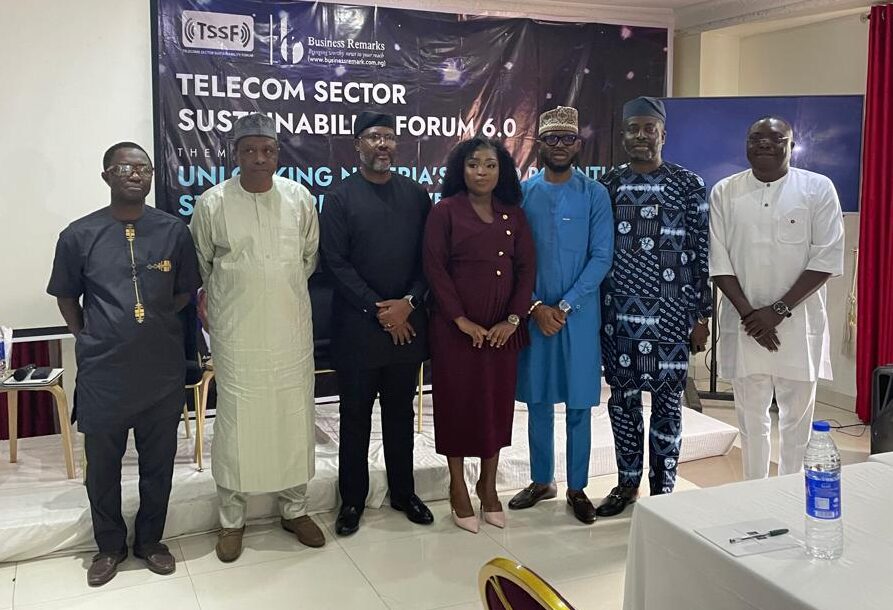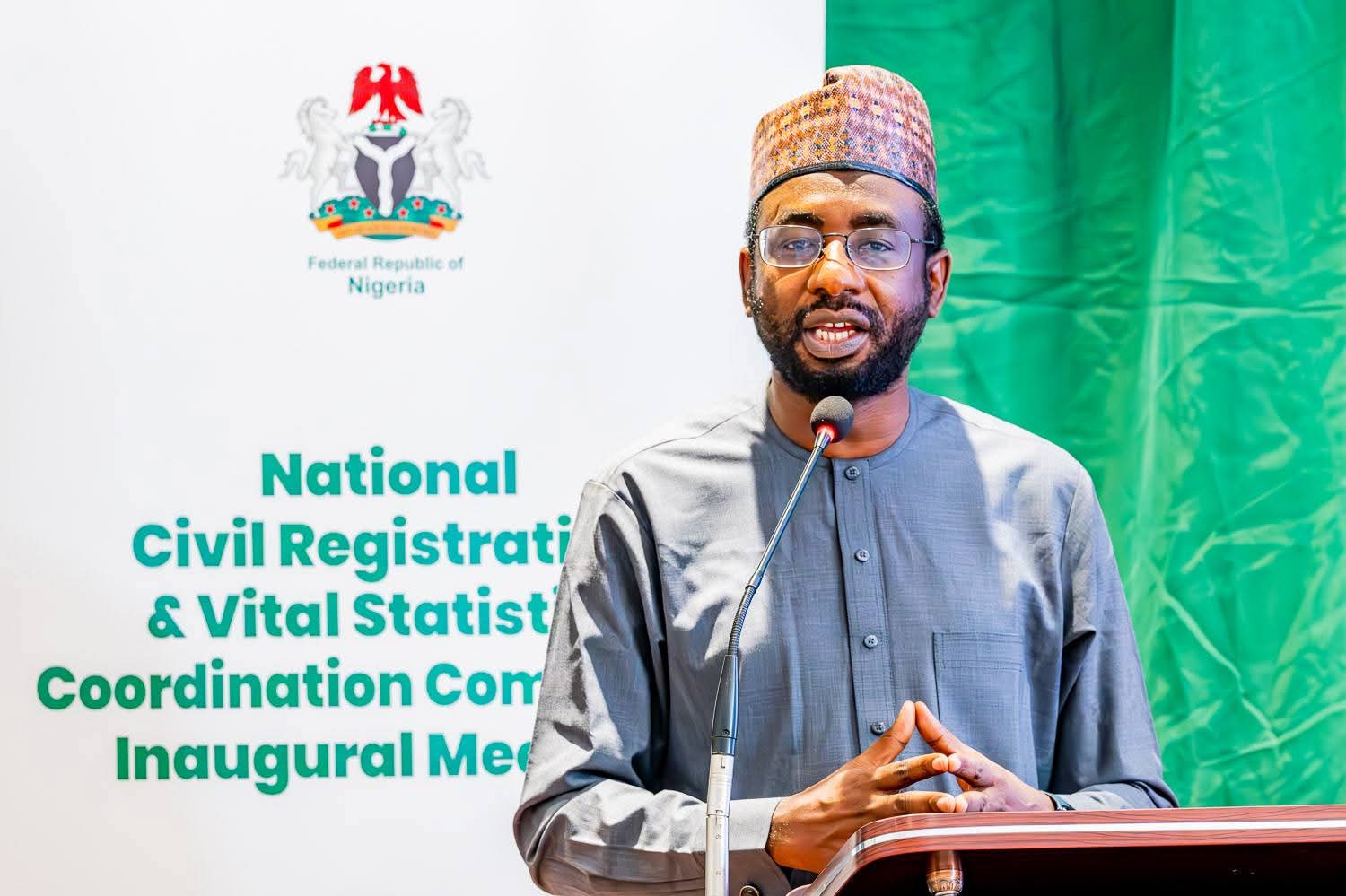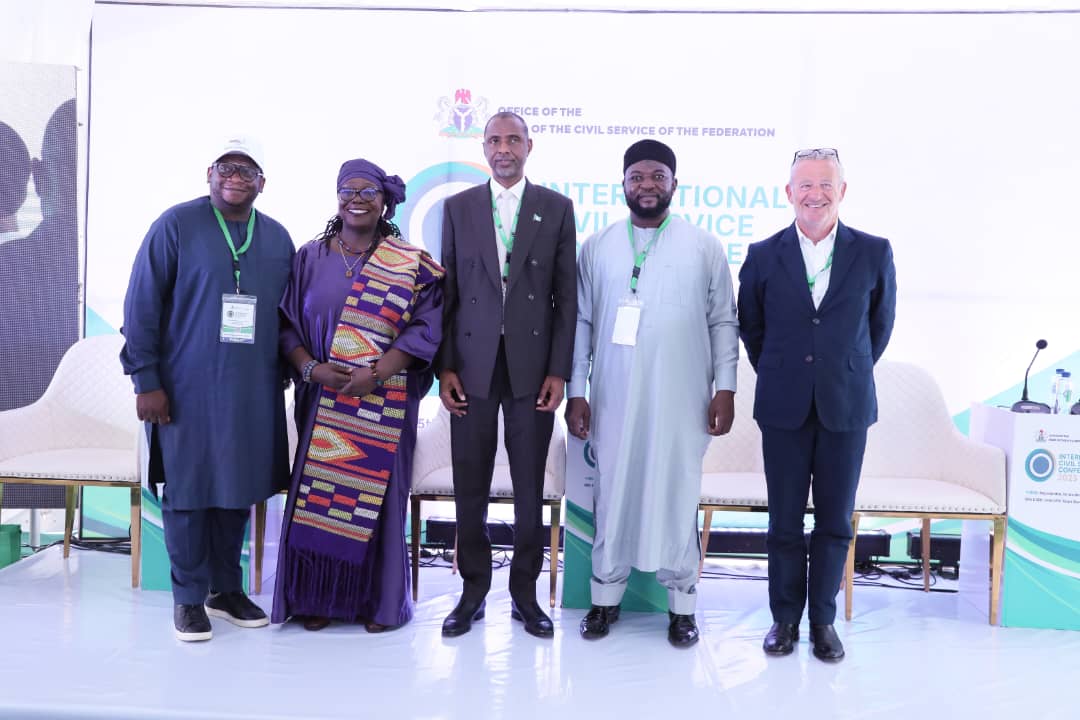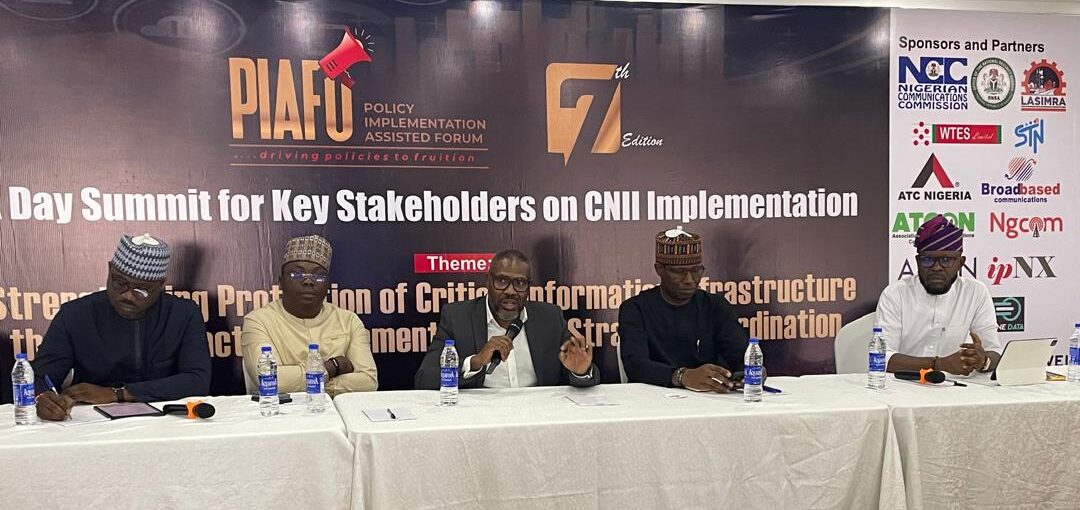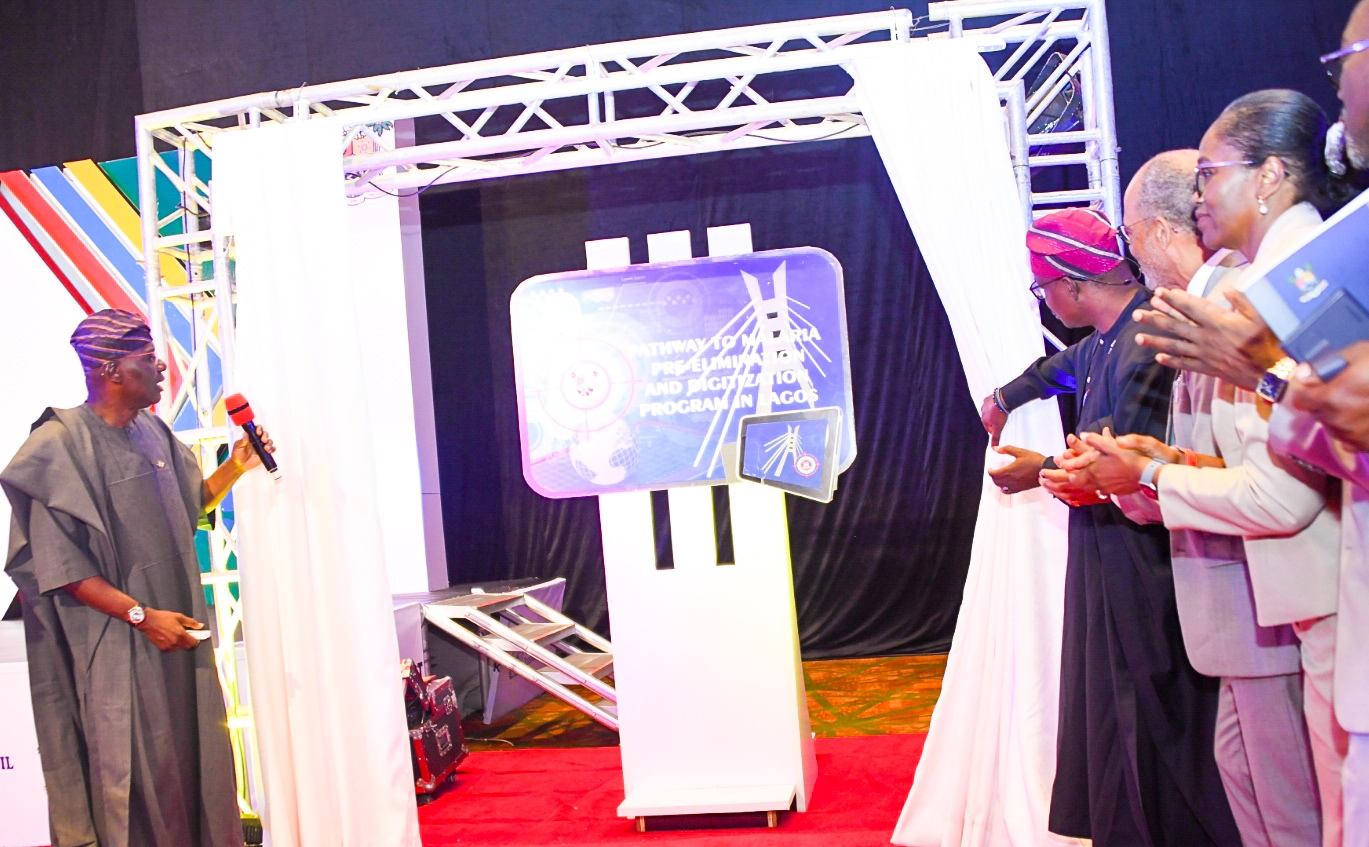
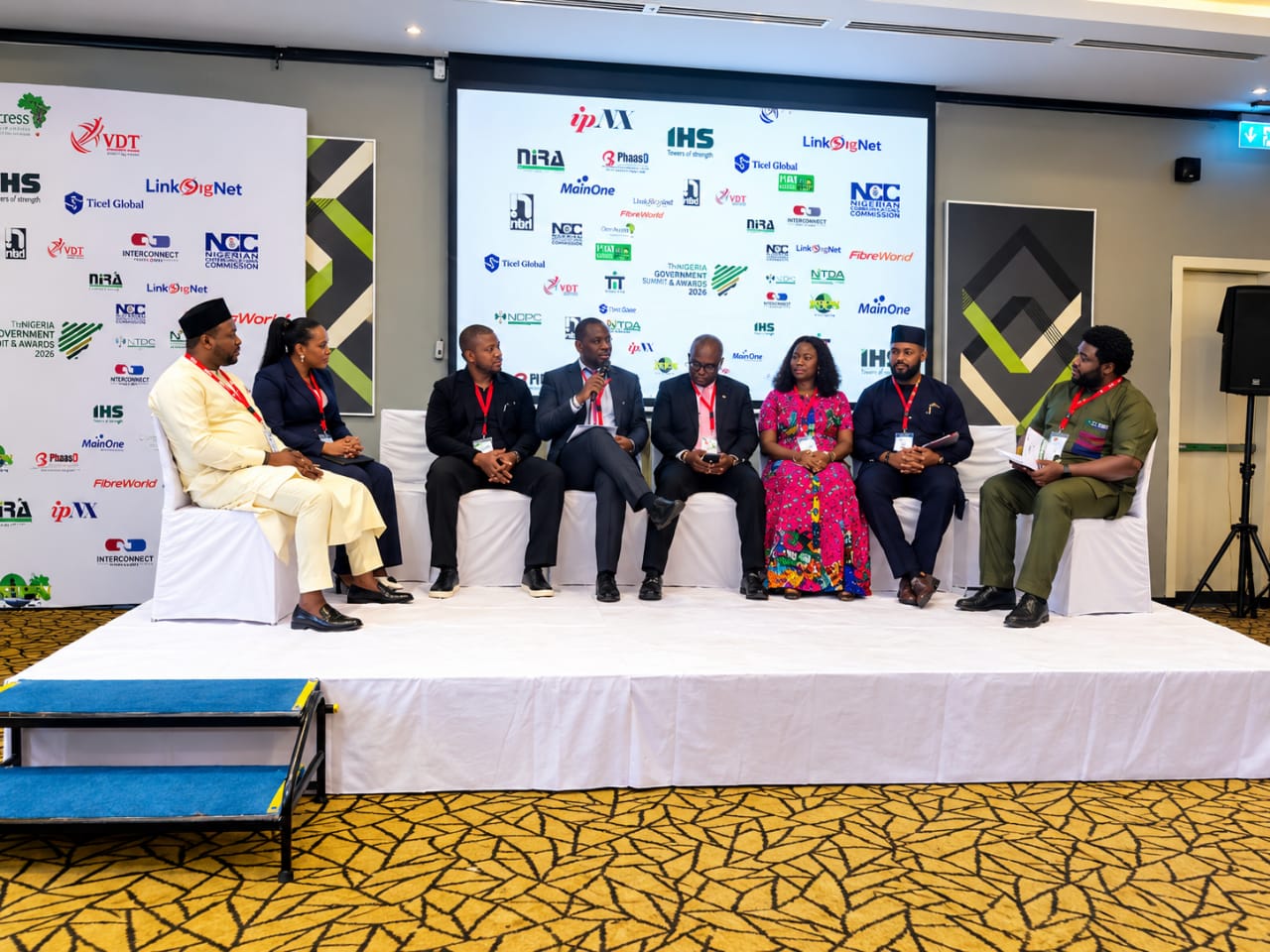
e-Government Summit and Awards provided another major platform for policy makers, regulators, technology innovators, and civil society to interrogate how technology can strengthen Nigeria’s electoral process ahead of the 2027 general elections.

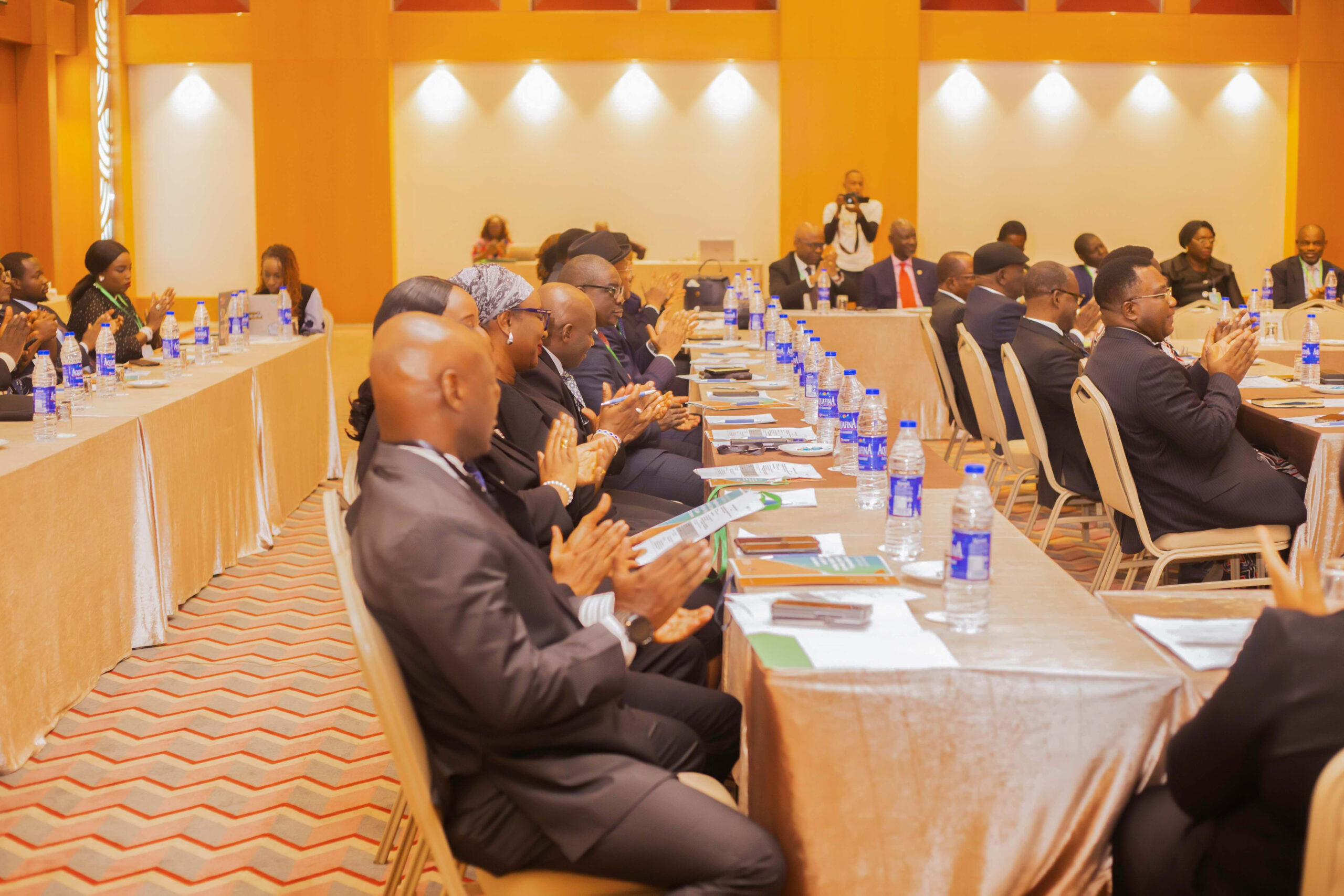
Held on Thursday, September 10, 2026 at the Radisson Blu, GRA, Lagos, the summit was themed “Mainstreaming Technologies in Nigeria Election Management” with Trust and Integrity positioned as the driving force for credible elections.
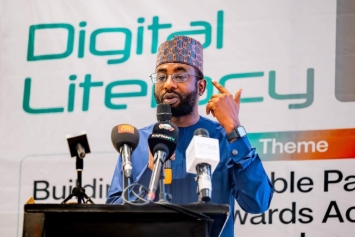
In his welcome address, the Convener and Chairman of the Nigeria e-Government Summit, Engr. Lanre Ajayi, said the summit has over the years shaped policy conversations, influenced the adoption of digital identity systems, accelerated IGR sensitization across states, championed broadband expansion, and helped build citizen confidence in digital public services.
According to him, the gathering is “not merely to discuss ideas but to forge partnerships, drive commitment and galvanize actions.”
While making his presentation on the theme, Engr. Ajayi described it as “timely, relevant and cogent” given that Nigeria is approaching an election year.
“With elections scheduled across multiple states, the nation’s political attention is sharply focused on how votes are cast, counted and protected. The question of technology in election management is not an academic one. It is a question that will determine whether Nigerians trust the outcomes of elections that shape their lives, their livelihood and their futures,” he said.
“We have seen in recent electoral samples in Nigeria and across the African continent the extraordinary power of technology in transforming elections from biometric voter registration that eliminates multiple registration.”
Other key stakeholders aligned with Engr. Ajayi’s position, reiterating that
the focus should no longer be on whether technology should be used in election management, but on how to mainstream it to achieve “an independent, trusted, comprehensive and citizens-endorsed electoral future.”
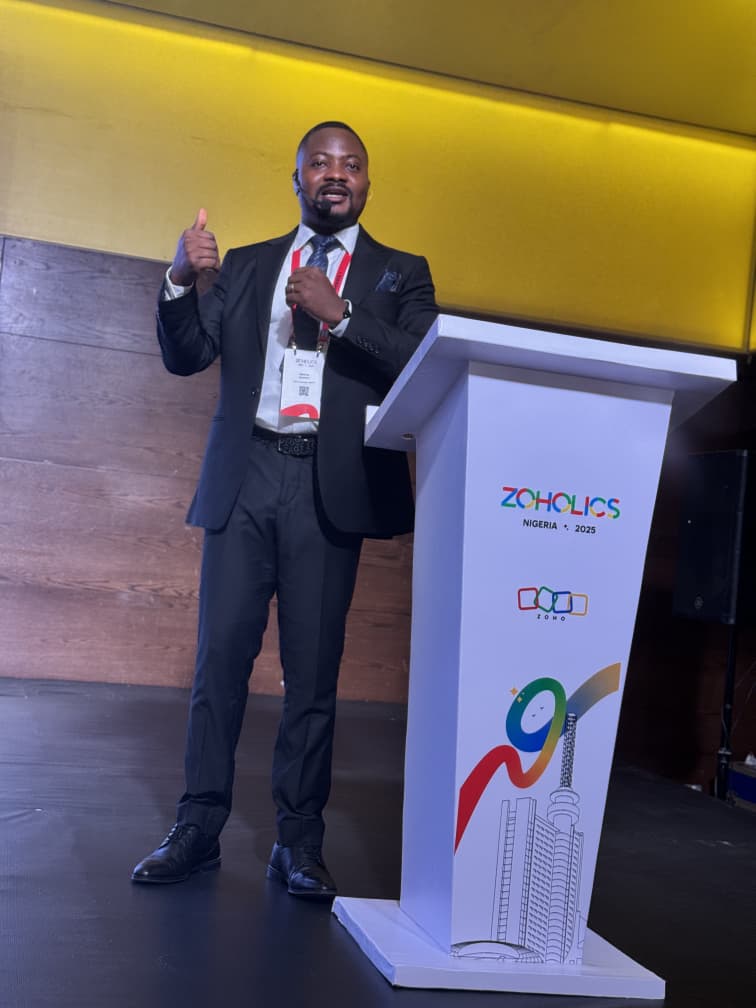
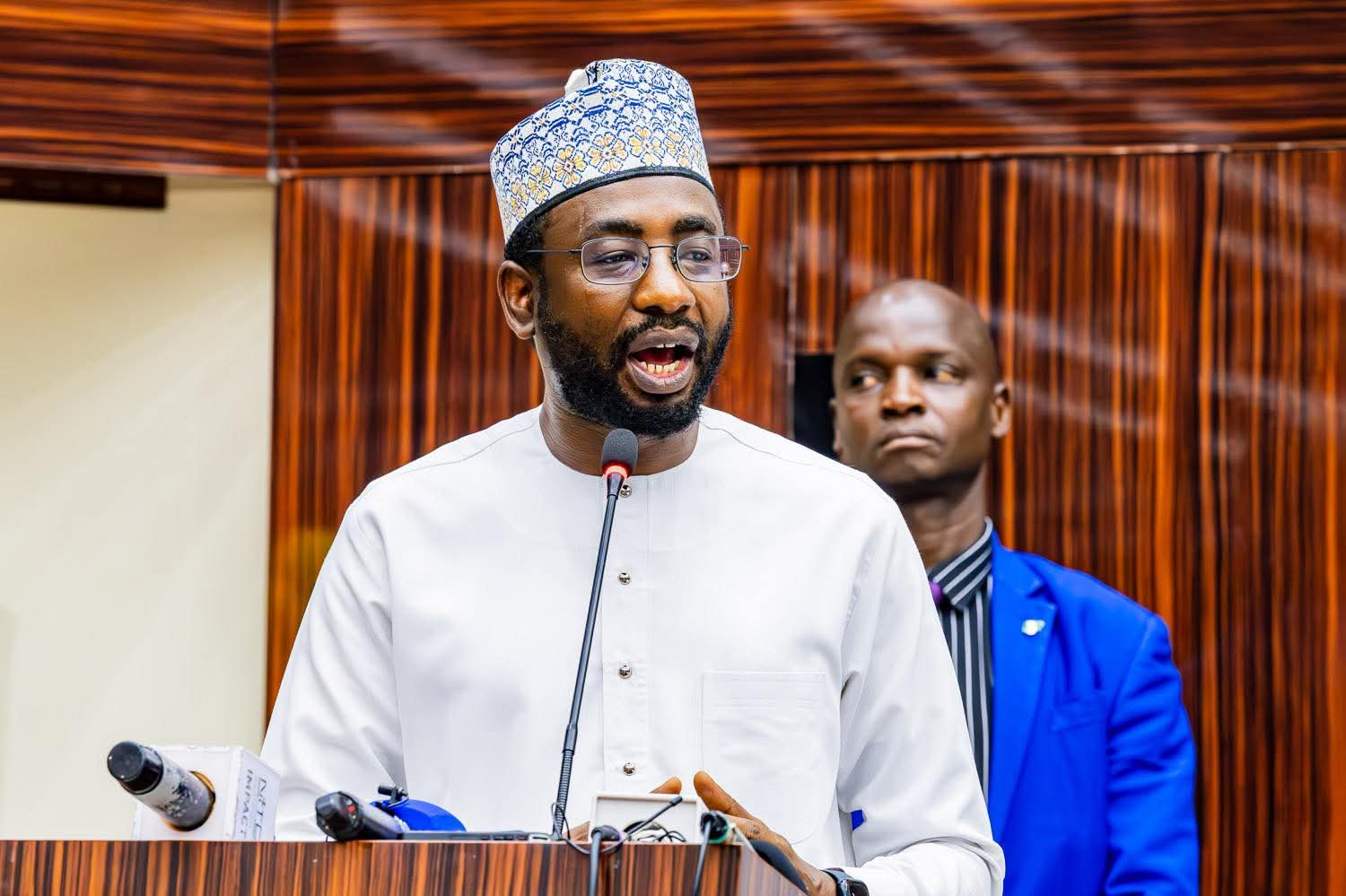
Speaking during lead paper presentation, *Dr. Ayoola* identified Blockchain and Artificial Intelligence (AI) as the two technologies with the most potential for election management.
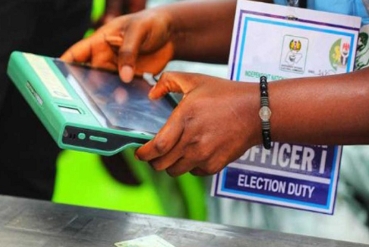
He described Blockchain as “the best technology for election management a tamper-evident ledger that anchors each result sheet at the point of capture. Any alteration can instantly be detected,” adding that it could help move Nigeria beyond BVAS towards truly verifiable electoral auditing.
Citing examples, Dr. Ayoola referenced Estonia’s KSI Blockchain, which has secured its national e-voting portal for two decades with over 400,000 Estonians voting remotely as recently as 2023. He also mentioned Sierra Leone’s use of a Blockchain shadow tally as far back as 2018, and NAFDAC’s Link platform, which has verified more than 10,000 shareholder votes annually on Blockchain since 2015.
On Nigeria’s journey, he noted the progression from Smart Card Readers in 2015 to BVAS and the INEC Result Viewing Portal (IReV) from 2019 to 2023.
“The underlying question has remained the same: can citizens trust the count?” he asked.
“We are not starting from zero. The IReV portal had carried over 100 elections and by-elections before 2023, with more than 16 million voters already using it. What failed in 2023 was the real-time transmission of results at a volume of over half a million result sheets, greater than anything the portal had previously handled.”
He attributed the 2023 challenges primarily to transmission and logistics failures at unprecedented volume, worsened by lost or damaged devices and connectivity gaps in parts of the country.
Dr. Ayoola, however, cautioned that Blockchain and AI have limitations.
“They require a trusted digital identity foundation. AI is capable of imagining its own reality and communicating it as fact. This is a major potential problem when bringing AI into an electoral process. It is not, however, an insurmountable problem.” He stated
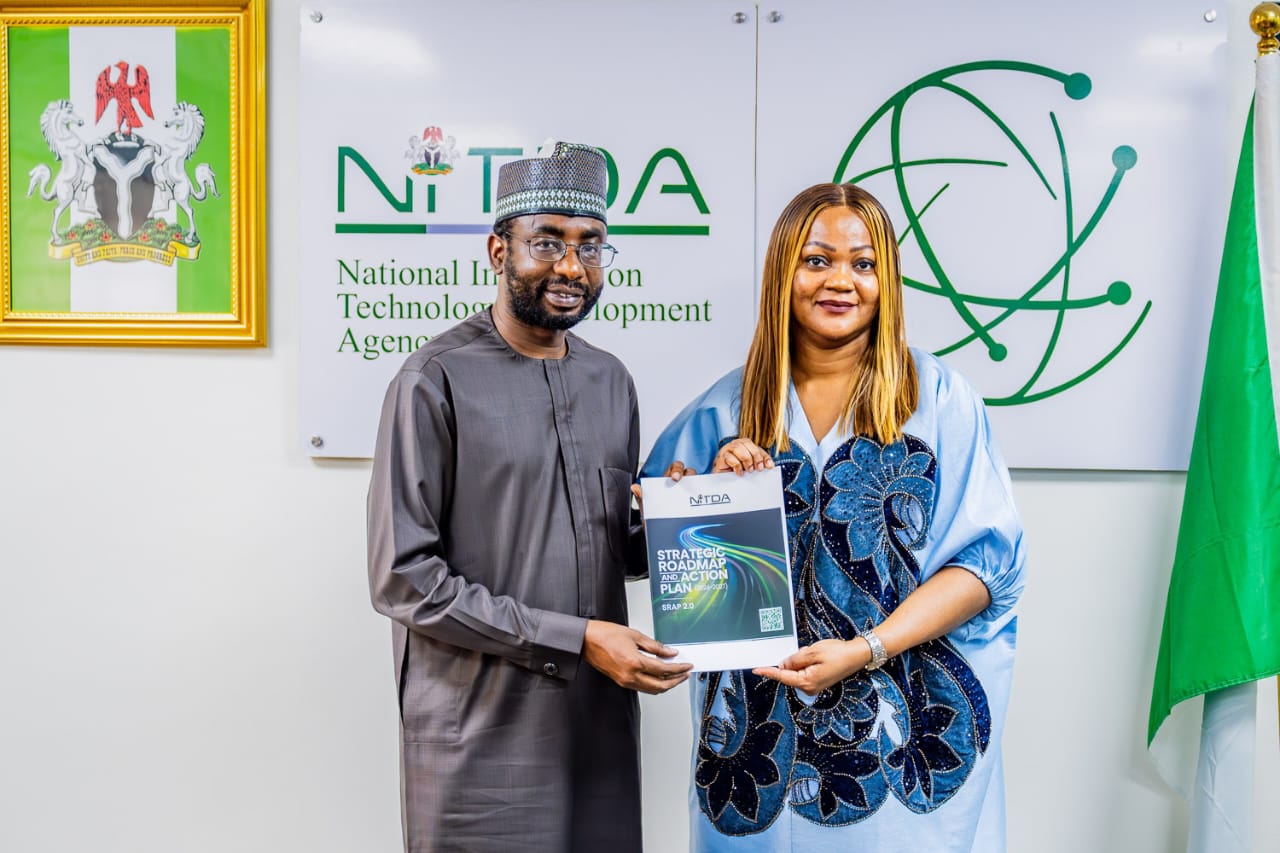
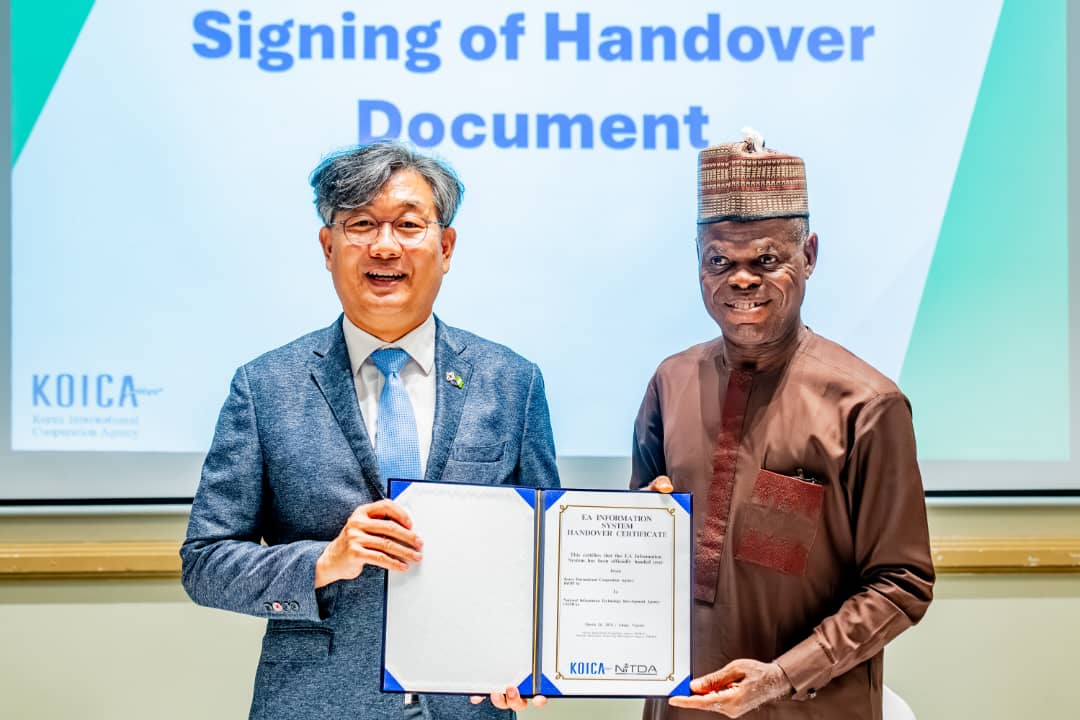
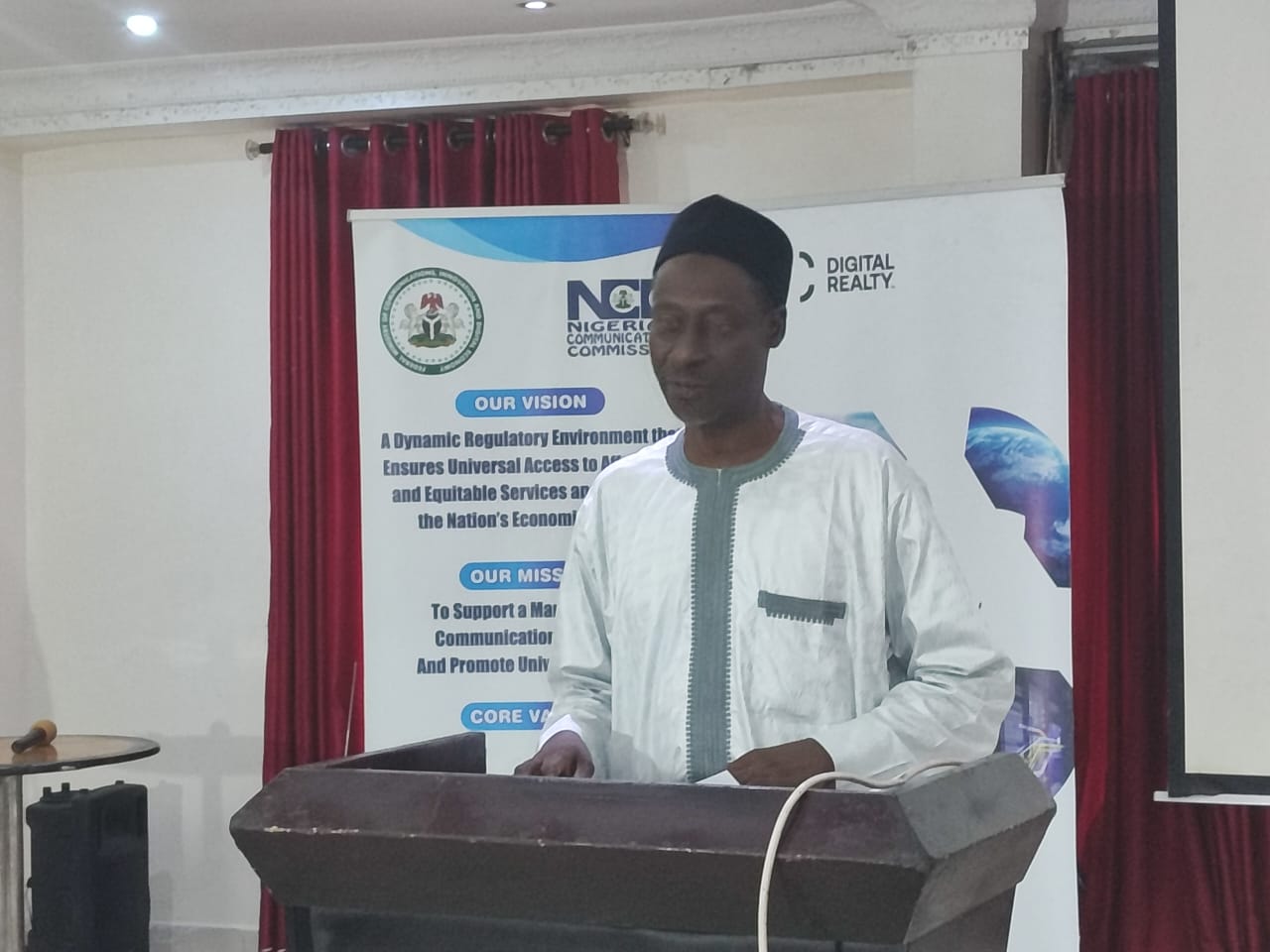
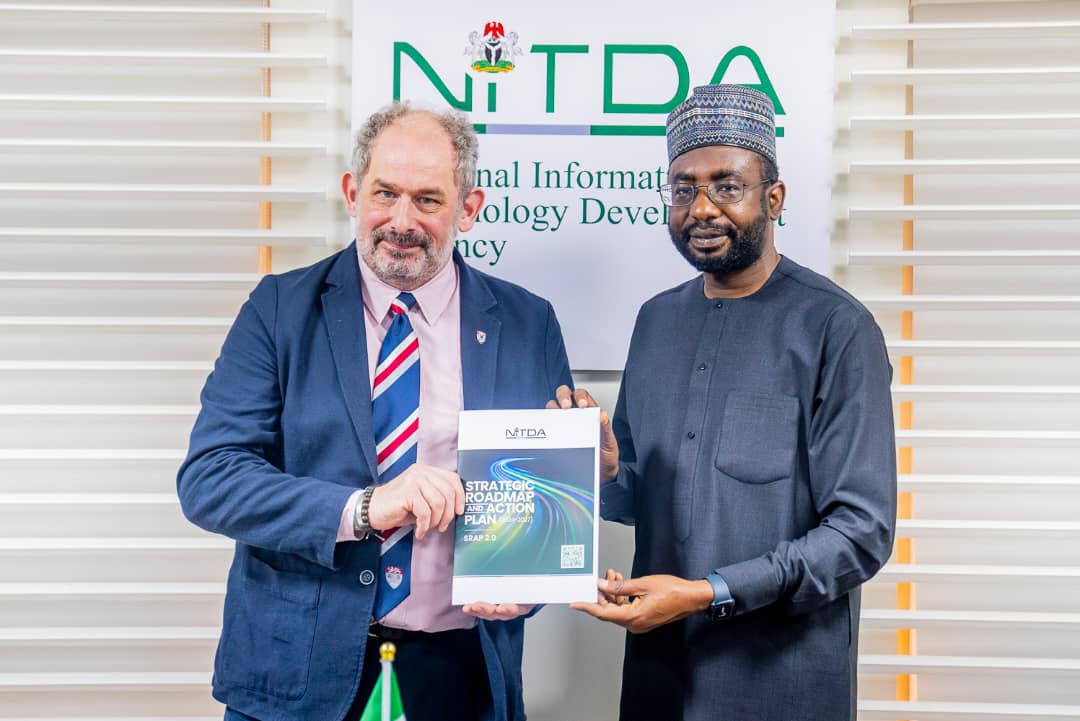
The keynote speakers, Dr. Vincent Olatunji and the representative of Kashifu Inuwa Abdullahi, Director General/CEO of the National Information Technology Development Agency (NITDA), corroborated Dr. Ayoola’s position.
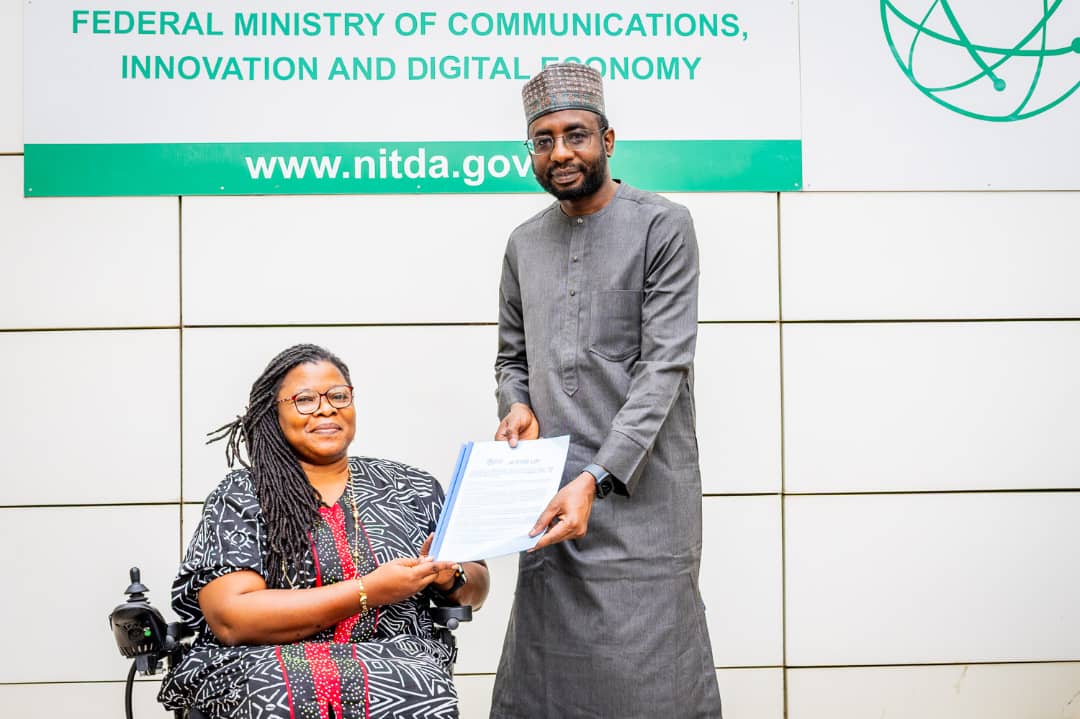
The NITDA representative stressed the importance of using the electoral process to select leaders and called on tech players to fully support initiatives that strengthen INEC, including sensitizing citizens on how to use technology to determine the future.
The representative of the Cross River State Governor Dodeye Ikpi Arikpo Commissioner for Special Duties and Intergovernmental Relations said the issue is not technology itself, but ensuring it makes the process “legal, more effective and acceptable as evidence.”
“Trust must be built in technology because if the people don’t have trust in technology, they can see it as a way of trying to subvert. In Cross River, clearance is collected from the Ministry of Science and Technology to ensure all state digital infrastructure are in place. Government goes beyond technology,, we should also look at the issue of operations.”
The Enugu State representative disclosed that all cameras in the state are AI-enabled, making it easier to clamp down on ballot box hijackers. Representative of Edo and Chinwe Okoli, Special Advisor to the Anambra State Governor on Innovation and Business Incubation agreed that “without trust, even the most sophisticated technology will fail.”
Okoli explained further that when “security is being embedded with electronic device, it can ensure security monitoring. The efforts is to discover how tech can solve some of the challenges multi facing verification
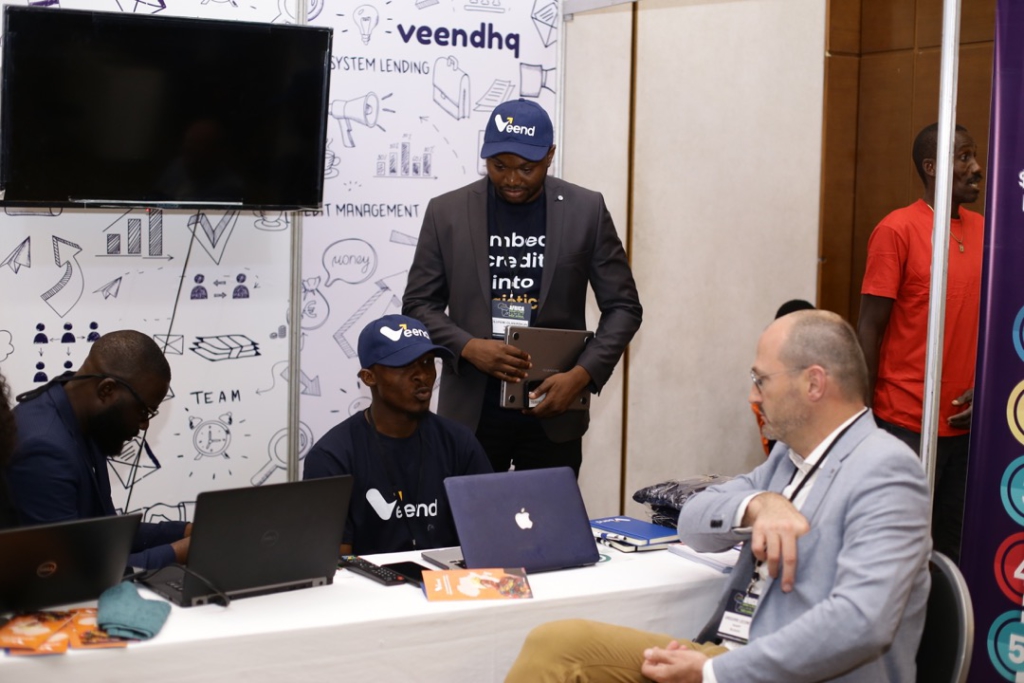
The summit also featured an exhibition by tech companies including Smart Invite and ntel.
According to Temi, a representative of ntel, the company now offers two digital products: _Waka Go_ and n Fibre . Waka Go is a travel e-SIM with pay-as-you-go and package options, available for as low as ₦13,000 for one year.
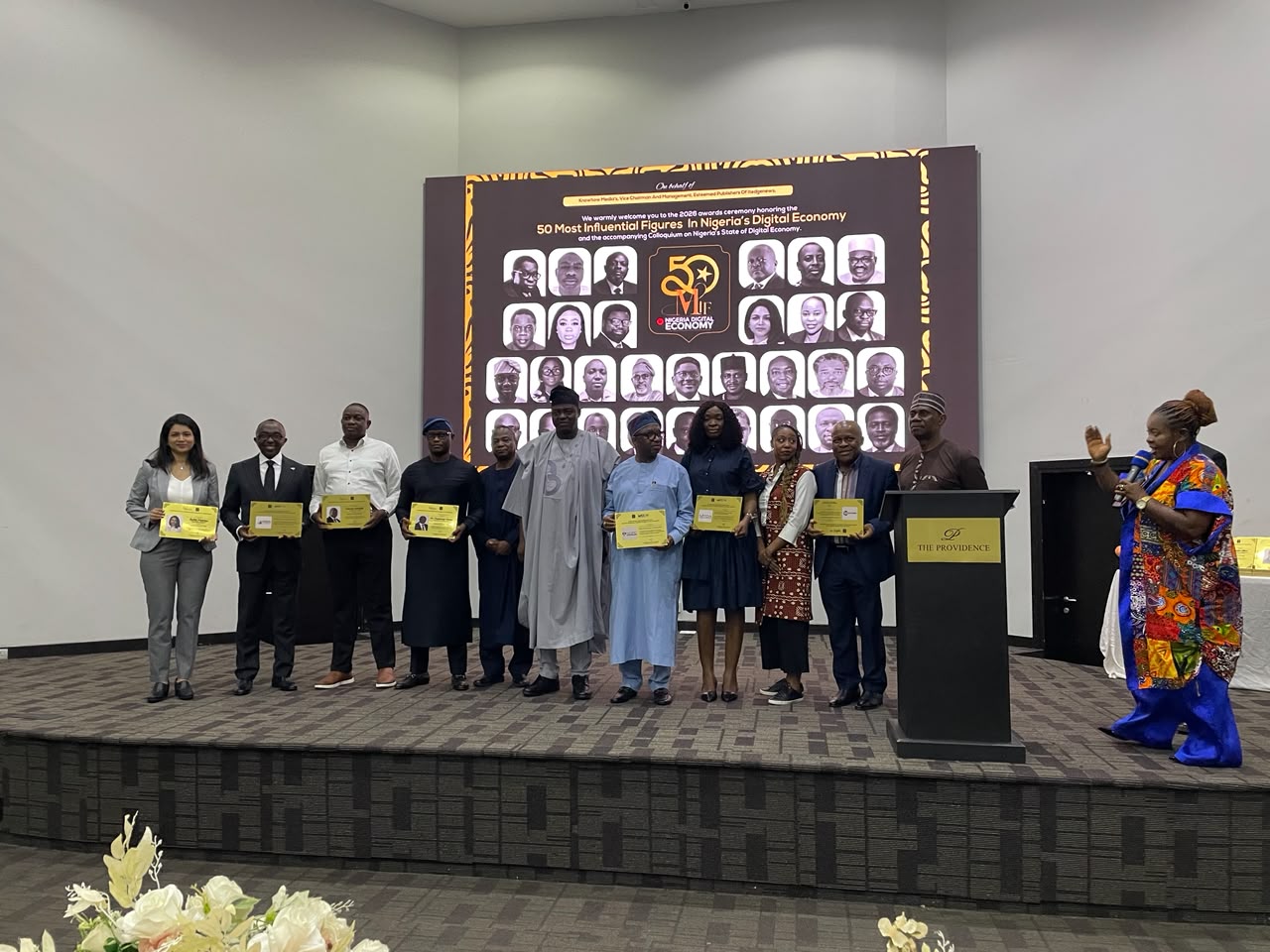
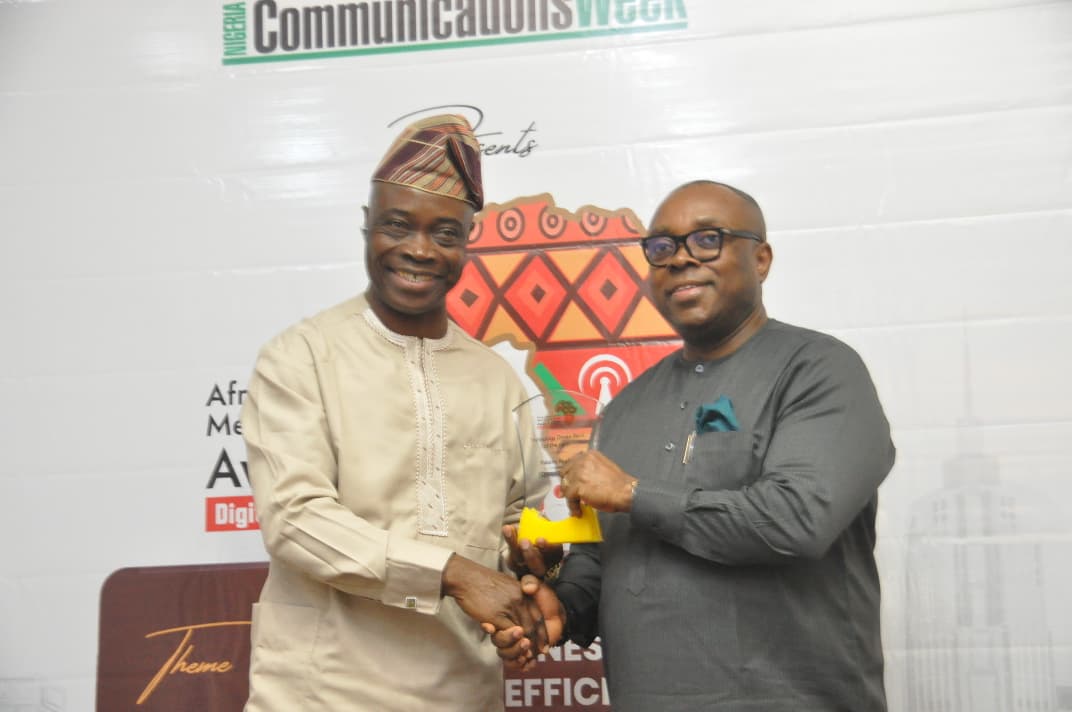
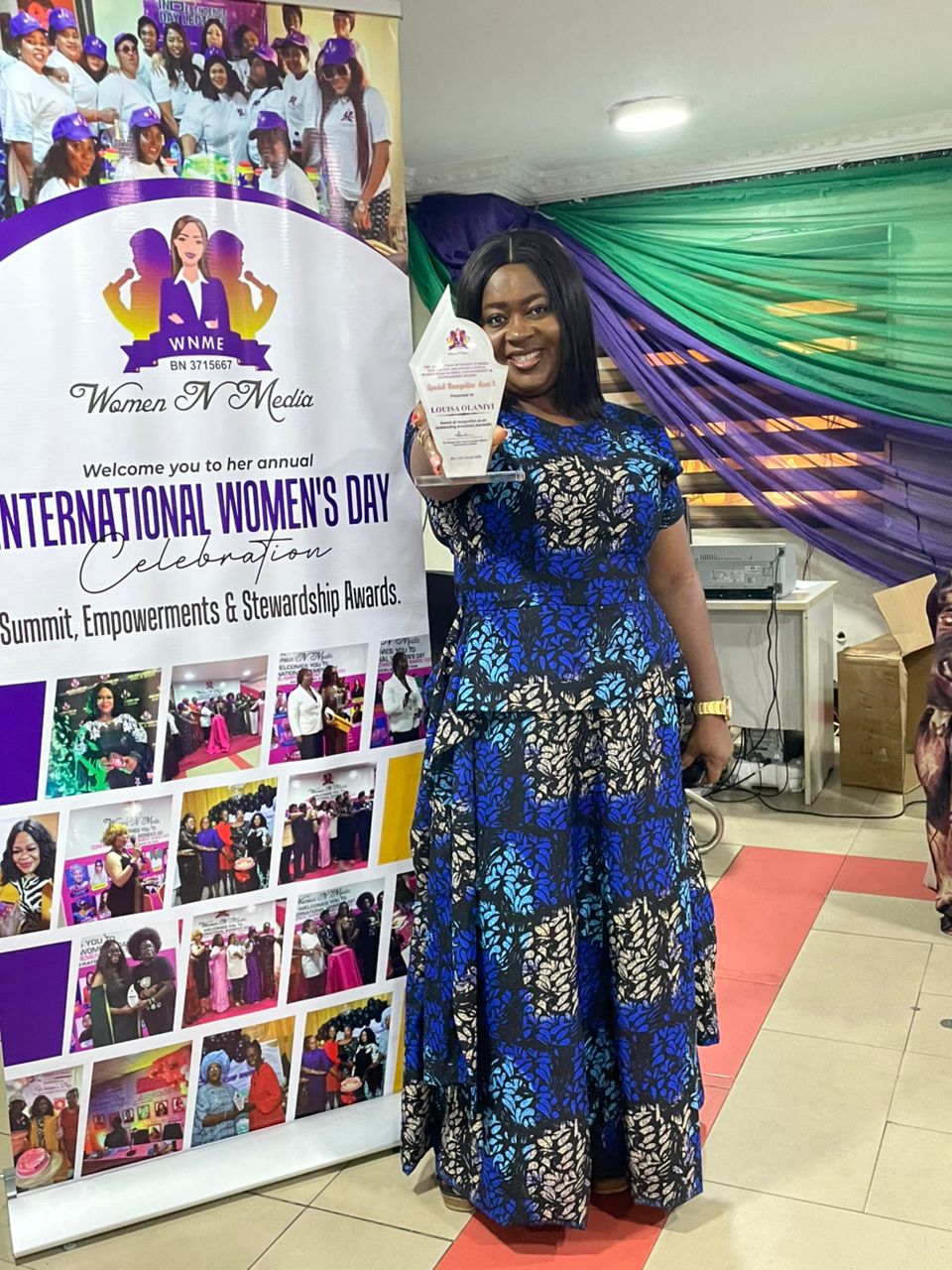
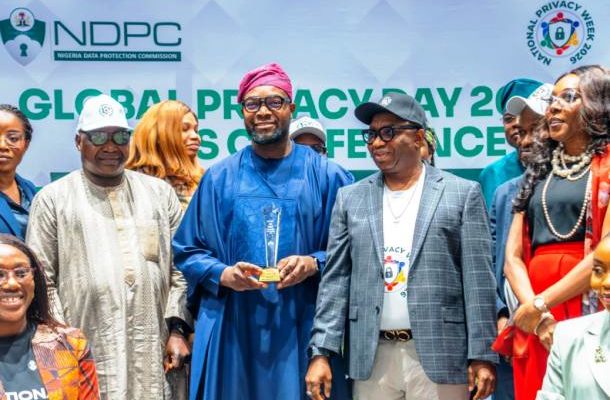
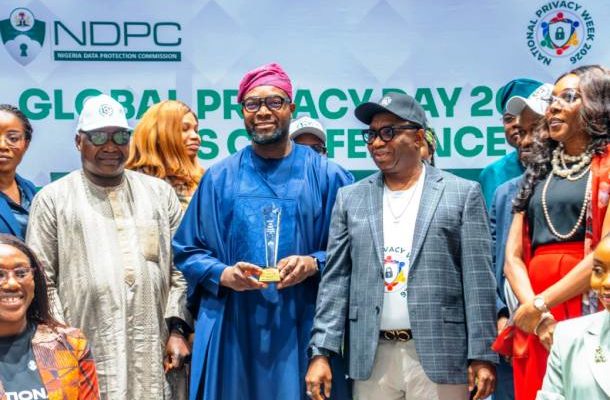
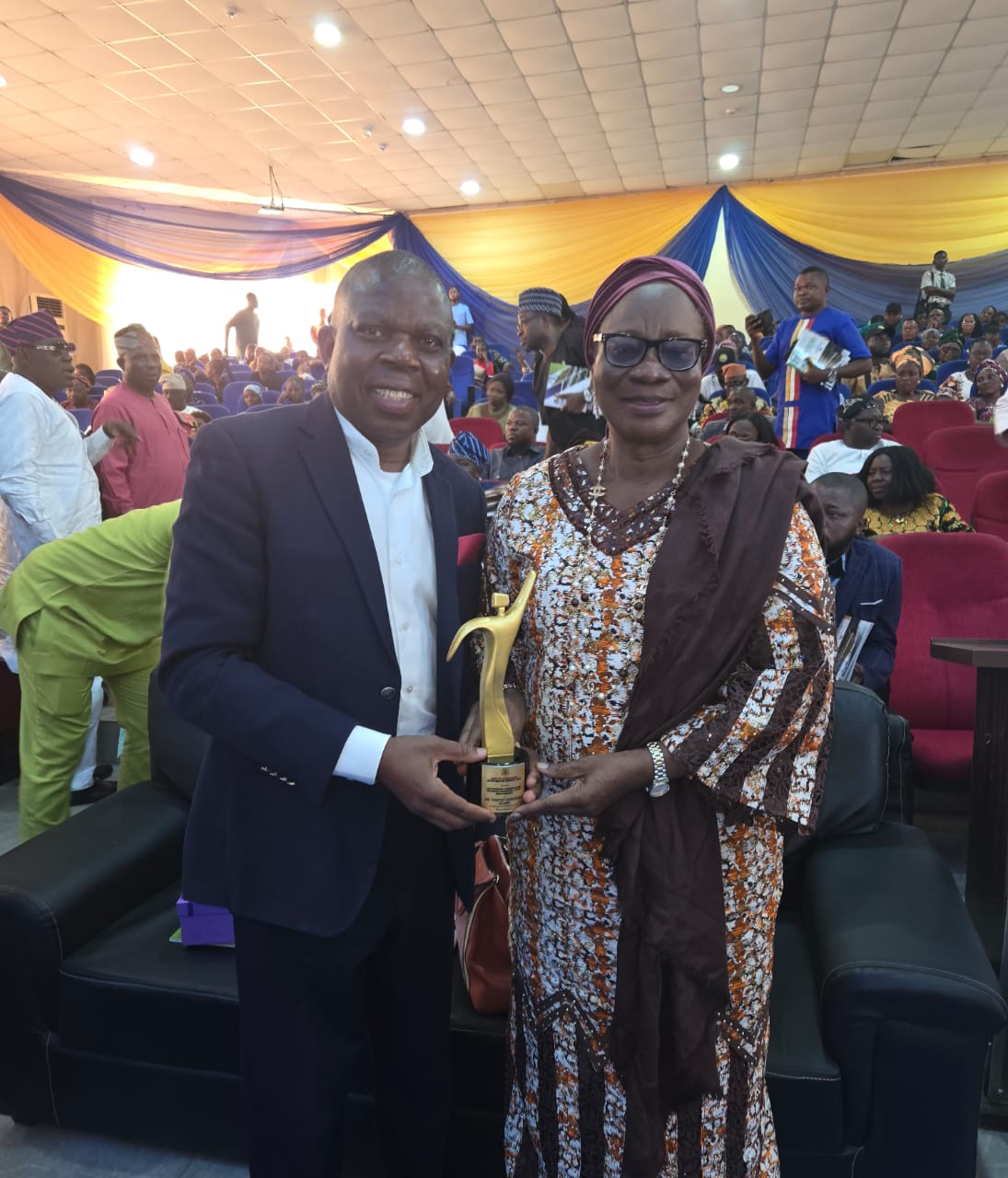
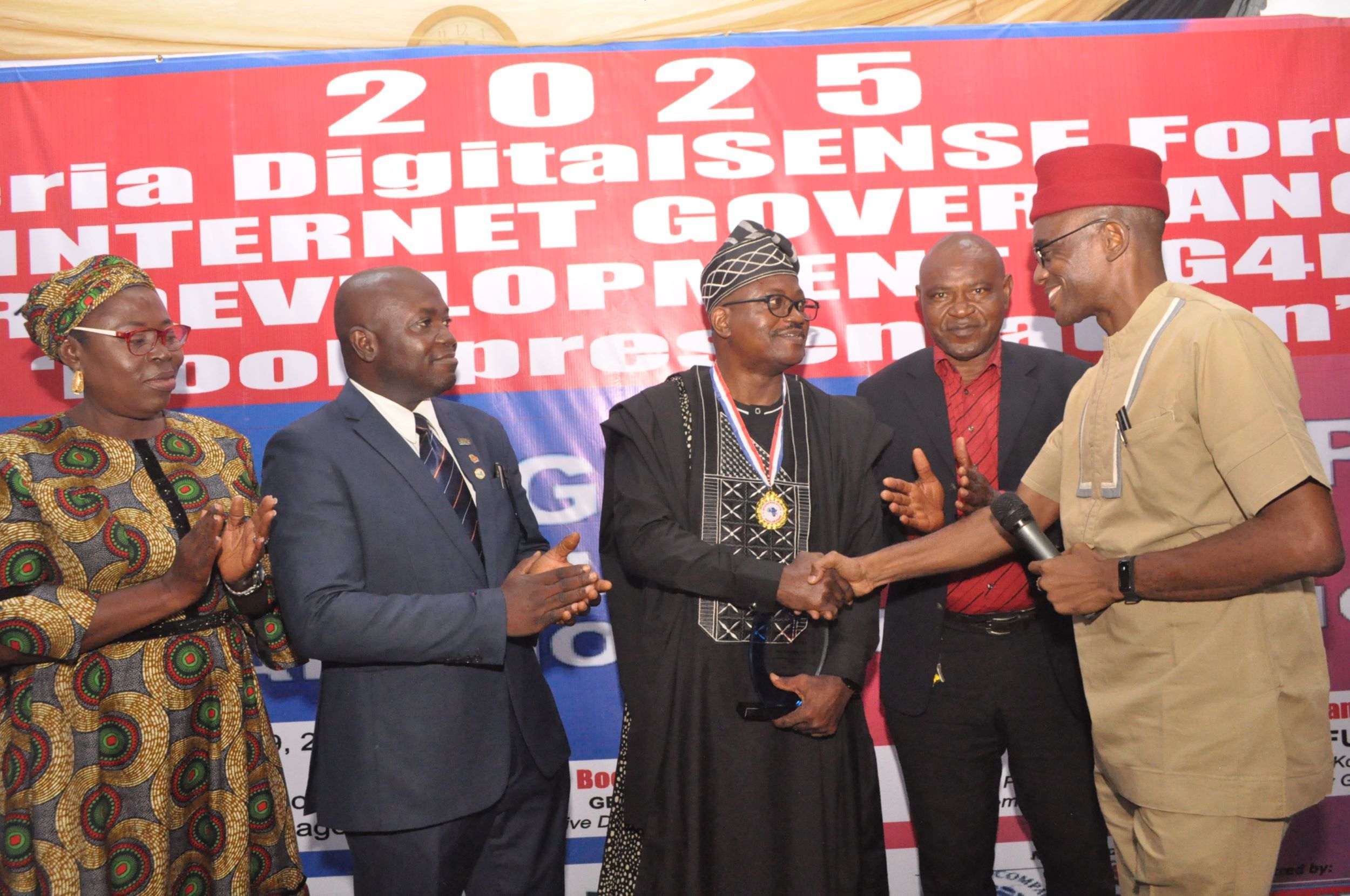
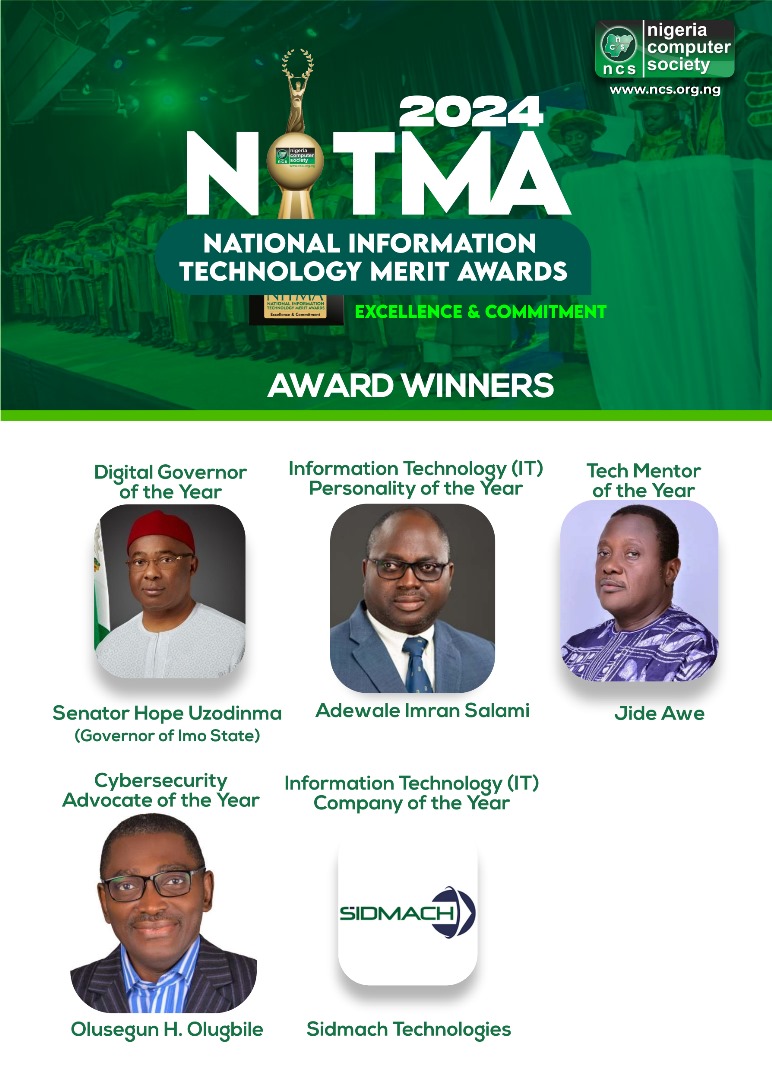
The highlight of the event was the Awards Ceremony, which recognized notable dignitaries who have contributed immensely to the growth of Nigeria’s technology sector since its evolution.
As Nigeria counts down to the next round of elections, stakeholders at the summit agreed that mainstreaming technology backed by infrastructure, policy, and public trust will be critical to delivering credible and transparent elections.