
- June 20, 2026
- Admin User
- 0
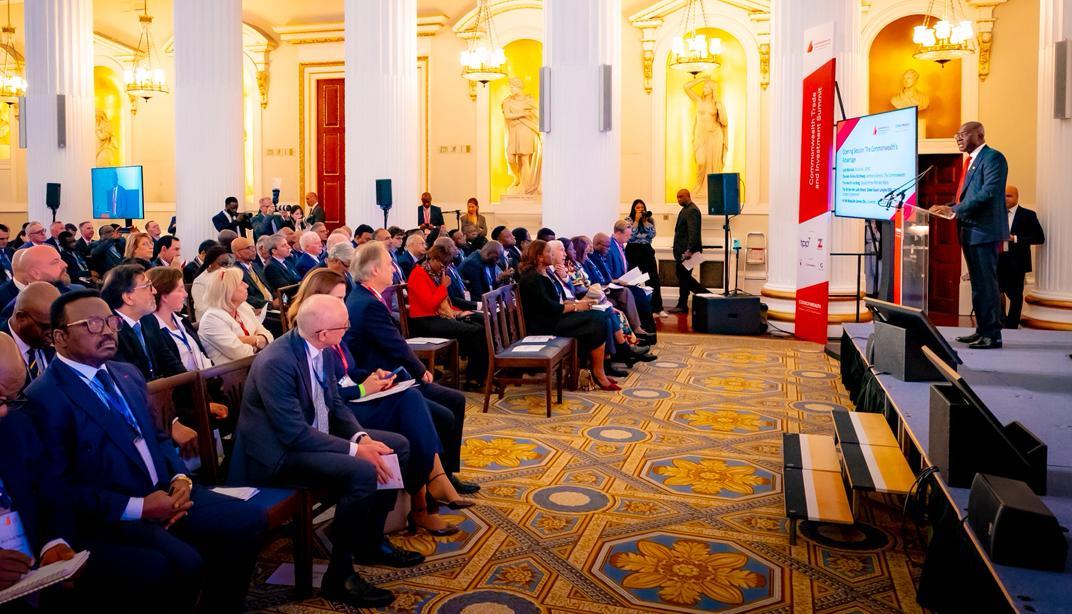
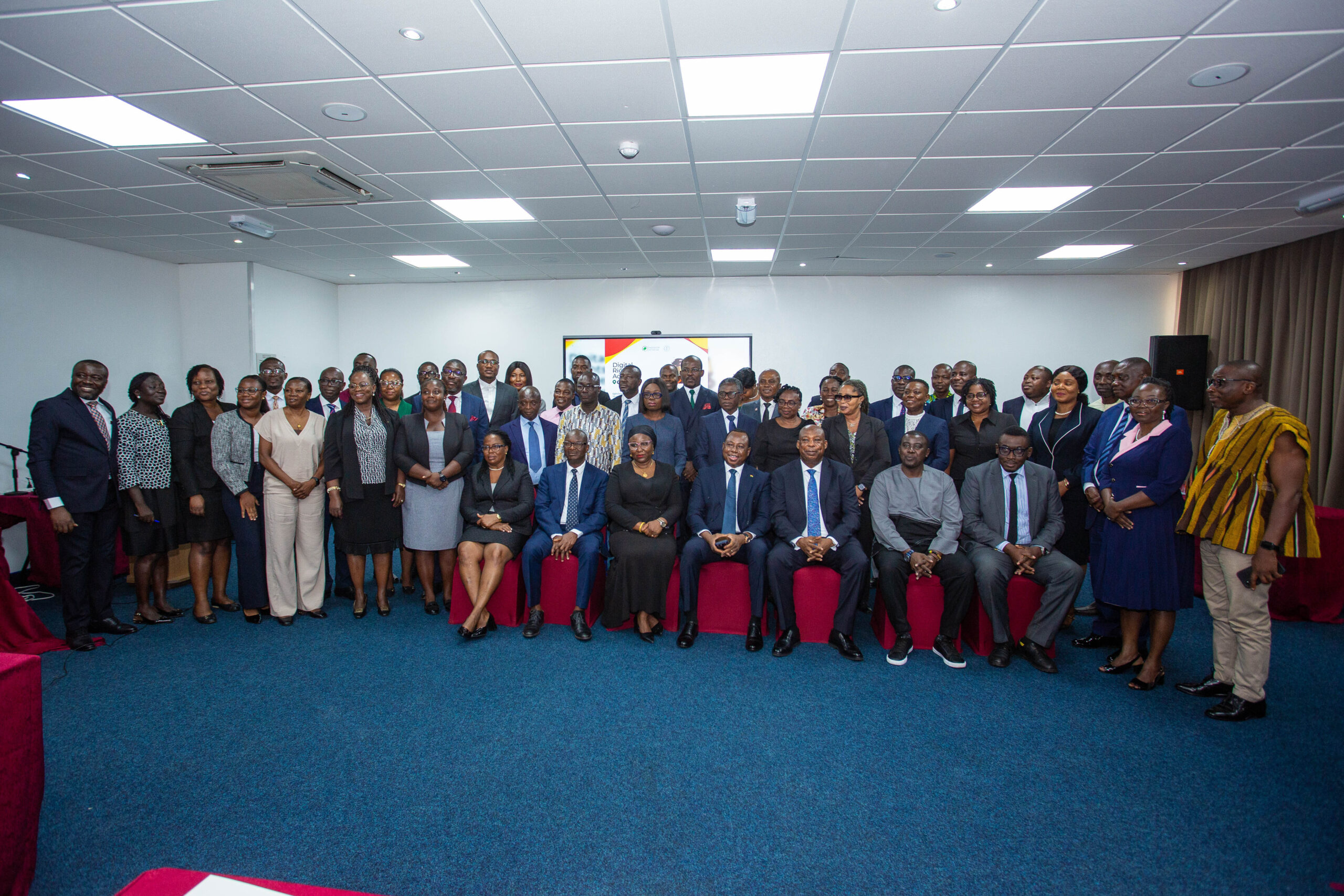
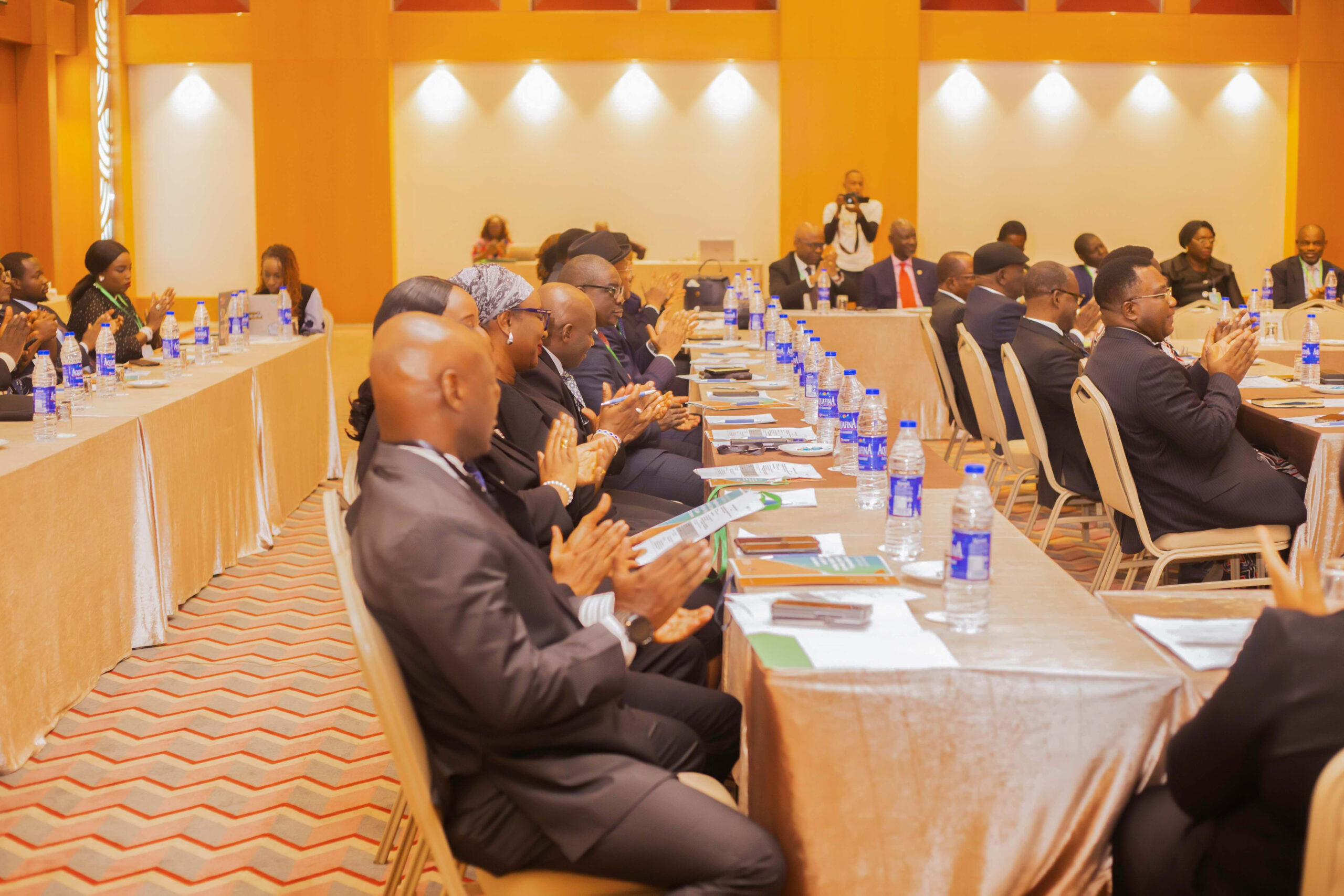
Industry leaders at the fourth edition of the West Africa Telecoms Infrastructure Summit and Exhibition (WATISE 4.0) have called for increased investment in digital infrastructure, homegrown artificial intelligence (AI) solutions, financial inclusion systems, and digital literacy. They stressed that these measures are essential for Africa to secure a stronger position in the fast-evolving global AI economy.
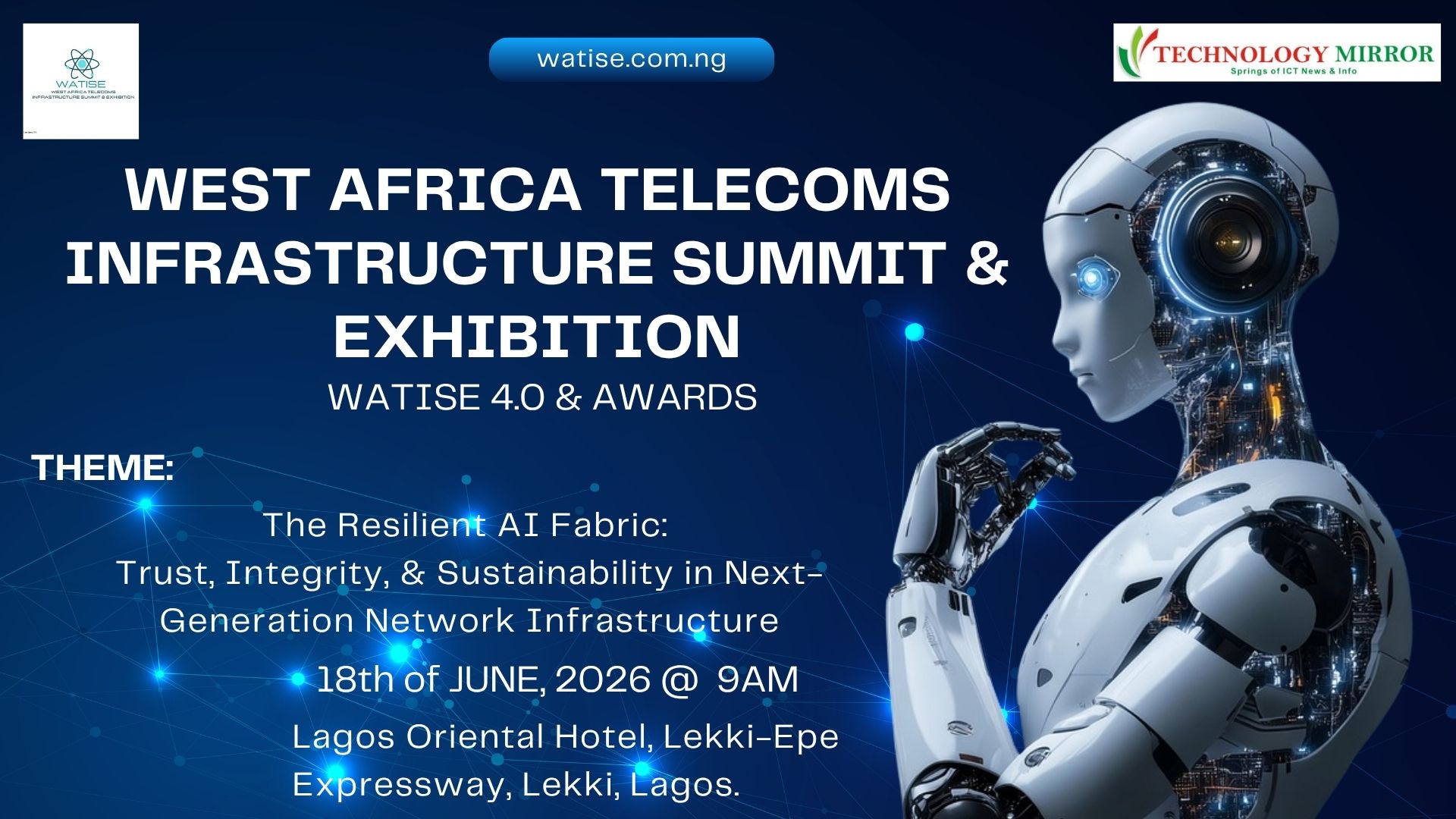
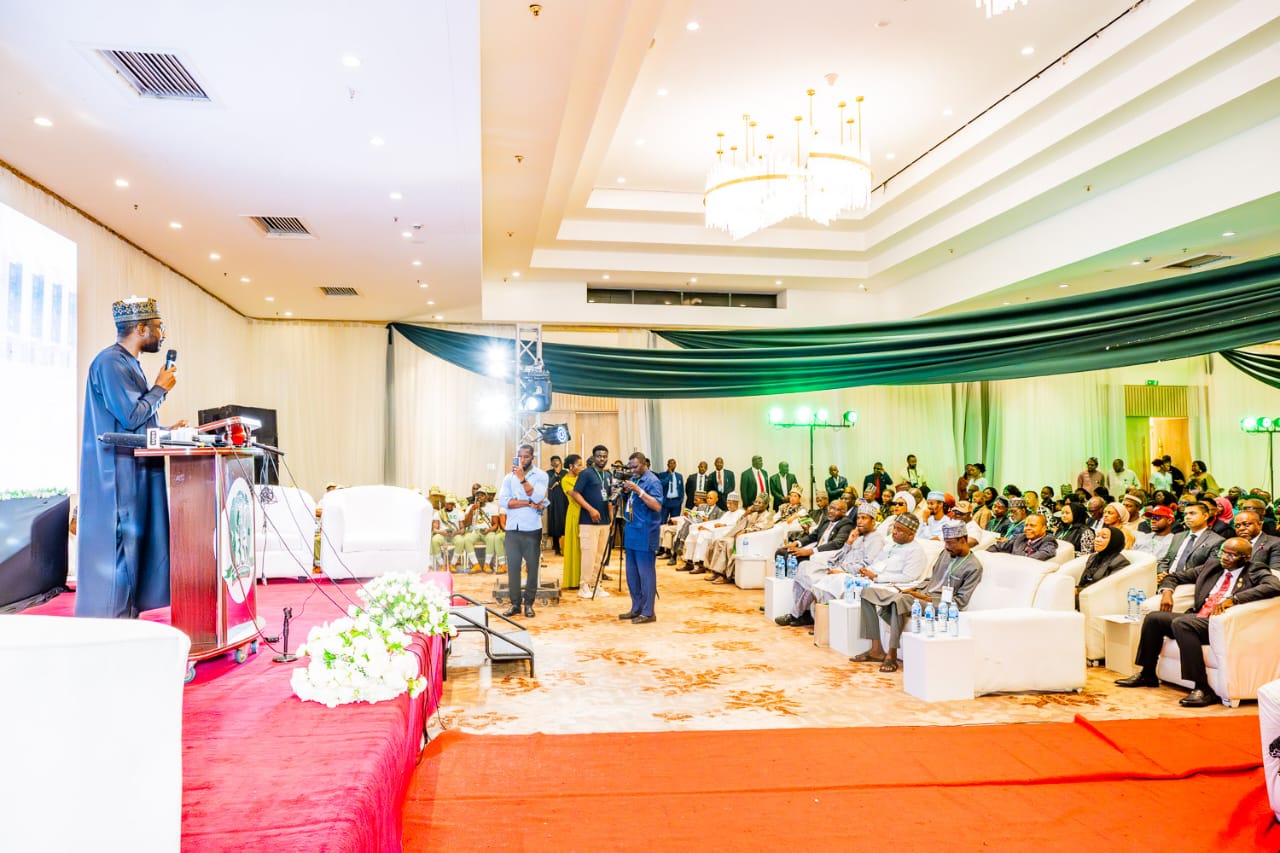
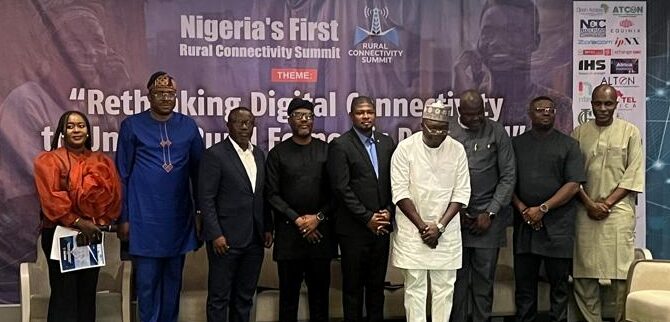
The summit, themed “The Resilient AI Fabric: Trust, Integrity and Sustainability in the Next Generation Network Infrastructure,” brought together stakeholders who emphasised that Africa must transition from being a passive consumer of imported technologies to an active creator of solutions tailored to its own realities.
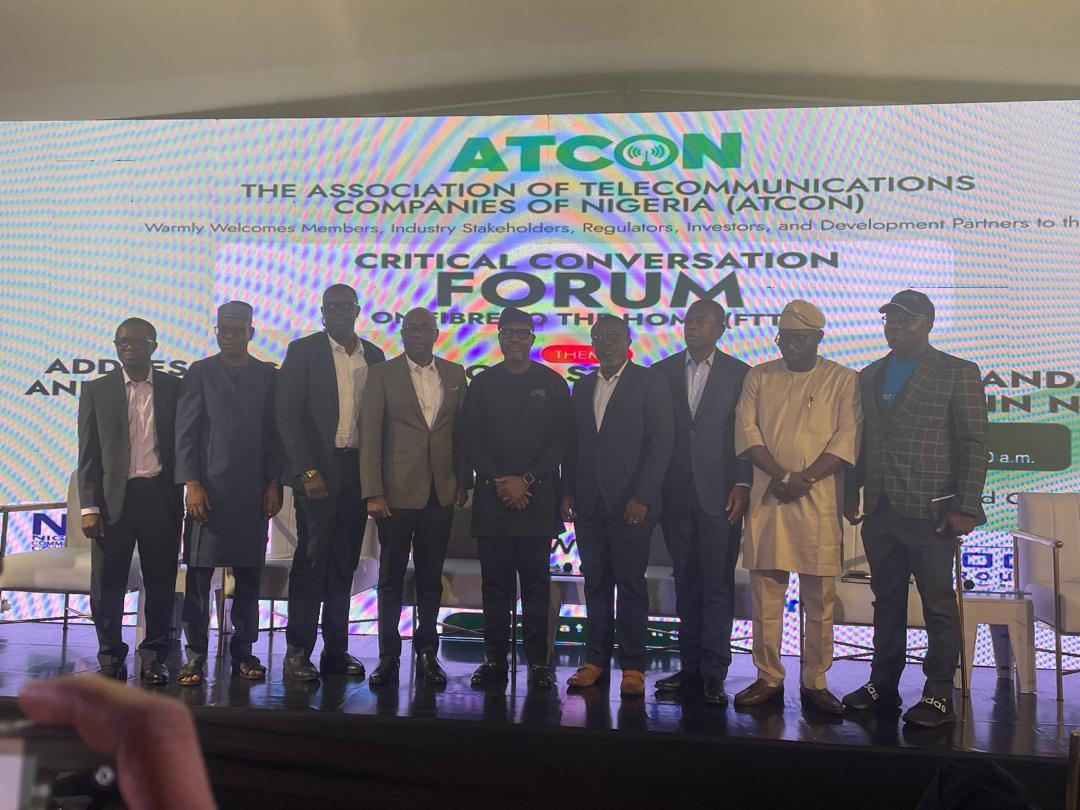
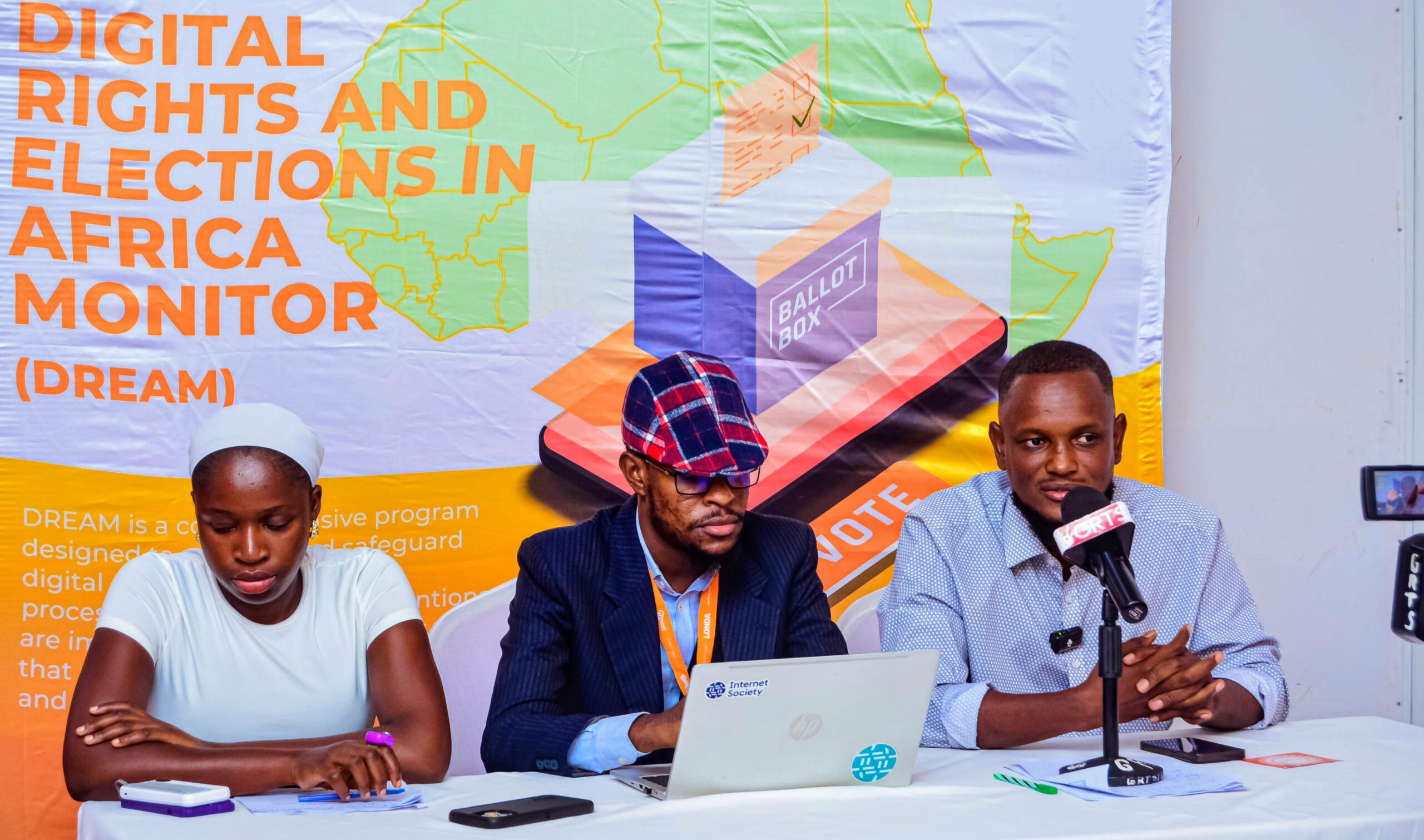
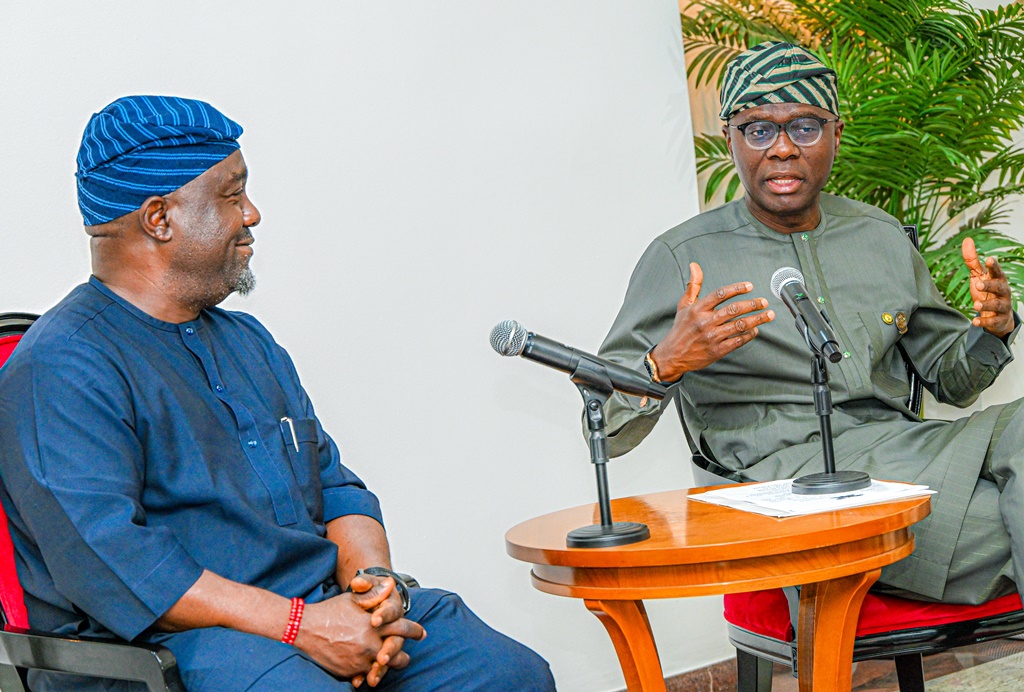
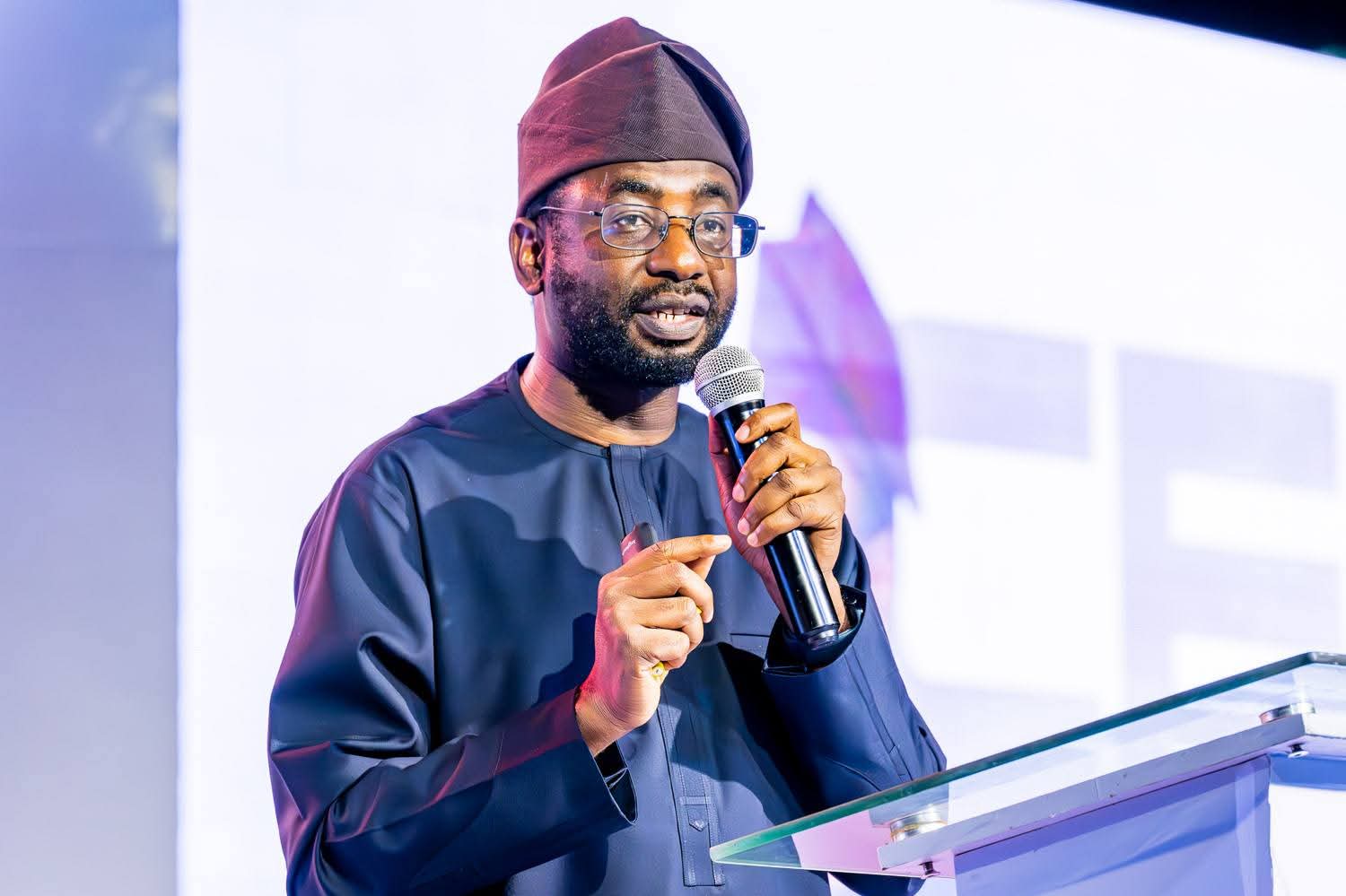
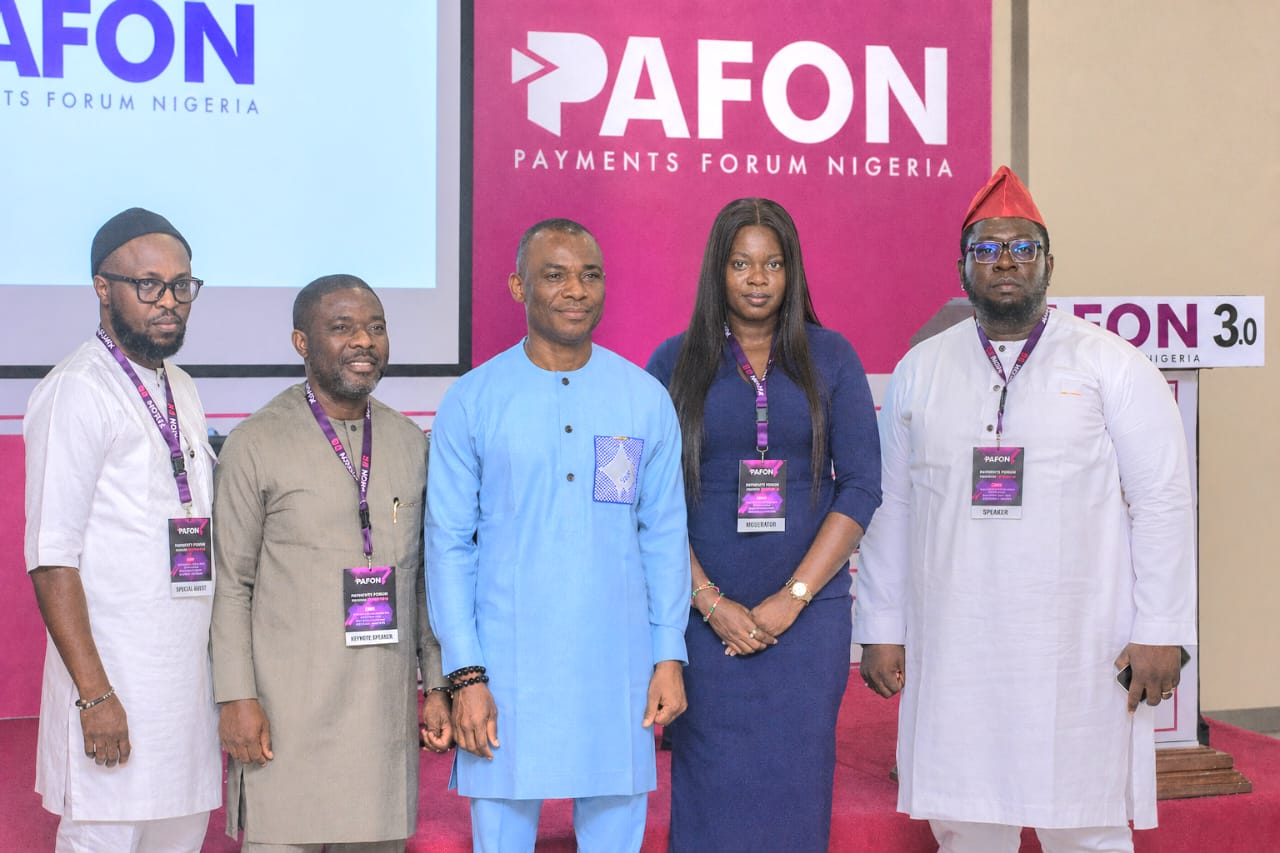
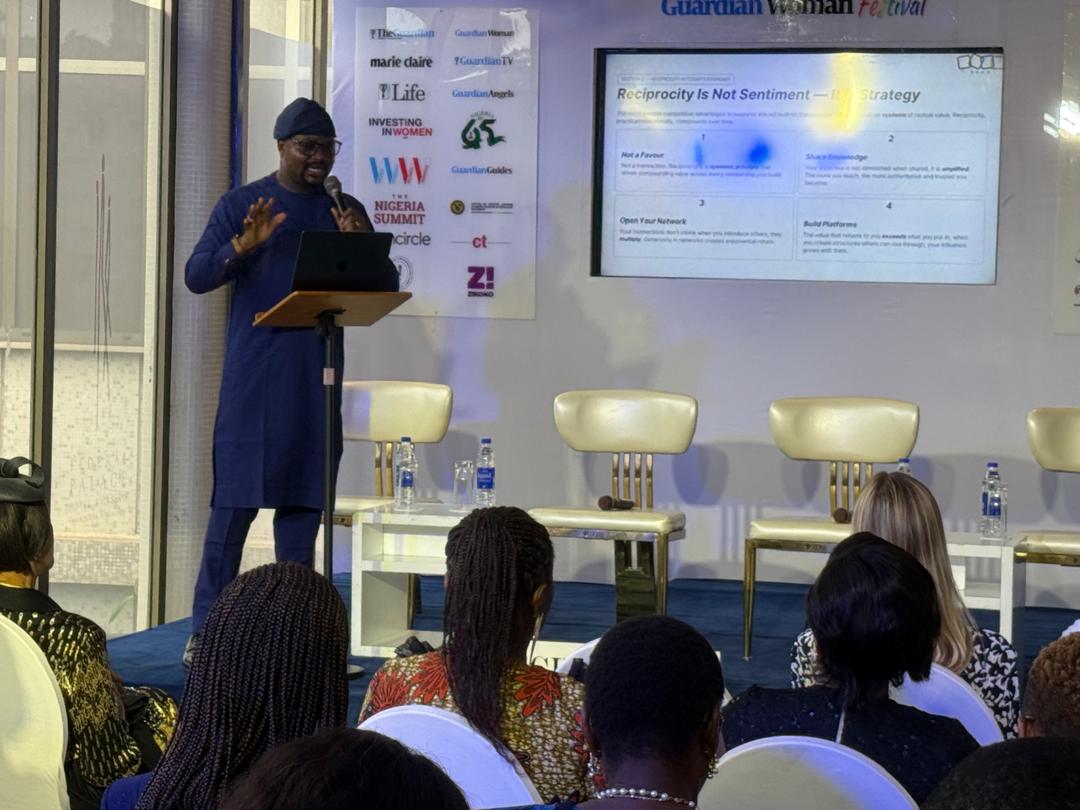
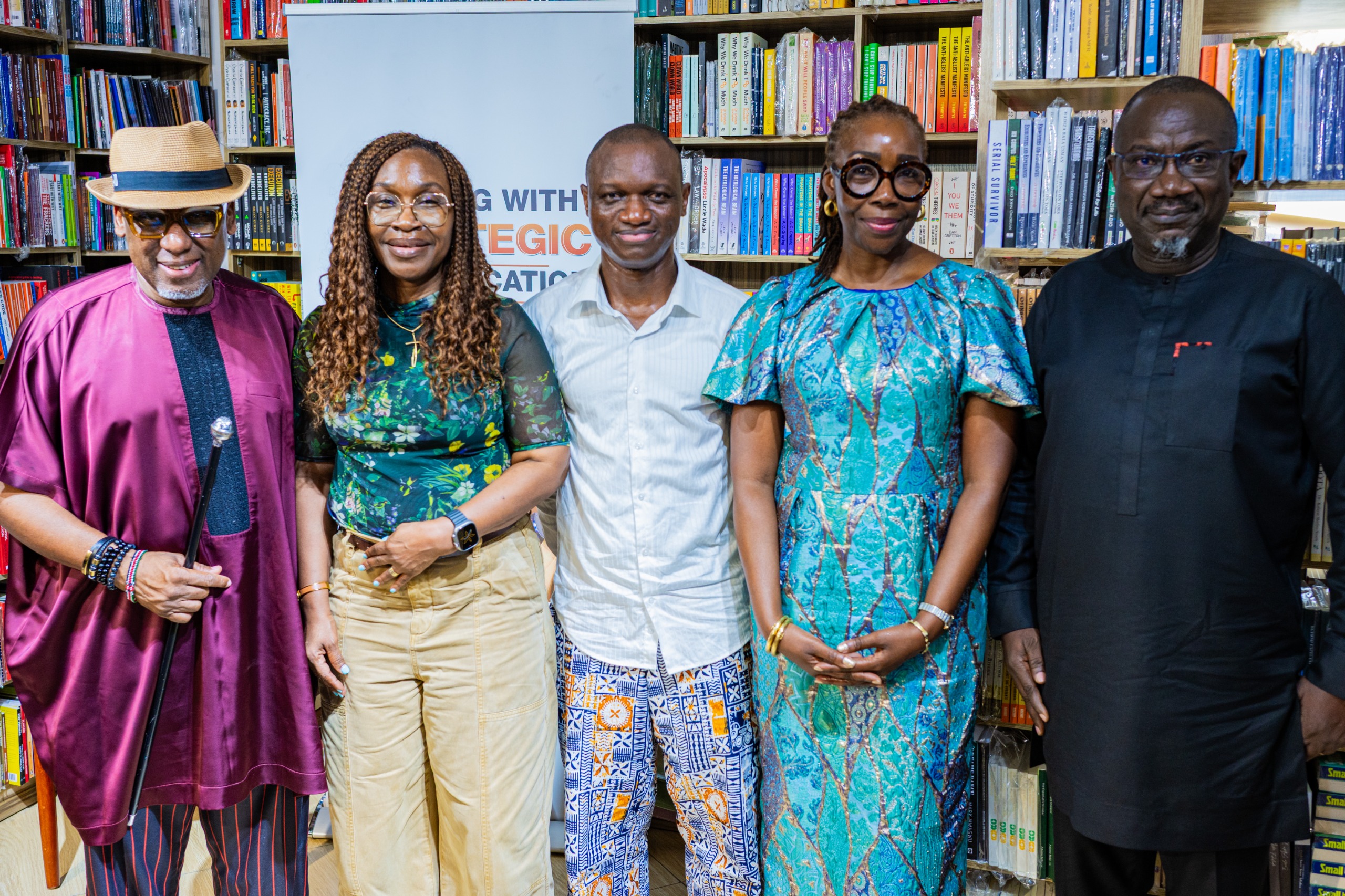
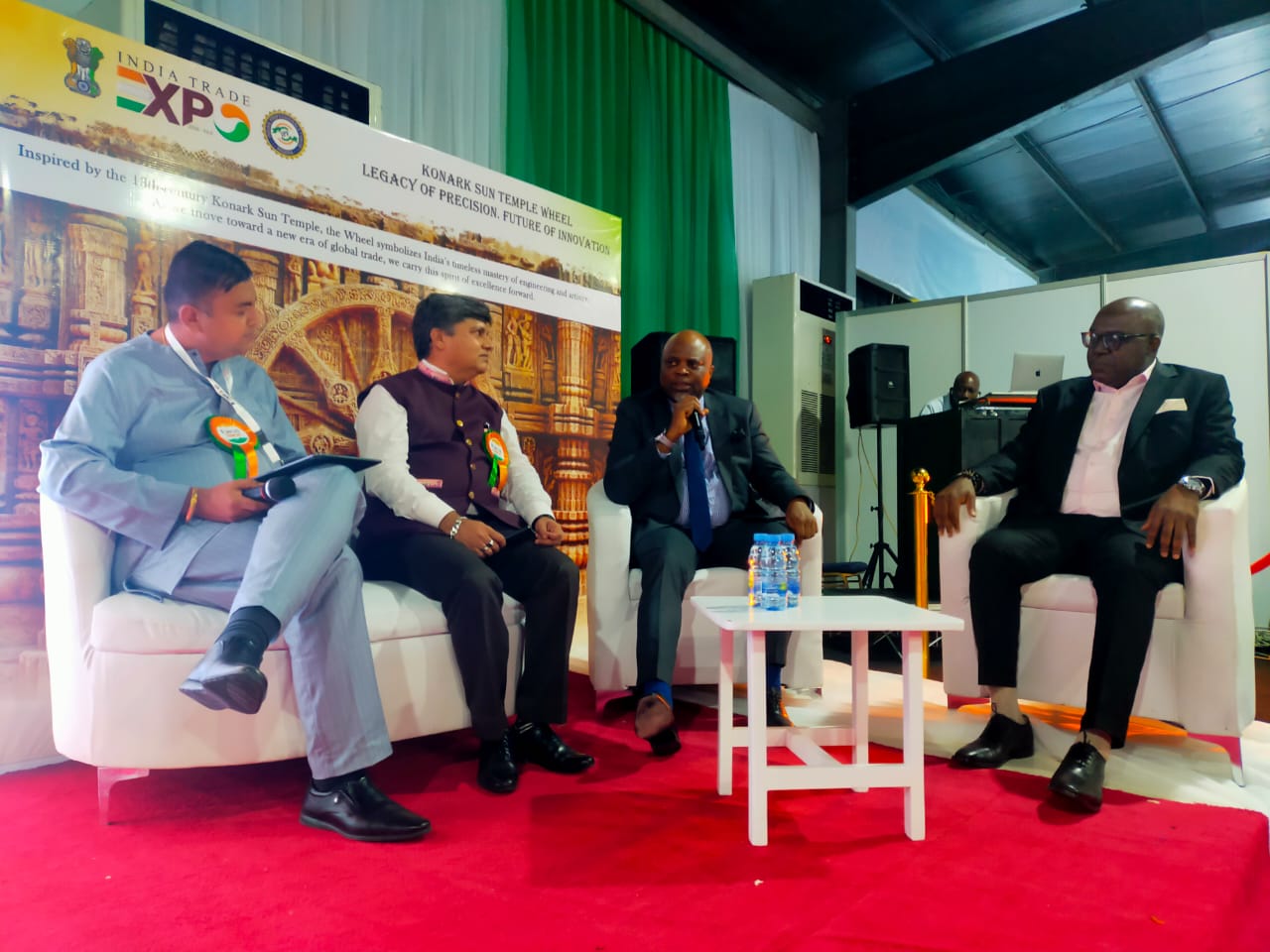
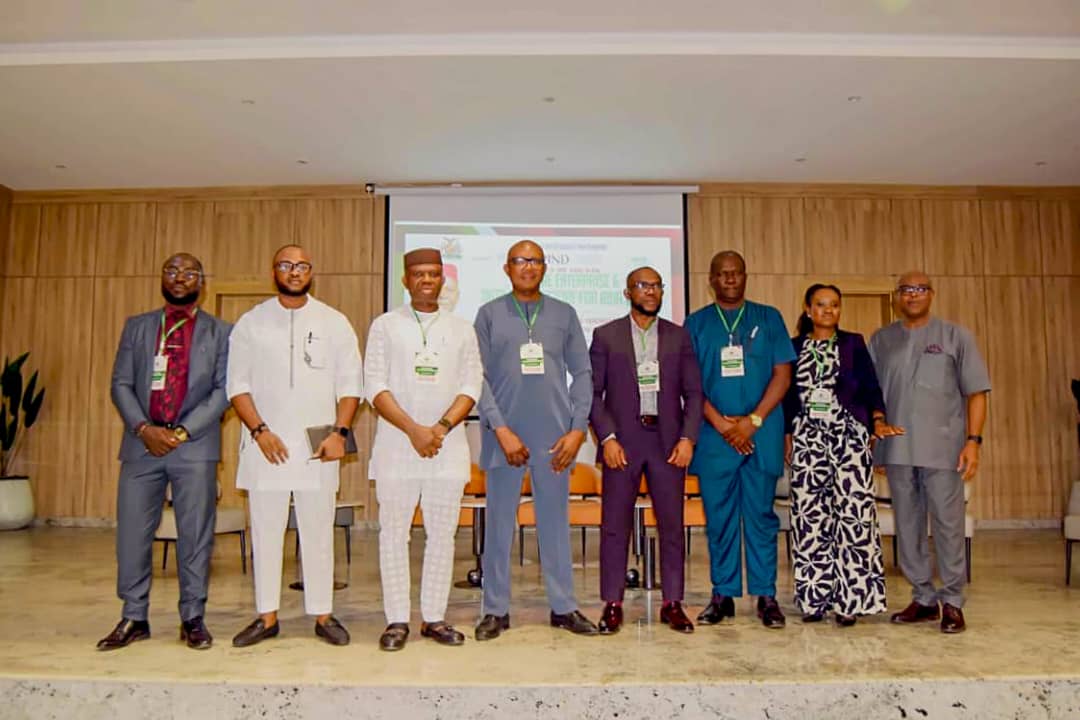
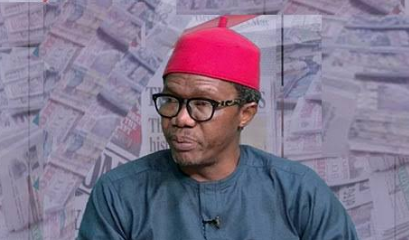
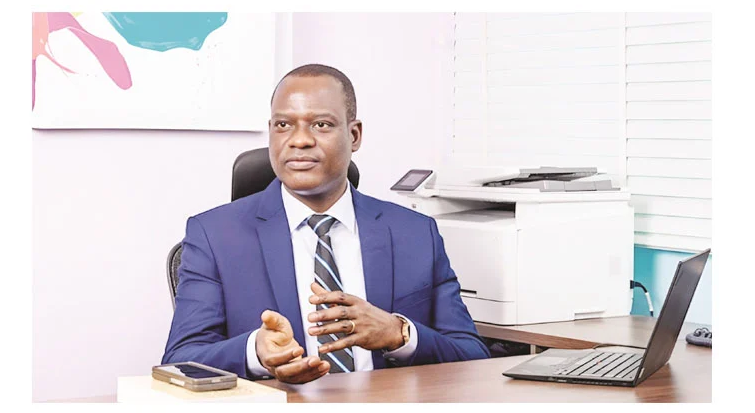
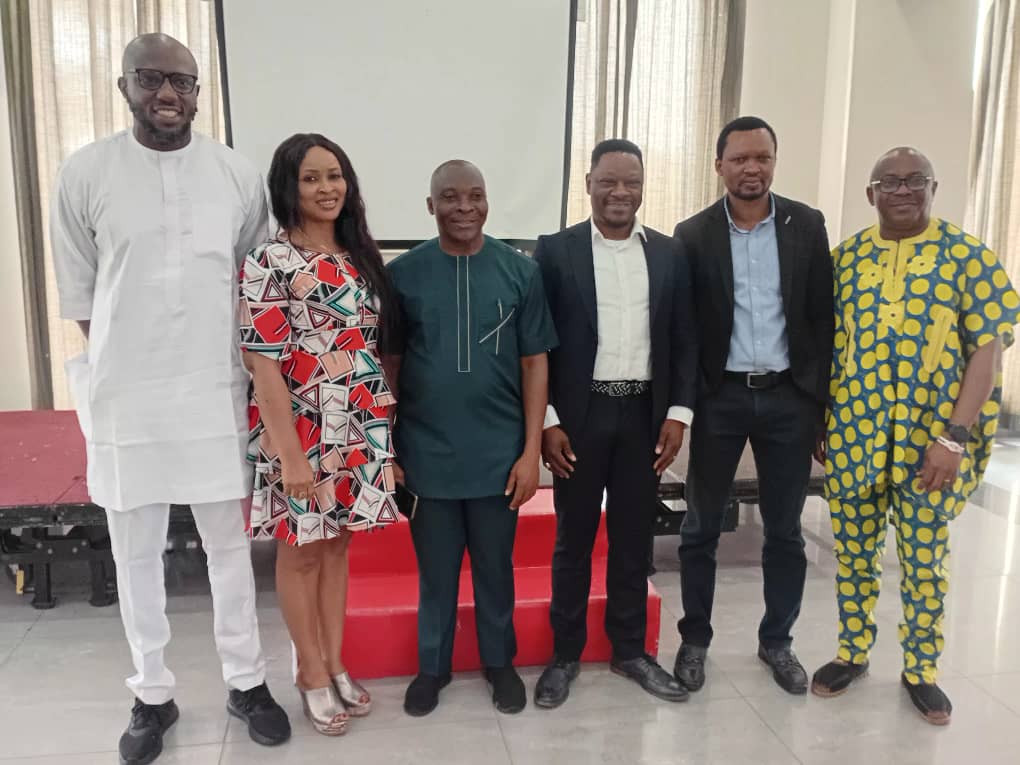
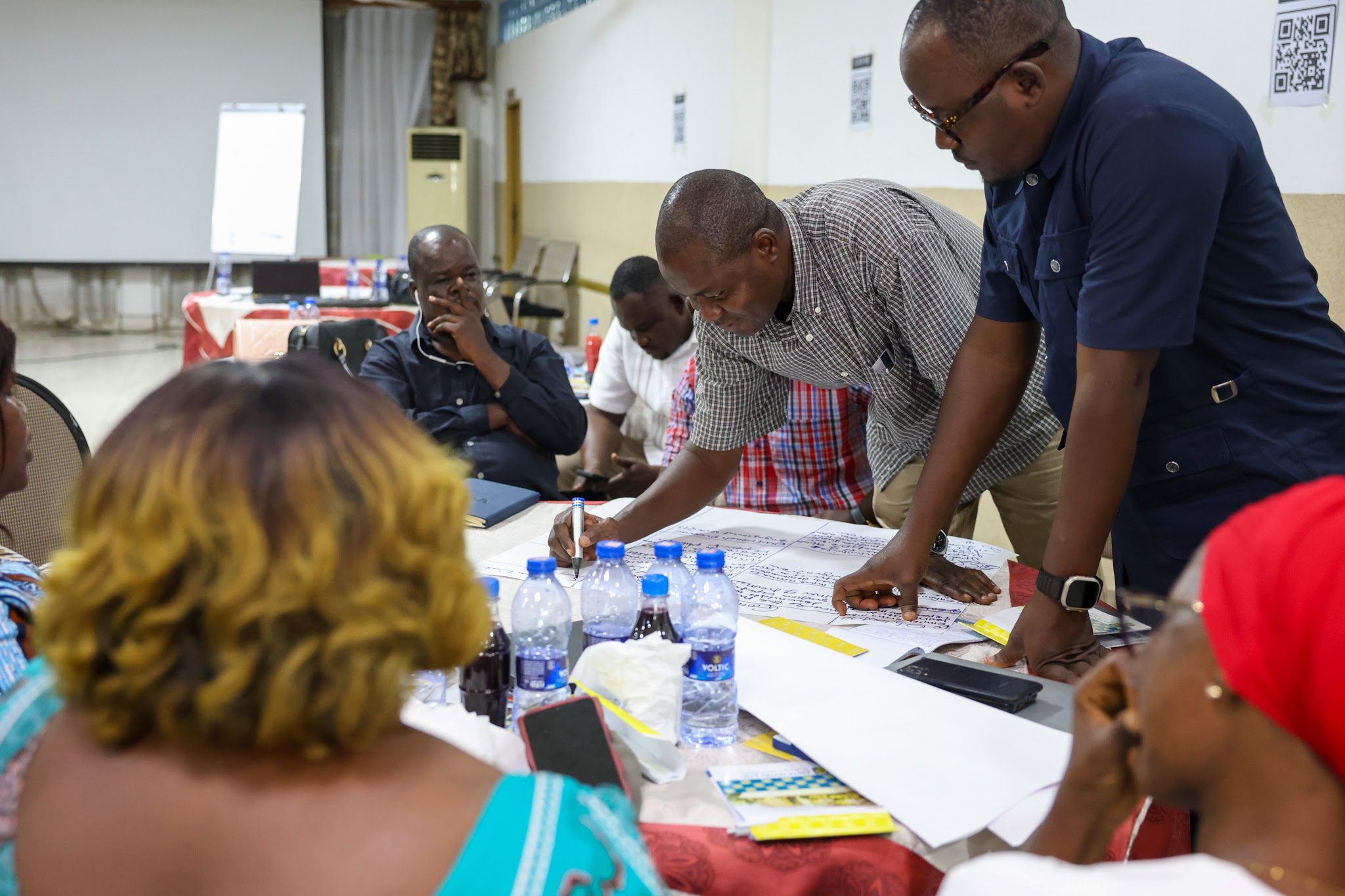
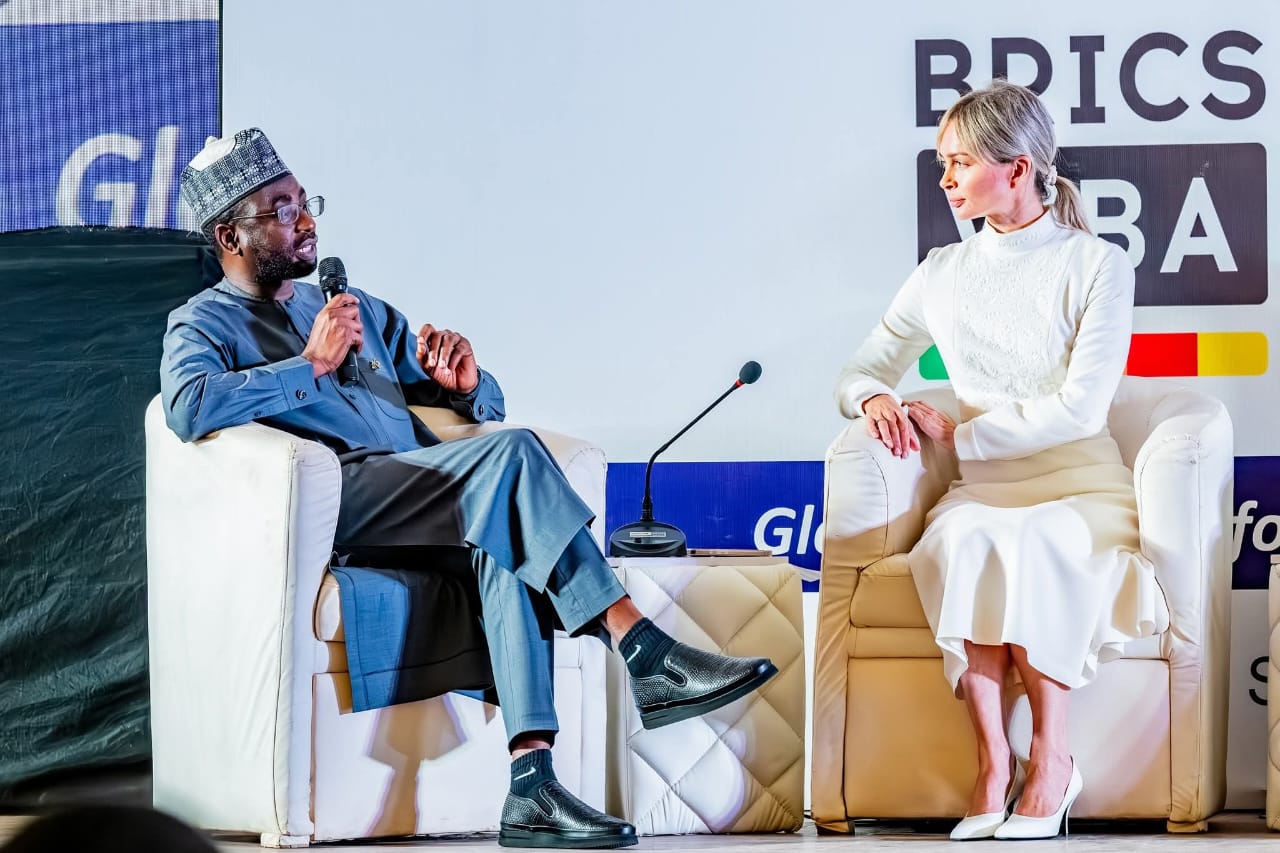
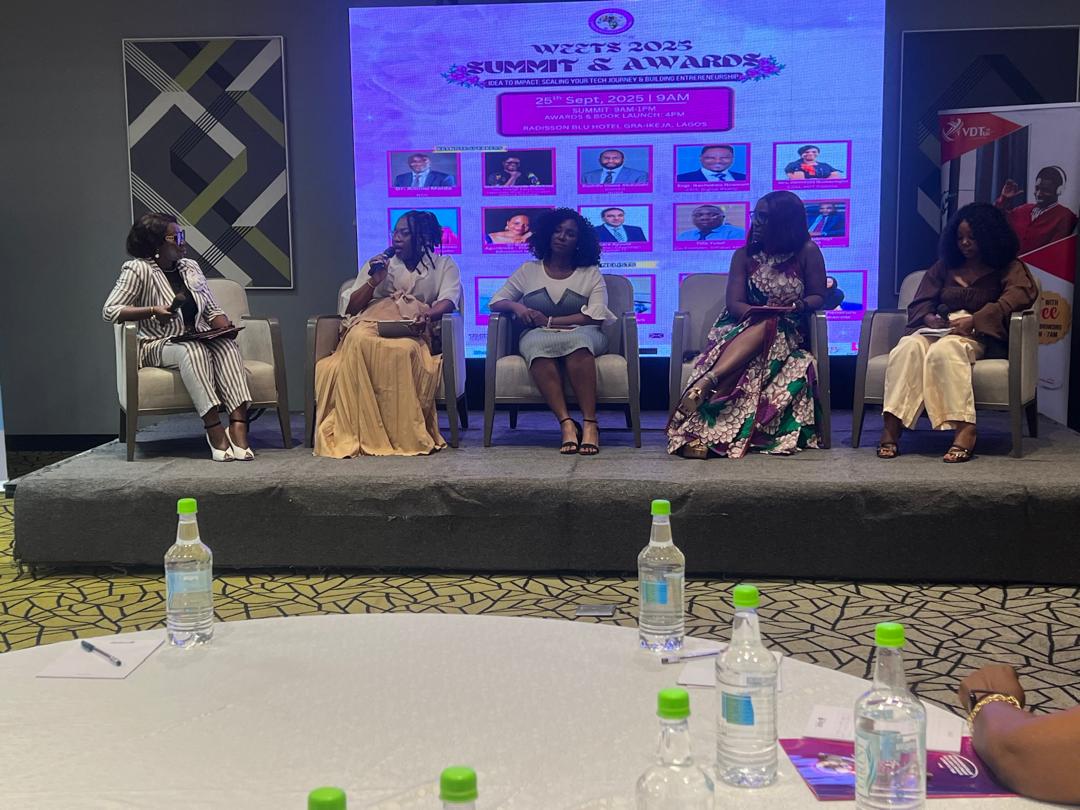
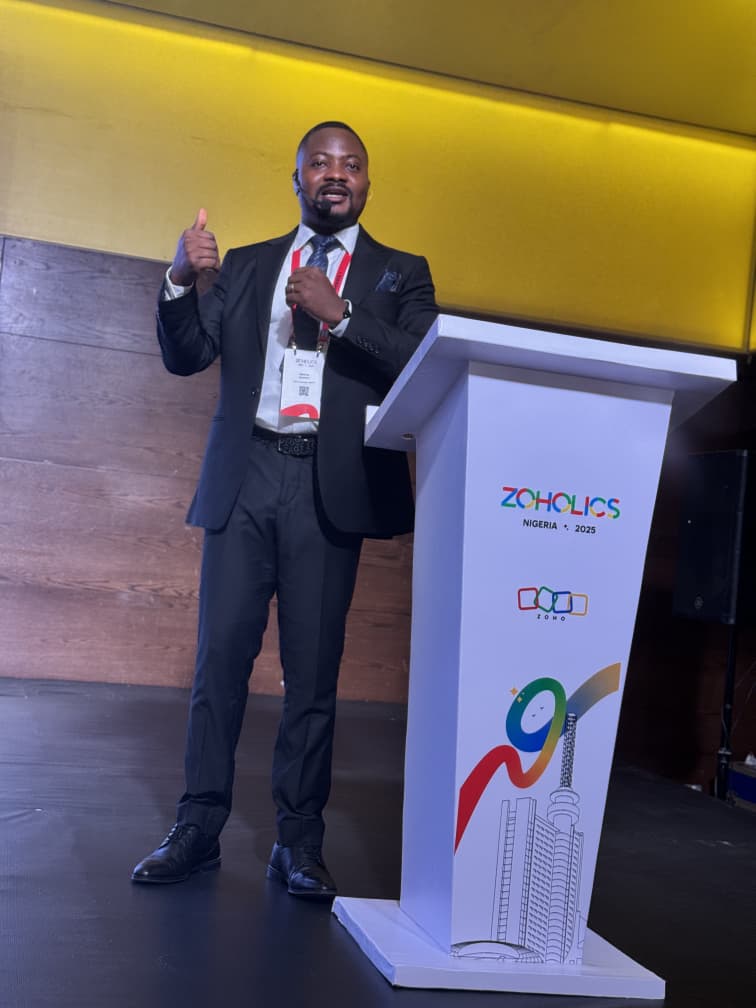
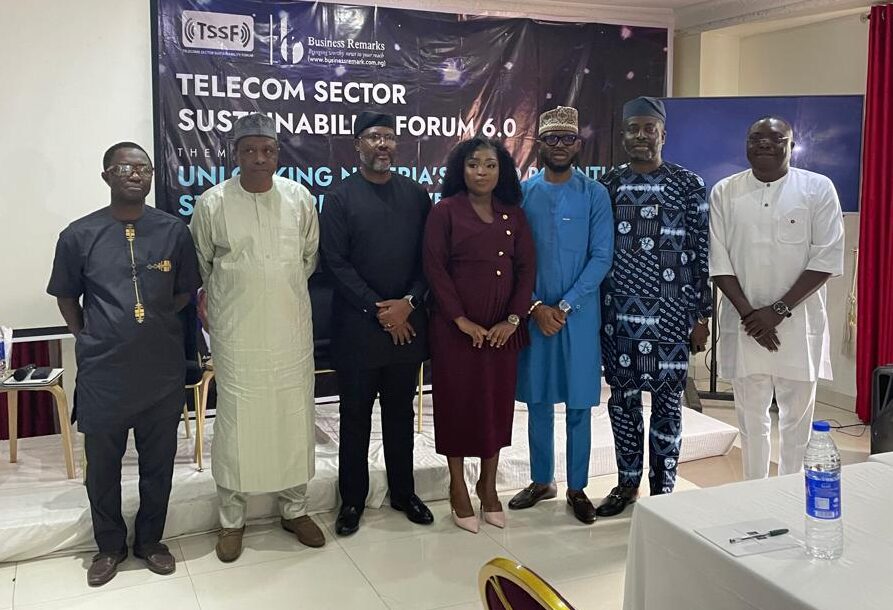
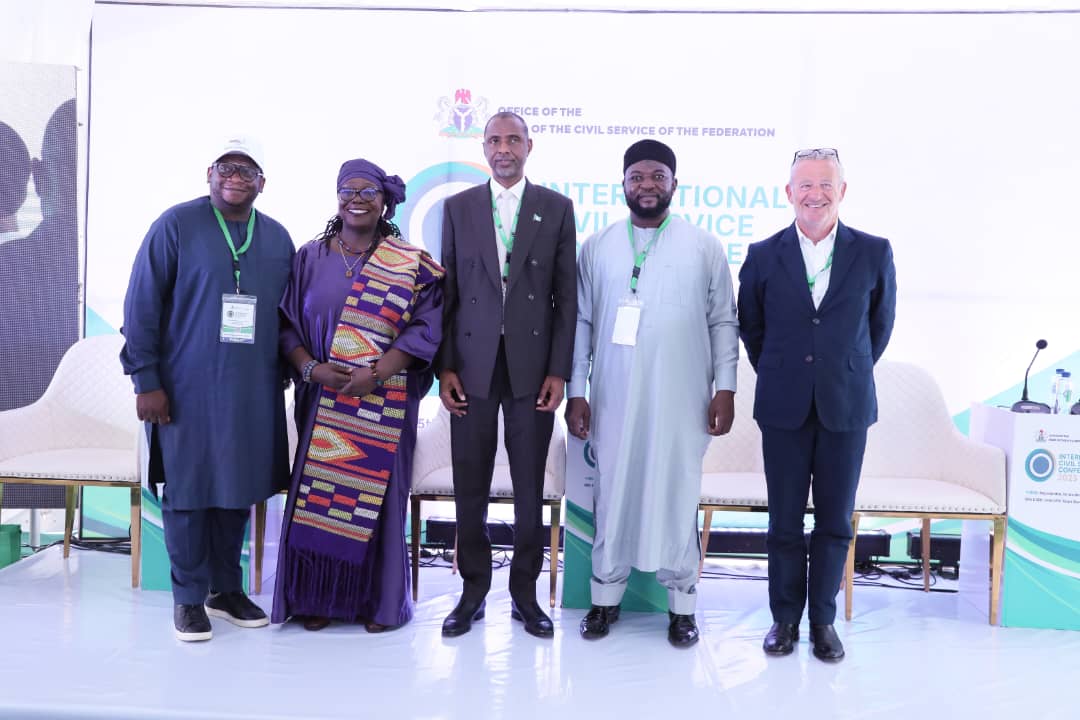
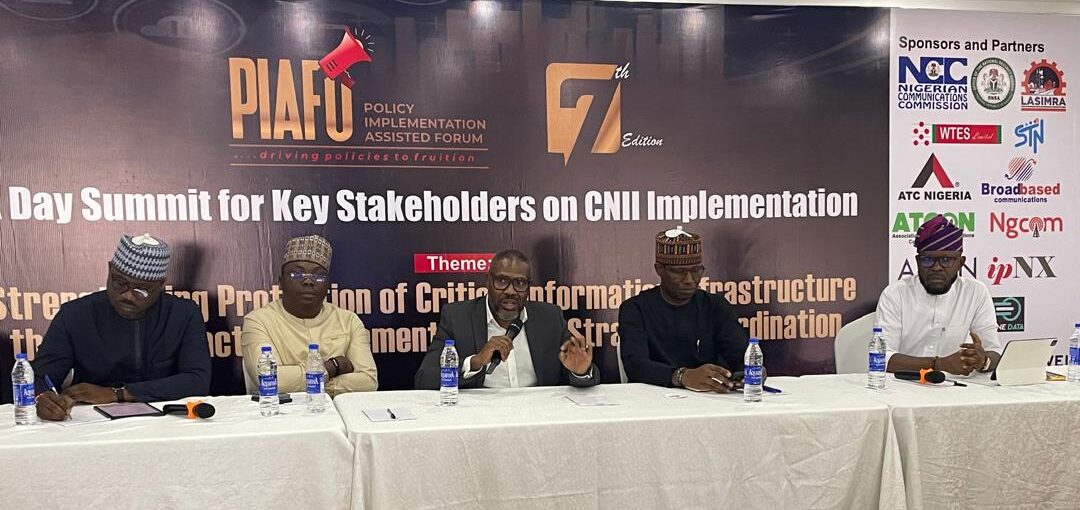
The panel session featured Olusola Teniola, Director at ipNX; Stephen Adeoye, National Secretary, Association of Financial Inclusion Agents of Nigeria (AFIAN); Chidi Ajuzie, Chief Executive Officer, WTES Group; and Seun Olurunisola, Senior Manager, Finance at IXPN.
Speaking on digital inclusion and access to artificial intelligence, Teniola highlighted accessibility, availability, and affordability as key pillars necessary for meaningful inclusion in the digital economy. He noted that AI holds strong potential to simplify interactions across governments, businesses, citizens, and digital platforms while boosting broader participation in economic activities.
He further stated that Africa must bridge the gap between its digital progress and that of developed regions, stressing that “We must close the gap between what is already happening in the Global North and what is happening in Africa,” and added that education, awareness, and confidence remain critical in building African-centric AI systems that reflect local realities, languages, and needs.
Teniola also emphasised that Africa’s AI development must be rooted in local knowledge, relevant datasets, and homegrown innovation to ensure long-term sustainability and meaningful impact.
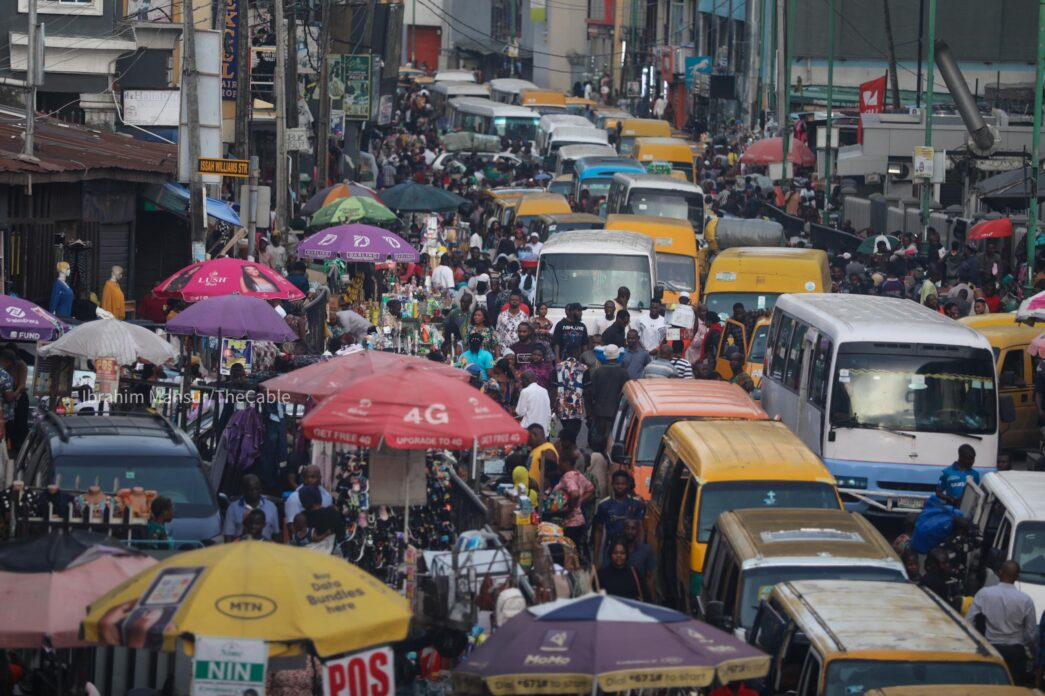
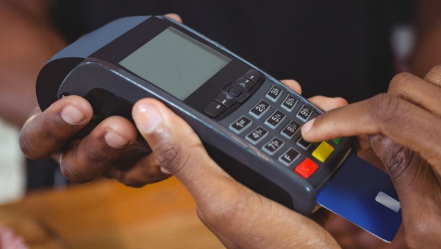
On his part, Adeoye explained that AI is already reshaping financial services by improving access to underserved populations. He noted that, in line with regulatory requirements, the financial inclusion sector is gradually shifting from 2G-based Point-of-Sale (POS) systems to 4G-enabled devices capable of geotagging transactions for improved transparency, accountability, and fraud detection.
According to him, “AI enables real-time monitoring, fraud detection, customer engagement and credit scoring,” adding that fintech operators are already leveraging AI to detect suspicious transactions and protect users. He further described the future of financial inclusion as one strengthened by intelligent systems.
Adeoye also stressed ongoing efforts to educate both agents and consumers at the grassroots level on fraud prevention, transaction verification, and responsible use of digital financial tools. Drawing comparisons with Nigeria’s GSM revolution, he noted that public awareness will be crucial in building trust in AI-driven financial systems.
He added that “We are moving towards a cashless economy where technologies such as facial verification, liveness detection and AI-powered authentication will further strengthen trust and security across the financial ecosystem.”
Africa’s Role in the Global AI Value Chain and Infrastructure Gaps
Meanwhile, Ajuzie raised concerns about Africa’s limited role in the global AI value chain, pointing out that the continent remains largely dependent on foreign technologies for critical components such as chips, cloud infrastructure, computing power, and foundational models.
“When you examine the AI ecosystem, from chip manufacturing to cloud computing and model development, Africa is largely a consumer,” he said. “This places us at the receiving end in terms of cost, accessibility and availability.”
He warned that such dependence exposes the continent to risks around data sovereignty, cybersecurity, privacy, and cultural relevance. He noted that most AI training datasets are sourced from the Global North, making localisation essential for Africa’s future in AI development.
Ajuzie called for stronger investments in digital literacy, cybersecurity frameworks, governance structures, and infrastructure expansion. He also stressed the importance of attracting content delivery networks, expanding internet exchange points, and building modern data centres to support AI workloads.
According to him, “The closer AI infrastructure is to the user, the better the experience,” adding that edge computing and local data centres will be critical for Africa’s competitiveness in the AI era.
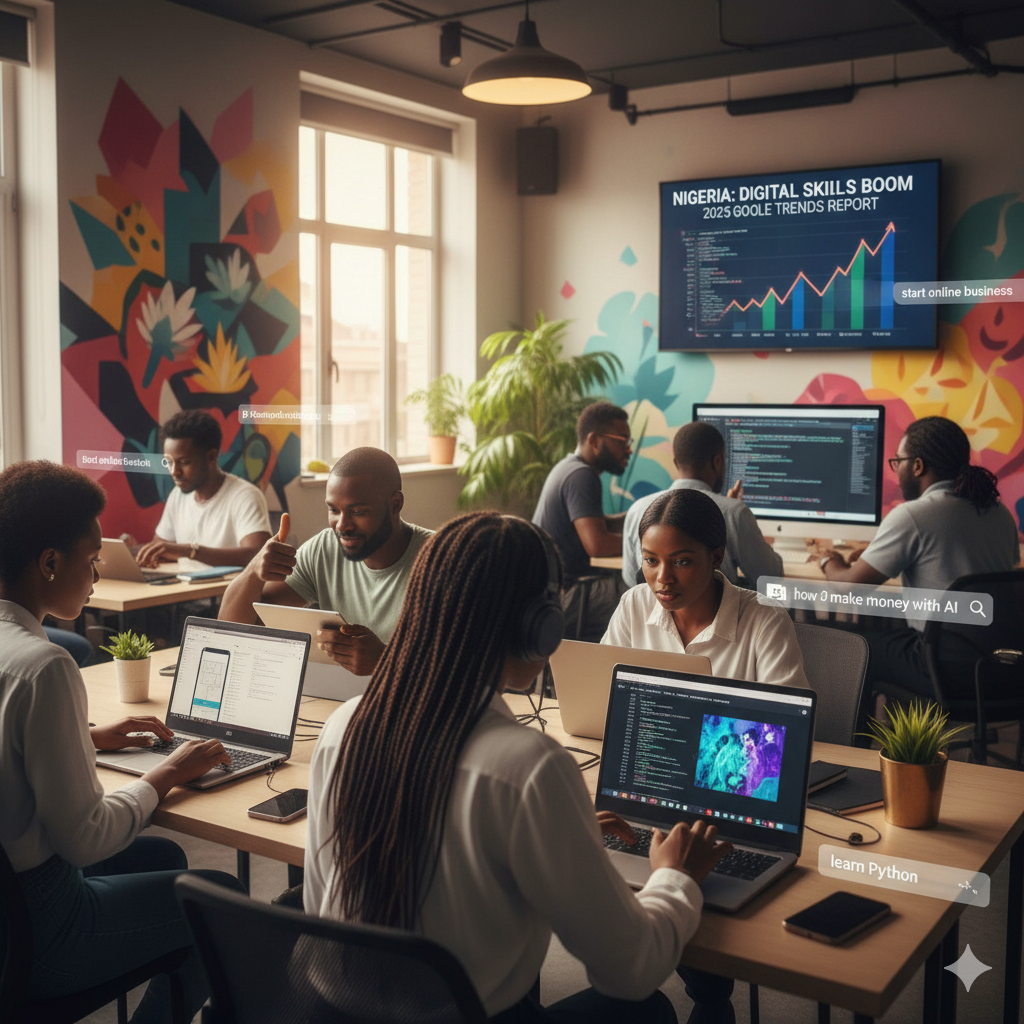
He further highlighted that younger generations are already embracing AI tools for education, research, and innovation. Olurunisola supported this view, noting that students are increasingly using AI-powered applications to solve academic problems, conduct research, and build software solutions.
“The younger generation is already embracing AI. They are using these tools to learn, create and innovate in ways that were unimaginable just a few years ago,” he said.
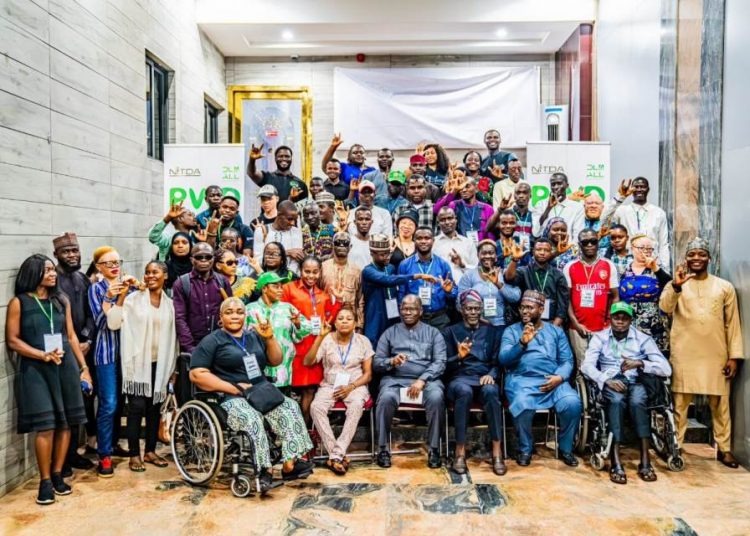
The session, moderated by Oluwole Abegunde, Director of Market Research and Insights at Insiyhtcs, concluded with a shared consensus that strengthening and protecting telecommunications infrastructure remains vital to Africa’s digital future. Participants agreed that connectivity will continue to serve as the foundation for AI-driven innovation, financial inclusion, and long-term economic growth across the continent.
For more updates on Africa’s digital transformation, AI innovation, and telecom industry developments, visit LouisaOlaniyi.com.ng/ for in-depth reports. Stay informed on news, expert insights, and analysis shaping the future of technology and financial inclusion across the continent.