
Nigeria is weighing the introduction of age-based restrictions on social media use following growing concerns about children’s safety online, backed by findings from a nationwide consultation showing overwhelming public support for regulatory action.
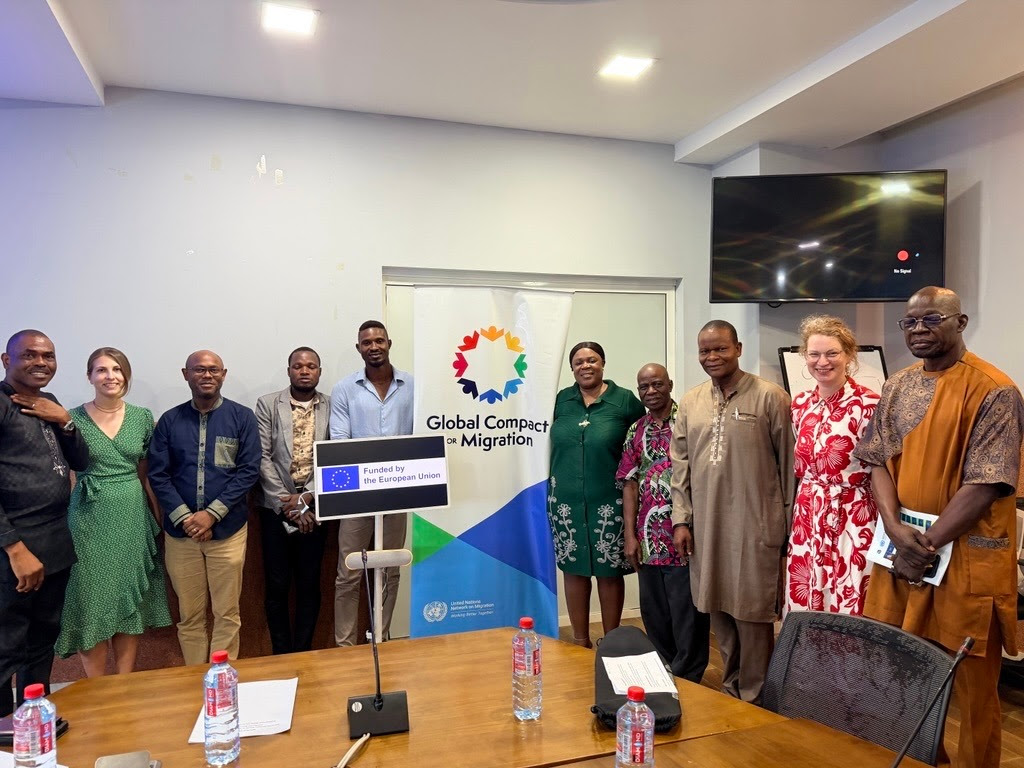
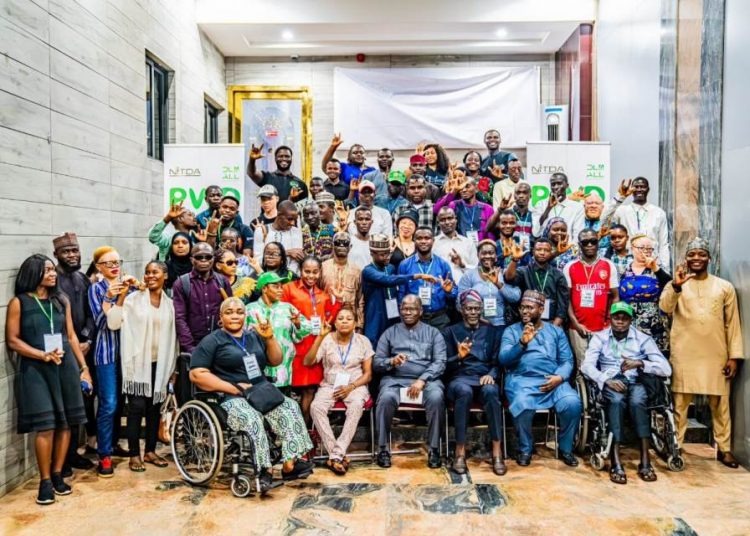
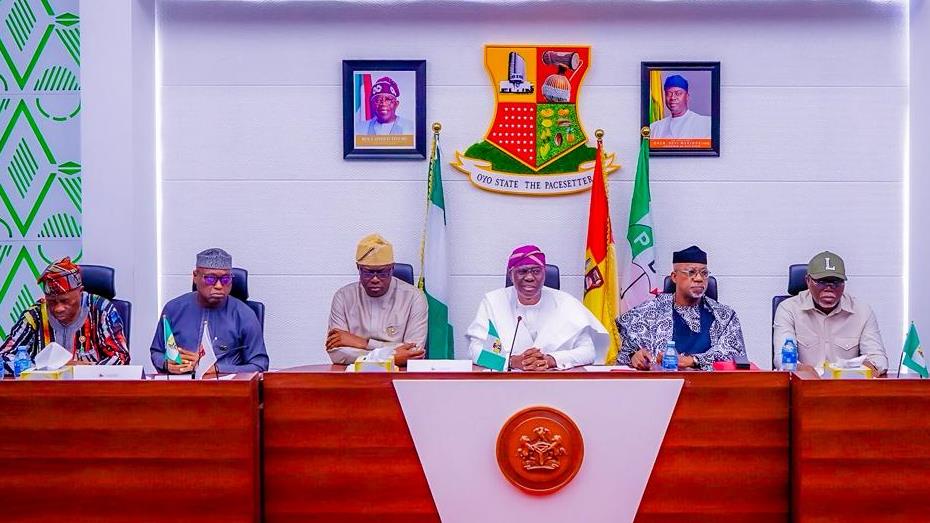
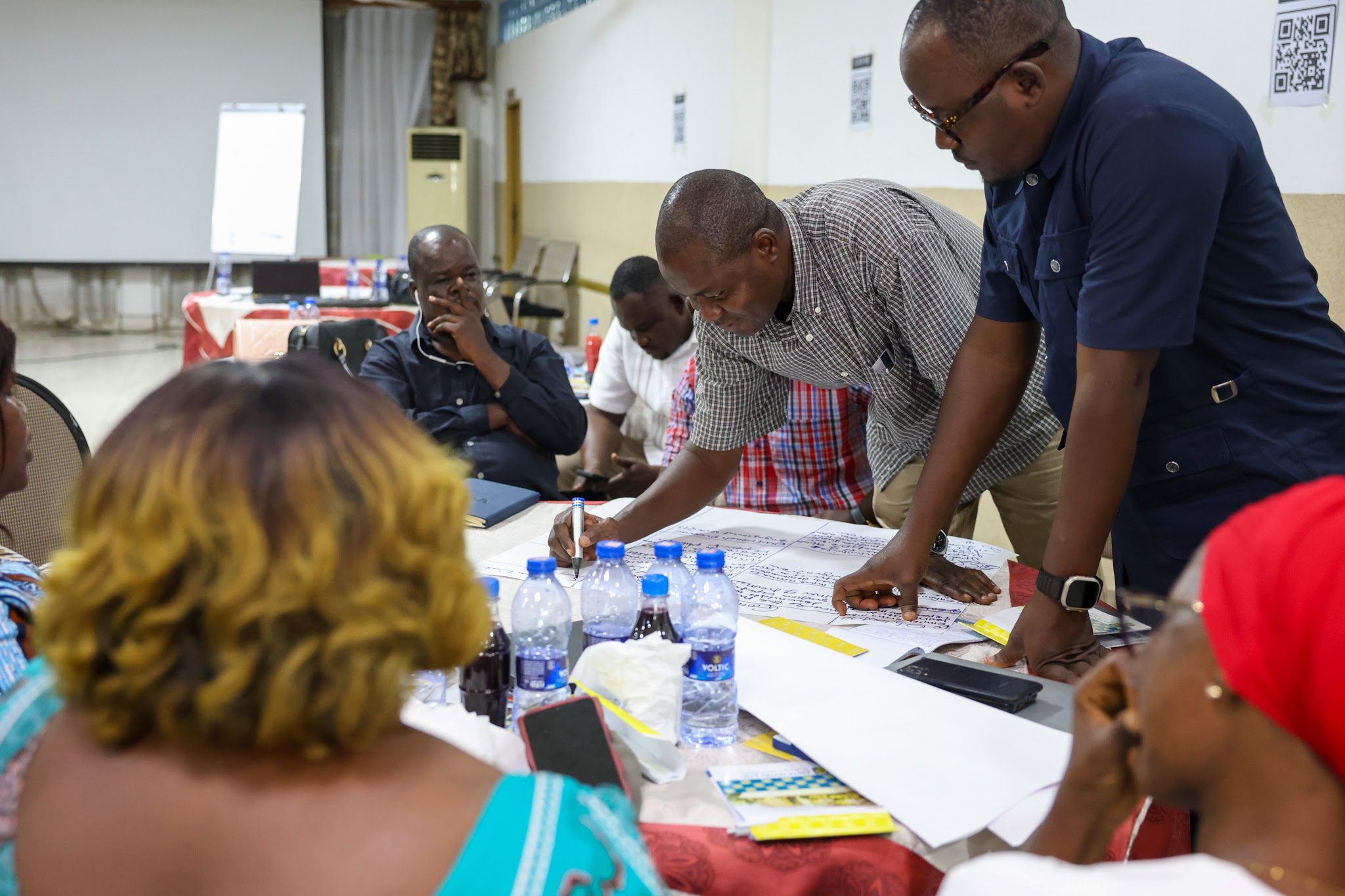
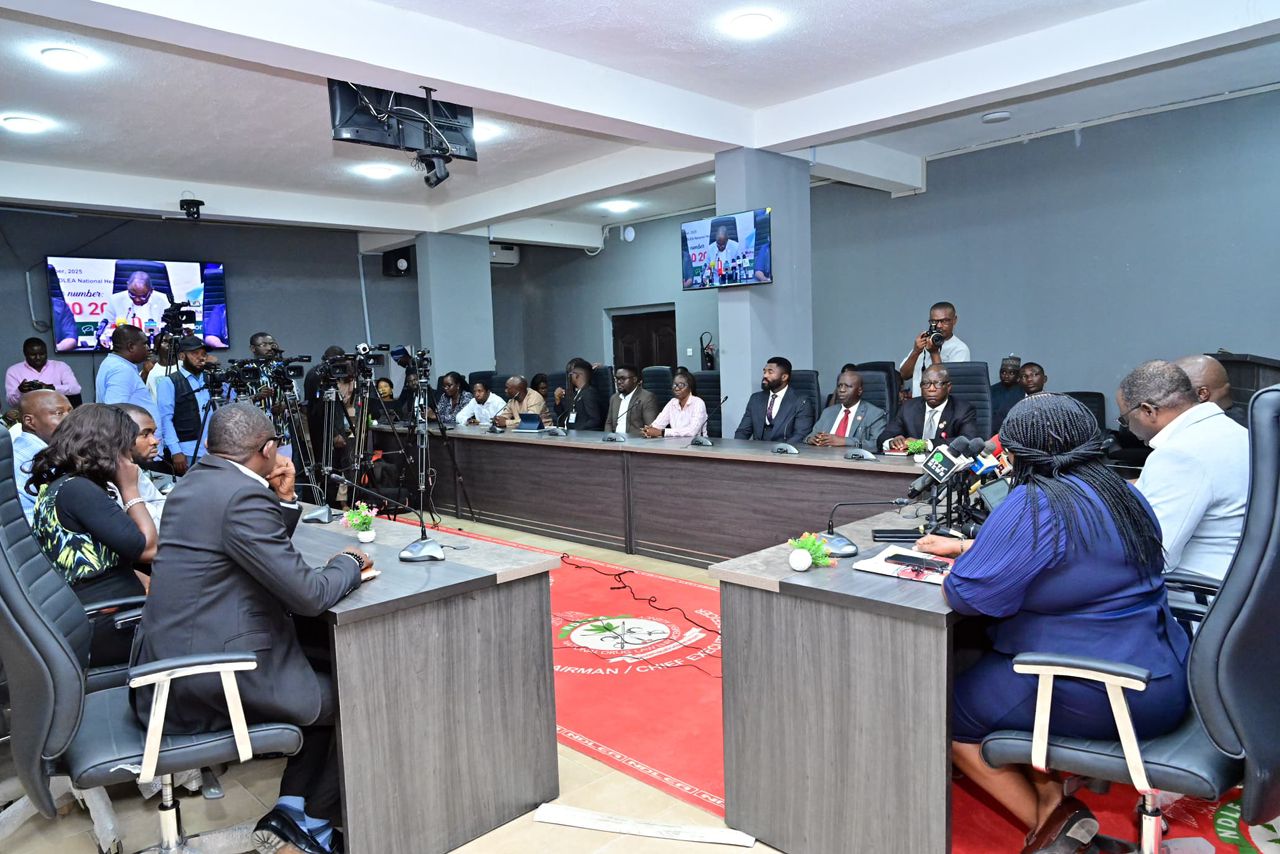
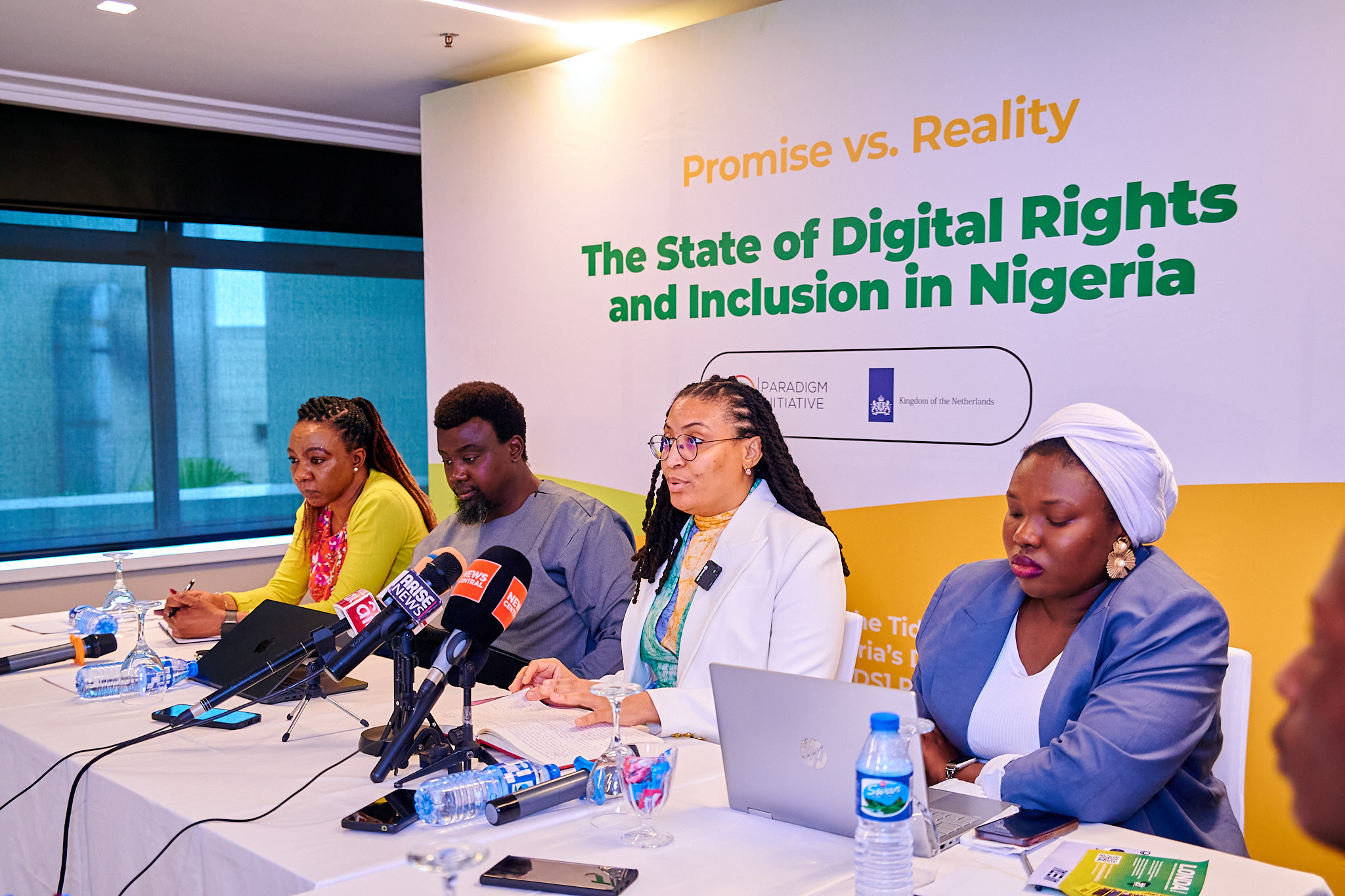
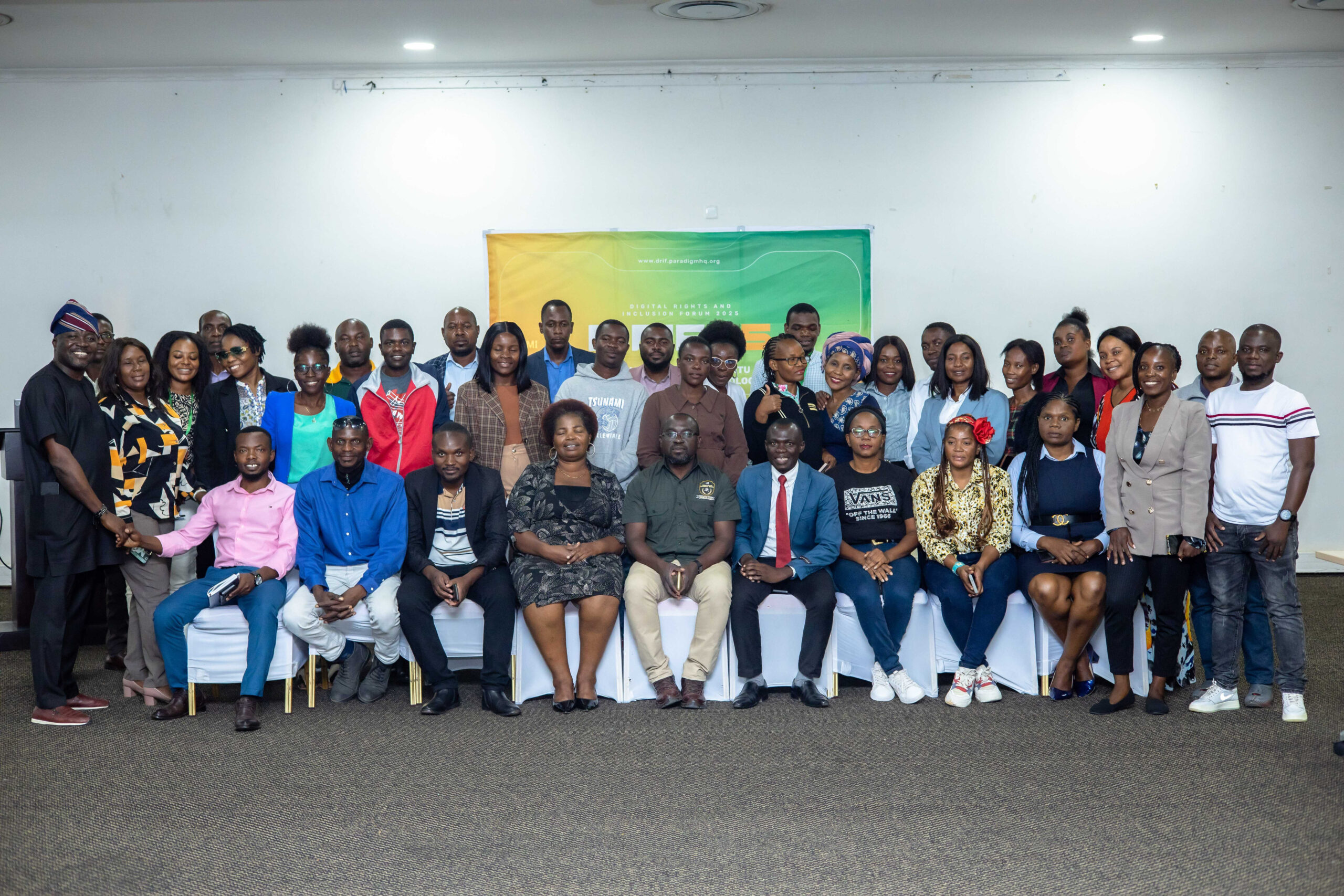
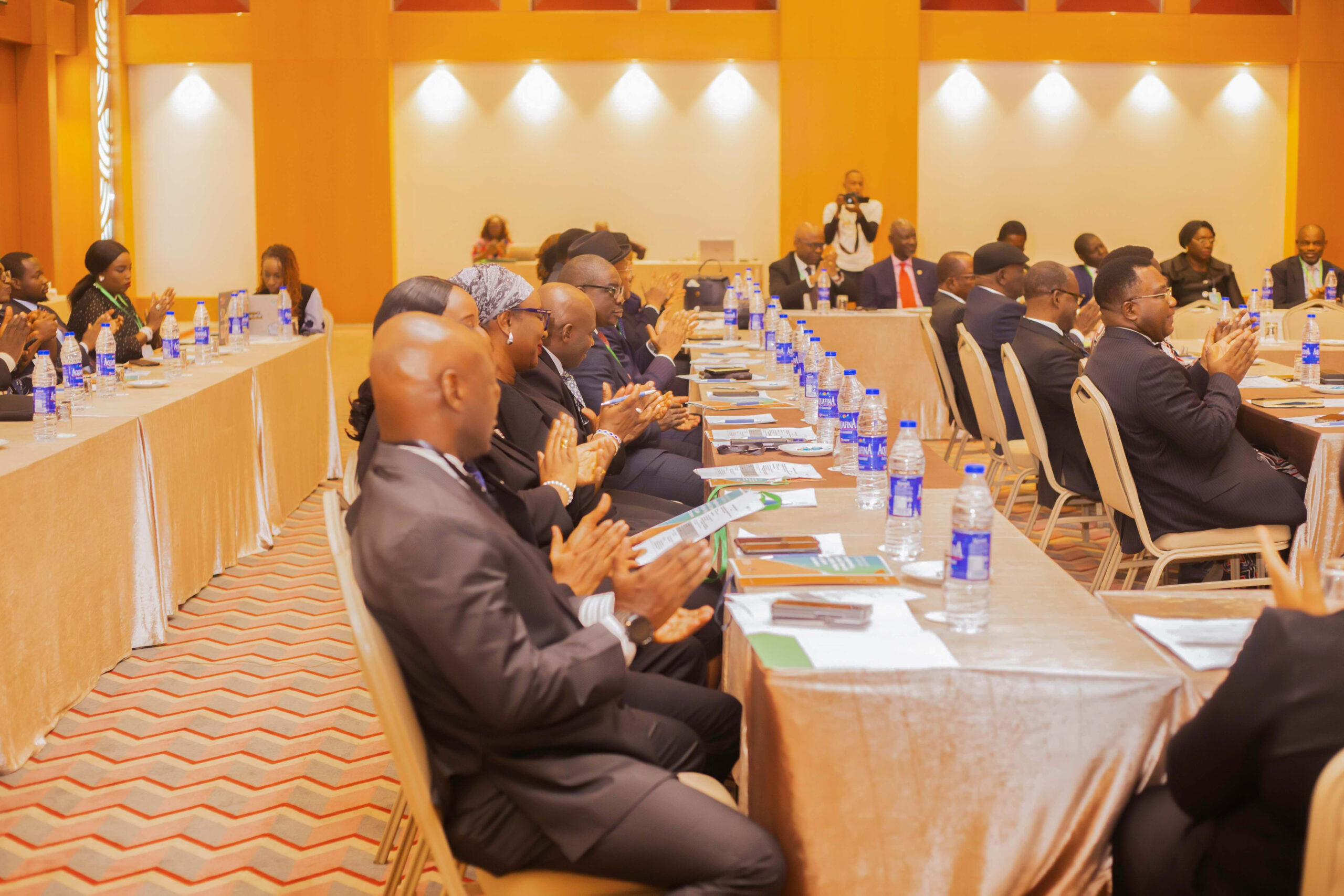
The survey, conducted by the Federal Ministry of Communications, Innovation and Digital Economy and presented in Lagos during a roundtable on child online safety organised in partnership with the Nigeria Data Protection Commission (NDPC), revealed that 93.5% of respondents expressed either high or extreme concern about children under 18 accessing social media platforms.
With 585 participants drawn from across the country, the consultation further showed that 83.4% supported restrictions on children’s access to social media, while 64.8% were in favour of broader regulatory measures. Another 18.6% supported a system tied to a revised minimum age threshold for access.
However, not all respondents agreed with regulatory intervention. About 16.6% opposed restrictions, with 51% of that group arguing that emphasis should instead be placed on digital literacy and education. In addition, 40% of respondents said parental supervision tools would be more effective in managing children’s online activity.
On the question of appropriate age limits, opinions varied. 36.8% of respondents supported 16 years as the minimum age for social media access, aligning with recent international policy trends such as Australia’s approach. Meanwhile, 27.7% suggested 17 years, and 13% maintained that 13 years (the widely used global platform standard) should remain unchanged.
Social Media Risks and Child Safety Concerns in Nigeria
The survey also highlighted the major online risks driving concern among stakeholders. Harmful content was identified by 90.9% of respondents as the leading issue, followed by digital addiction at 83.6%, and online grooming at 82.4%.
In addition, 74.5% of participants said both parents and children lack adequate awareness of the legal consequences of cyber-related offences. A further 97.6% supported the introduction of a duty-of-care framework compelling digital platforms to take stronger steps in reducing online harm.
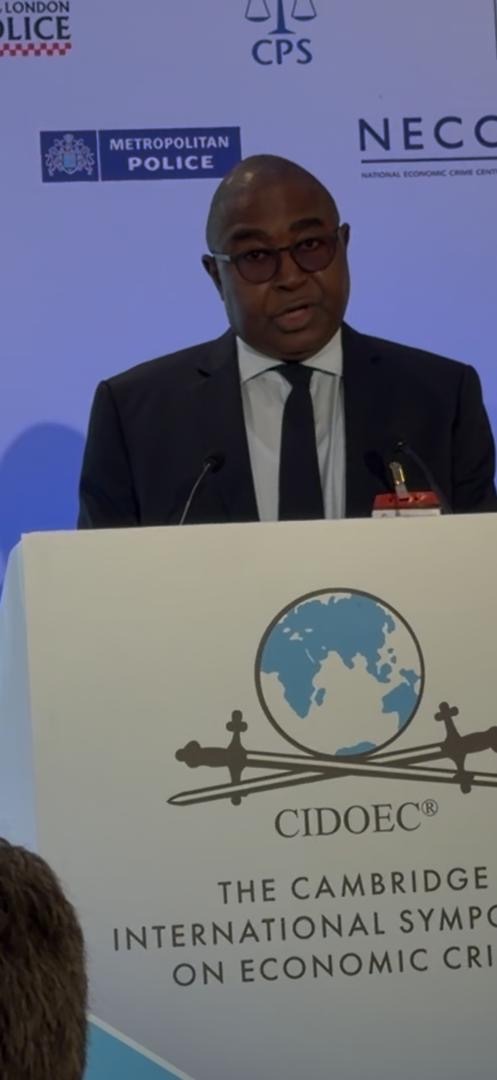
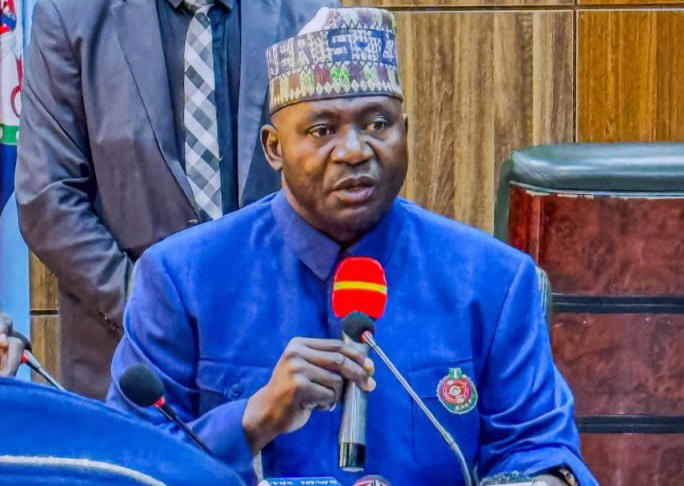
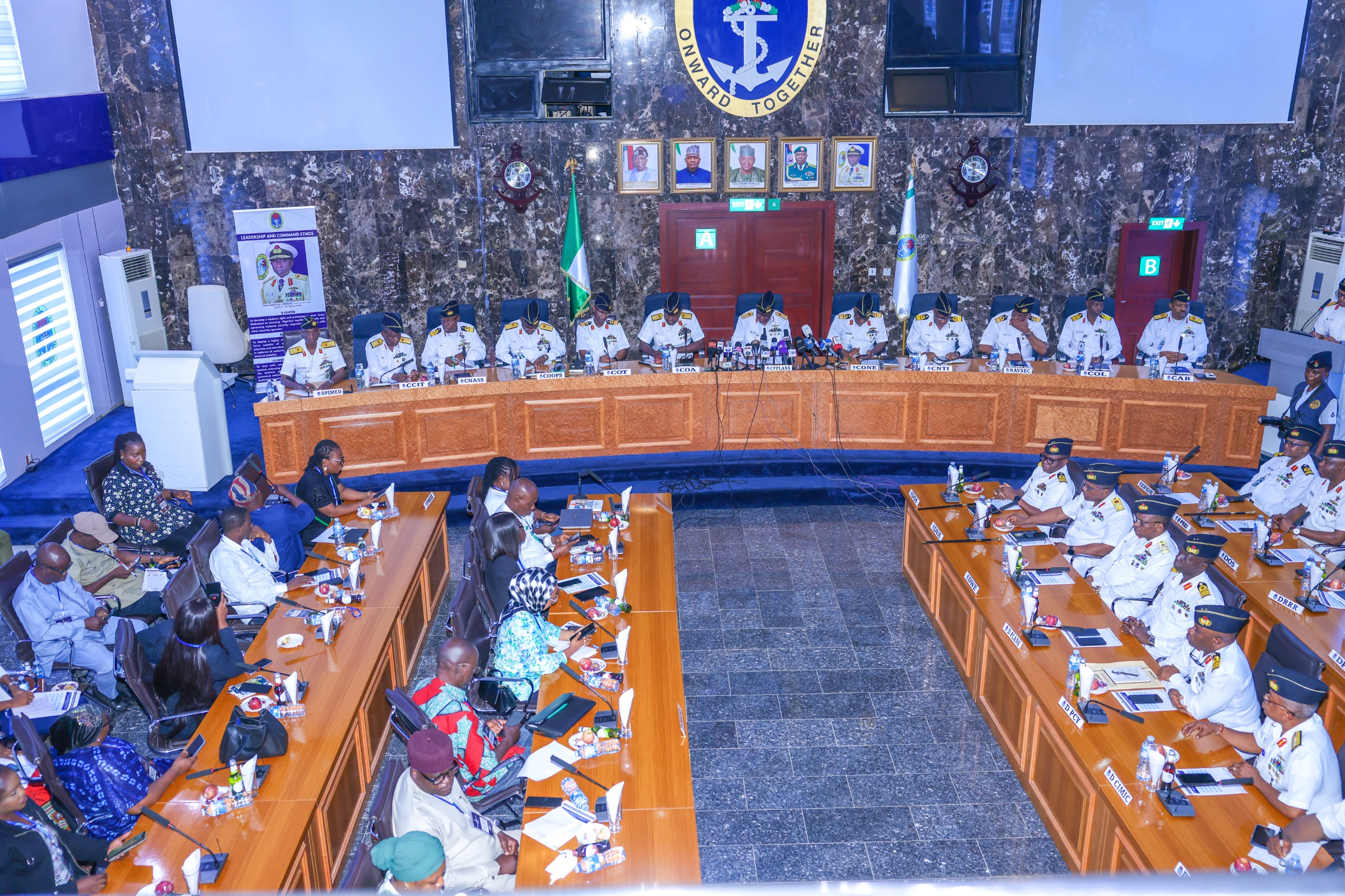
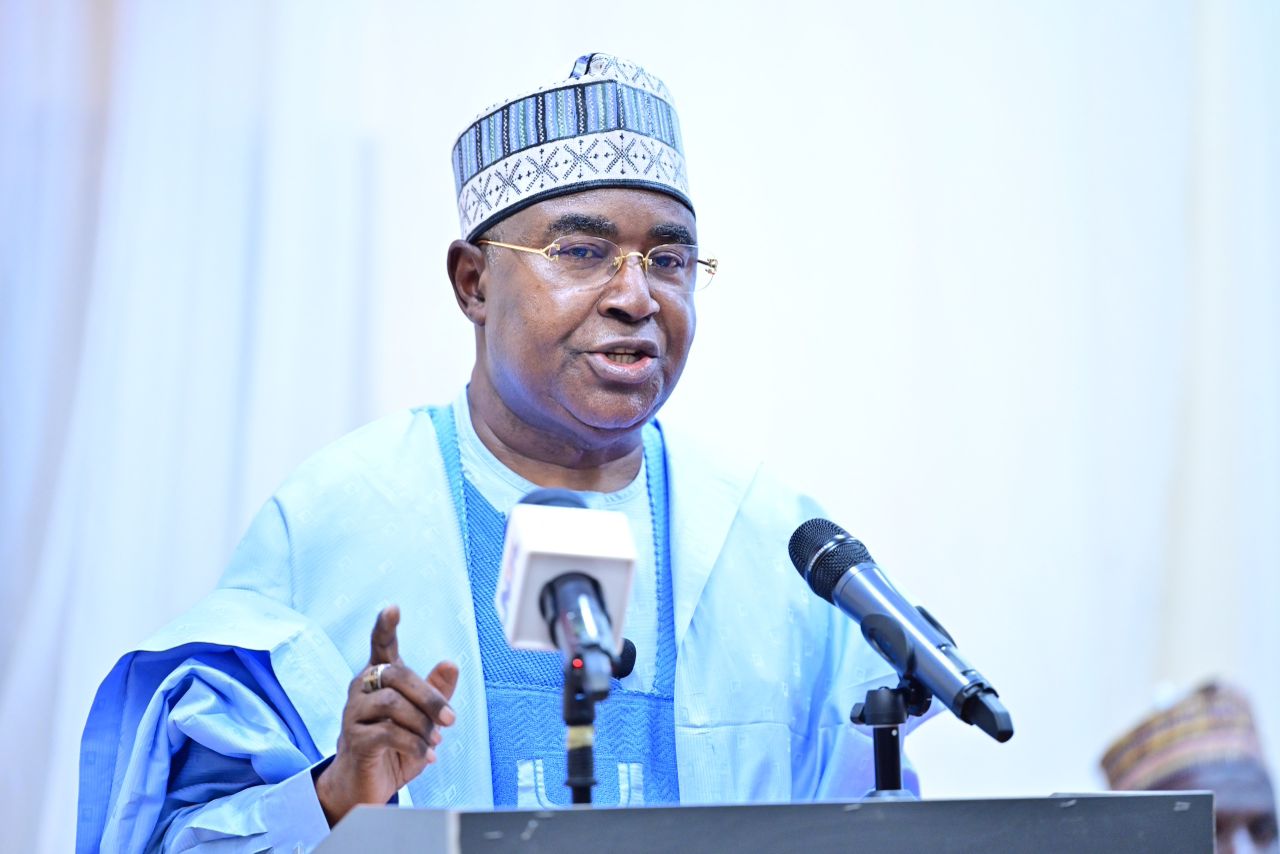
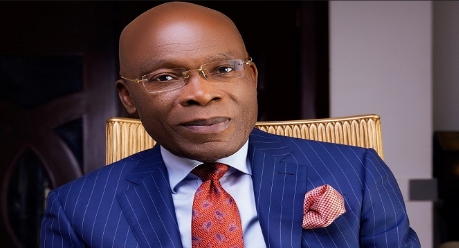
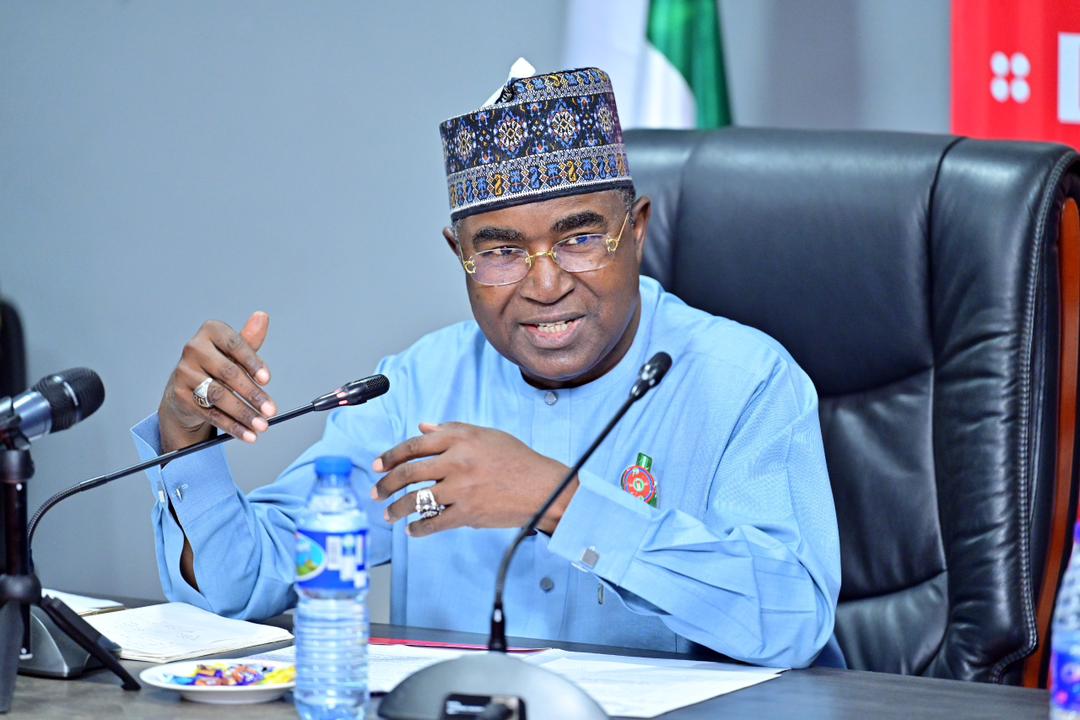
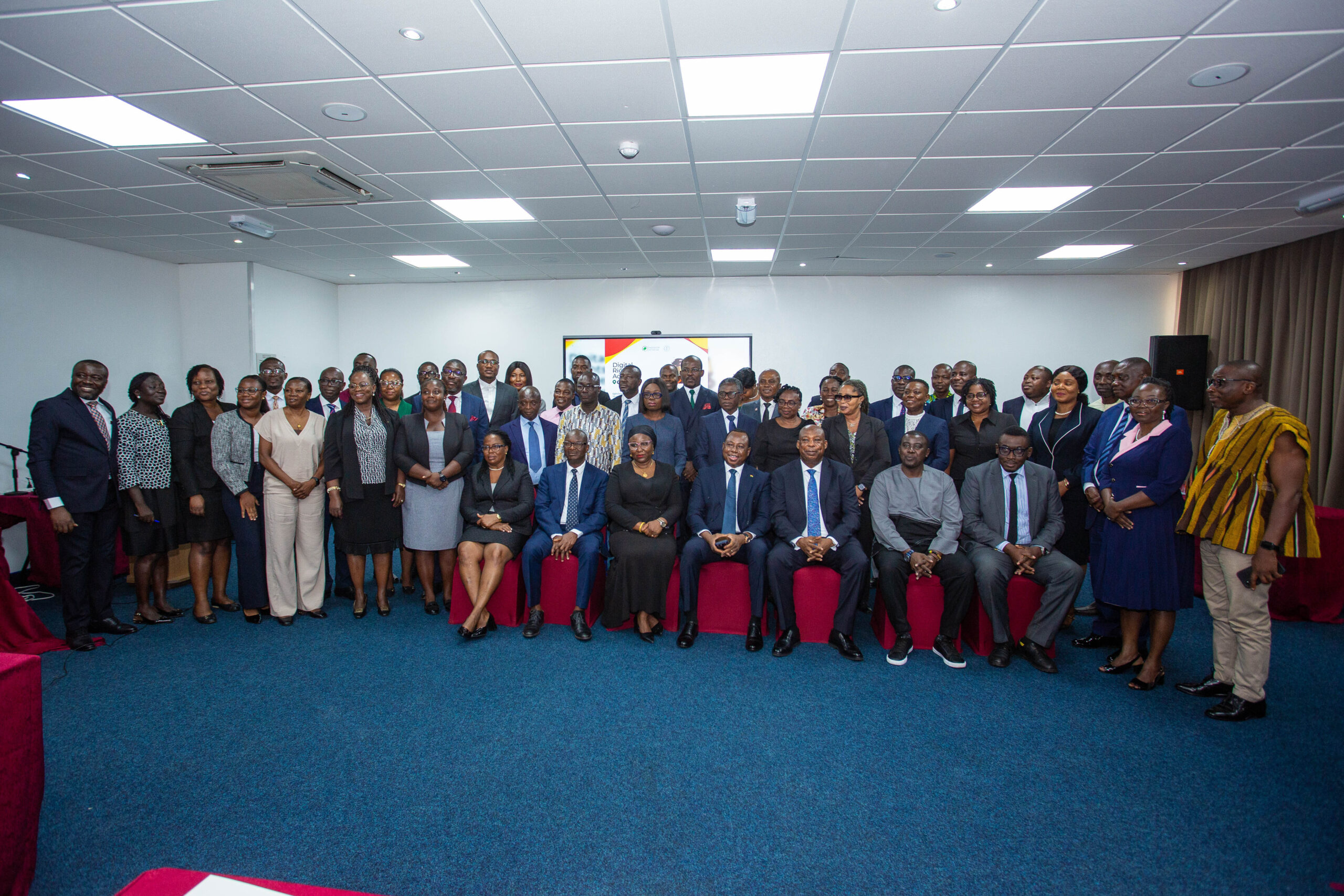
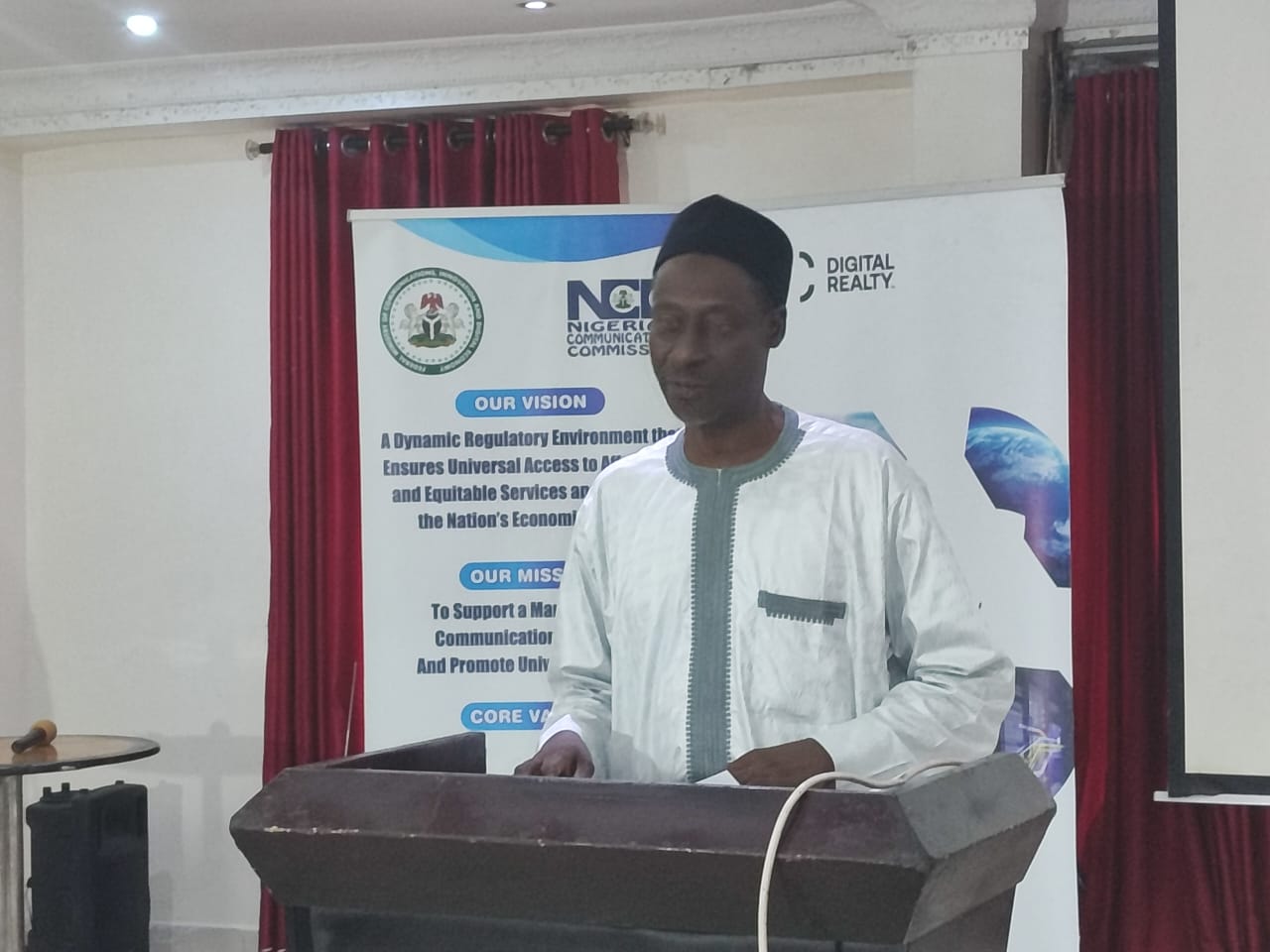
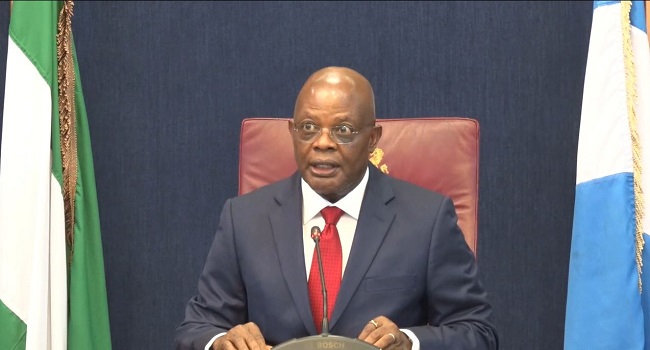
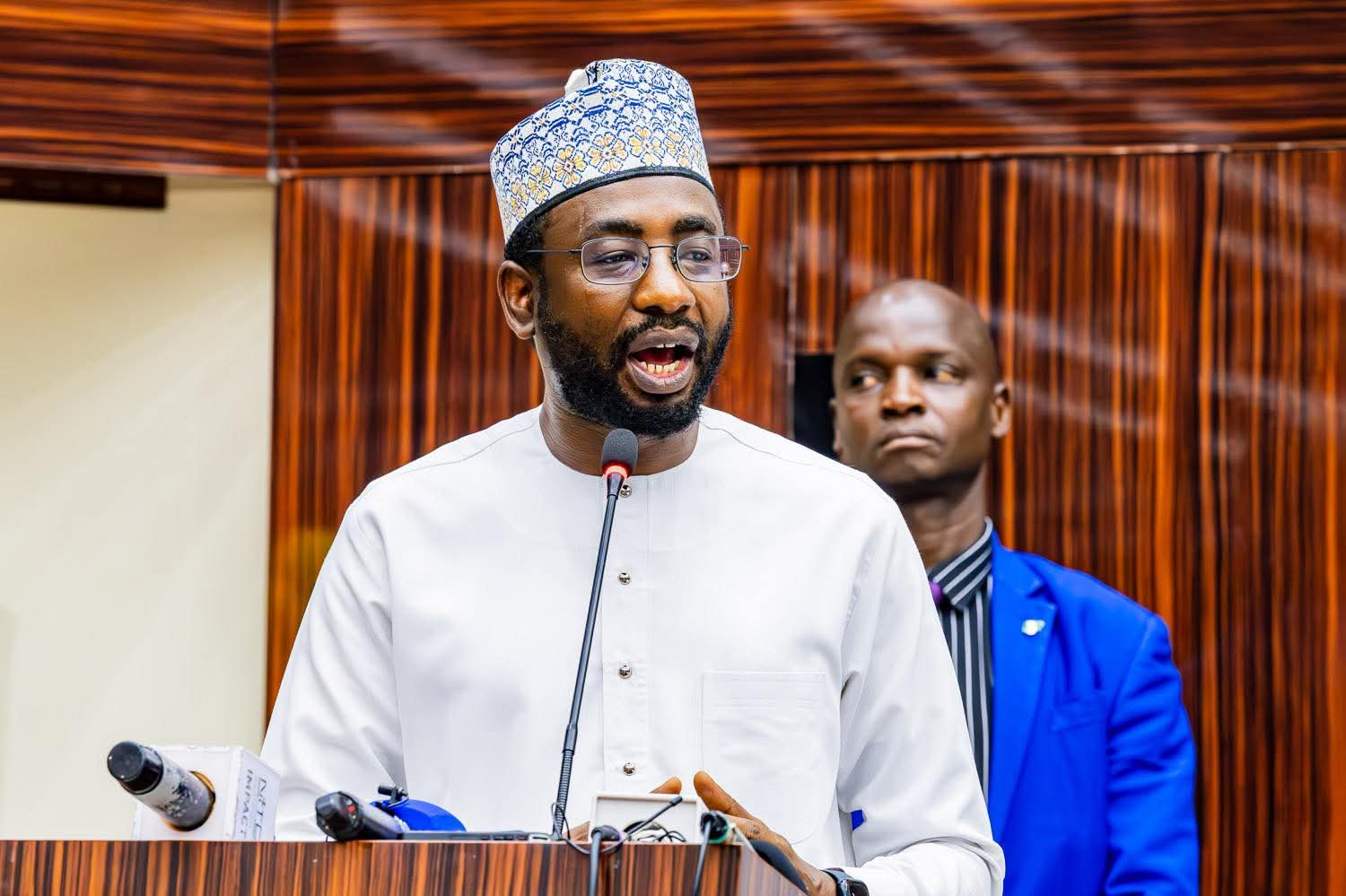
Speaking at the Lagos roundtable, Minister of Communications, Innovation and Digital Economy, Bosun Tijani, said the consultation reflects how quickly the digital environment is evolving and the need for policy to keep pace. He added that attention should now shift to effective implementation of age restrictions rather than debating their necessity.
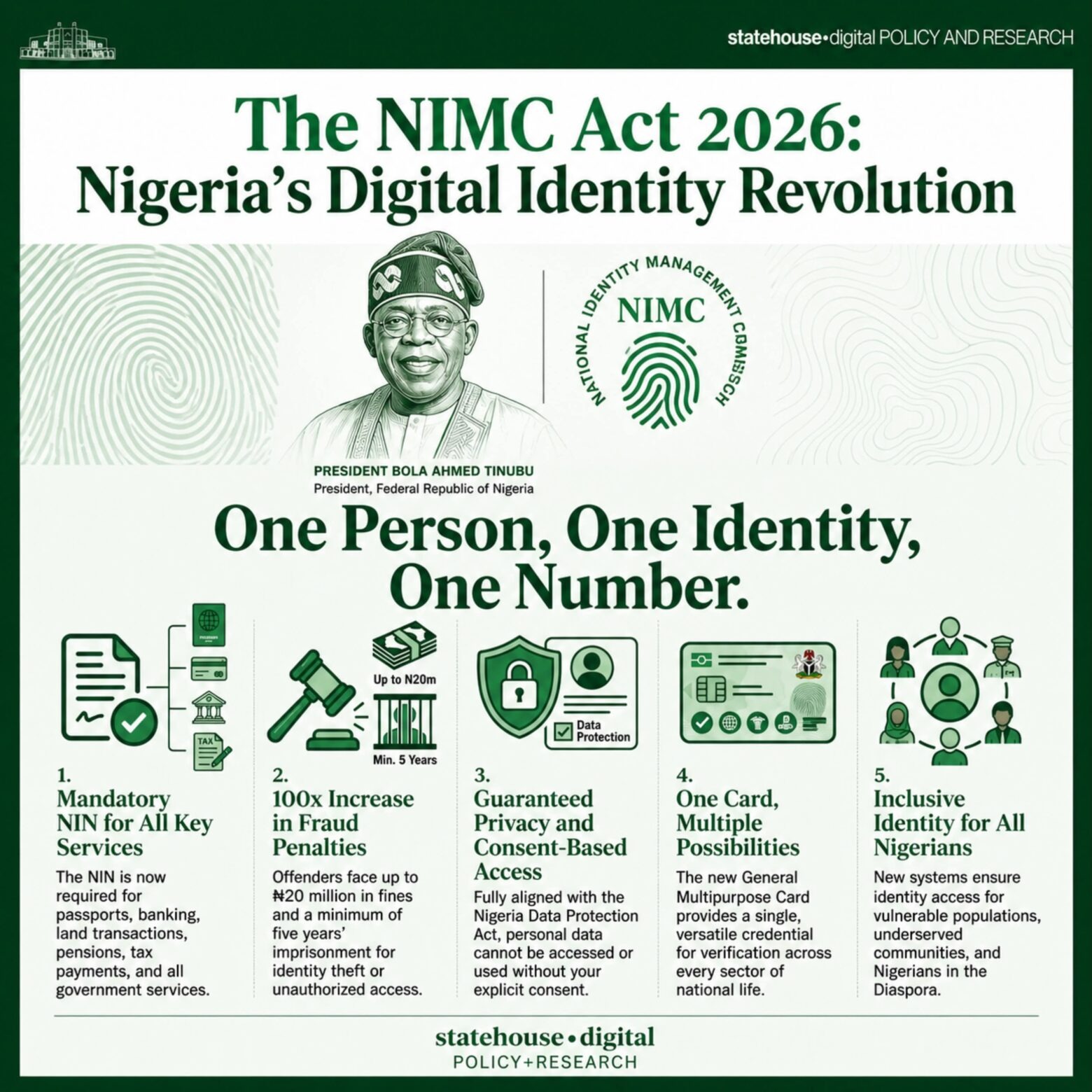
Tijani also noted that Nigeria could leverage its digital identity infrastructure alongside platform verification systems to enforce age-based rules, stressing that the possibility of bypassing safeguards should not delay regulatory action. He, however, emphasized that while social media offers educational and innovative opportunities, children must be protected from exploitation and harmful exposure, with enforcement requiring cooperation among government agencies, parents, schools, and technology companies.
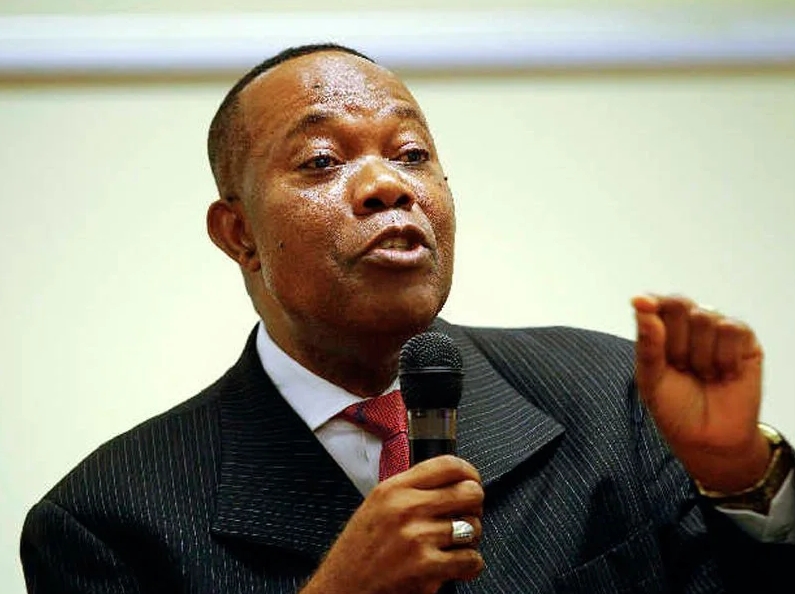
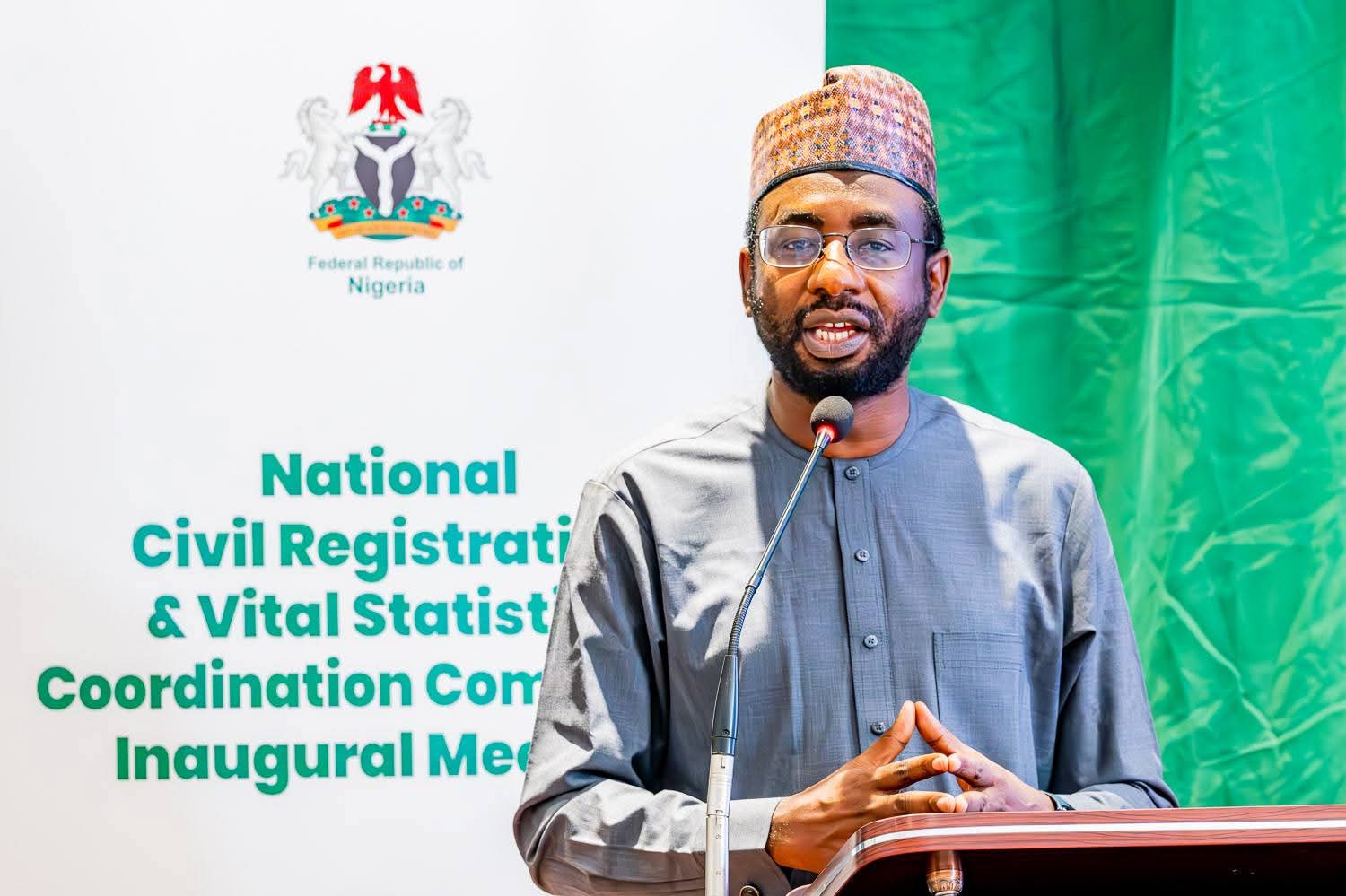
Also speaking, the National Commissioner of the NDPC, Dr. Vincent Olatunji, raised concerns about risks such as cyberbullying, cyberstalking, exposure to harmful content, and mental health pressures affecting children online. He maintained that while internet access remains essential for learning and development, protective measures must be implemented alongside access, describing child online safety as a shared responsibility.
The discussion aligns with a growing global shift toward stricter age-based controls on social media. Countries including Australia have already implemented bans for users under 16, while Indonesia has announced plans for similar measures.
In Europe, Denmark is moving toward restricting social media access for children under 15 with strong political backing, while France has also enacted legislation limiting access for children under 15, supported by President Emmanuel Macron.
These developments reflect a broader shift in global policy thinking, where child online safety is increasingly being treated as a public concern linked to health, education, and digital identity systems, rather than content regulation alone.
In Nigeria, the emerging policy direction suggests a hybrid approach combining age restrictions with digital verification systems, with authorities pointing to national identity infrastructure and platform-level enforcement tools as key options.
While the consultation shows strong backing for regulatory intervention due to concerns over harmful content, addiction, and online grooming, a segment of respondents still favours digital literacy campaigns and parental supervision as alternative approaches.
The Federal Government has, however, stated that no final decision has been reached, noting that further nationwide consultations will guide any future policy direction before implementation.
Stay informed on this developing story and other major national and global updates by visiting LouisaOlaniyi.com.ng for verified reports.