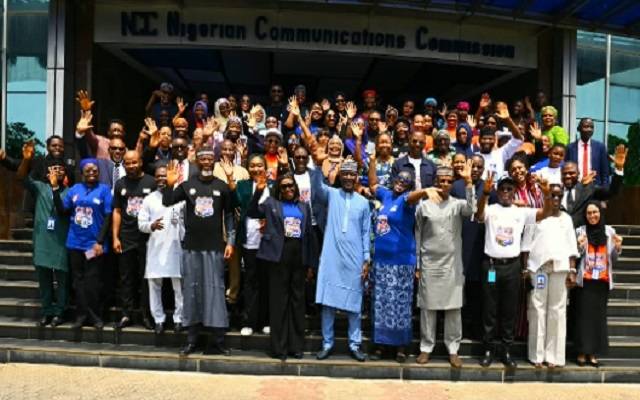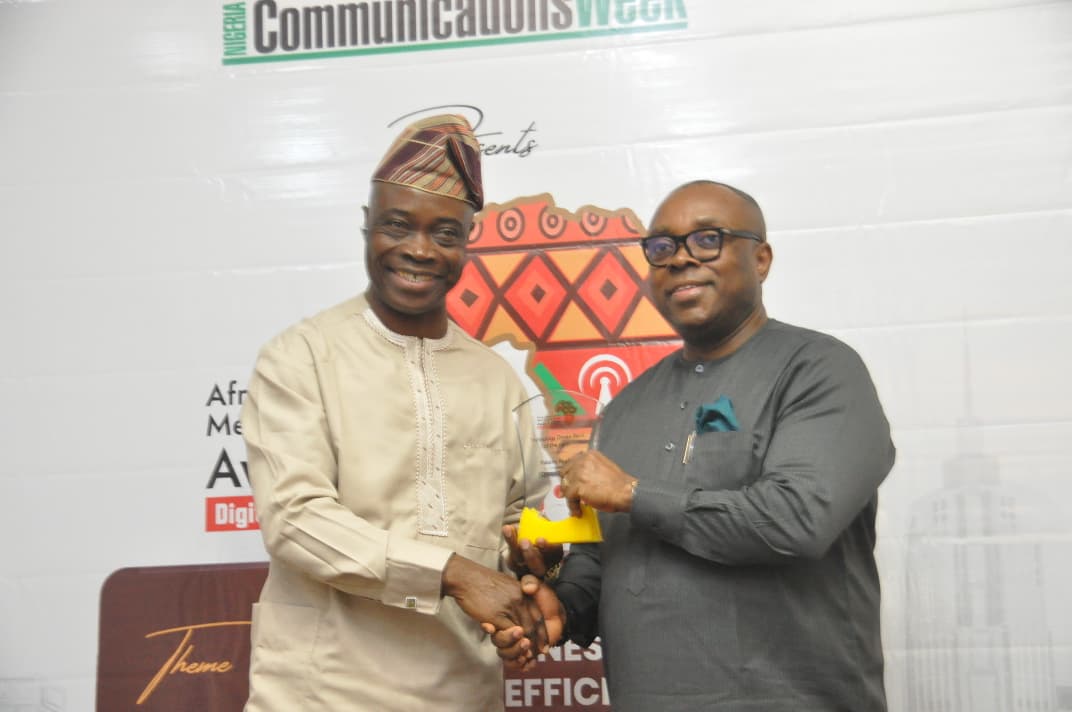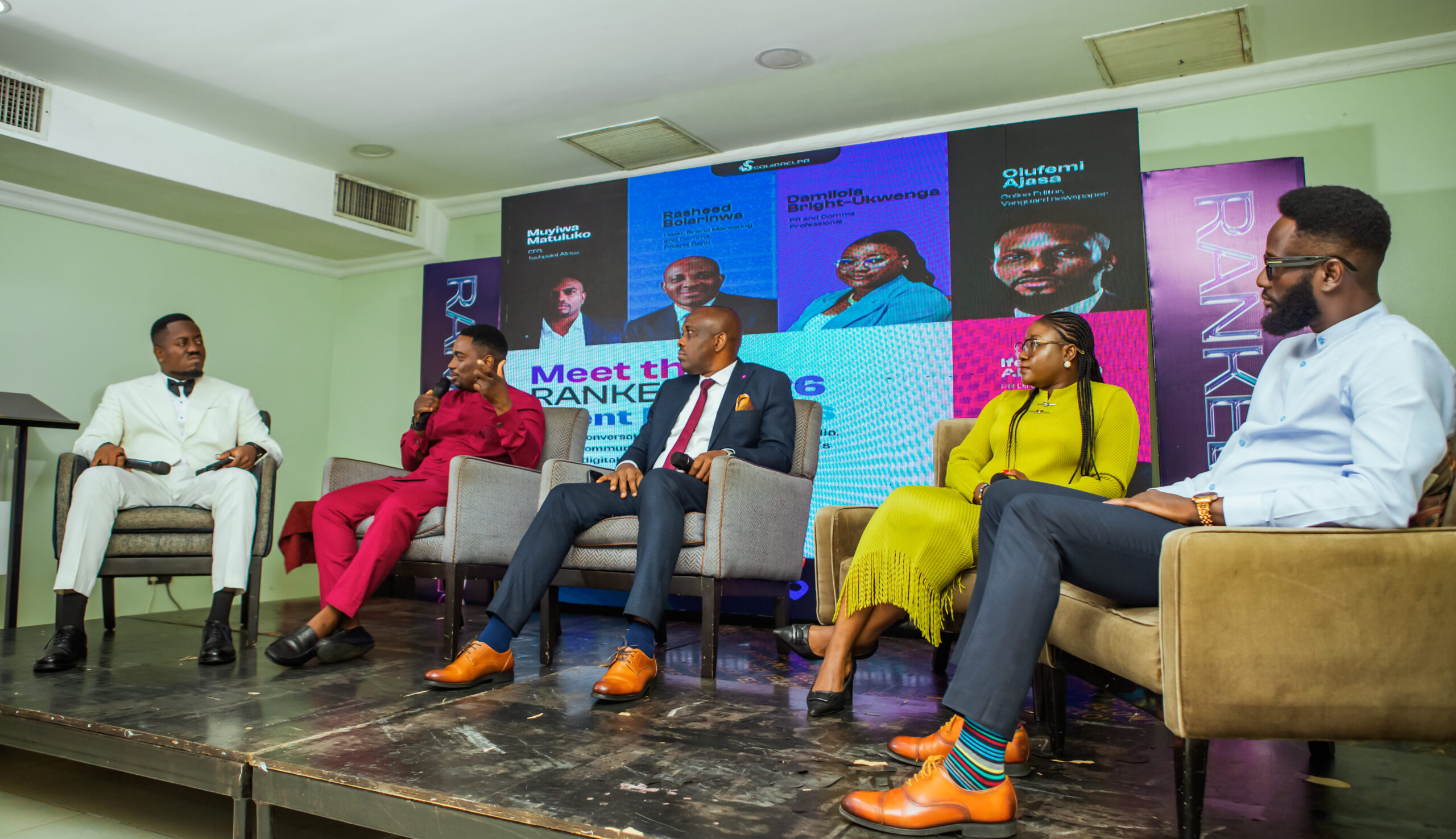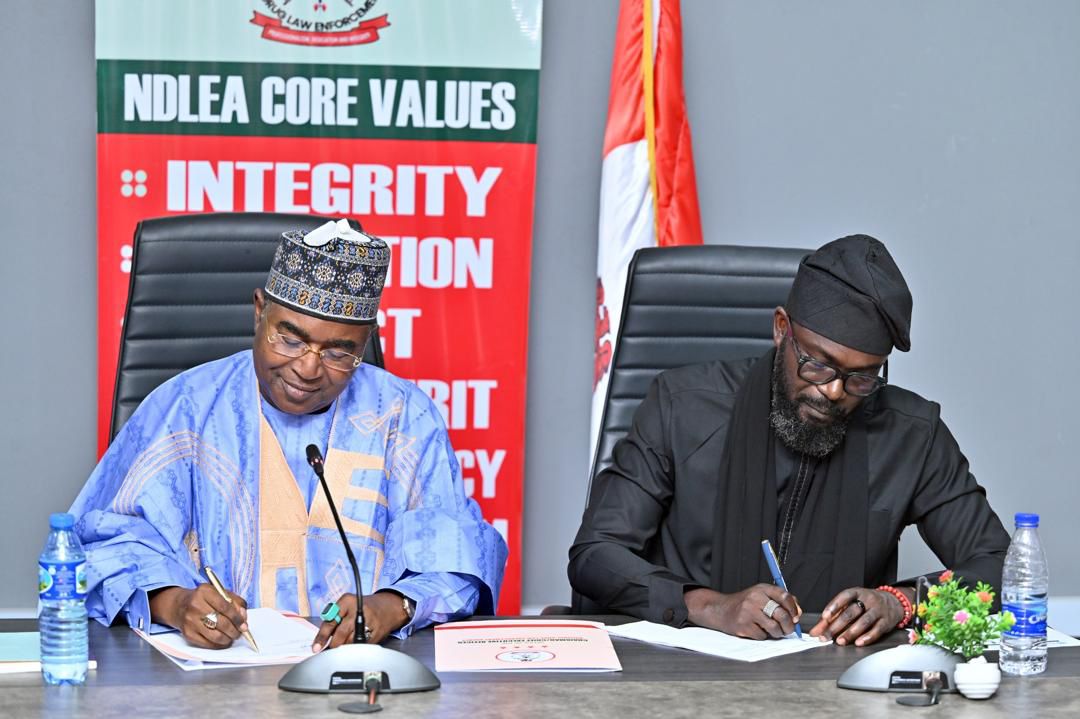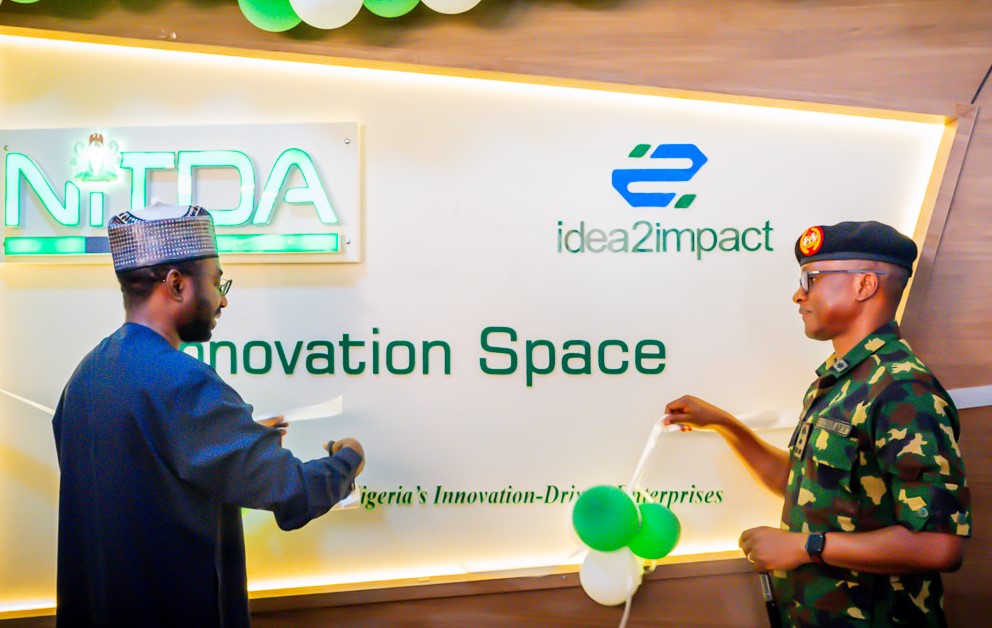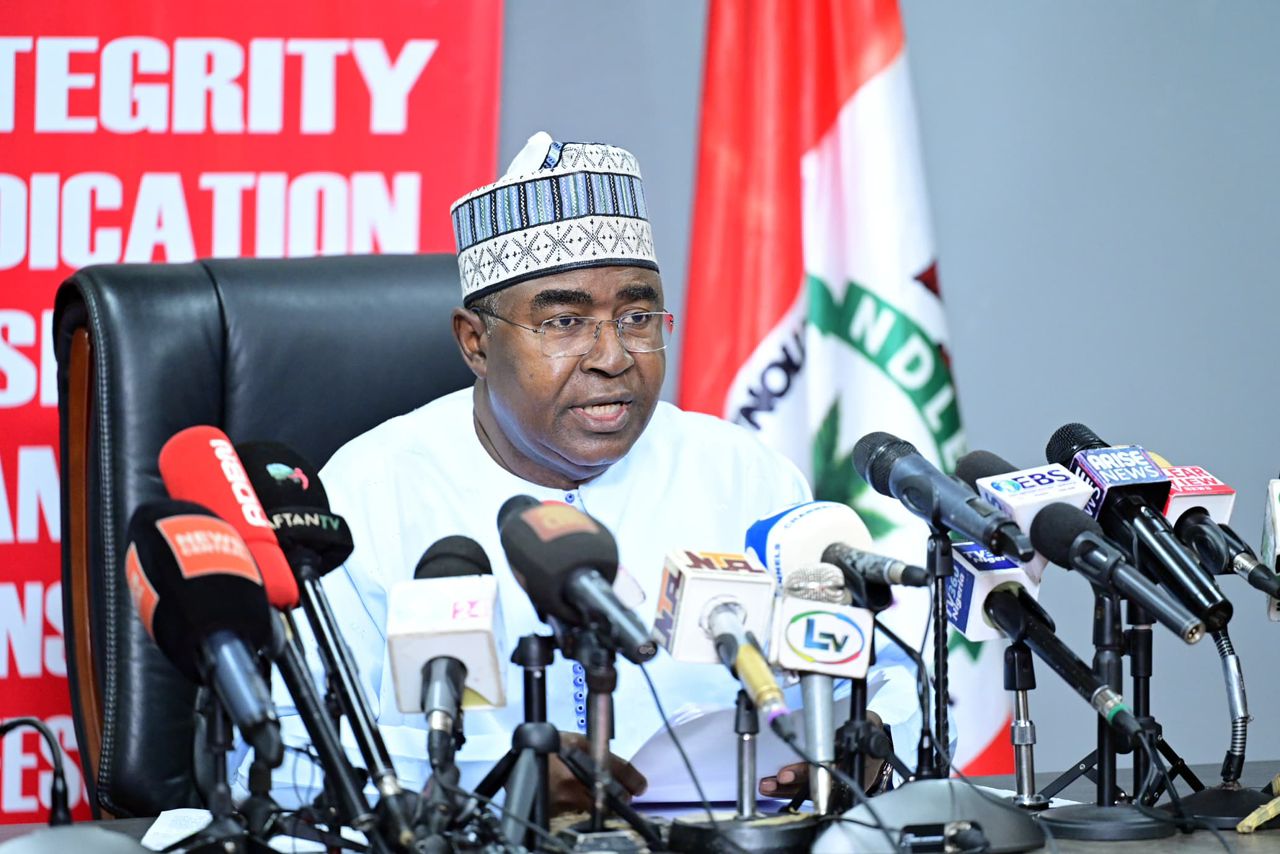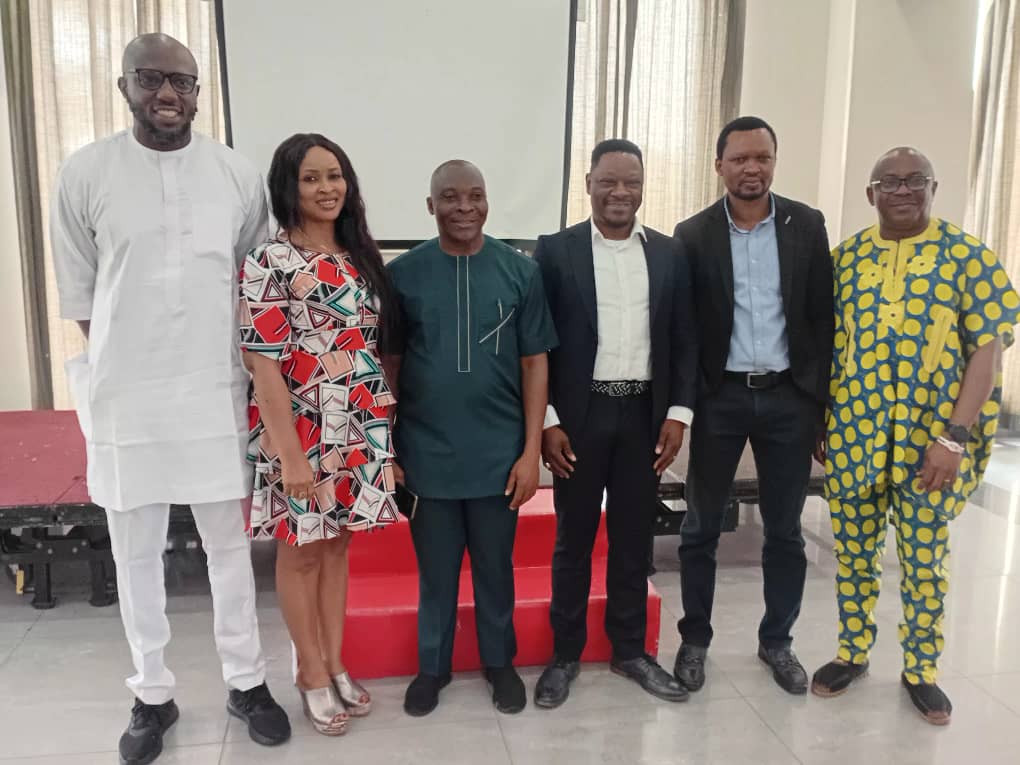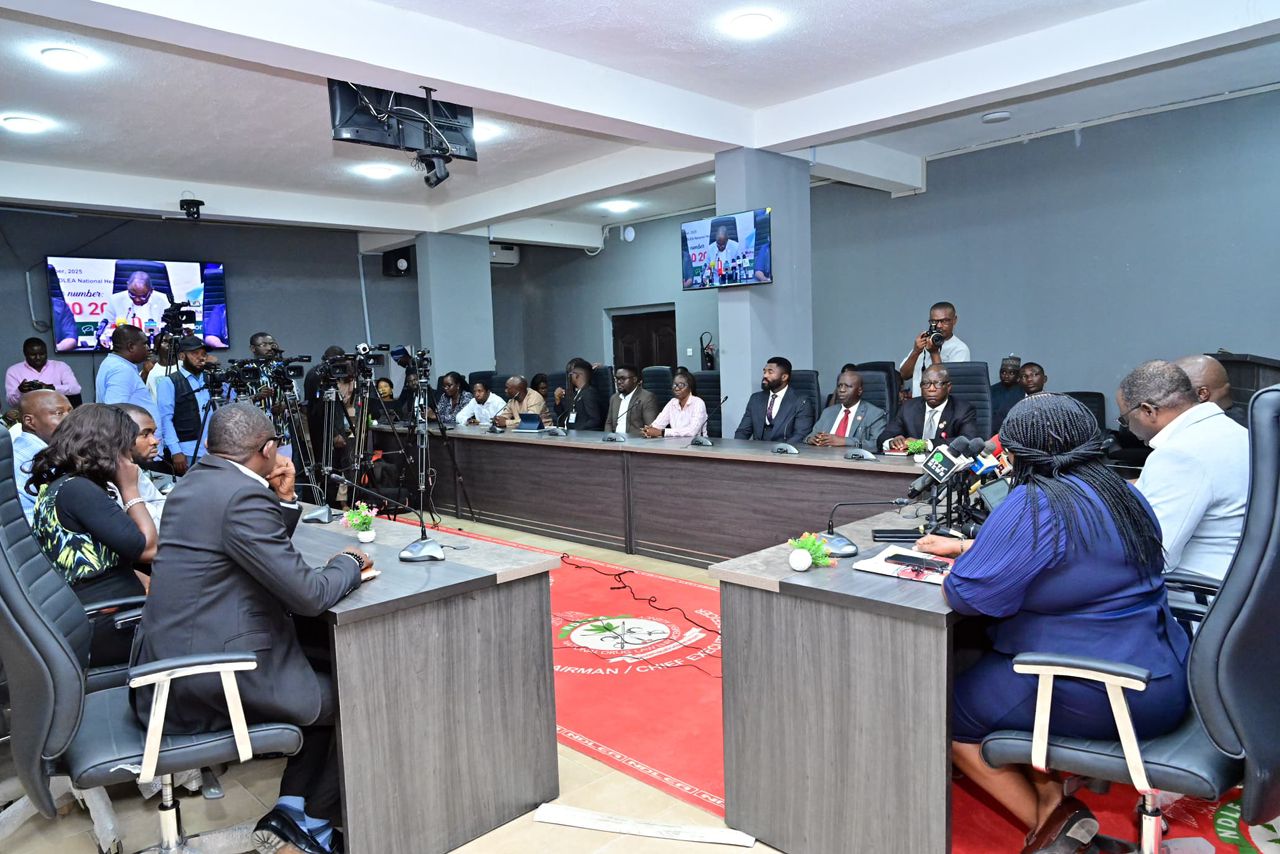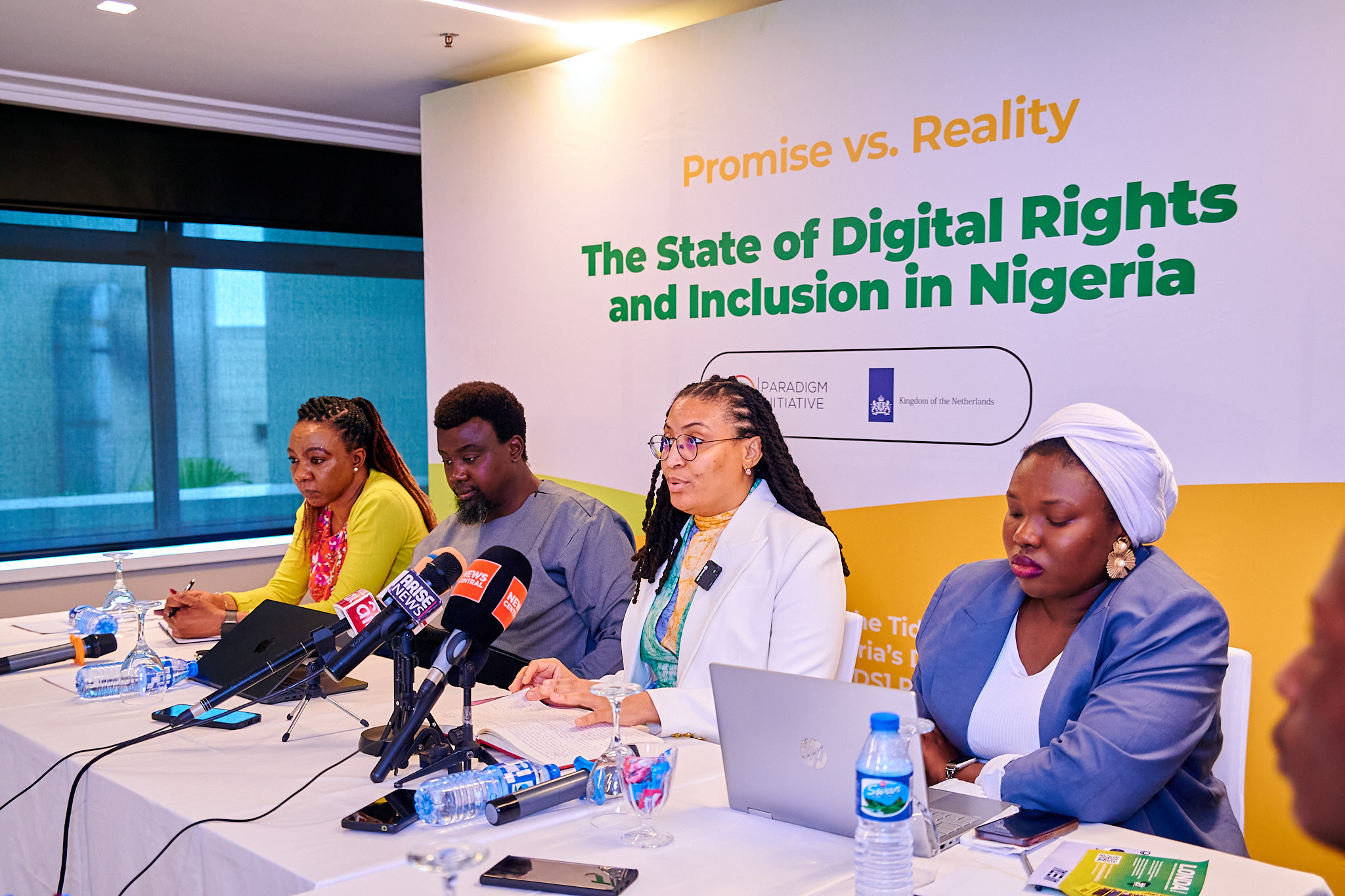
The 2026 Nigeria Internet Registration Association (NIRA) .ng Media Advocacy and Capacity Building Initiative workshop is emerging as a major force in shaping public perception of Nigeria’s digital identity.
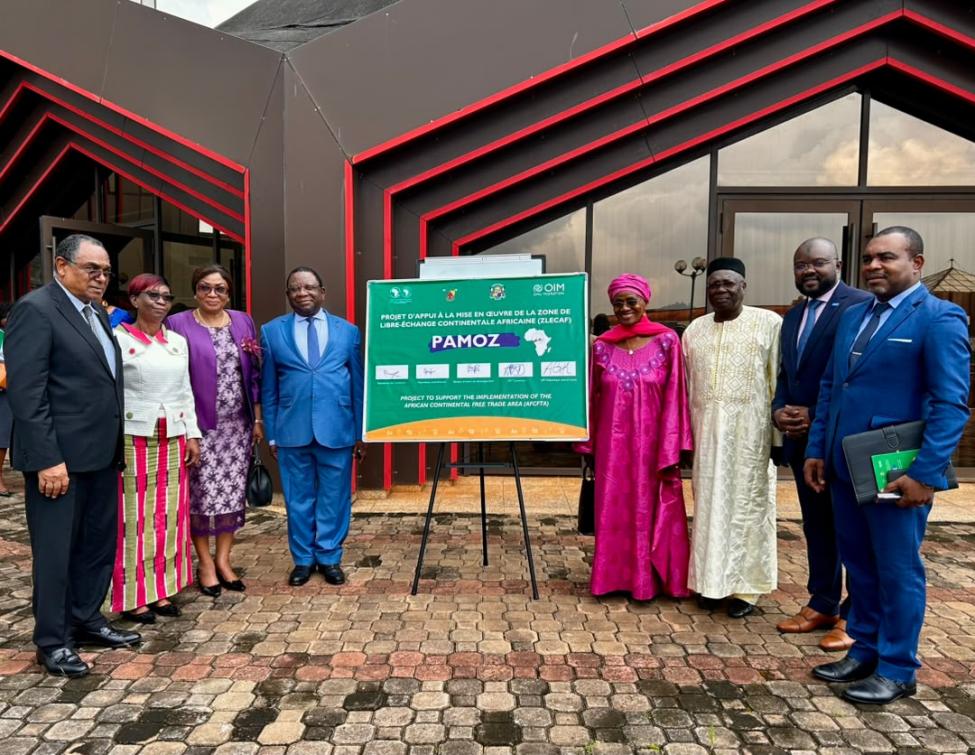
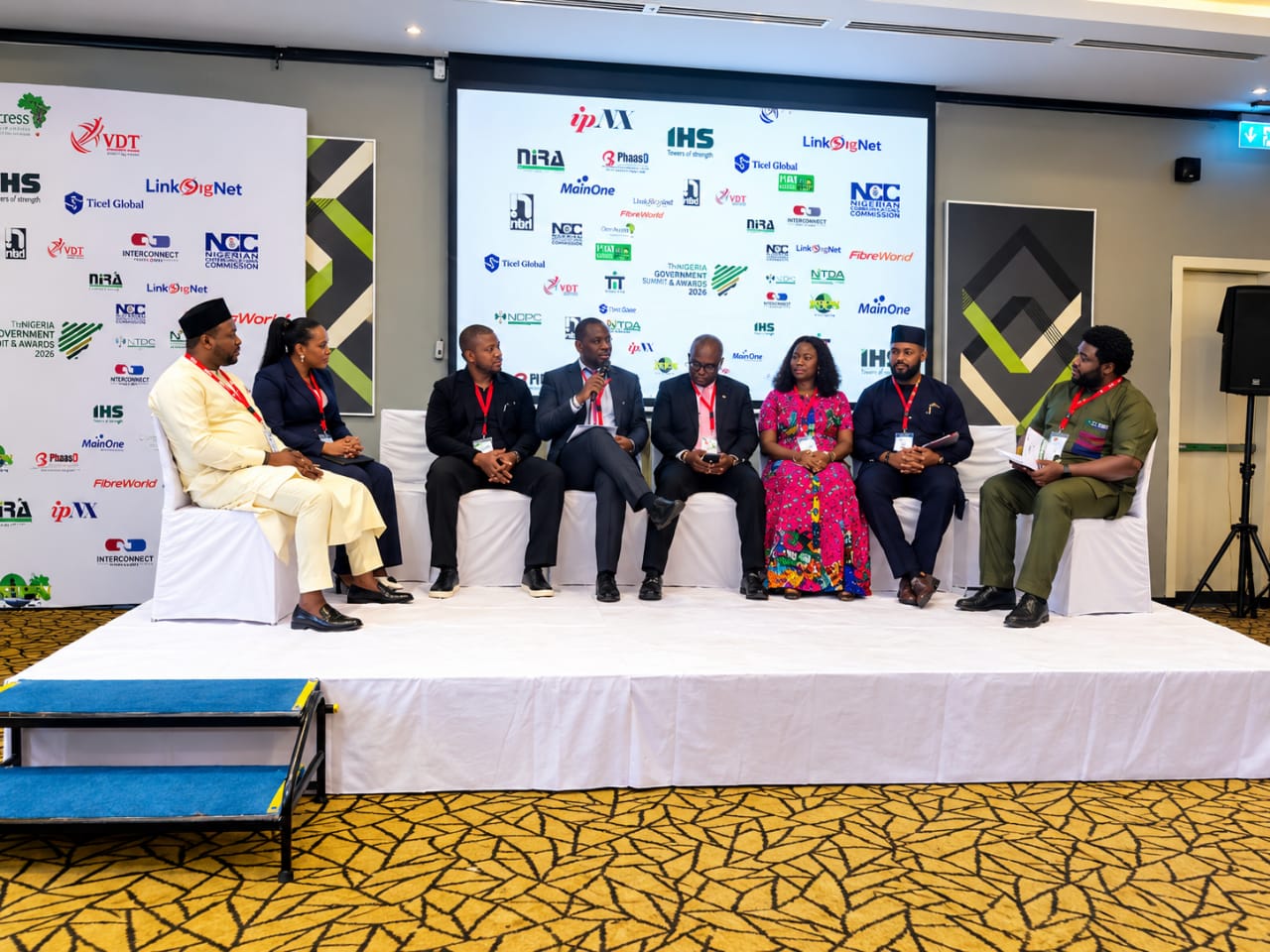
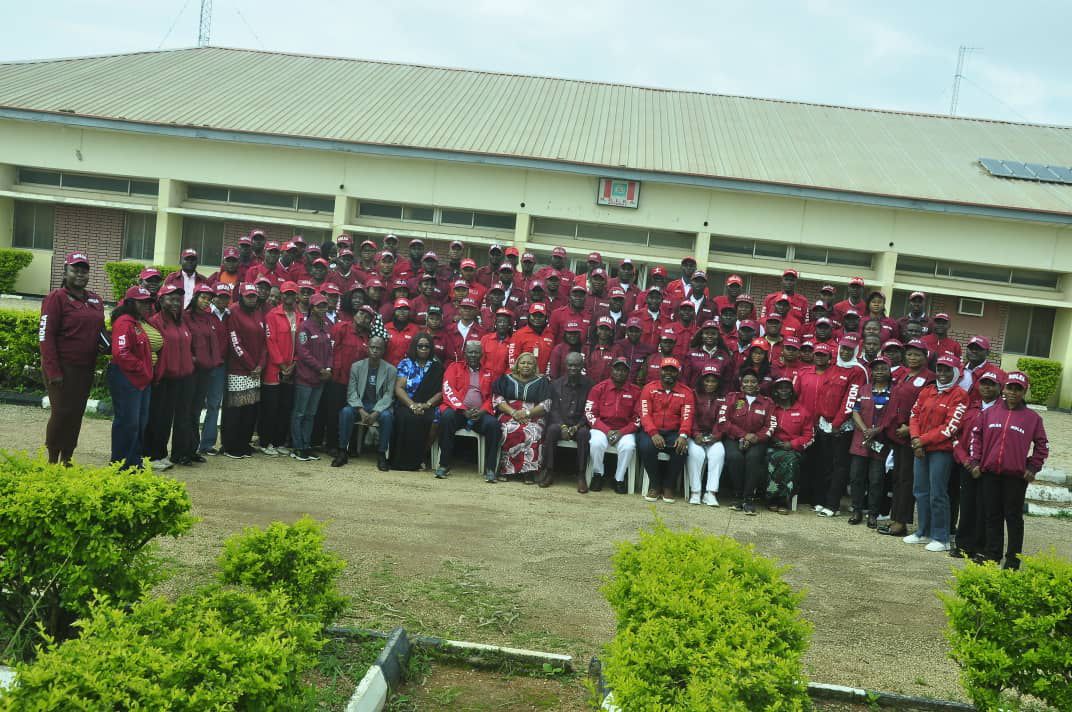
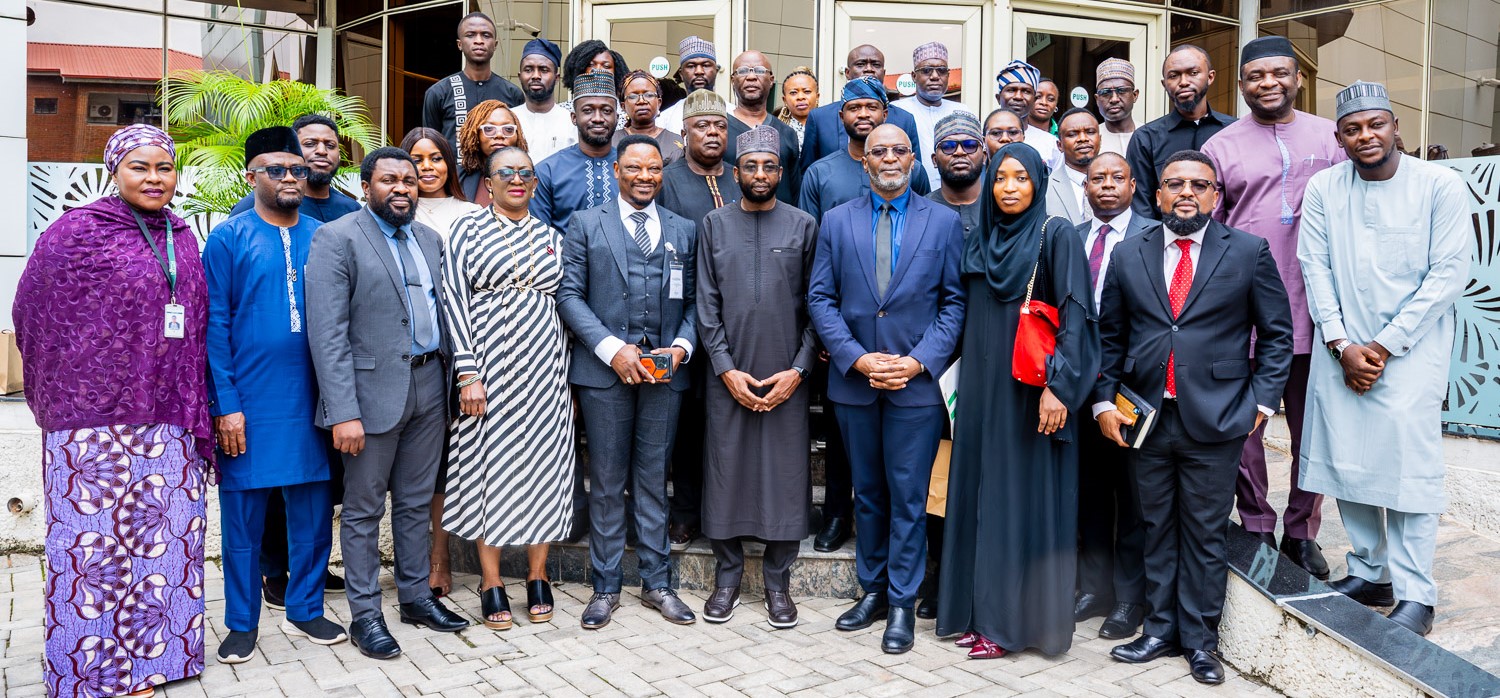
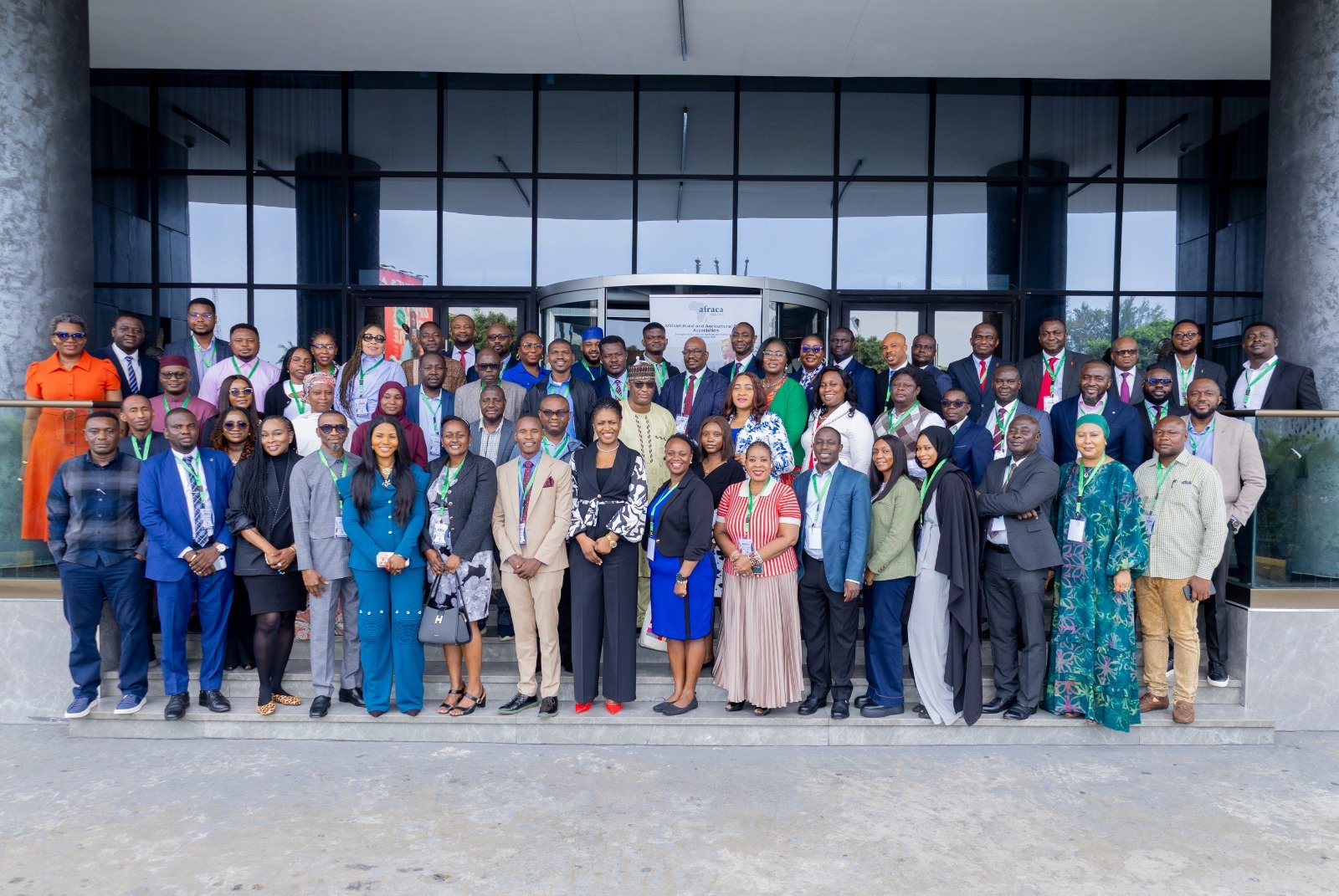
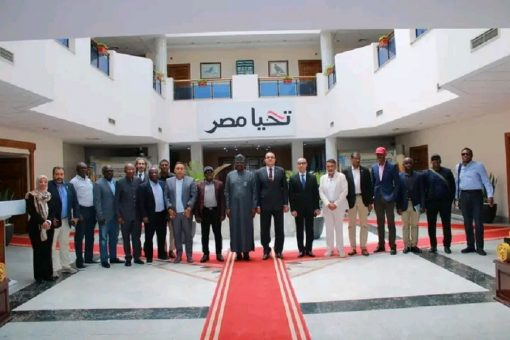
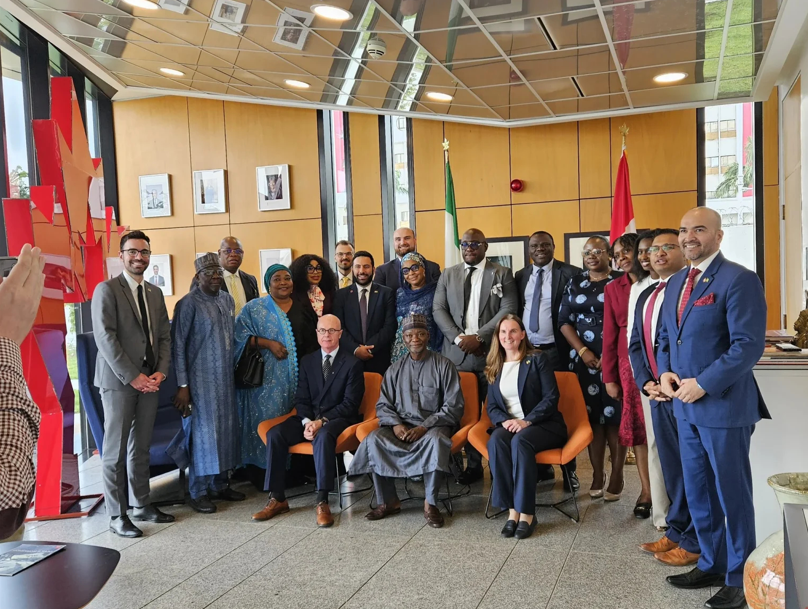
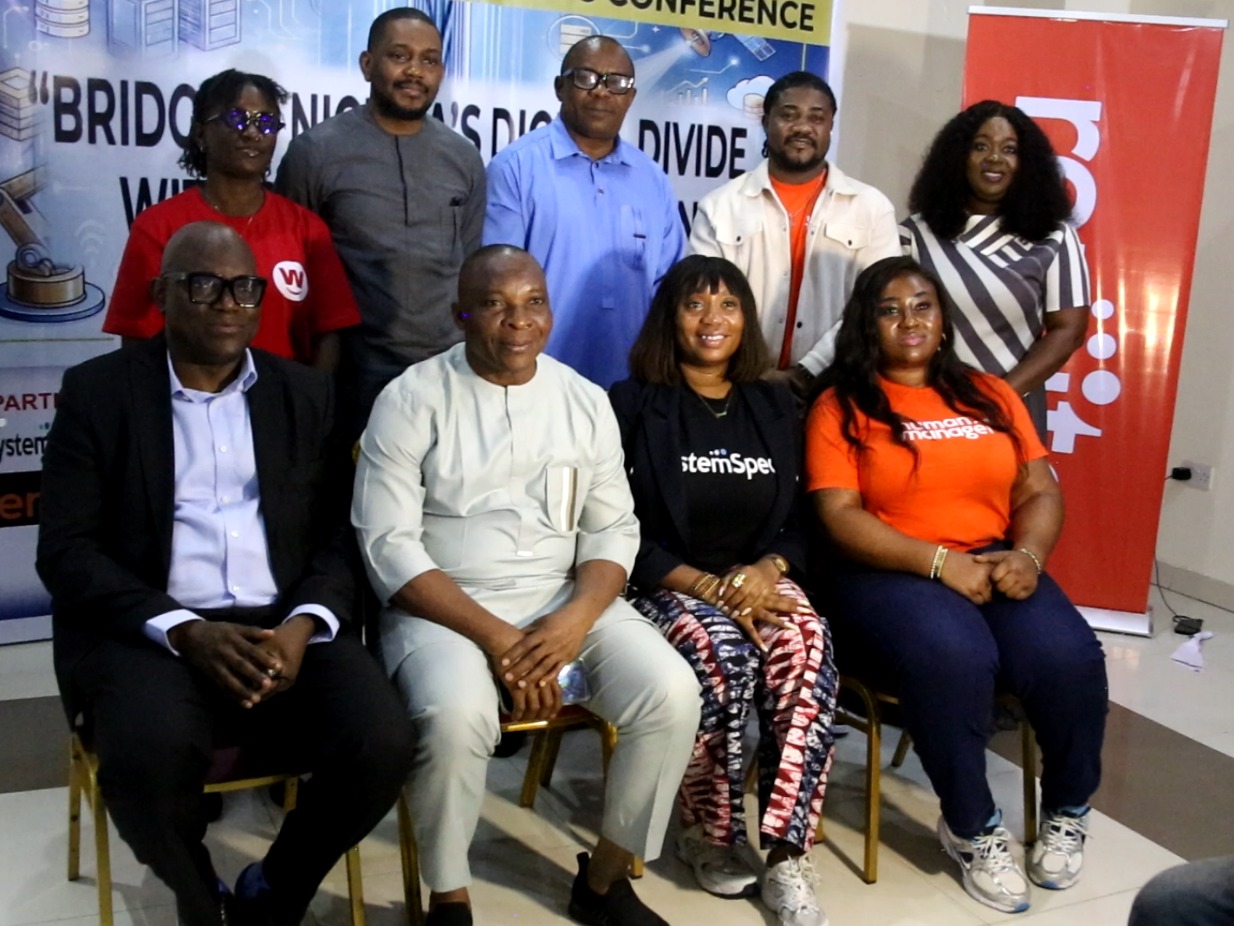
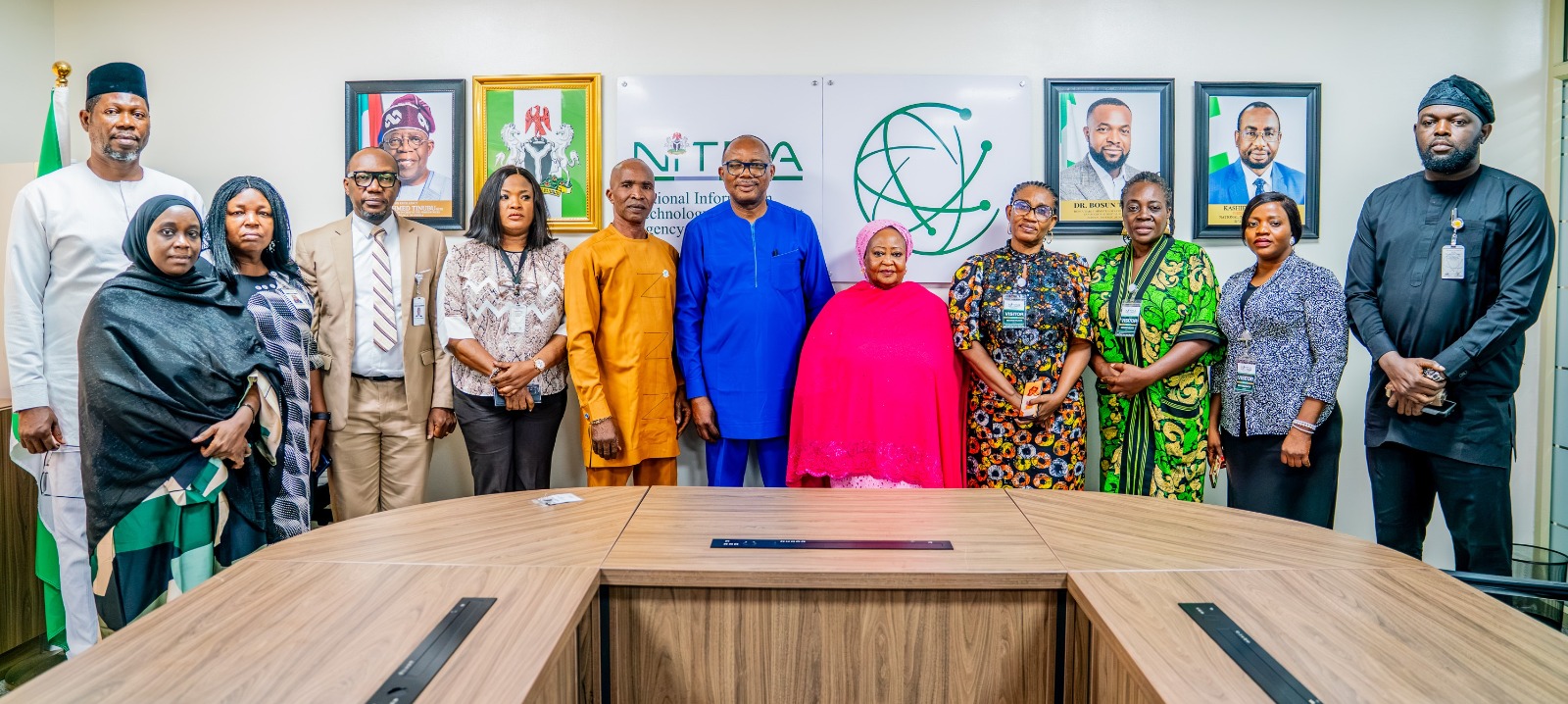
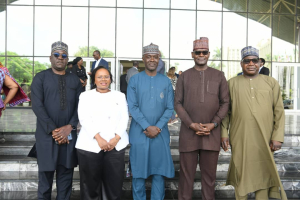
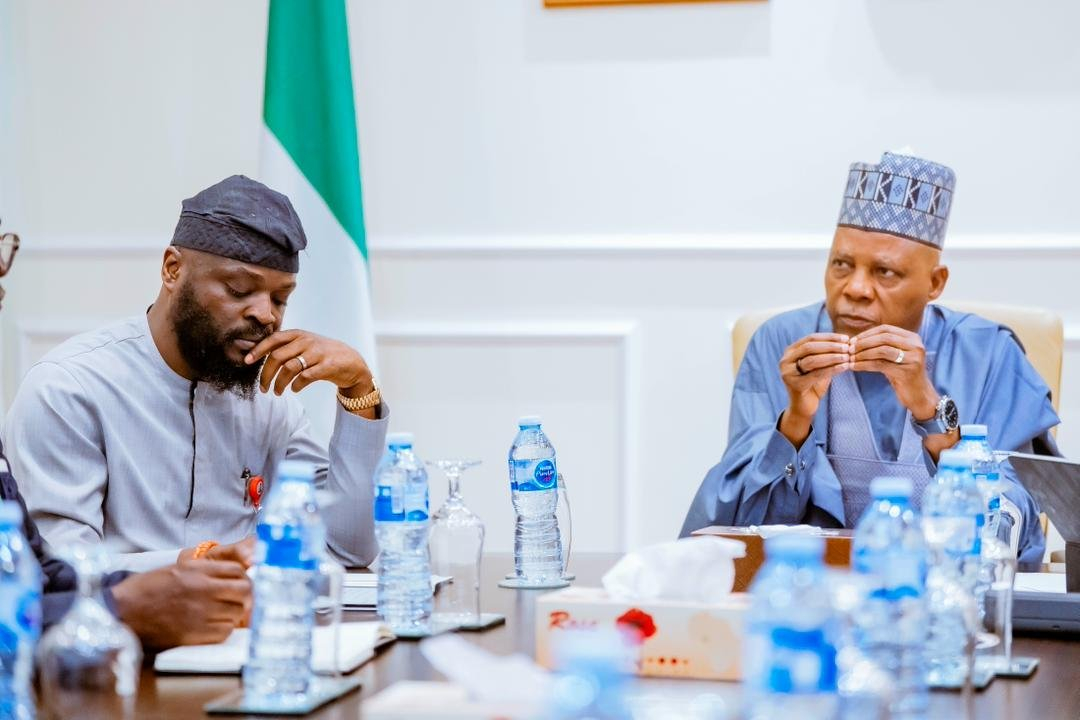
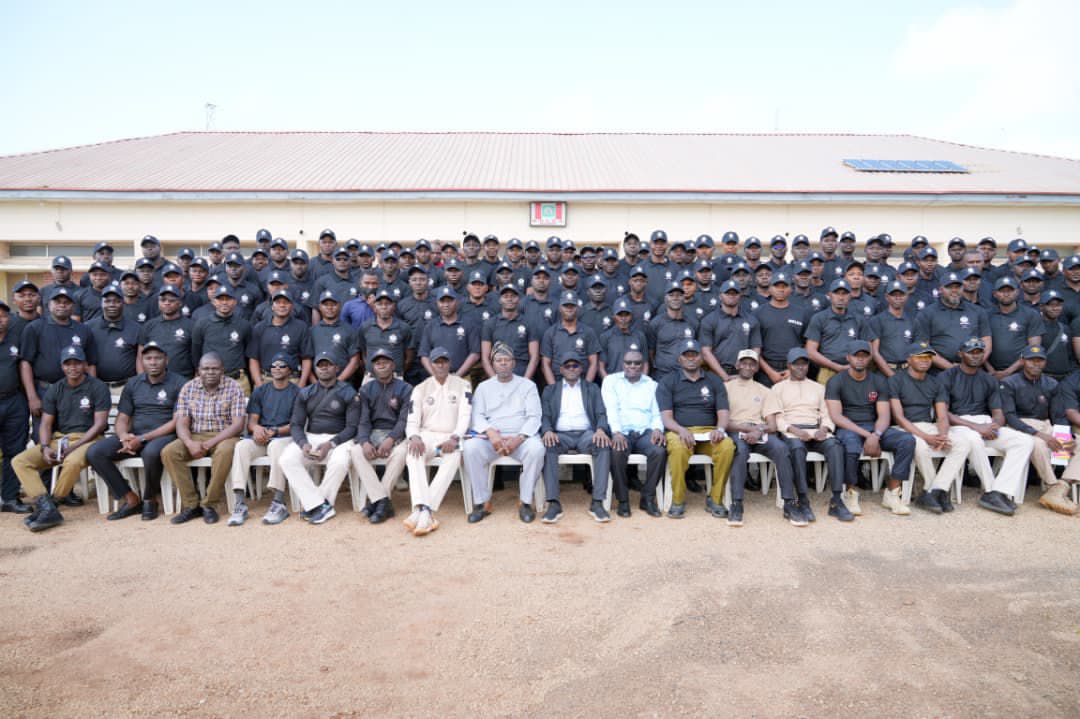
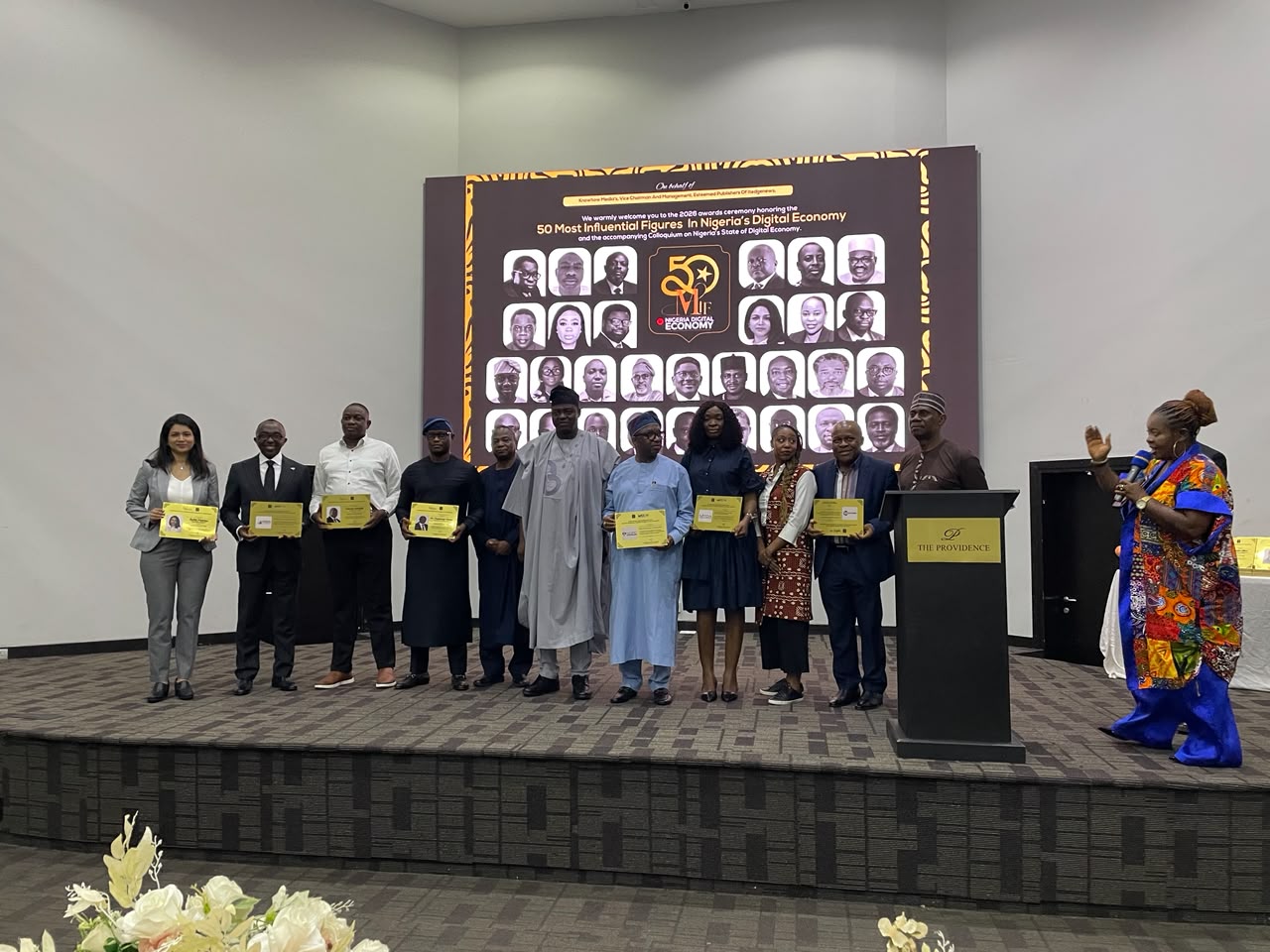
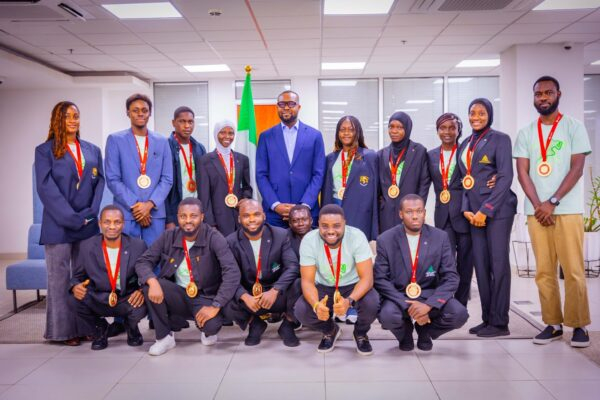
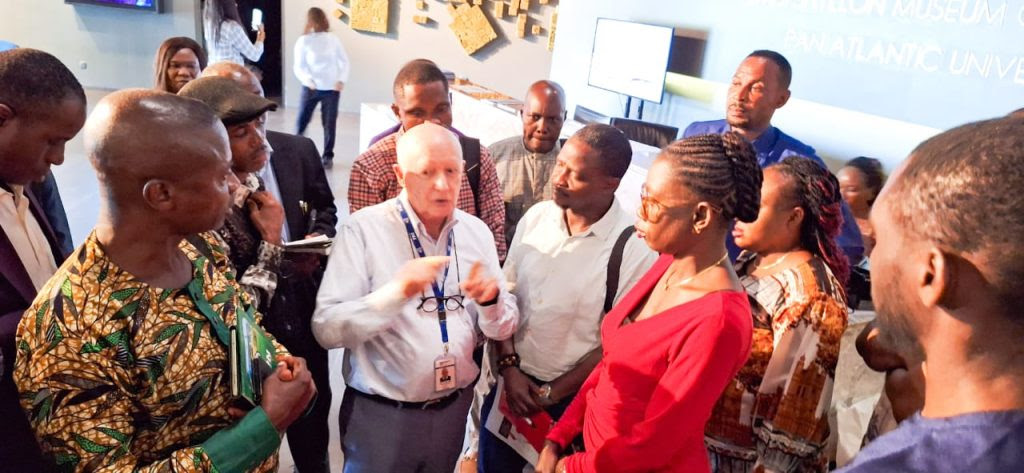
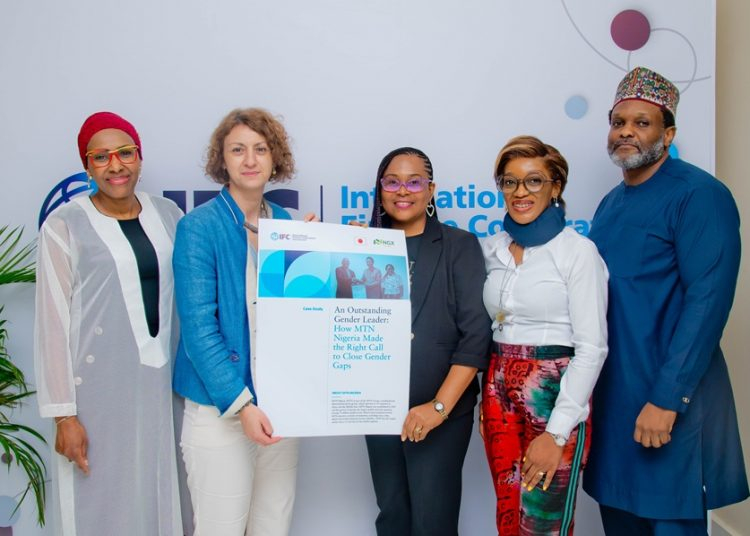
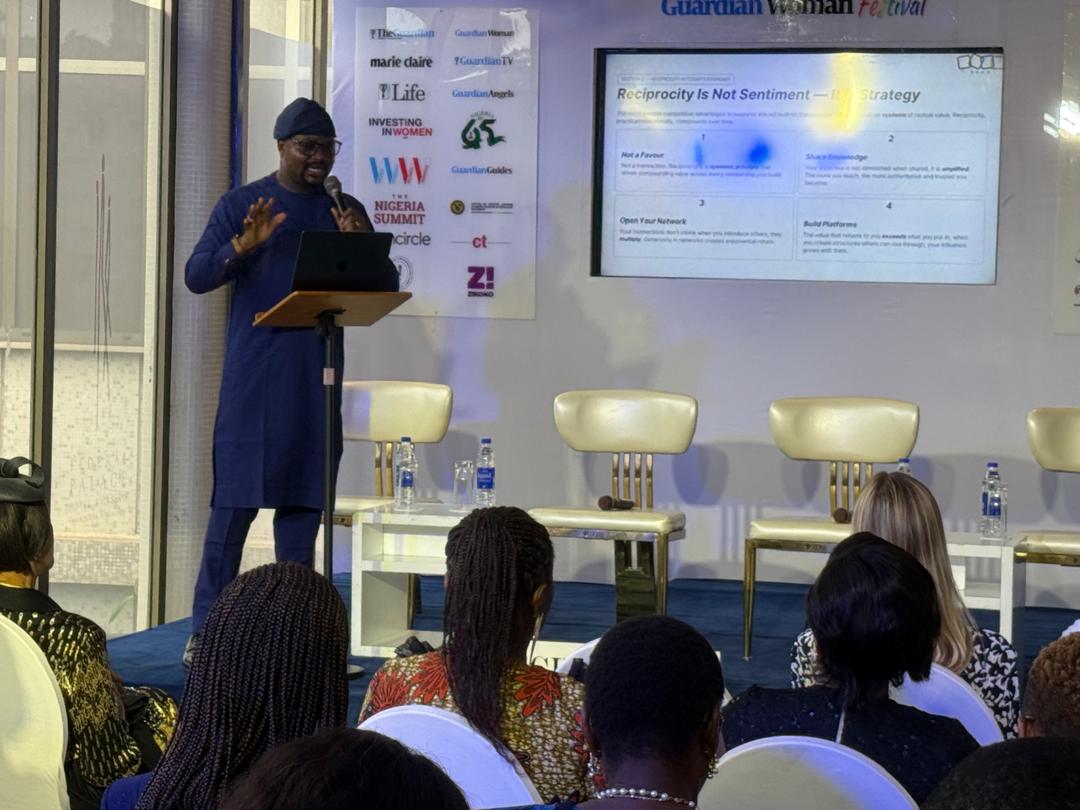
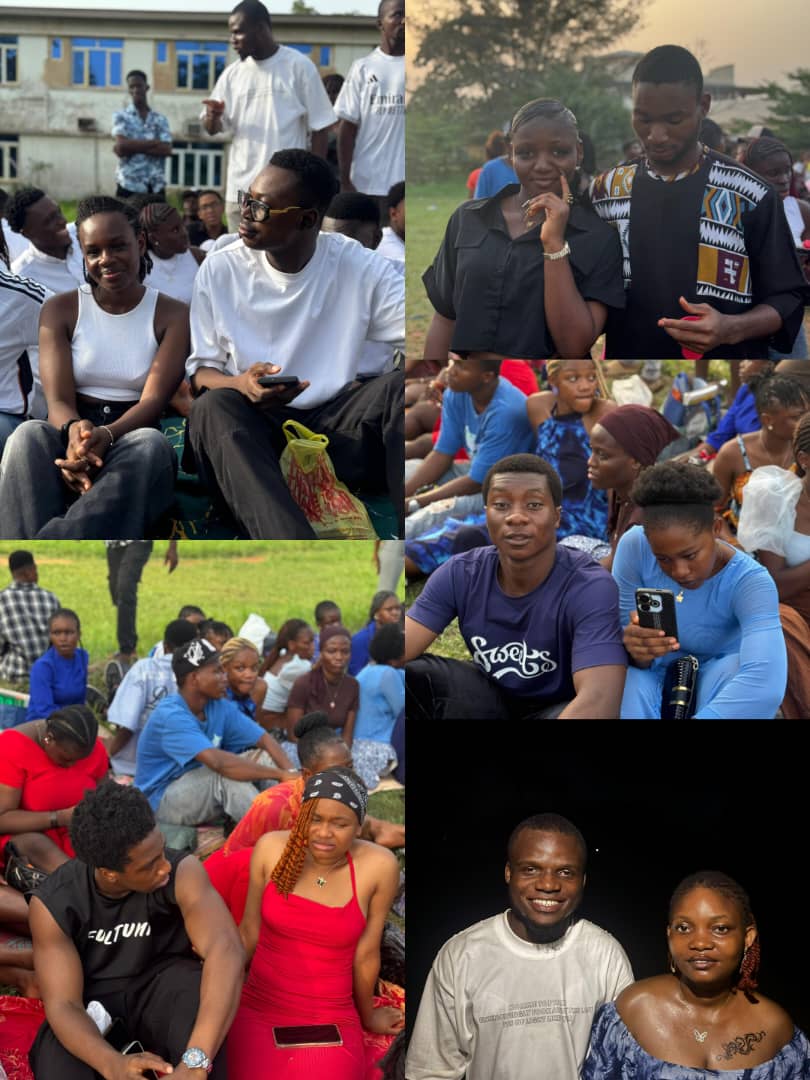
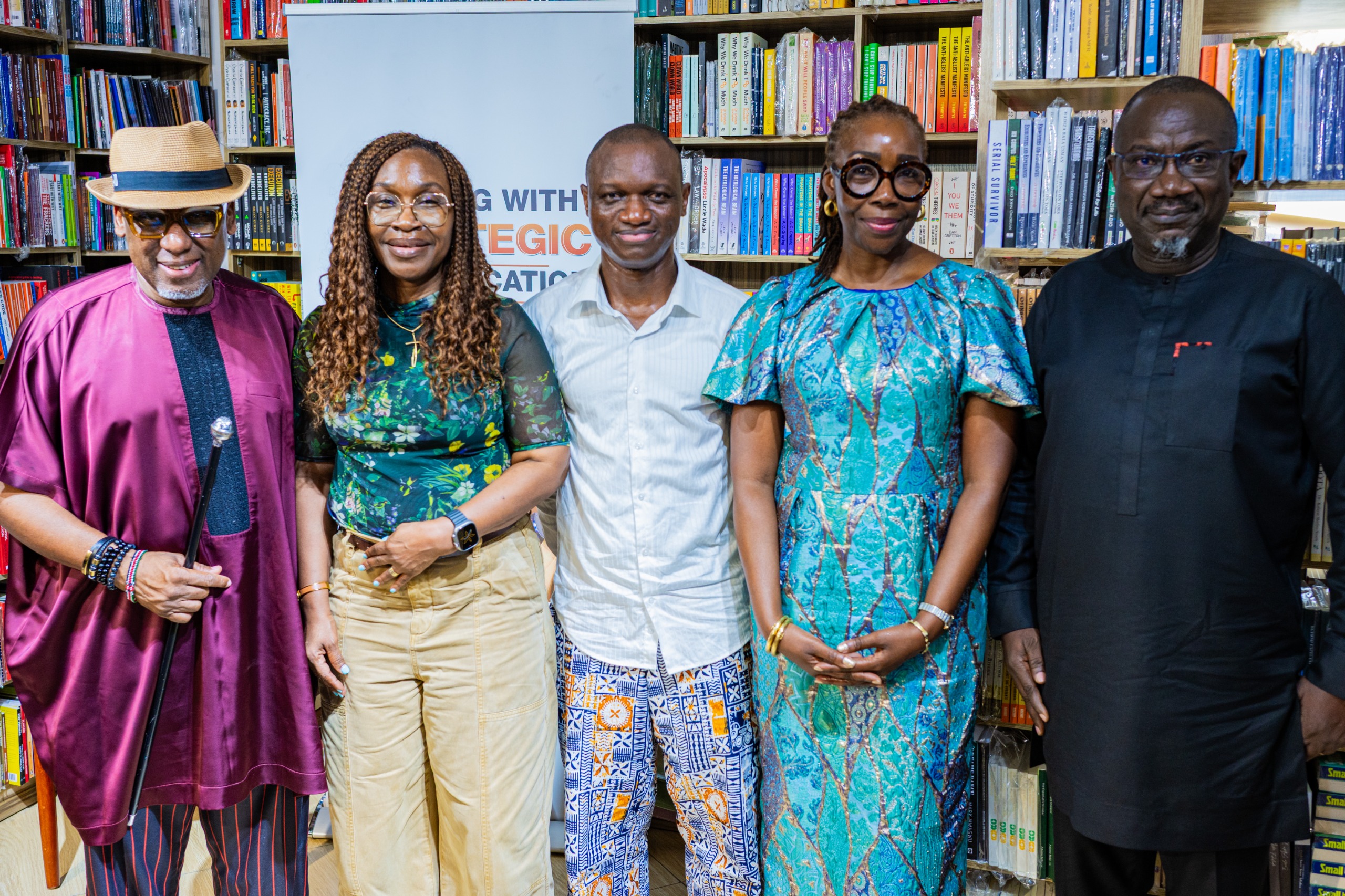
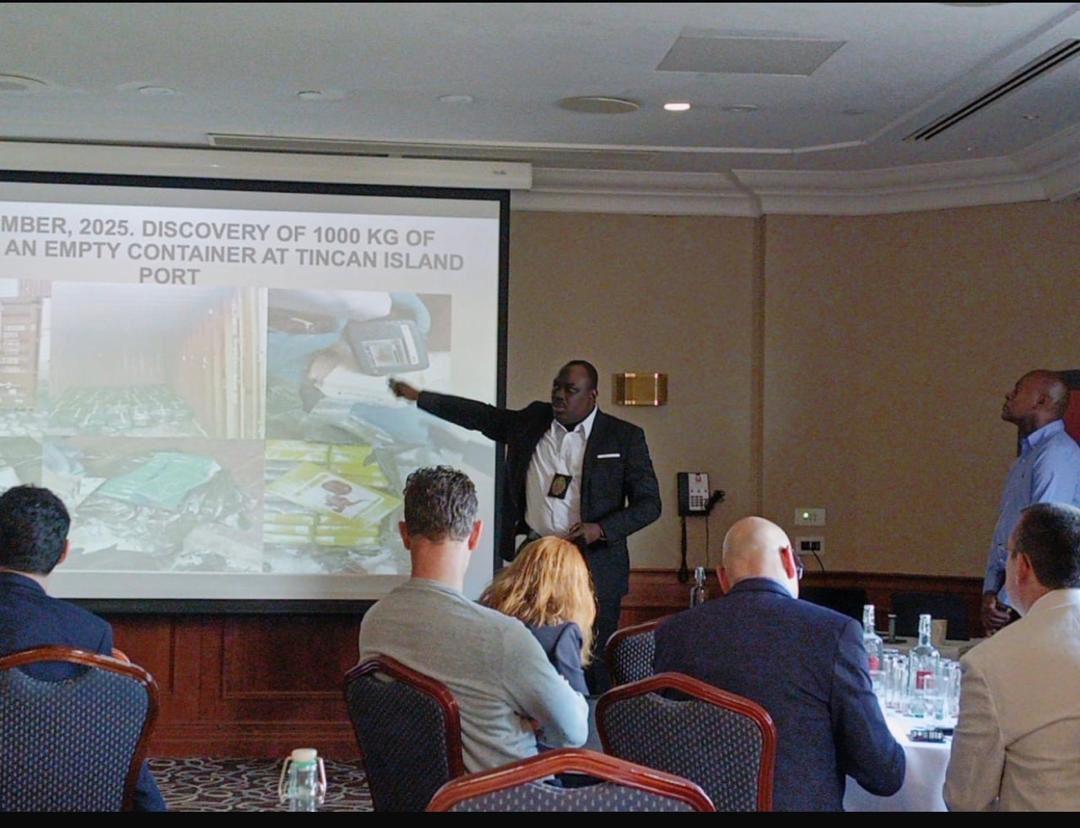
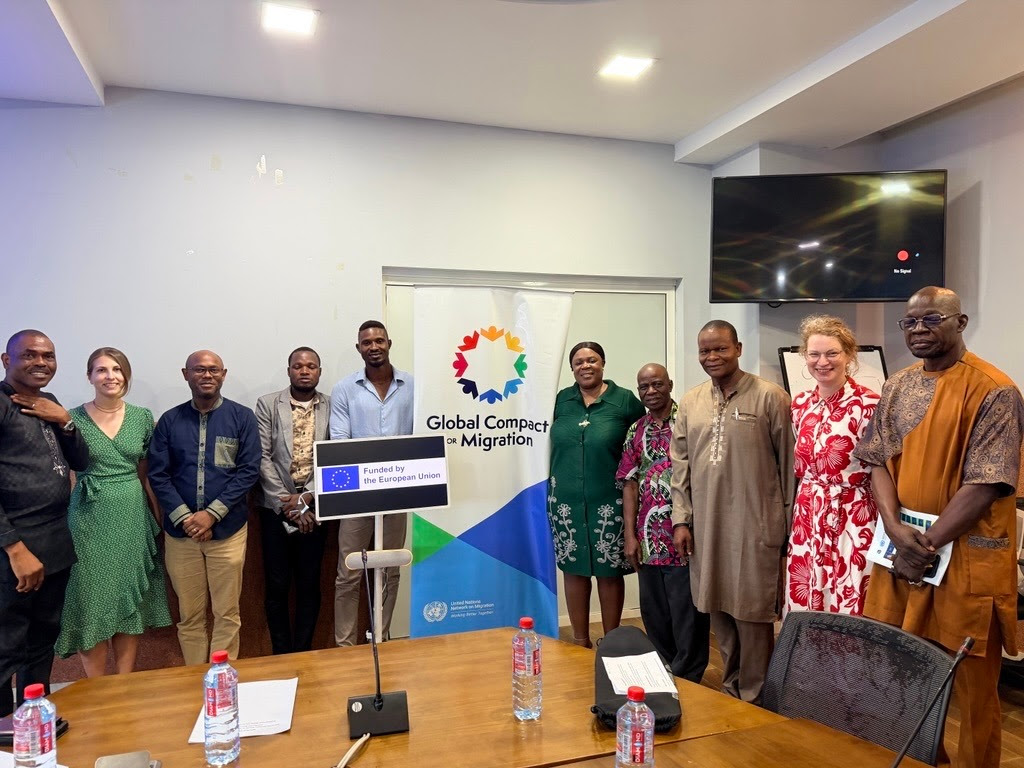
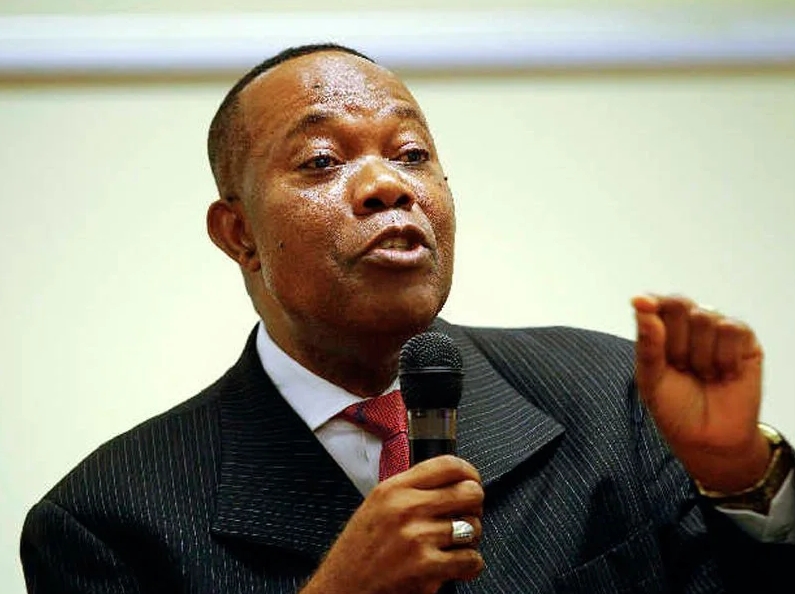
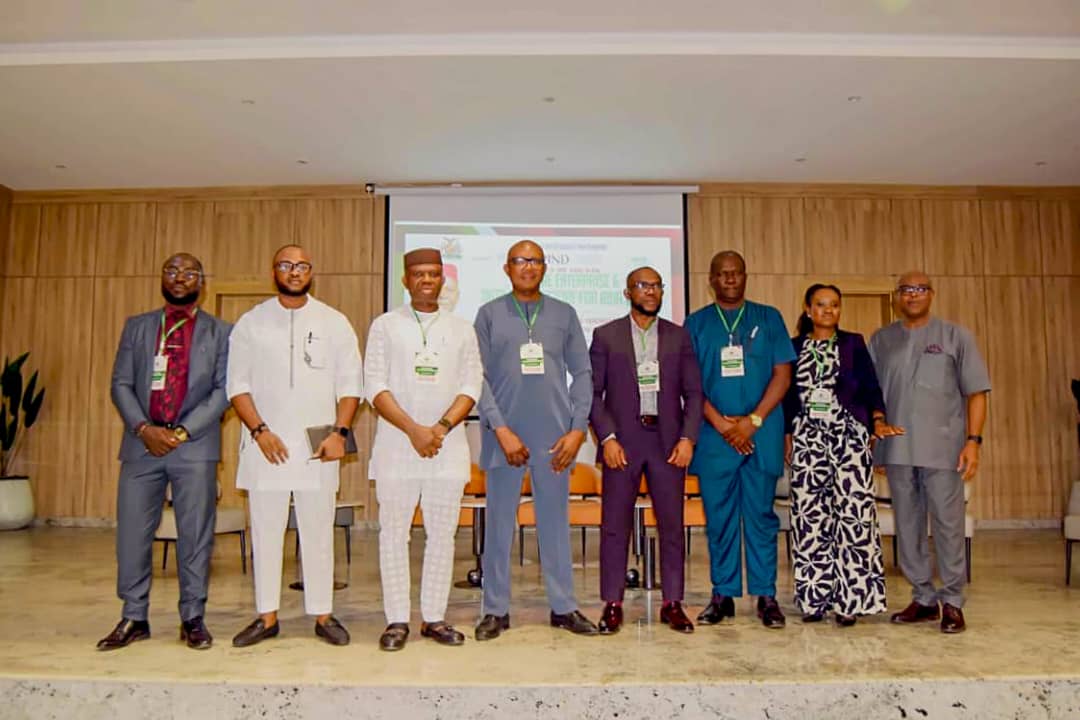
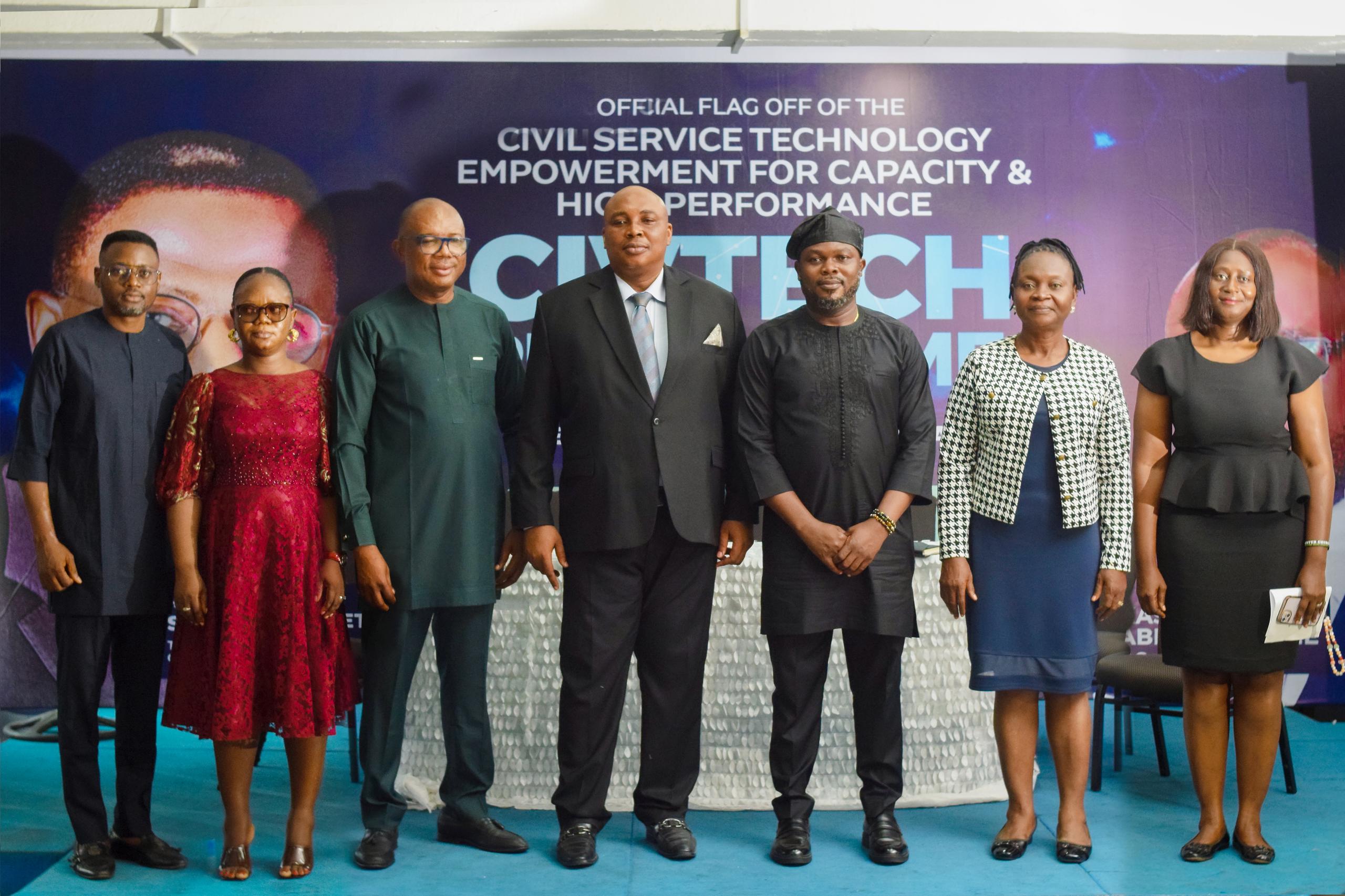
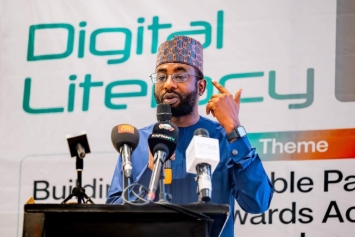
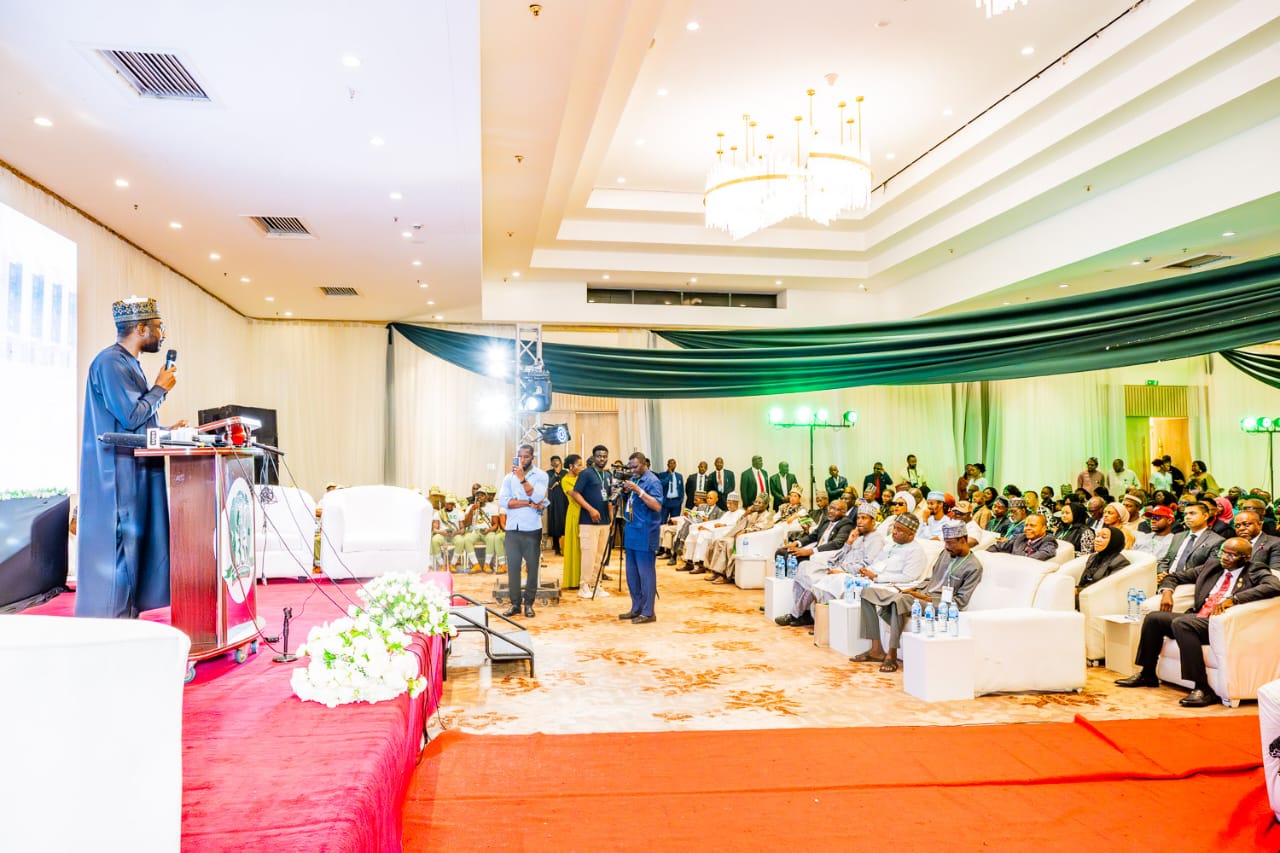
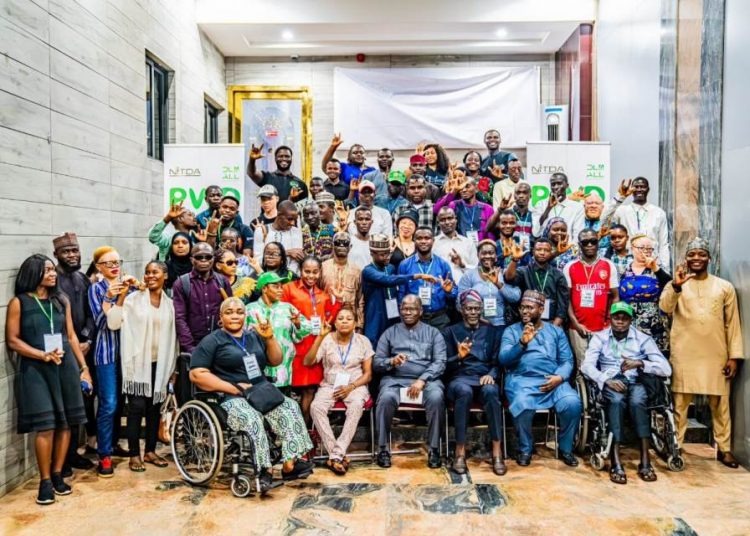
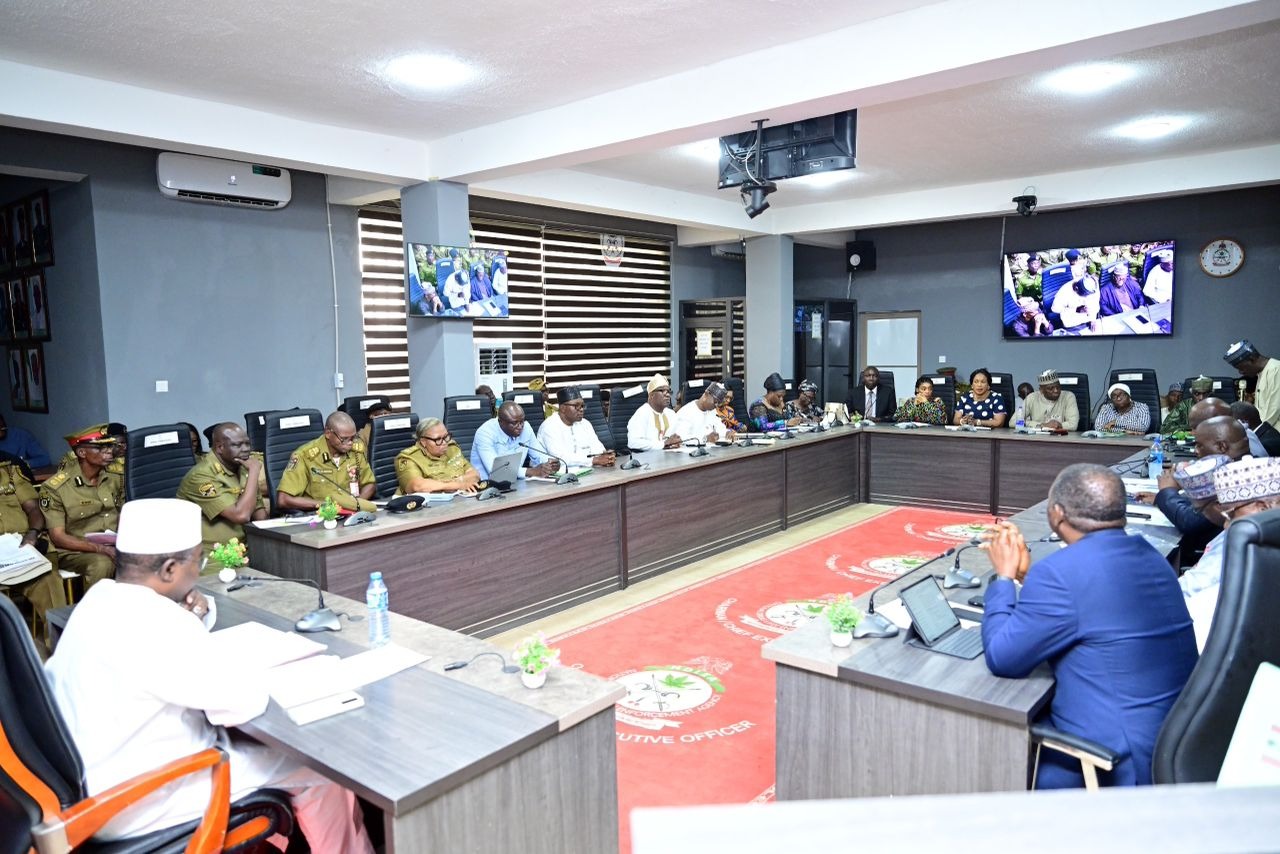
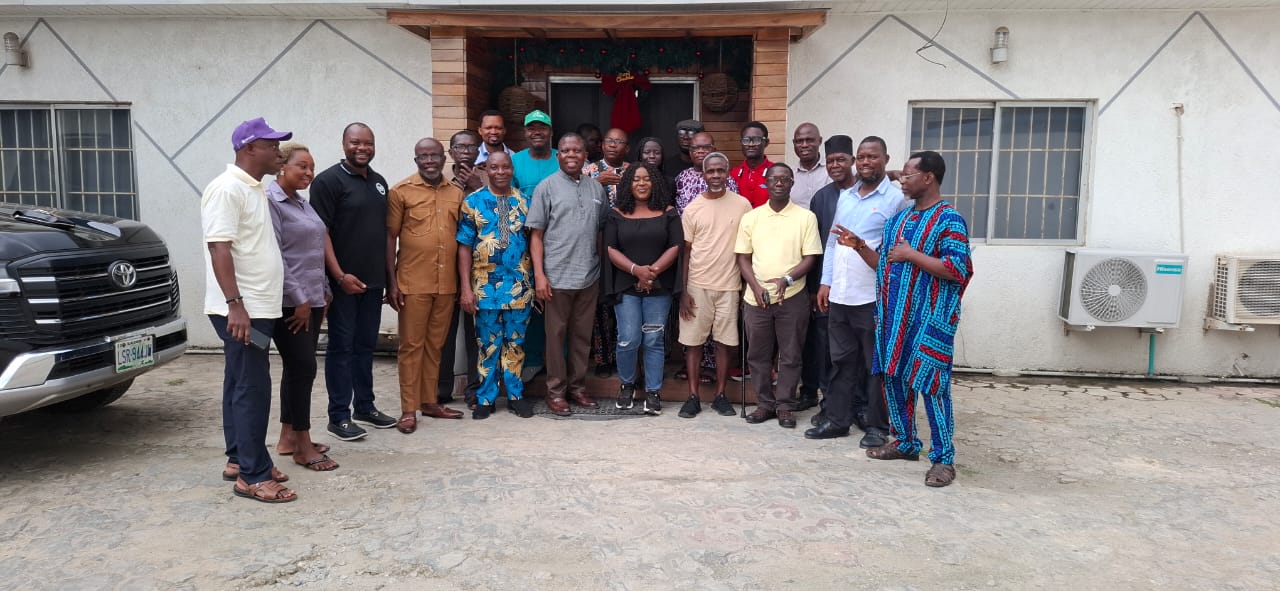
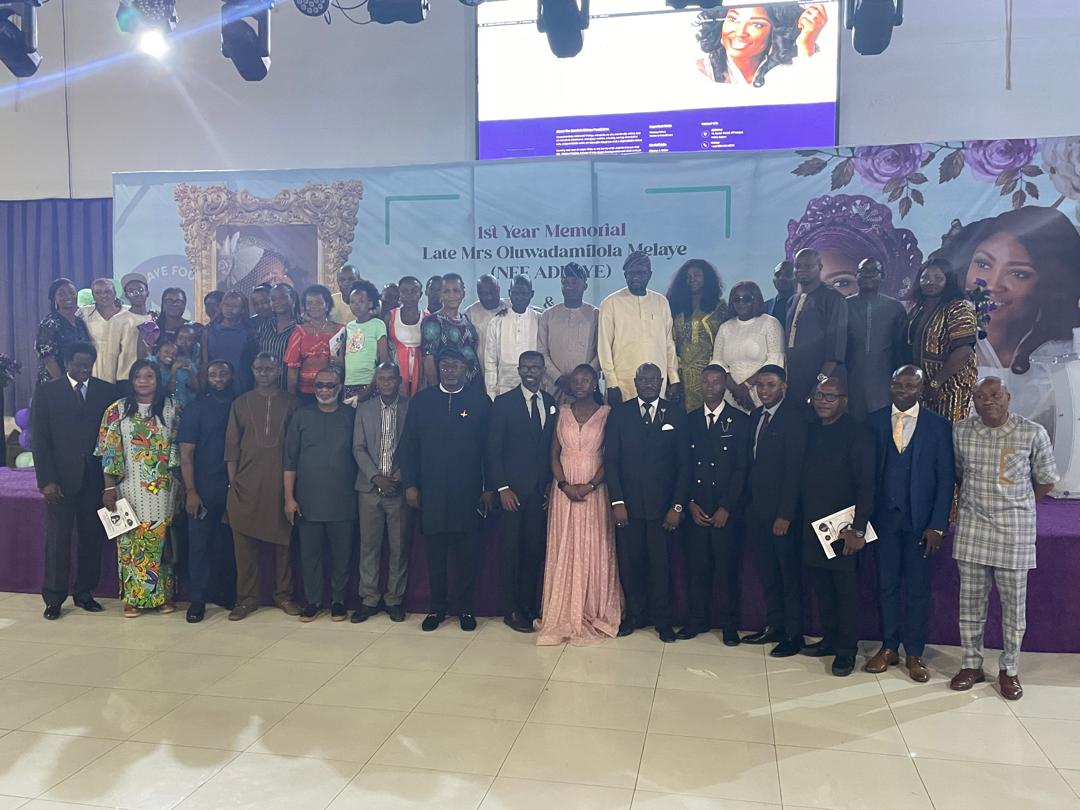
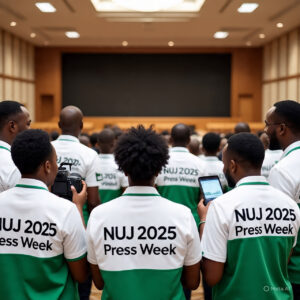
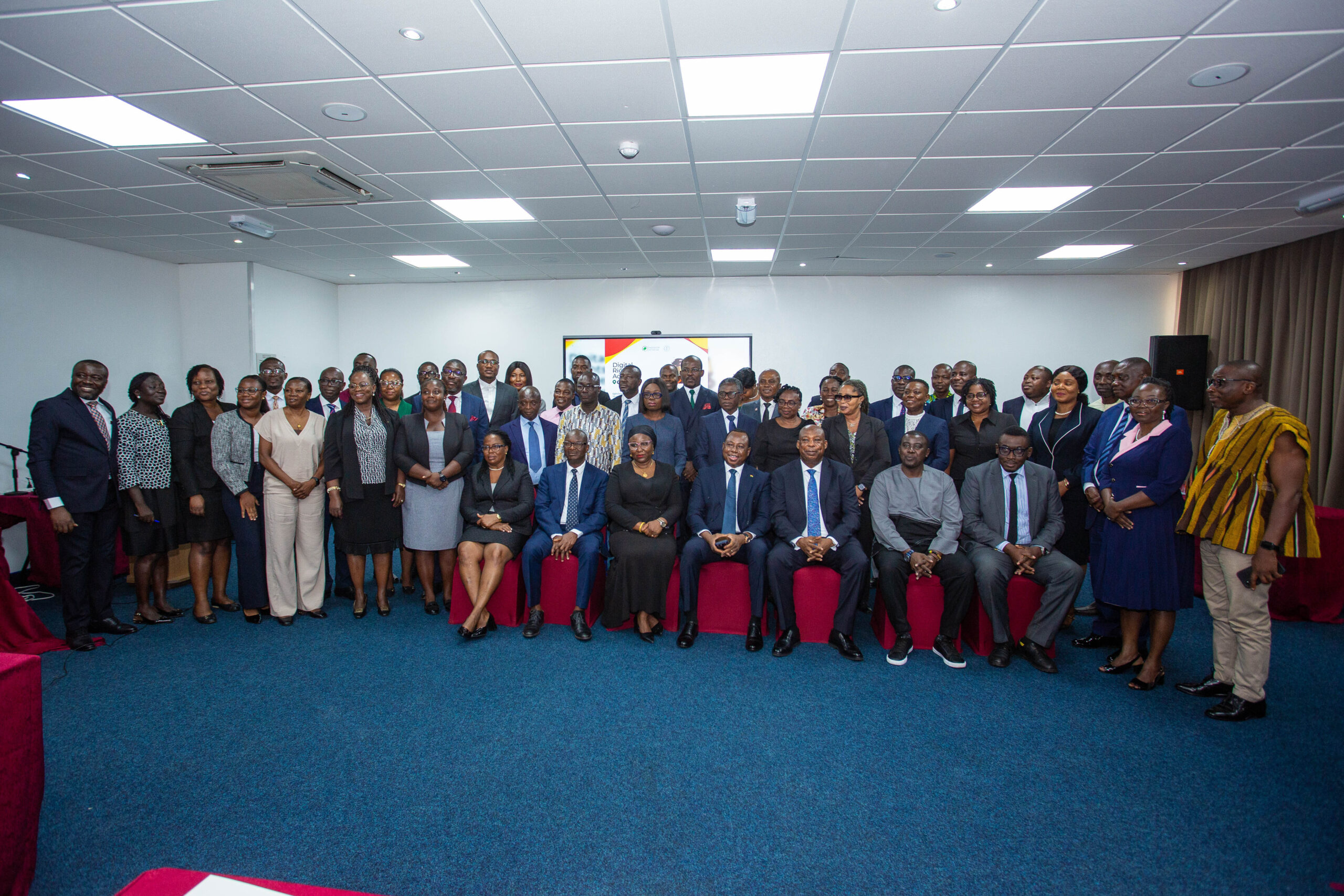
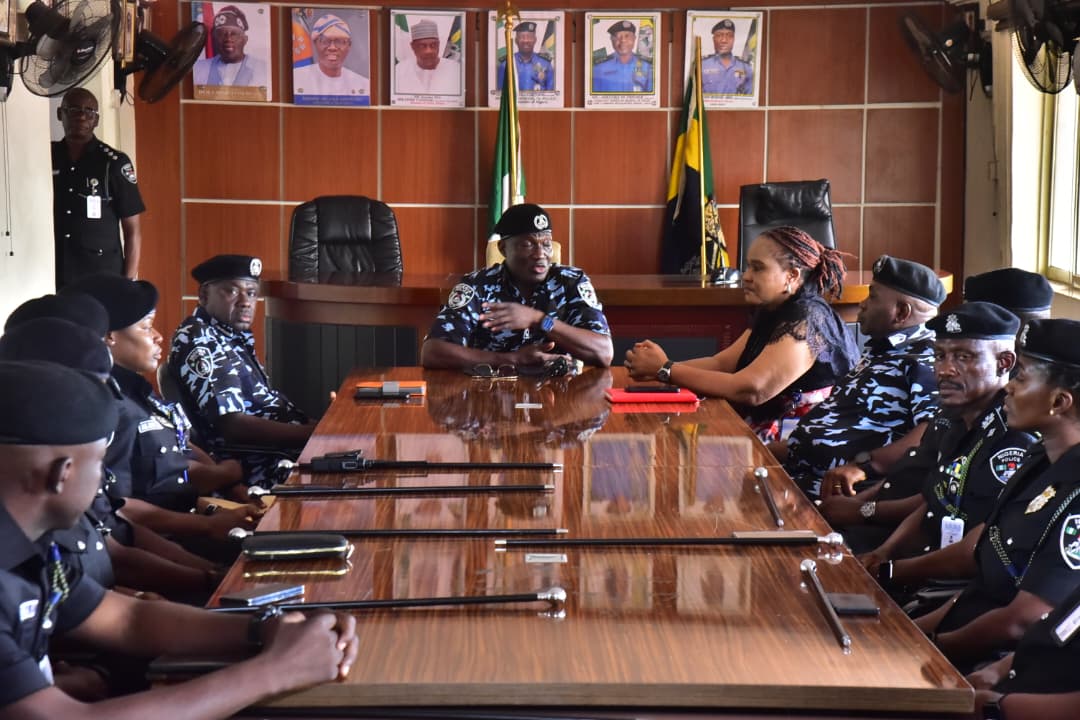
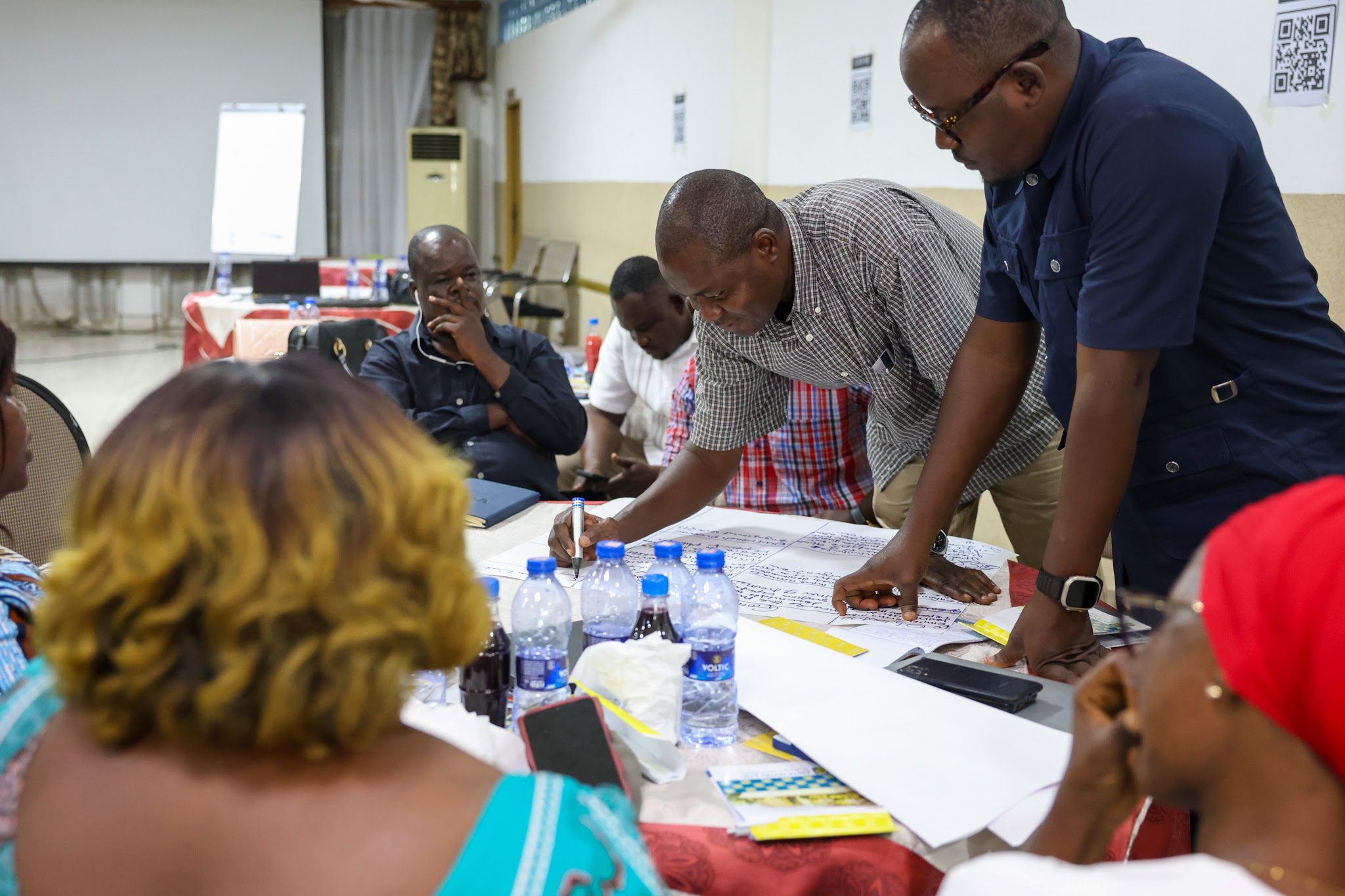
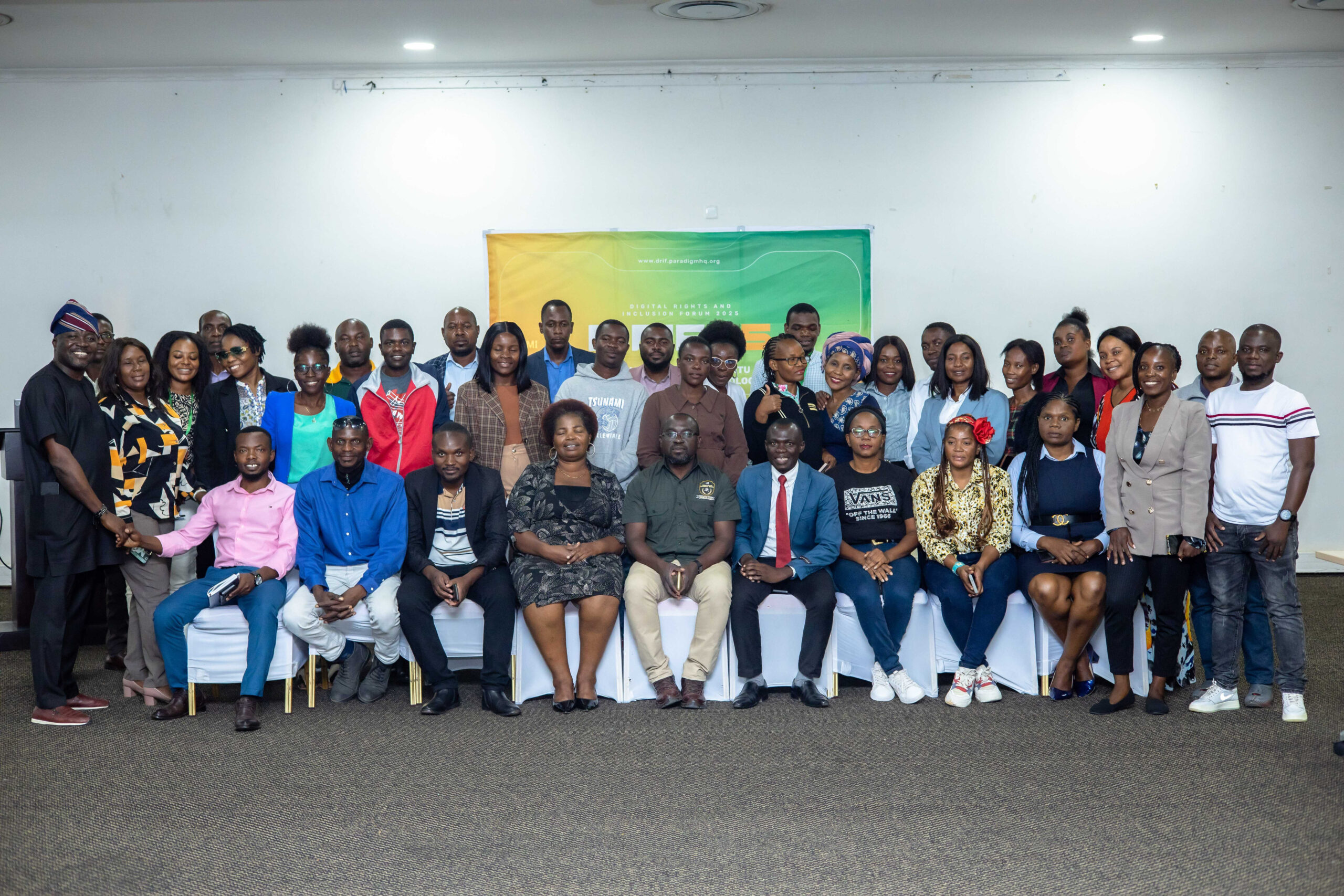
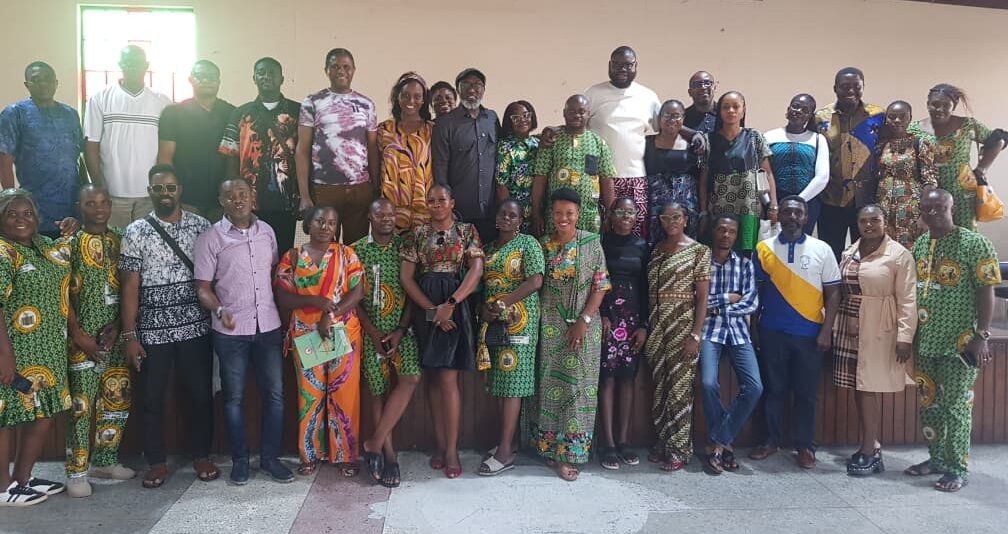
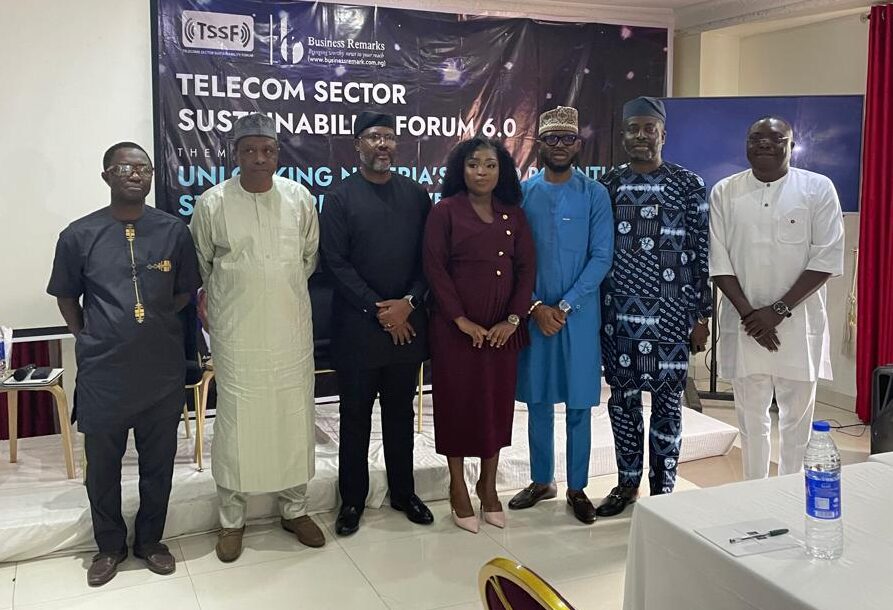
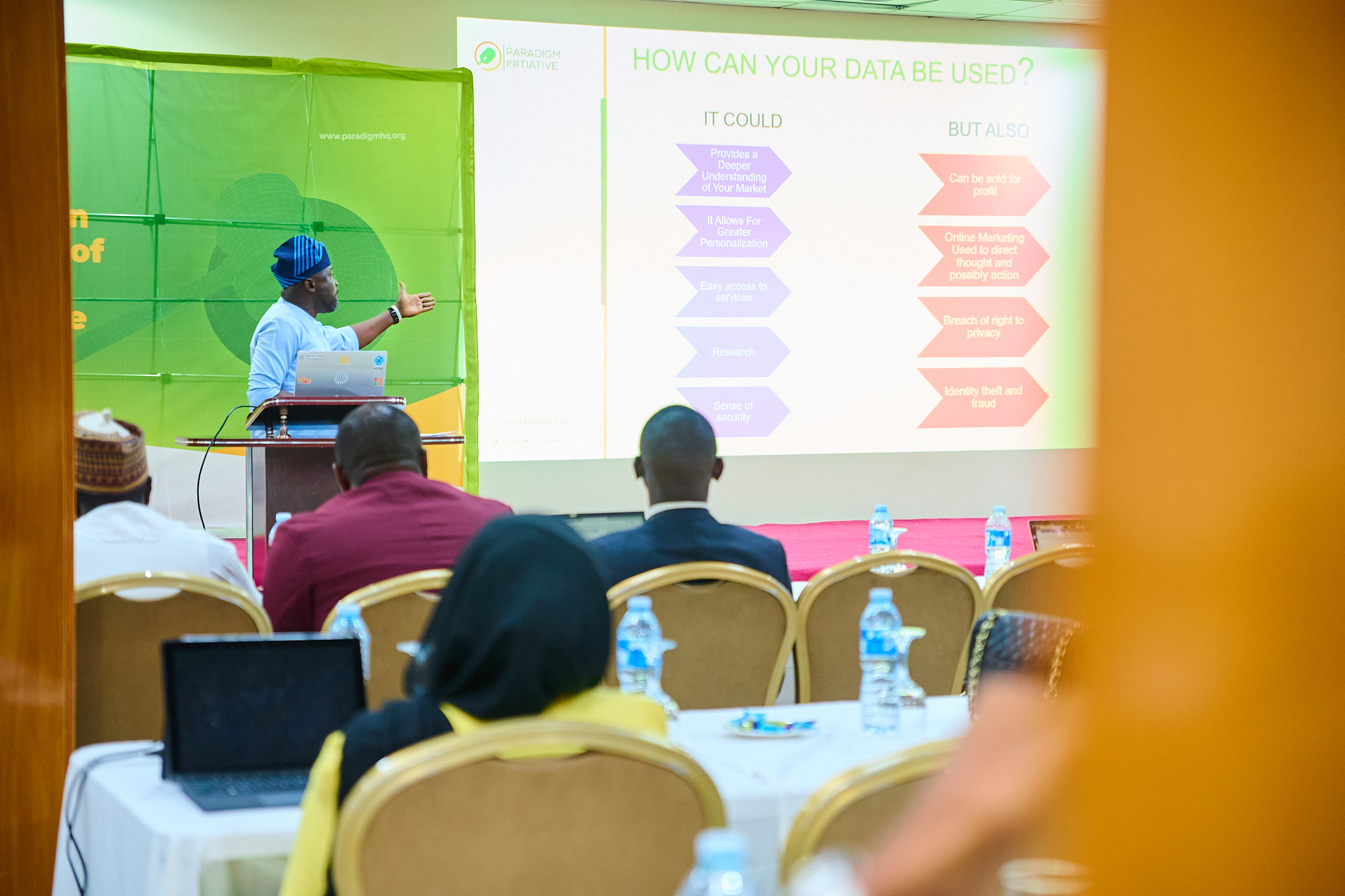
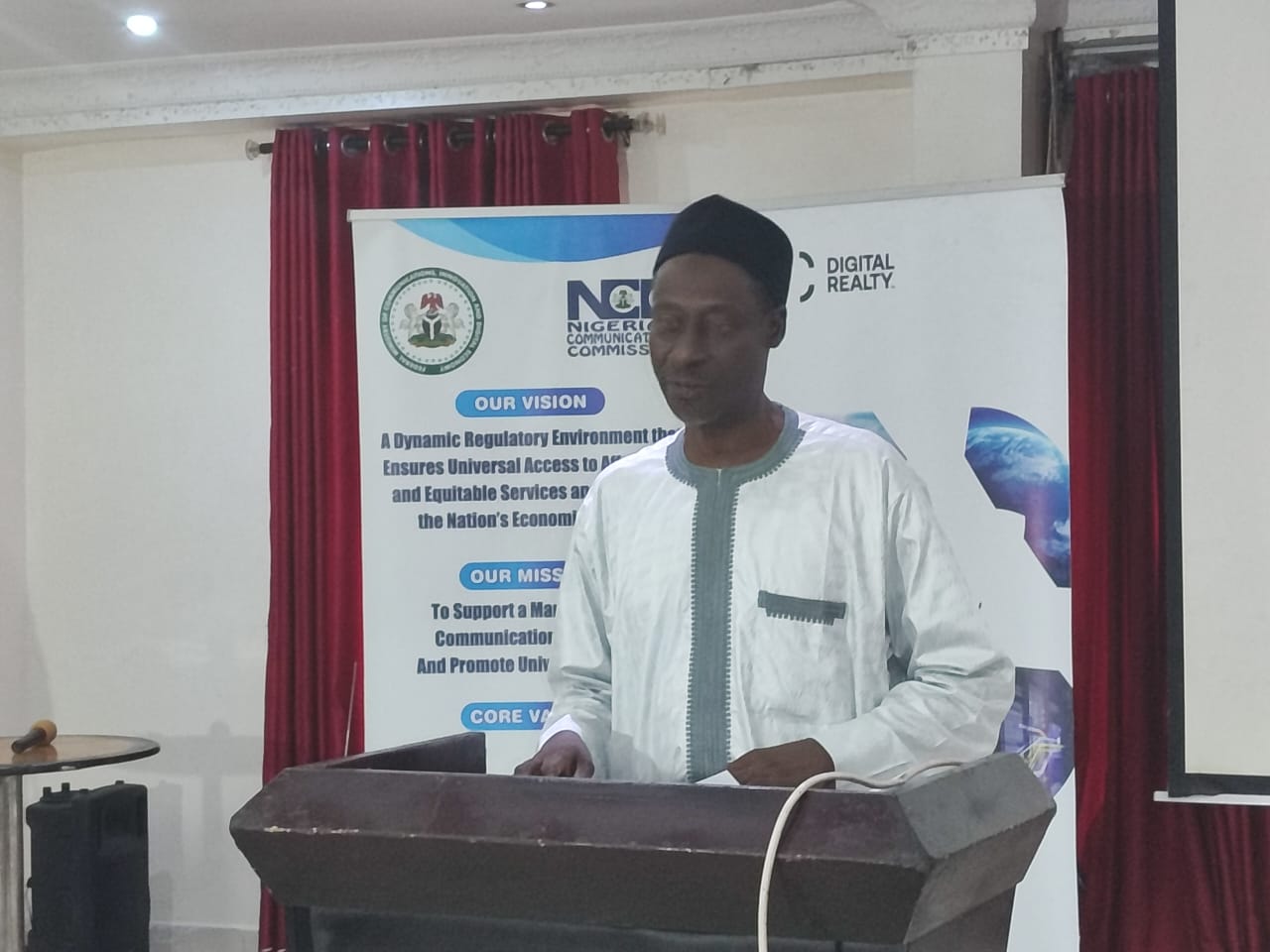
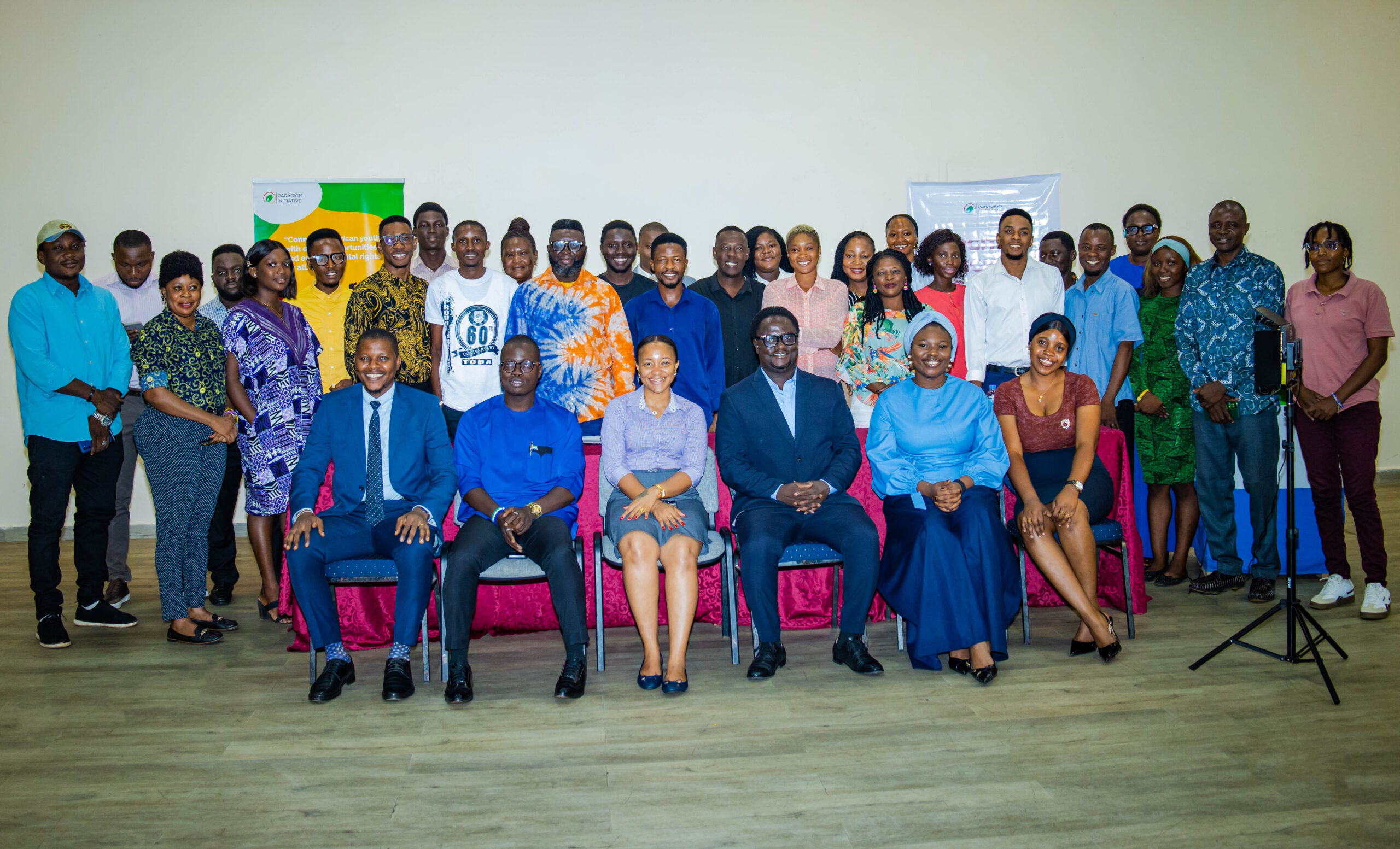
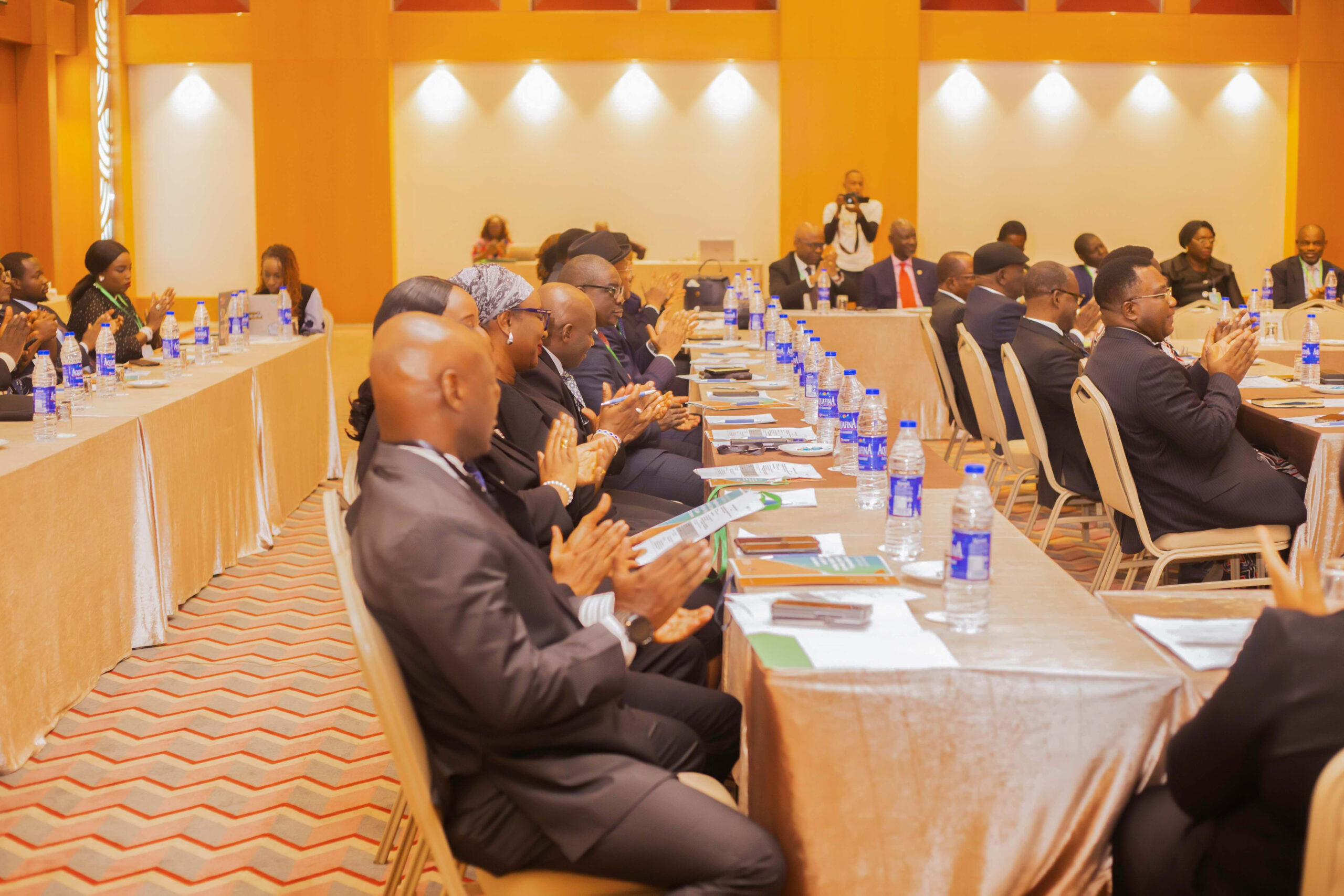
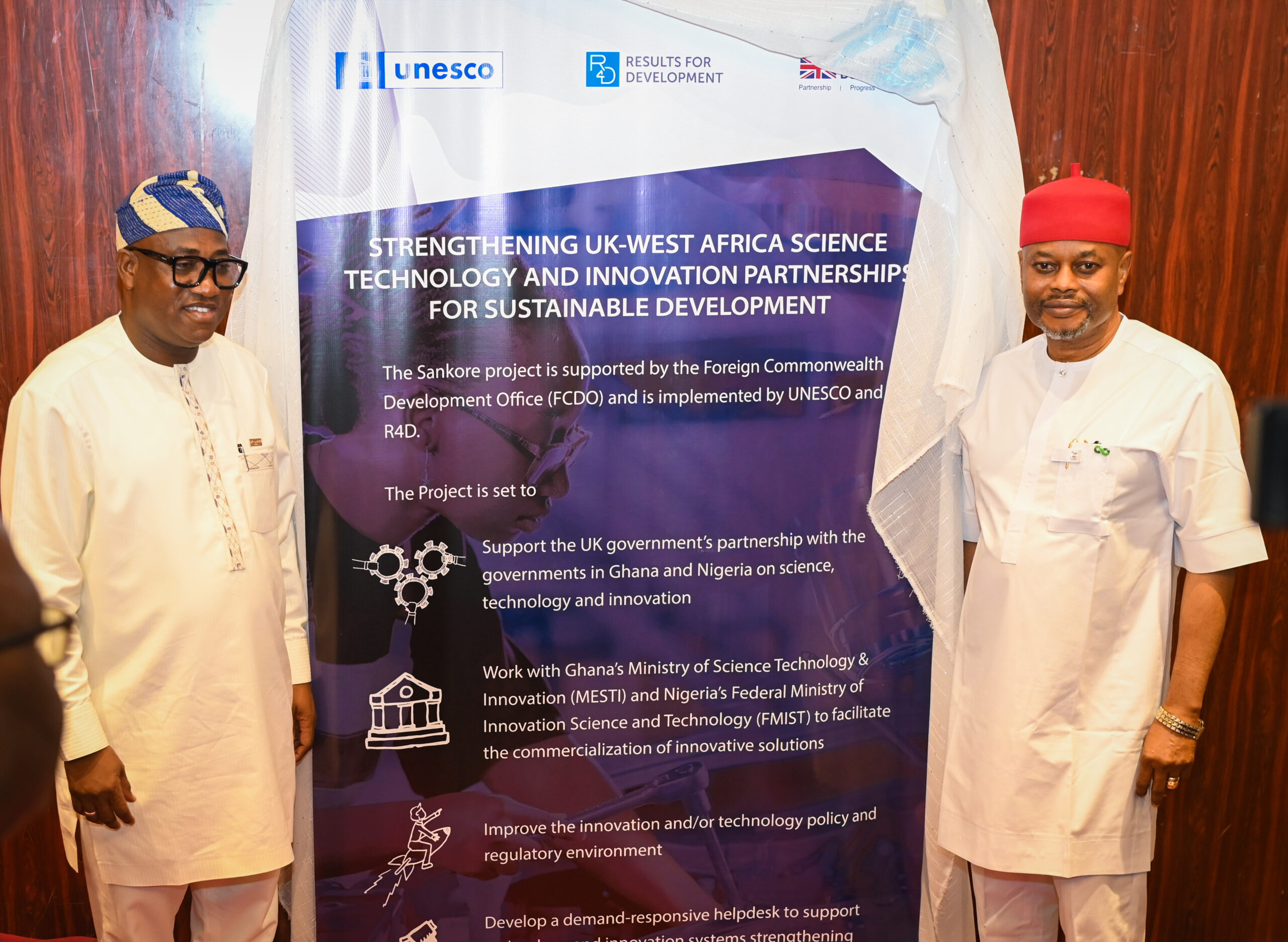
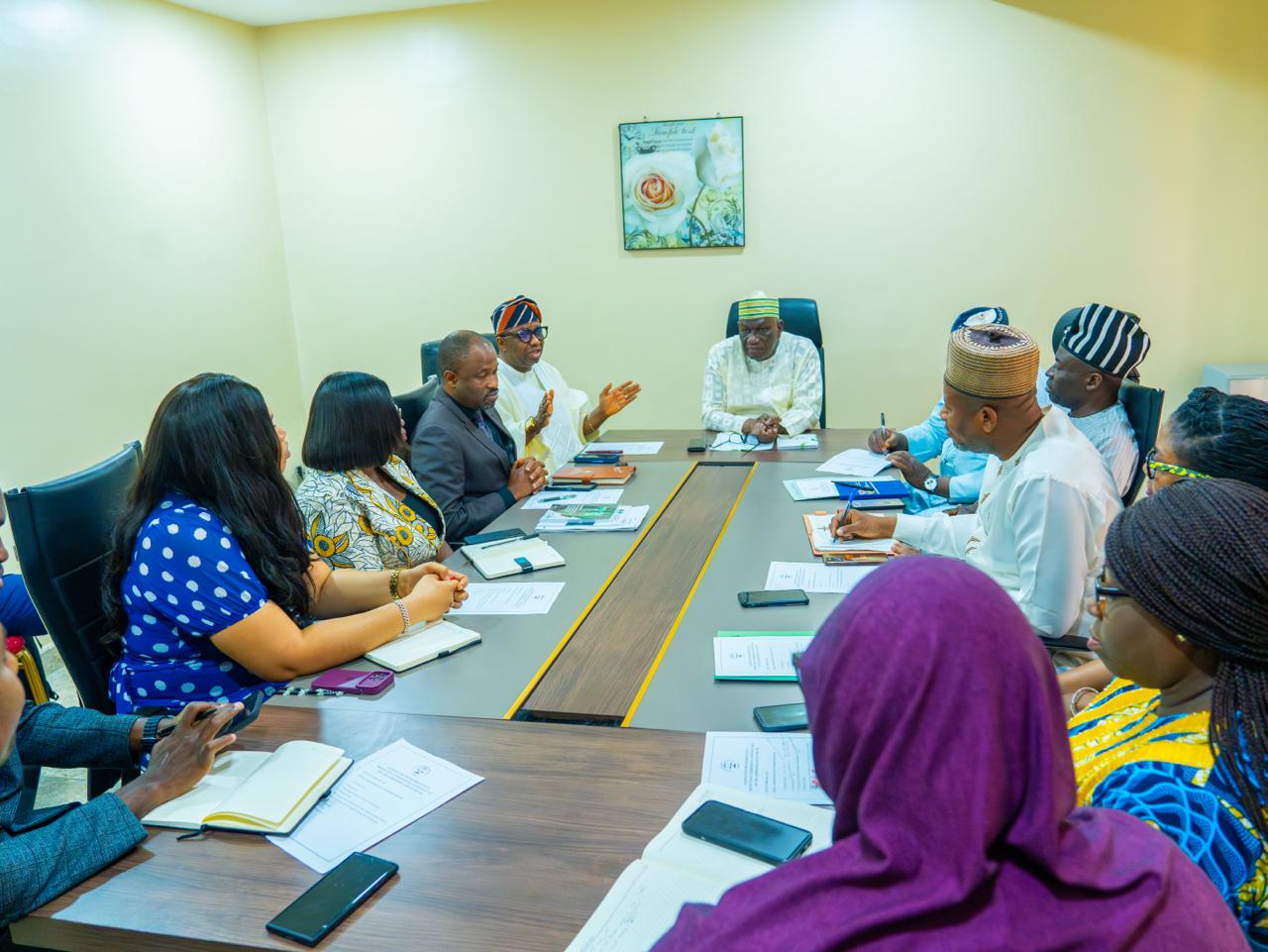
The programme, themed “The Role of Media in Advancing Nigeria’s Digital Identity,” was held on Thursday 16, April 2026 at the NIRA Secretariat in Lagos. The insightful session drew members of the press, including the Nigeria Information Technology Reporters Association (NITRA), regulators from NIRA such as Ogbuefi Remmy Nweke. A member of the board of trustees and several business owners.
Media Partnership Moves NIRA From “Relevant” to “Strategic” — President Akinsanya
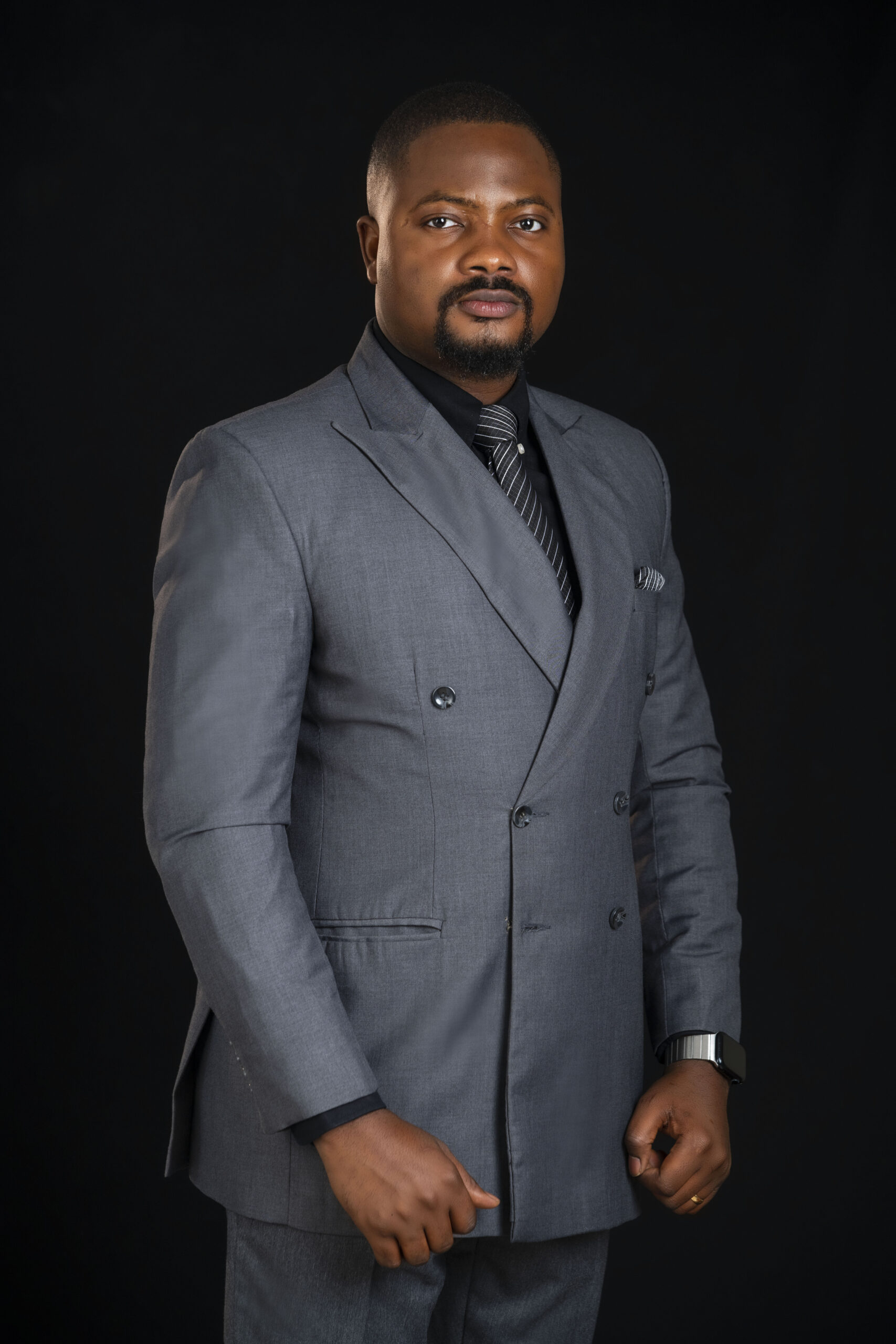
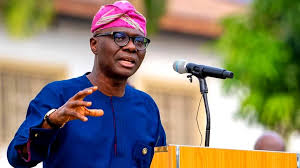
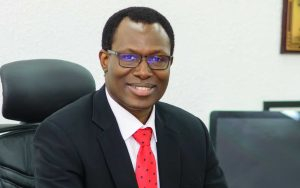
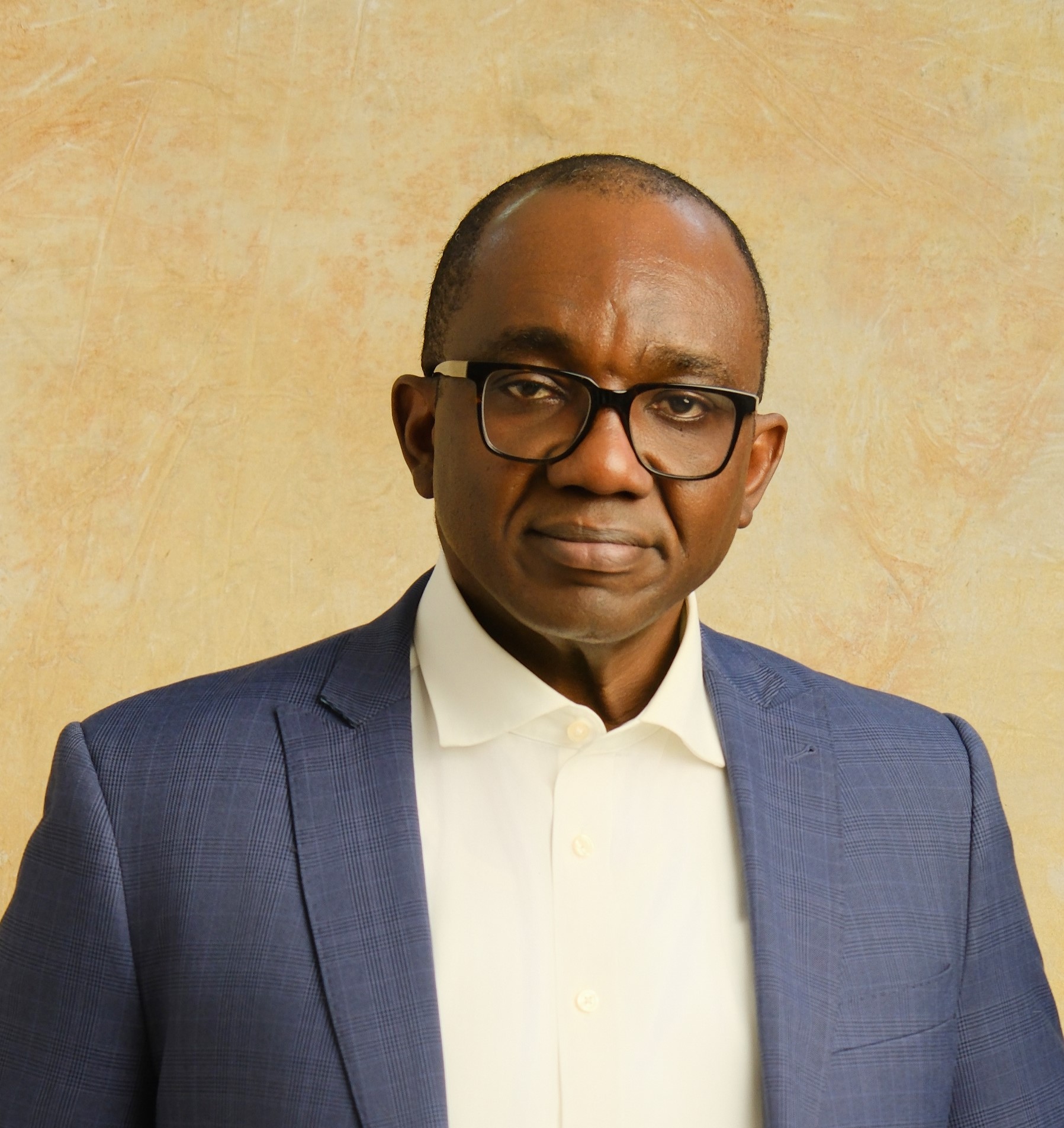
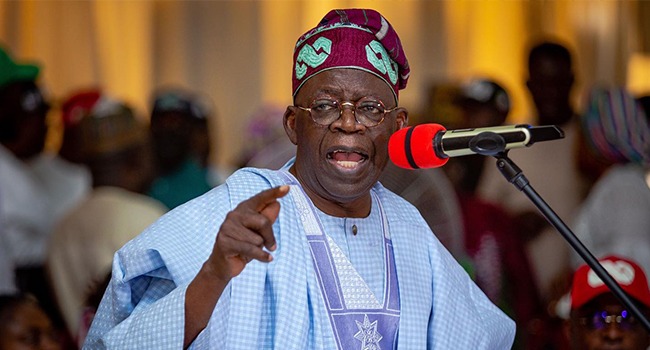
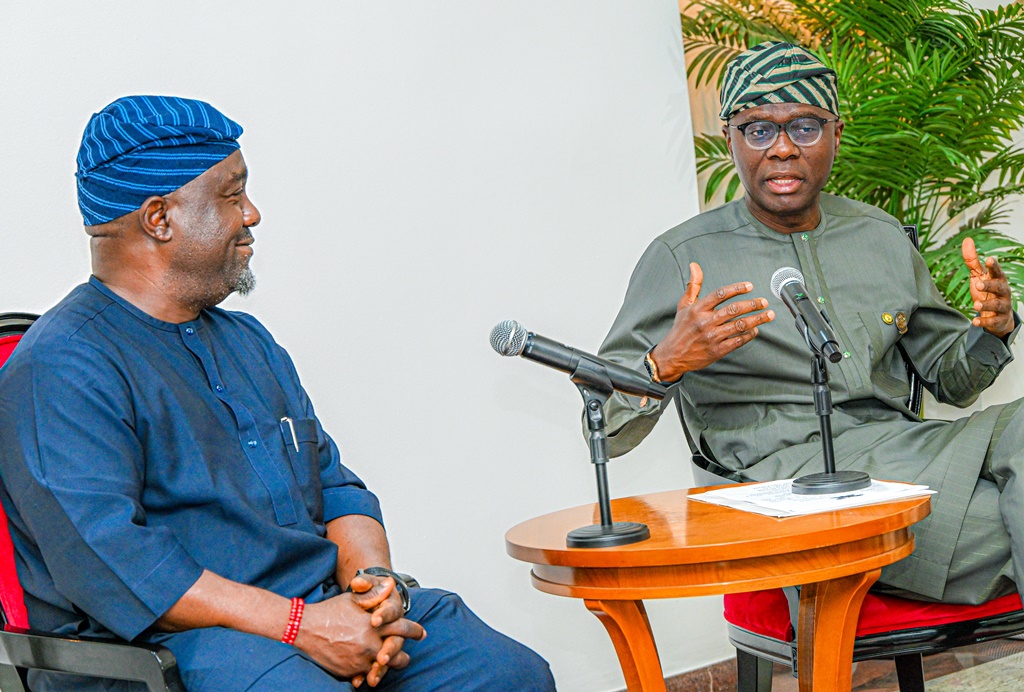
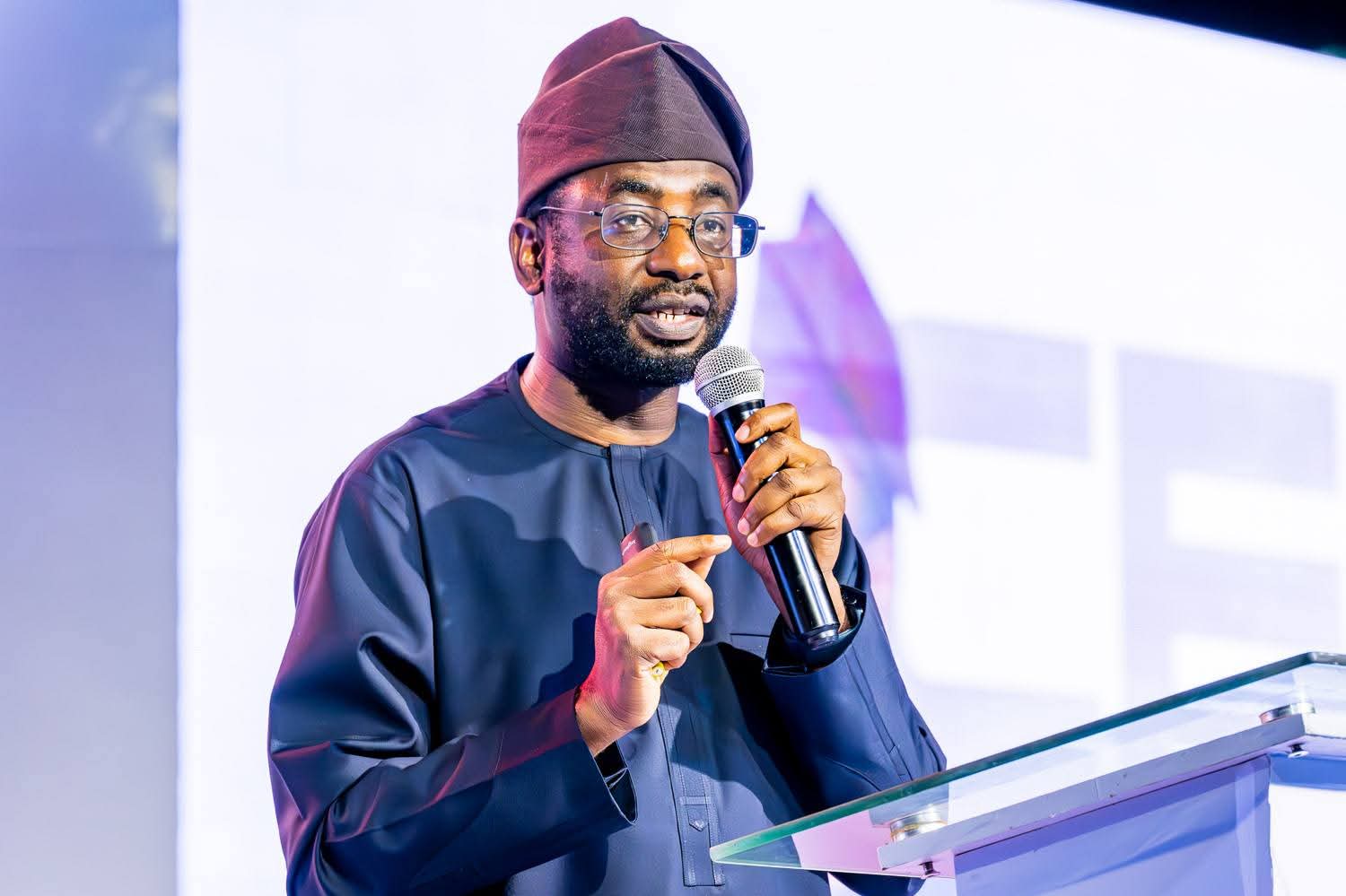
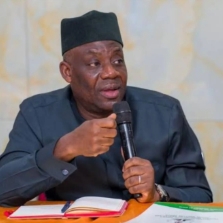
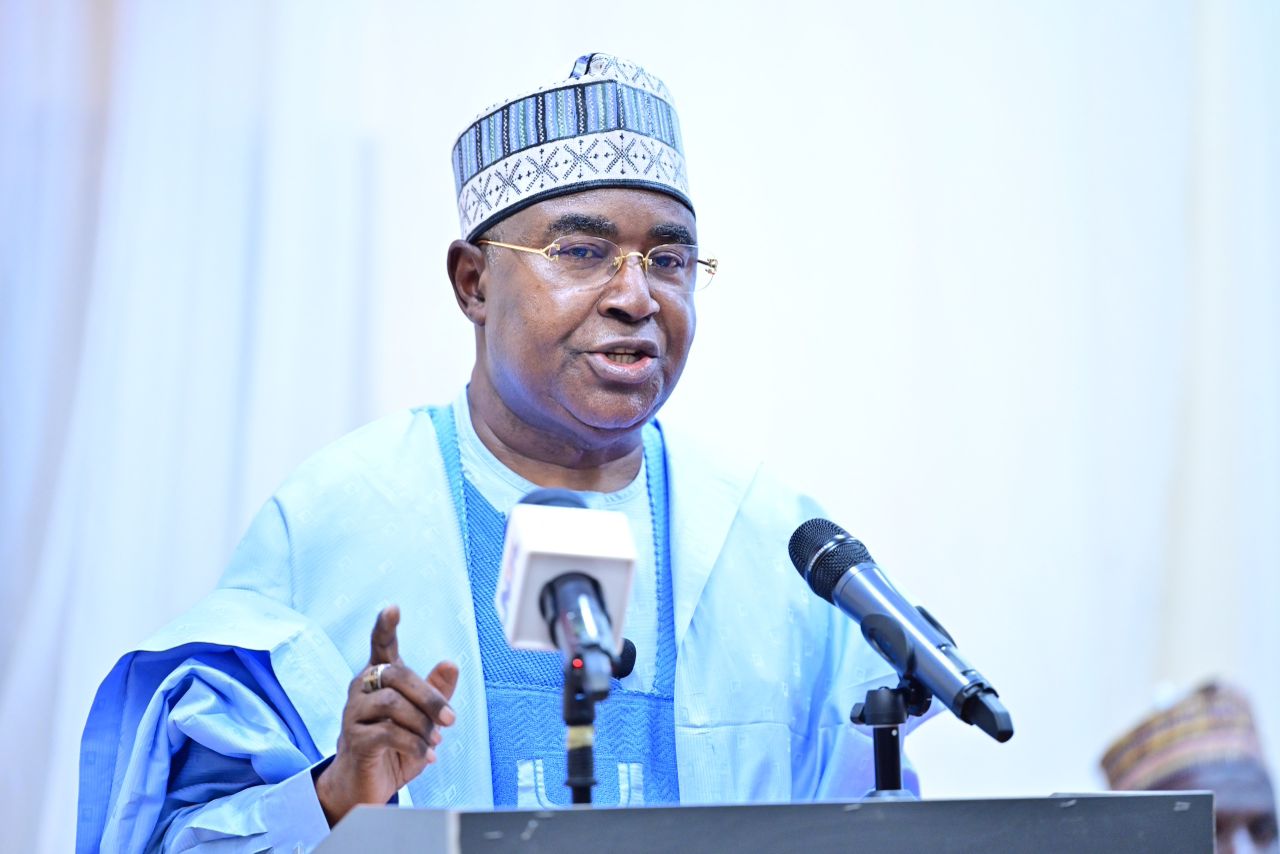
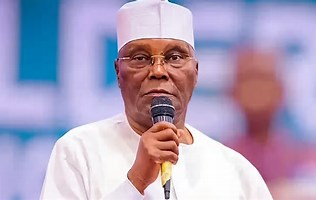
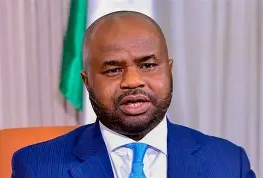
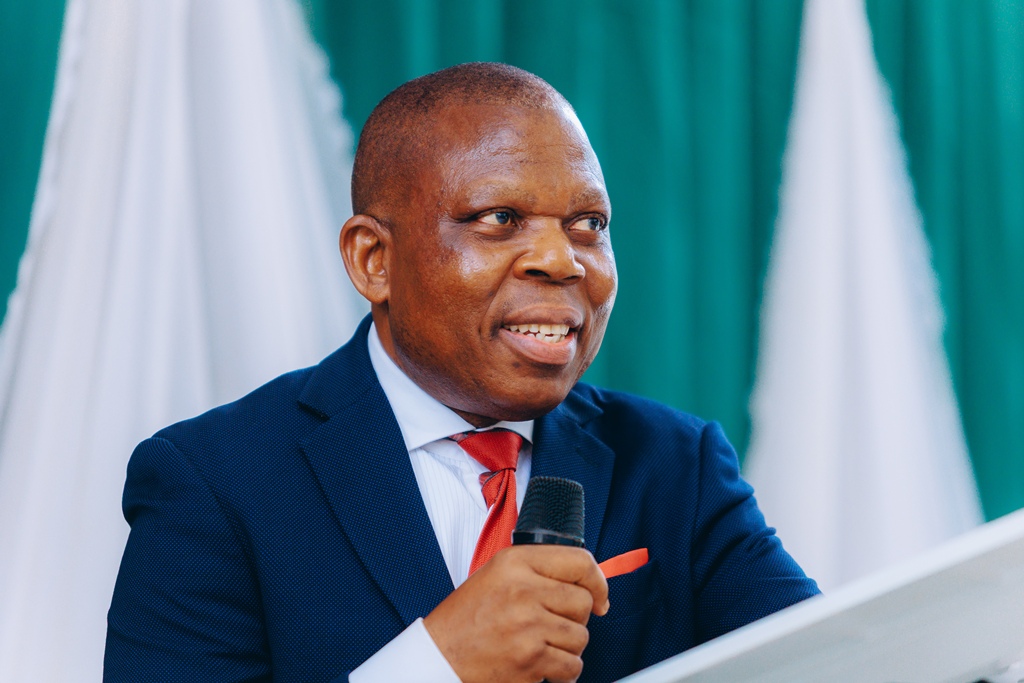
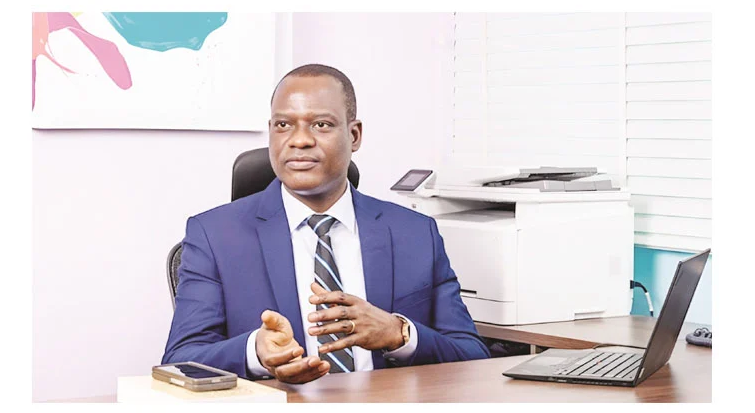
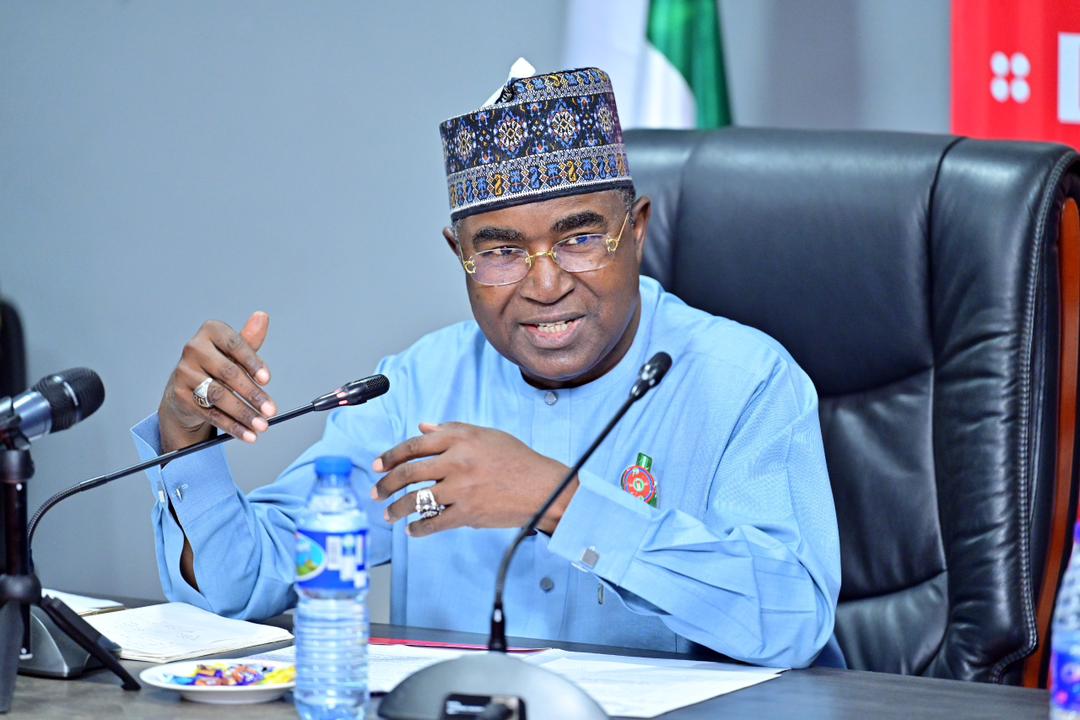
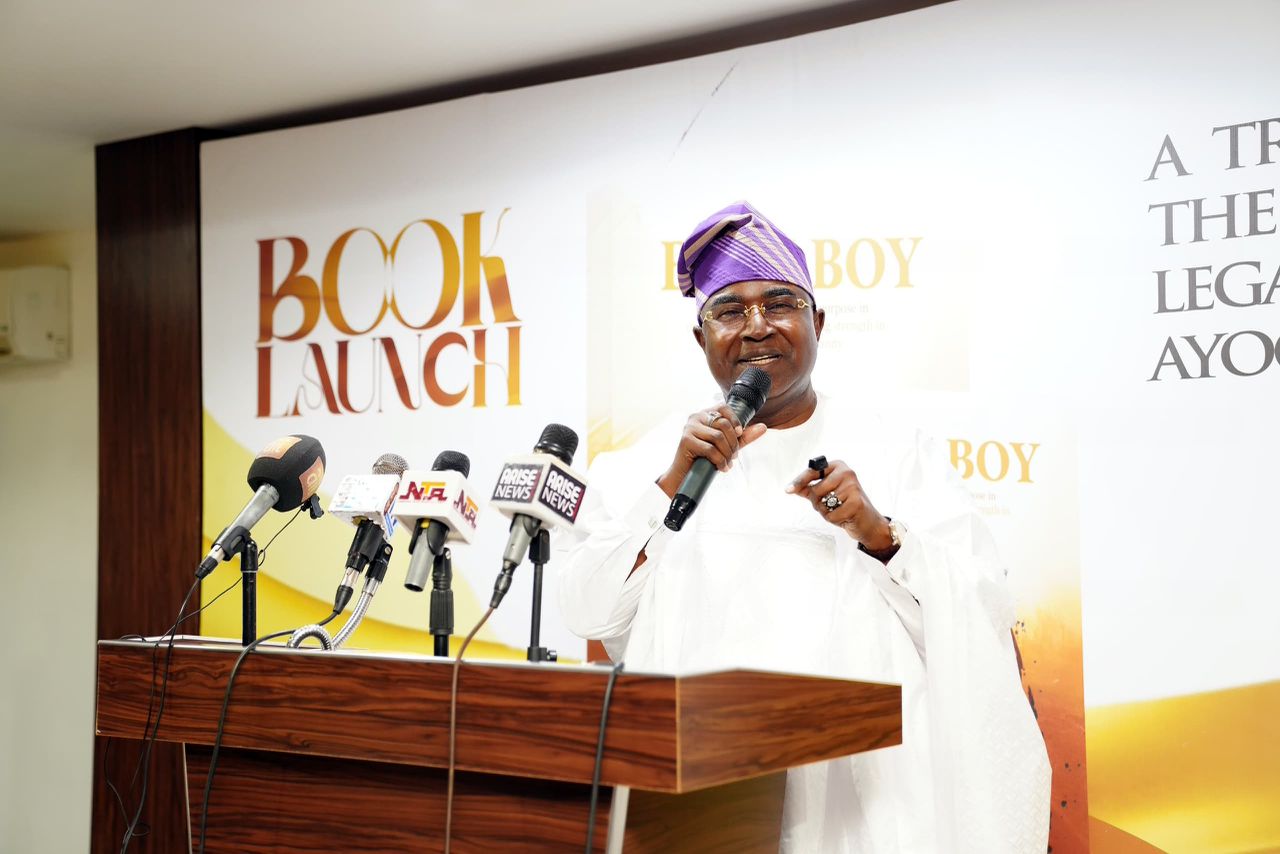
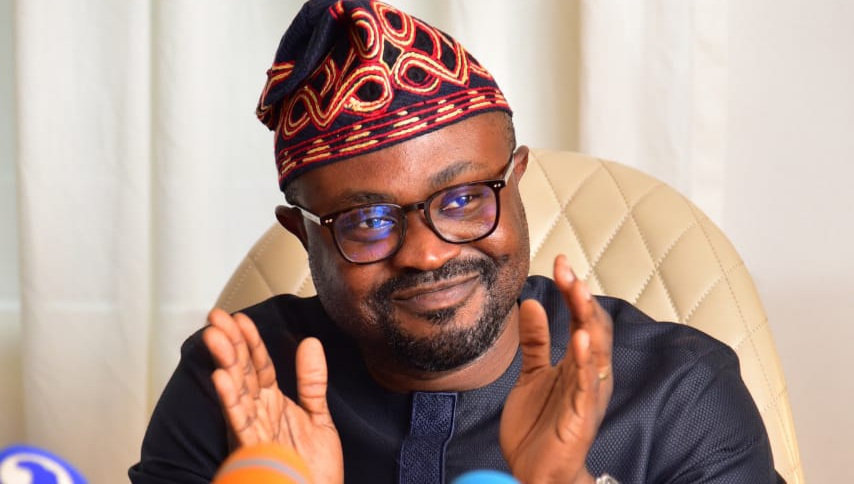
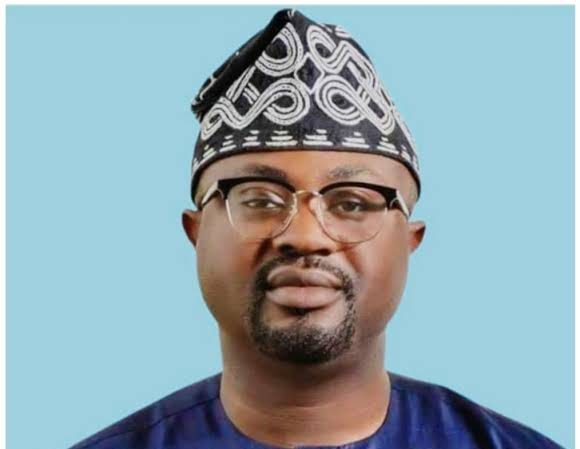
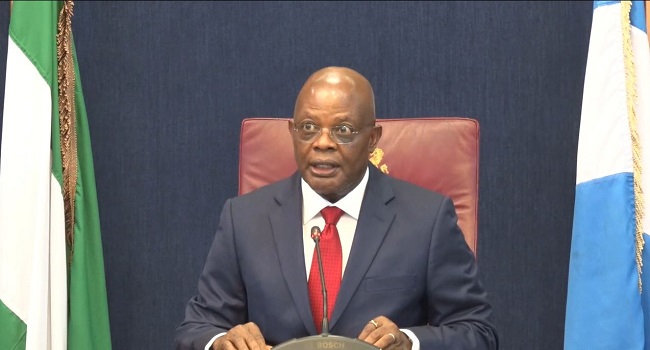
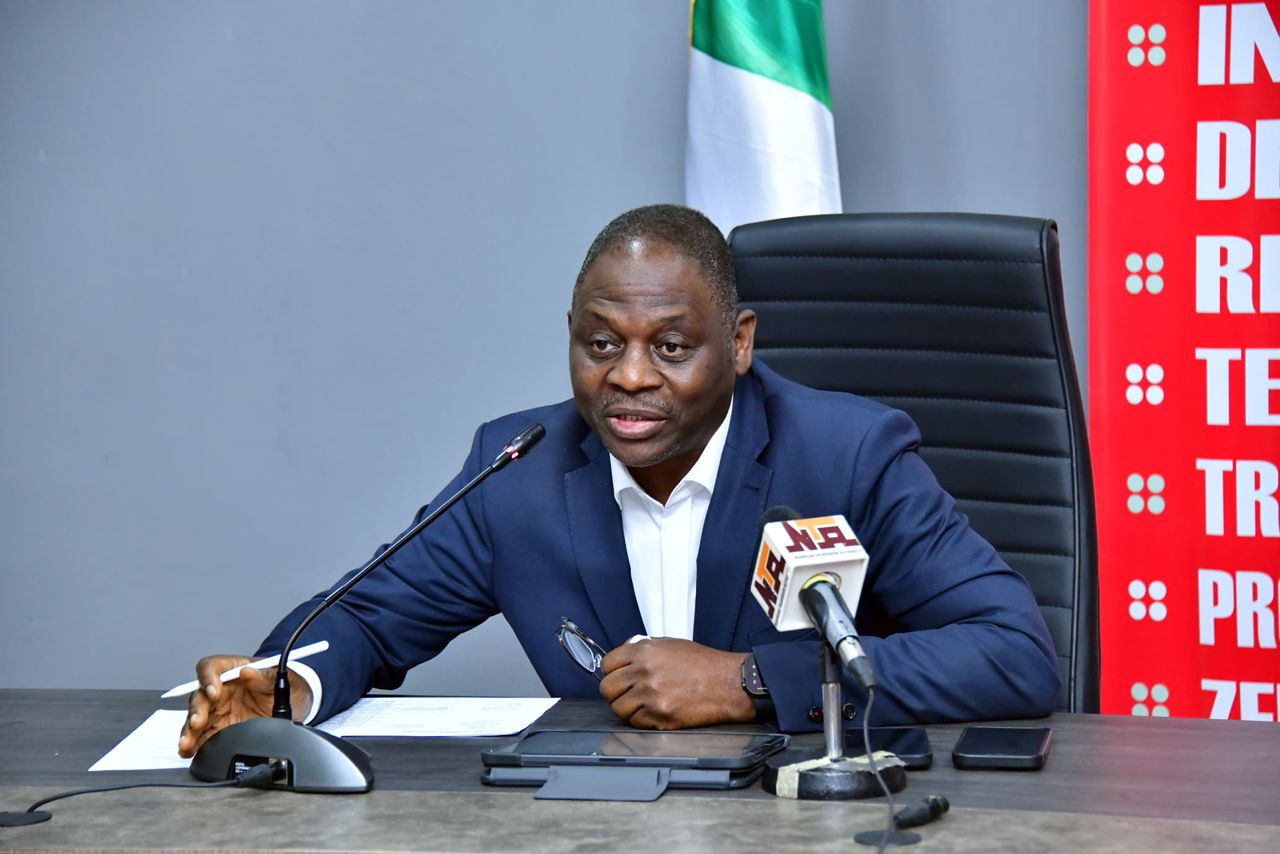
Delivering his keynote address, “Nigeria’s Digital Future: NIRA and Why .ng Matters,” NIRA President, Mr. Adesola Akinsanya, said that with solid media collaboration and partnership, NIRA’s role would become not just relevant but strategic in shaping public perception of the country’s digital identity.
“The media shapes the national narrative by influencing what the public pays attention to,” Akinsanya said.

He stressed that the challenge goes beyond creating awareness to agenda setting. The key issue all stakeholders must collectively address, he added, is how domain names are perceived, because they represent identity, security, and economic relevance. “Reframing the narrative is essential,” he stated.
.ng Is ‘Digital Real Estate’ — ICANN ccNSO Vice Chair Urges Media to Change the Narrative
Corroborating Akinsanya’s position, the Vice Chair of the ICANN Country Code Names Supporting Organization (ccNSO), Mr. Adebiyi Oladipo, spoke on “Business Value of .ng Domains and the Role of the Media.”
Oladipo noted that promoting Nigeria’s digital nationality requires the strategic use of data. Citing Tuvalu as an example, he explained that its country code, .tv, was converted to a generic code for commercial purposes.
He added that because Nigeria’s digital identity belongs to all Nigerians, the value and dignity attached to .ng should be treated as real estate in media reporting. “.com is not superior to .ng, since they both power businesses and ecosystems,” he said.
Oladipo emphasized that a significant part of the fragility around Nigeria’s online credibility stems from rising misinformation.

“No one will tell our story like ourselves if we only tell negative stories. You can be creative around negative news too, because as Nigerians, we can be anything any person can be elsewhere,” he remarked.
He contrasted adoption levels globally: China, with a population of about 1.3 to 1.4 billion, has roughly 21 billion domain names registered. Nigeria, with about 240 million people, has only around 115,000 domain names registered.
He encouraged the media to act as educators rather than deepen division. Journalists, he said, should explain issues around Nigeria’s digital identity, prioritize using .ng to promote Nigerian stories, set agendas that shape public discourse, validate credibility, call out fraud, and educate audiences through their platforms and publications. 
DNS Fundamentals and .ng Security: NIRA Rolls Out Global-Standard Protections
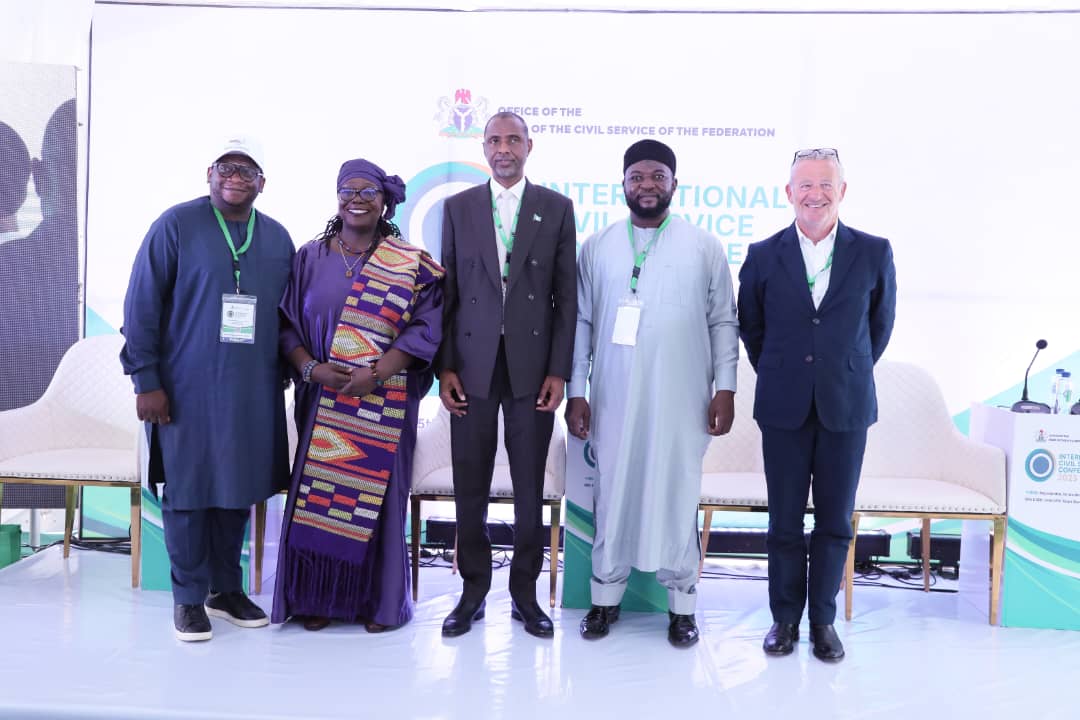
Other speakers at the event included NIRA’s Chief Operating Officer, Mrs. Oluwaseyi Onasanya; tech lawyer, Mr. Ridwan Badmus; and NIRA Executive Board Director, Mr. Ahmad Mukoshy.
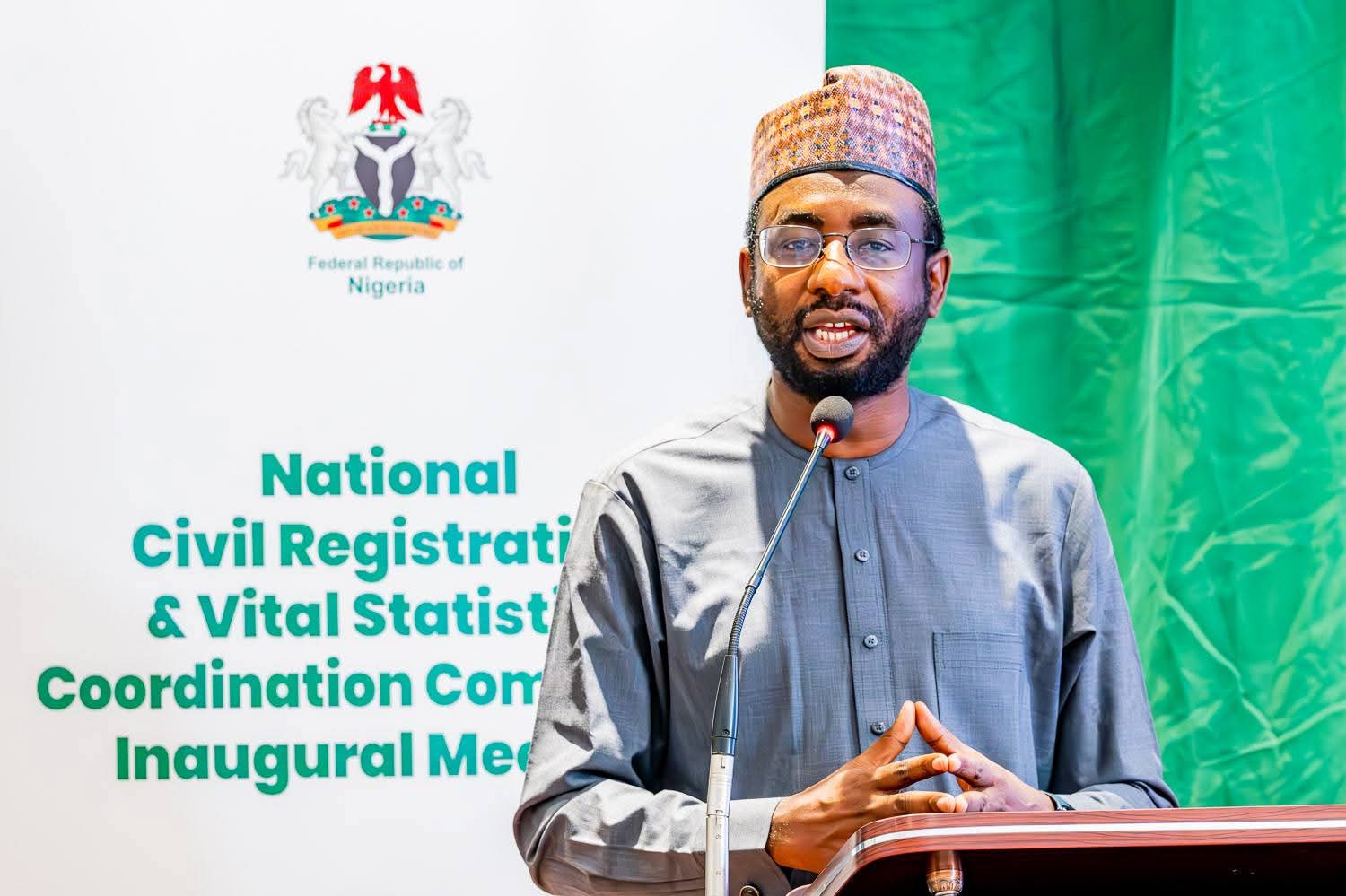
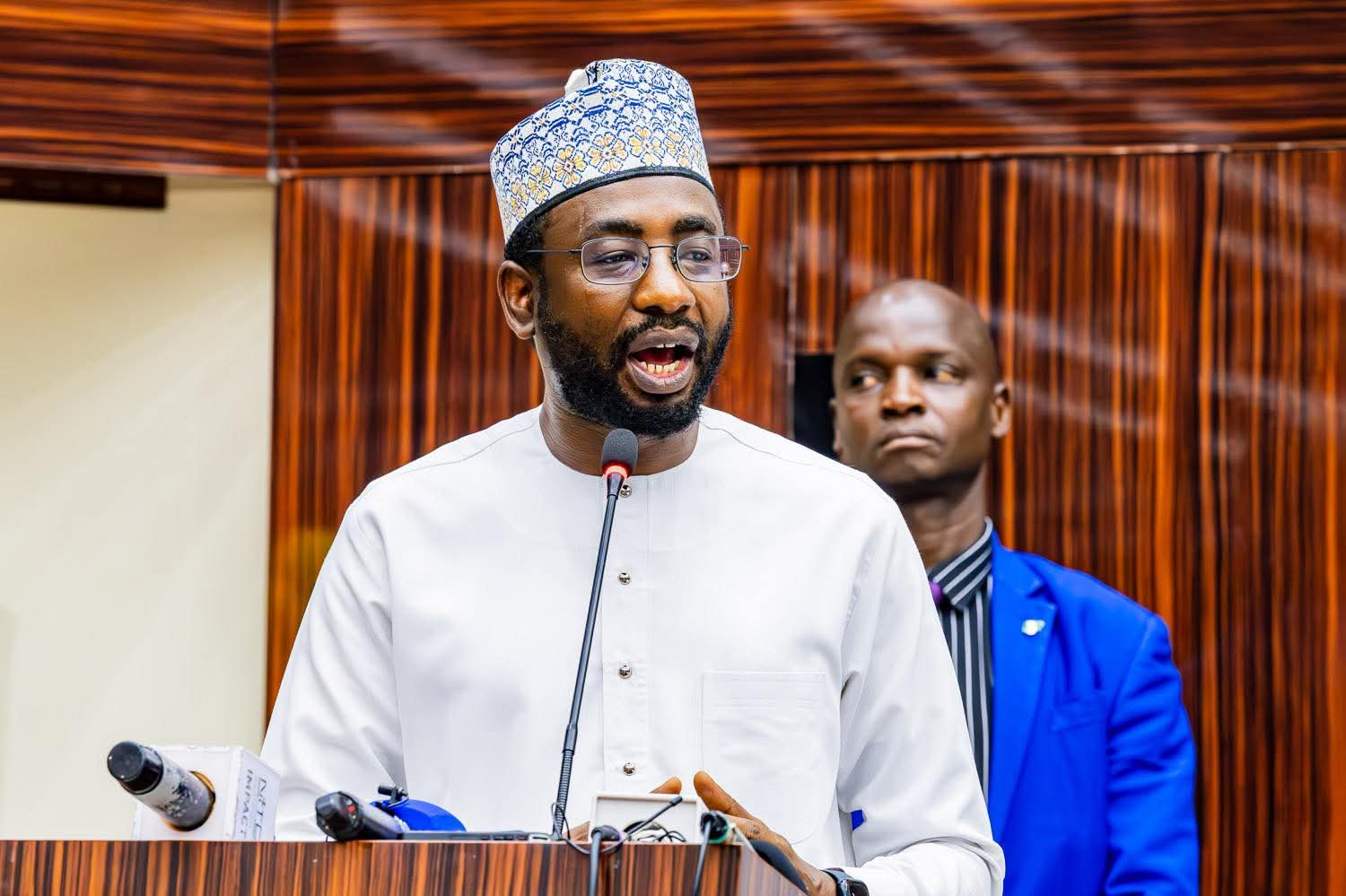
In his paper presentation on “DNS Fundamentals and the Role of .ng in the Digital Ecosystem,” Mukoshy explained that all domain names — such as .com, .net, and http://google.com — are essentially addresses. He noted that NIRA operates authoritative name servers for .ng, just as other countries do for their digital identities.
He disclosed that NIRA has introduced a Domain Name Security Service that will make .ng more secure and urged the media to help create awareness about the safety of .ng, stressing that it meets global standards.
DNSSEC Unveiling Named Event Highpoint
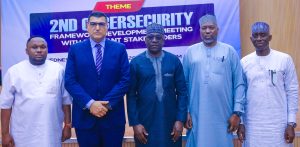
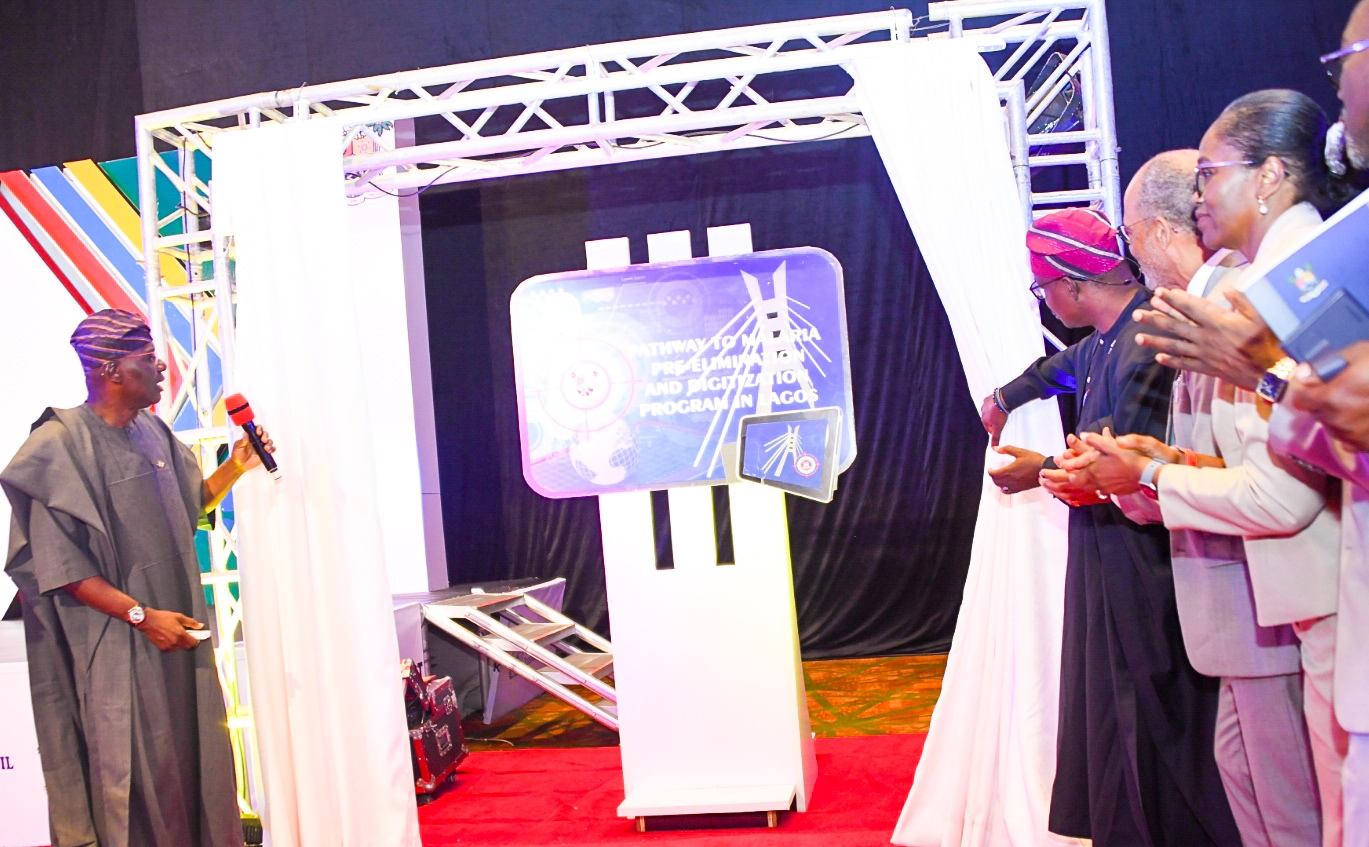
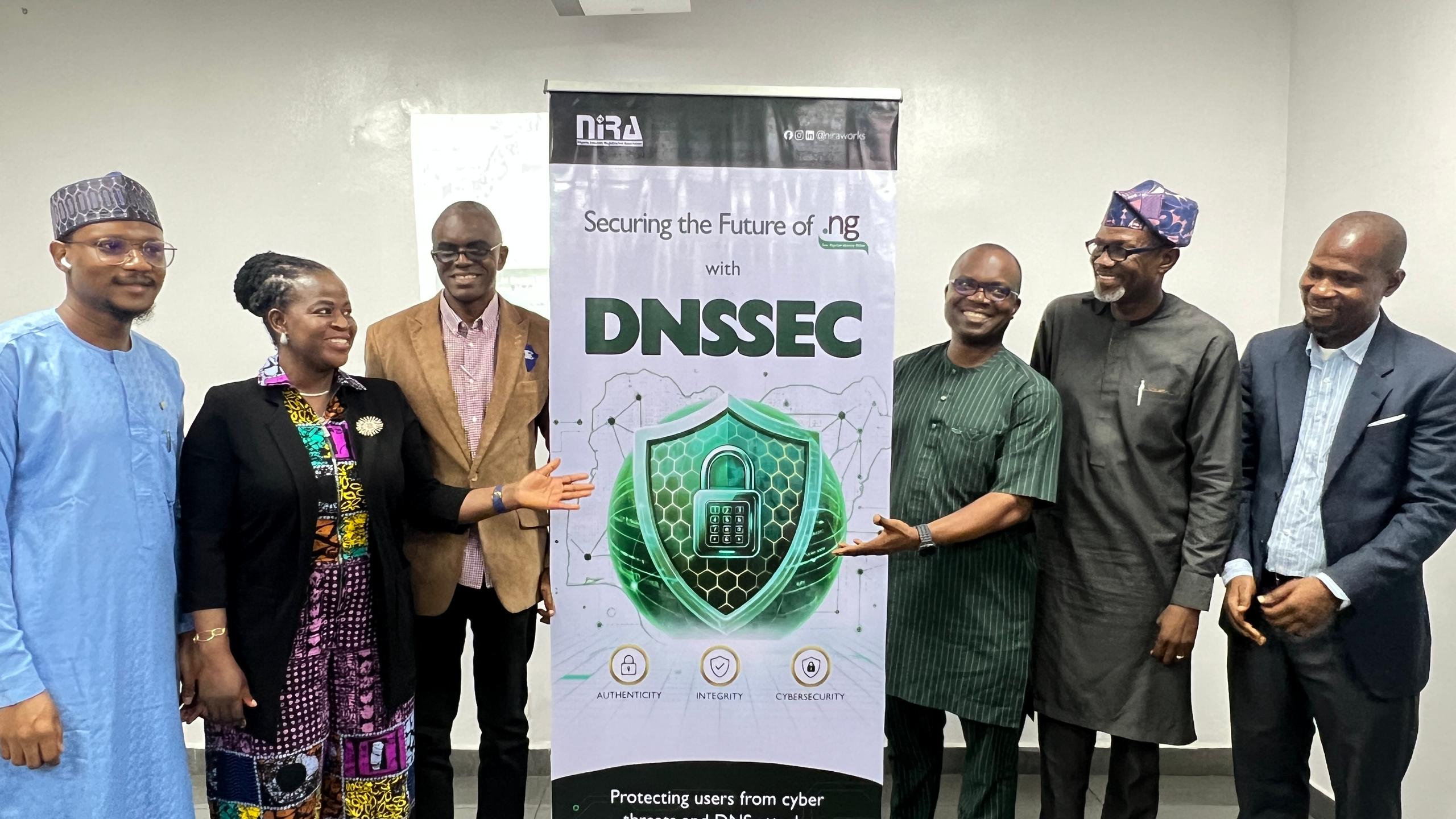
The highpoint of the workshop was the unveiling of DNSSEC (Domain Name System Security Extensions), which NIRA said promises to be a major force in advancing cybersecurity in Nigeria.
The event which was intelligently moderated by the award-winning Peter Oluka closed with a unified call: for .ng to be embraced as a marker of national identity, economic value, and online security, the media must lead in agenda setting, public education, and balanced storytelling.