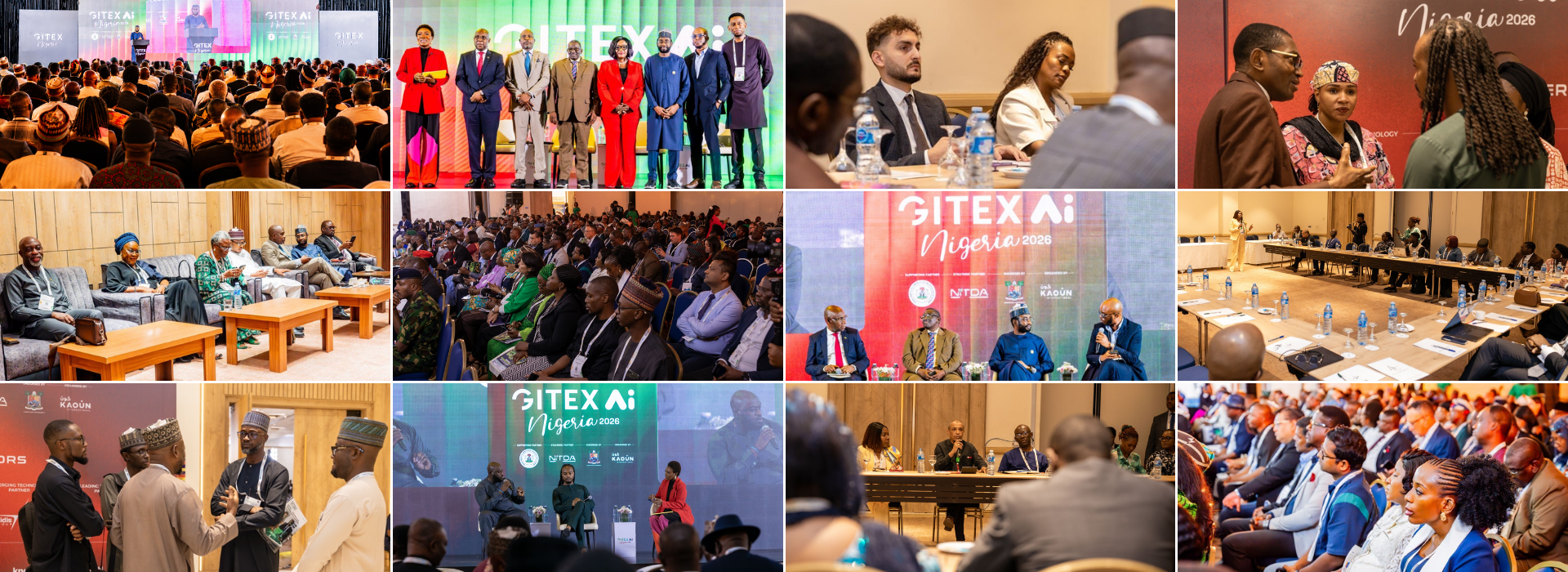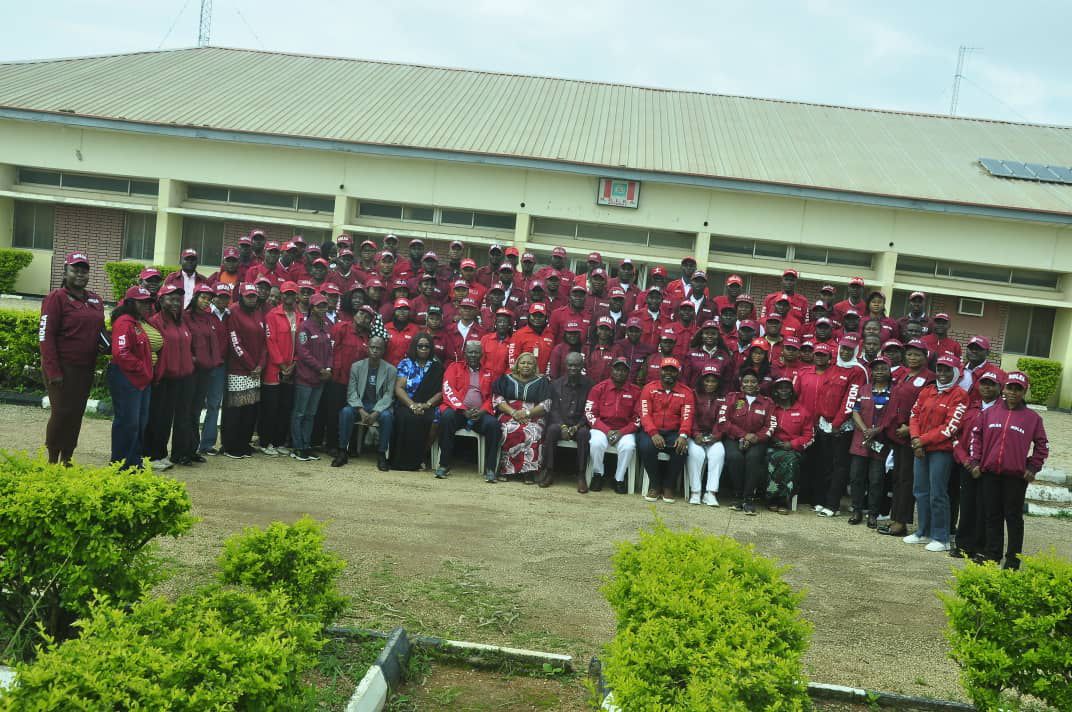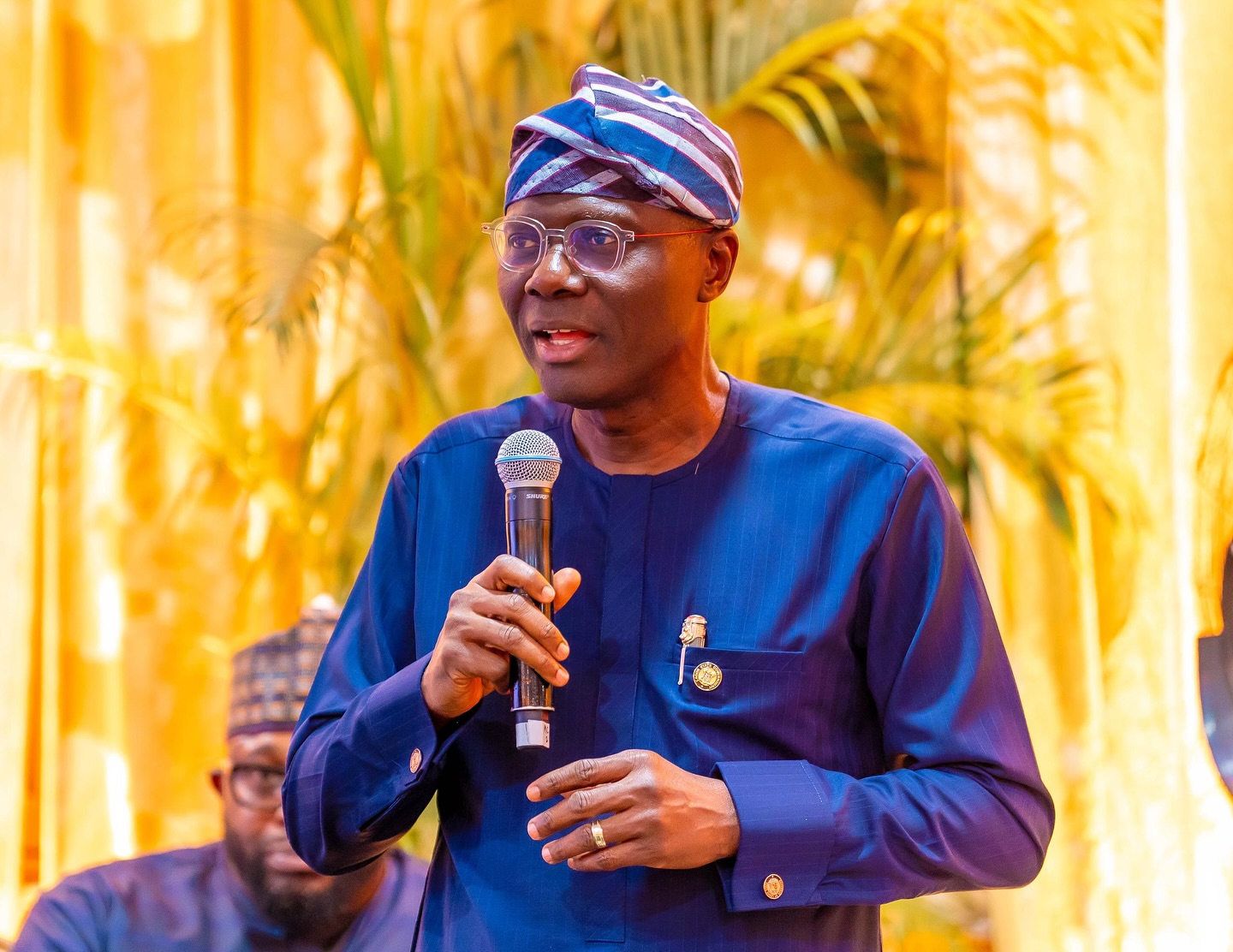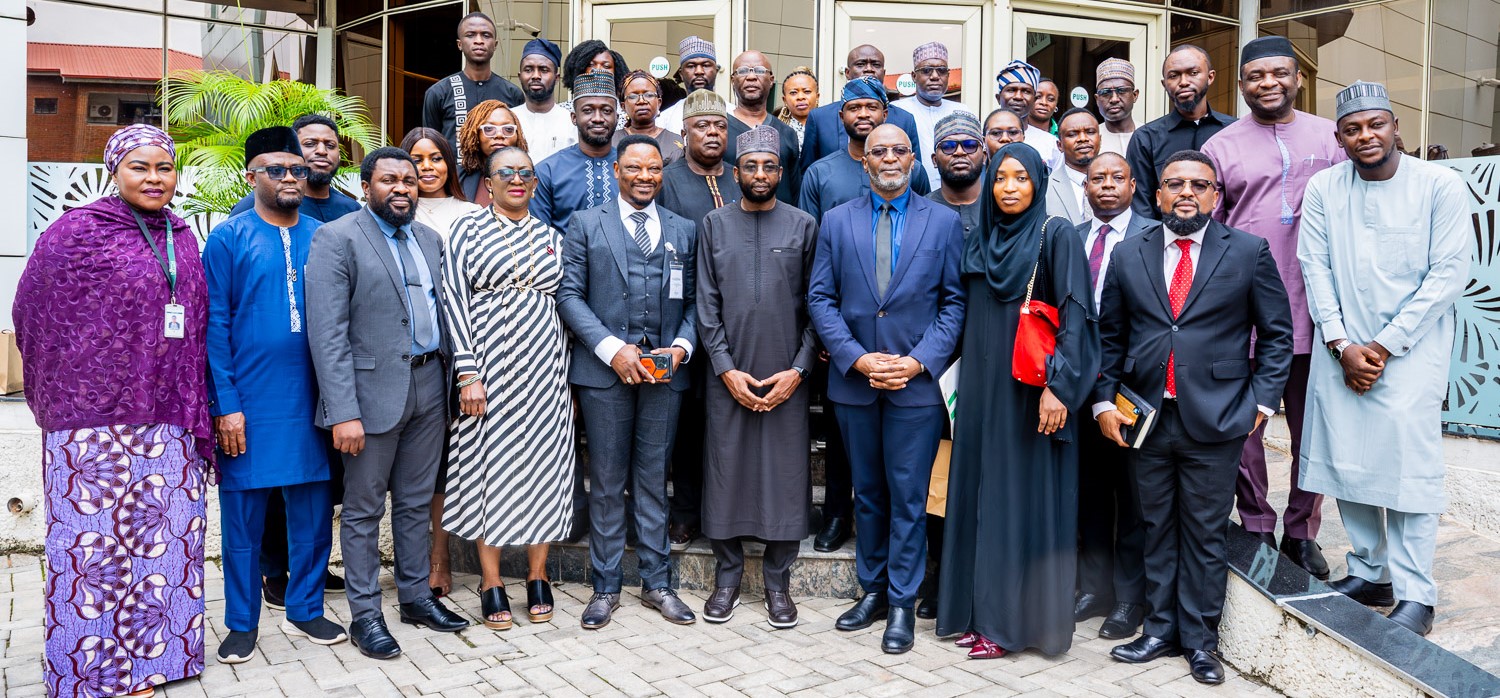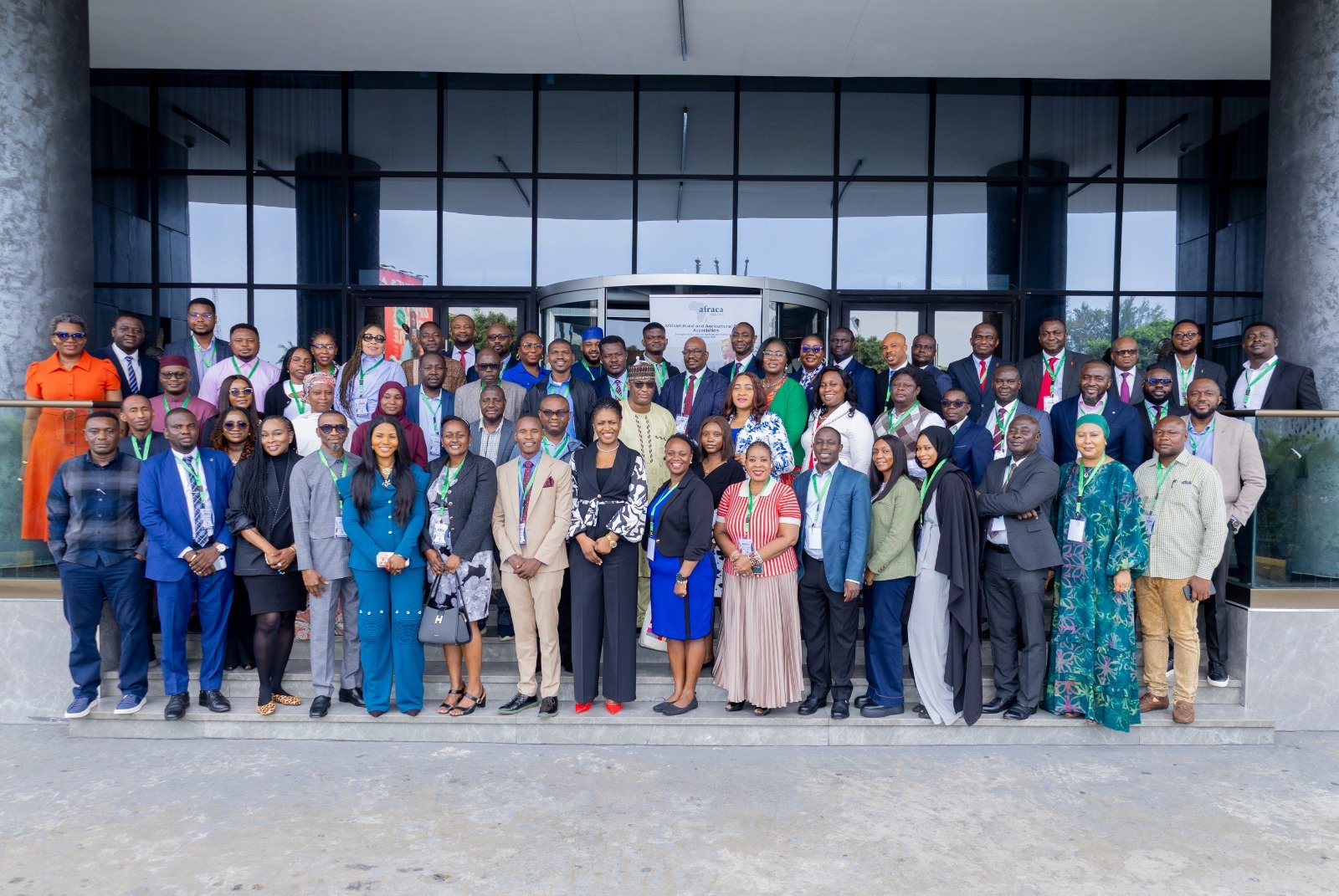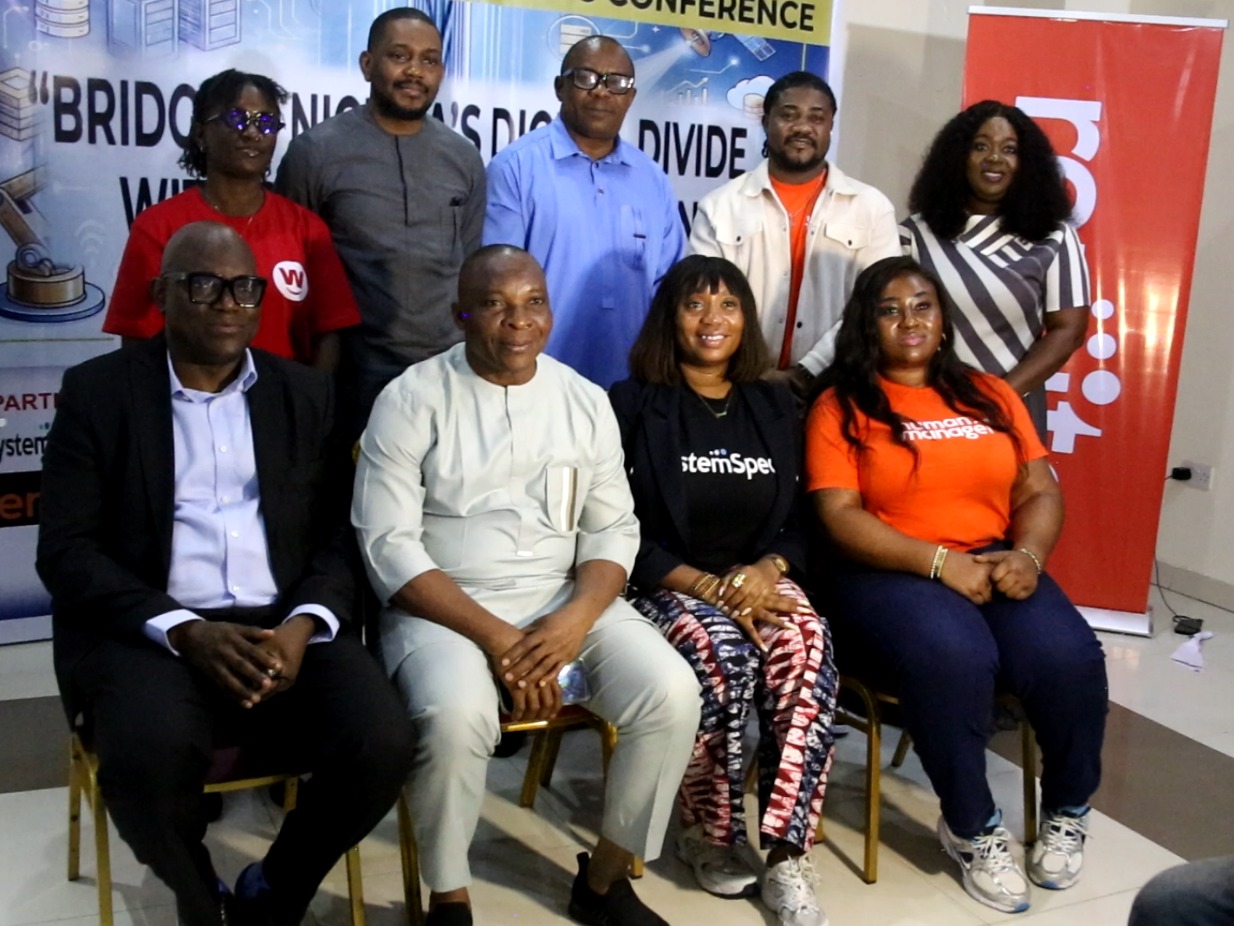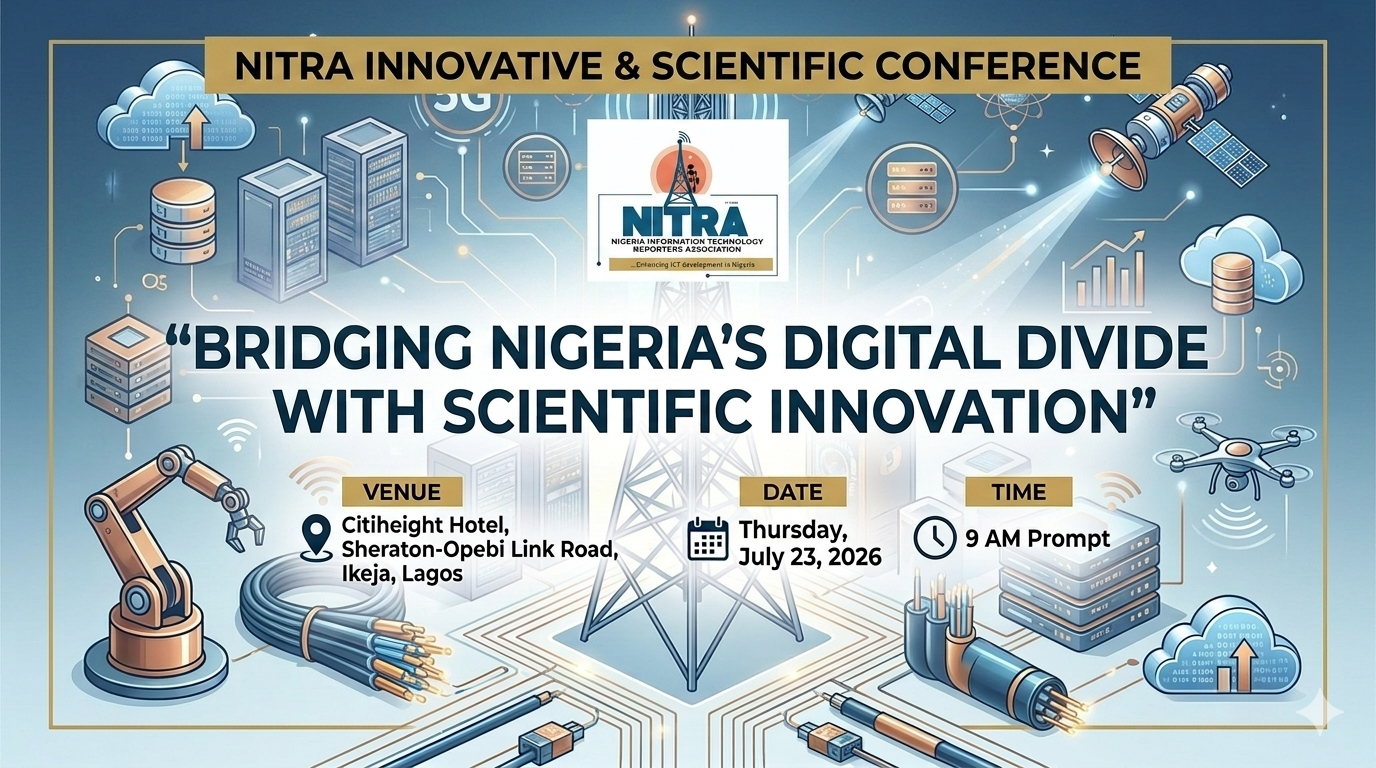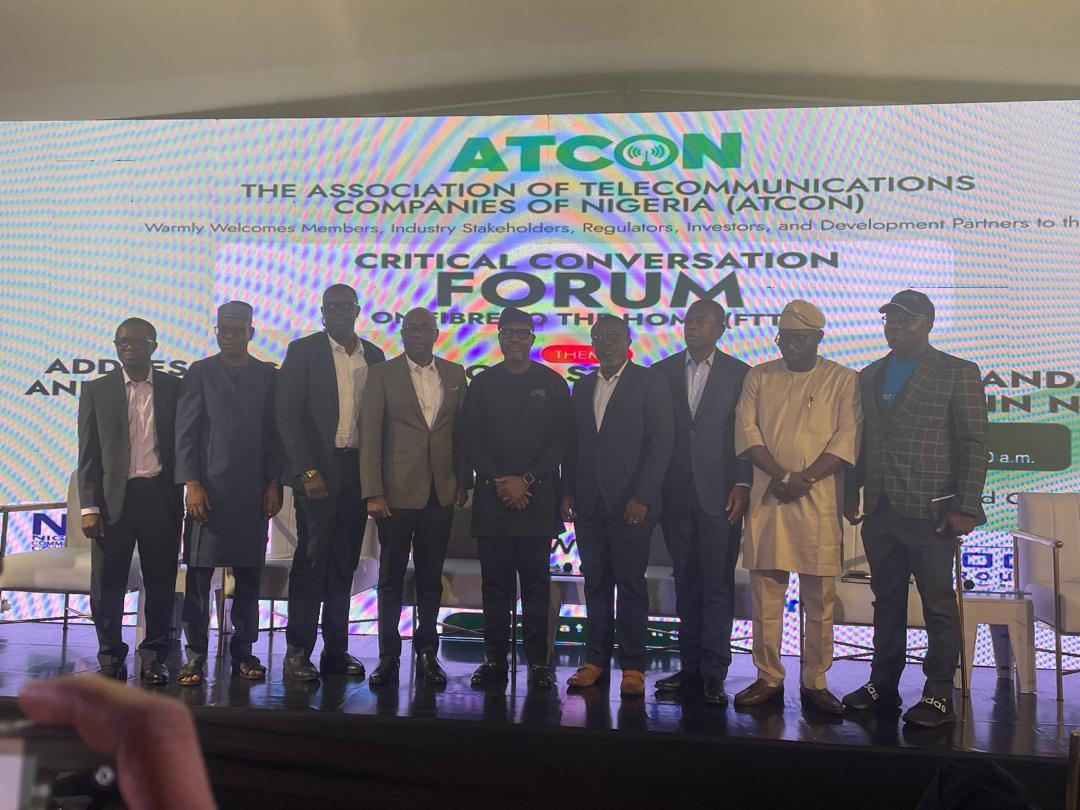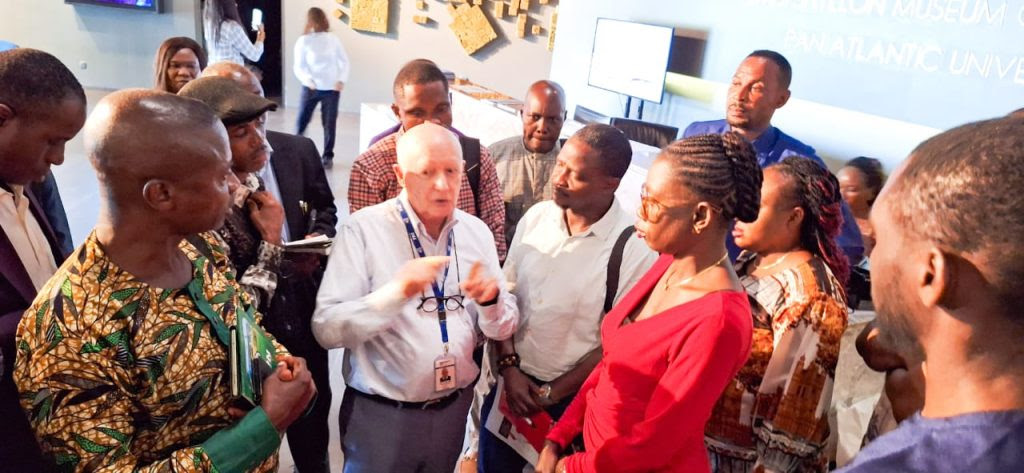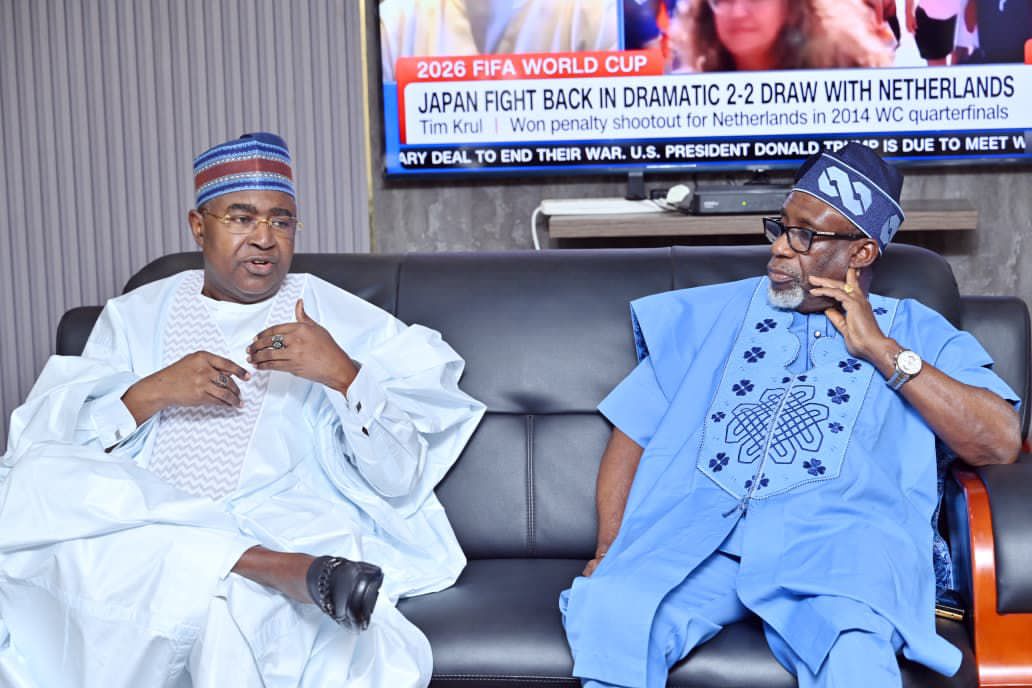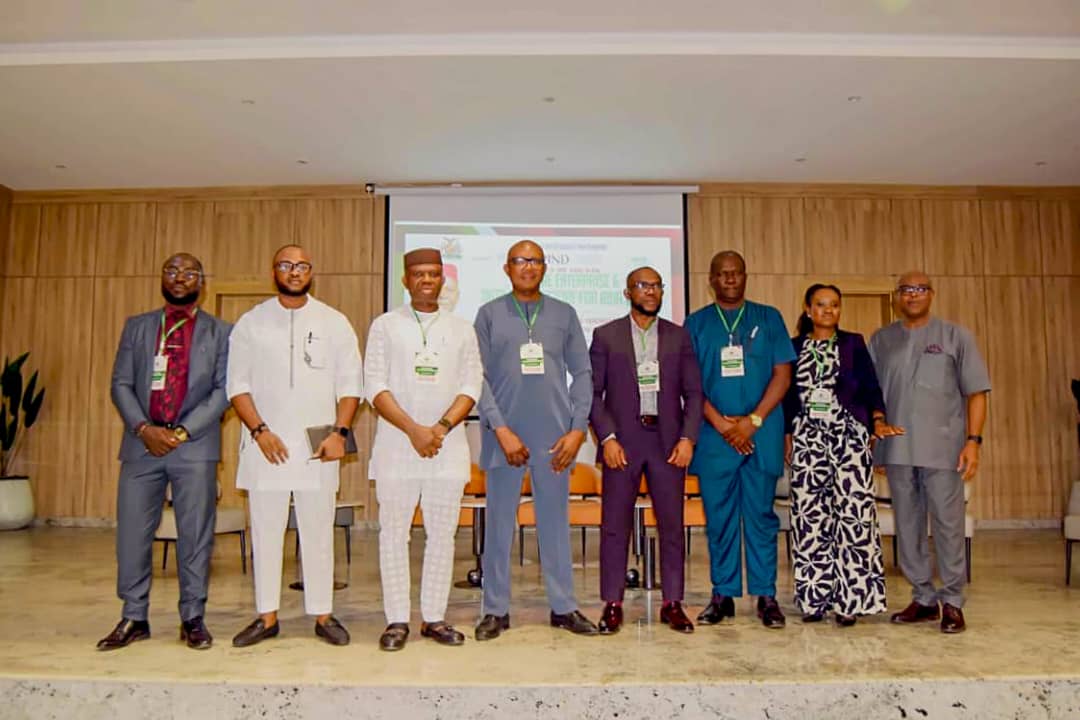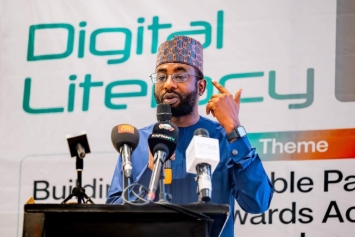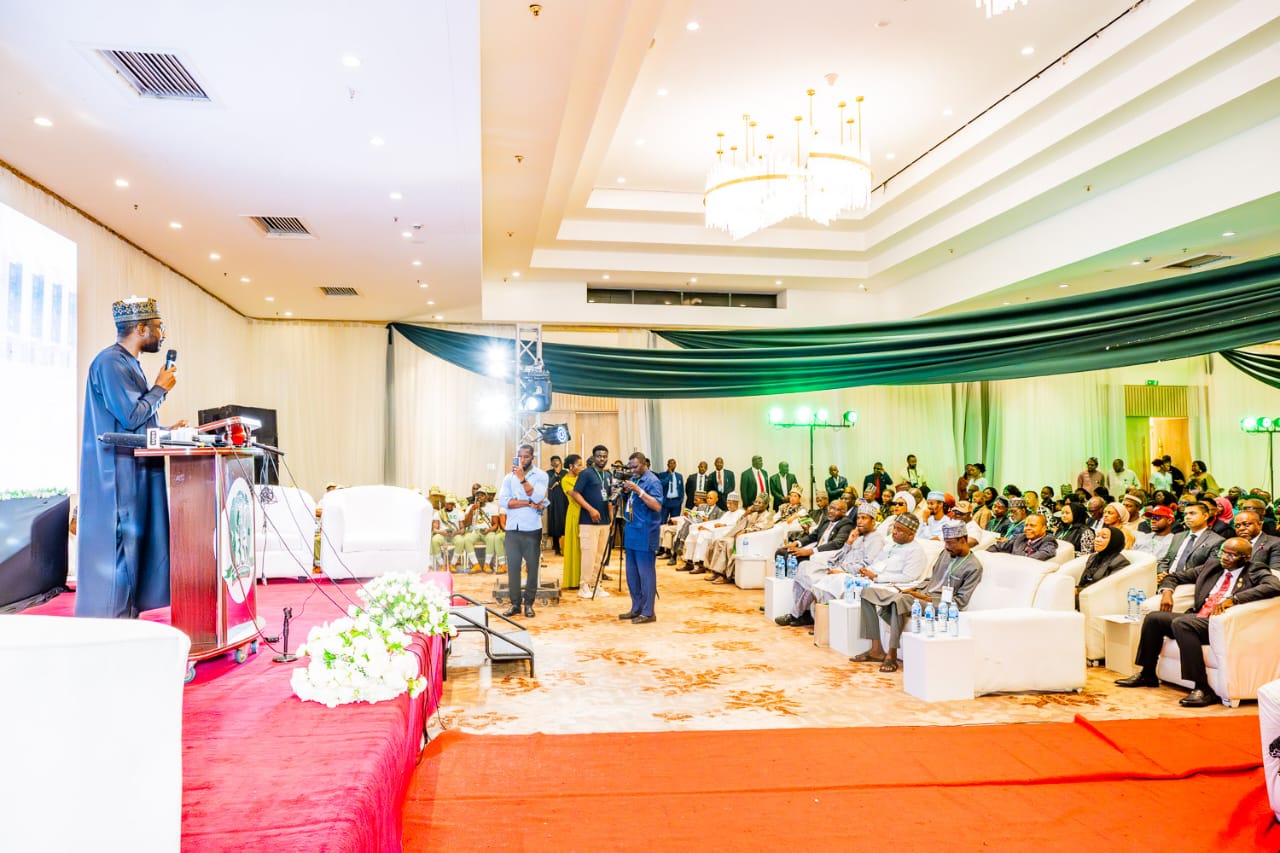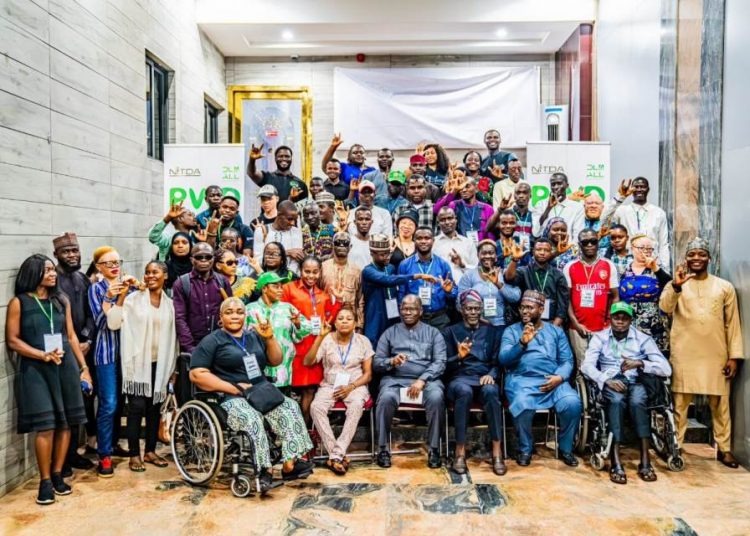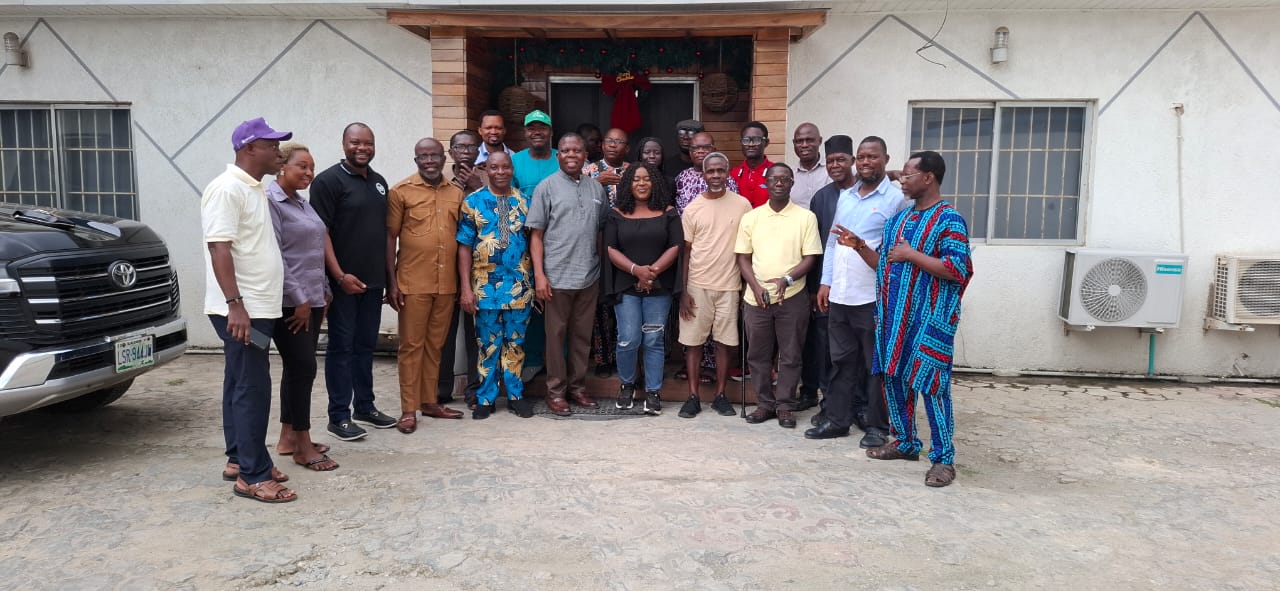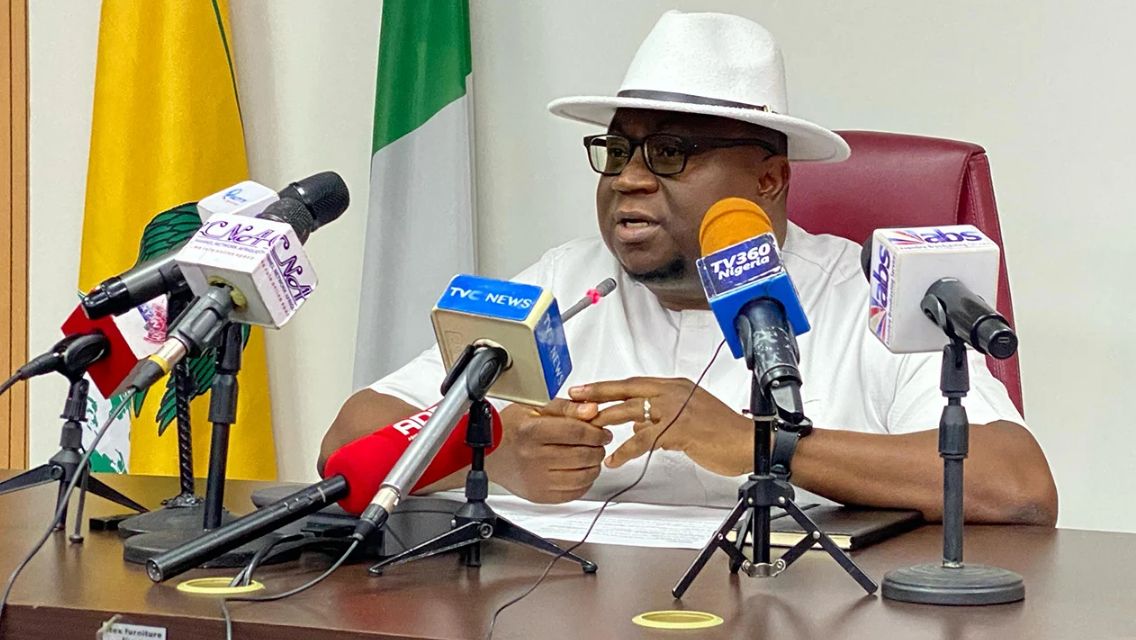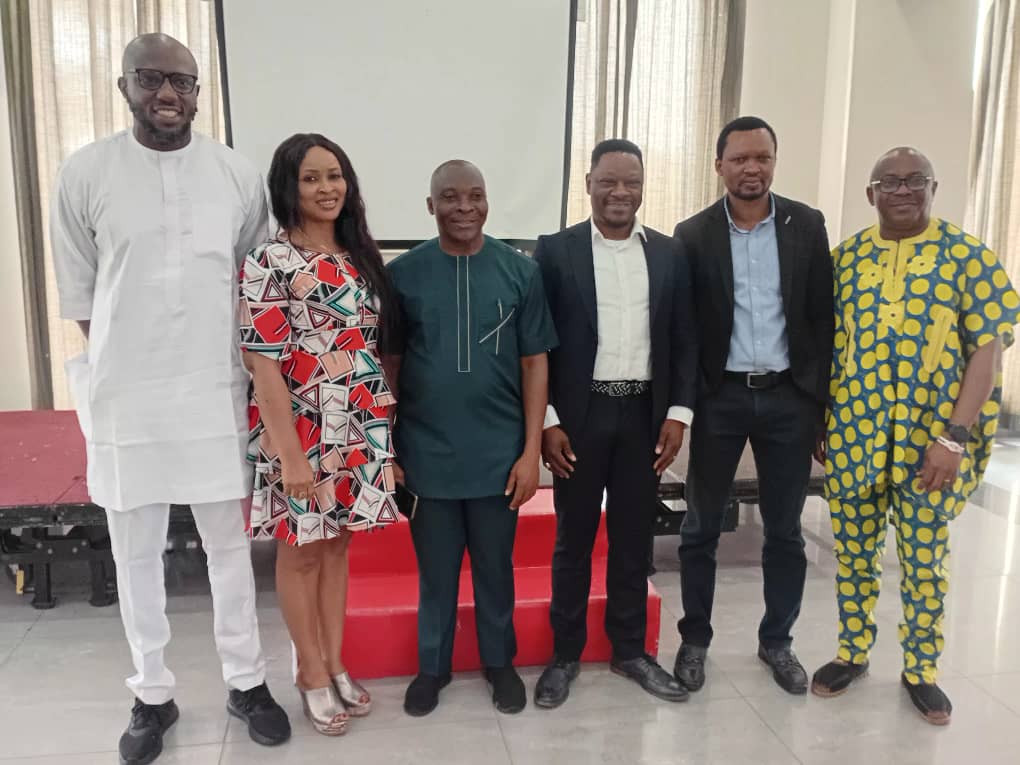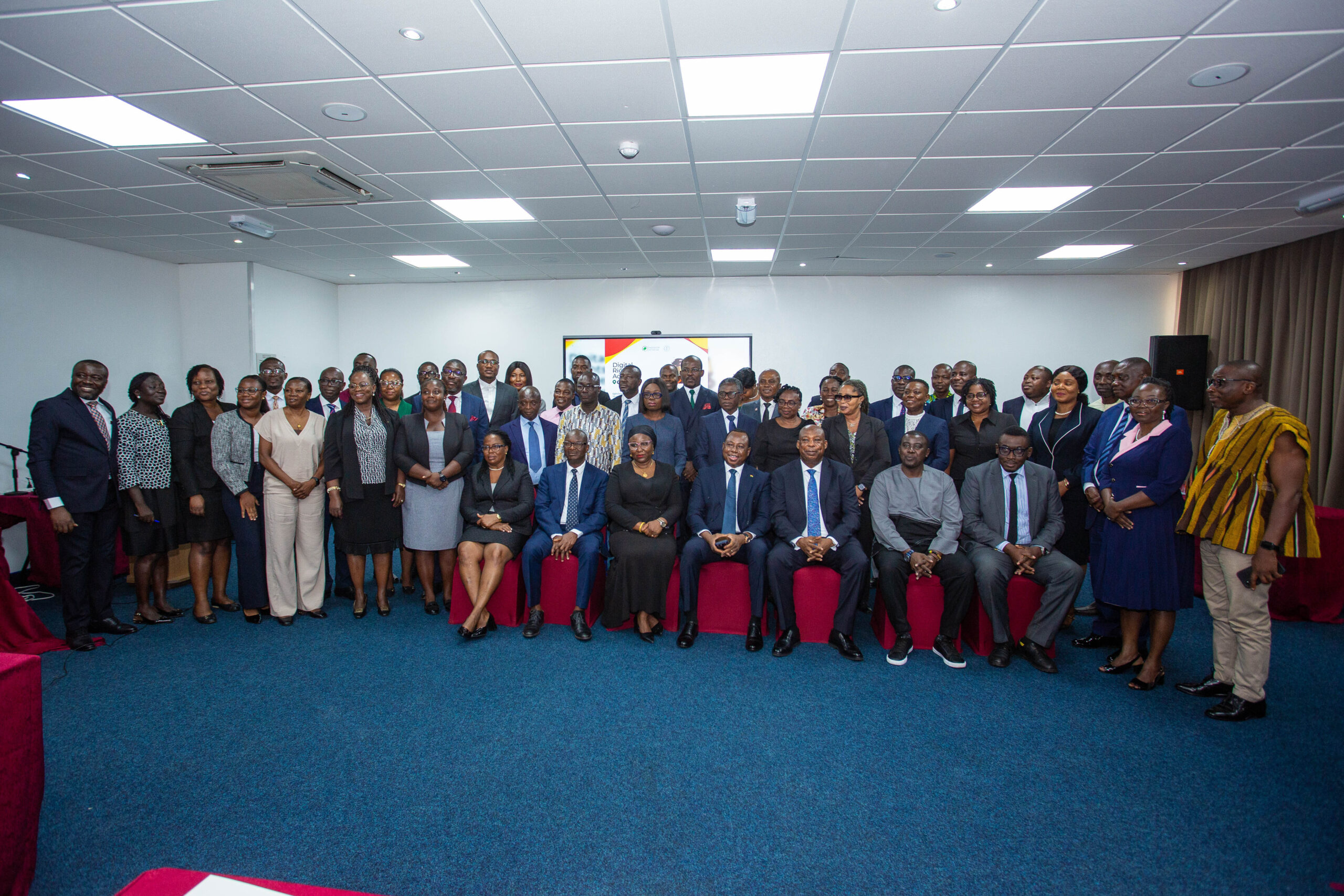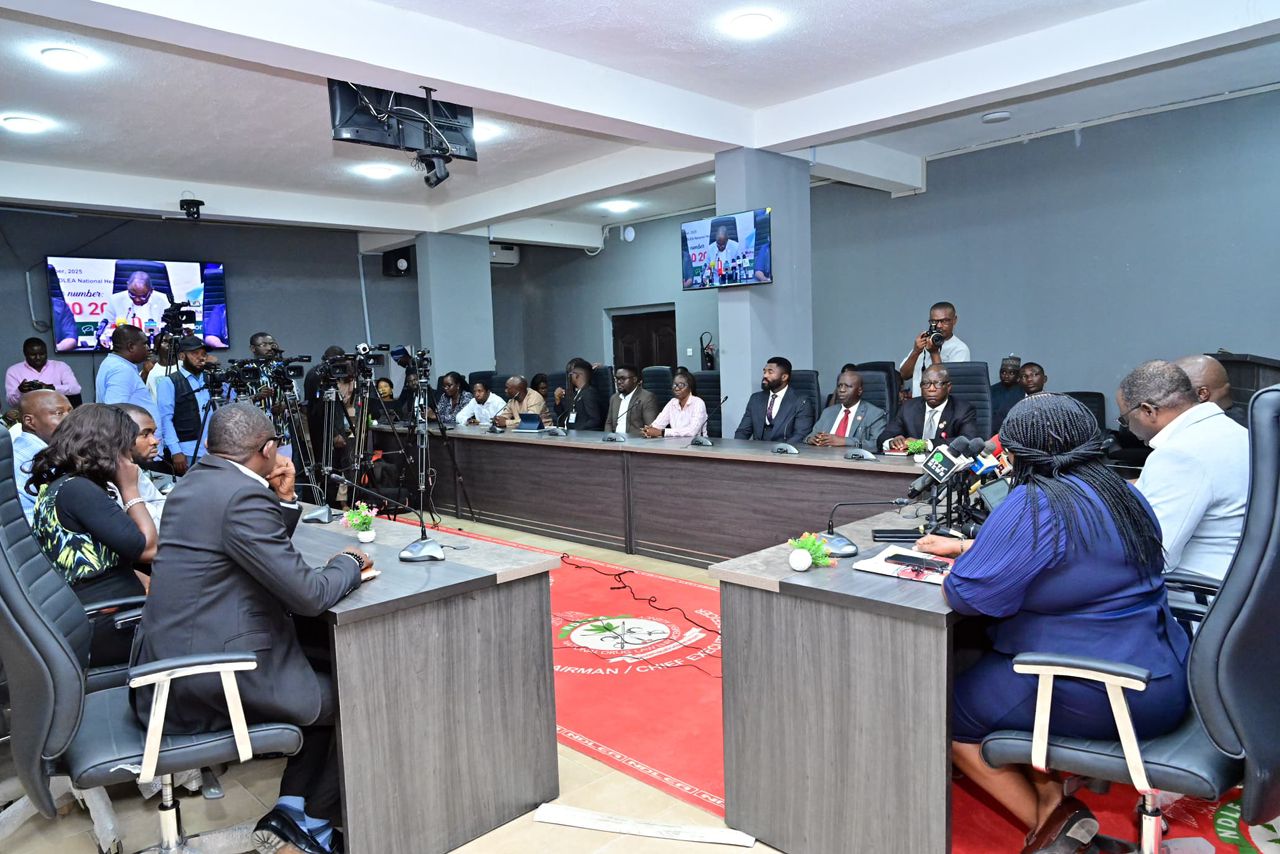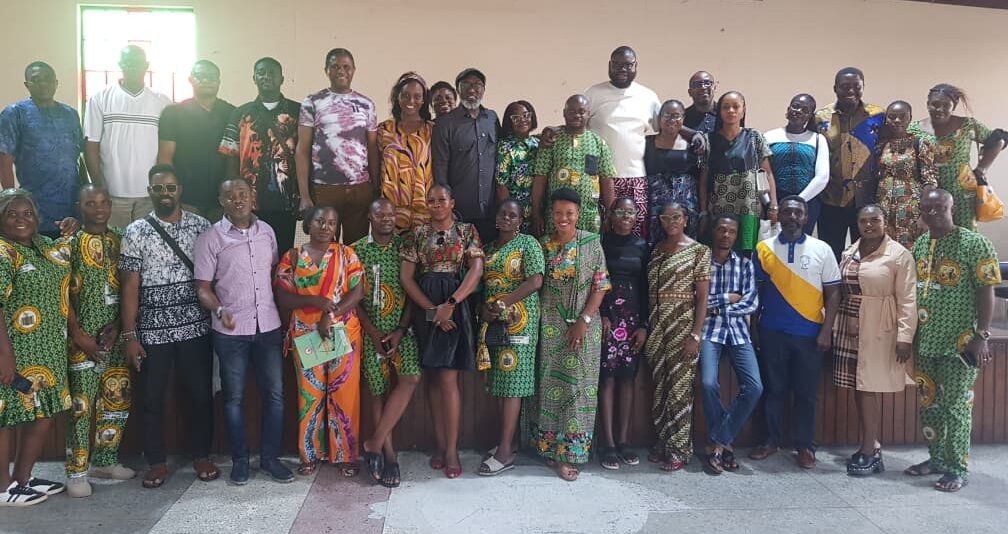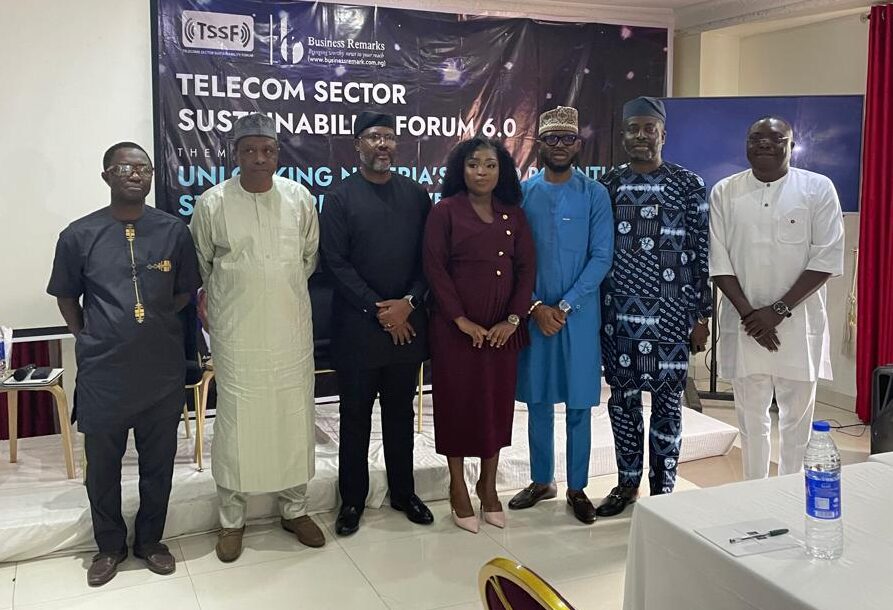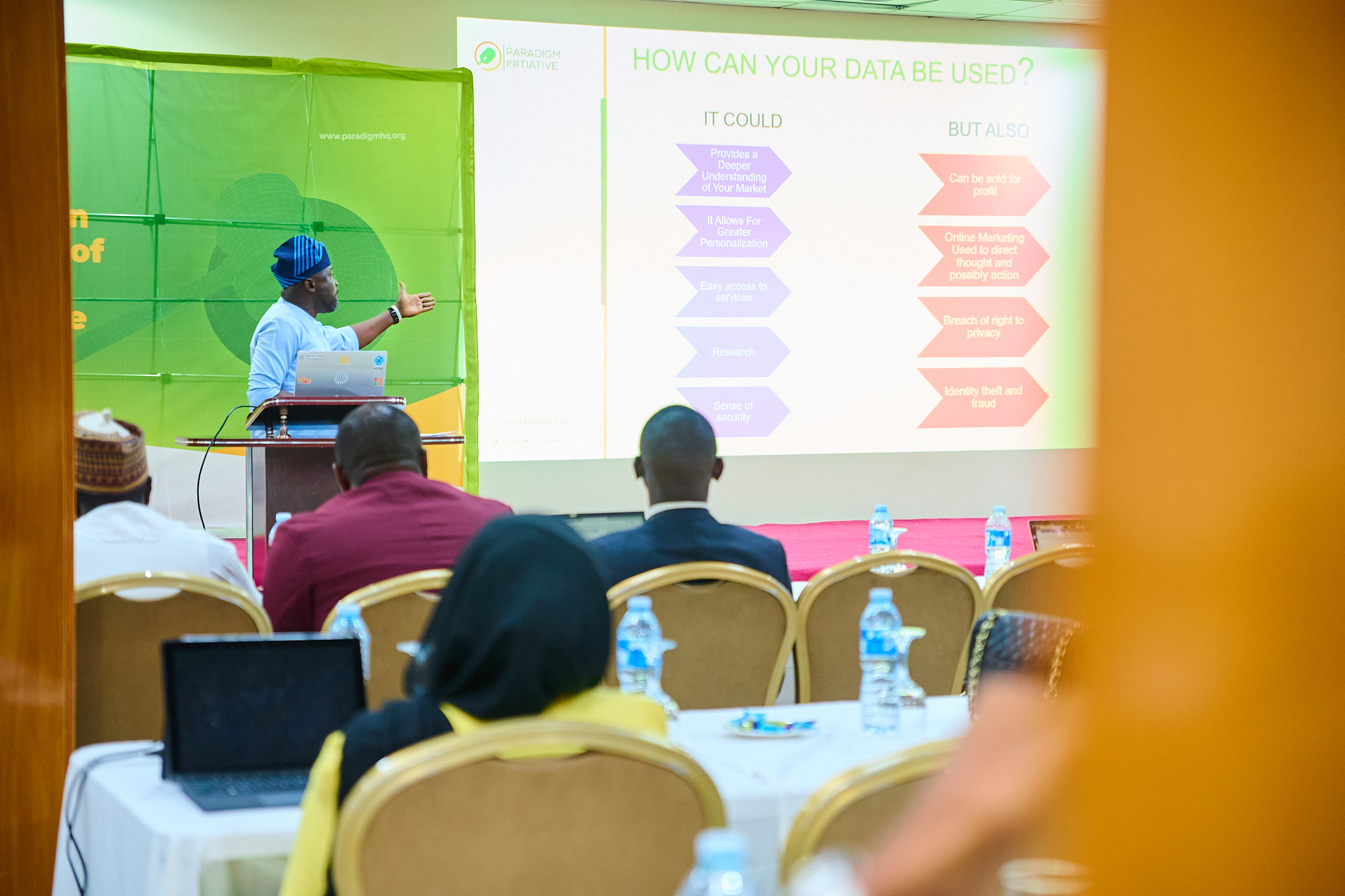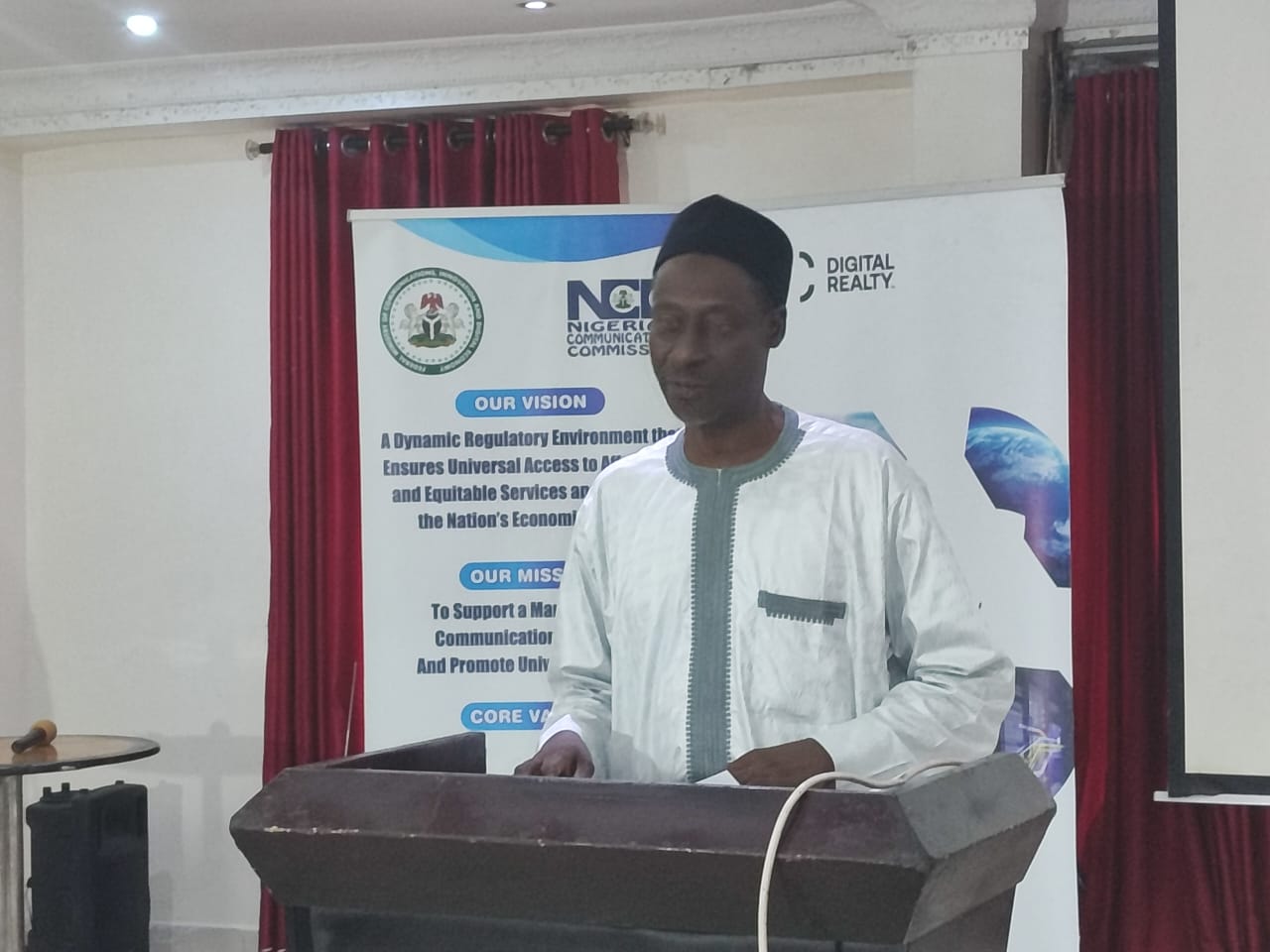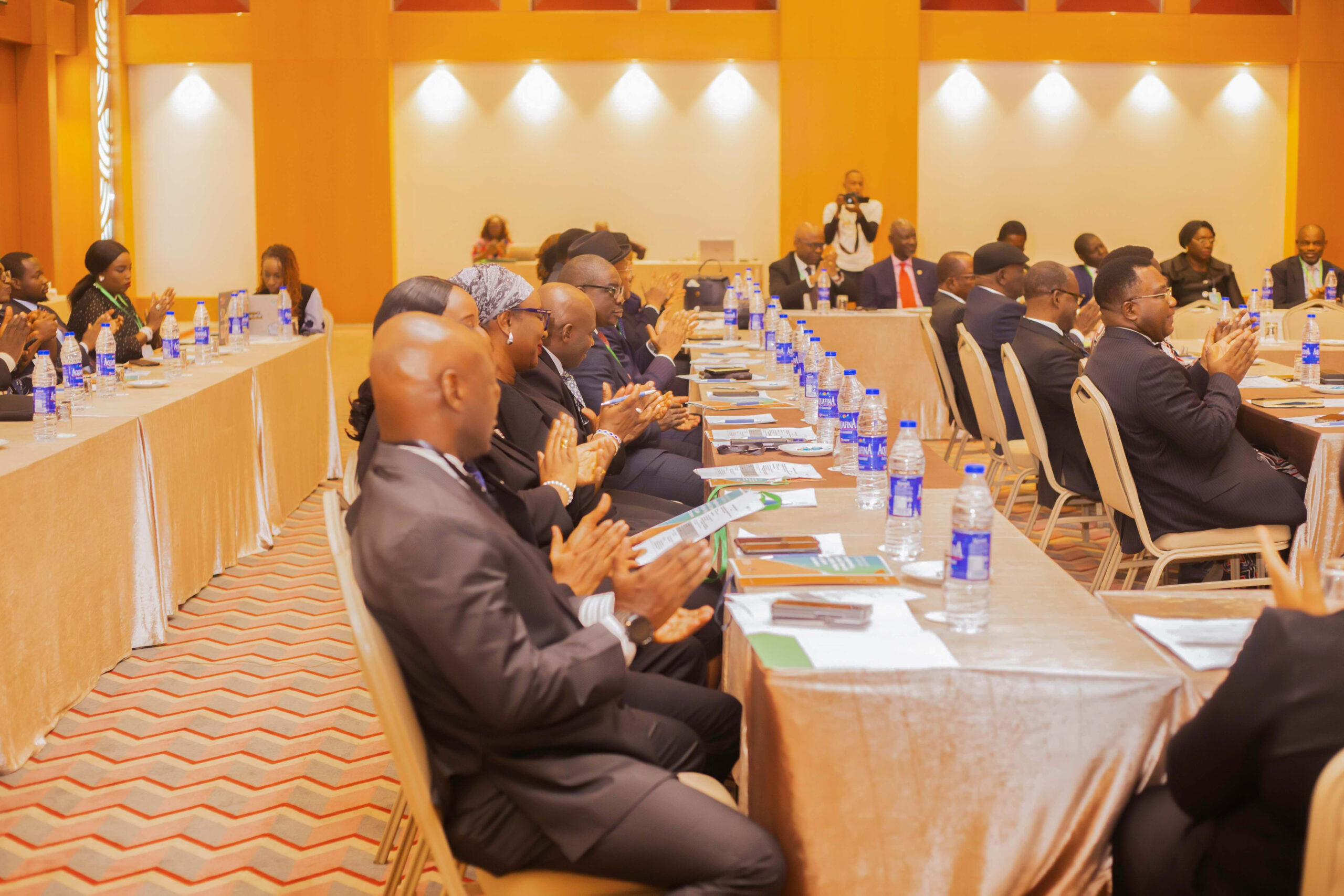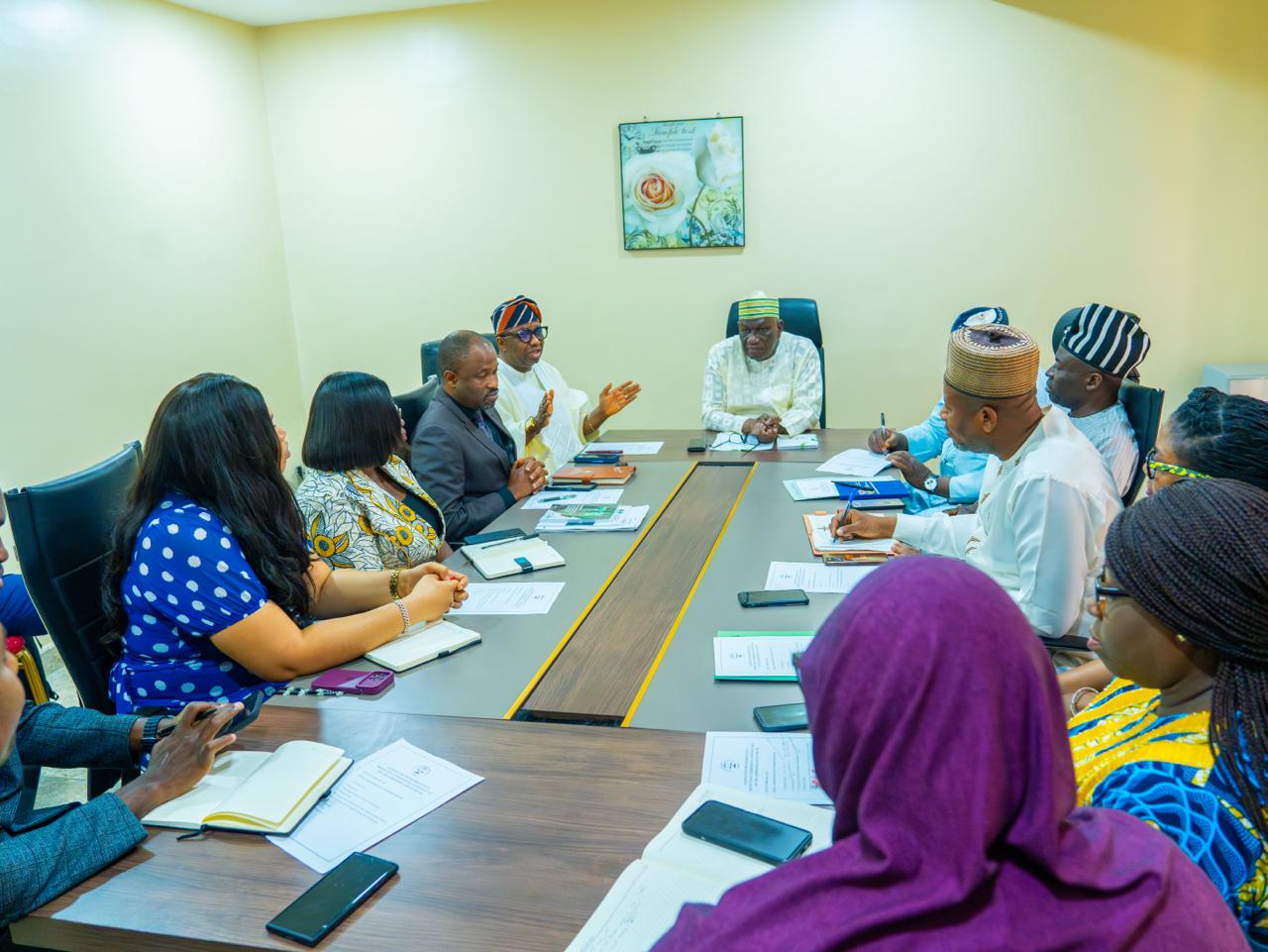

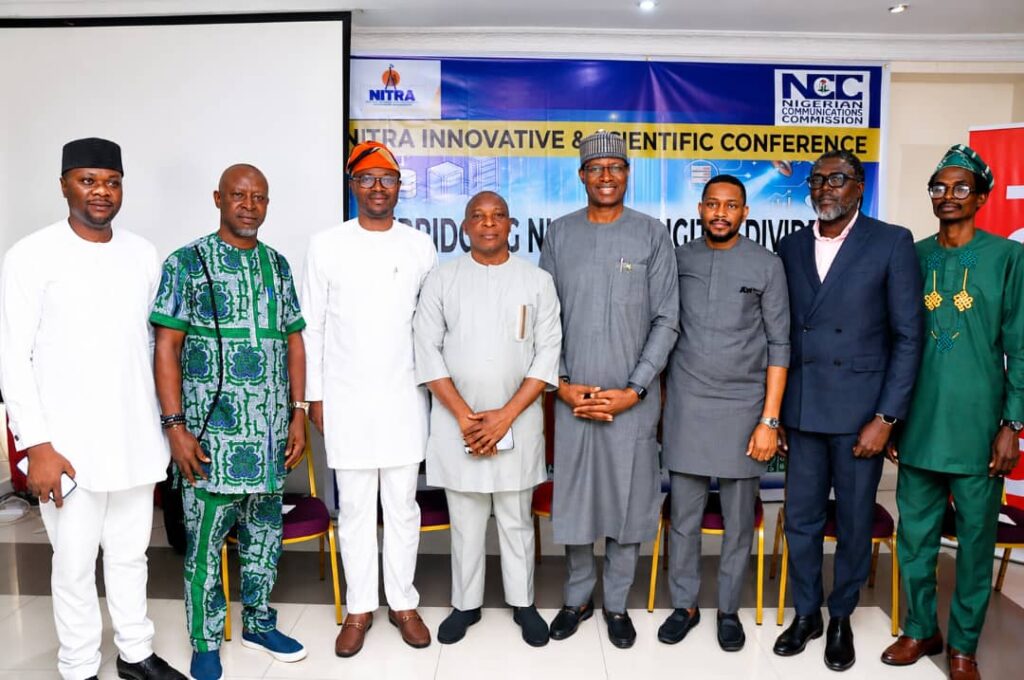
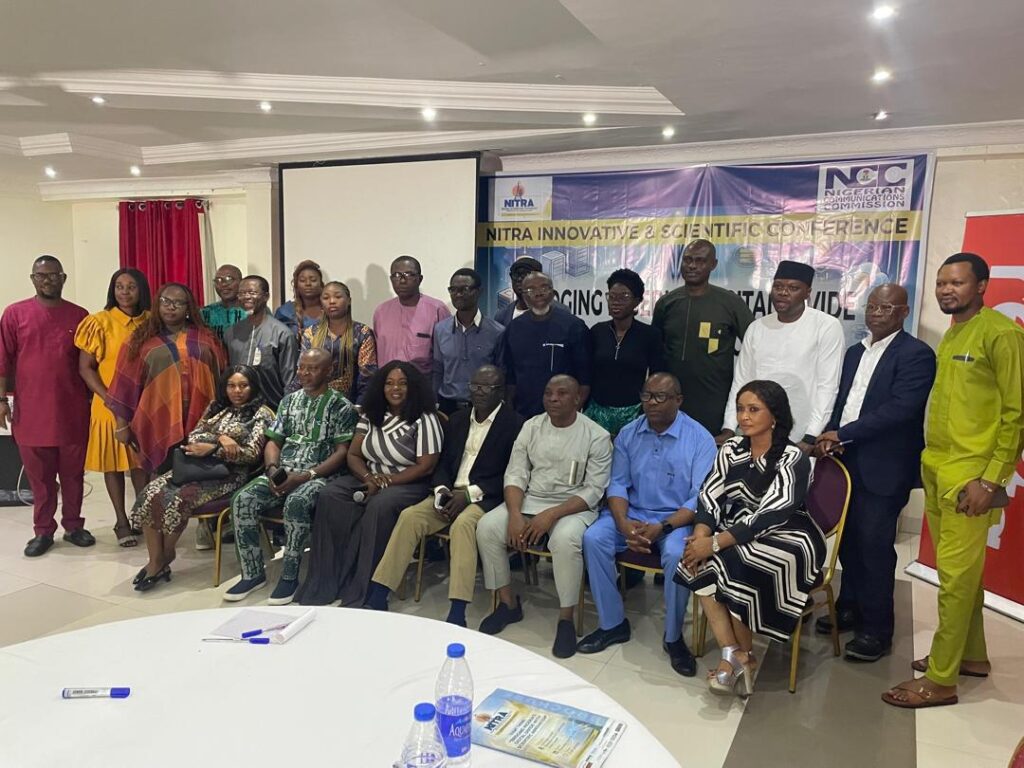
Regulators, tech leaders, academics and media practitioners gathered in Lagos on Thursday for the 2026 Innovative and Scientific Conference. with a clear message: bridging Nigeria’s digital divide will require more than infrastructure. It will take inclusive policies, affordable access, and homegrown scientific innovation.
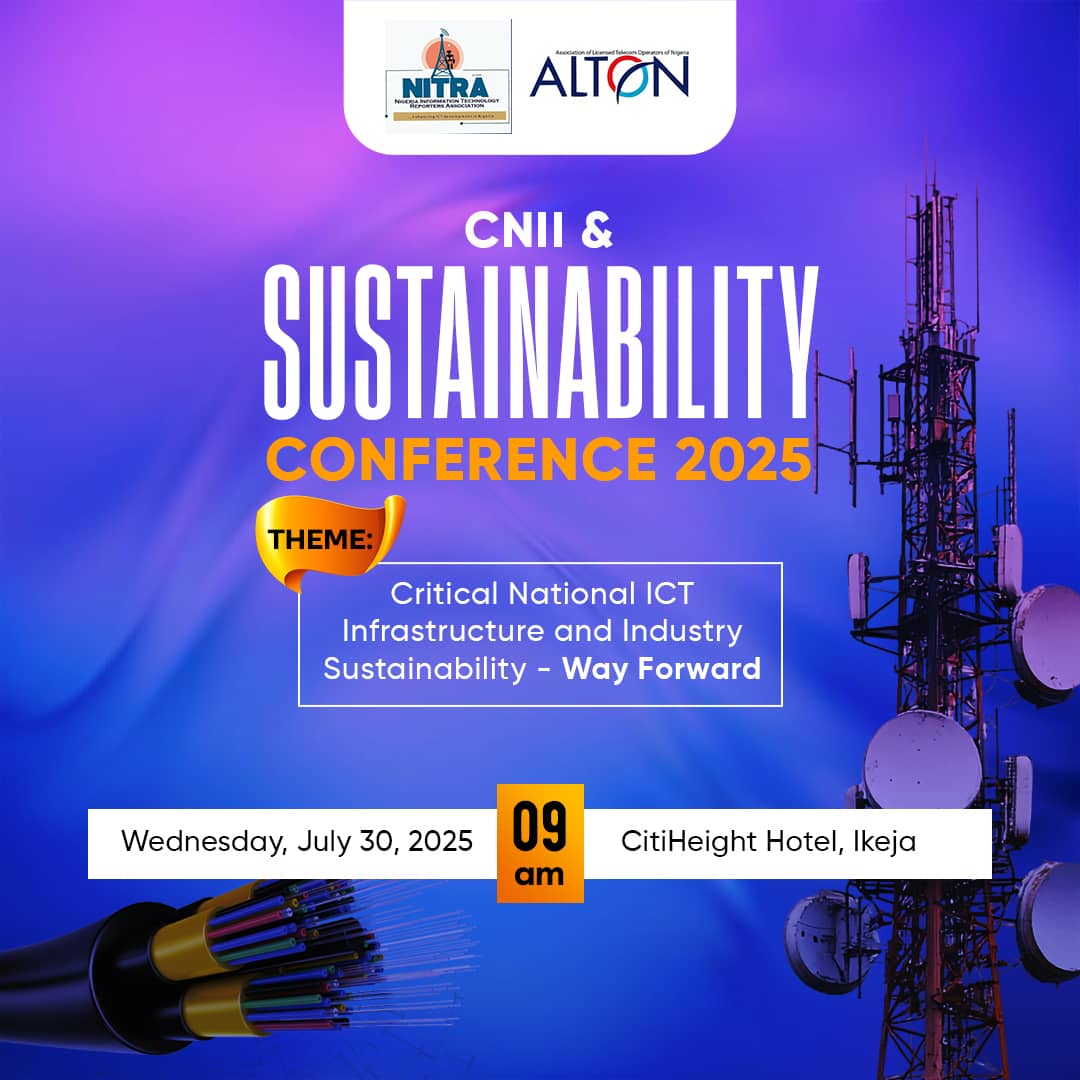
The conference, organised by the Nigerian Information Technology Reporters Association, NITRA, with the theme “Bridging Nigeria’s Digital Divide With Scientific Innovation” brought together key voices to assess progress, challenges and the policy reforms needed ahead of major global telecom discussions later this year.
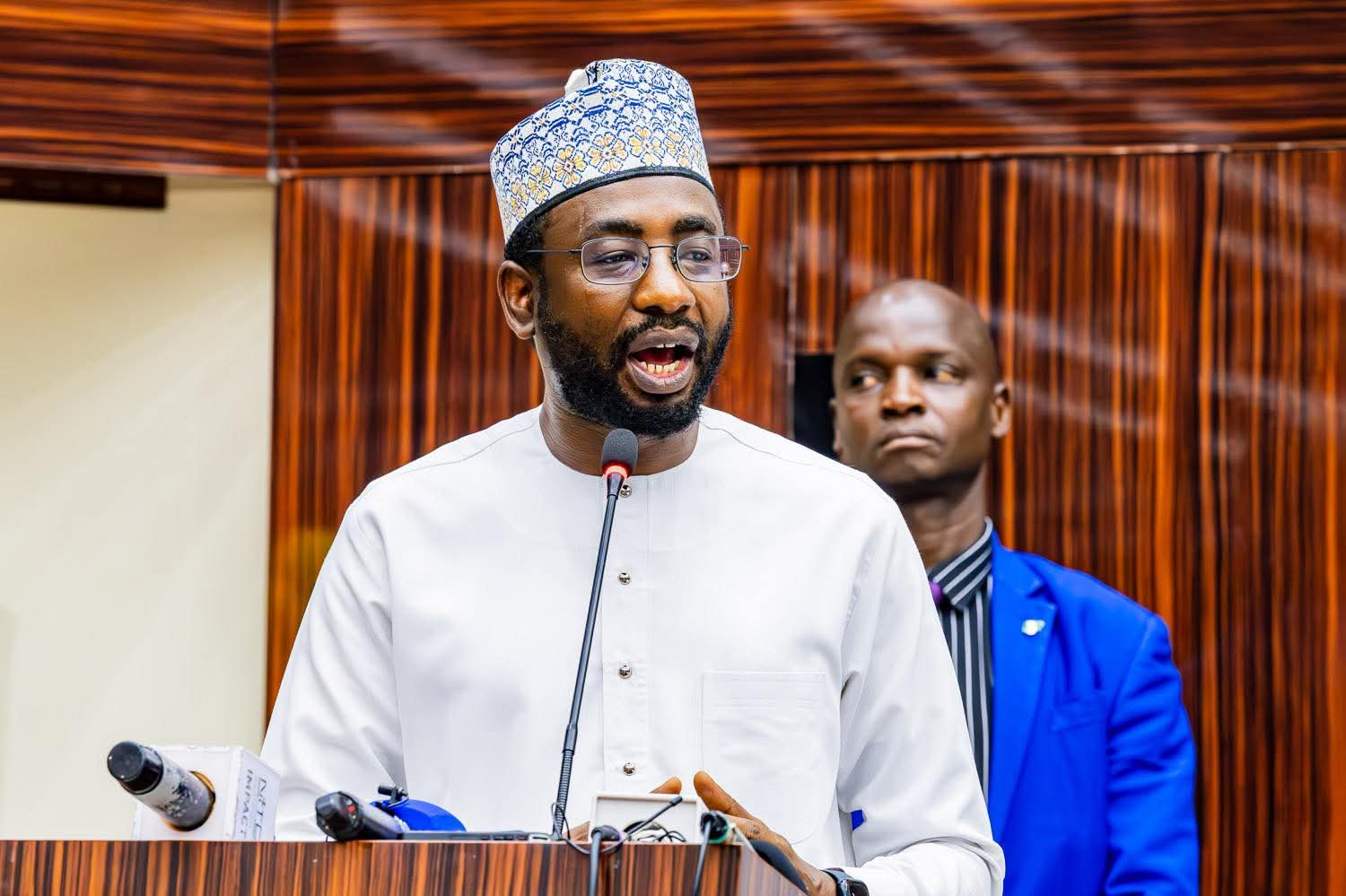
In his welcome address, the Chairman of NITRA said the digital divide in Nigeria is no longer just about laying fiber or erecting masts.
“We cannot build a knowledge-based economy if we leave millions of our citizens behind,” he said. “Digital transformation must be truly inclusive.”
He cited data from the Nigeria Economic Summit Group which estimates that full digital inclusion could add as much as $88 billion to Nigeria’s GDP by 2030.
The impact, he noted, is most felt by Small and Medium Enterprises. SMEs account for about 96% of businesses in Nigeria and employ 84% of the workforce, yet many rural-based SMEs still cannot access e-commerce platforms due to poor connectivity and high data costs.
Telcos: From 500,000 lines to 200 million subscribers
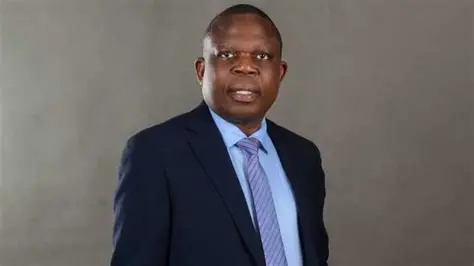
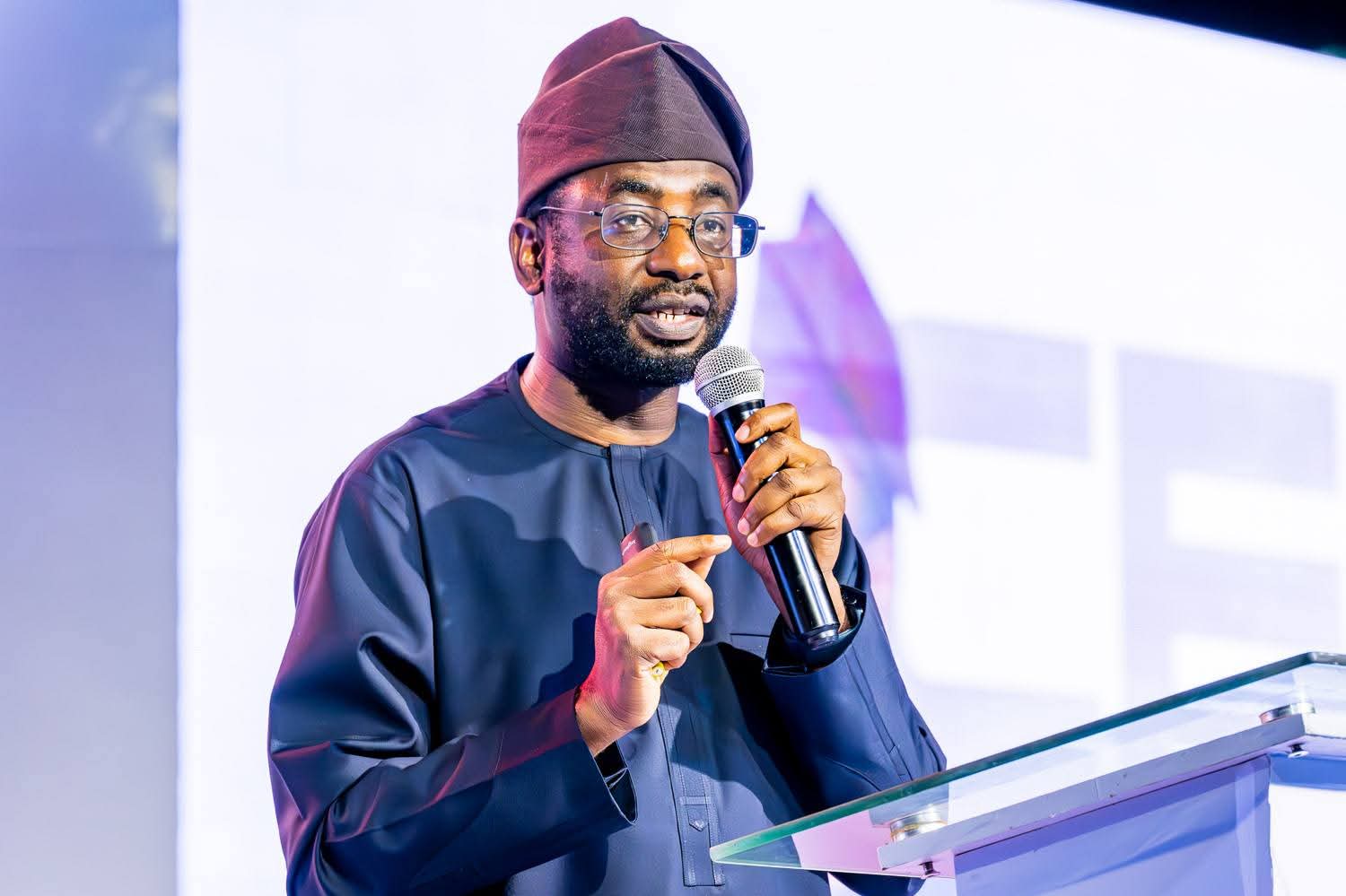
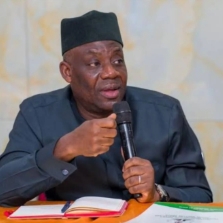
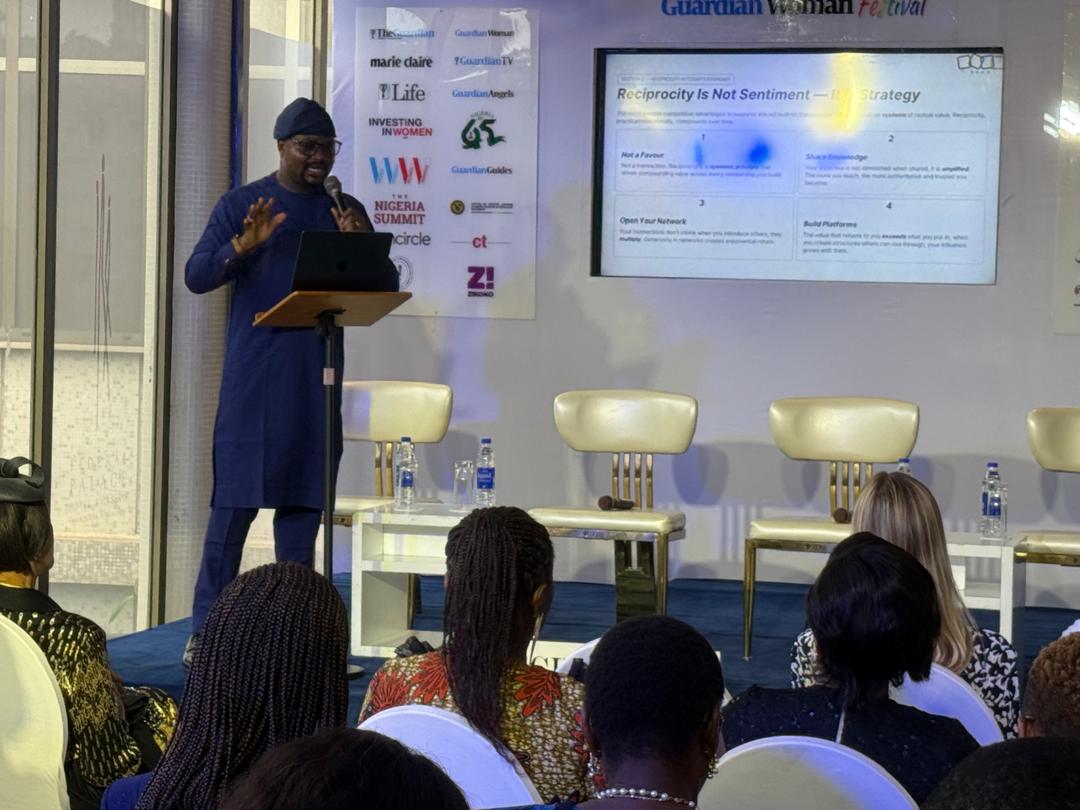
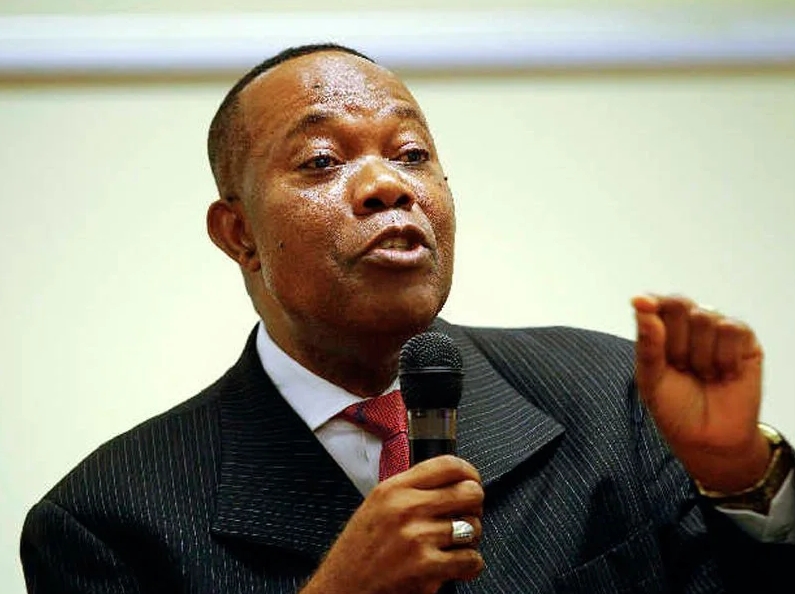
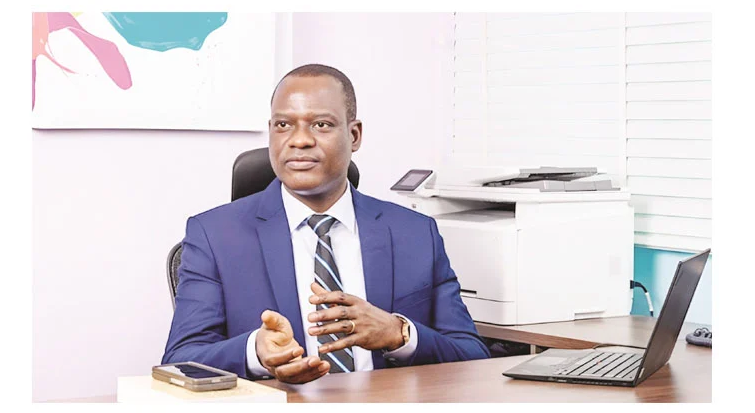
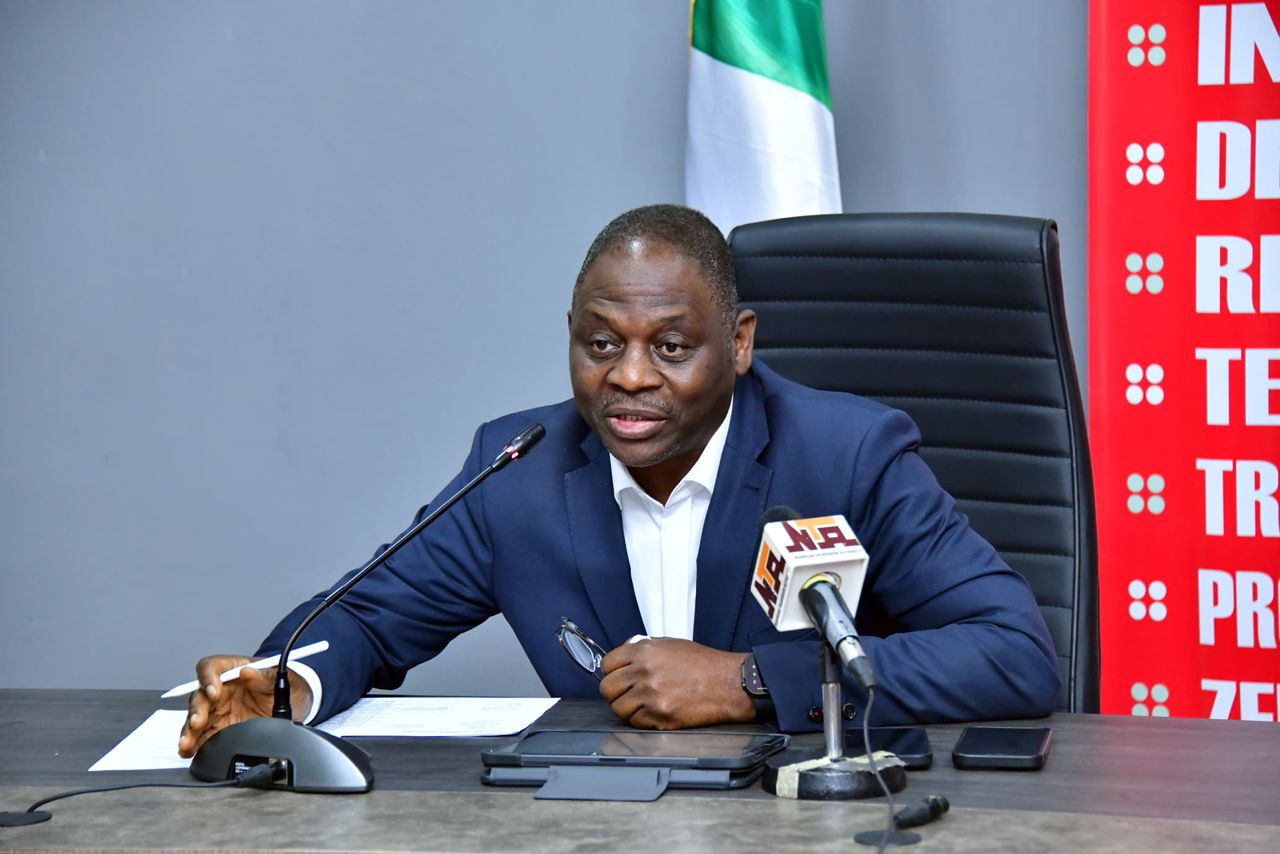
Delivering a paper titled “A Chronicle of Telcos’ Efforts in Bridging Nigeria’s Digital Divide Through Innovations, Challenges and Prospects”, the Chairman of the Association of Licensed Telecommunications Operators of Nigeria, ALTON, Engr. Gbenga Adebayo, traced the sector’s growth.
“Prior to GSM in 2001, Nigeria had fewer than half a million NITEL lines and long queues for call cards,” he recalled. “Today we have over 200 million active subscribers. That transformation has changed how Nigerians learn, govern, and do business.”
Adebayo described telecommunications as the “superhighway” for all digital services from mobile payments and online classrooms to telemedicine and e-government. He however warned that quality of service cannot be fixed through fines and penalties alone.
“Penalties do not remove network challenges,” he said. “We need programmes that harness talent and protect infrastructure, because without secure and available networks, nothing else works.”
He also flagged artificial intelligence as the “brain box” of future services, noting that even with current digital platforms, coverage gaps remain a major constraint.
Experts Say Inclusion Is Key to Nigeria’s Digital Future
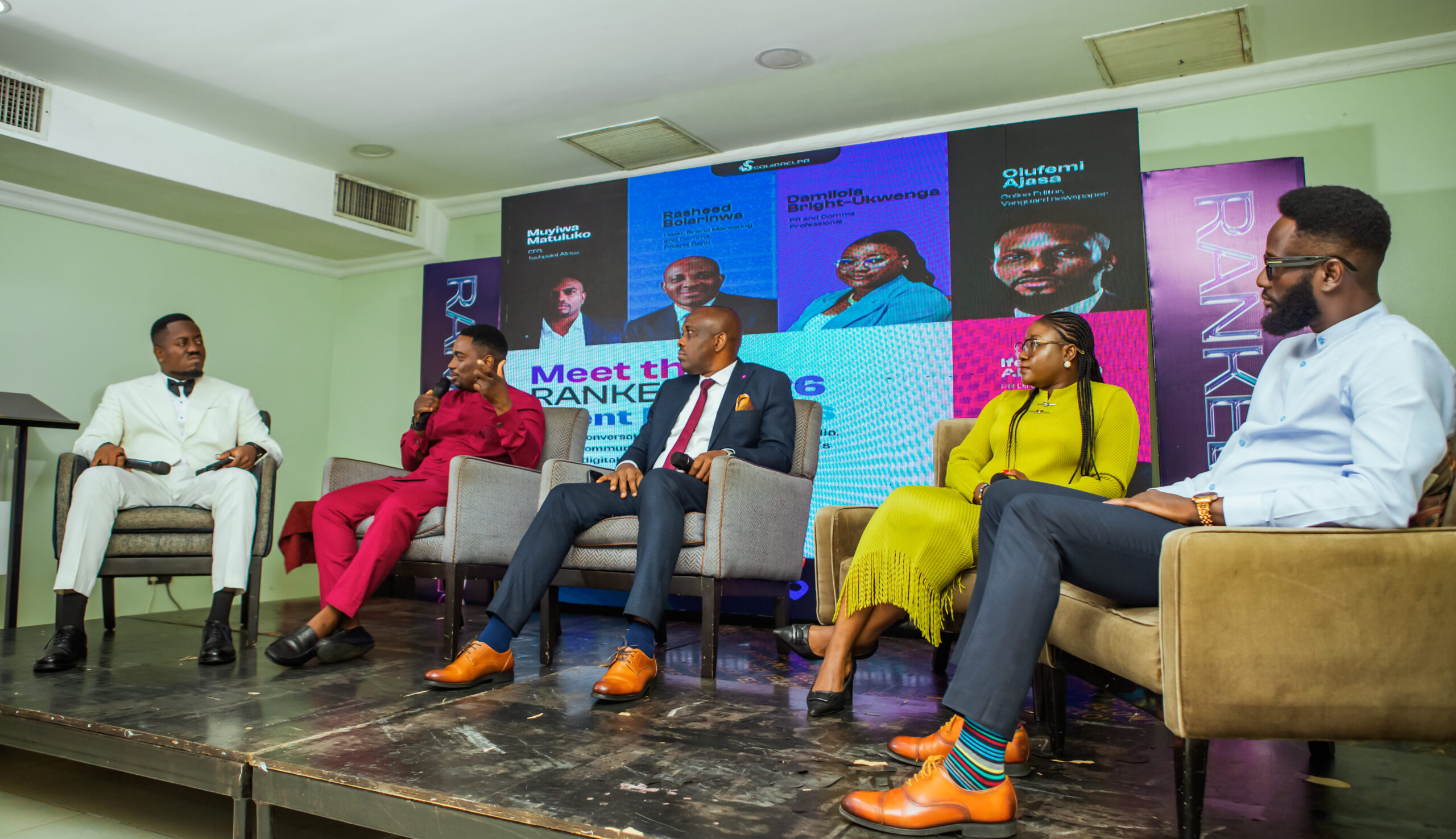
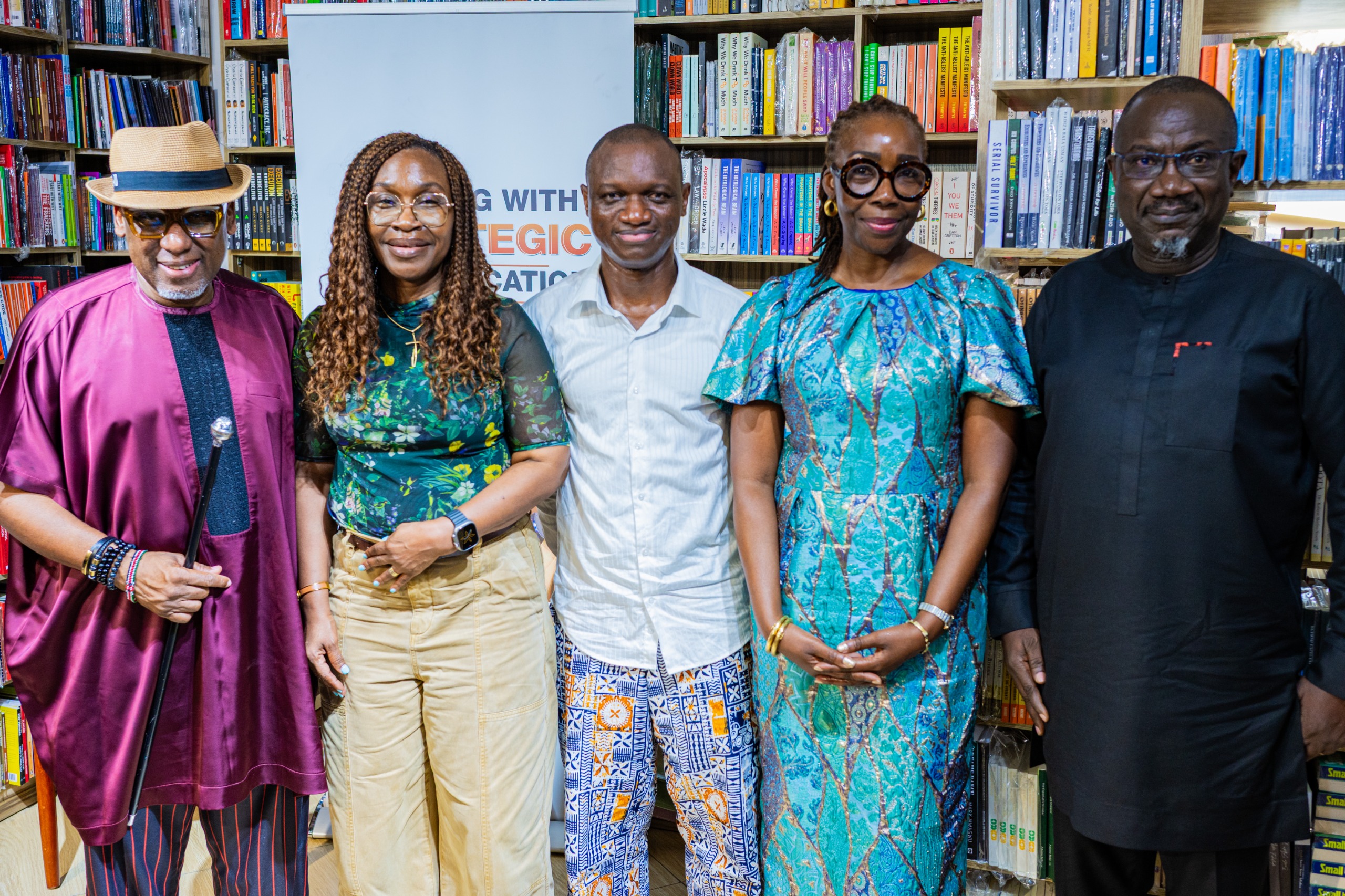
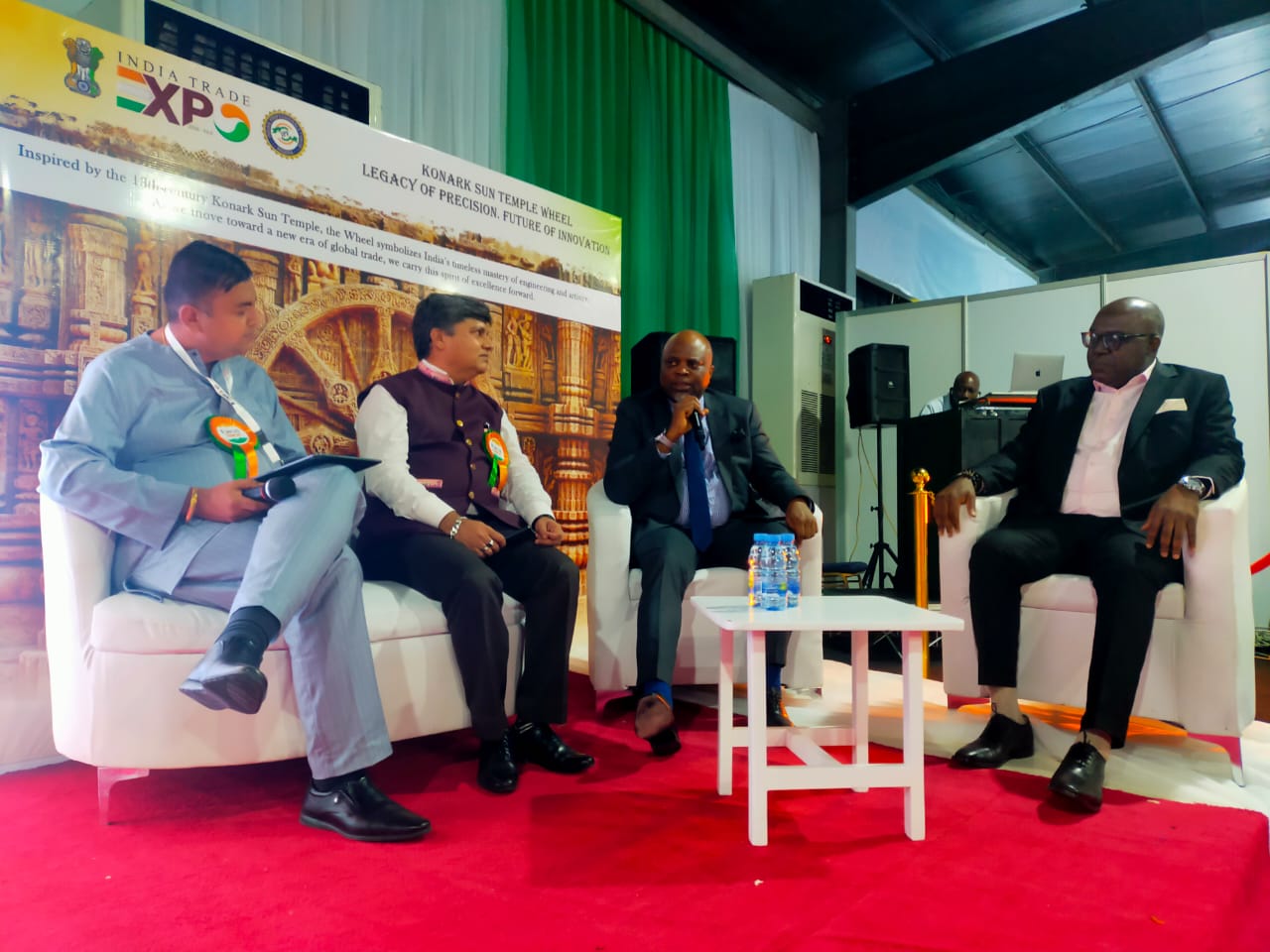
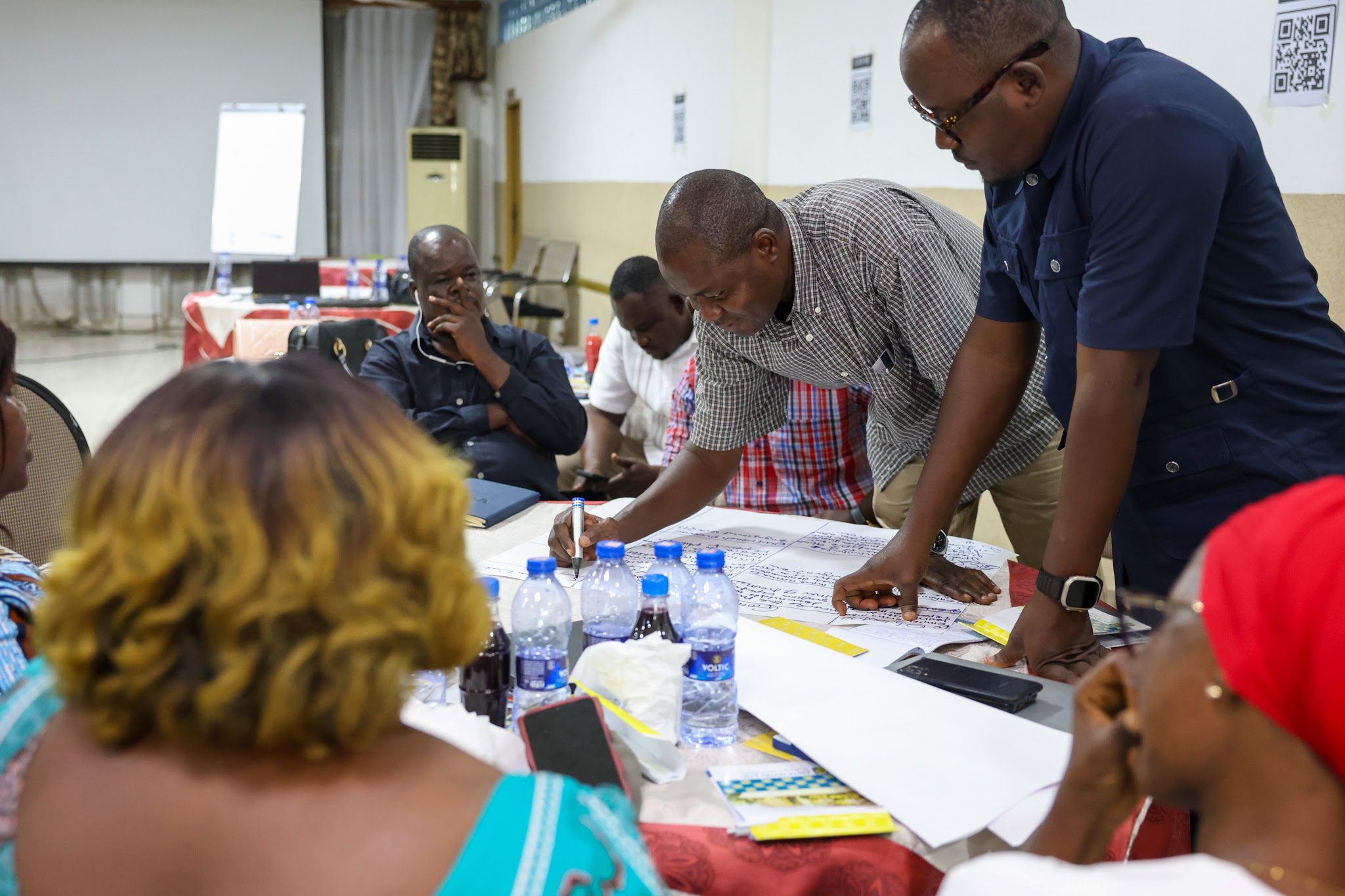
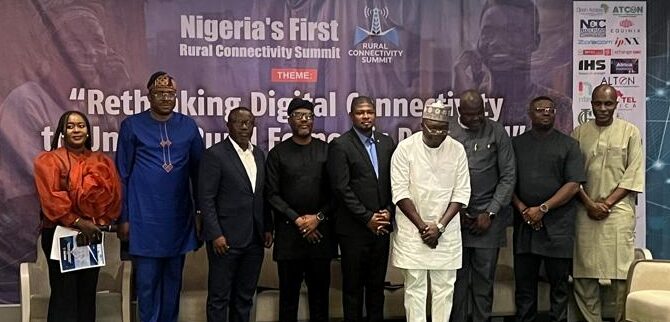
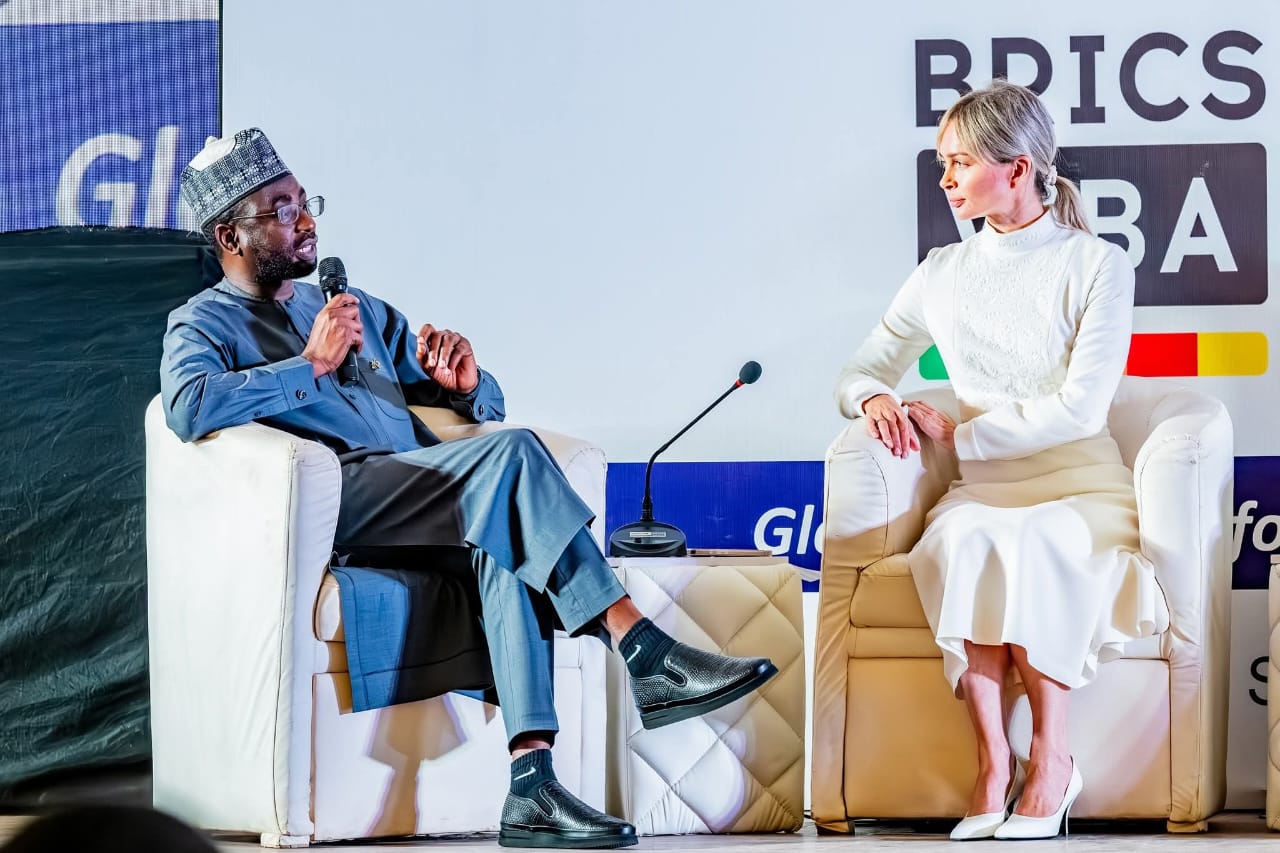
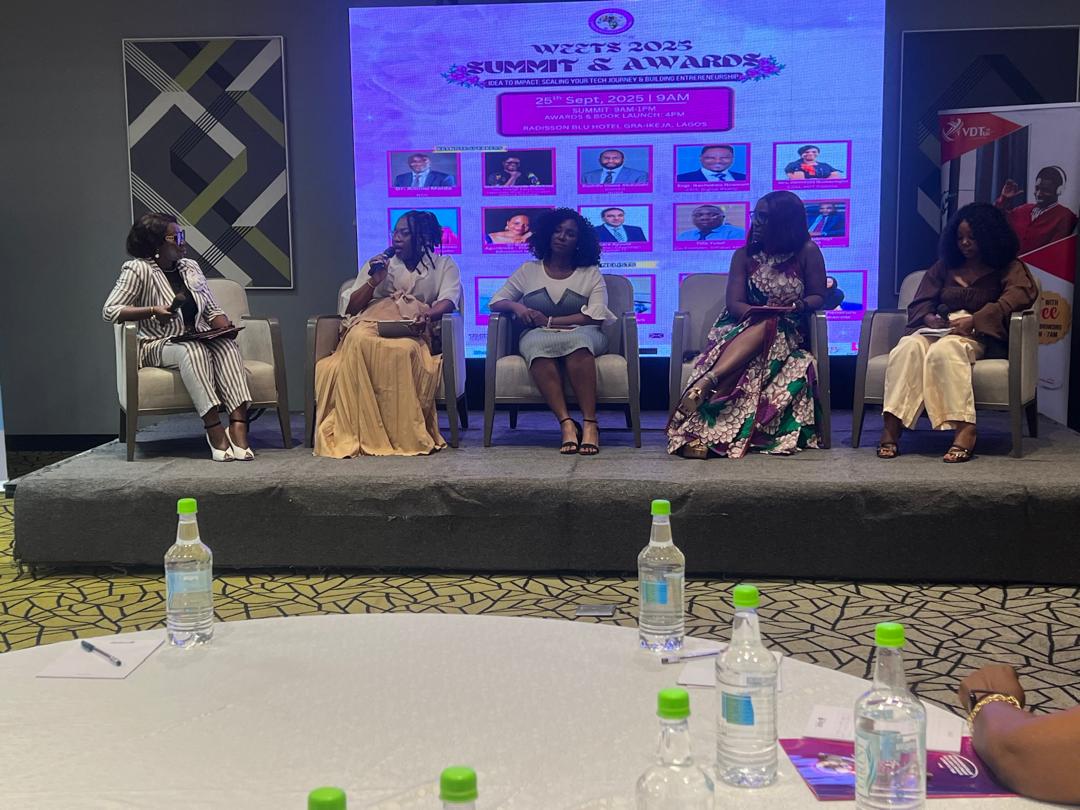
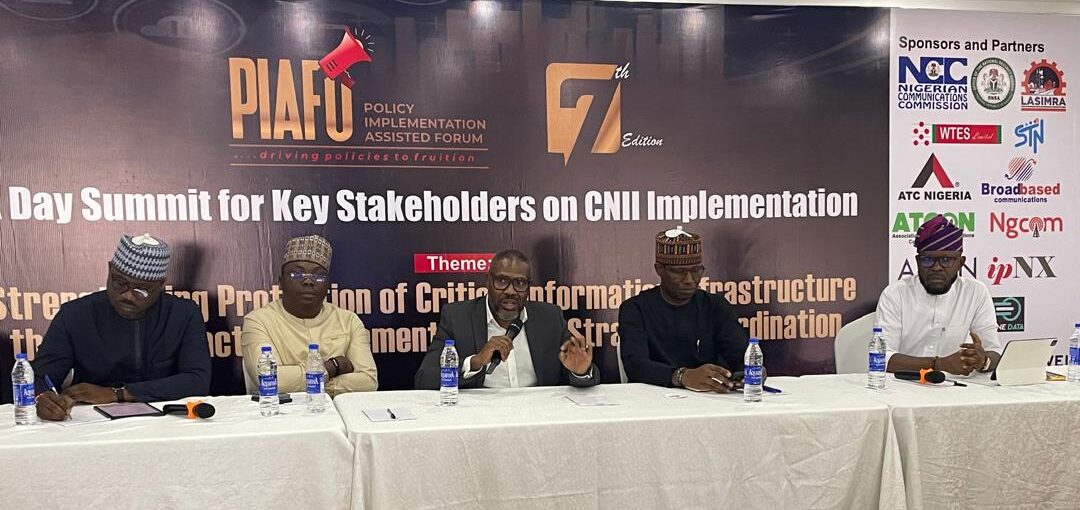
An insightful panel session intelligently moderated by Mr. Peter Oluka of Tech Economy, featured Engr. Gbenga Adebayo, Dr. Adesina Adewale, Chairman, Nigeria Computer Society, NCS, Lagos Chapter;Mr Ayobami Oduwole, Chief operating officer Fintech Infrastructure, System Specs ; Mr. Lanre Idowu, Divisional Head, Financial Industry Infrastructure and Services, Remita; Olukayode Joseph, Head presales, Quomodo and Mr. Emma Okonji, Online Editor, ThisDay newspaper.
Mr. Okonji stressed the need for regulation of AI but cautioned against rules that stifle innovation.
Dr. Adewale called for a grassroots approach, starting from primary schools.
“If we want to be globally competitive, we must make our schools innovation hubs,” he said. “Teach coding, robotics, problem-solving and critical thinking, not just exams.”
He announced that NCS recently partnered with the University of Lagos, and that the Federal Government launched AI Uniport on April 6, 2026 ,an Artificial Intelligence University platform aimed at building a “digital pipeline from primary school to university.”
“We are creating a system where education merges with industry and industry merges with government,” he said.
Ayobami Oduwole of System Specs said affordability remains central: “A Nigerian child should have electricity, internet connection, and opportunity for skill acquisition. The cost of data must come down.”

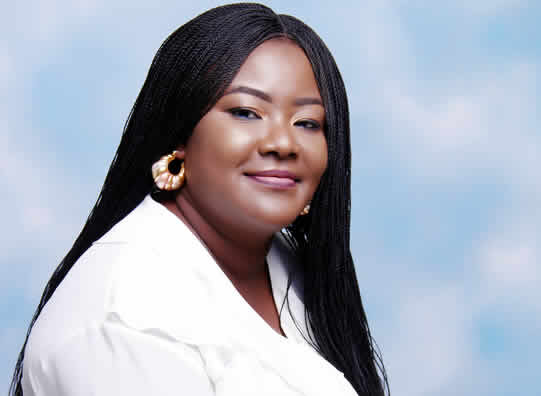
Earlier, CFO of Quomodo Systems Africa, Mrs. Olufunke Tonye-Preghafi, urged stakeholders to make digital infrastructure affordable to balance the divide. Mr. Lanre Idowu of Remita warned that as Nigeria develops AI talent, it must also educate youths on cybersecurity risks to prevent the misuse of technology.
The conference concluded with a consensus that Nigeria’s digital future hinges on three things: expanding access beyond urban centers, producing locally relevant innovation, and aligning policy, education and industry.
With the African Telecommunications Union and the International Telecommunication Union Plenipotentiary Conference, ITU PP-26, scheduled for Doha later this year, participants said Nigeria must go in with a coordinated position backed by data, technical expertise and a clear inclusion agenda.
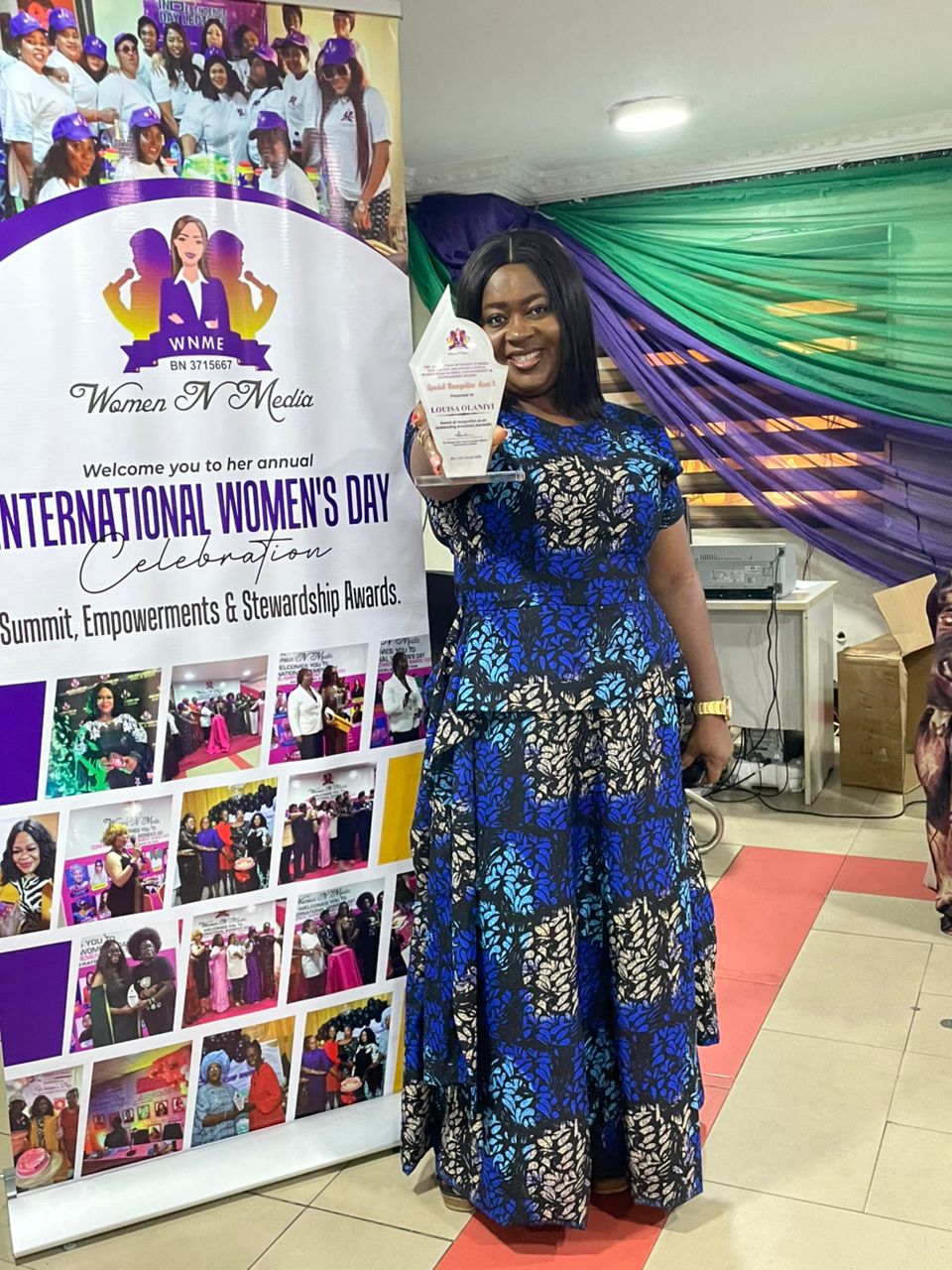
The event was anchored by the multiple award winning international broadcast journalist, Louisa Olaniyi.
As the country positions itself for the next phase of digital growth, the message from Lagos was direct: innovation without inclusion is exclusion. The $88 billion opportunity will only be realized if a student in a rural LGA can afford data, a trader in Kano can sell online, and a PHC in Bayelsa can access telemedicine.
That means cheaper devices, community networks, local-language content, and schools that teach skills, not just certificates.
If government, regulators, private sector and research institutes sustain the collaboration started at NITRA’s forum, Nigeria can move from being a consumer of global technology to a producer of solutions that empower every Nigerian.
About NITRA
The Nigeria Information Technology Reporters Association (NITRA) is the umbrella body for print, electronic, and online journalists who specialize in reporting information, communications, and technology (ICT) across Nigeria.
Founded in November 2013 and registered with the Corporate Affairs Commission, the association promotes industry growth, defends press freedom, and builds member capacity.
Its Core Objectives include Professional Growth, Stakeholder Engagement,
Policy Advocacy and more,
Stay informed with credible news, in-depth analysis, and exclusive reports on technology, business, governance, and national developments. Visit LouisaOlaniyi.com.ng for more breaking news and updates as they happen.