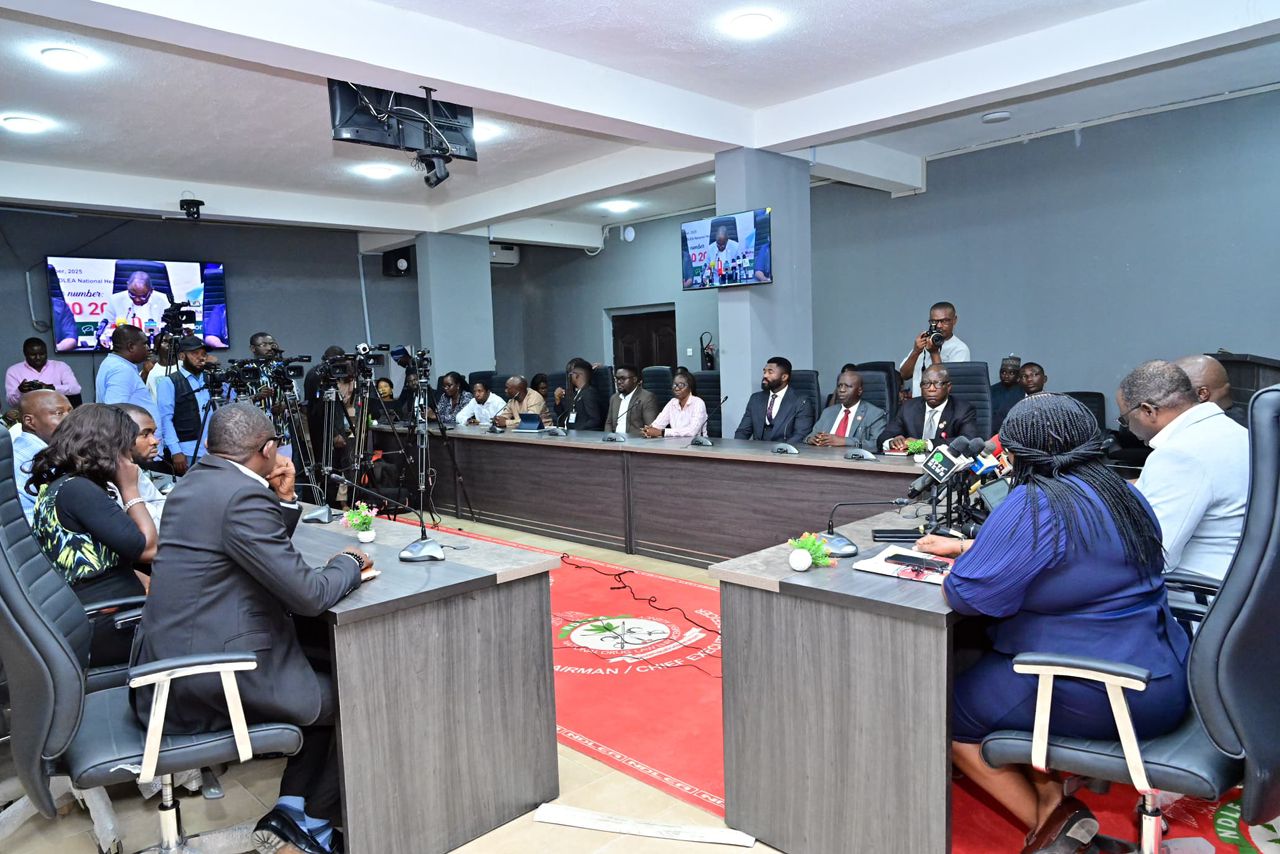
The Nigerian Communications Commission (NCC), working with the Association of Licensed Telecommunications Operators of Nigeria (ALTON), has commenced a new initiative offering eligible learners free daily data for access to approved educational platforms.
The Zero-Rated Data Access to Approved Educational Platforms and Content Initiative, which commenced on October 1, 2026, is aimed at making digital learning more affordable and accessible to Nigerians.
Under the programme’s Operator-Sponsored Model, qualifying users can receive up to 100MB of data each day for educational purposes. At the maximum allowance, this translates to about 700MB weekly, approximately 3GB monthly and as much as 36.5GB over a year.
The NCC said the initiative is part of efforts to promote affordable and accessible communications services while reducing the financial barriers that can prevent learners from taking advantage of online education.
With the sponsored access, learners can use designated educational platforms for activities including academic research, online courses, examination preparation and other learning-related purposes.
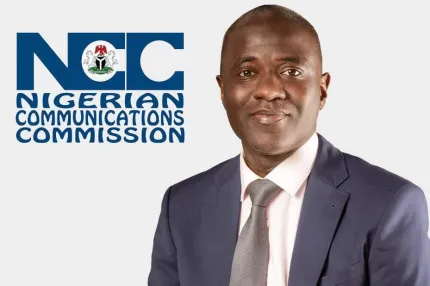
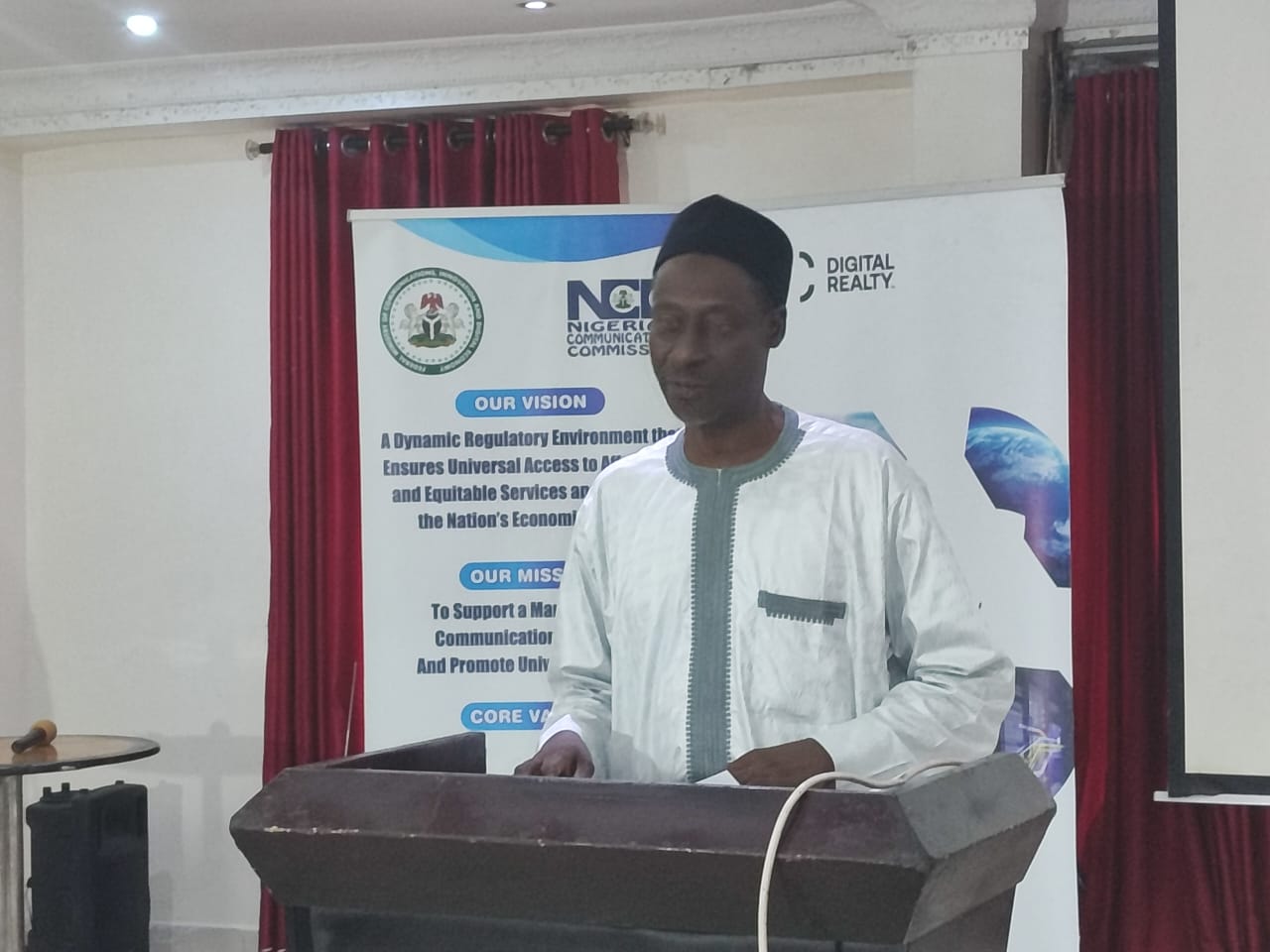
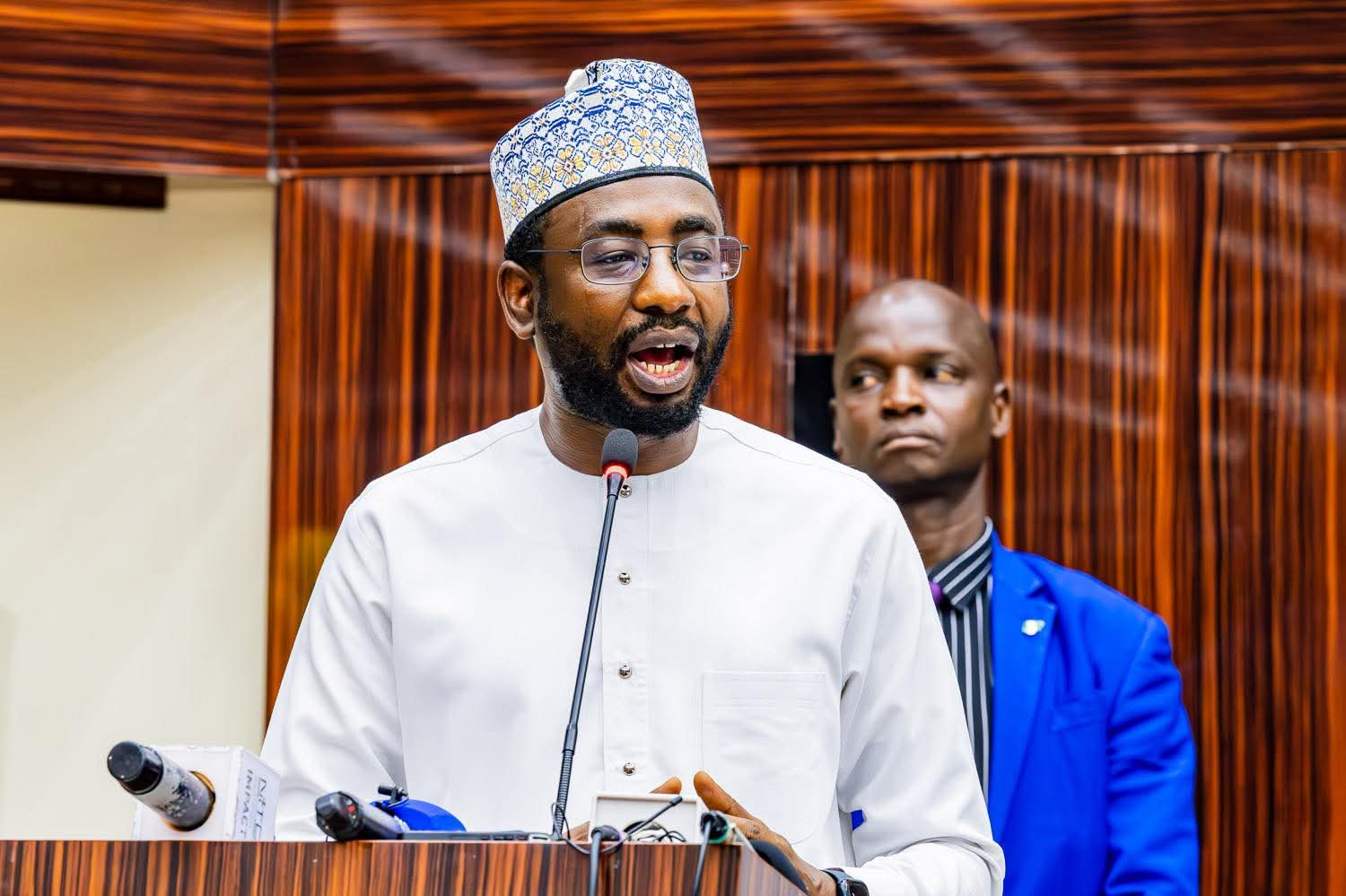
The Executive Vice Chairman and Chief Executive Officer of the NCC, Dr Aminu Maida, said the programme contributes to wider efforts to strengthen digital skills and human capital development in Nigeria.
Maida linked the initiative to President Bola Ahmed Tinubu’s vision of developing a $1 trillion economy, noting that achieving such an objective would require sustained investment in education, skills and opportunities for Nigerians to learn.
He said the impact of the programme should not be considered only in terms of the 100MB provided each day, but also in relation to the cumulative benefit to millions of learners over an extended period.
“One hundred megabytes of data might sound a little, but when you look at it over a month and over a year, and cumulatively over the millions of learners and students that are going to access it, it’s really a significant investment by the industry towards the future of this country,” he said.
According to Maida, expanding access to online learning can also help reduce differences in educational opportunities between communities by allowing students in different locations to connect with teachers, educational materials and other knowledge resources.
He added that improving access to learning could contribute to a more skilled and productive workforce, with potential benefits for innovation, economic activity and the telecommunications sector.
“If the economy becomes more productive through these people who access these educational platforms, they are the future innovators in Nigeria, they are the ones who are going to come up with ideas and become leaders of tomorrow. So, making them more productive is going to create more opportunities for the sector to grow. It’s not about short-term thinking. It’s about securing the future of Nigerians,” Maida said.
Industry commits resources to digital education
ALTON Chairman, Engr. Gbenga Adebayo, said telecommunications and technology companies have committed significant financial and non-financial resources to the initiative.
He said the industry’s contribution to the initial pilot involving 5,000 learners was valued at almost ₦200 billion. The figure, according to Adebayo, takes into account the cost of the daily data allocation, network capacity, devices, terminals and other resources being provided by participating stakeholders.
Adebayo explained that telecom operators are bearing the cost associated with providing the connectivity and network capacity needed to give learners access to the approved educational platforms.
He described the initiative as a broad industry collaboration involving telecommunications operators, original equipment manufacturers (OEMs), TowerCos and other technology companies.
Beyond internet access, he said the programme would require continued attention to other factors that influence digital education, including access to suitable devices, quality educational content, dependable infrastructure and digital literacy.
“This is a partnership in the truest sense: Government provides the policy and educational framework; the regulator provides coordination and oversight; telecommunications operators provide connectivity and network resources; while OEMs, TowerCos and other technology partners contribute devices, terminals and other critical resources,” he said.
Adebayo urged more stakeholders to support the initiative, stressing that removing barriers to digital education would require sustained cooperation across the public and private sectors.
He said ALTON and its members would continue working with the government, NCC, Federal Ministry of Education and other stakeholders to ensure the programme delivers measurable educational benefits.
“Investing in education is investing in Nigeria’s future and the telecommunications industry is putting its resources behind that future,” Adebayo said.