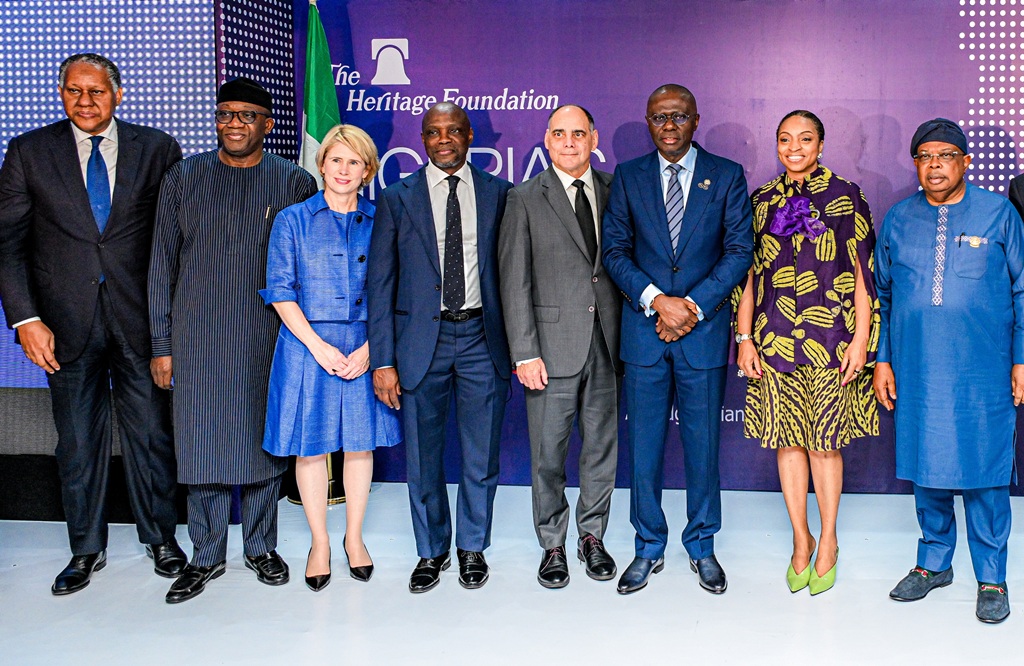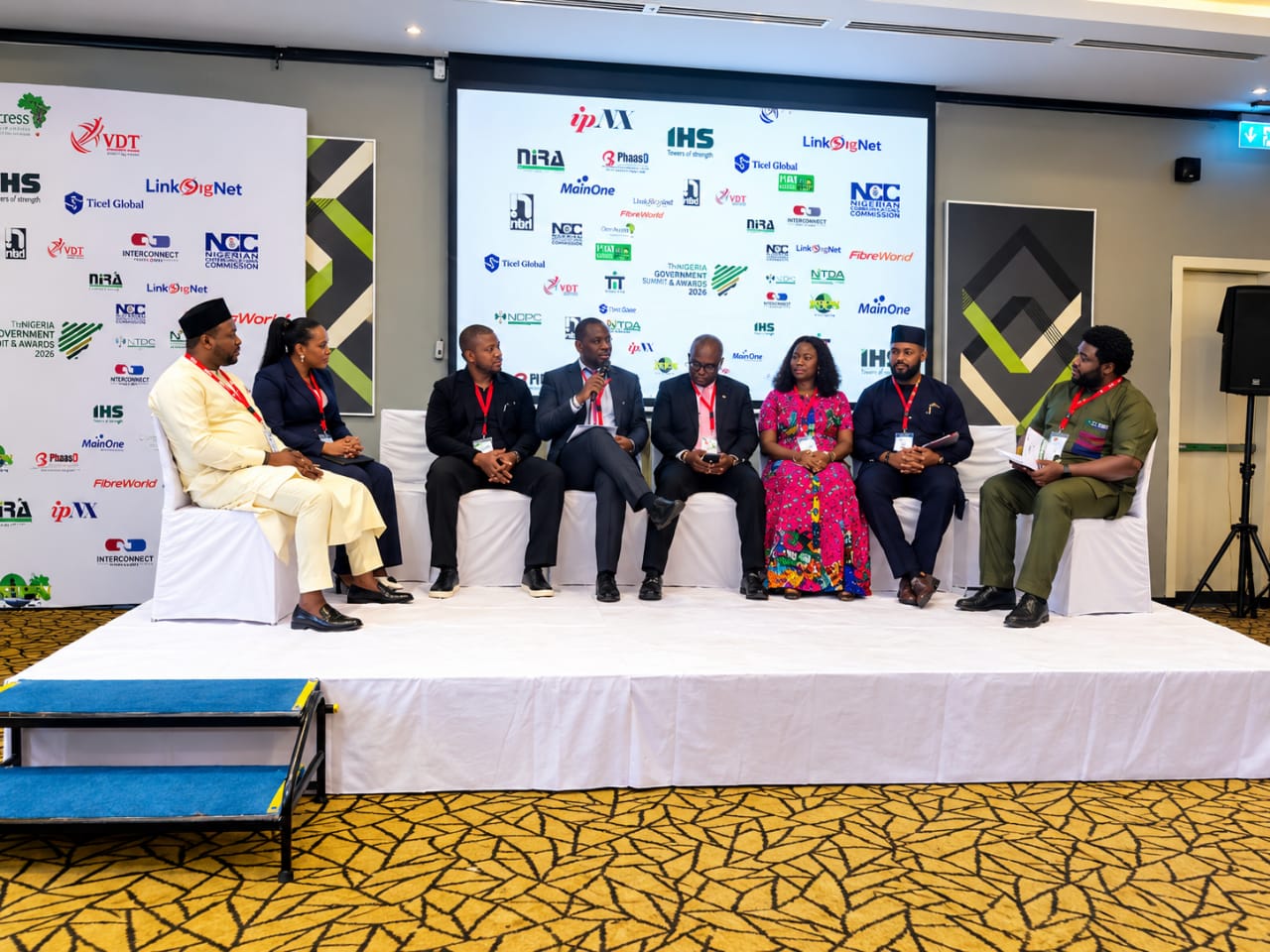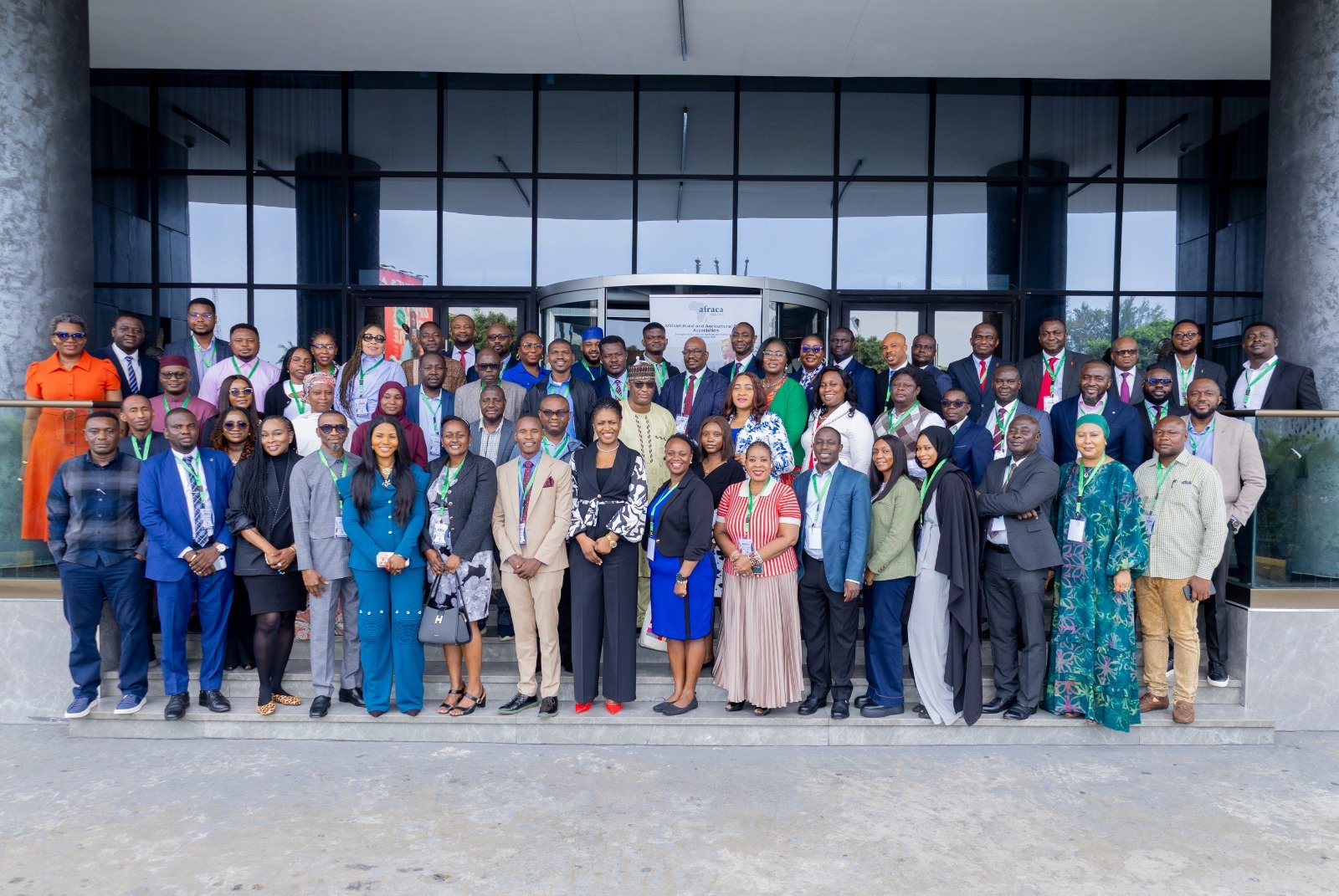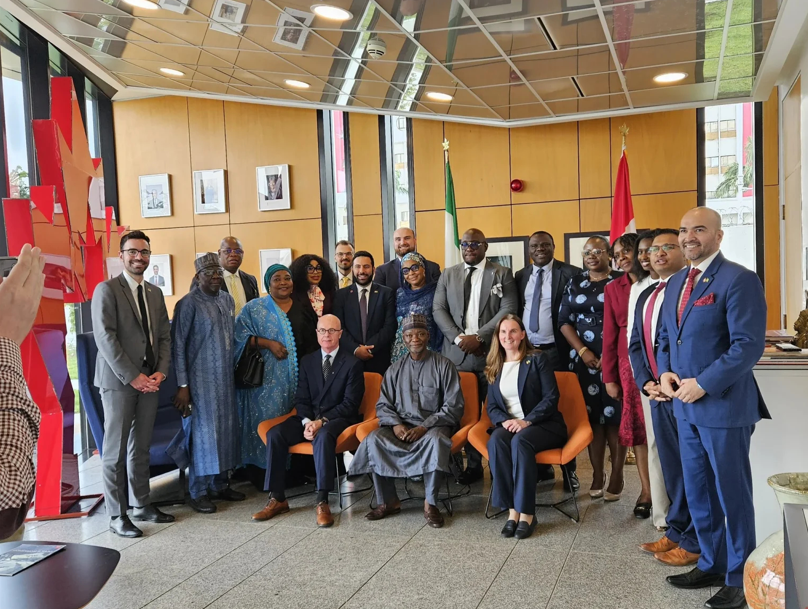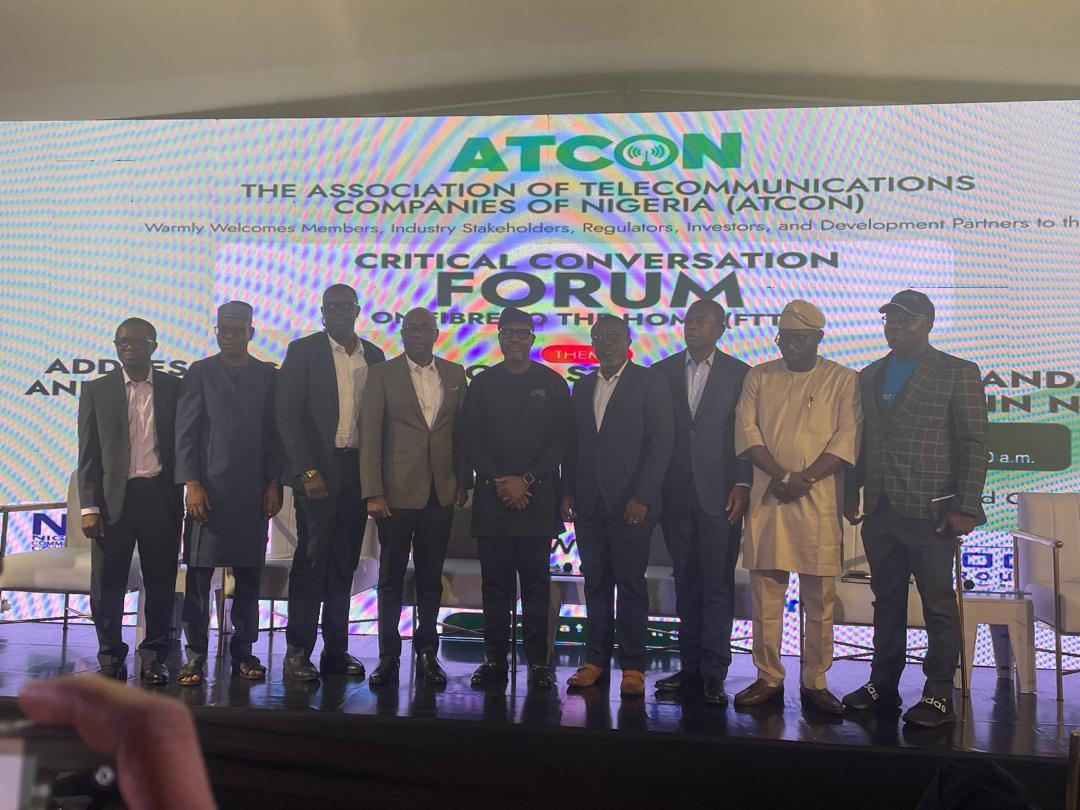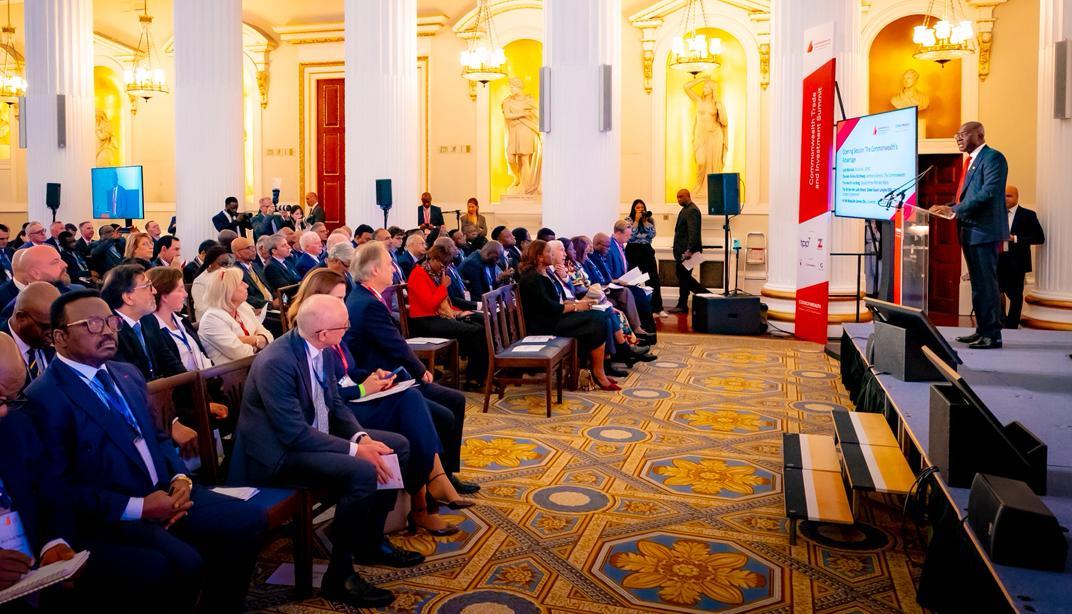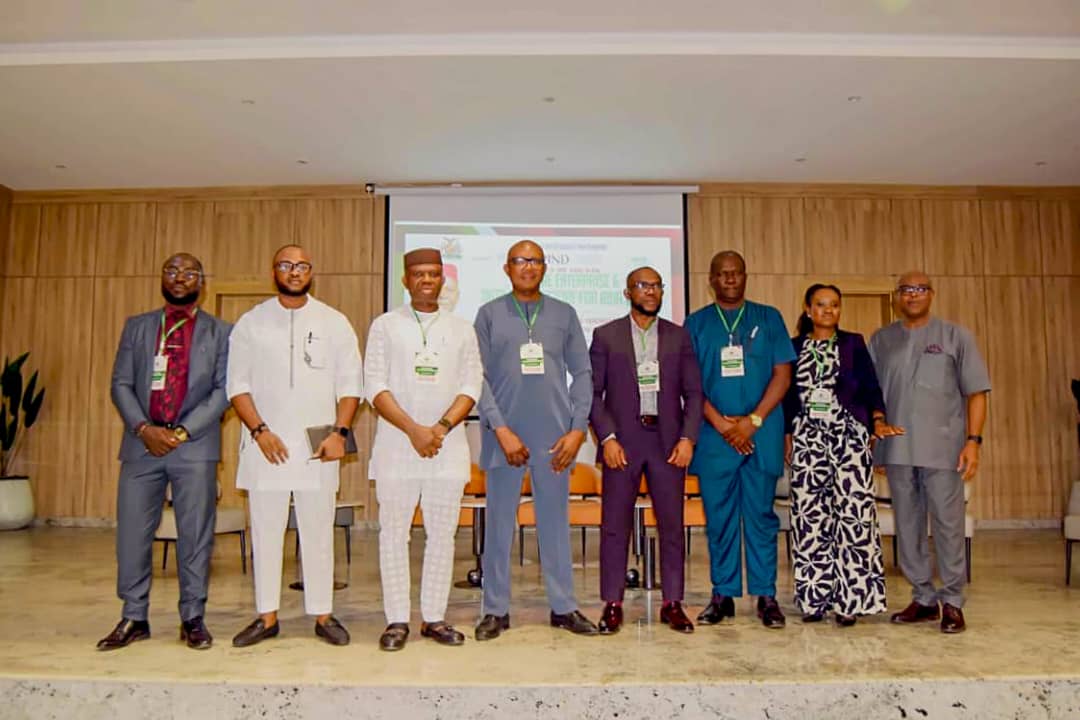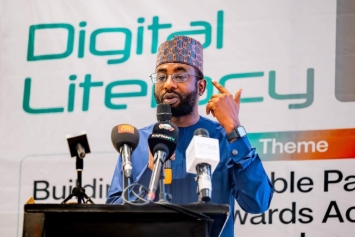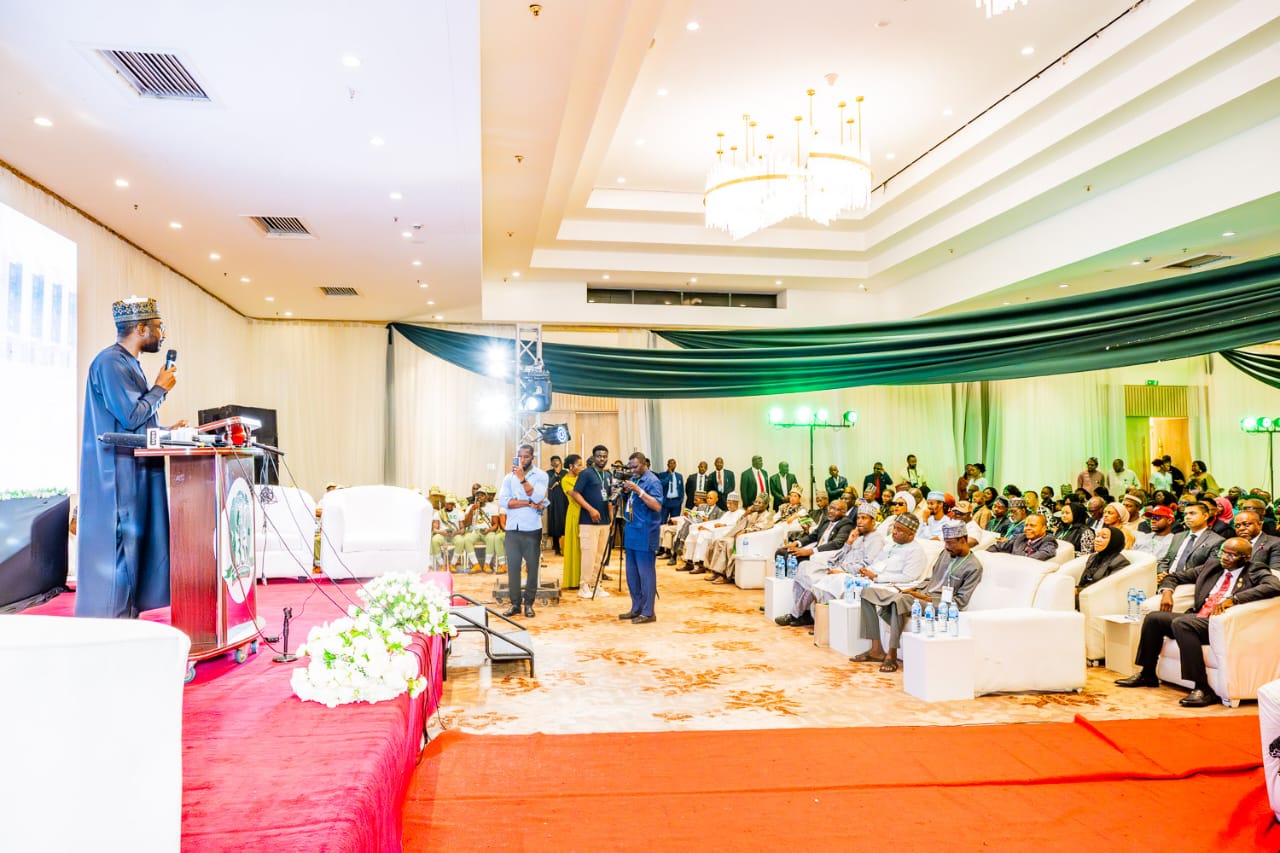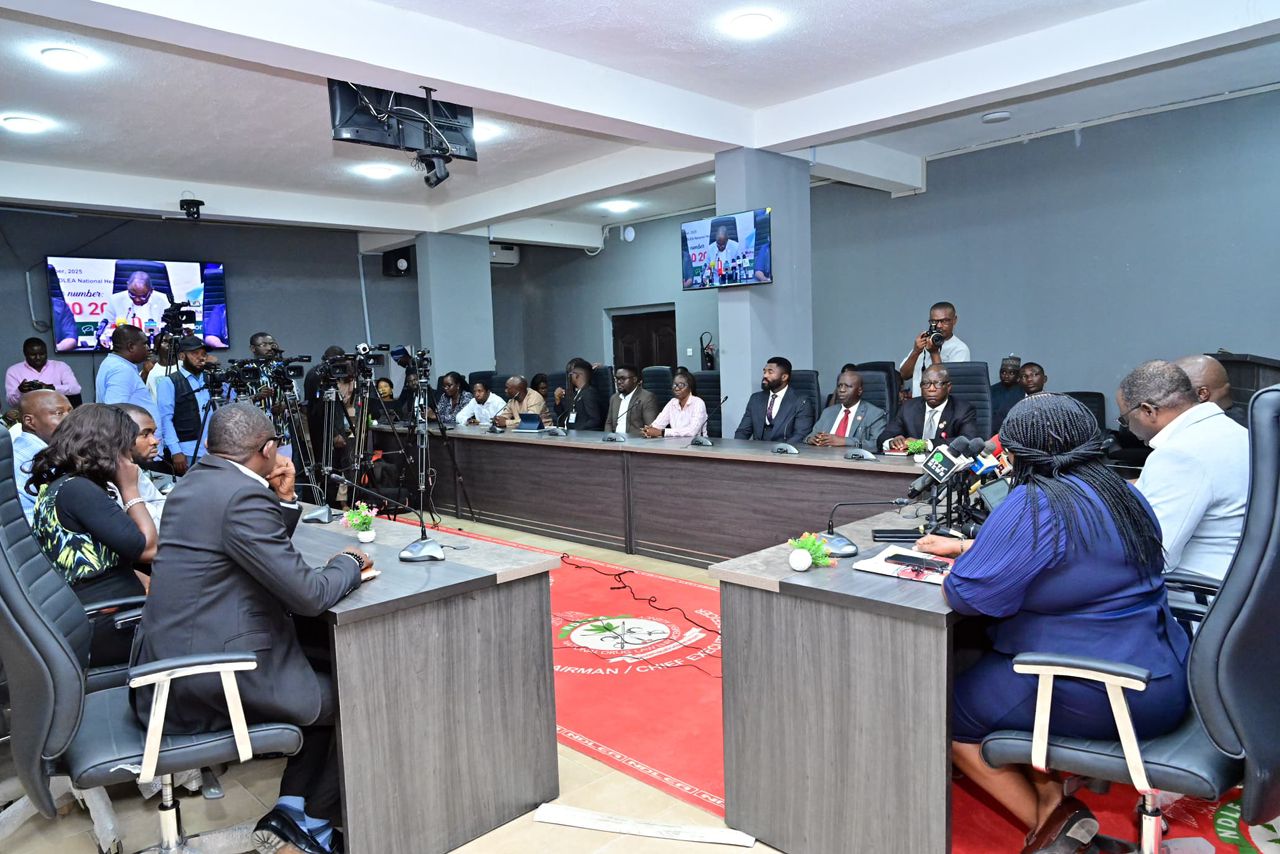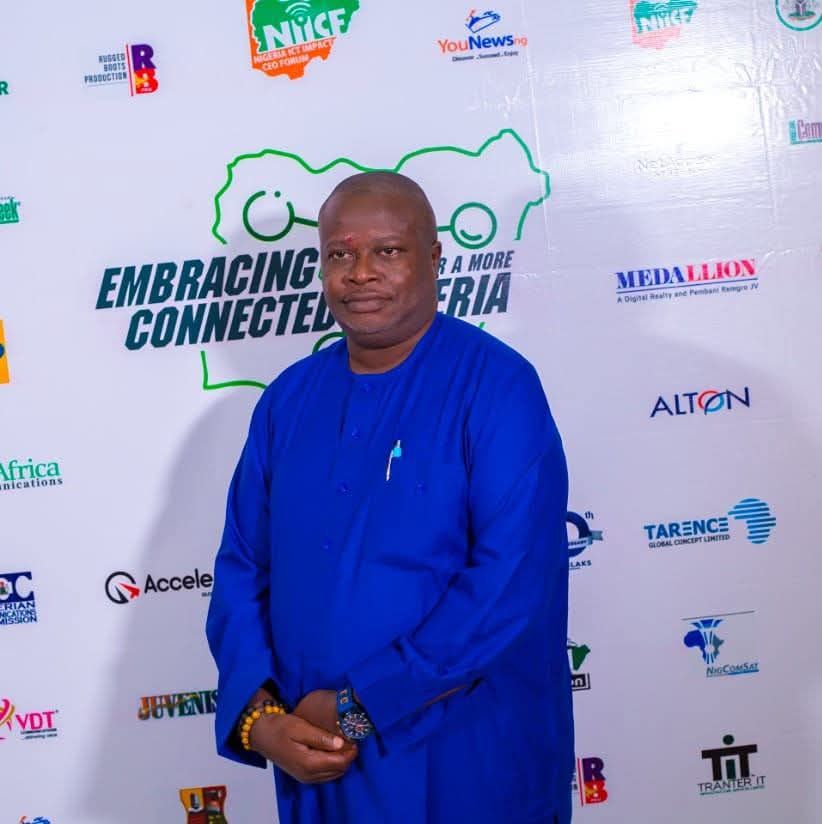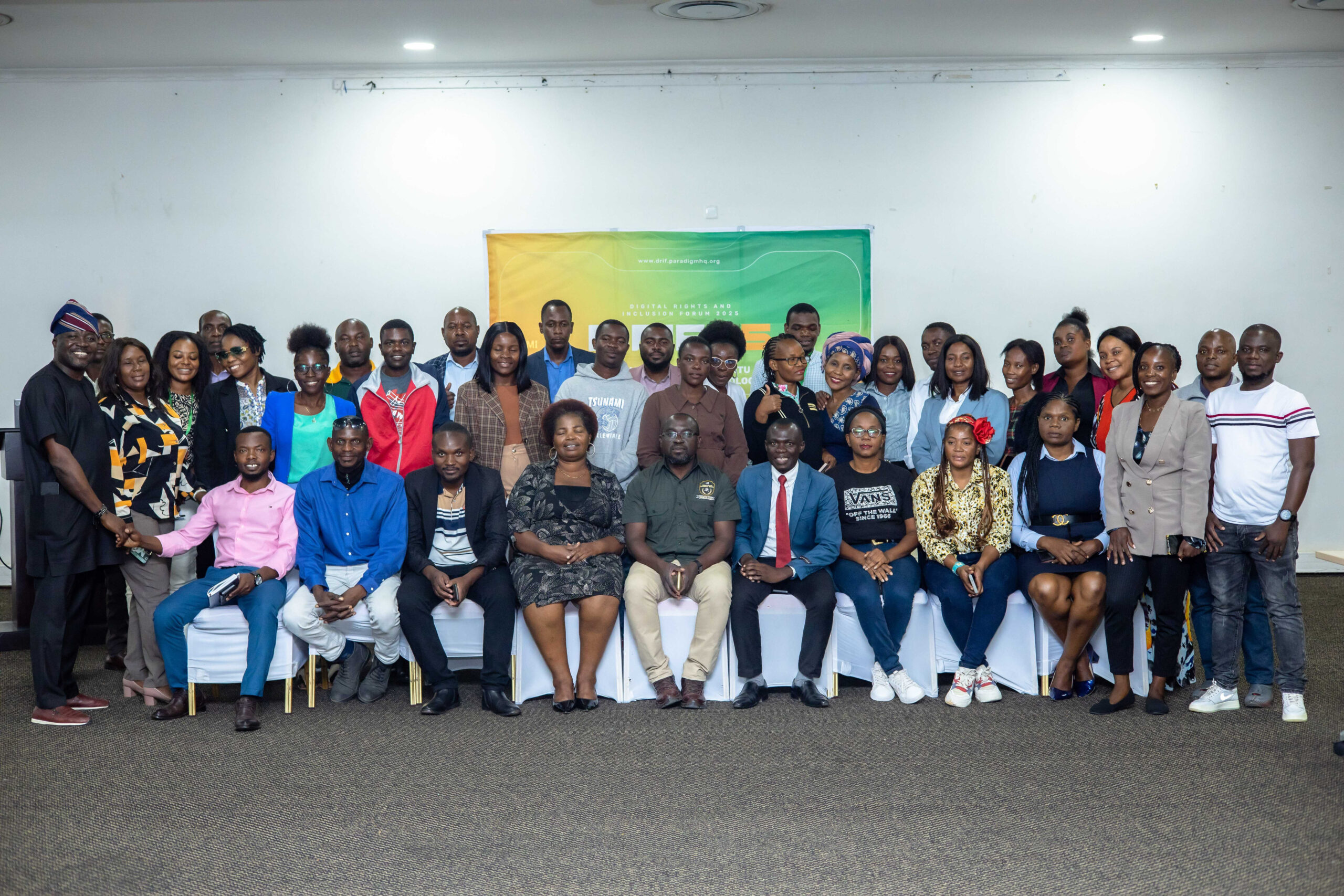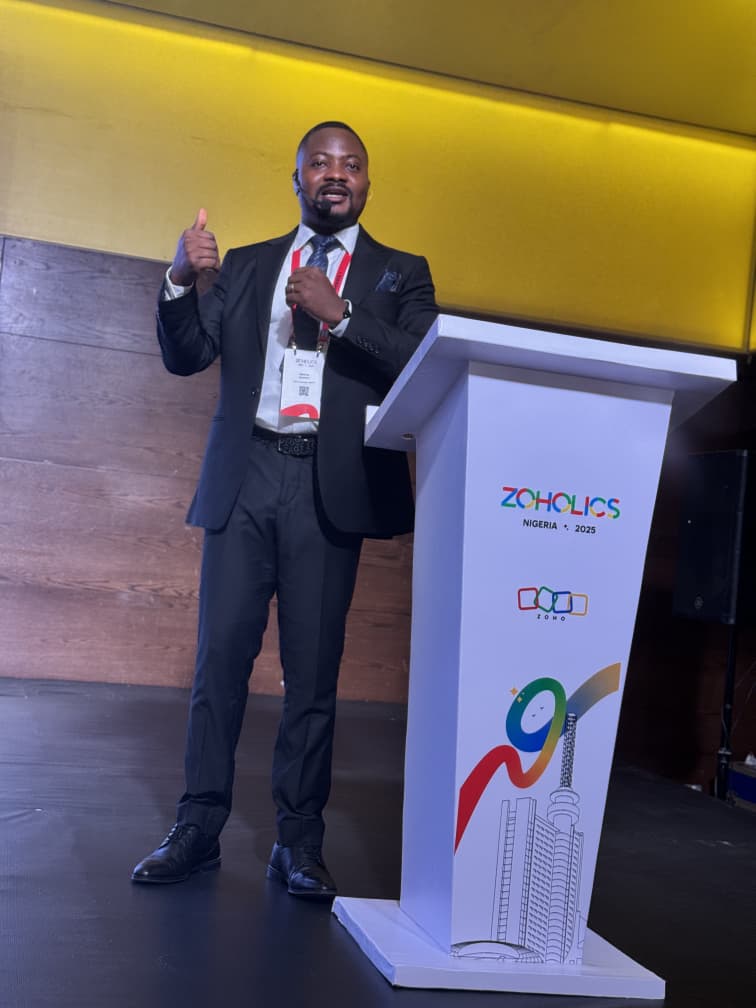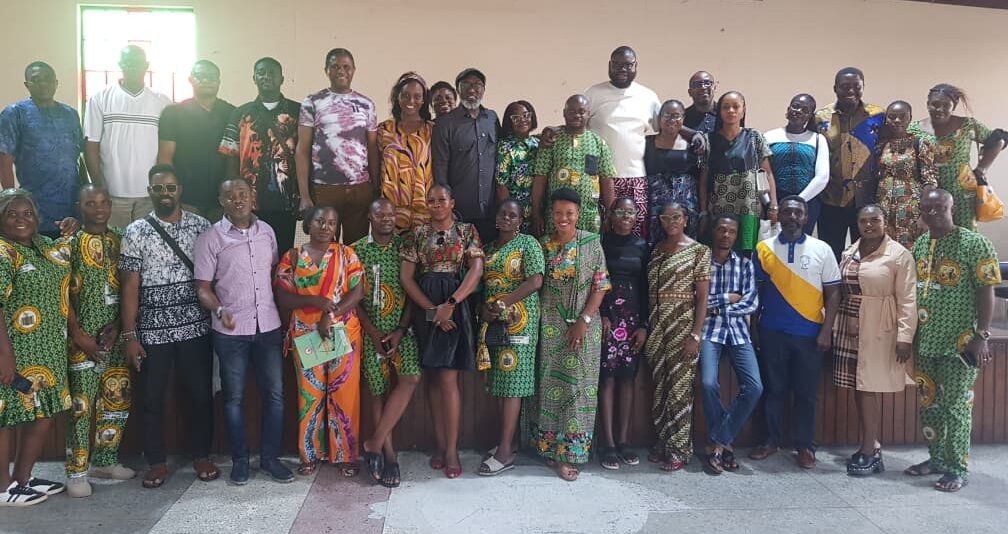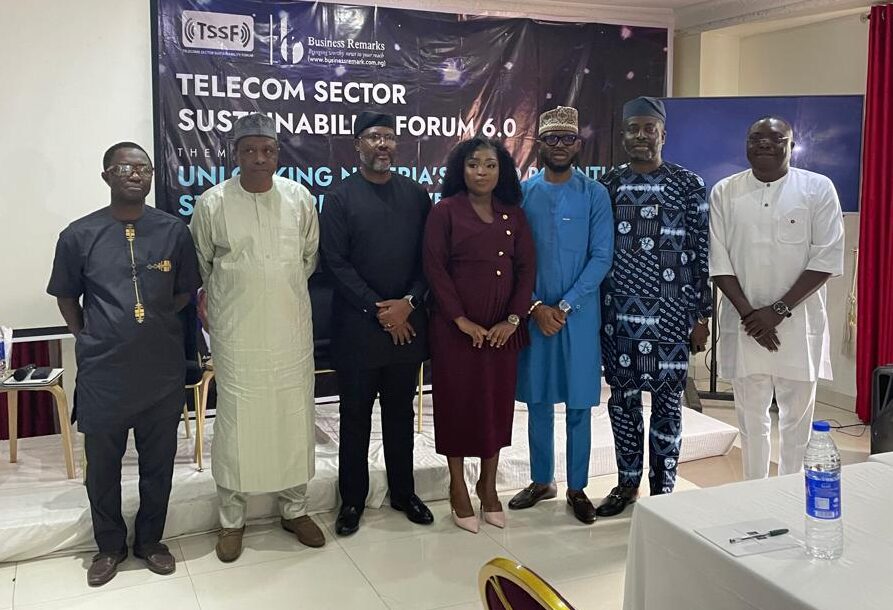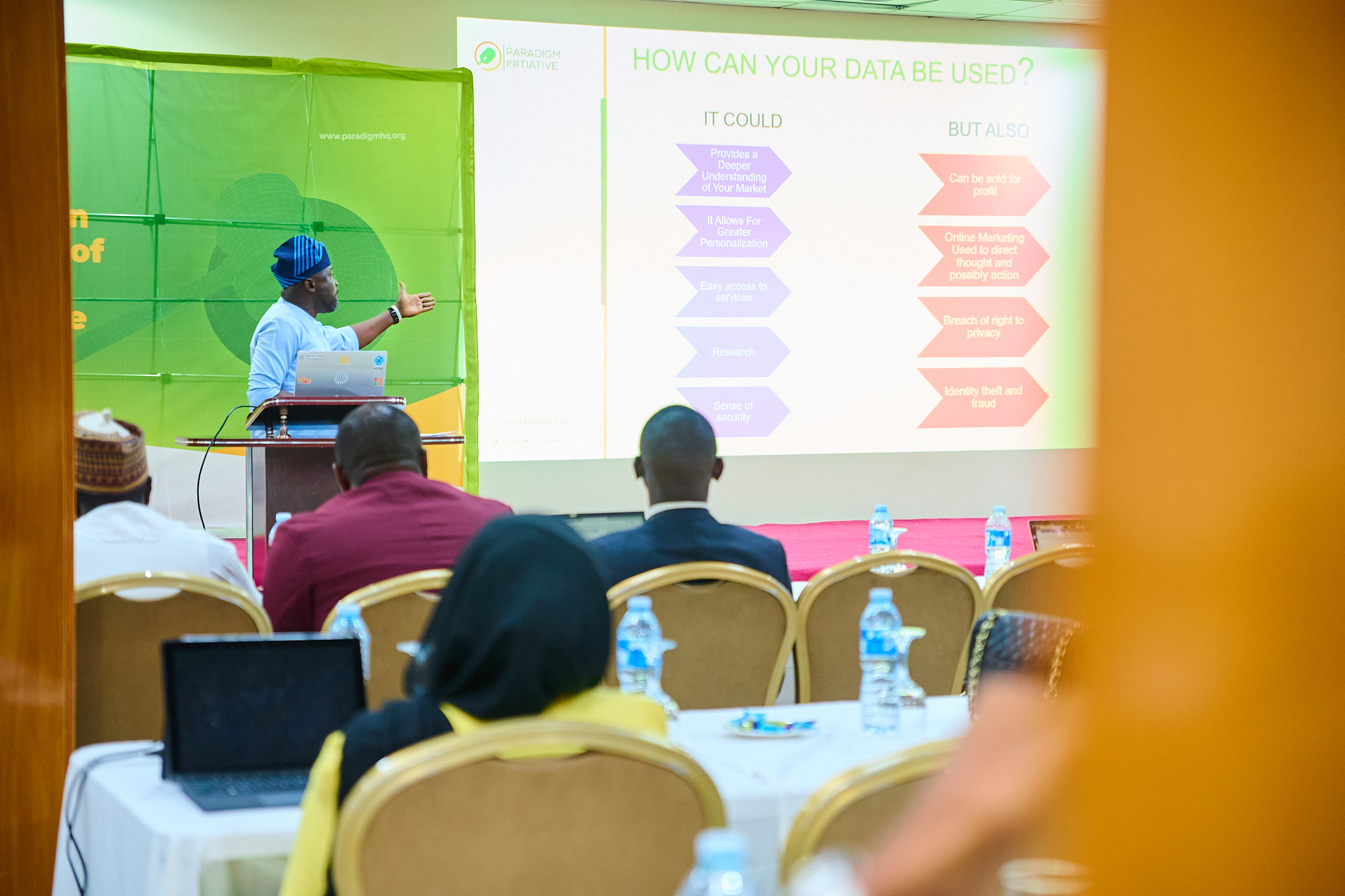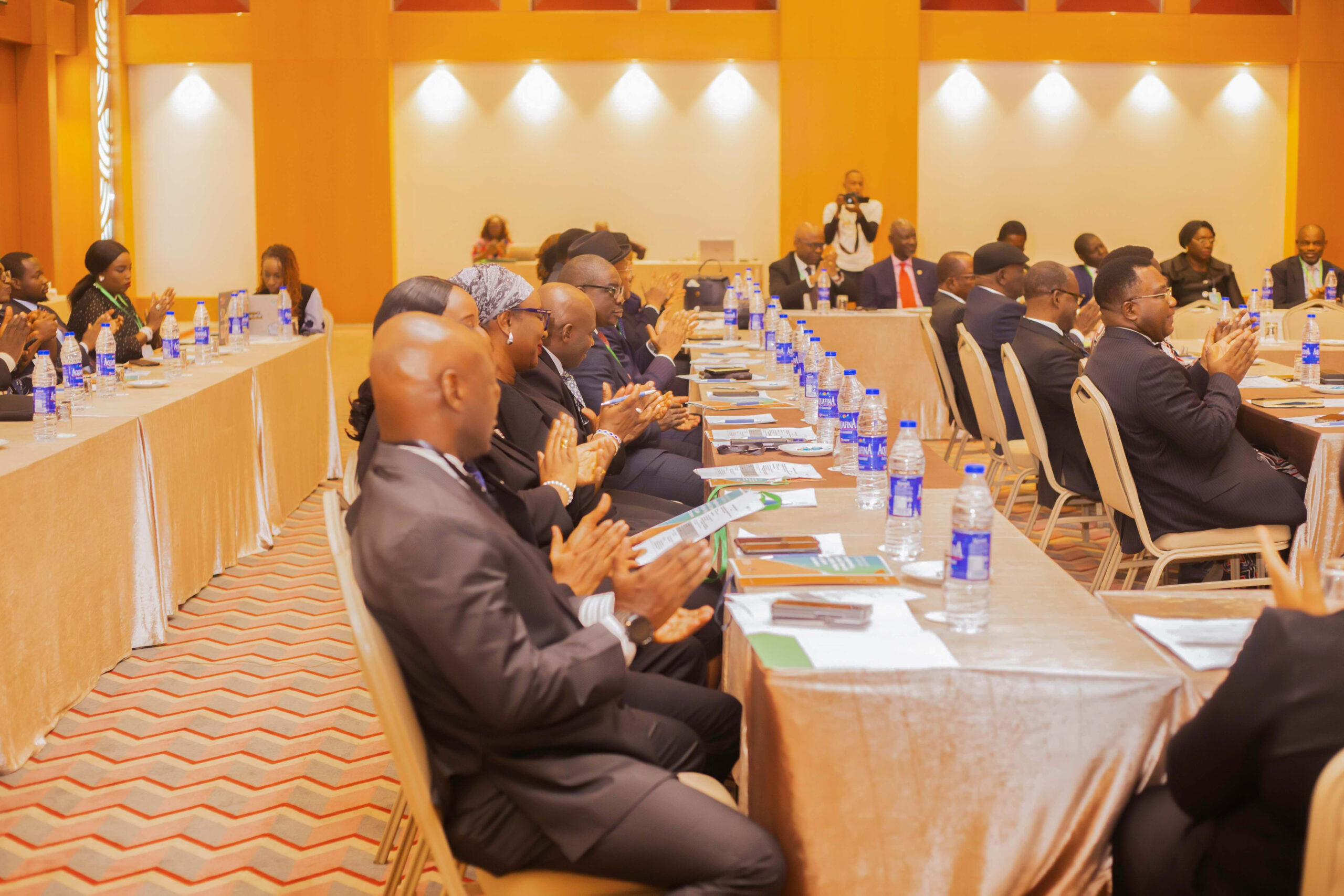
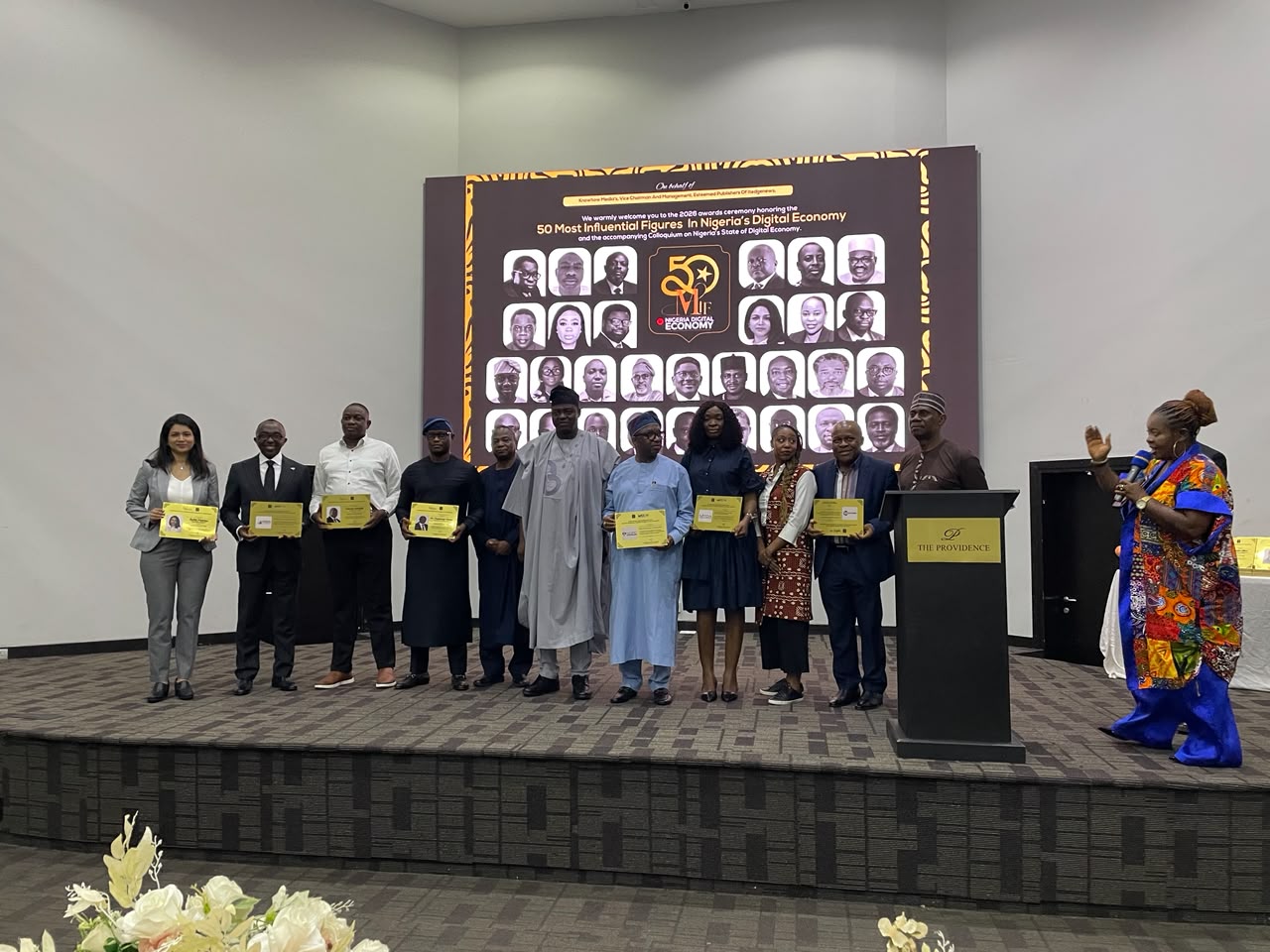
Policymakers, technology leaders, investors, innovators and regulators converged at the Providence Hotel, Lagos, on Thursday for the 15th West Africa Convergence Conference (WACC) 2026, where stakeholders mapped out a strategic roadmap for Nigeria’s digital economy ahead of the 2027–2031 development cycle.
Held under the theme “Leveraging Technology for Development in Nigeria, 2027–2031: Delivering the Renewed Hope Agenda,” the conference served as a high-level platform for robust discussions on the policies, investments and partnerships required to unlock the next phase of Nigeria’s digital transformation.
In his welcome address, Chairman of WACC, Dr. Sola Afolabi, described Nigeria’s digital economy as one of the country’s fastest-growing sectors, stressing that the momentum must be matched with stronger, forward-looking policies. As the nation approaches another electoral cycle in 2027, he urged government, regulators and industry players to deepen collaboration in building a resilient digital ecosystem capable of driving inclusive economic growth.
“The digital economy is no longer a supporting sector; it is becoming the engine room of national development,” he said, calling for sustained reforms that will position Nigeria for long-term technological competitiveness.

Delivering the keynote address, the National Chairman of the All Progressives Congress (APC), Prof. Nentawe Yilwatda, highlighted technology as the cornerstone of Nigeria’s economic future. He noted that innovation will play a defining role in accelerating economic growth, strengthening governance, creating jobs, attracting investments and positioning Nigeria as Africa’s digital powerhouse.

According to him, Nigeria’s ambition of becoming a $1 trillion economy will depend not only on macroeconomic reforms and infrastructure development but also on deliberate investments in digital infrastructure, artificial intelligence, fintech, broadband connectivity, innovation and digital literacy.
WACC Highlights Digital Economy Growth
Speaking on financing the digital economy, the Managing Director and Chief Executive Officer of the Ministry of Finance Incorporated (MOFI), Dr. Armstrong Ume Takang, underscored the critical role of Public-Private Partnerships (PPPs) in expanding digital infrastructure across Nigeria’s states. He also highlighted the importance of access to federal asset-backed capital and aligning digital infrastructure investments with the Federal Government’s ₦100 trillion asset management mandate, describing such partnerships as essential for sustainable national development.
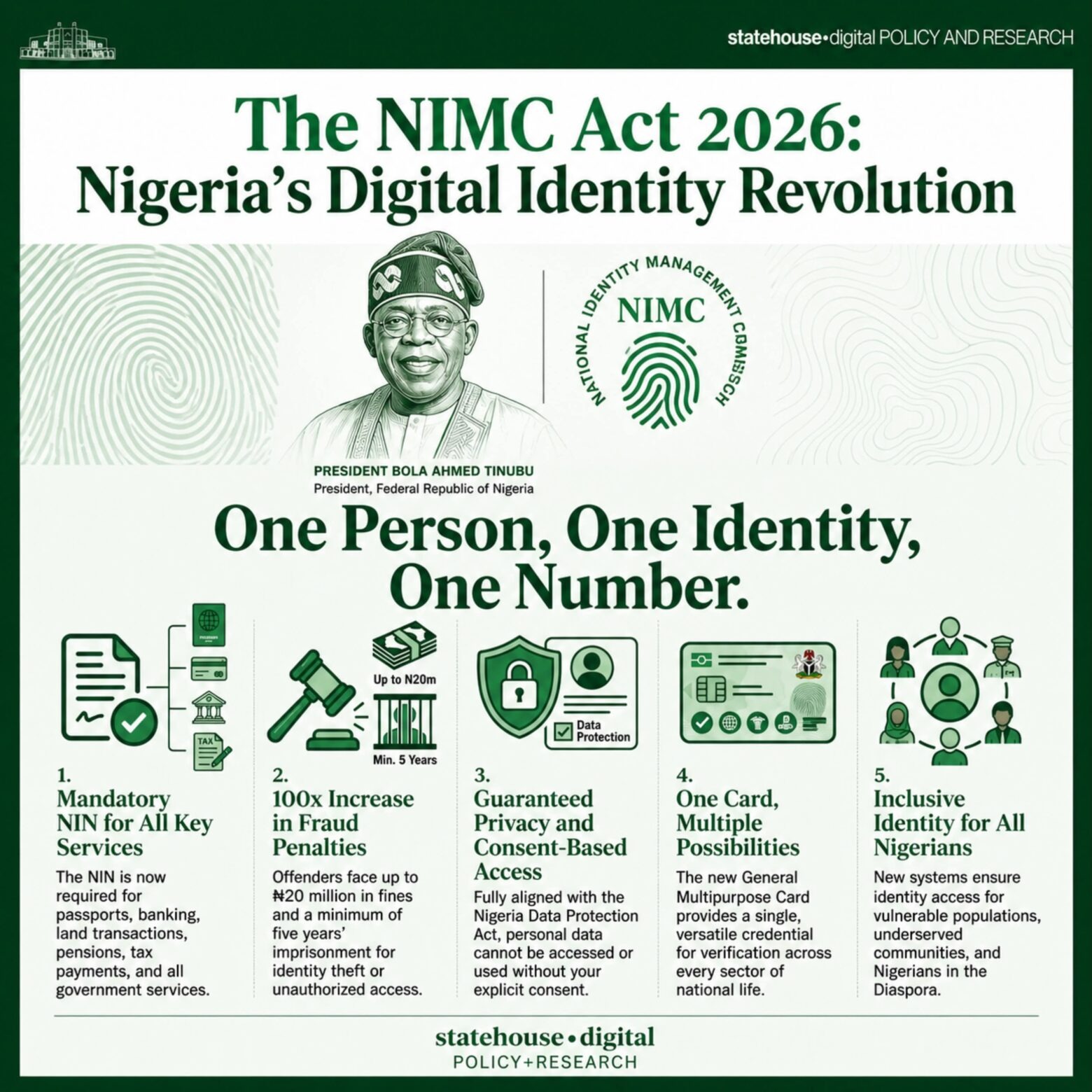
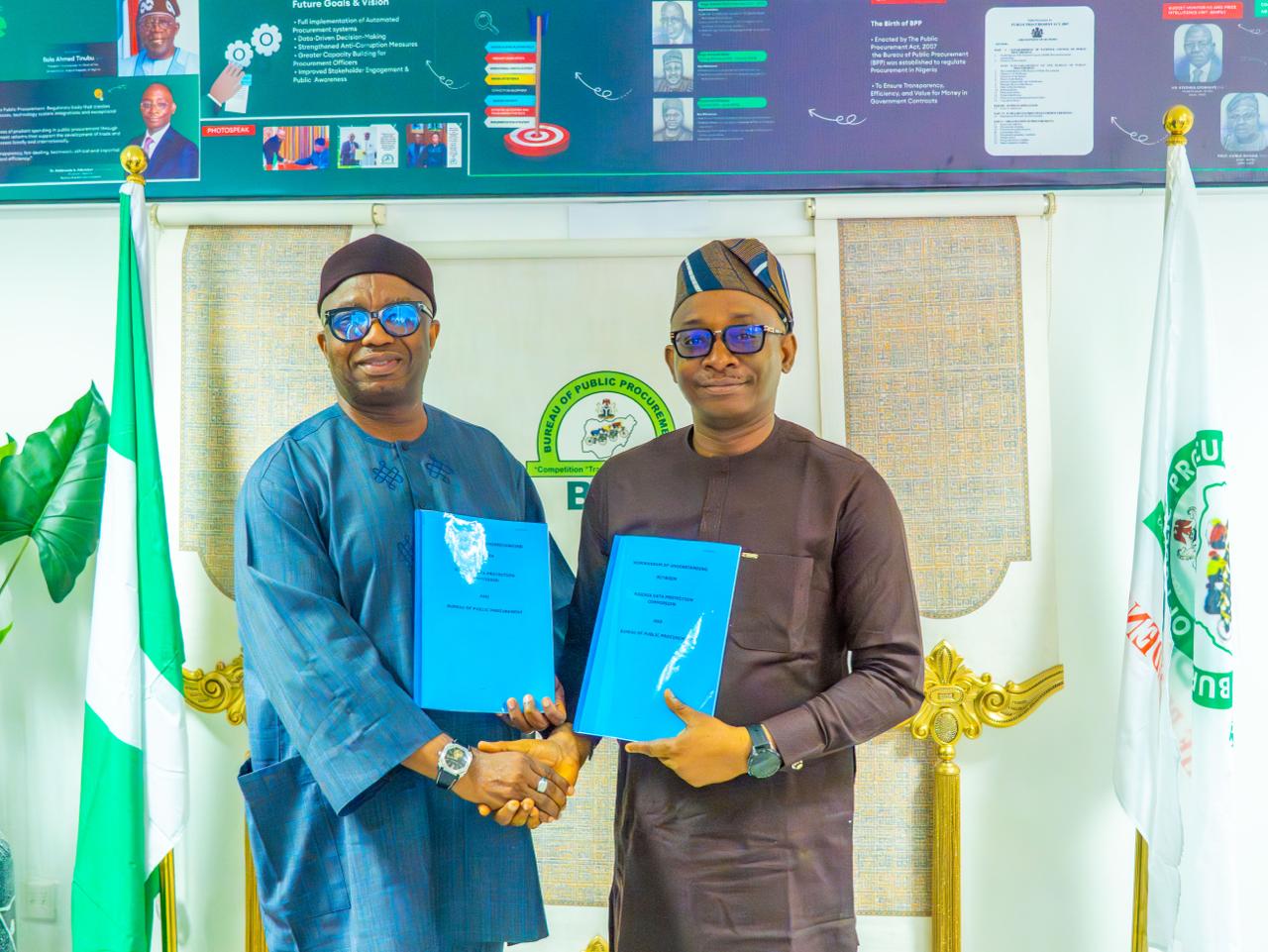
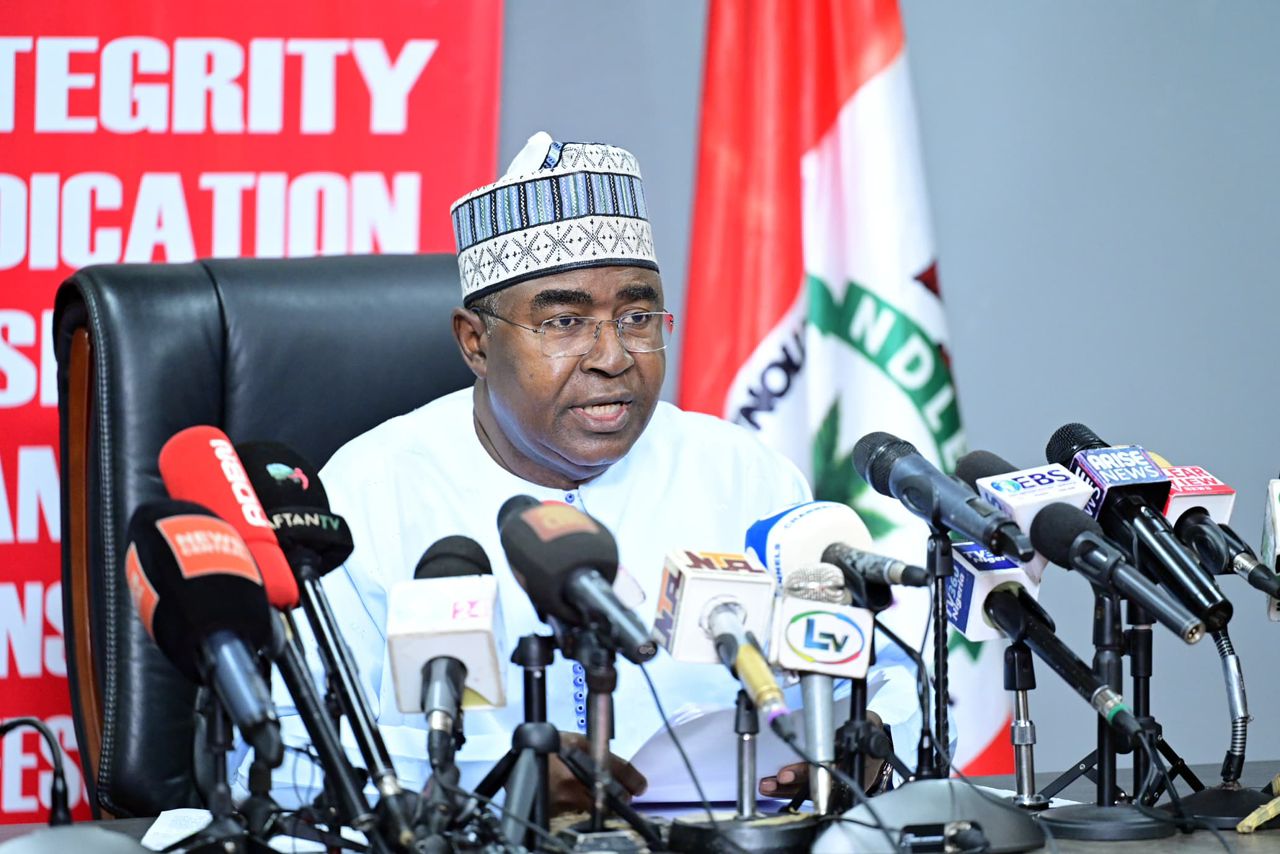
On the issue of trust in the digital ecosystem, the National Commissioner and Chief Executive Officer of the Nigeria Data Protection Commission (NDPC), Dr. Vincent Olatunji,
emphasised the growing significance of data protection and privacy in an increasingly digital society.

He noted that as Nigeria’s digital economy expands, protecting personal data and ensuring regulatory compliance have become fundamental to sustainable growth.
‘Trust remains the foundation of a thriving digital ecosystem,” he said, adding that building and sustaining that trust requires collective commitment from government, businesses and citizens to data protection compliance and accountability.
Providing an industry perspective, President of the Association of Telecommunications Companies of Nigeria (ATCON), Tony Emoekpere, highlighted the increasing contribution of the digital economy to Nigeria’s Gross Domestic Product (GDP). He advocated greater investment in telecommunications infrastructure and stronger public-private collaboration to accelerate broadband penetration and digital inclusion across the country.
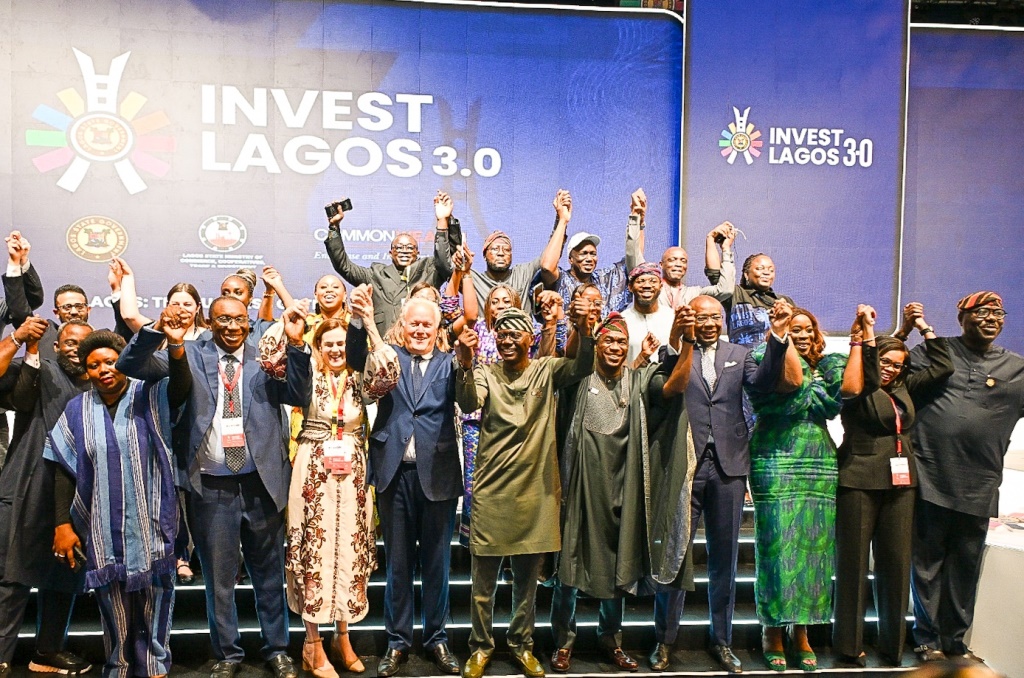
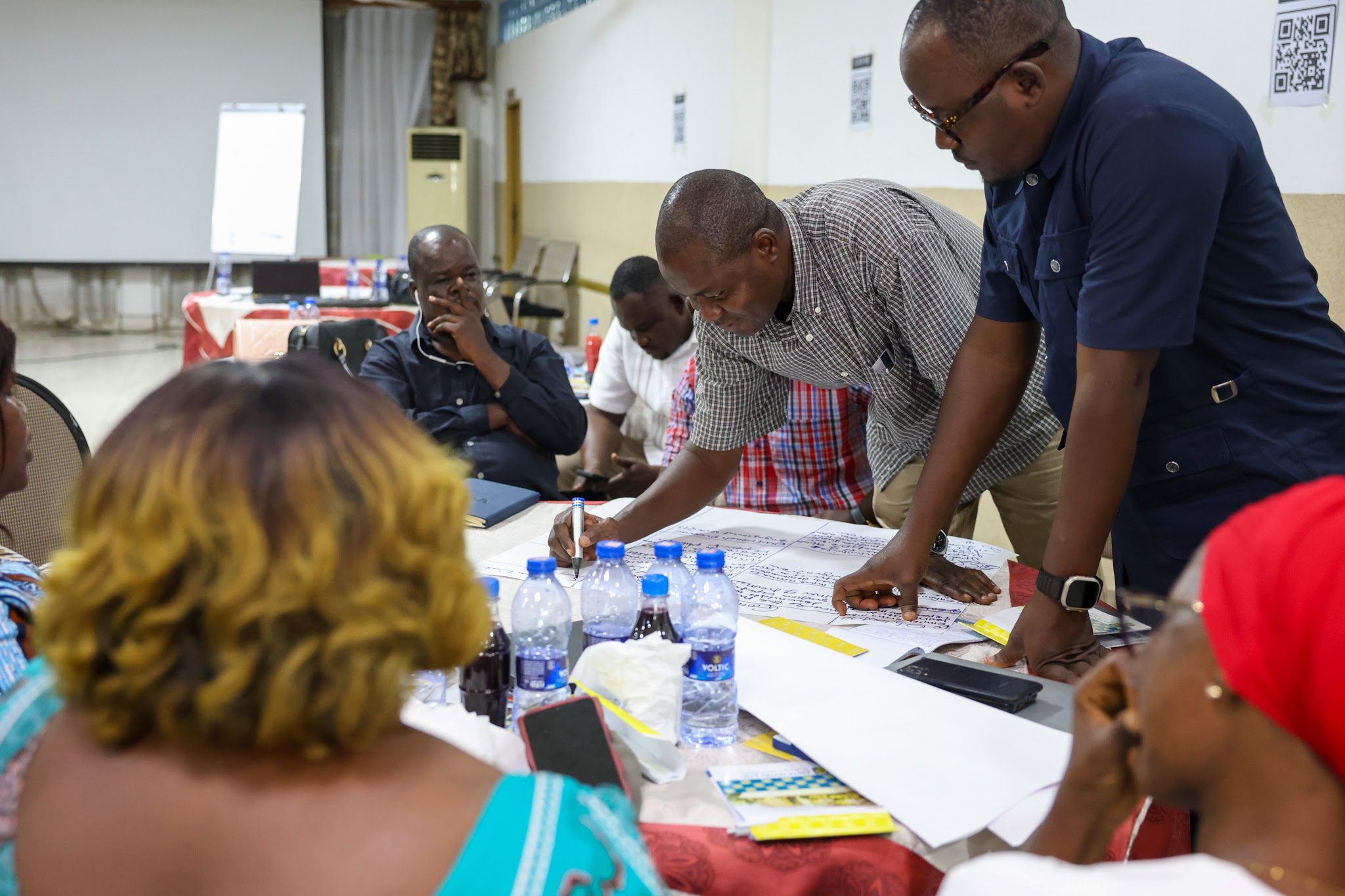
The conference was a veritable platform for senior government officials, chief executives, technology innovators, investors and regulators to examine emerging opportunities in digital infrastructure, cybersecurity, digital finance, artificial intelligence, data governance and digital inclusion.
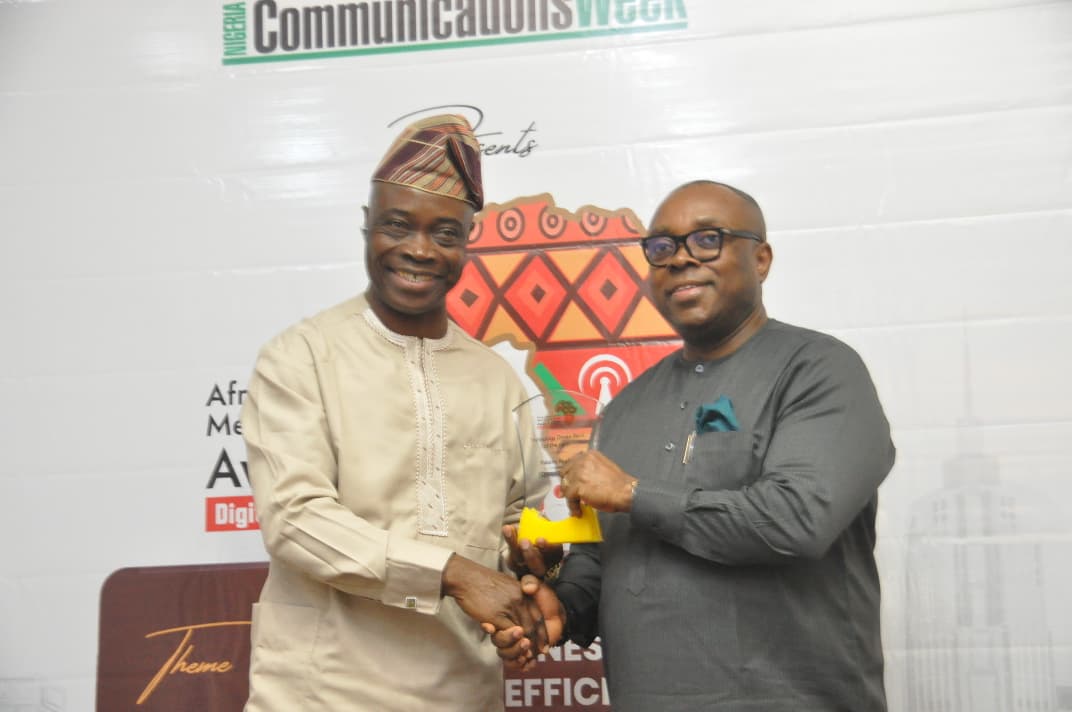
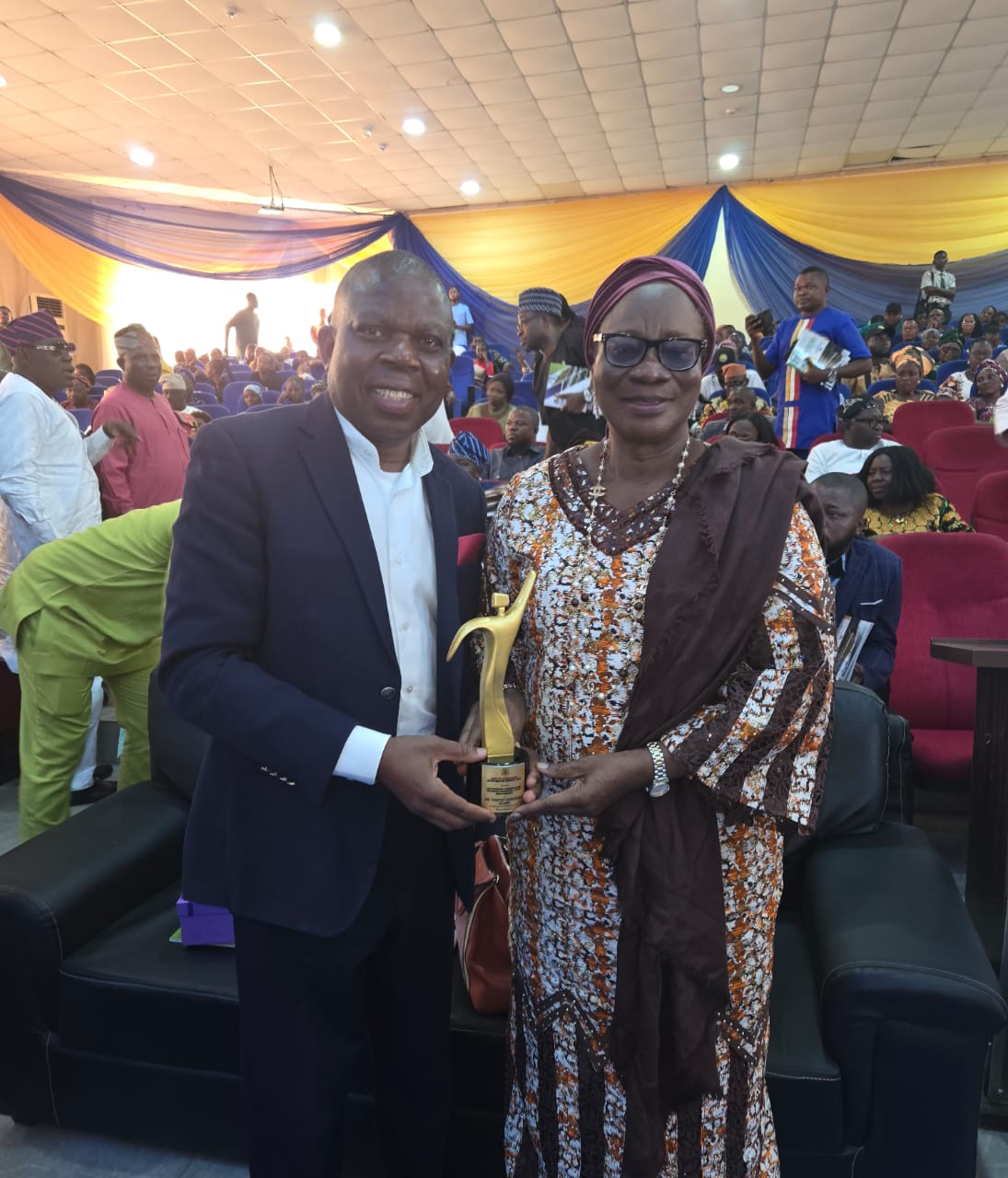
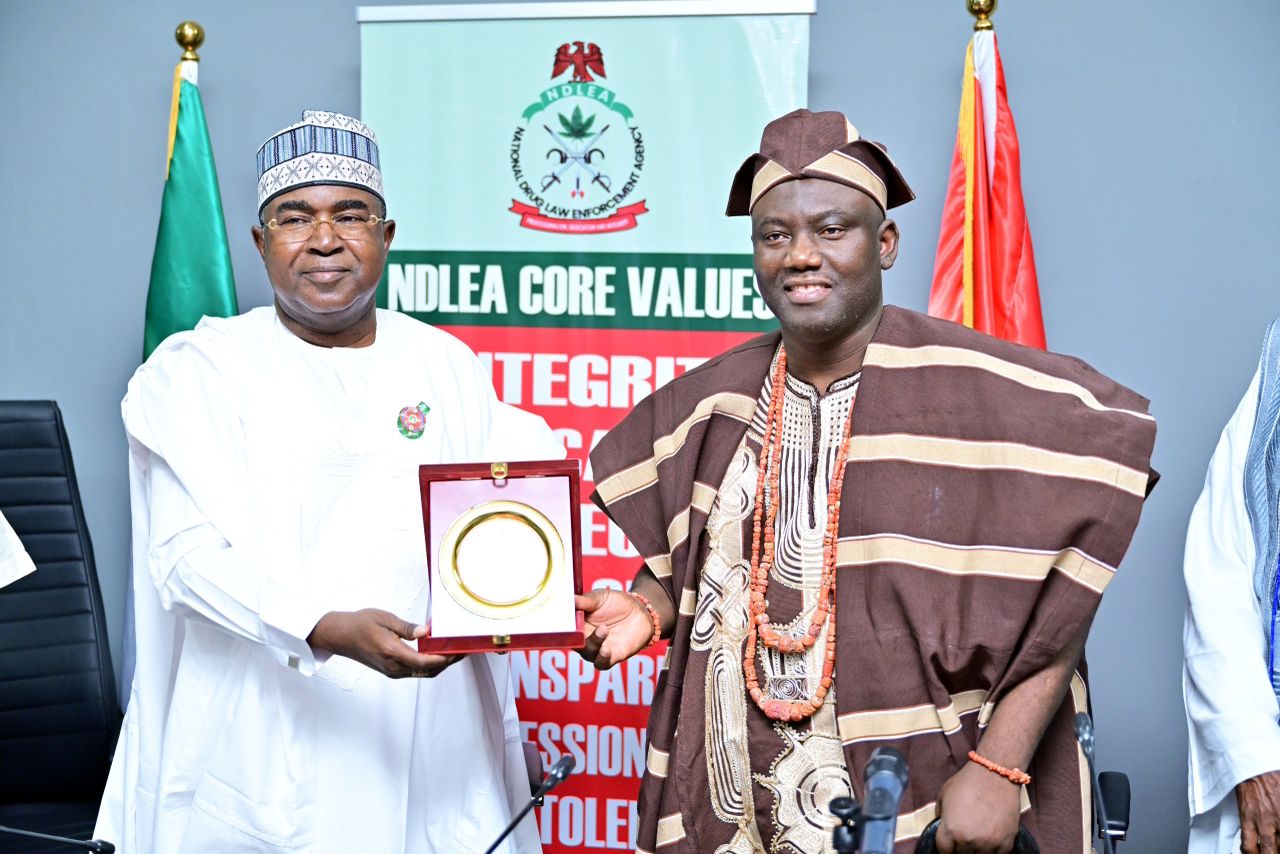
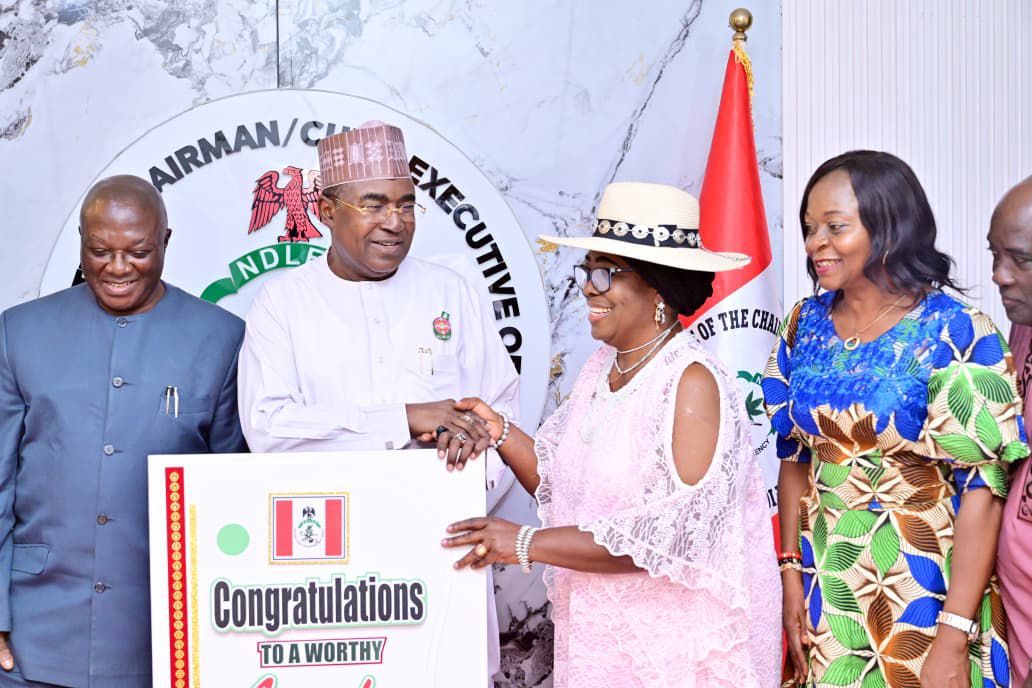
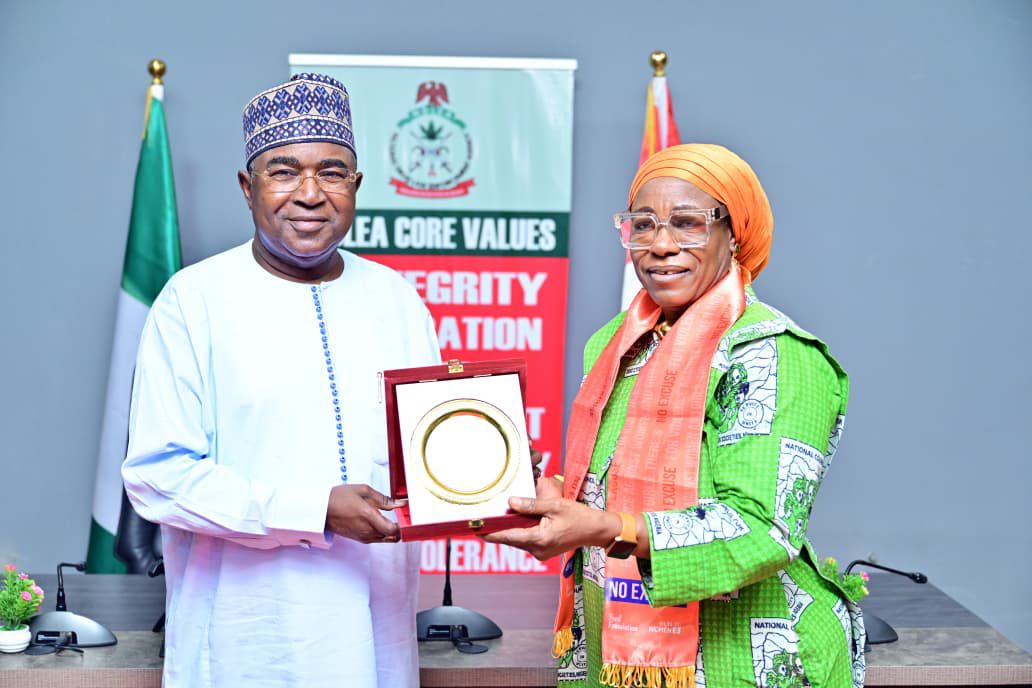
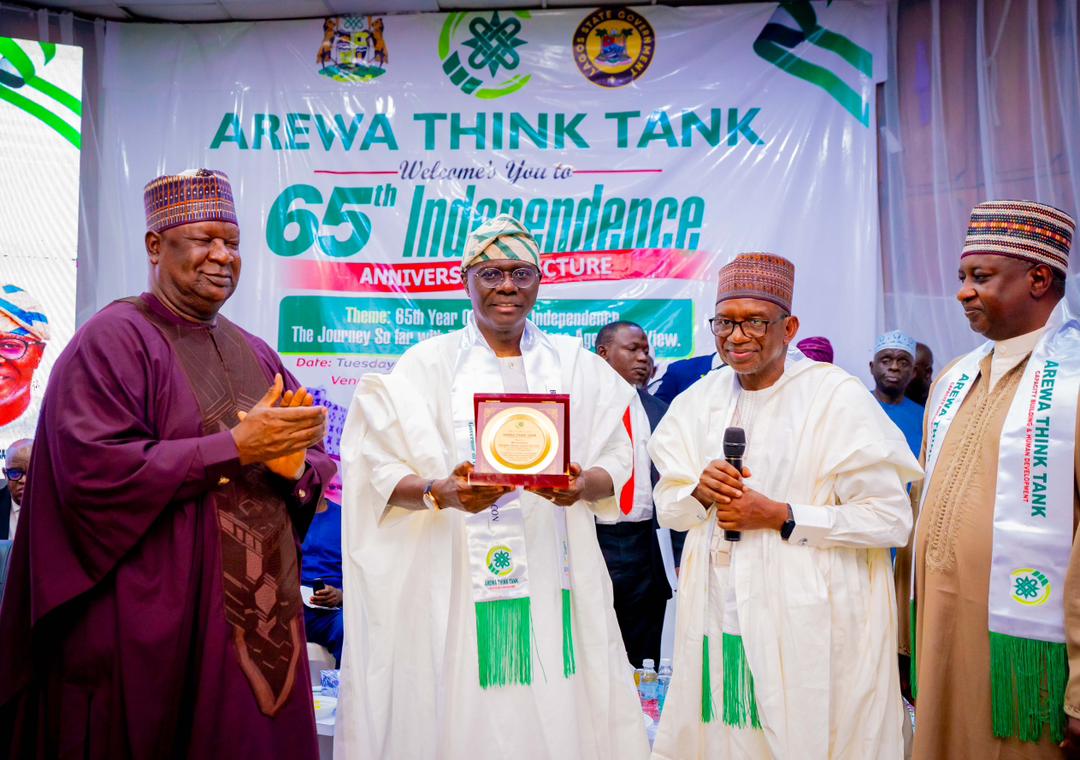
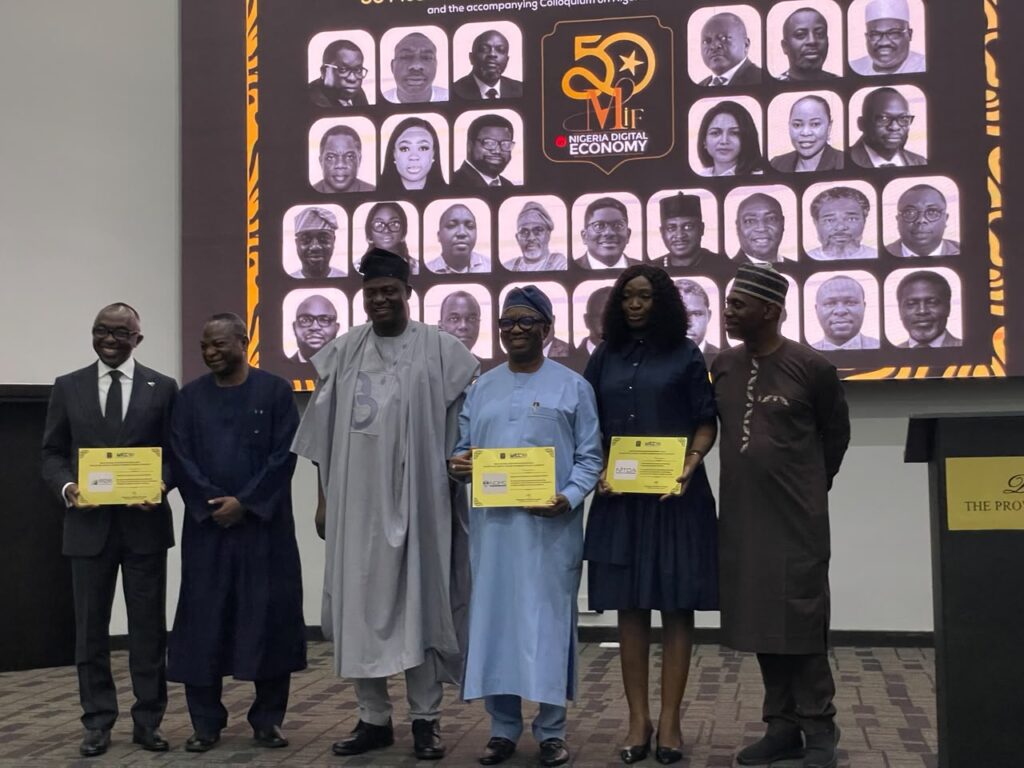
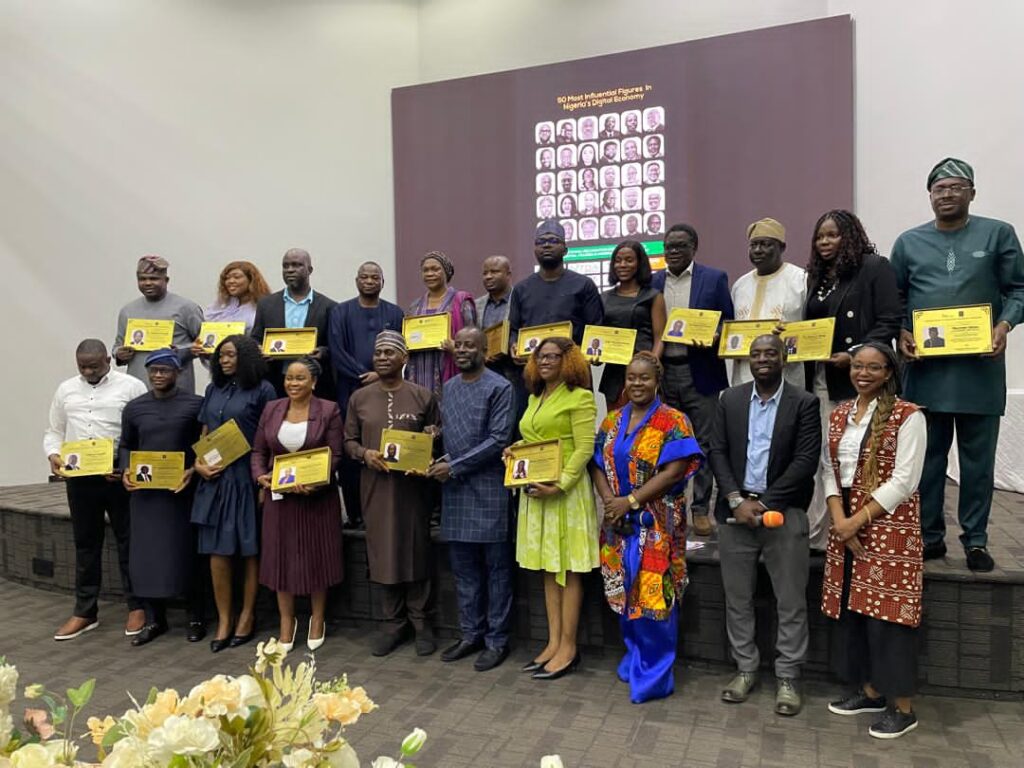
A major highlight of WACC 2026 was the presentation of recognition awards to 50 influential individuals and institutions whose contributions continue to shape Nigeria’s digital economy ecosystem.
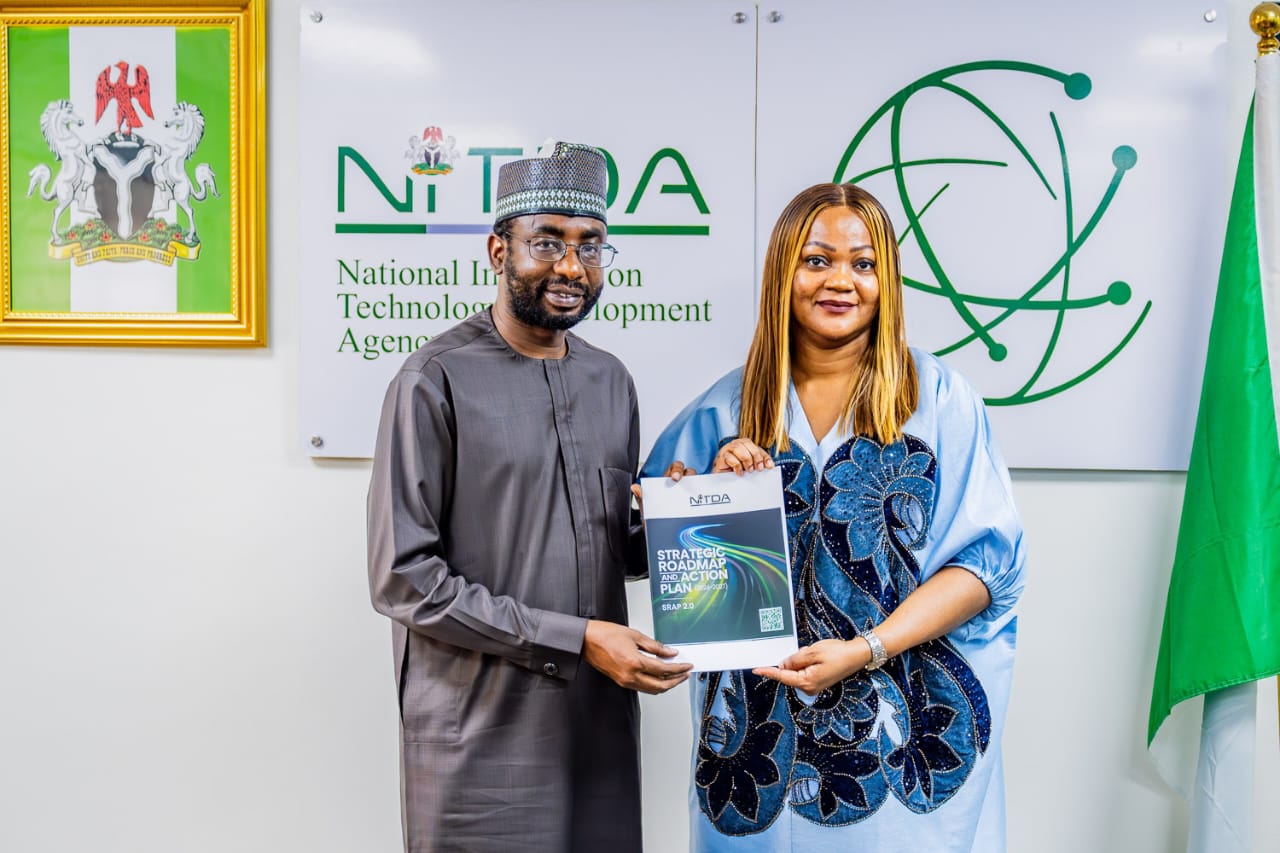
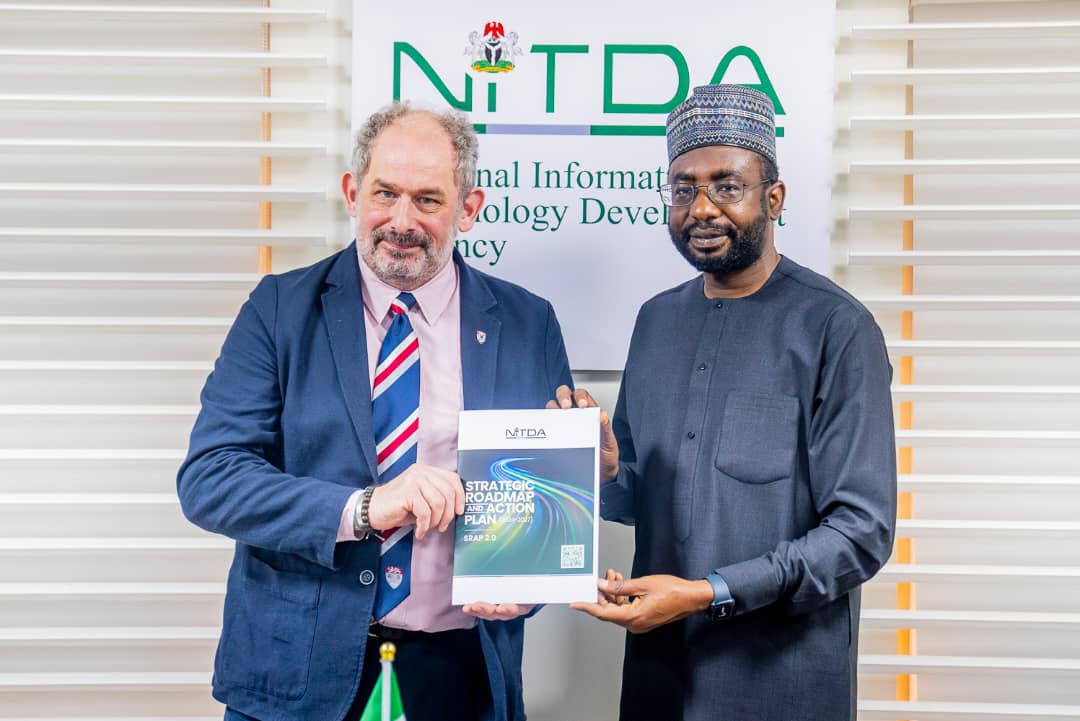
Among the organisations recognised were the Nigeria Data Protection Commission (NDPC), Ministry of Finance Incorporated (MOFI), National Information Technology Development Agency (NITDA), Galaxy Backbone, Wema Bank, MainOne, and several other public institutions and private sector organisations acknowledged for advancing digital innovation, infrastructure development and technology-driven economic growth.
As the curtains fell on the 15th edition of WACC, participants expressed optimism that the recommendations and partnerships forged during the conference would help shape Nigeria’s digital policy direction and strengthen the country’s ambition of becoming Africa’s leading digital economy over the next decade.
Stay informed with the latest news, insights, and in-depth reports from across Nigeria and beyond. Visit LouisaOlaniyi.com.ng for more breaking stories and daily updates.