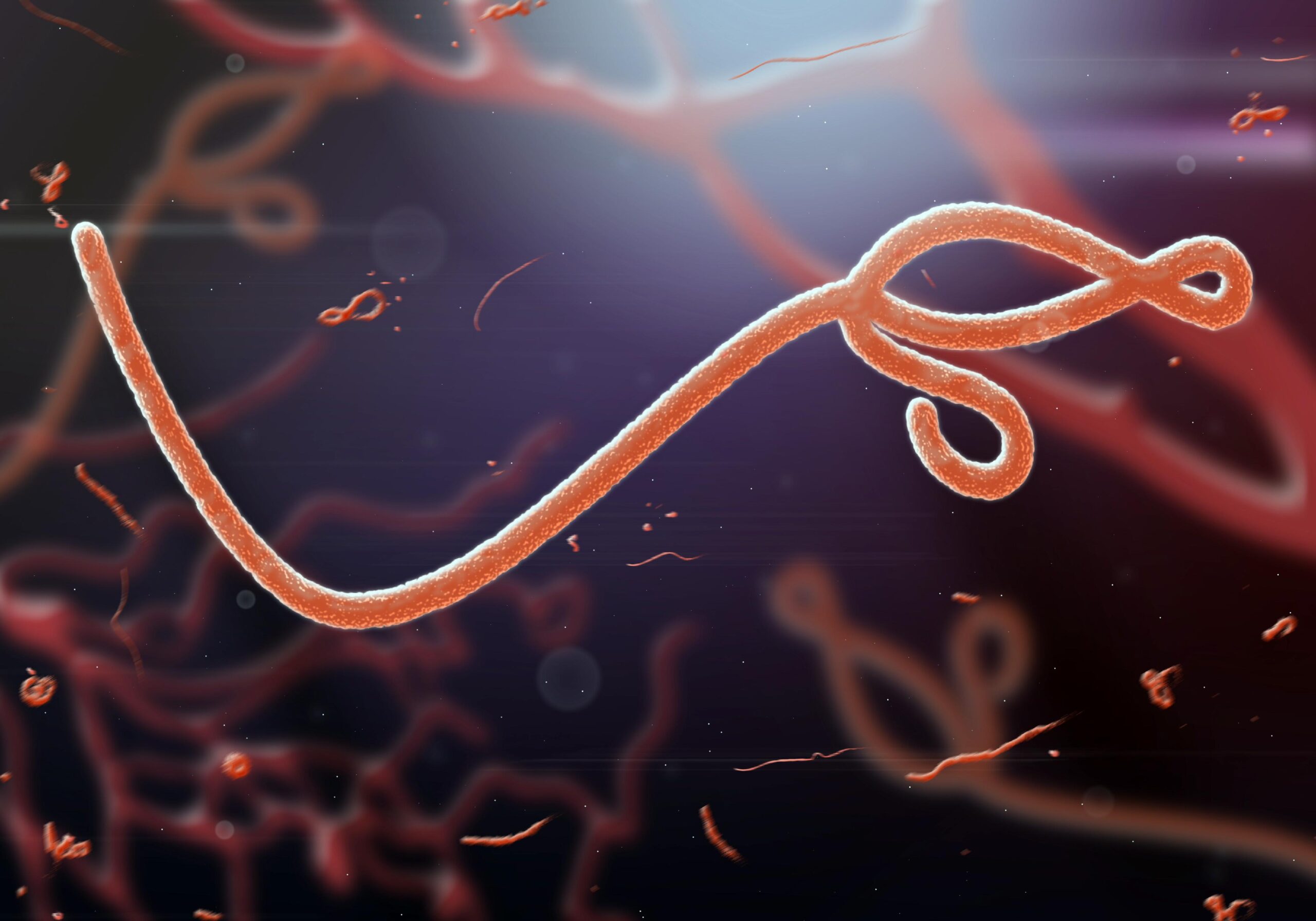

Nigeria has confirmed a case of Ebola Bundibugyo virus disease in Abuja after a woman with a recent travel history to Uganda tested positive, prompting authorities to intensify efforts to prevent further transmission.
The Federal Ministry of Health and Social Welfare confirmed the infection on Tuesday, October 20, following laboratory tests. According to the World Health Organization (WHO), the patient developed symptoms on October 7 and sought treatment at a private hospital in Abuja on October 11. Her diagnosis was confirmed on October 20, and she is currently receiving medical care in isolation.
Health authorities have identified 44 people who may have had contact with the patient and are monitoring them as part of ongoing contact-tracing efforts. Officials are also strengthening infection-prevention measures at the hospital where she received treatment.
Although the patient recently travelled through Uganda, the country’s health ministry said she had also visited eastern Democratic Republic of the Congo (DRC) on a business trip. The exact location where she contracted the virus remains under investigation. Uganda has maintained that it has no confirmed active Ebola cases.
The development comes amid a wider regional outbreak that began in the DRC in May 2026 and has since spread across several African countries. Kenya has also reported nine cases linked to an imported infection, raising concerns among public health authorities about the virus crossing national borders.
Jean Kaseya, Director-General of the Africa Centres for Disease Control and Prevention (Africa CDC), described the outbreak as a serious threat, noting its expanding geographical reach and a reported fatality rate of nearly 50%.
In response, the Nigeria Centre for Disease Control and Prevention (NCDC) has activated its incident-management system and is working with the Federal Ministry of Health, the WHO and other partners to coordinate the response. Measures include surveillance, laboratory testing, contact tracing and improved infection-control procedures to protect healthcare workers and the public.
Nigeria previously contained an Ebola outbreak in 2014 through rapid identification of cases, isolation, contact tracing and coordinated public health interventions. Authorities say the country’s experience and existing response structures will be important in containing the newly confirmed case.
The Federal Government has urged Nigerians to remain calm while health officials continue their investigations and response efforts. The public is also advised to maintain good hygiene, avoid direct contact with the blood and other bodily fluids of suspected or confirmed cases, and seek guidance from health authorities if symptoms develop after a possible exposure.
The WHO continues to encourage countries across the region to strengthen disease surveillance and emergency preparedness as efforts to contain the outbreak continue.
Source: World Health Organization (WHO), Associated Press (AP) and Nigeria’s Federal Ministry of Health and Social Welfare.