
- June 18, 2026
- Admin User
- 0
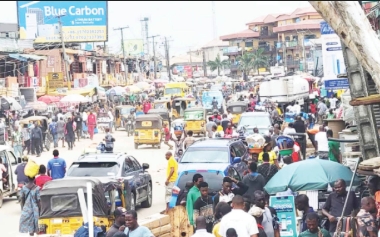
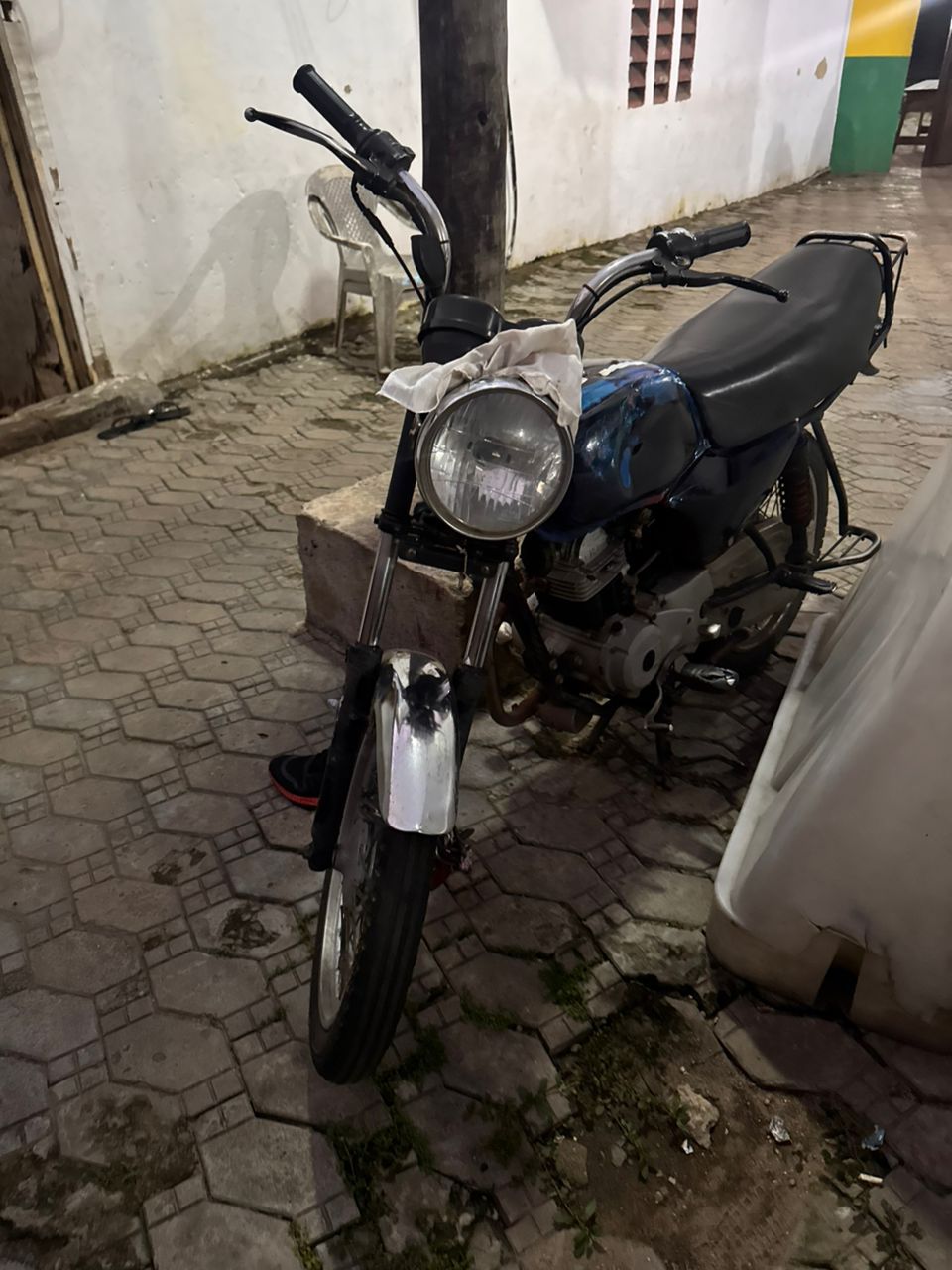
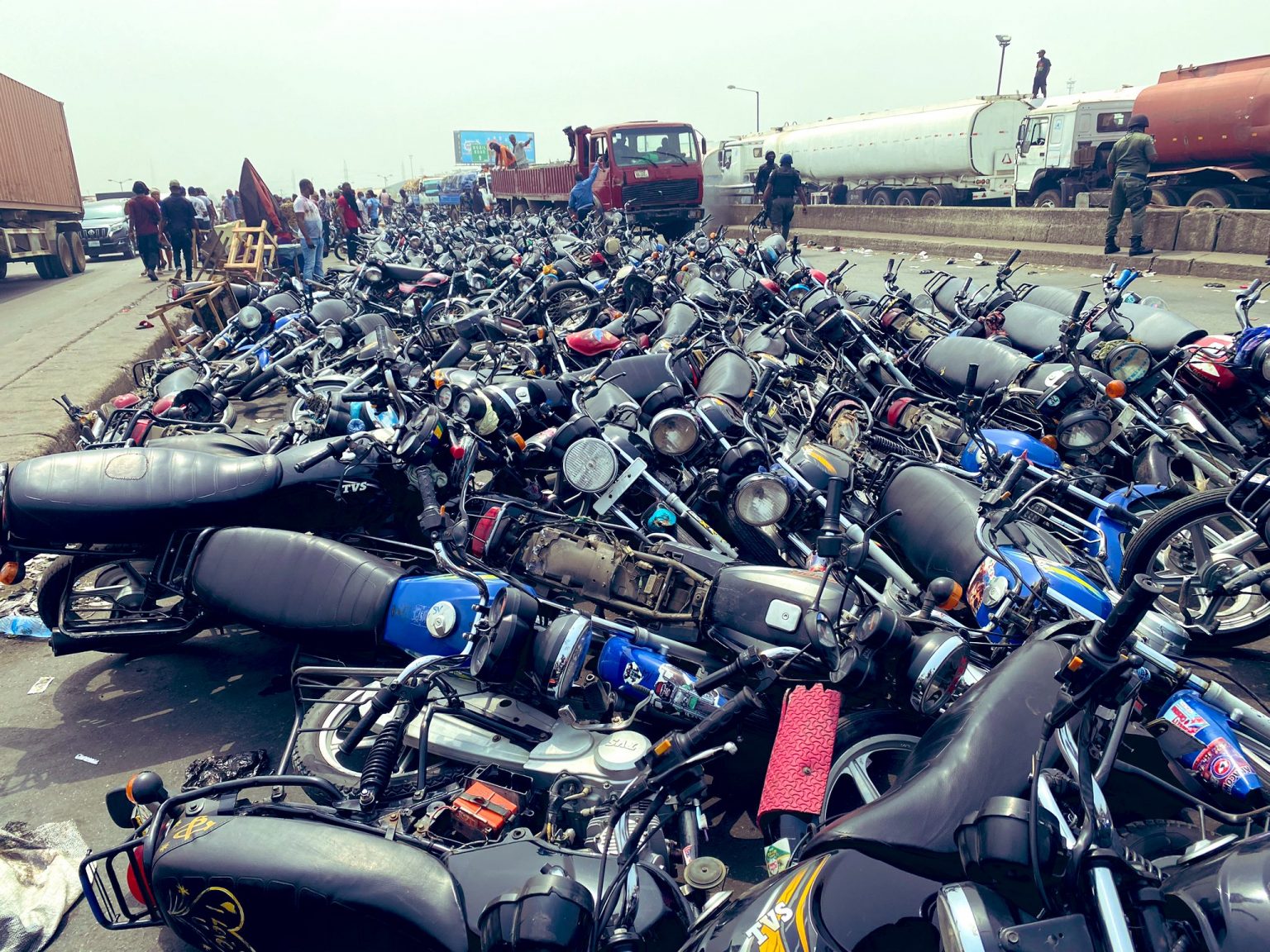
Motorcycles remain a vital means of transportation in many countries where they are permitted, and in Nigeria, popularly known as Okada, they play an important role in moving people and goods across both urban and hard-to-reach rural areas. They continue to serve communities that lack access to conventional road networks.
However, since their introduction for commercial use in the 1990s, motorcycles have presented both benefits and serious challenges. While they remain essential for daily mobility and economic activity, their usage has also contributed significantly to safety and security concerns across the country.
Reports indicate a worrying level of road traffic accidents involving motorcycles, with some studies between 2019 and 2025 estimating fatalities as high as 68 percent. Beyond road safety issues, they have increasingly become associated with criminal activities in several parts of Nigeria.
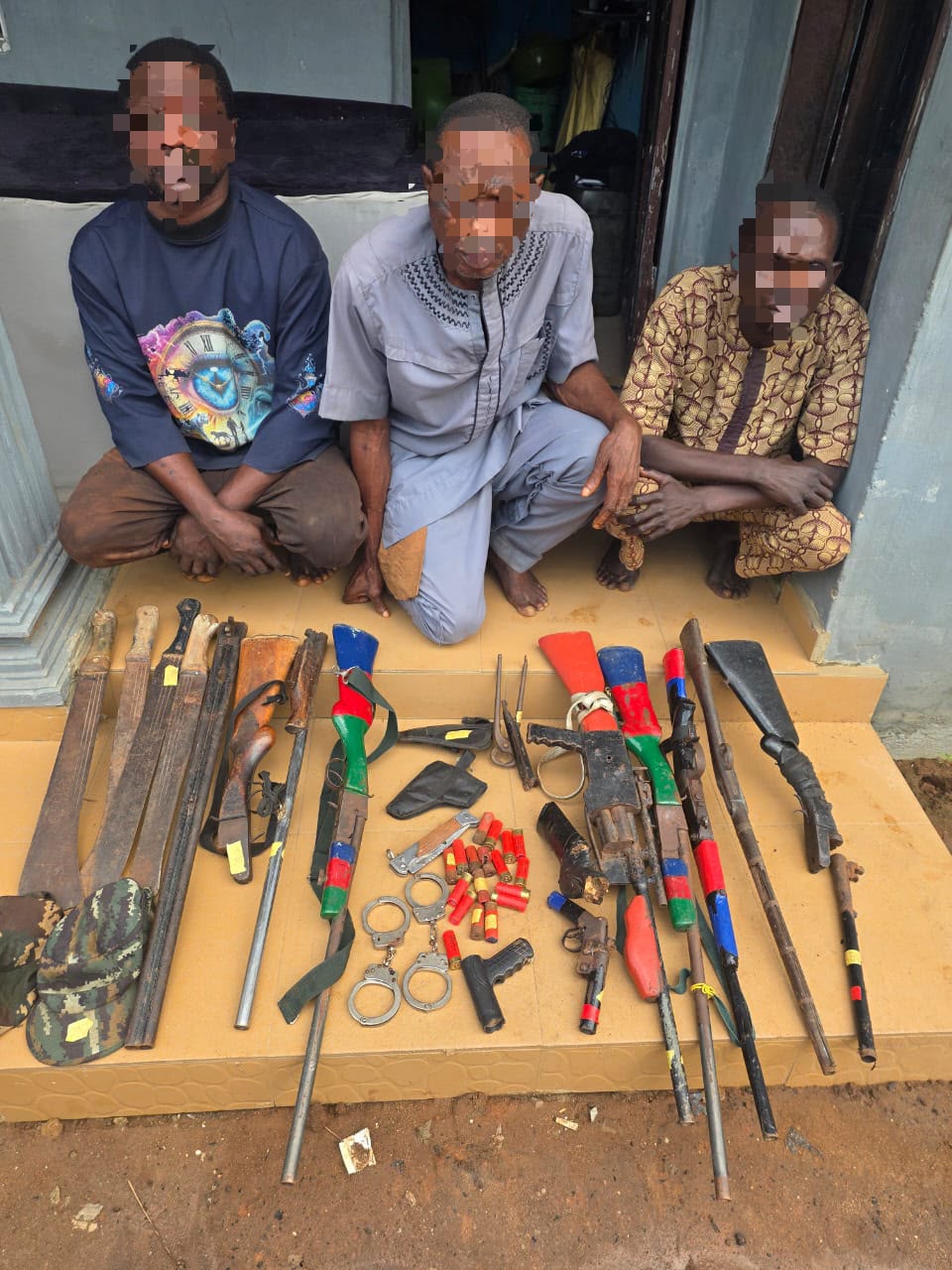
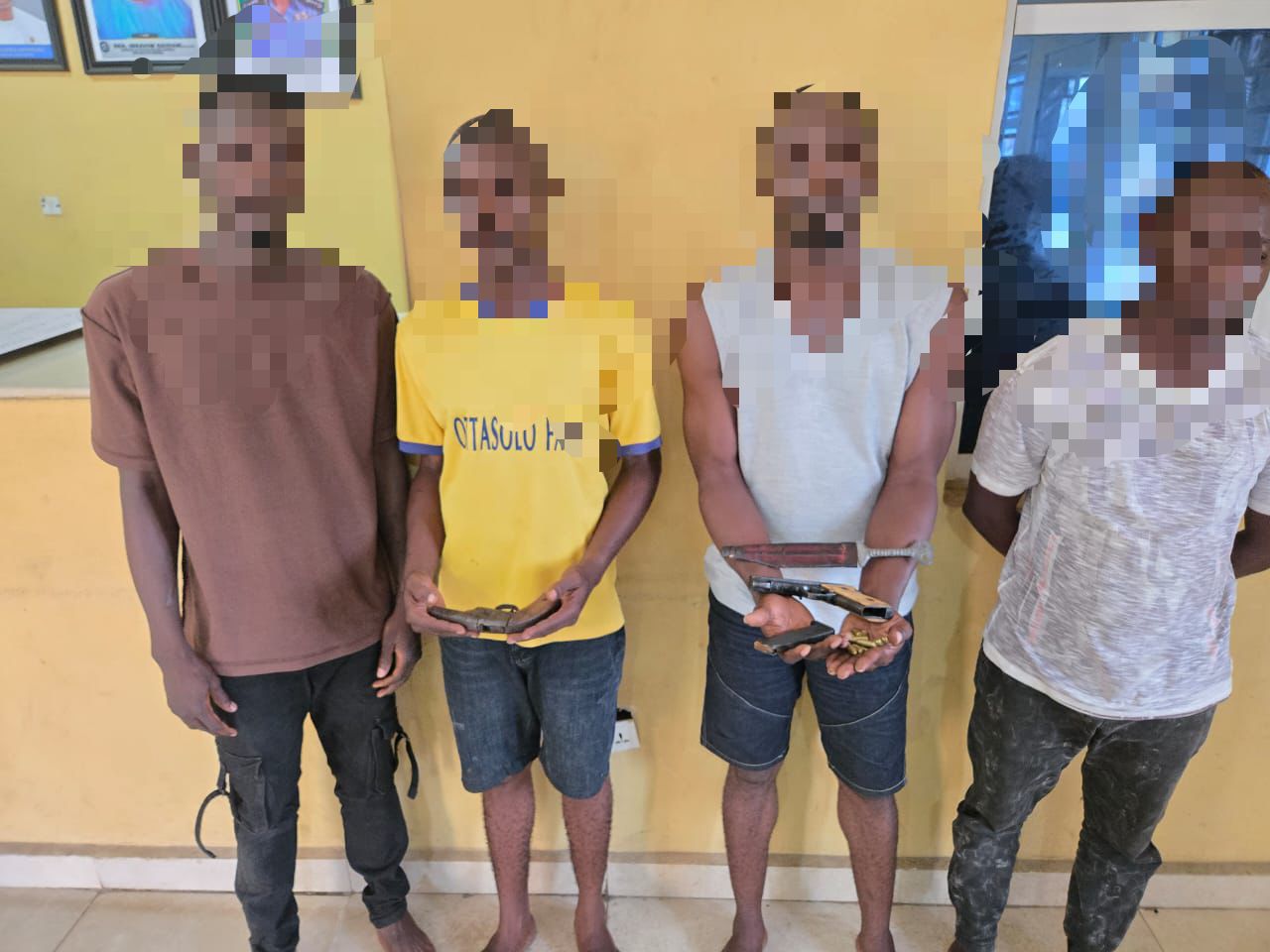
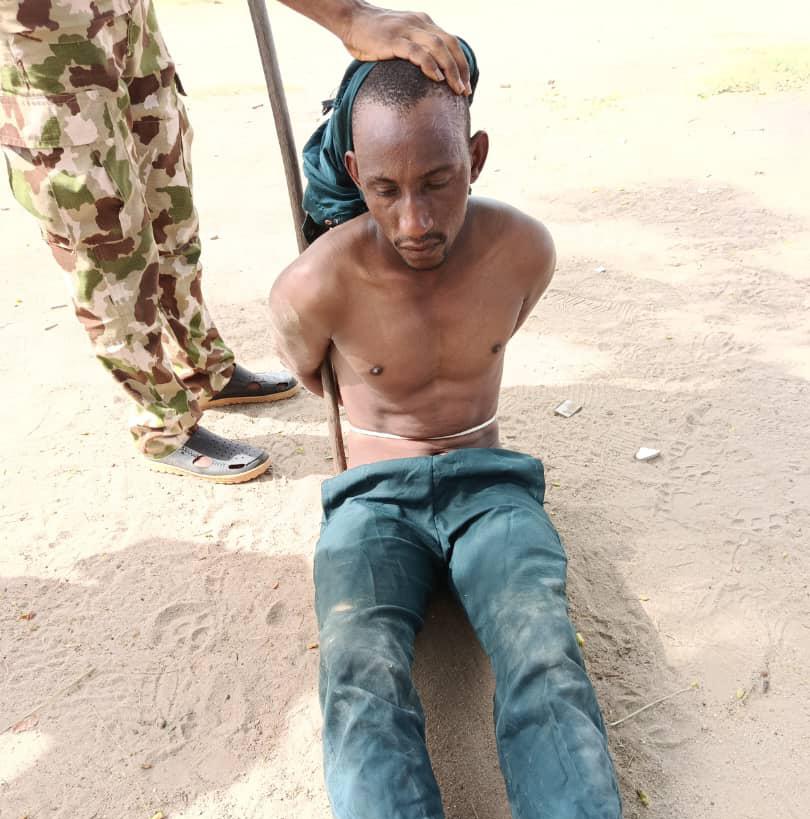
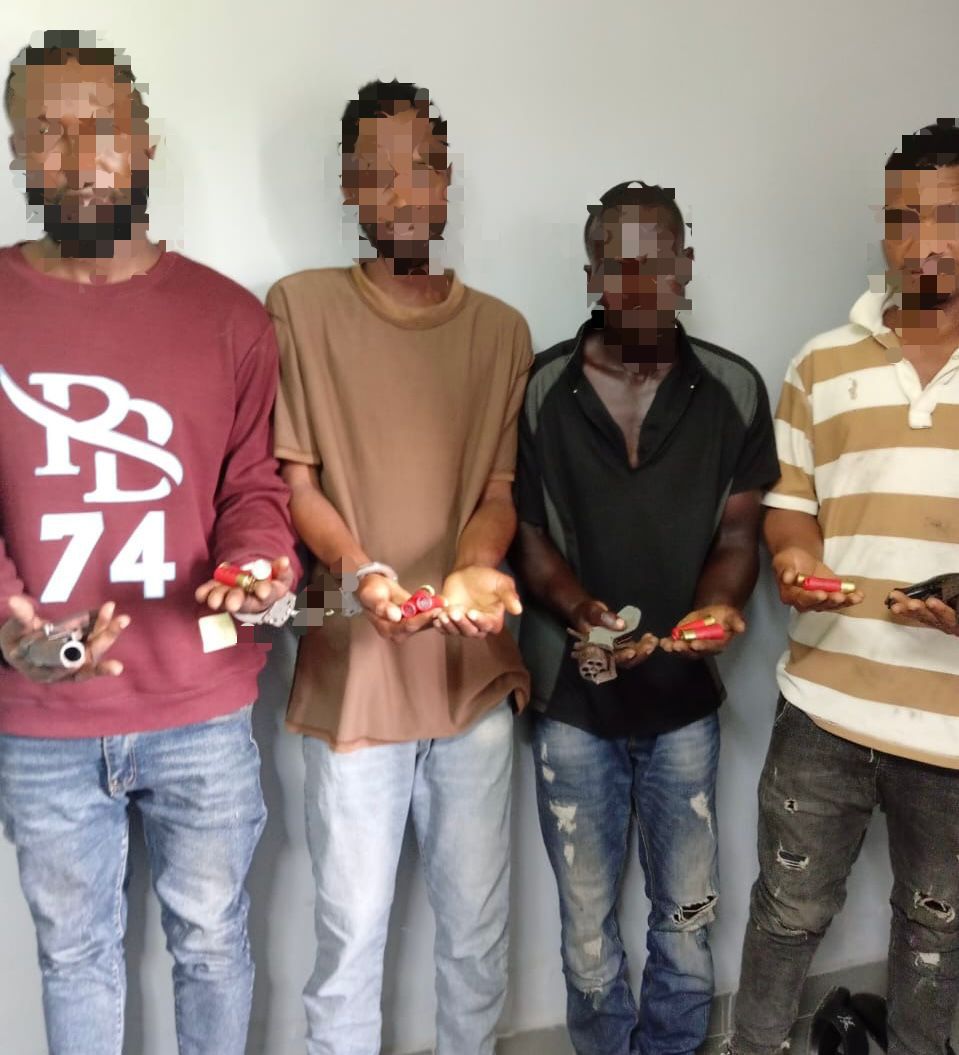
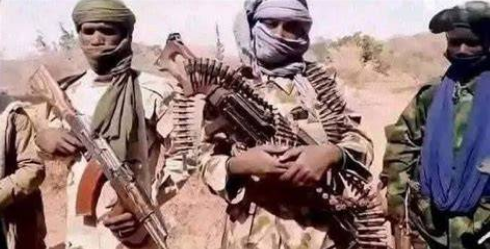
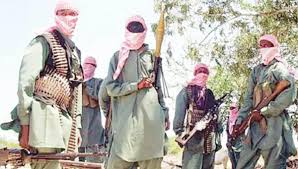
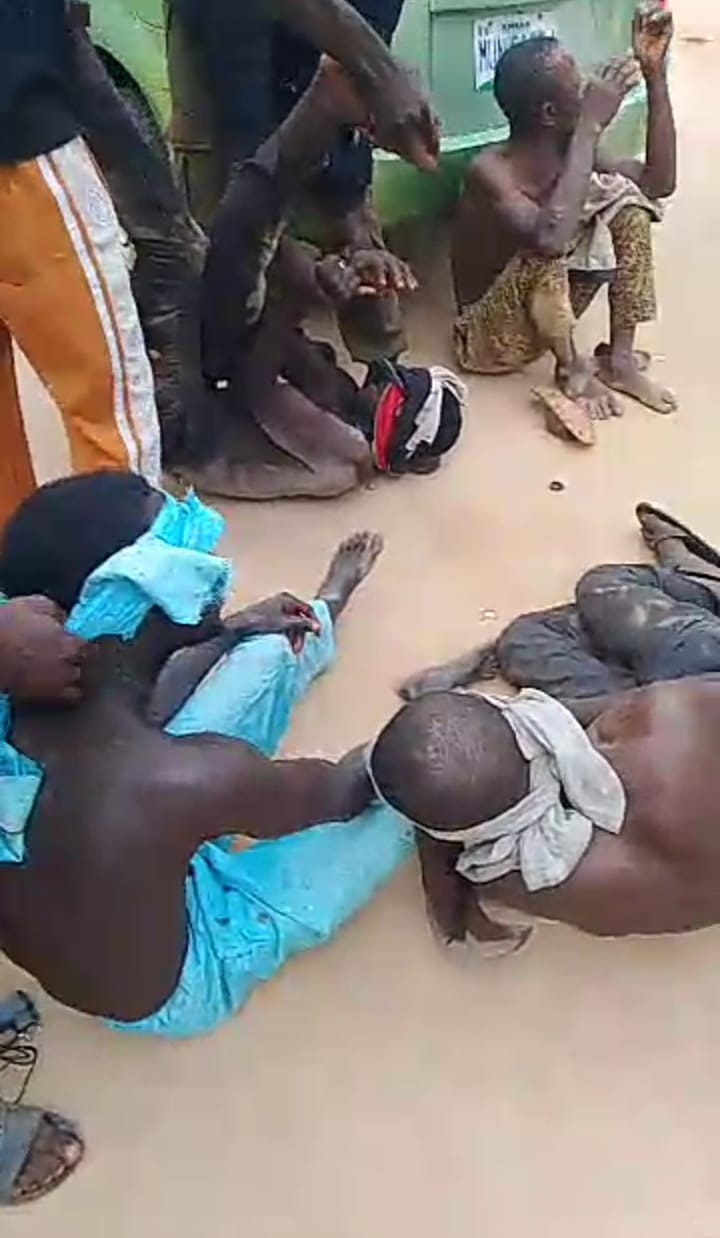
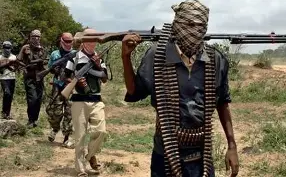
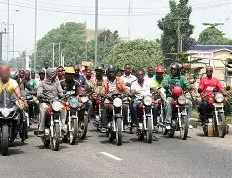
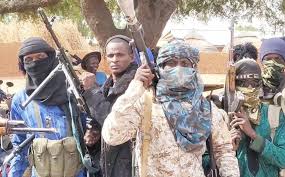
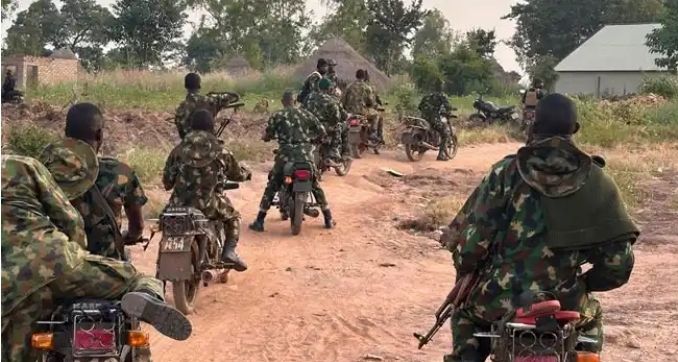
Security concerns have intensified in recent years, particularly in the North-West and North-Central regions, where motorcycles are frequently linked to bandit operations. In several incidents, armed groups have reportedly used large numbers of motorcycles to carry out coordinated attacks and escape routes.
One such incident occurred during the last Sallah period in Sokoto State, where bandits reportedly used about 150 motorcycles in coordinated attacks on communities in Tureta LGA. The attacks resulted in multiple casualties, including 17 deaths in the first wave and 20 in the second, alongside the looting of several shops.
This growing trend has raised questions about regulatory enforcement, especially as some state governments have either relaxed or failed to enforce restrictions on motorcycle operations despite mounting evidence of their misuse for criminal purposes.
Motorcycle Restrictions and Rising Security Concerns
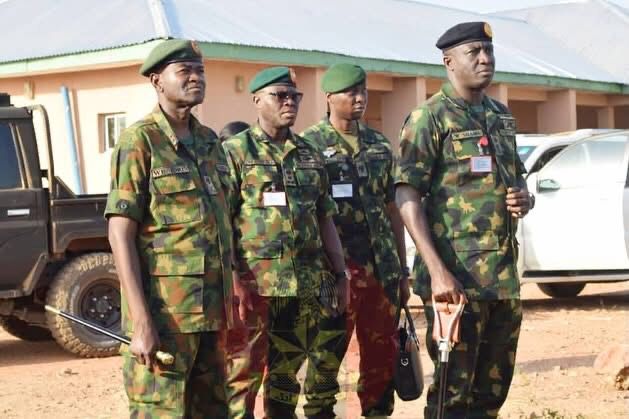
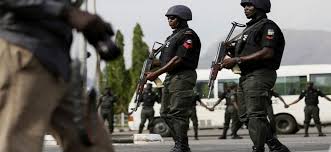
In response to similar threats, the Nigerian Army previously restricted motorcycle usage across several North-West states in 2019, including Kano, Katsina, Zamfara, Sokoto, Kaduna, Kebbi, and Niger, as part of efforts to curb banditry.
Calls have now intensified for states to reinstate such restrictions, particularly on the mass movement of motorcycles, as part of broader security measures aimed at reducing the mobility advantage enjoyed by criminal groups.
International examples have also been cited, with countries like Mali implementing motorcycle movement restrictions in conflict-prone regions, which reportedly disrupted insurgent logistics and contributed to security gains.
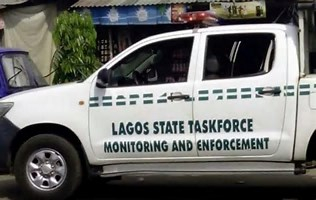
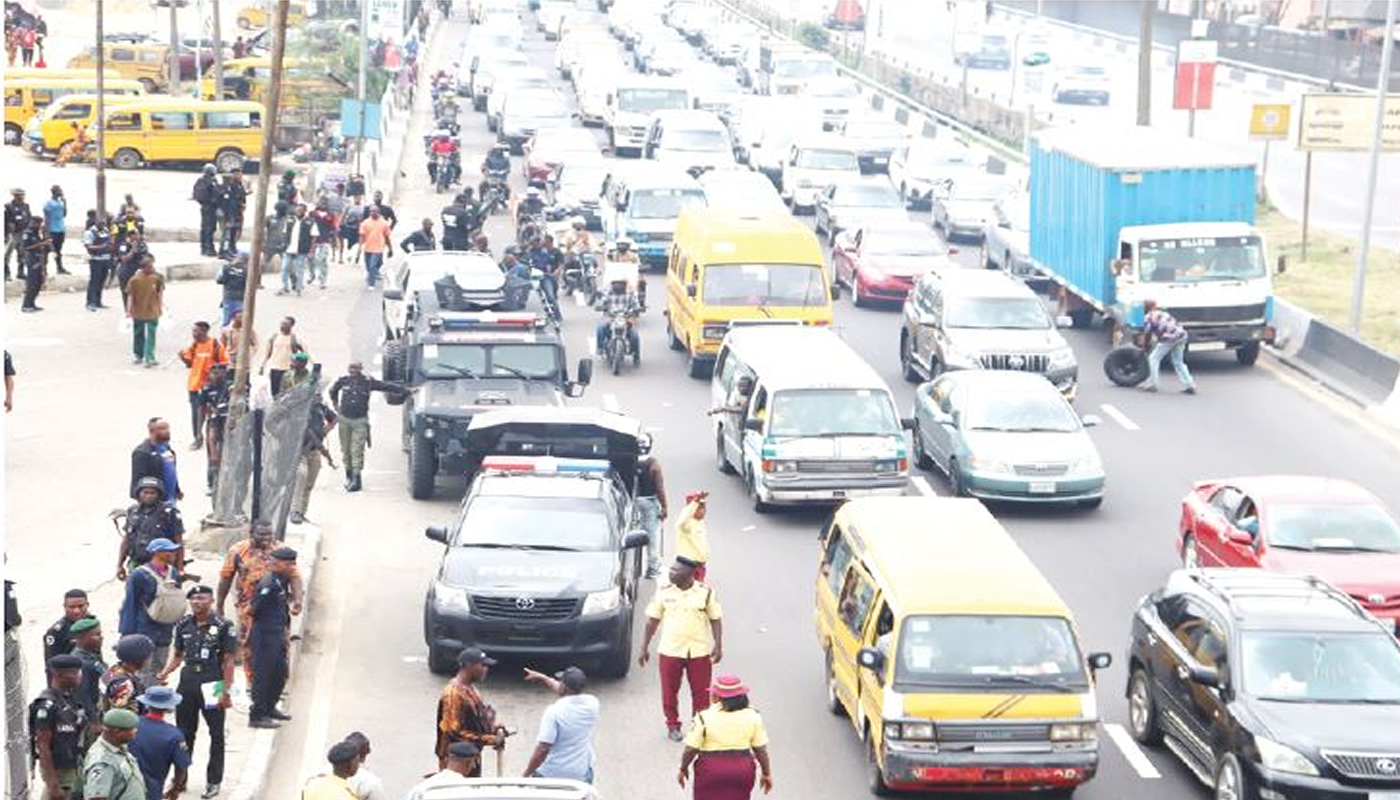
In Nigeria, various administrations have also attempted to regulate motorcycle operations in urban areas, including restrictions introduced in parts of Abuja and Lagos under former leadership, aimed at reducing security risks and traffic-related challenges.
Despite these efforts, concerns persist, as insurgents and criminal groups continue to exploit motorcycles for rapid movement across difficult terrain, often operating in large convoys that signal impending attacks or coordinated criminal activity.
Recent policy responses at the state level have included night-time restrictions in parts of Oyo State following abductions, as well as outright bans in specific districts in Kogi State, with Katsina also enforcing restrictions in select local government areas due to security threats.
The flexibility and affordability of motorcycles have made them widely accessible, but this same advantage has also made them attractive tools for criminals, who use them for mobility, robbery, and coordinated attacks in vulnerable areas.
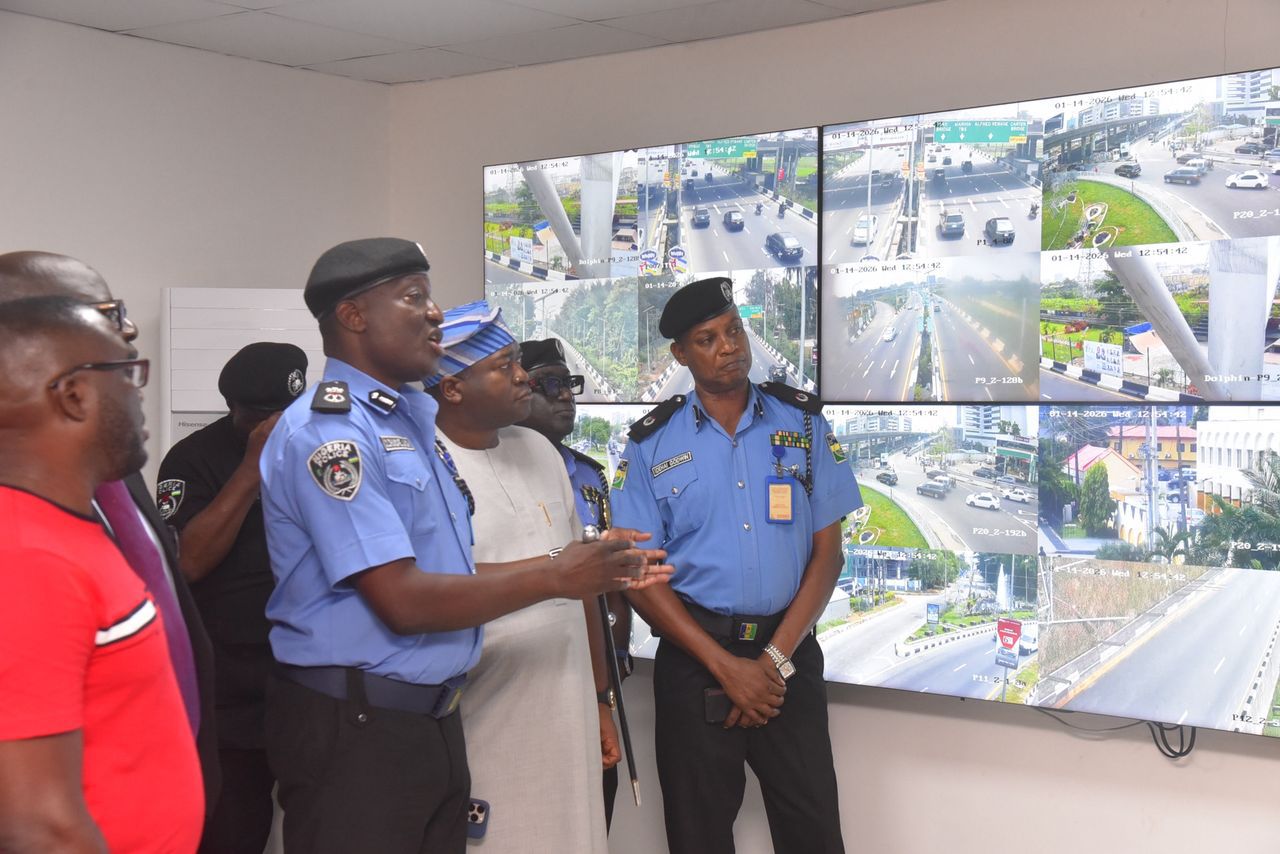
As a result, there are growing calls for a multi-layered response, including stricter monitoring of motorcycle movements, enhanced intelligence operations, and the use of technology by security agencies to track suspicious convoys.
Stakeholders have also urged transport unions to strengthen oversight of their members, moving beyond revenue collection to active regulation and compliance monitoring to prevent misuse of motorcycles.
Community-level vigilance has also been encouraged, with suggestions that riders in permitted areas should adhere to identification measures such as tagged aprons and proper safety gear to improve accountability and security tracking.
Stay updated with more insightful reports and breaking news. Visit LouisaOlaniyi.com.ng for continuous coverage, in-depth analysis, and latest updates.