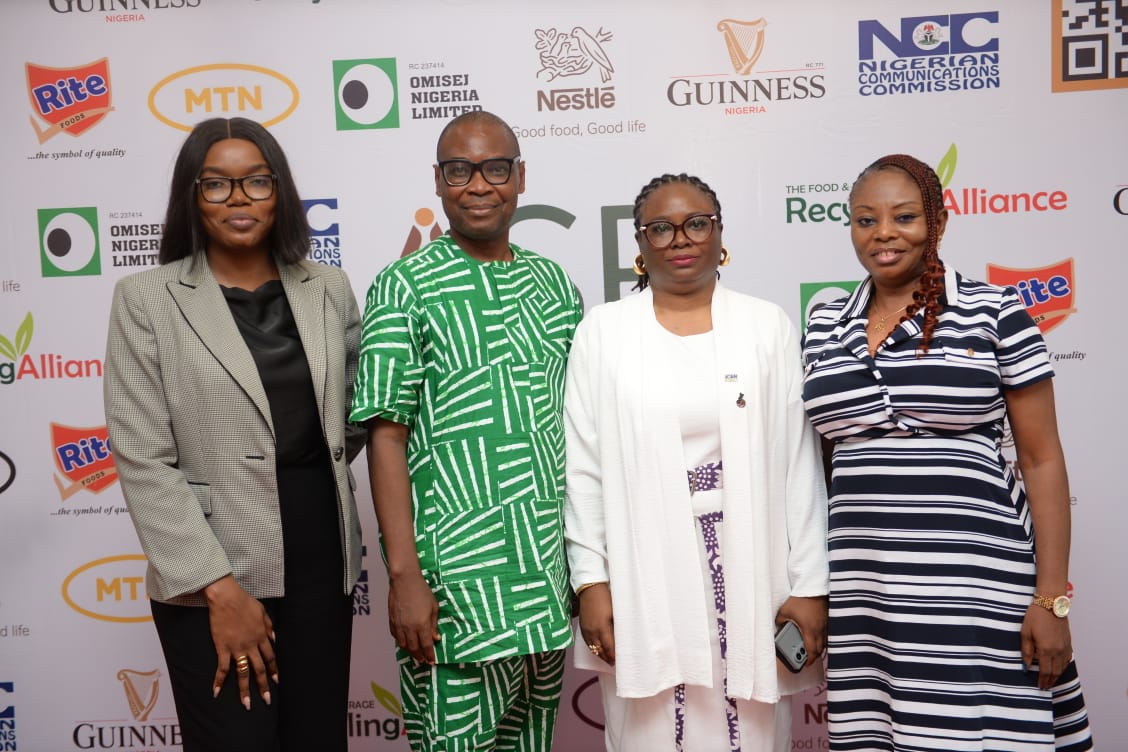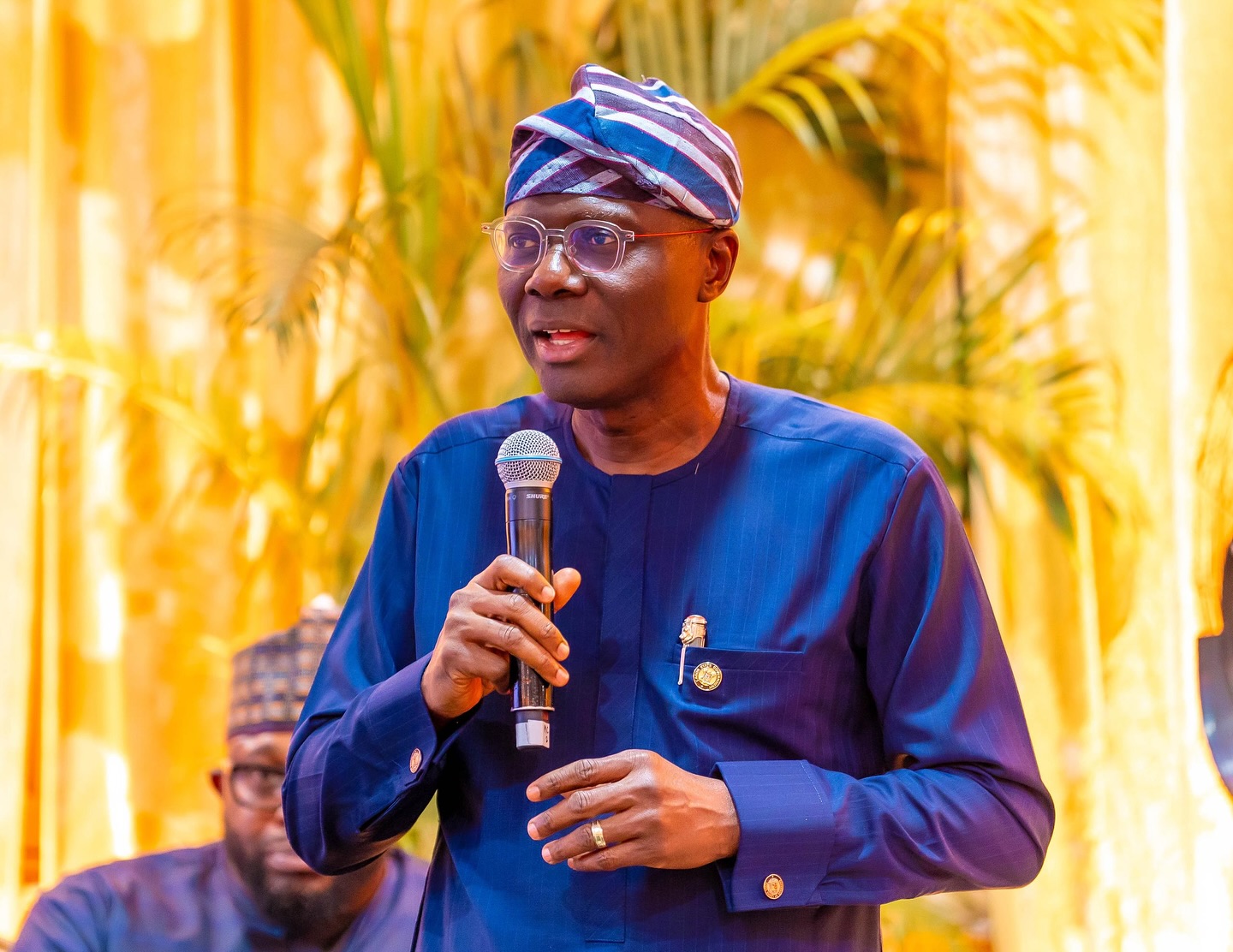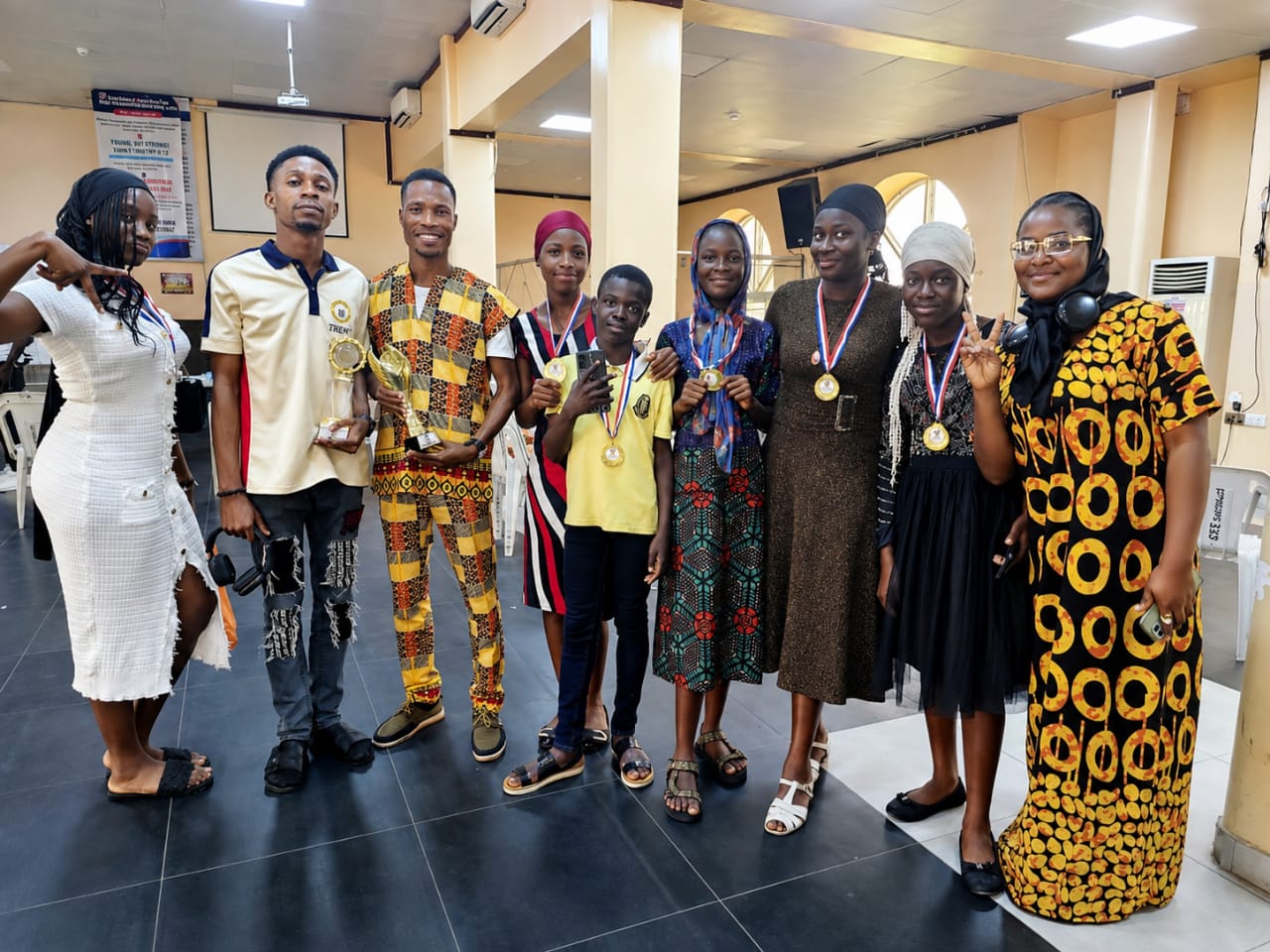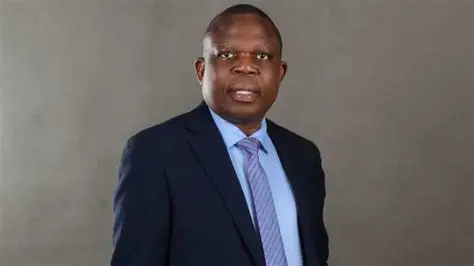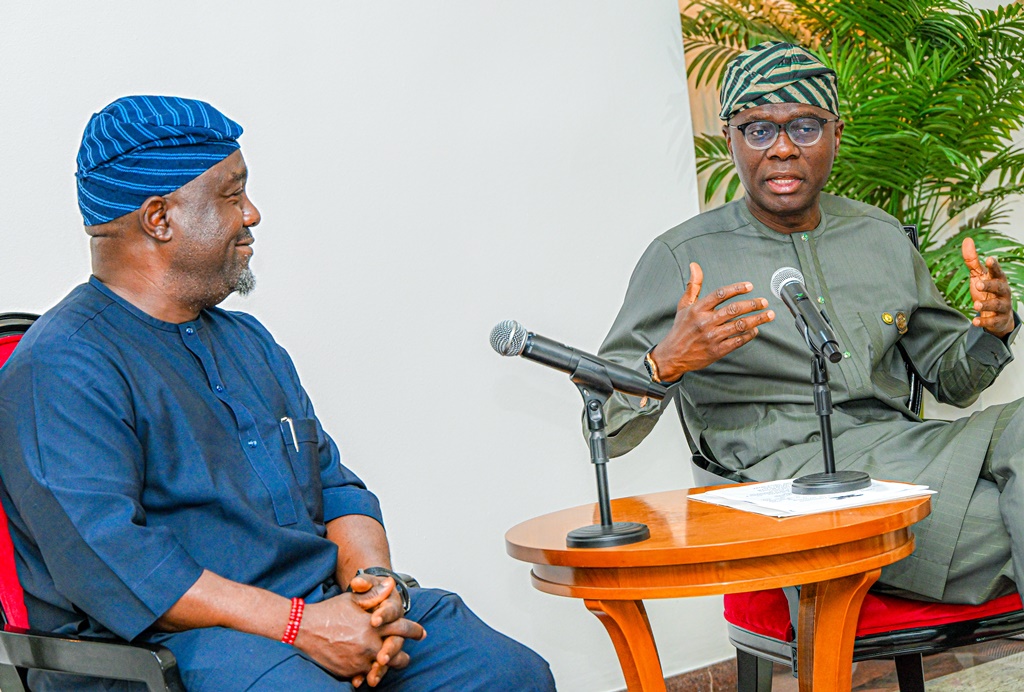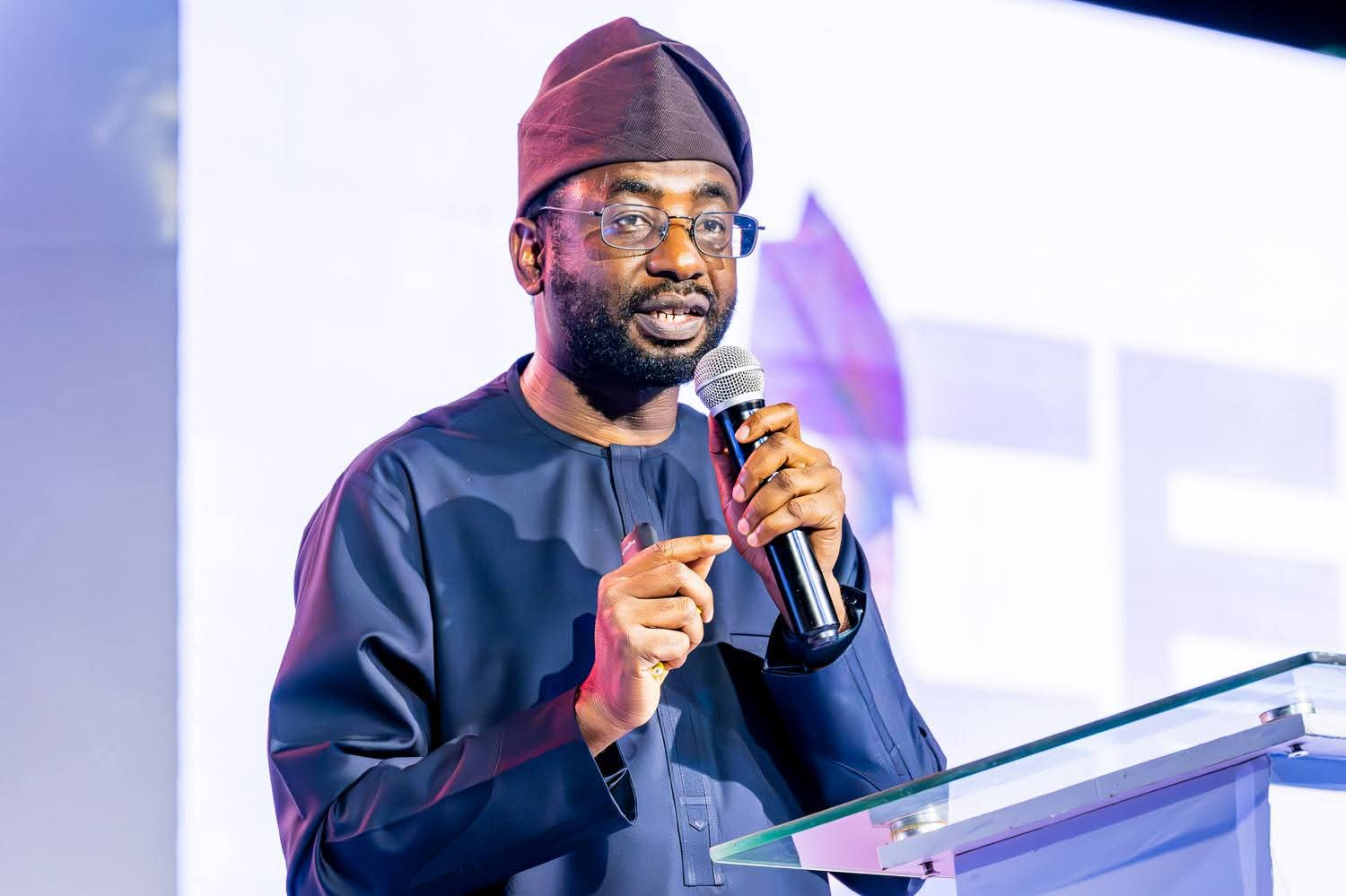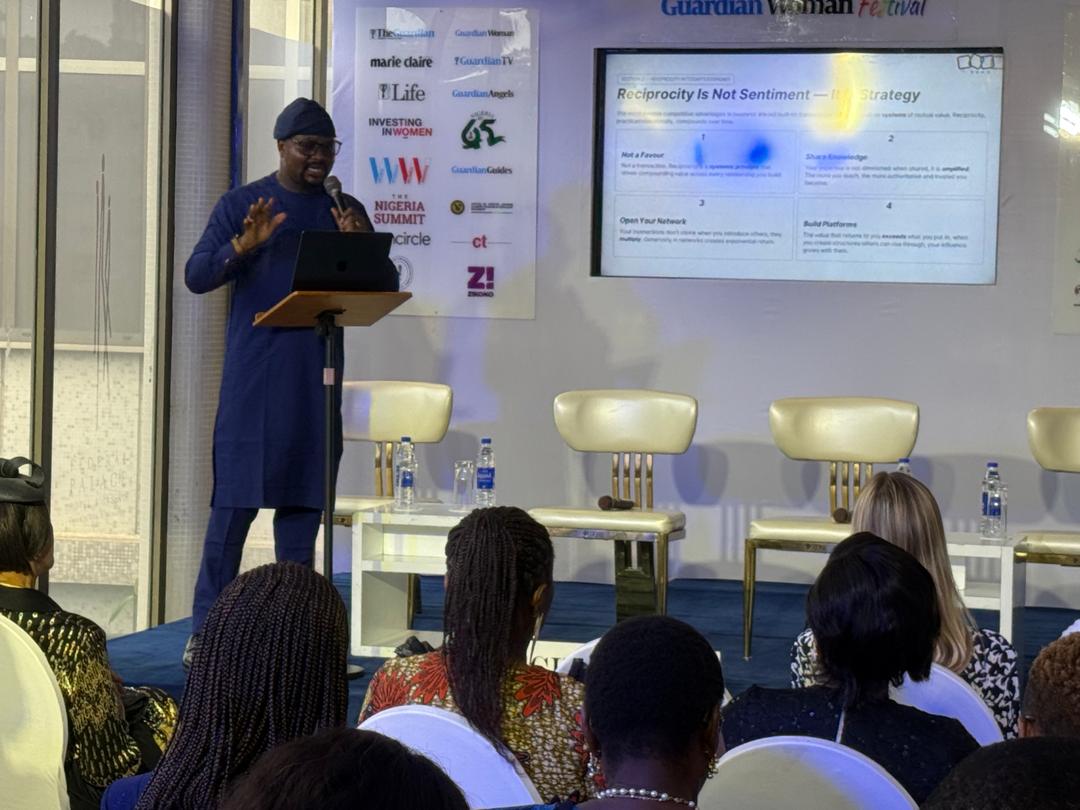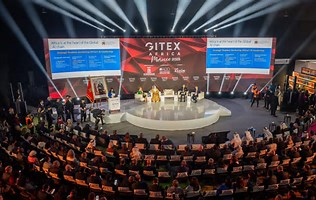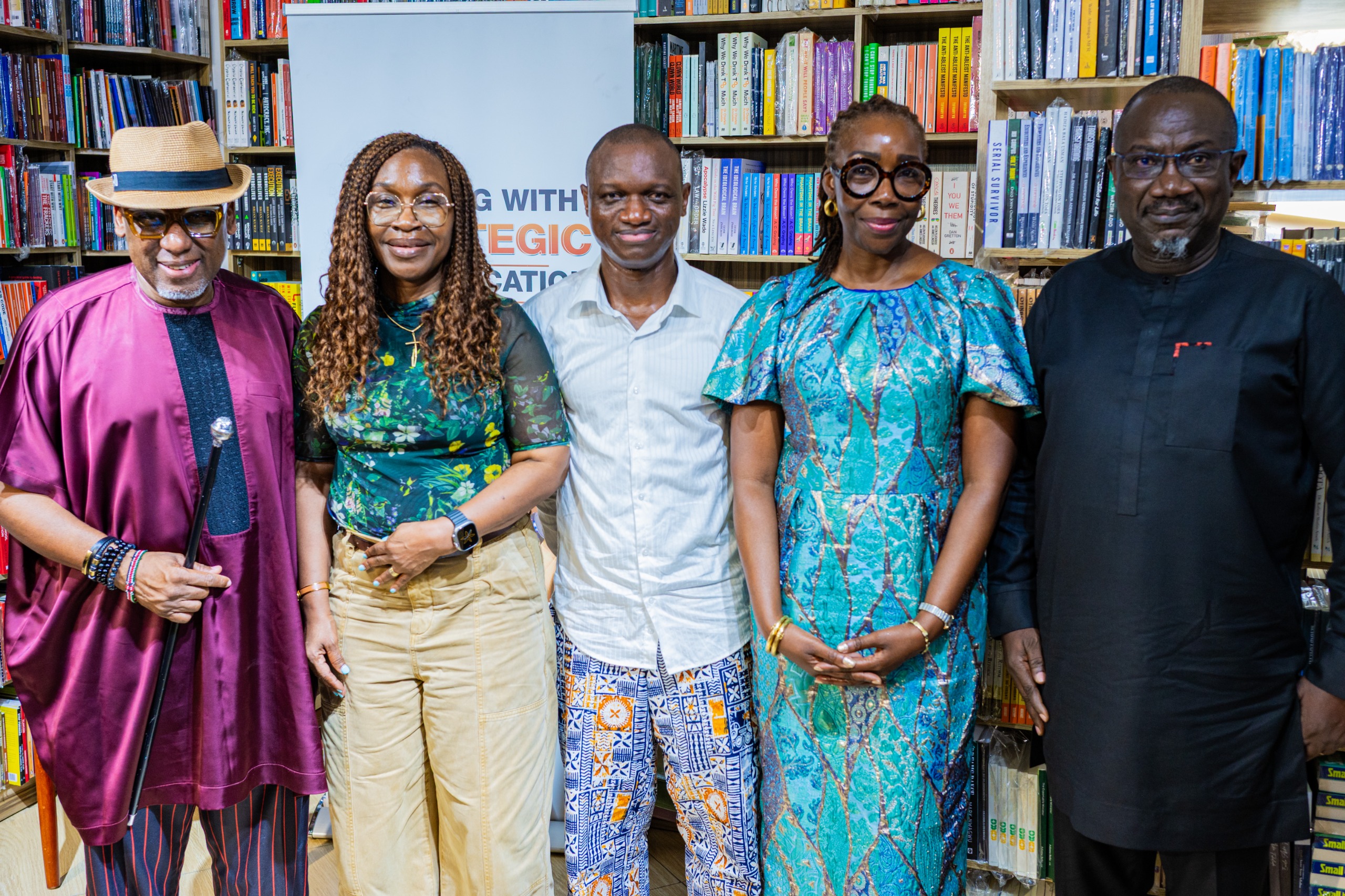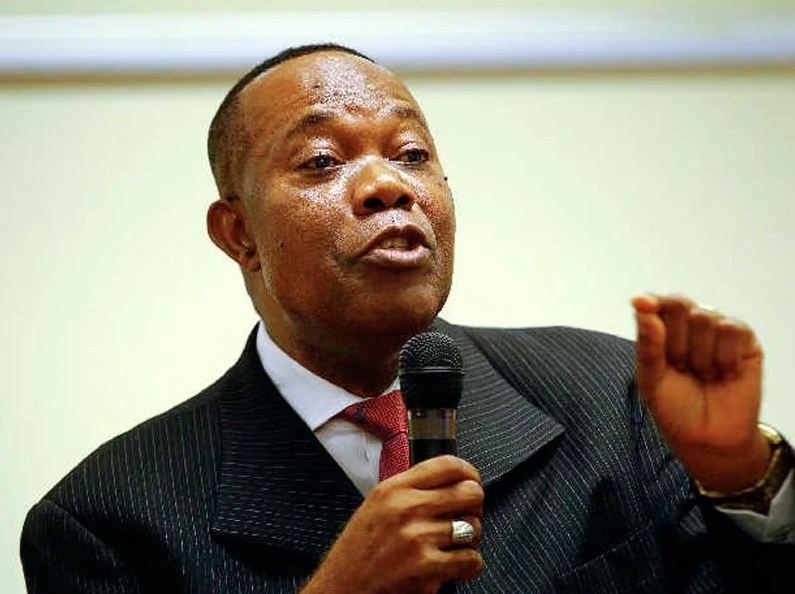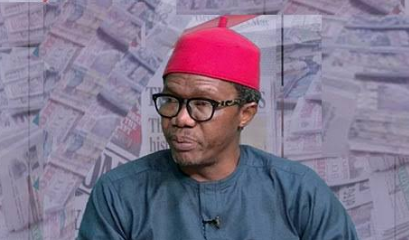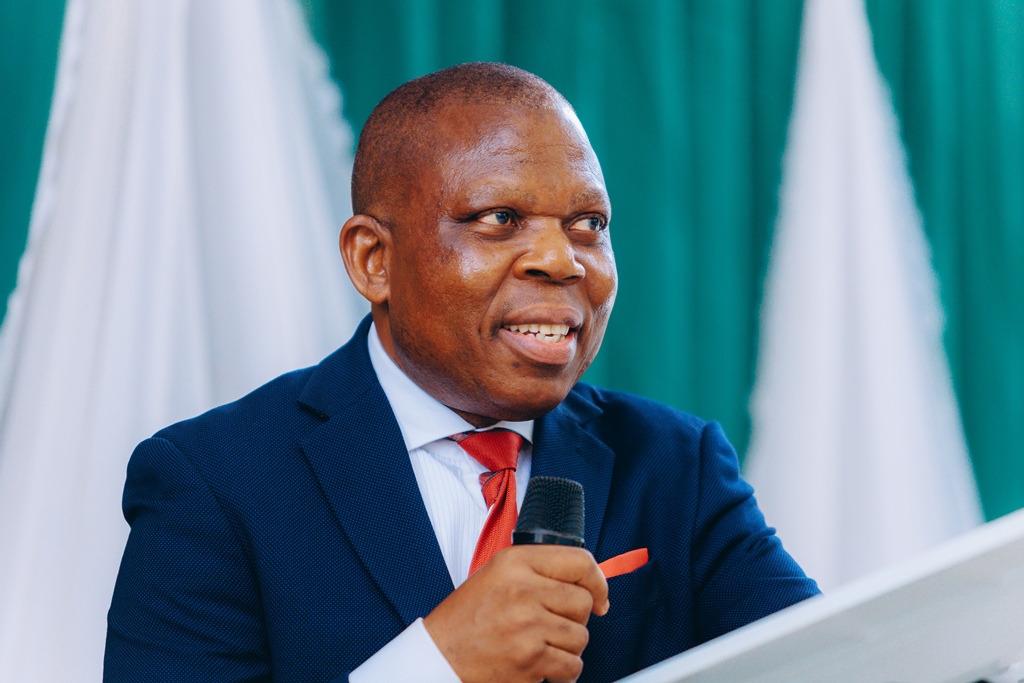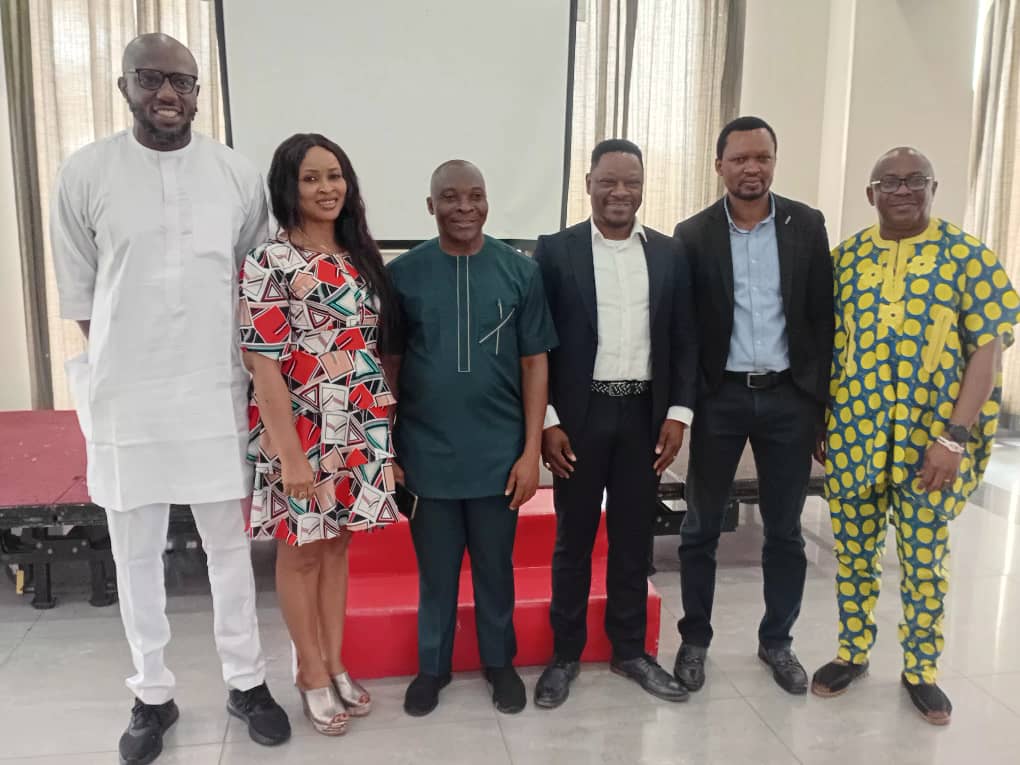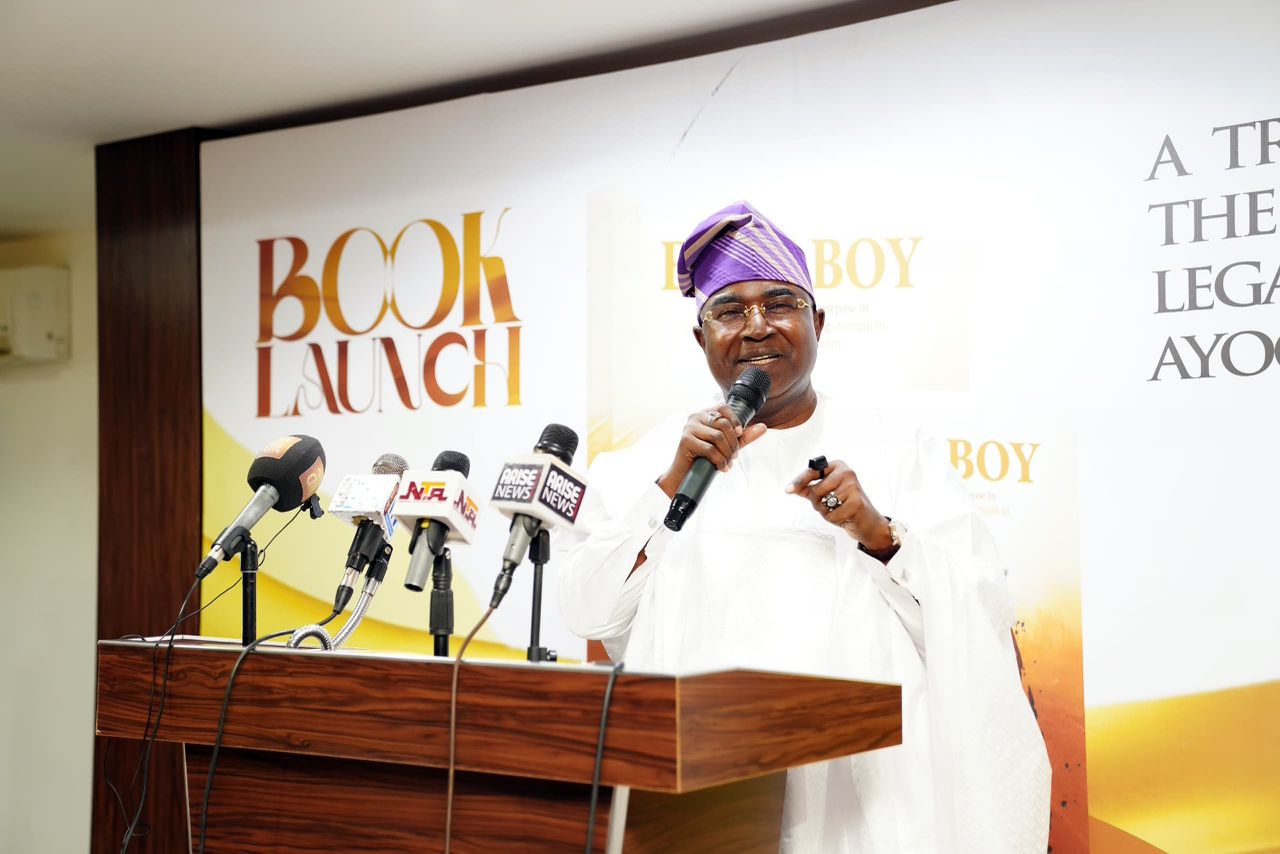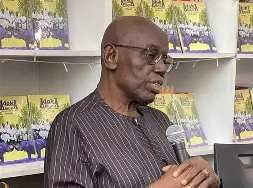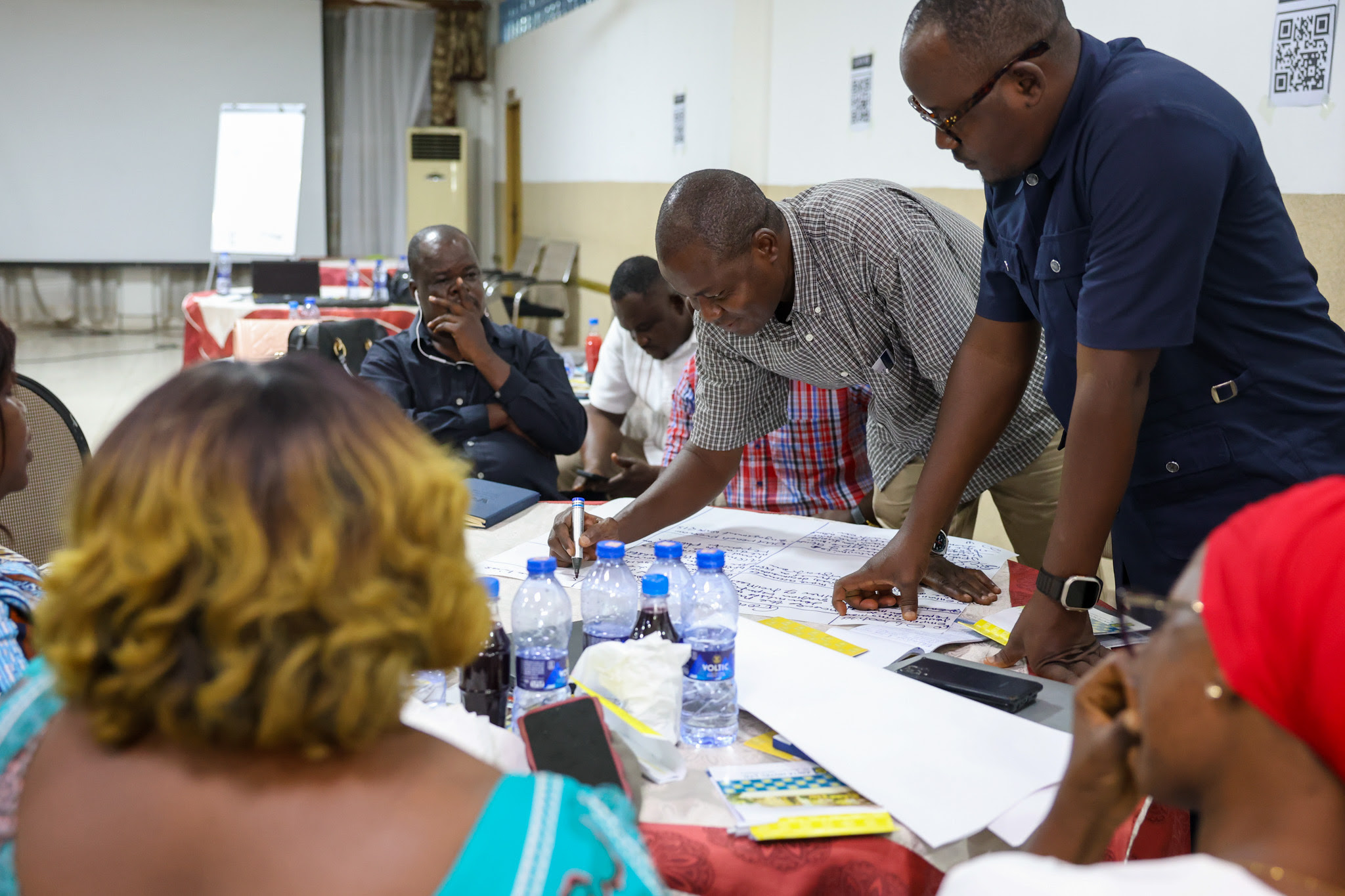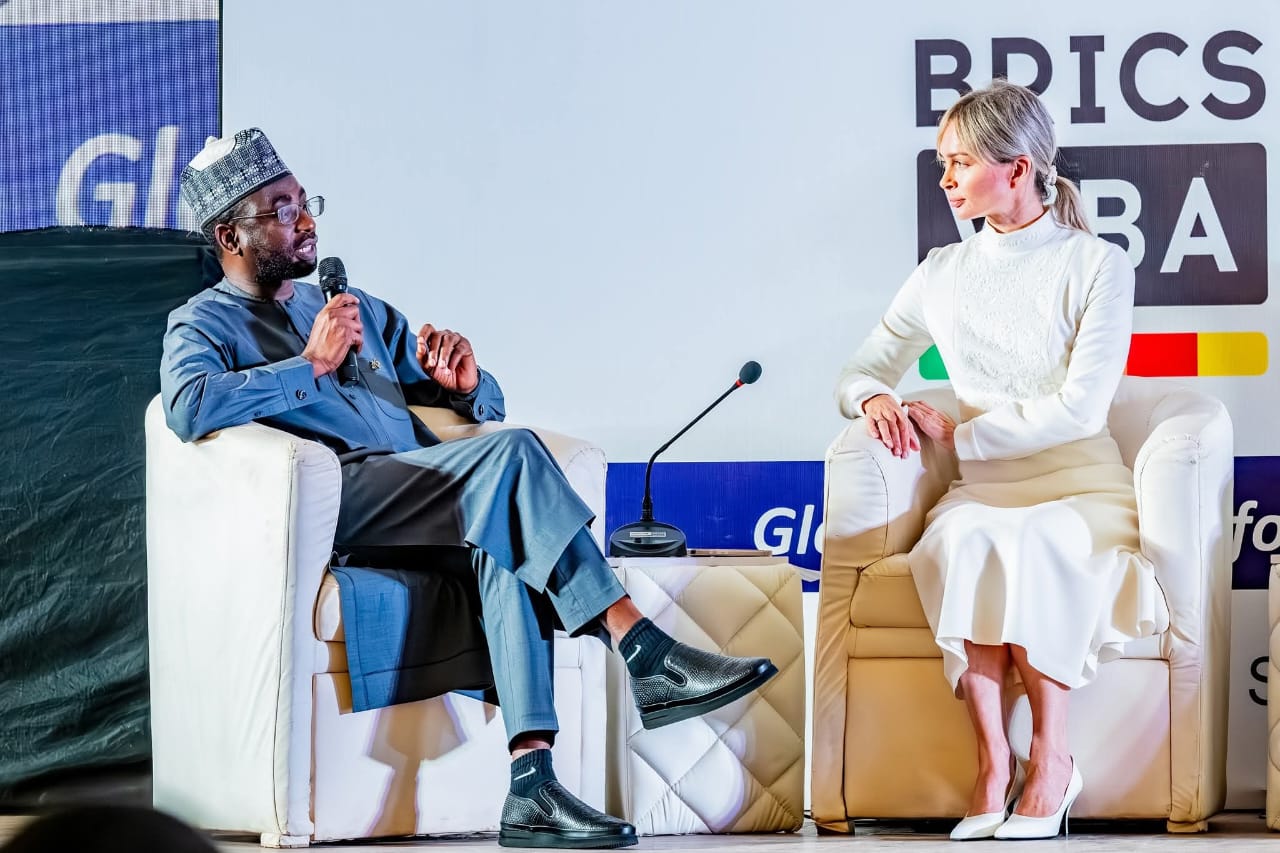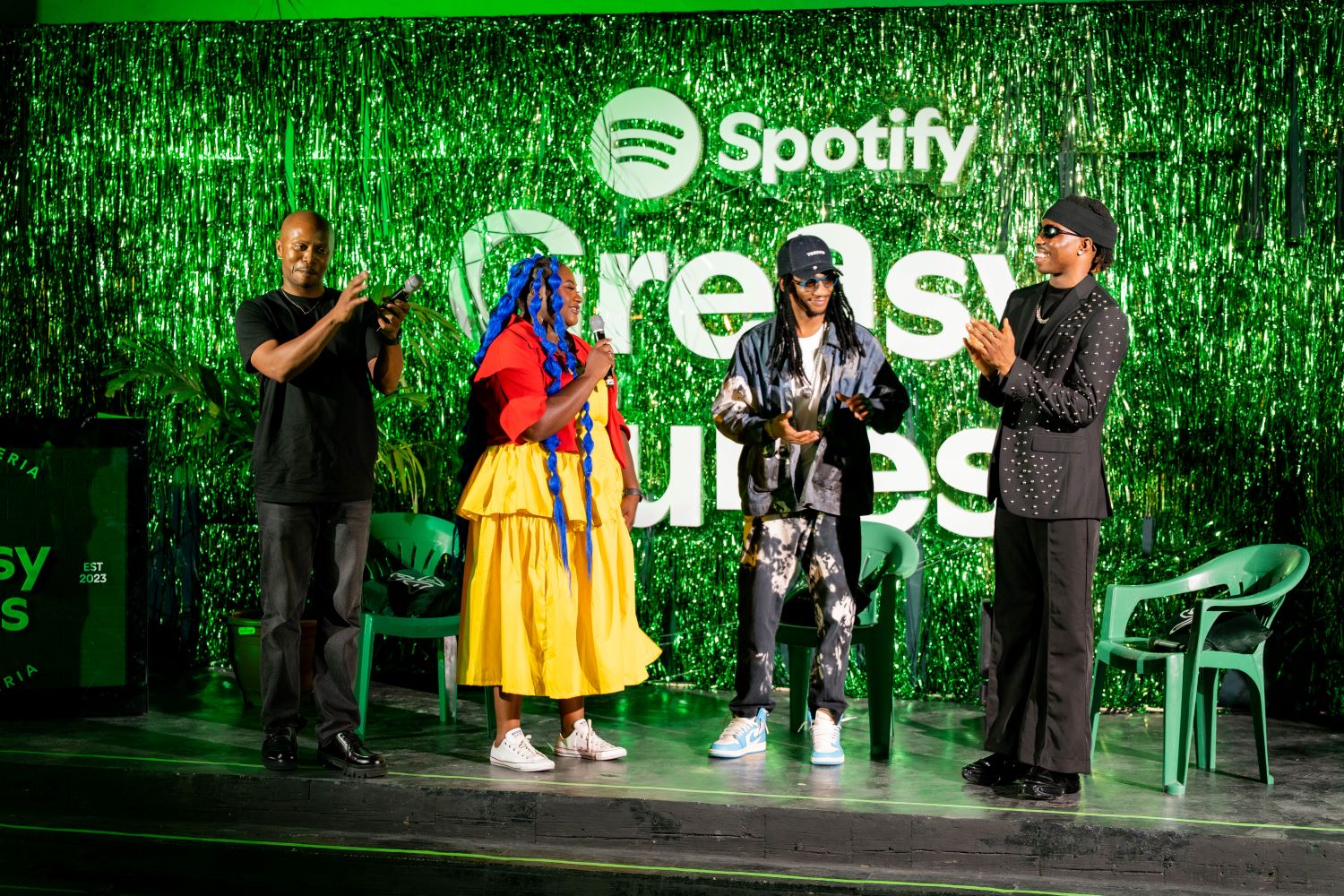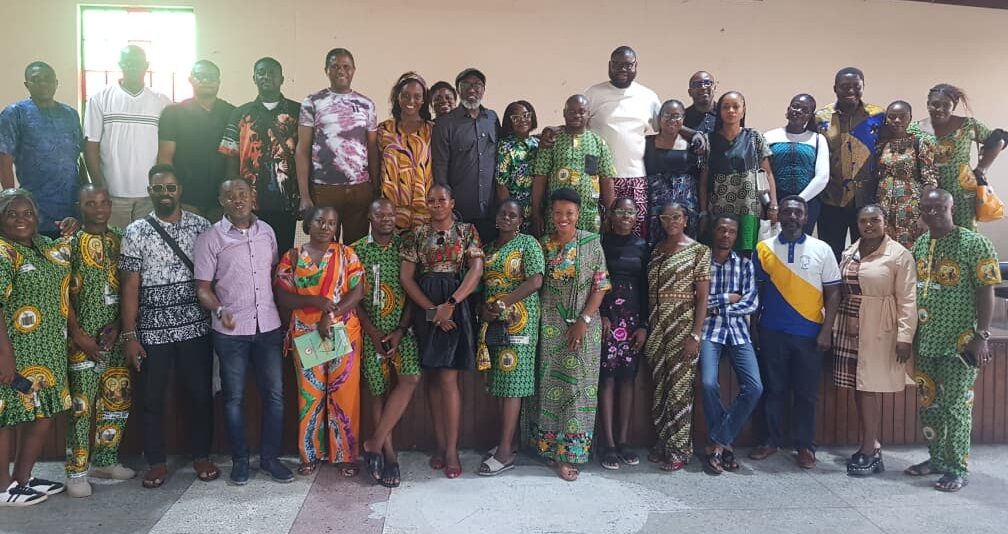
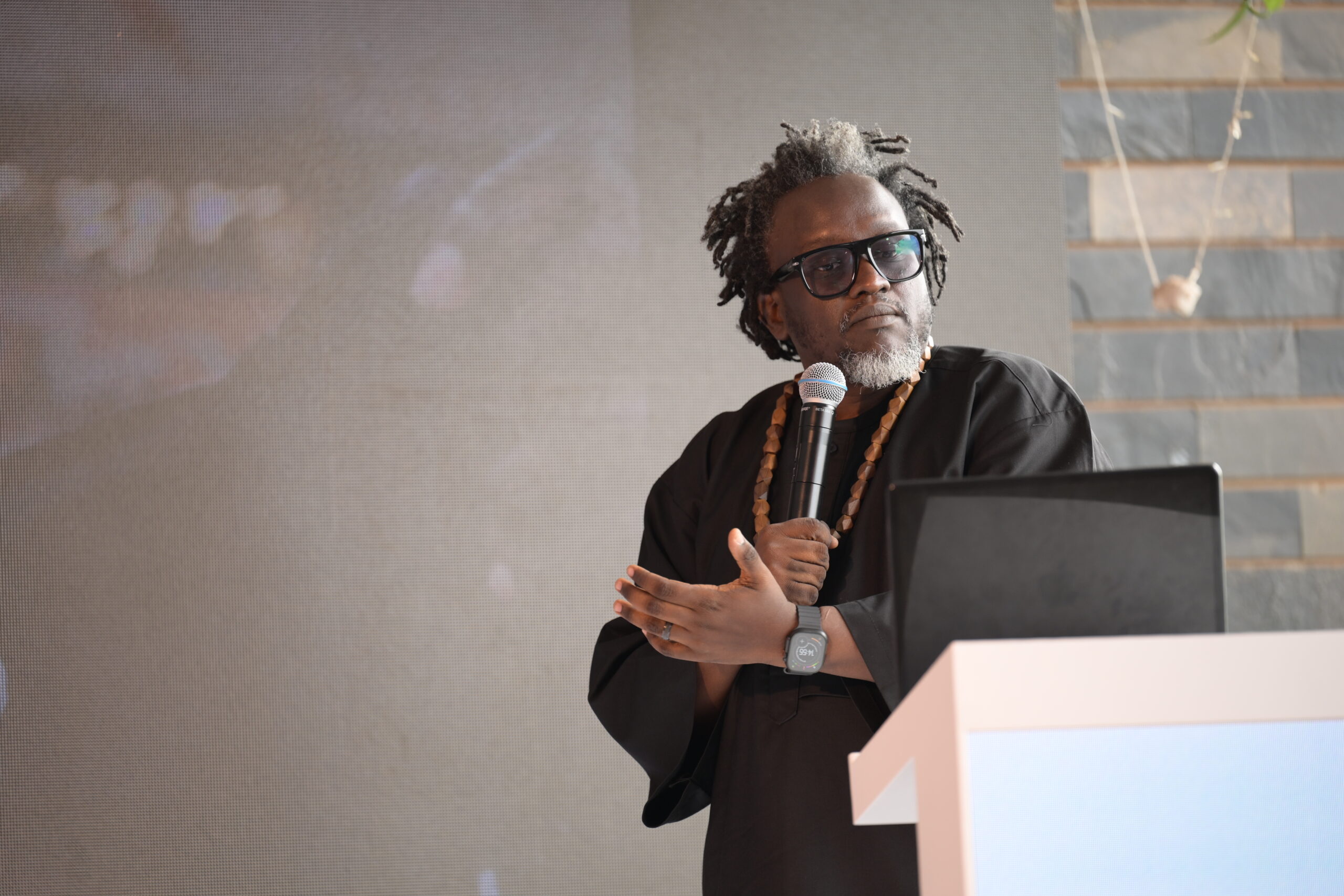
At the ongoing Voices in Motion Creative Summit, Emuron Alemu, Chief Creative Officer at The Quollective, led a session exploring the realities, challenges, and opportunities within the creative industry. He highlighted the importance of self-belief, sustainable career development, and positioning African talent for greater success on the global stage.
His insights come at a time when Africa’s creative economy is gaining momentum. Projected to reach $200 billion by 2030, the sector holds significant potential to drive economic growth, expand Africa’s global exports, attract strategic investment, and create employment opportunities.
The Power of Self-Belief
In Africa’s emerging creative economy, talent alone does not always determine how far a creative professional can go. Self-confidence, visibility, meaningful connections, and the ability to navigate the industry are equally important in building successful careers.
For Alemu, self-belief is one of the most valuable lessons he wishes he had learned earlier in his career.
Reflecting on the Kenyan and wider African creative industries, he noted that the continent has no shortage of talent, but the systems needed to support its growth remain underdeveloped.
“The talent is there, but the systems are yet to catch up. The gap between the two is a matter of belief and building,” he said.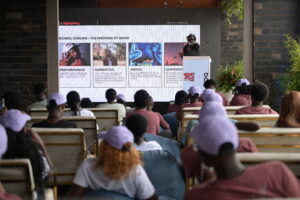
Building Systems That Support Africa’s Creative Talent
Alemu described the creative industry as fragmented, with pockets of excellence, emerging talent, and increasing international recognition existing alongside gaps in the infrastructure needed to connect them.
He stressed that building effective systems is essential to closing these gaps. Formal training, for instance, can give creatives an early advantage by helping them identify their strengths, define their areas of specialisation, and better understand how to navigate the industry.
Without these foundations, many creatives are left to figure things out independently, spending valuable time discovering their identities, understanding their value, and determining where they fit within the broader creative ecosystem.
Comparing Africa’s creative landscape with Western markets, Alemu observed that more developed talent pipelines often enable early discovery, professional development, and access to industry opportunities. In contrast, Africa’s existing infrastructure does not always provide adequate pathways for talent discovery, specialisation, career progression, and employment.
The goal, he explained, is not necessarily to replicate Western systems entirely, but to understand how a well-structured creative ecosystem can nurture talent and support long-term growth. For Kenya and the wider continent, developing such systems could be key to transforming individual creative success into a sustainable, thriving industry.
Alemu also welcomed growing interest from private investors in the creative sector, describing it as a positive step towards unlocking opportunities, strengthening industry infrastructure, and supporting homegrown talent.
Combined with deliberate government action to implement supportive policies, improve access to funding, and create an enabling environment, private investment could help position Africa’s creative economy as a competitive sector capable of generating jobs, attracting capital, and contributing to economic development.
Owning the African Story on the Global Stage
Looking 15 to 20 years into the future, Alemu envisions a thriving creative economy where fewer artists and content creators struggle to sustain their careers.
Achieving this vision, he suggested, will require the emergence of more top-tier creatives who can break barriers, influence the industry, and reinvest across the creative ecosystem to support its continued growth.
He also emphasised the importance of stronger partnerships between brands and creators. Creatives must build compelling personal brands and maintain professional standards, while institutions and businesses must recognise the value of working with them. These relationships should be built on trust, professionalism, and mutual benefit.
The growing recognition of African creative work at international platforms such as the Loeries and Cannes offers further encouragement. For Alemu, such achievements demonstrate that African talent belongs on the global stage. The next step is to strengthen the quality of the work, refine creative skills, and compete more confidently in international markets.
He urged young creatives to remain committed to their craft and actively pursue opportunities, noting that success requires consistent effort and a willingness to show up.
Alemu also believes the time is right for African storytellers to take a more prominent role in shaping global narratives. With major sporting events such as AFCON and the Formula One Grand Prix attracting international attention, the continent has opportunities to showcase its culture, perspectives, and experiences to wider audiences.
At a time when global audiences are constantly exposed to stories from different parts of the world, Africa has a wealth of untold and underrepresented narratives to offer. Alemu challenged storytellers to move beyond imitating Western approaches and instead develop distinctive perspectives and creative styles that resonate with both local and international audiences.
Ultimately, the opportunity extends beyond getting African stories onto global screens. It is about taking ownership of those narratives and influencing how the world sees, understands, and experiences the continent.
For Africa’s creative economy to reach its full potential, talent must be matched with the right systems, investment, professional opportunities, and a strong belief in the value of African creativity.