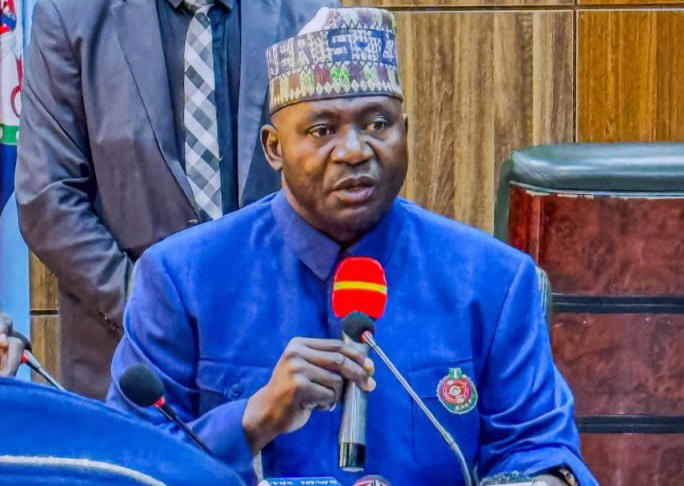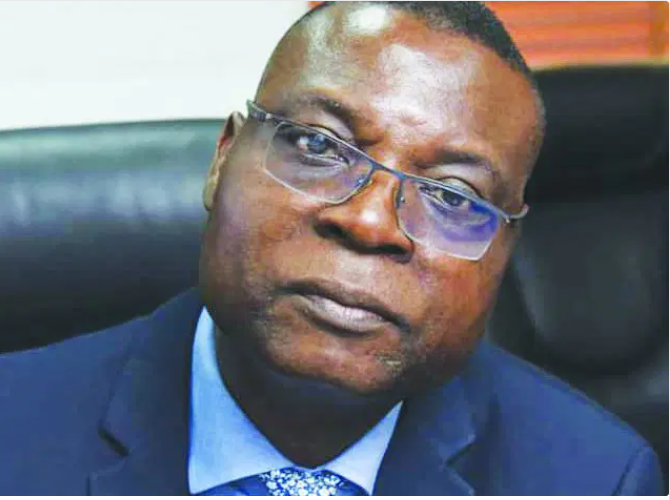

The Chairman of the Economic and Financial Crimes Commission (EFCC), Ola Olukoyede, has raised concerns over the diversion of students’ fees and other financial irregularities in Nigerian universities, warning that such practices are weakening the credibility of the country’s education system.
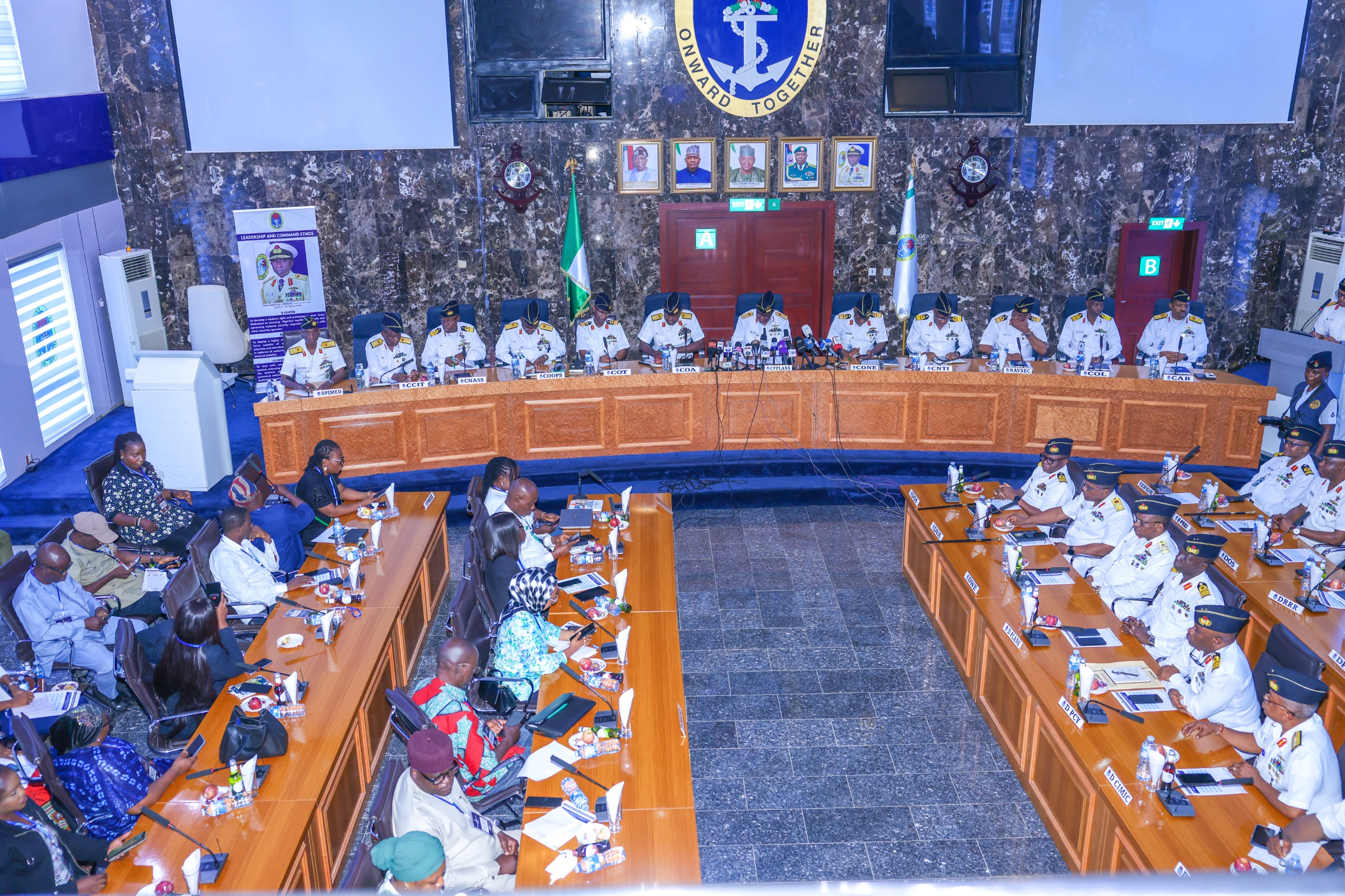
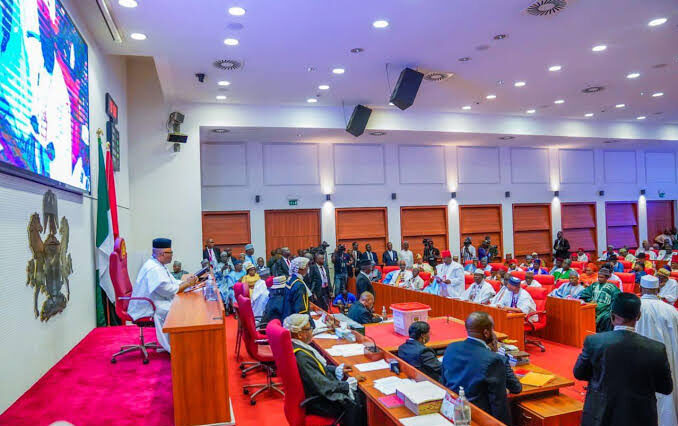
A statement issued by the commission’s spokesperson, Dele Oyewale, disclosed that Olukoyede made the remarks on Tuesday in Kano while delivering a keynote address at the 8th Biennial Conference of the Committee of Pro-Chancellors of State Universities in Nigeria.
He revealed that EFCC investigations have uncovered multiple cases of financial misconduct within tertiary institutions across the country, including inflated contracts, ghost workers, and diversion of students’ fees.
“The EFCC has investigated cases involving inflated contracts, ghost workers, and diverted students’ fees in tertiary institutions across the federation.
“Each case represented not only a loss of public funds but also a betrayal of the trust that Nigerian parents, students, and taxpayers have placed in the university system,” he said.
Olukoyede further noted that Nigerian universities oversee multi-billion-naira financial resources, including tuition payments, TETFund allocations, and research grants, but continue to face serious accountability challenges.
He therefore urged university administrators to embrace Artificial Intelligence in their financial and ethical governance systems as a means of curbing corruption, improving transparency, and strengthening institutional accountability.
EFCC Pushes AI Adoption to Tackle University Corruption
Describing AI as a critical safeguard against financial crimes, he warned that Nigerian universities risk falling behind global standards if they fail to adopt technology-driven governance practices.
“A university that lacks financial accountability cannot credibly train future accountants and auditors, and one that tolerates fraud cannot produce the ethical professionals our economy needs,” he said.
He outlined several areas where Artificial Intelligence could be deployed effectively, including fraud detection, automated auditing systems, payroll monitoring, procurement tracking, and academic integrity management.
The EFCC boss also called on governing councils to set up AI and digital governance committees, develop digital integrity frameworks, and invest in essential infrastructure such as broadband connectivity, cybersecurity systems, and cloud-based solutions.
While stressing the advantages of technology, Olukoyede cautioned that innovation alone cannot eliminate corruption without strong human integrity.
“No matter how sophisticated the technology might be, its effectiveness ultimately depends on the integrity of the human beings who will utilise the tools,” he added.
He further advocated stronger collaboration between universities, the EFCC, and other relevant agencies in areas of training and intelligence sharing, emphasizing that the fight against corruption requires collective responsibility.
Stay informed with the latest news, in-depth reports, and exclusive updates from across Nigeria and beyond. Visit LouisaOlaniyi.com.ng for stories that matter most.