- April 20, 2026
- Admin User
- 0
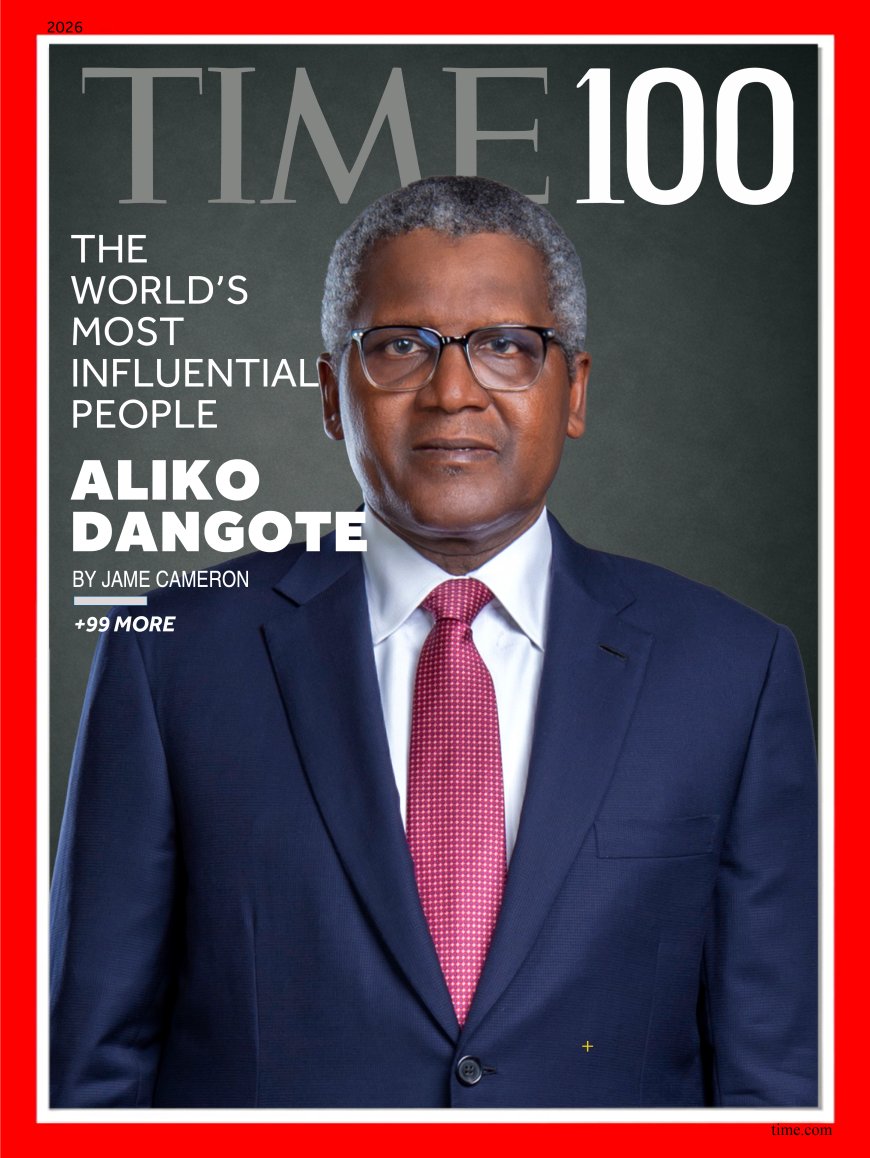
Nigeria has officially become a net exporter of petrol for the first time in its history, marking a major turning point in its long-standing dependence on imported refined fuel. The development ends a decades-long economic pattern in which Africa’s largest oil producer exported crude oil while relying heavily on imports of refined petroleum products at higher costs. According to the report, Aliko Dangote has played a central role in reshaping this structure through increased output from the Dangote Petroleum Refinery.
For over six decades, Nigeria’s oil economy was defined by a paradoxical system that began with the first commercial exports in 1958. Despite producing “Bonny Light” crude in large quantities, the country consistently depended on imported petrol due to limited refining capacity and inefficiencies in state-owned refineries established in the late 1980s. Historical trade data from 1960 to 2025 confirms that Nigeria never recorded a net surplus in refined petrol. This changed in March 2026, when figures showed exports of 44,000 barrels per day against imports of 41,000 barrels per day, officially marking the end of a 66-year dependency cycle.
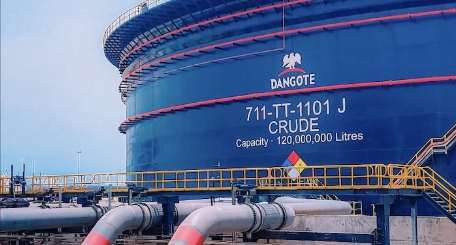
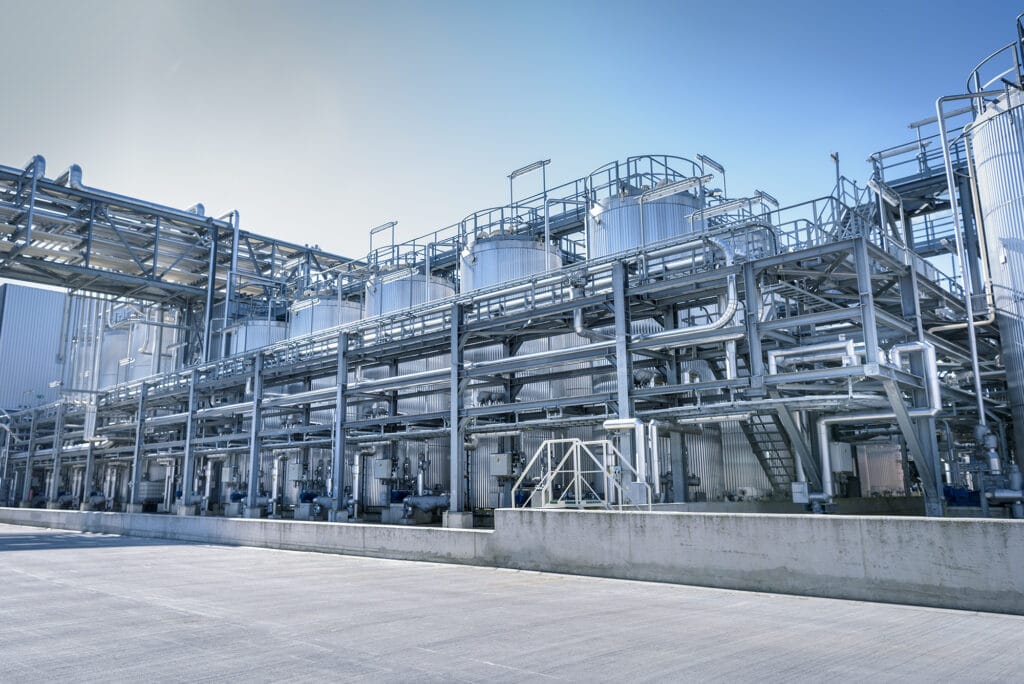
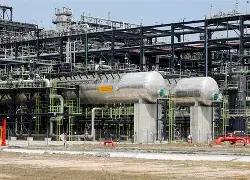
The Dangote Petroleum Refinery is identified as the key driver behind this transformation. With a capacity of 650,000 barrels per day, the facility has rapidly scaled up operations, reaching crude intake of about 565,000 barrels per day in March 2026. It is currently described as the world’s largest single-train refinery, and its performance has significantly strengthened Nigeria’s ability to refine and supply its own fuel needs.
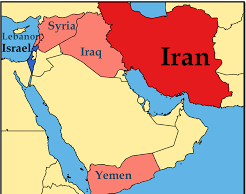
The timing of this shift is also linked to global energy disruptions, particularly the 2026 Strait of Hormuz crisis, which triggered major supply shortages in global oil markets. With Middle Eastern exports affected and Brent crude prices rising above $120 per barrel, Nigeria has positioned itself as a stable alternative supplier. This has strengthened domestic energy security while also opening export opportunities during a period of global volatility.
Nigeria Records Shift in Petrol Trade Balance and Exports
Regionally, Nigeria is expanding its influence across Africa through increased fuel exports. In early 2026, the refinery distributed about 456,000 tonnes of refined products to countries including Côte d’Ivoire, Cameroon, Ghana, Tanzania, and Togo. These transactions reflect a growing “Africa First” trade strategy, as neighboring countries seek more reliable and cost-efficient fuel sources within the continent.
Trade data further shows a shift in Nigeria’s import-export balance. In March 2026, petrol exports stood at 44,000 barrels per day, while imports dropped to around 41,000 barrels per day, the lowest recorded level in the country’s history. This resulted in a net surplus of 3,000 barrels per day, signaling a structural break from decades of import dependence. Market analysts also note that domestic refining is now steadily replacing foreign fuel supply.
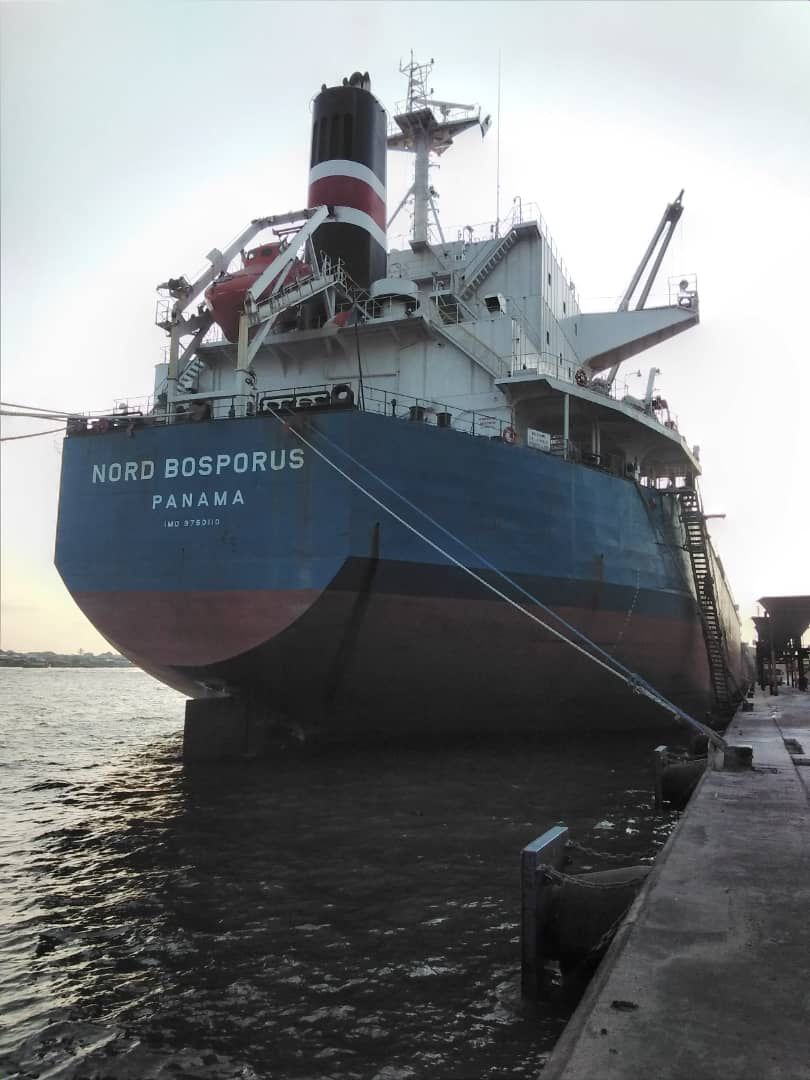
The refinery has also begun extending its reach into East Africa, with shipments such as a 317,000-barrel petrol cargo delivered to Mozambique, marking Nigeria’s first petrol export to the region. Additional deliveries are planned, highlighting growing demand for Nigerian refined products amid global supply uncertainties and shifting trade routes.
Economically, the shift to net exporter status is expected to improve Nigeria’s foreign exchange position by reducing dollar demand previously used for fuel imports. Analysts suggest this could ease pressure on the naira and contribute to broader macroeconomic stability, as export earnings begin to replace import-related outflows.
Nigeria Emerges as Key Player in Global Petrol Export Market
On the global stage, Nigeria’s entry into the petrol export market introduces new competition, particularly in Europe, where supply conditions are already tight. The country’s transformation from a major importer to an emerging exporter reflects a major structural shift in global energy flows.
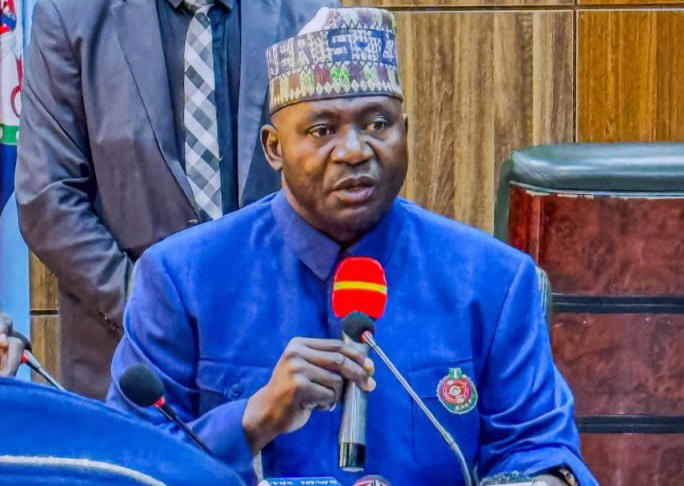
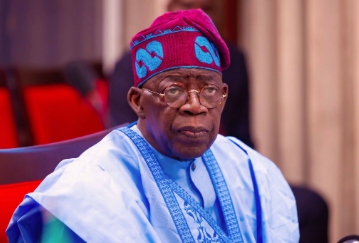
Policy reforms have also been credited for enabling this development. Dangote attributed the refinery’s success to government reforms aimed at improving investor confidence and supporting large-scale domestic refining projects. These reforms have helped increase production efficiency and boost output levels.
Domestically, the transition is still being managed alongside rising fuel prices influenced by global crude movements. However, with refinery utilization at over 93%, local supply has improved significantly, helping stabilize availability. Authorities also note that ending fuel subsidies has prevented major fiscal strain, freeing up resources for infrastructure development while maintaining daily supply levels estimated at over 34 million liters.
Across the continent, Nigeria’s refining capacity is reshaping energy trade networks. Countries such as Ghana, Cameroon, Côte d’Ivoire, and Tanzania are increasingly sourcing fuel from Nigeria instead of distant suppliers in the Middle East. This shift reduces logistics costs and strengthens regional energy integration under Nigeria’s growing influence as a central supply hub.
Looking ahead, plans are underway to expand the refinery’s financial footprint across Africa, including potential listings on multiple stock exchanges. This could position the business as the continent’s first pan-African public energy offering, further integrating regional markets and investment flows.
Overall, Nigeria’s transition to a net petrol exporter represents a historic structural shift in its energy economy. By refining more of its crude domestically and reducing dependence on imports, the country is repositioning itself as a key player in global and African energy markets, marking a new phase of industrial and economic independence.
Stay ahead of breaking developments and in-depth analysis shaping Nigeria and beyond. Visit LouisaOlaniyi.com.ng for more updates like this, news, insights, and expert coverage.