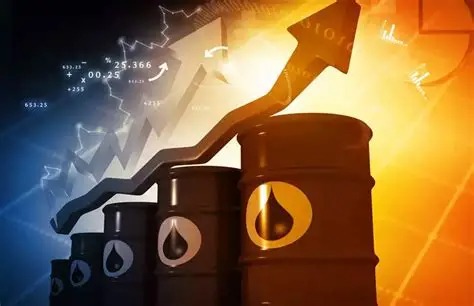
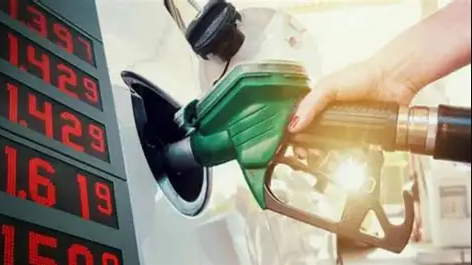
The price of Premium Motor Spirit (petrol) has increased by about 643 per cent over the past three years, rising from N175 in May 2023 to around N1,300 by May 2026, according to market findings.
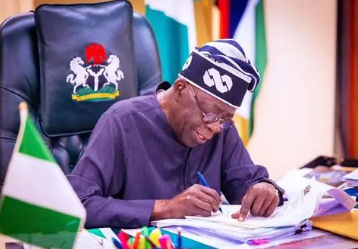
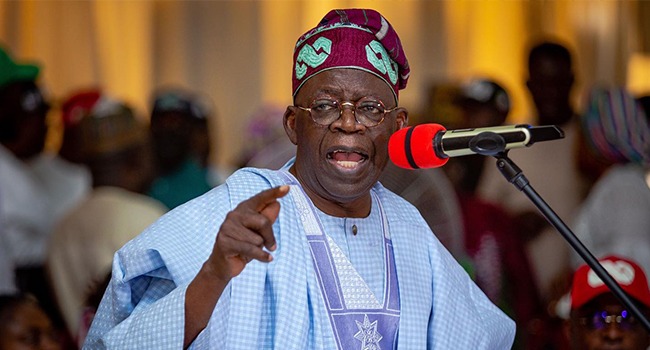
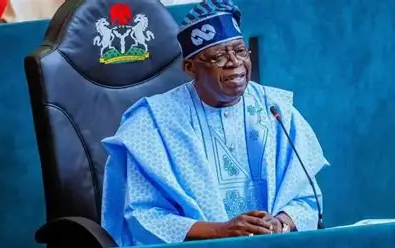
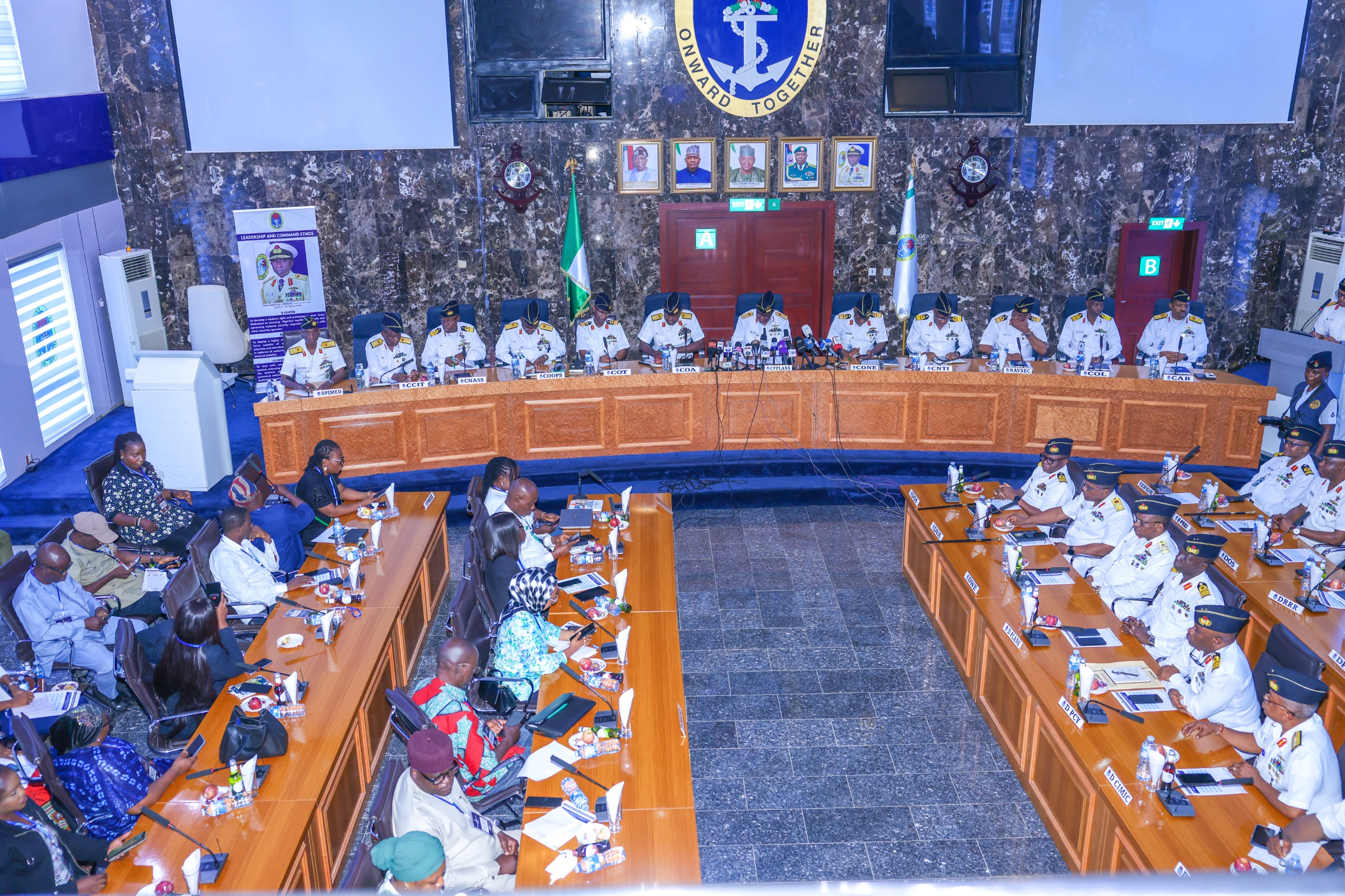
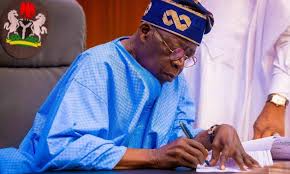
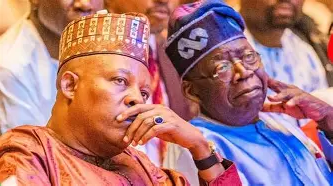
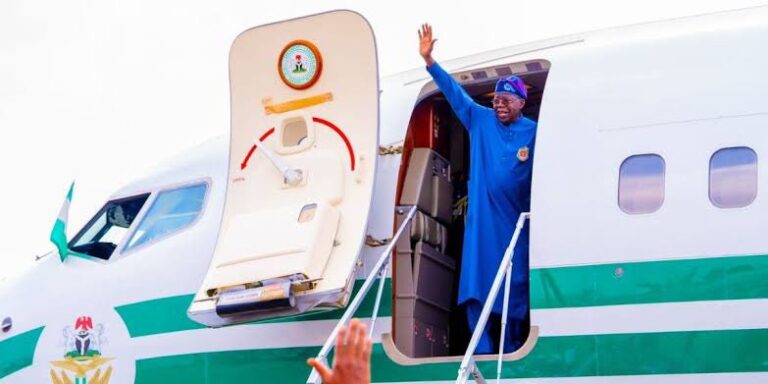
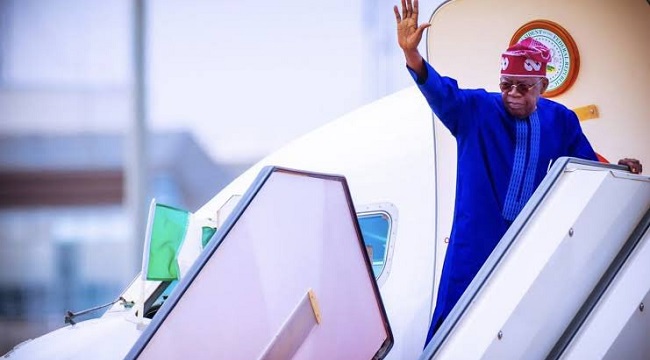
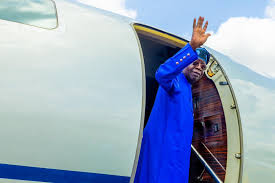
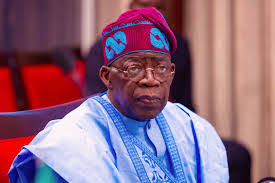
Reports indicate that the sharp rise followed the removal of fuel subsidy by President Bola Tinubu immediately after his inauguration on May 29, 2023, alongside pressure from naira depreciation, which further increased the cost of imported fuel and pushed prices beyond the reach of many consumers.
In the early phase of the policy shift, petrol prices jumped quickly from about N175–N200 to over N500 per litre, with the Nigerian National Petroleum Company Limited adjusting pump prices as it remained the major importer at the time.
The Federal Government’s decision to float the exchange rate in June 2023 also contributed to further increases, pushing petrol prices above N1,000 per litre in some periods as market realities reflected import and landing costs.
At the same time, the Nigerian National Petroleum Company Limited reportedly operated an “implicit subsidy” arrangement described by the International Monetary Fund as an under-recovery system, where fuel was sold below landing cost with expectations of government reimbursement. Former NNPC Chief Financial Officer, Umar Ajiya, explained the mechanism by stating, “In the last eight to nine years… what has been happening is that we have been importing PMS, which has been landing at a specific cost price, and the government tells us to sell it at half price. So, the difference between the landing price and that half price is a shortfall…”
Geopolitical Tensions Push Petrol Prices Above N1,300
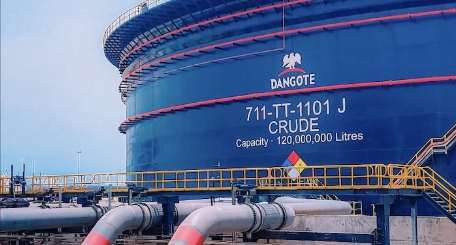
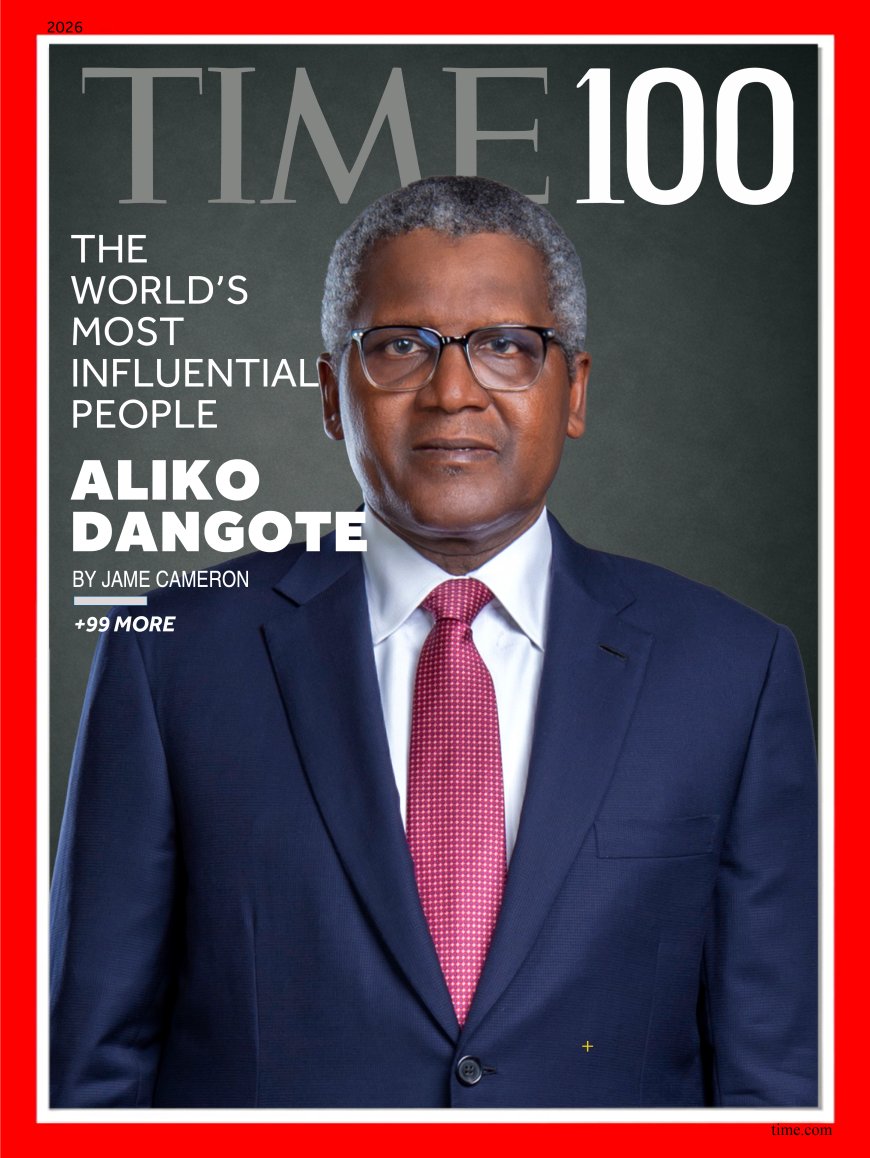
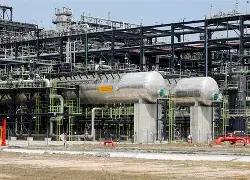
Following this arrangement, petrol prices later climbed to about N1,080 per litre, a period that coincided with the introduction of the Dangote Petroleum Refinery into the downstream sector. The refinery later influenced market pricing, initially reducing pump prices to between N800 and N900 before global developments altered the trend.
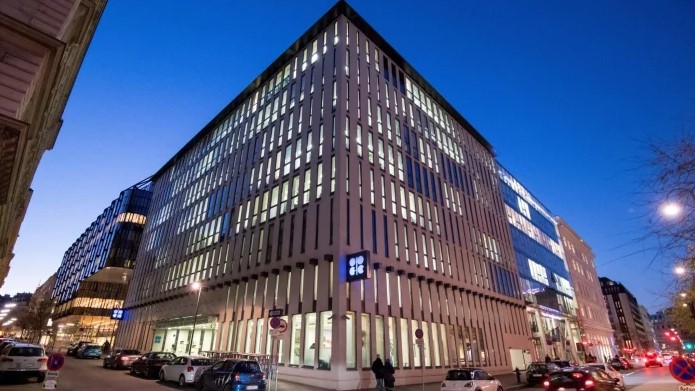
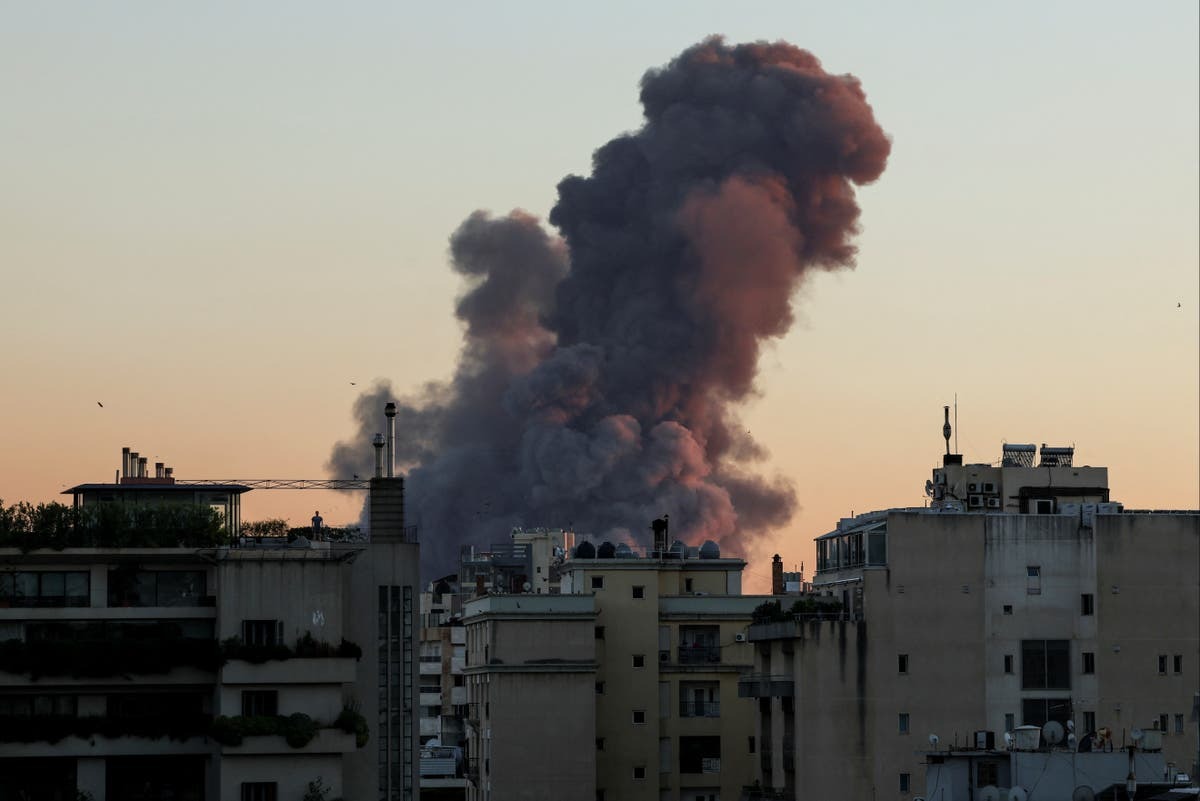
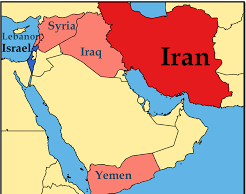
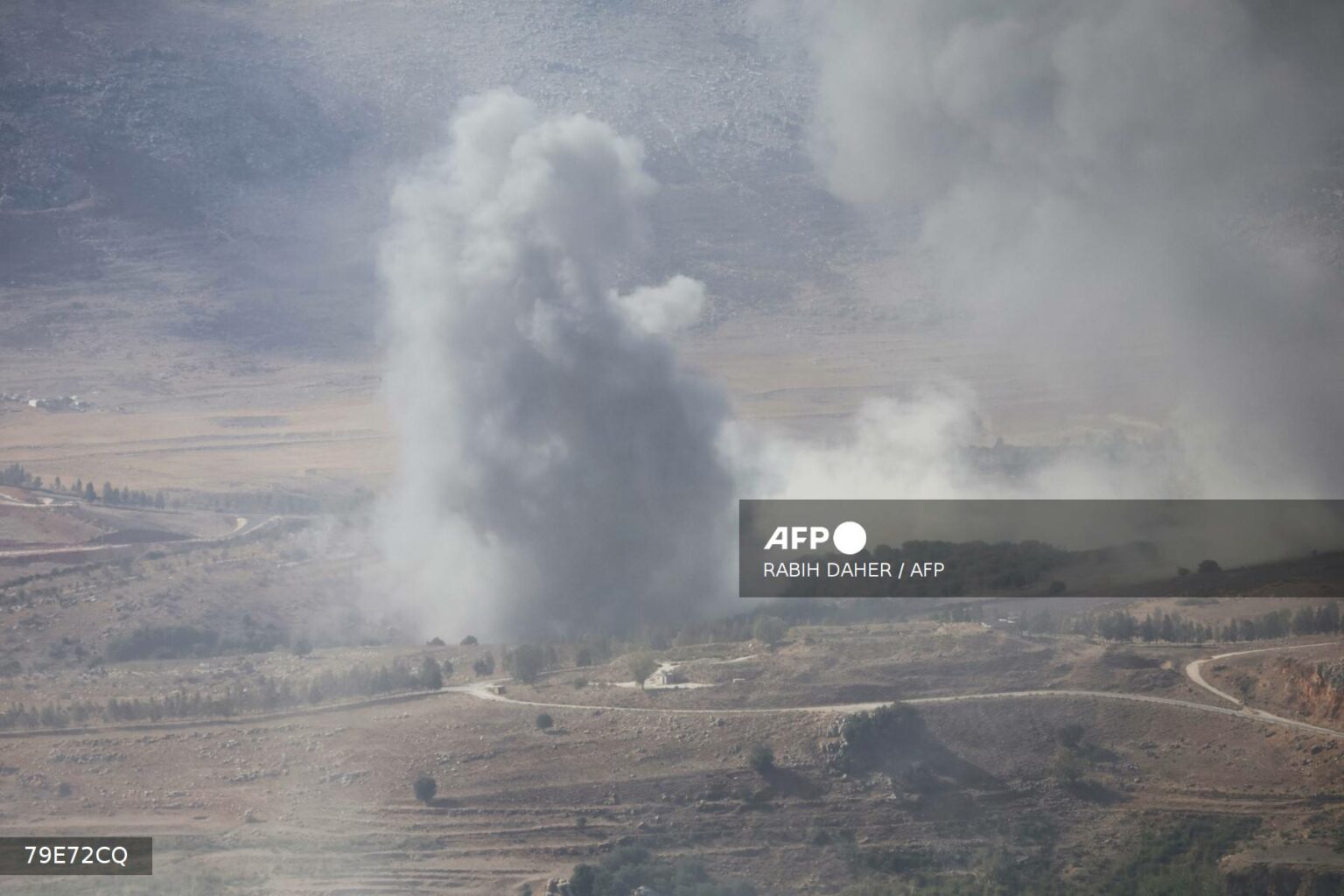
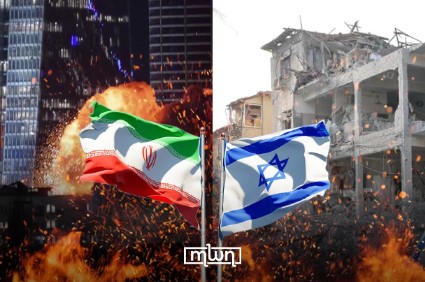
Market disruptions linked to geopolitical tensions, including the US-Iran conflict that began in February 2026, contributed to further increases, with gantry prices adjusted repeatedly and retail pump prices rising again to around N1,300 and above in several locations.
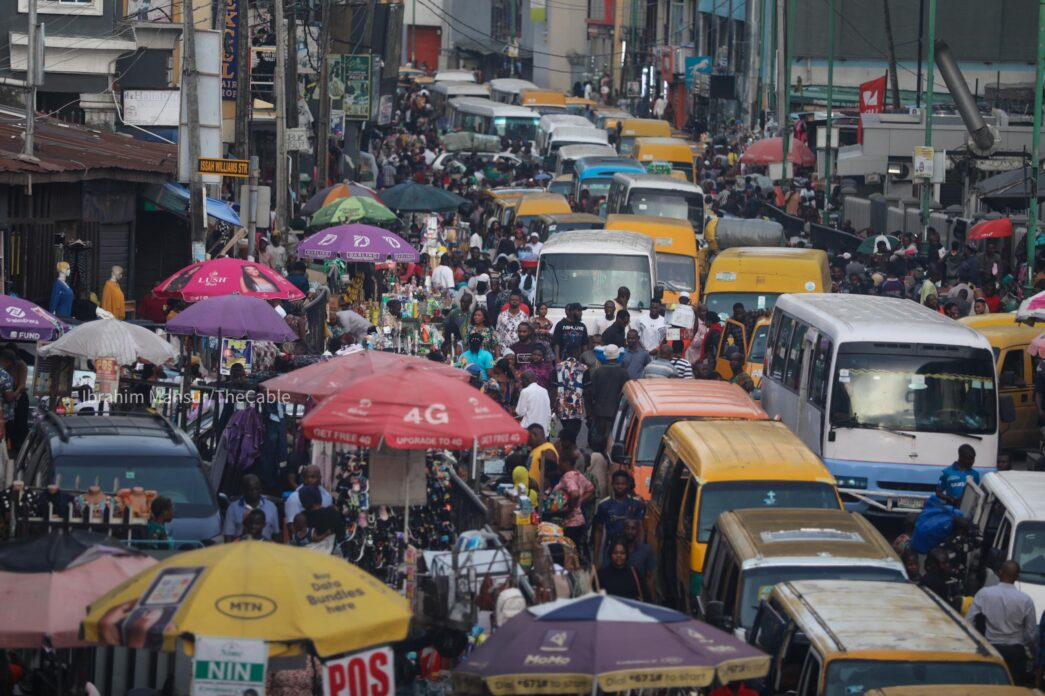
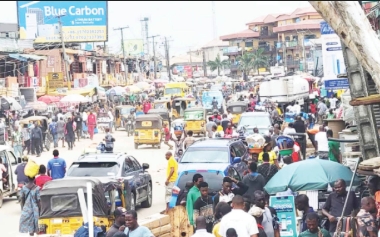
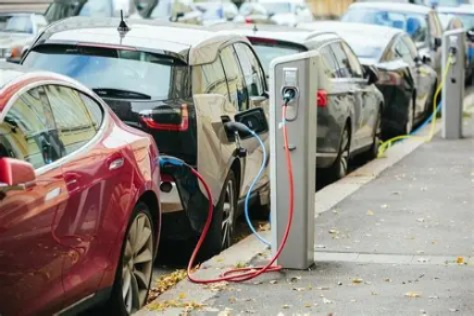
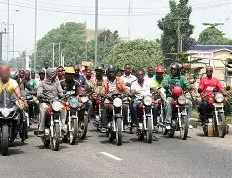
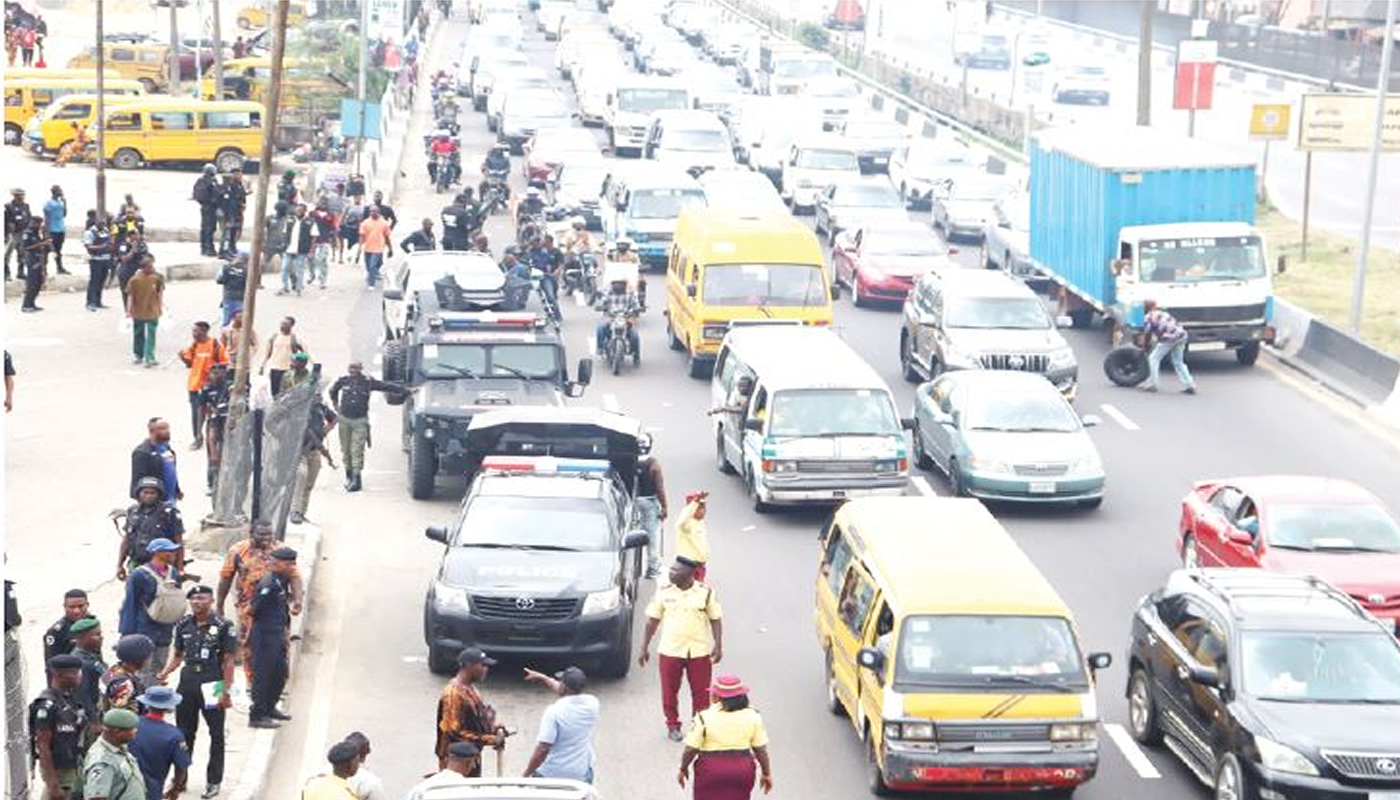
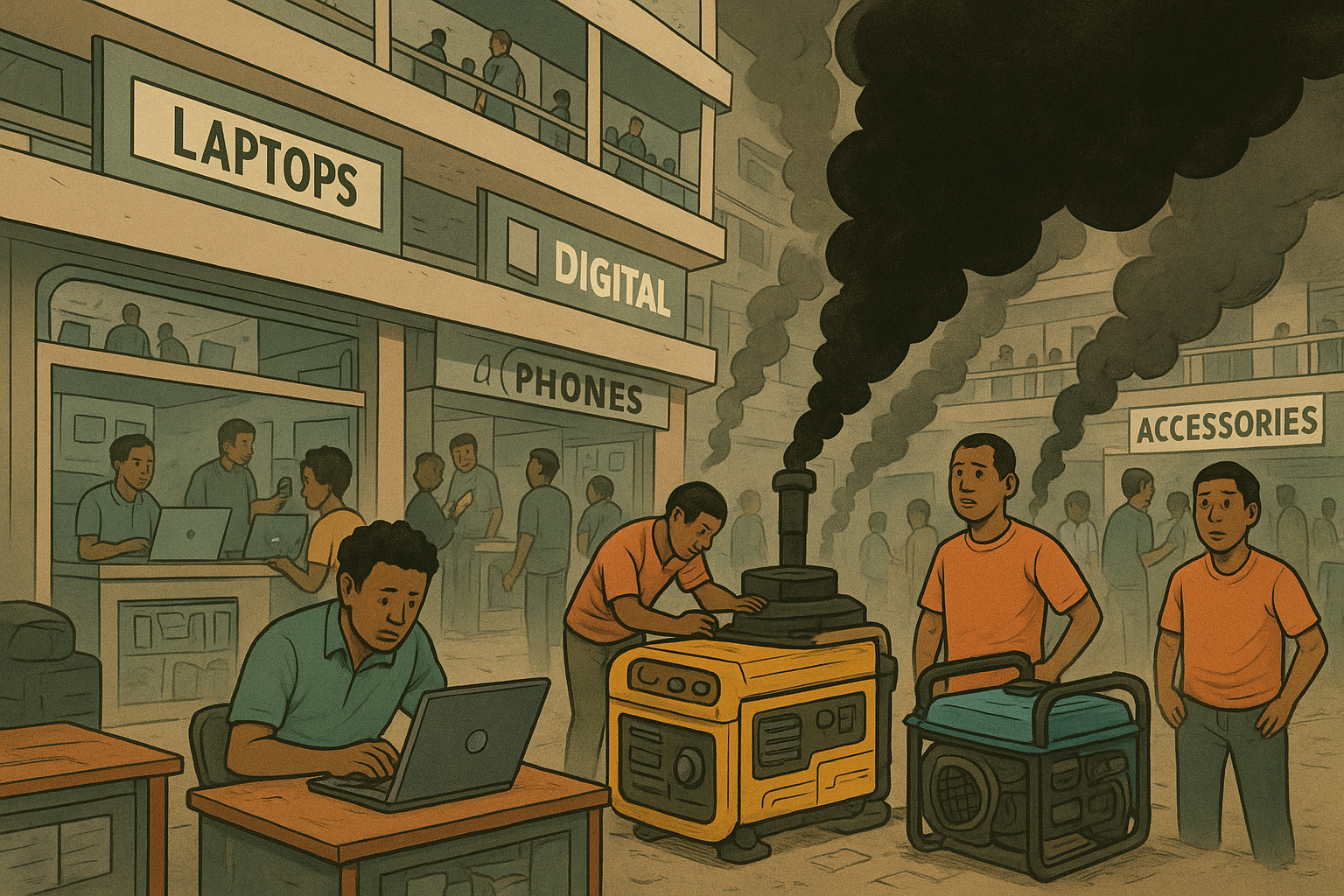
The latest surge has added pressure to inflation, transport fares, and the cost of goods and services nationwide, despite government efforts to cushion the impact through initiatives such as the Presidential Initiative on Compressed Natural Gas (CNG), which is aimed at promoting alternative energy use.
Economists and industry stakeholders have continued to call for stronger intervention measures, including targeted cash transfers to vulnerable citizens, warning that rising fuel costs are worsening living conditions, particularly for low-income households and informal sector workers.
The Federal Government, however, has maintained that it will not return to fuel subsidies or introduce price controls, insisting on a market-driven approach to the petroleum sector as part of broader economic reforms.
Stay informed with more updates, in-depth reports, and breaking news across Nigeria and beyond. Visit LouisaOlaniyi.com.ng today for continuous coverage and the latest stories as they unfold.