
The West African Examinations Council (WAEC) has maintained that there was no leakage of question papers during the 2026 West African Senior School Certificate Examination (WASSCE), despite the logistical challenges that affected the conduct of some papers in parts of Nigeria.
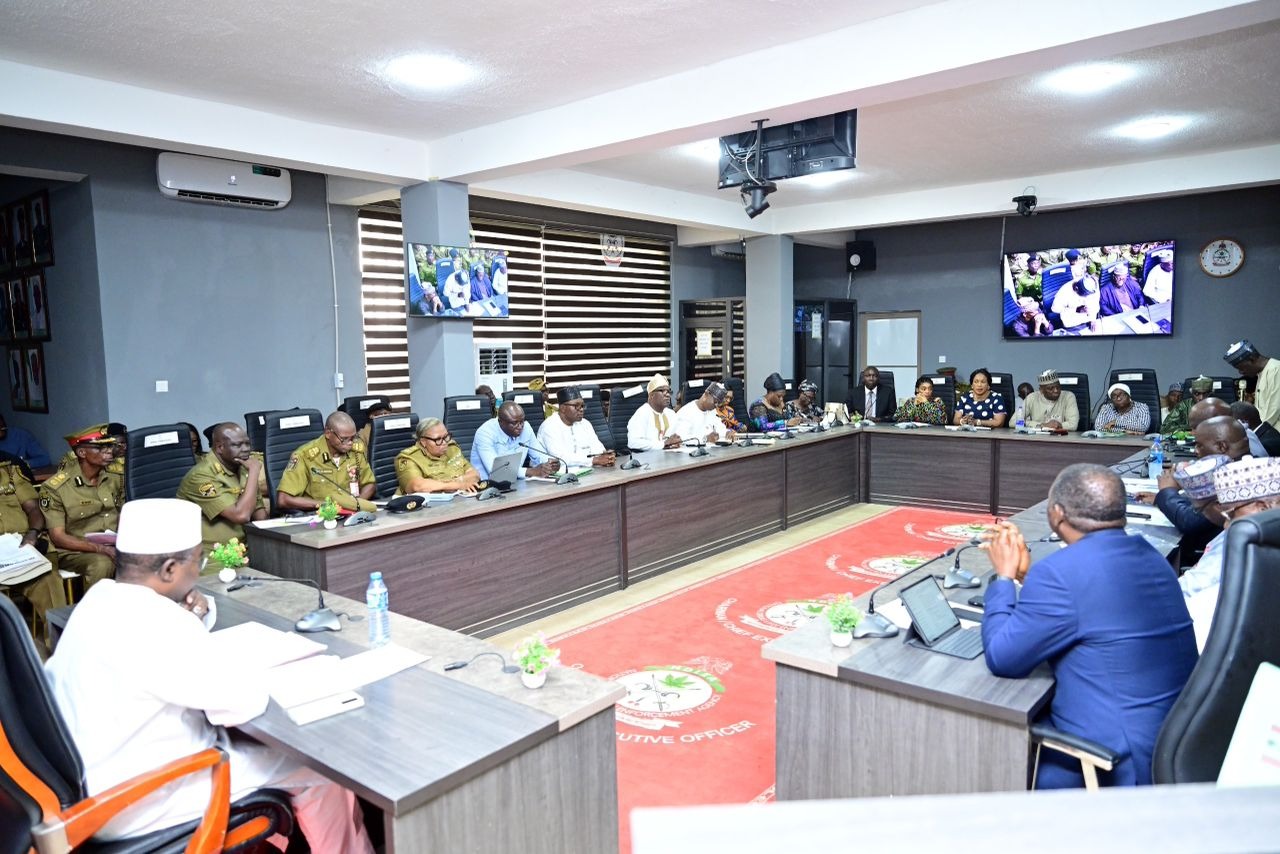
The Head of the Nigeria National Office of WAEC, Amos Dangut, made the clarification on Thursday during a visit by the national leadership of the National Association of Nigerian Students (NANS), led by its Secretary General, Oladimeji Uthman, to the council’s headquarters in Yaba, Lagos.
The 2026 WASSCE was marked by delays in the conduct of the Mathematics and Agricultural Science papers in several states, with some candidates writing examinations late into the evening after question papers and answer booklets arrived behind schedule.
WAEC had earlier attributed the delays to a combination of logistical and operational challenges following a fatal road accident along the Gombe-Yola highway, which claimed the lives of three of its officials who were on examination duty.
Addressing the concerns, Dangut stressed that although the council encountered security, logistics and other operational challenges, the integrity of the examination remained intact.
He credited newly introduced innovations, including enhanced cyber monitoring, for significantly reducing examination malpractice and preventing question papers from leaking online.
Dangut said, “This year, I want to sound it clear and loud that the rate of examination malpractice diminished greatly. The extent and nature of our examination papers flying up and down on the internet were greatly diminished.
“As far as our cyber monitoring team was there and the comments and testimonies we received from stakeholders outside WAEC, there was no leakage in this examination.”
He further assured candidates that the operational issues experienced in a few states would not affect their performance or the credibility of the examination.
“Whatever glitch that may have been observed in a few states, we have a system that can take care of every glitch. It will never go undetected and uncorrected. There will be no effect whatsoever on the performance of the candidates because we have ways of tackling each issue as it arises,” he said.
Dangut explained that one of the major factors responsible for the logistical setbacks was the late completion of candidate registration, which followed adjustments to the national curriculum.
According to him, the intervention of the Federal Ministry of Education extended the registration period until April, leaving the council with limited time to complete printing and other preparations before examinations commenced in May.
“Registration was concluded in April. From April to when examinations started in May, how can we do magic? The printing was affected due to timeliness, not because WAEC was not prepared,” he said.
To prevent a repeat of the situation, Dangut announced that registration for the 2027 school candidates’ WASSCE would begin in September and close in December 2026, allowing the council more time for planning and logistics.
He also reaffirmed WAEC’s commitment to expanding the Computer-Based WASSCE, describing it as the long-term solution to examination malpractice and question paper leakage.
“This CB-WASSCE is the only way that will solve all these issues. It ensures that question papers are released at the right time because there is no need to transport question papers to examination centres,” he said.
Dangut explained that the greatest risk to examination papers often begins after they are handed over to supervisors for distribution to distant examination centres, a challenge that computer-based testing is designed to eliminate.
He disclosed that WAEC now operates a cyber monitoring centre capable of tracking examination malpractice as it occurs.
“We now have a cyber monitoring centre that can tell where examination malpractice is taking place, and we talk to them immediately, directly, bringing them to order,” he said.
FG, WAEC Highlight Progress Against Exam Malpractice
The WAEC boss also criticised attempts by some individuals to question the council’s handling of the examination, describing such reactions as politically motivated.
“It is disheartening to see some people trying to play politics with realities with what happened. We are all witnesses to what happened and how WAEC rose to meet the challenges in conducting the examination,” Dangut said.
On the release of results, he announced that the 2026 WASSCE results would be made public on August 3. He, however, appealed to stakeholders yet to settle outstanding examination fees to do so within the next 10 days to avoid delays in processing the affected candidates’ results.
“We plead with the stakeholders to take not more than 10 days from today to settle their indebtedness because if we don’t have that money, we can’t conclude the processing of the results. Results will be released on August 3,” he said.
Dangut also acknowledged that the council was still mourning the officials who lost their lives while carrying out examination duties, describing the tragedy as a traumatic experience for the organisation and its workforce.
Earlier, NANS Secretary General Oladimeji Uthman commended WAEC for successfully completing the examination despite the tragic loss of its officials.
He also praised the council’s leadership for maintaining its 45-day result release timeline, advancing the Computer-Based WASSCE initiative, embracing technology-driven innovations, improving staff welfare and training, and implementing cost-cutting measures.
According to Oladimeji, NANS also considered it noteworthy that Dangut is set to assume office as the Registrar of WAEC.
The development comes after the Minister of Education, Tunji Alausa, stated that the Federal Government had eliminated the leakage of examination questions in both WAEC and National Examinations Council (NECO) examinations through ongoing reforms in the education sector.
Alausa said the adoption of computer-based testing alongside a hybrid examination system had significantly reduced examination malpractice and helped restore the credibility and integrity of public examinations.
He recalled that question paper leakages had previously become a recurring challenge, noting that he often received alerts about compromised WAEC examination papers before the examinations were conducted.
According to the minister, the progress recorded so far is the result of deliberate and aggressive interventions by the Federal Government to safeguard the sanctity of public examinations across the country.
Stay informed with credible, timely updates on education, national affairs, business, technology, and more. Visit LouisaOlaniyi.com.ng for the latest news, in-depth reports, and stories that matter every day.