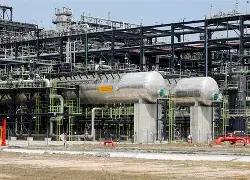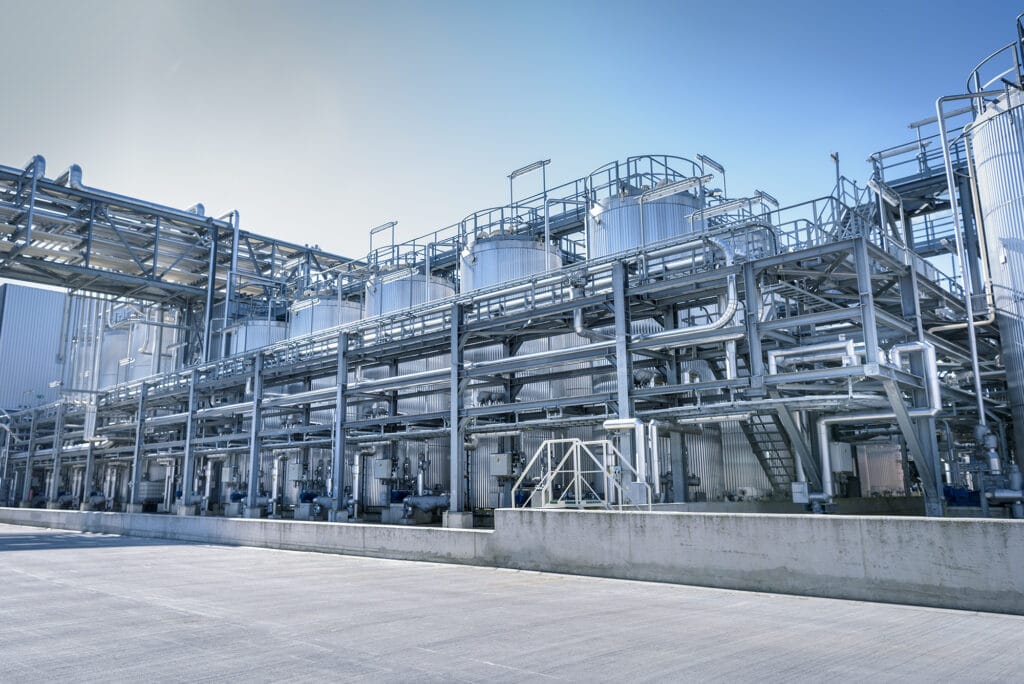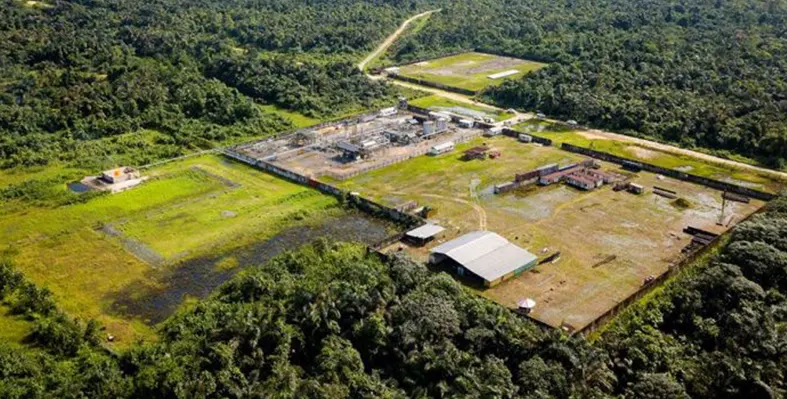

The Port Harcourt refinery was shut down on May 24, 2025, for scheduled maintenance and a sustainability assessment, according to NNPC. This came barely six months after the facility had resumed partial operations following the completion of a $1.5bn rehabilitation project.
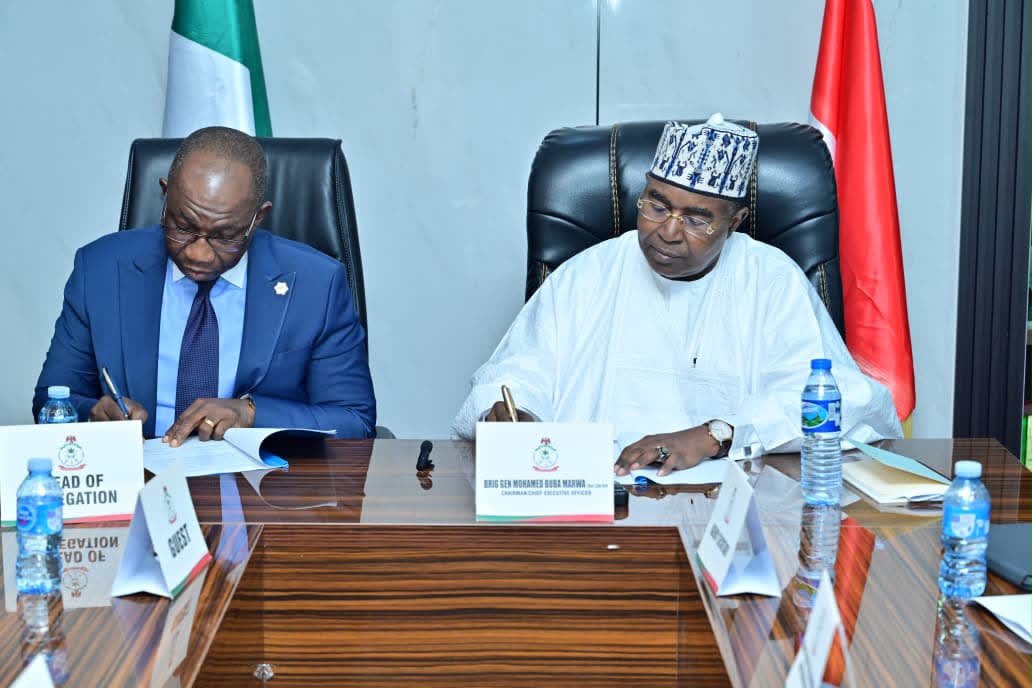
The latest agreement, structured as a Memorandum of Understanding, was signed with Sanjiang Chemical Company Limited and Xingcheng (Fuzhou) Industrial Park Operation and Management Co., Ltd. NNPC described the move as a critical milestone in its broader refinery transformation agenda.
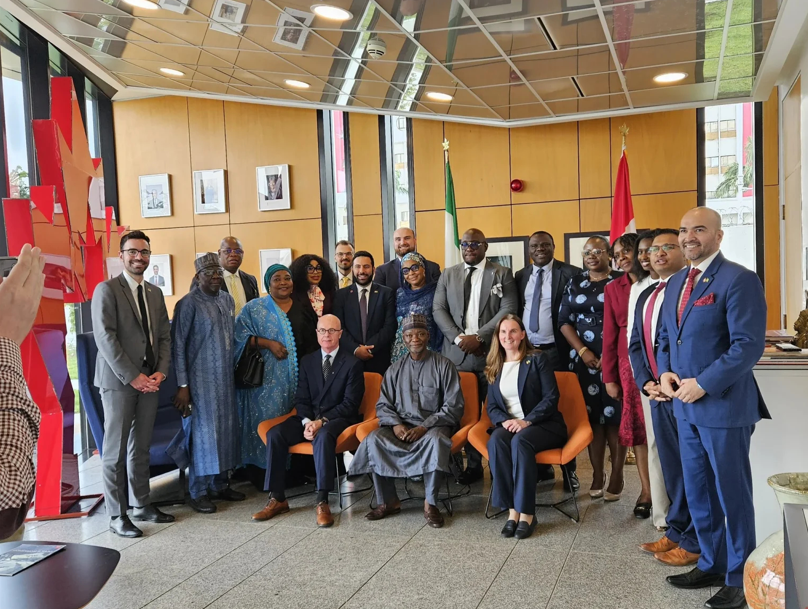
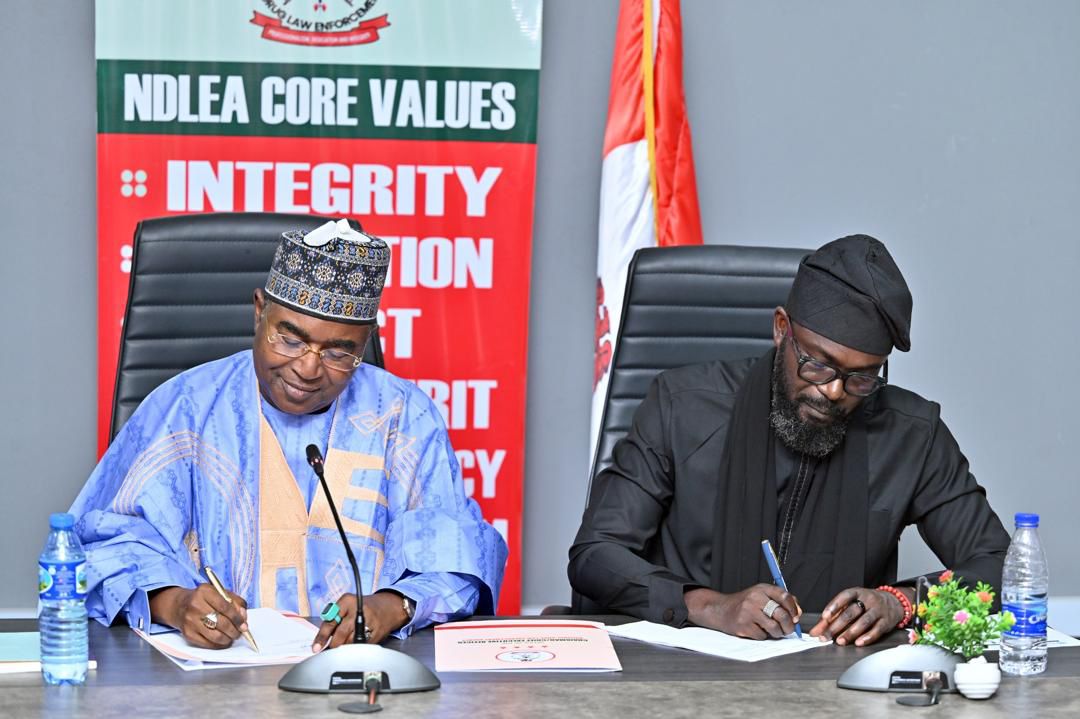
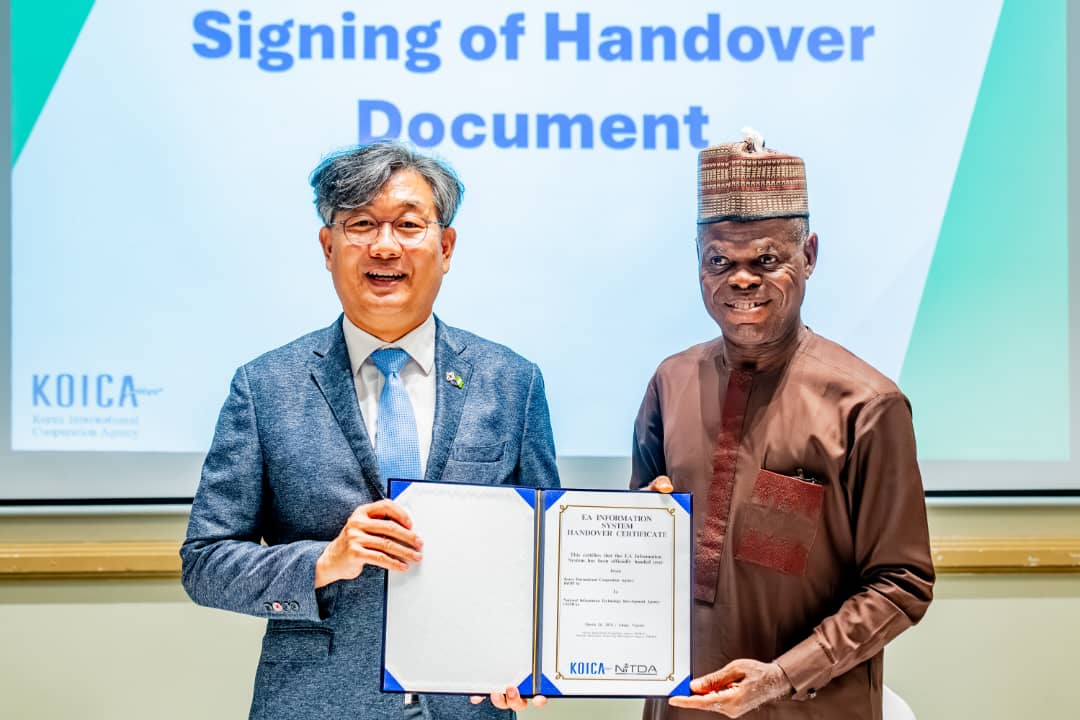
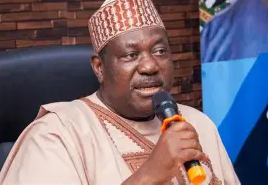
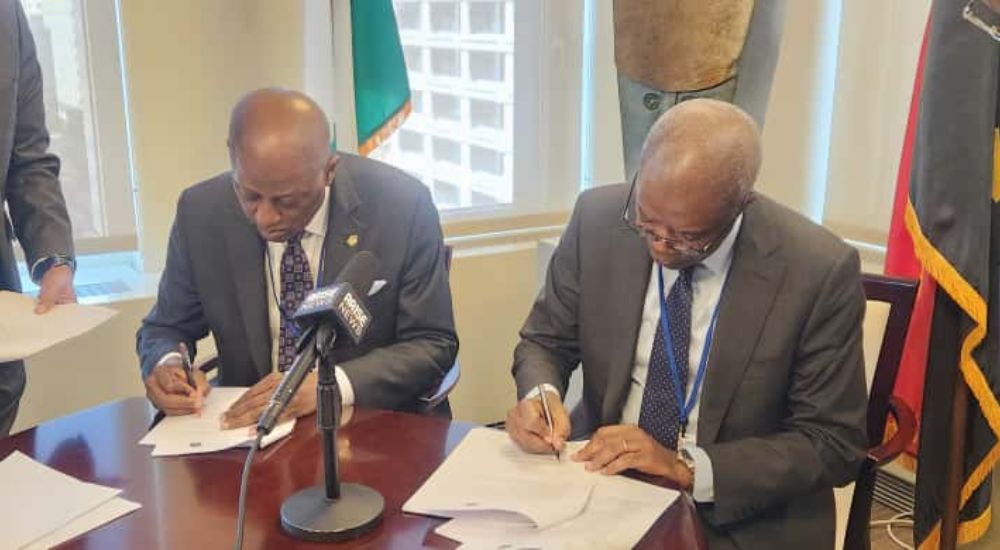
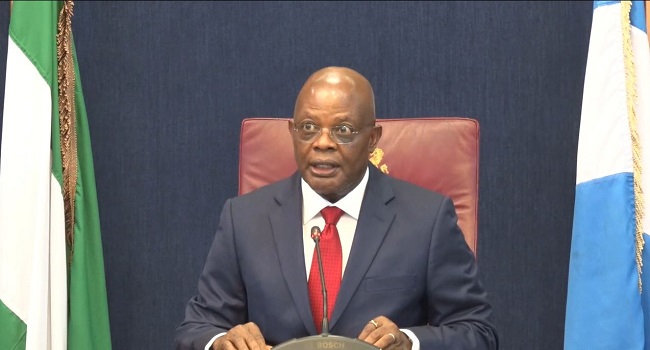
The MoU was signed in Jiaxing City, China, on April 30, 2026, by the Group Chief Executive Officer of NNPC Ltd, Bashir Bayo Ojulari, alongside the Chairman of Sanjiang Chemical Company, Guan Jianzhong, and the Chairman of Xingcheng Industrial Park, Bill Bi.
According to a statement issued on Monday by the Chief Corporate Communications Officer of NNPC Ltd, Andy Odeh, the agreement creates a pathway for a potential Technical Equity Partnership focused on completing outstanding work at both the Port Harcourt and Warri refineries and ensuring their long-term operational sustainability. Together, both refineries have a combined refining capacity of 335,000 barrels per day.
The statement read, “The NNPC Ltd has signed a Memorandum of Understanding with two Chinese companies, Sanjiang Chemical Company Limited and Xingcheng (Fuzhou) Industrial Park Operation and Management Co. Ltd, for collaboration through a potential Technical Equity Partnership in support of the completion and operation of the Port Harcourt and Warri refineries.”
NNPC explained that the partnership would extend beyond rehabilitation and include full-scale operation and maintenance of the facilities to ensure what it described as “best-in-class, sustainable performance.”
It further stated that the arrangement would also cover expansion projects aimed at repositioning the refineries to produce cleaner fuels and higher-value petroleum products that align with evolving global standards.
“The potential framework would cover completion of outstanding work at the two refineries, together with operating and maintaining both facilities to achieve best-in-class, sustainable performance. Planned expansion and upgrades would elevate both facilities to cleaner, more profitable product standards.
“The potential collaboration also contemplates expanding the refineries’ petrochemical capacities and harnessing gas and downstream opportunities through the development of co-located, gas-based industrial hubs,” the statement added.
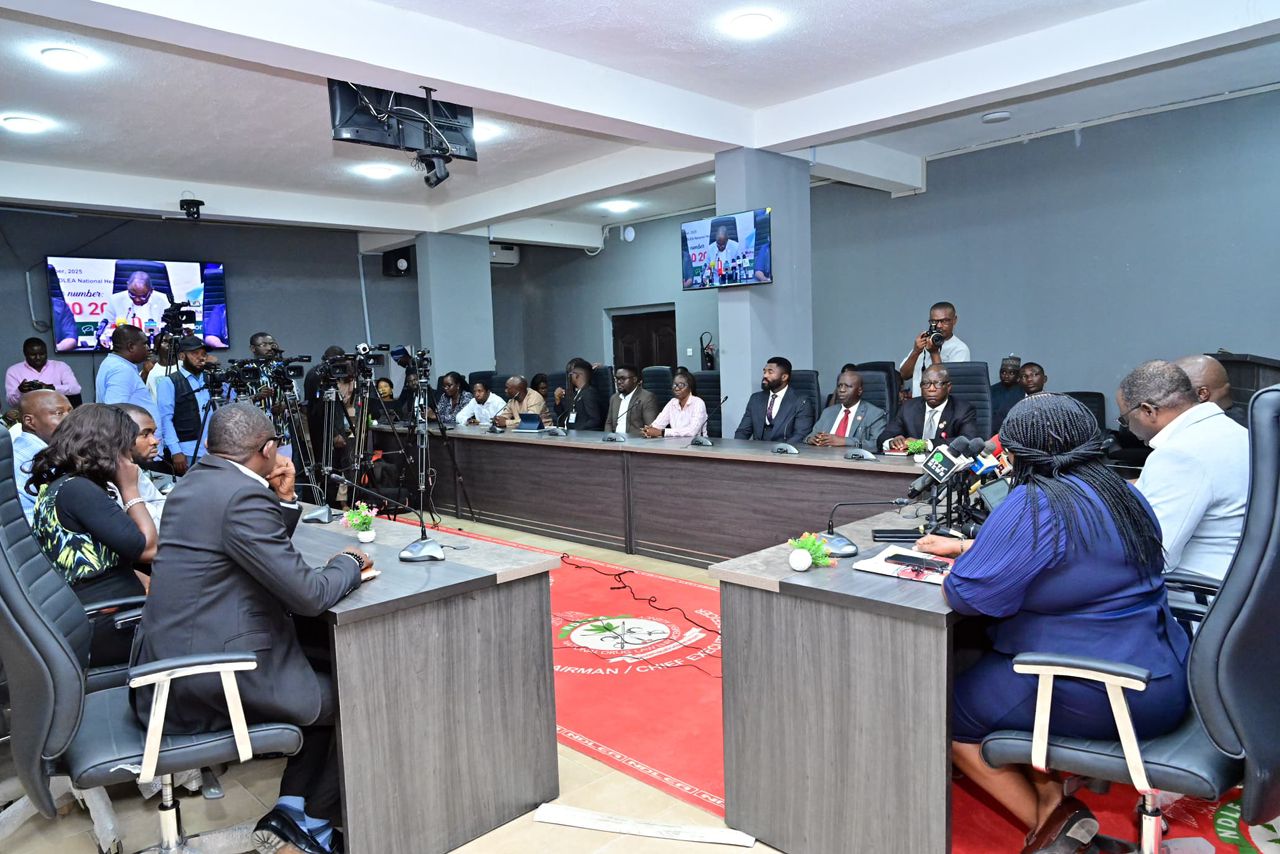
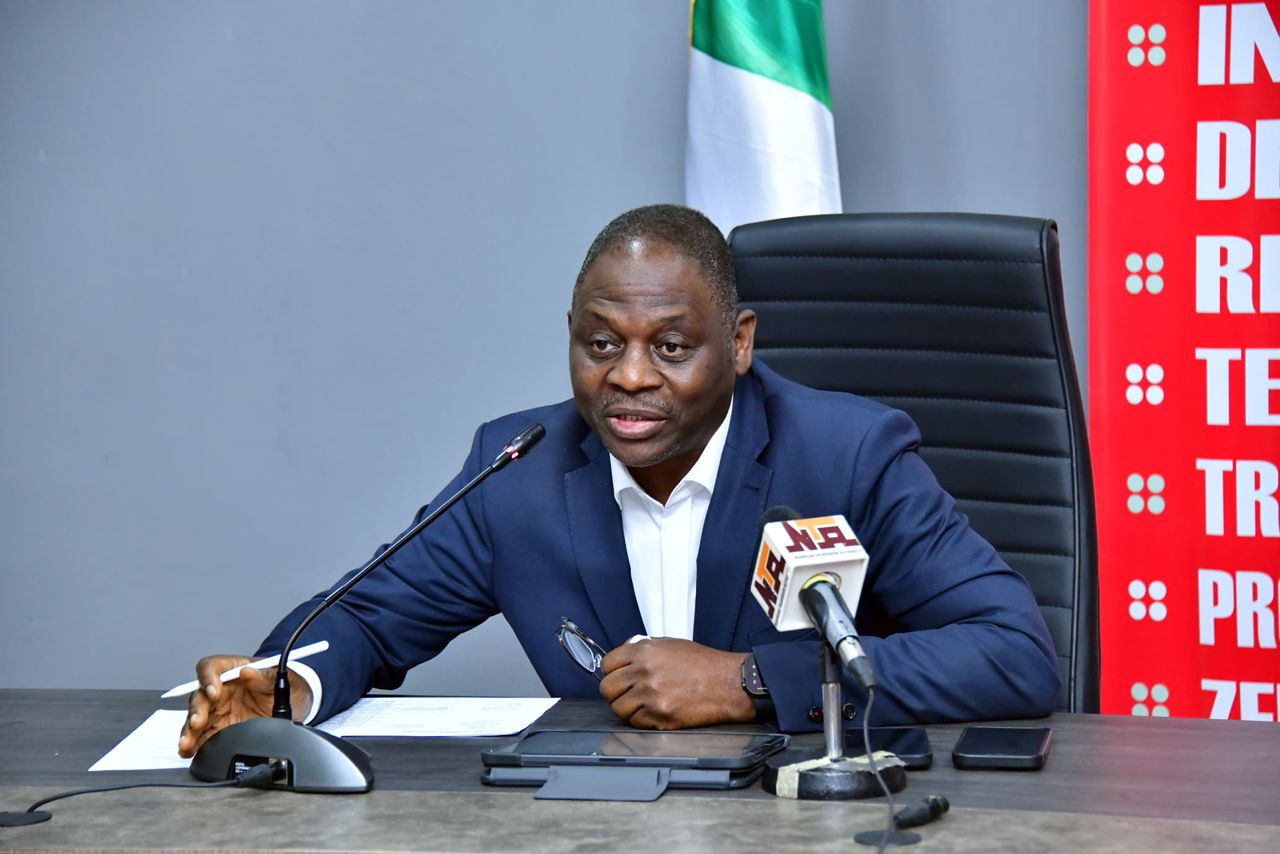
Ojulari, speaking after the signing ceremony, said the agreement followed more than six months of technical and commercial engagements between NNPC and the Chinese firms.
He said, “All parties recognise mutually beneficial opportunities for the development and long-term sustainable profitability of NNPC’s refining assets in Nigeria, and the collective weight required for success.”
He noted that the MoU marks a shift from the traditional contractor-led refinery rehabilitation approach to a more performance-driven model built on shared risks and returns.
He added, “This is an important step on the journey towards identifying potential technical equity partner or partners to restart and expand NNPC’s refineries, and to explore opportunities in co-located petrochemicals and gas-based industries.”
The move represents a significant departure from past turnaround maintenance programmes that consumed huge financial resources but often failed to deliver lasting operational results.
Under the proposed framework, the Chinese partners are expected to contribute not only technical expertise but also operational discipline and investment capacity, with their returns tied directly to refinery performance.
NNPC also outlined plans for the development of co-located gas-based industrial hubs around the Port Harcourt and Warri refinery complexes, a move expected to transform both sites into integrated energy and petrochemical centres.
These hubs are projected to unlock more value from Nigeria’s vast gas reserves while supporting local manufacturing and export-driven industries.
The company clarified that while the MoU reflects a shared intention to move forward in good faith, any binding agreements would still depend on regulatory approvals and the completion of detailed commercial negotiations.
However, the fresh deal has also raised concerns about the future of previous agreements signed to restore the facilities.
The rehabilitation of the Port Harcourt Refining Company was approved in 2021 at an estimated cost of $1.5bn, with contracts awarded to Italy’s Saipem and other partners to restore its 210,000 barrels-per-day capacity.
Likewise, the Warri Refining and Petrochemical Company is undergoing rehabilitation under a contract valued at about $897m, aimed at reviving its 125,000 barrels-per-day capacity and strengthening petrochemical production. Both projects are part of NNPC’s larger strategy to reduce Nigeria’s dependence on imported petroleum products.
Although the Port Harcourt refinery briefly resumed operations in late 2024 after years of inactivity, it was later shut down again due to operational and financial difficulties.
The latest agreement also aligns with Ojulari’s earlier position at the Nigeria International Energy Summit 2026, where he openly advocated for global technical partners to take equity positions in Nigeria’s refining assets.
At the summit, Ojulari argued that Nigeria’s refining challenges were not only financial but also deeply technical and operational, requiring experienced partners with proven track records.
He said, “What we are doing differently is moving away from just funding projects to bringing in partners who have skin in the game, partners who will operate, optimise, and guarantee performance.”
He further explained that the technical equity model would improve accountability and efficiency since partners would only profit when the refineries perform optimally.
He stated, “The days of spending billions on rehabilitation without sustainable output are behind us. We are now focused on partnerships that deliver value, technology transfer, and operational excellence.”
Ojulari also stressed the importance of integrating refining operations with petrochemicals and gas-based industries, noting that modern refineries across the world now function as energy hubs rather than standalone fuel-processing plants.
“Refineries must evolve into integrated industrial platforms. That is where the future lies: petrochemicals, fertilizers, and gas monetisation. That is how you create real economic value,” he said.
Nigeria’s state-owned refineries in Port Harcourt, Warri, and Kaduna have faced decades of poor performance, repeated shutdowns, and failed rehabilitation efforts, forcing the country to rely heavily on imported petroleum products.
Despite multiple turnaround maintenance projects over the years, the refineries have consistently operated far below installed capacity, raising serious concerns over efficiency, transparency, and value for money.
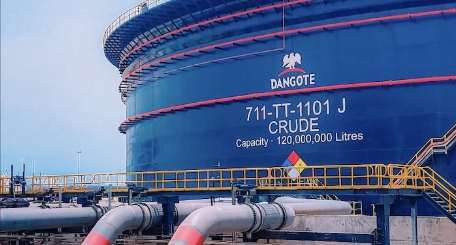
The current administration has prioritised refinery revival as part of its broader energy security strategy while also supporting private sector investments such as the Dangote Refinery.
NNPC’s renewed search for technical equity partners comes amid increasing pressure to reduce fuel import dependence, stabilise domestic supply, and conserve foreign exchange.
With this latest China deal, the national oil company appears to be betting on a new partnership model that ties investment returns directly to refinery performance, in what may be its strongest attempt yet to unlock the long-elusive potential of Nigeria’s refining sector.
Further findings showed that Sanjiang Chemical is a Chinese private chemical manufacturing company established in 2003 and headquartered in the Zhapu Economic Development Zone, Jiaxing Port Area, Zhejiang Province. It is listed on the Hong Kong Stock Exchange and is recognised as one of China’s leading integrated petrochemical producers.
The company specialises in ethylene oxide and ethylene glycol production and operates one of the world’s largest single-unit chemical processing facilities. Its product portfolio includes petrochemicals such as ethylene, propylene, polypropylene, butadiene, hydrogen, methanol derivatives, surfactants, and industrial gases.
Sanjiang operates a large integrated refining and petrochemical complex built around a 1,000 KTA EO/EG unit and a 1,250 KTA light hydrocarbon utilisation unit, supported by several downstream plants including polypropylene and surfactant facilities.
It plays a major role in China’s industrial strategy by focusing on high-end petrochemical integration, supply chain security, and export-oriented chemical production while leveraging advanced logistics within the Yangtze River Delta industrial corridor.
Xingcheng, on the other hand, is an industrial park development and management company based in Guangdong Province, China, operating within the Xincheng Industrial Park in Xinxing County, Yunfu City.
The company focuses on industrial infrastructure development, park operations, and investment facilitation, supporting manufacturing clusters across sectors such as metal processing, electronics, machinery, hardware, and biomedicine.
The industrial park it manages was established as a provincial-level industrial transfer zone in 2006 and was upgraded in 2022 into a high-tech industrial development zone designed to attract both local and foreign investors.
Xingcheng provides a full industrial ecosystem, including land development, utilities such as gas, power and wastewater systems, tax incentives, and investment services.
It has also built innovation platforms and supports the growth of high-tech enterprises, positioning the park as a strategic hub for manufacturing relocation from China’s coastal economic zones into emerging inland industrial corridors.
The company’s major strength lies in industrial park operations, infrastructure-led investment attraction, and enabling large-scale manufacturing ecosystems within China’s wider regional development strategy.
Stay informed with the latest breaking news, business updates, and in-depth reports shaping Nigeria and beyond. Visit LouisaOlaniyi.com.ng for more exclusive stories and timely updates.