The United Nations has warned that the ongoing Ebola outbreak in the Democratic Republic of Congo (DRC) could inflict severe economic damage across Africa, threatening tens of thousands of jobs and costing the continent as much as $3.6 billion.
According to the UN Development Programme (UNDP), the outbreak is extending beyond a public health emergency, creating a widespread socioeconomic crisis that could push an estimated 985,000 additional people into poverty.
“The Ebola crisis also risks eliminating tens of thousands of jobs, disrupting education and healthcare services, and costing African economies up to $3.6 billion if broader regional and global shocks intensify,” UNDP said in a statement on Tuesday.
The agency noted that the resulting poverty would disproportionately affect women and would be felt most heavily in the DRC and neighbouring countries, including Uganda, Rwanda and South Sudan.
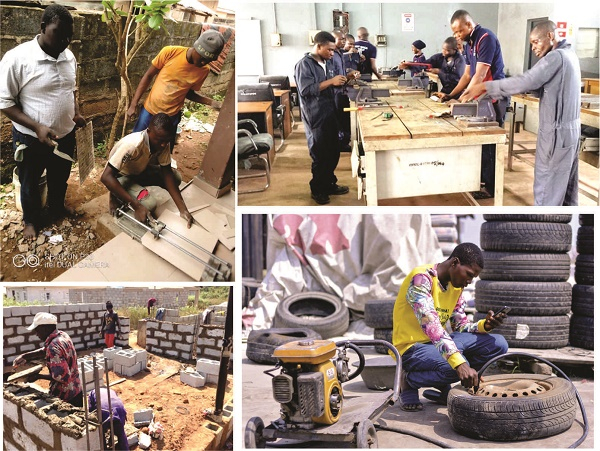
UNDP also cautioned that while quarantines and other containment measures remain essential to slowing the spread of the disease, broader restrictions on travel and trade are having unintended consequences for local economies and informal livelihoods.
“While the immediate public health threat is severe and requires containment measures such as quarantines, some of the broader restrictions on travel and trade are inadvertently devastating local economies and informal livelihoods,” UNDP warned.
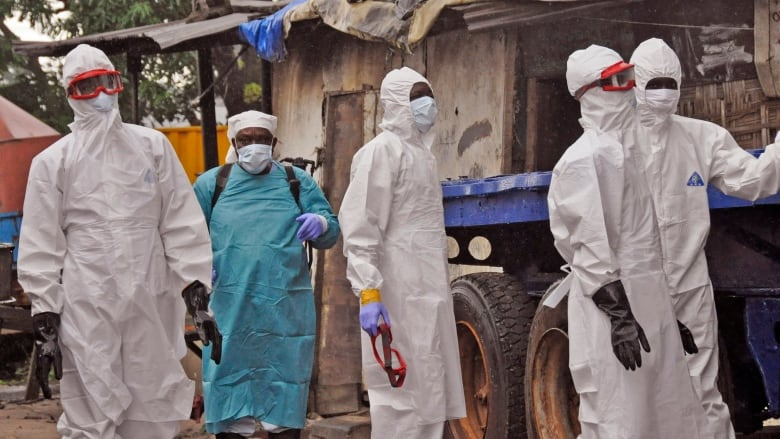
Figures released by the World Health Organization show that the DRC has recorded 1,333 confirmed Ebola cases and 399 deaths, while 189 people have recovered from the virus.
Ebola Crisis Threatens Africa’s Economy
Highlighting the wider implications of the outbreak, UNDP Africa Regional Director Ahunna Eziakonwa stressed that the crisis extends far beyond the health sector.
“Ebola does not stop at the hospital gate,” said Ahunna Eziakonwa, UNDP’s Africa regional director.
“It affects livelihoods, education, food security, trade, public finances and trust. If we treat this Ebola outbreak solely as a health challenge, we risk missing the much larger development emergency unfolding around it.”
Even if the virus remains largely contained within the DRC and Uganda, where 20 confirmed cases have been reported, UNDP warned that the economic impact would still be significant.
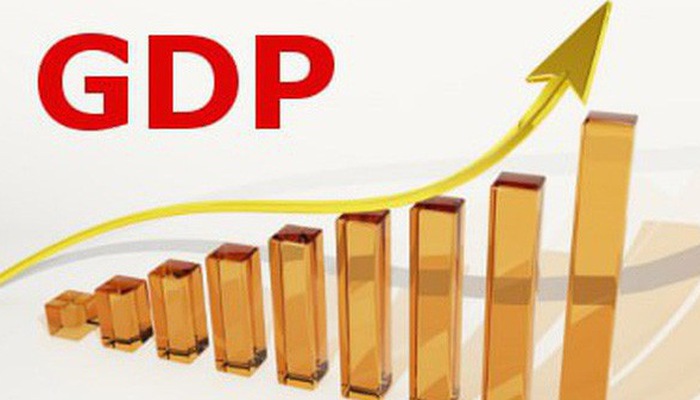
The agency projected that the DRC alone could suffer real GDP losses exceeding $1 billion and lose about 55,000 jobs.
“Trade disruptions, border restrictions, transport delays, declining consumer confidence and interruptions to informal markets could reduce continental GDP by US$2.37 billion, even if transmission remains largely contained,” the agency warned.
To lessen the impact of the outbreak, UNDP recommended direct cash transfers for the most vulnerable households, replacing widespread border closures with targeted screening measures, and establishing emergency financing to ensure maternal, reproductive and infant healthcare services continue uninterrupted.
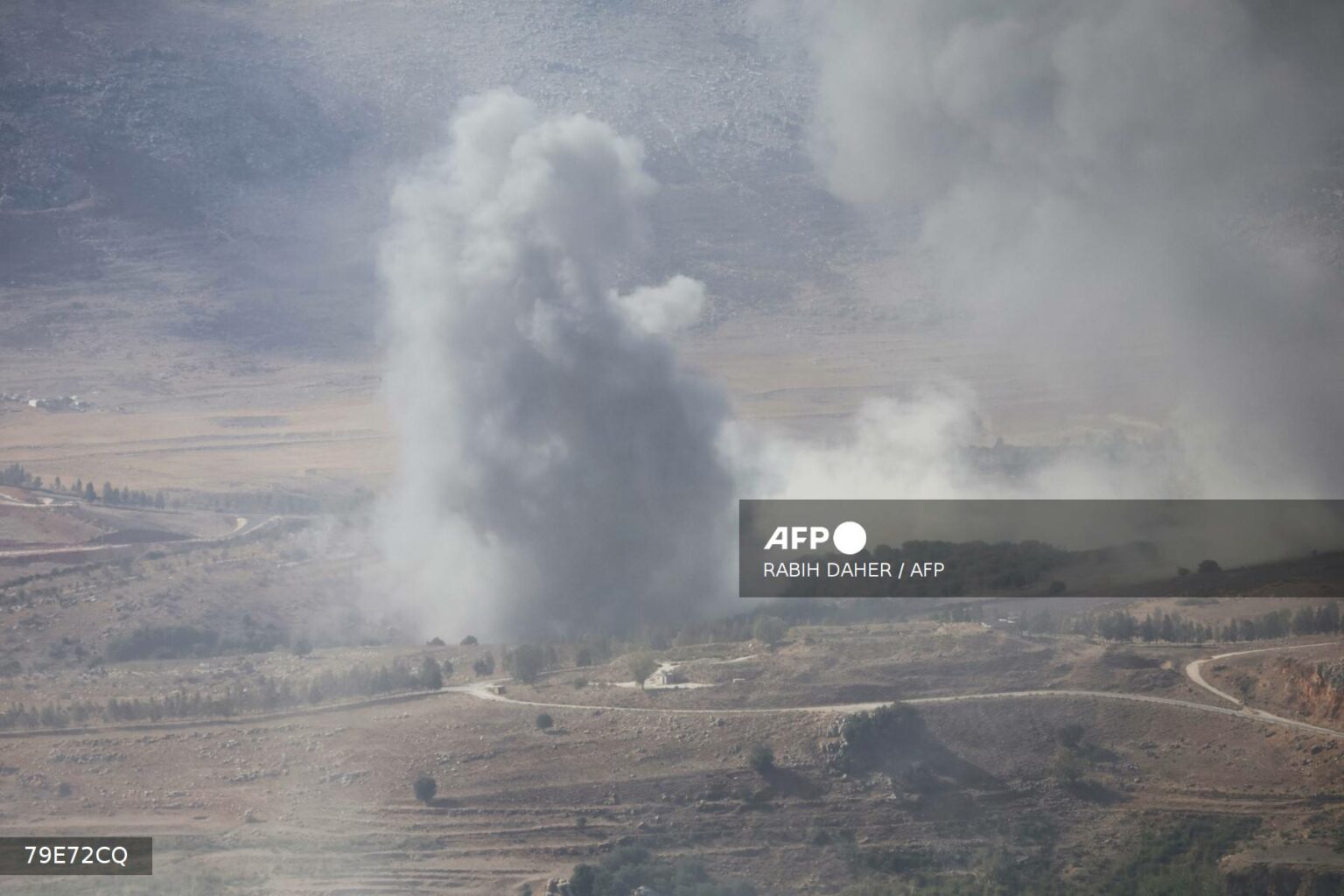
The latest Ebola outbreak is centred in the conflict-affected Ituri province in northeastern DRC.
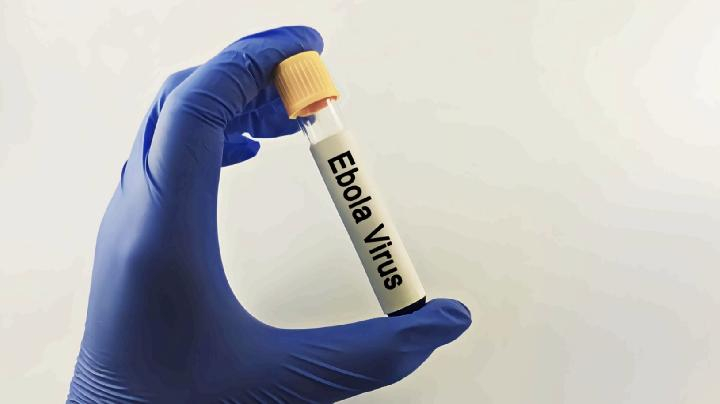
Health authorities said the epidemic is caused by the Bundibugyo species of the Ebola virus, a form of viral haemorrhagic fever for which there is currently no vaccine or specific treatment.
AFP
Stay informed with trusted coverage of major developments across Nigeria, Africa, and the world. Visit LouisaOlaniyi.com.ng for the latest breaking news, in-depth reports, and timely updates as stories unfold.