Stay updated with the latest breaking news, business insights, and exclusive reports from Nigeria and beyond. Visit LouisaOlaniyi.com.ng today for more trending stories, in-depth analysis, and daily updates that keep you informed.
- May 13, 2026
- Admin User
- 0
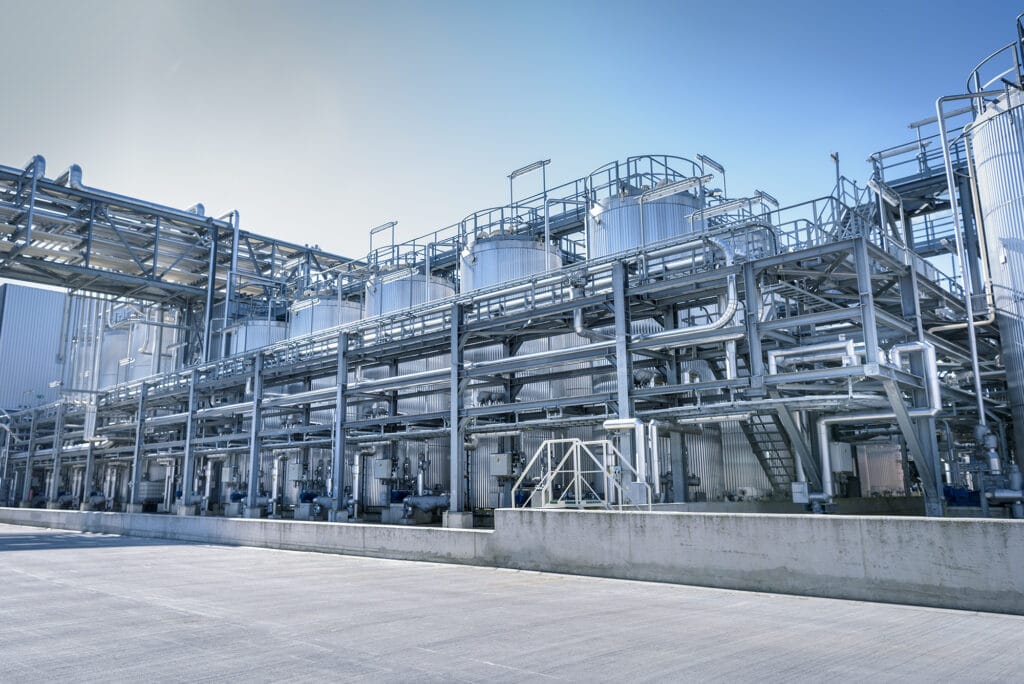
The Nigerian Midstream and Downstream Petroleum Regulatory Authority (NMDPRA) has revealed that the Dangote Petroleum Refinery & Petrochemicals exported an estimated 1.66 billion litres of refined petroleum products in April 2026, marking a major milestone for Nigeria’s downstream petroleum sector.
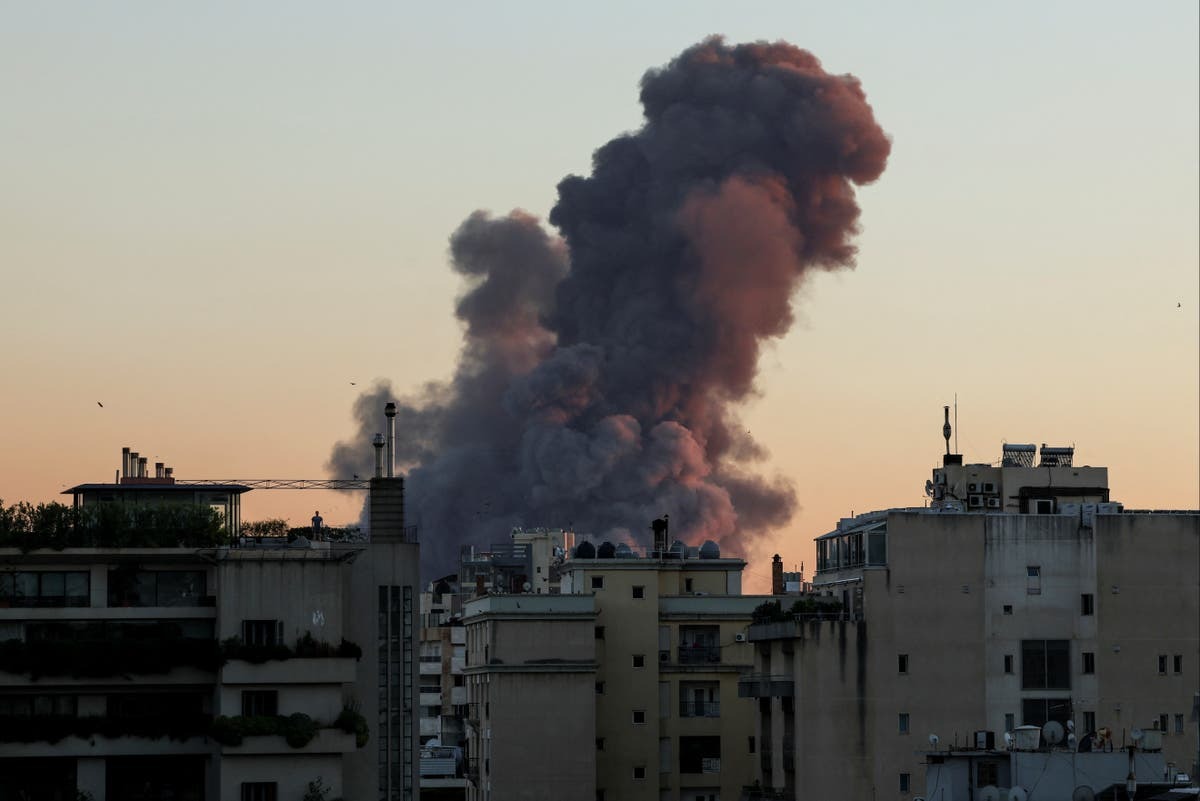
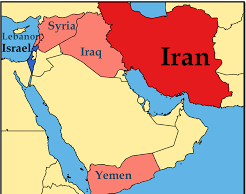
This development comes at a time of growing geopolitical tension in the Middle East, particularly surrounding the escalating conflict involving the United States and Iran, which has raised concerns over possible disruptions to global fuel supply routes.
An analysis of the NMDPRA’s April 2026 fact sheet showed that the refinery exported about 513 million litres of Premium Motor Spirit (PMS), commonly known as petrol, 534 million litres of Automotive Gas Oil (AGO), also known as diesel, and 615 million litres of aviation fuel during the month under review.
Currently, the Dangote refinery remains the only major functional refinery in Nigeria with the capacity to produce refined petroleum products in volumes sufficient for both domestic supply and international export.
April marks the first time the refinery has recorded such a significant export volume, particularly in diesel and aviation fuel, highlighting the growing importance of the 650,000-barrel-per-day facility located in Lekki, Lagos State.
The total export volume translates to about 55.4 million litres daily. This comes as the global oil market faces renewed uncertainty over the security of the Strait of Hormuz, a major oil shipping route, following the failure of the United States and Iran to reach a peace agreement.
Industry experts noted that the increasing geopolitical uncertainty has driven stronger demand for refined petroleum products from alternative suppliers like Nigeria, especially as Europe, Africa, and parts of Asia seek more reliable fuel sources.
The NMDPRA report further showed that local refineries operated at an average capacity utilisation of 99.12 per cent in April, with the Dangote refinery contributing the largest share of output.
According to the regulator, the refinery achieved 100 per cent capacity utilisation “for most of the days in April.” The report also stated that domestic refineries received 18.37 million barrels of crude oil in April, compared to 13.11 million barrels recorded in March.
Despite increased obligations to meet local demand, the refinery maintained strong export performance. Average daily petrol production stood at 53.6 million litres, with 40.7 million litres supplied locally and 17.1 million litres exported each day.
For diesel, daily production averaged 23.6 million litres, while exports reached 17.8 million litres per day, more than double the domestic supply volume of 8 million litres daily.
Aviation fuel exports were also significant, standing at 20.5 million litres daily, compared to local supply of 2.6 million litres per day.
Dangote Expands Nigeria’s Global Fuel Supply Role
The strong export performance in aviation fuel comes shortly after reports that domestic airline operators threatened to suspend operations due to the rising cost of the product.
There are also indications that Nigeria has become a net petrol exporter for the first time in decades, largely driven by increased output from the Dangote refinery. In March, the refinery had already exported about 434 million litres of petrol after local production exceeded domestic consumption.
These latest figures reflect Nigeria’s gradual transition from being heavily dependent on imported refined petroleum products to becoming an export hub within Africa. Industry observers believe jet fuel exports could rise even further if instability in the Middle East continues to affect traditional supply chains serving Europe and other global markets.
The Middle East remains a major supplier of global aviation fuel exports, with the Strait of Hormuz serving as a key transit route for crude oil and refined petroleum products. Continued instability in the region has tightened global fuel supply and pushed international prices upward.
The NMDPRA report also showed that Nigerians consumed an average of 51.1 million litres of petrol daily in April, slightly above the regulator’s benchmark estimate of 50 million litres per day.
Diesel consumption stood at 17.3 million litres daily, while aviation fuel consumption averaged 2.5 million litres per day.
Despite increased domestic refining activities, petrol prices remained high across the country. The regulator linked prevailing prices partly to global crude oil costs, which averaged $120.55 per barrel during the month, while gasoline prices stood at $1,074.97 per metric tonne.
With a nameplate capacity of 650,000 barrels per day, the Dangote refinery is expected to play a major role in strengthening Nigeria’s energy security and boosting foreign exchange earnings as global fuel trade patterns continue to shift due to geopolitical developments.
Even as Nigeria records rising petrol exports, the NMDPRA has continued to issue licences for petrol importation into the country.