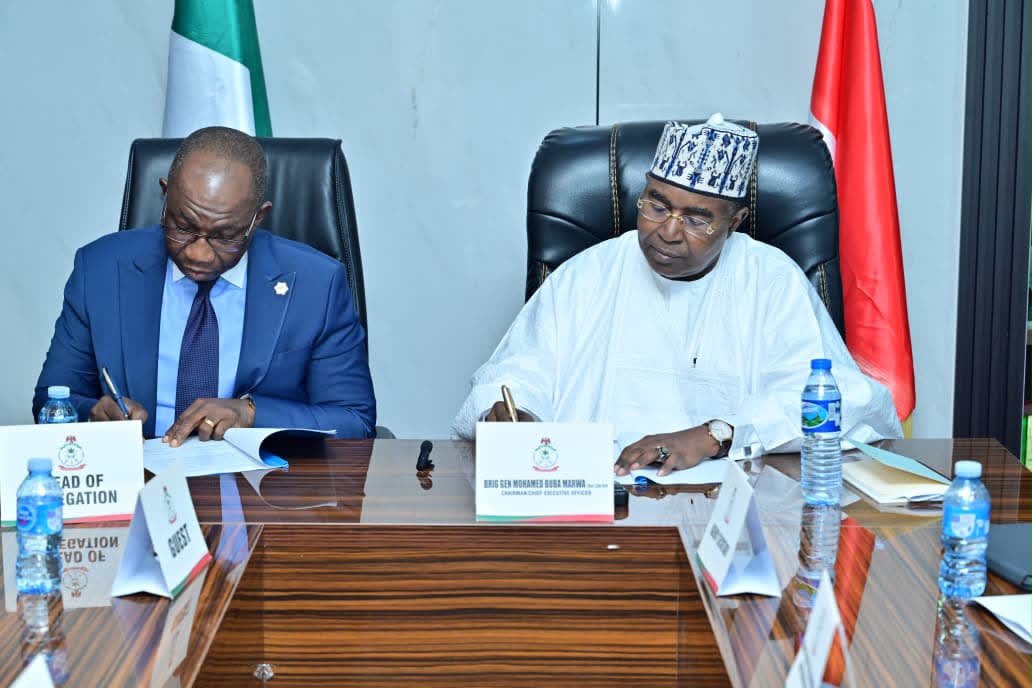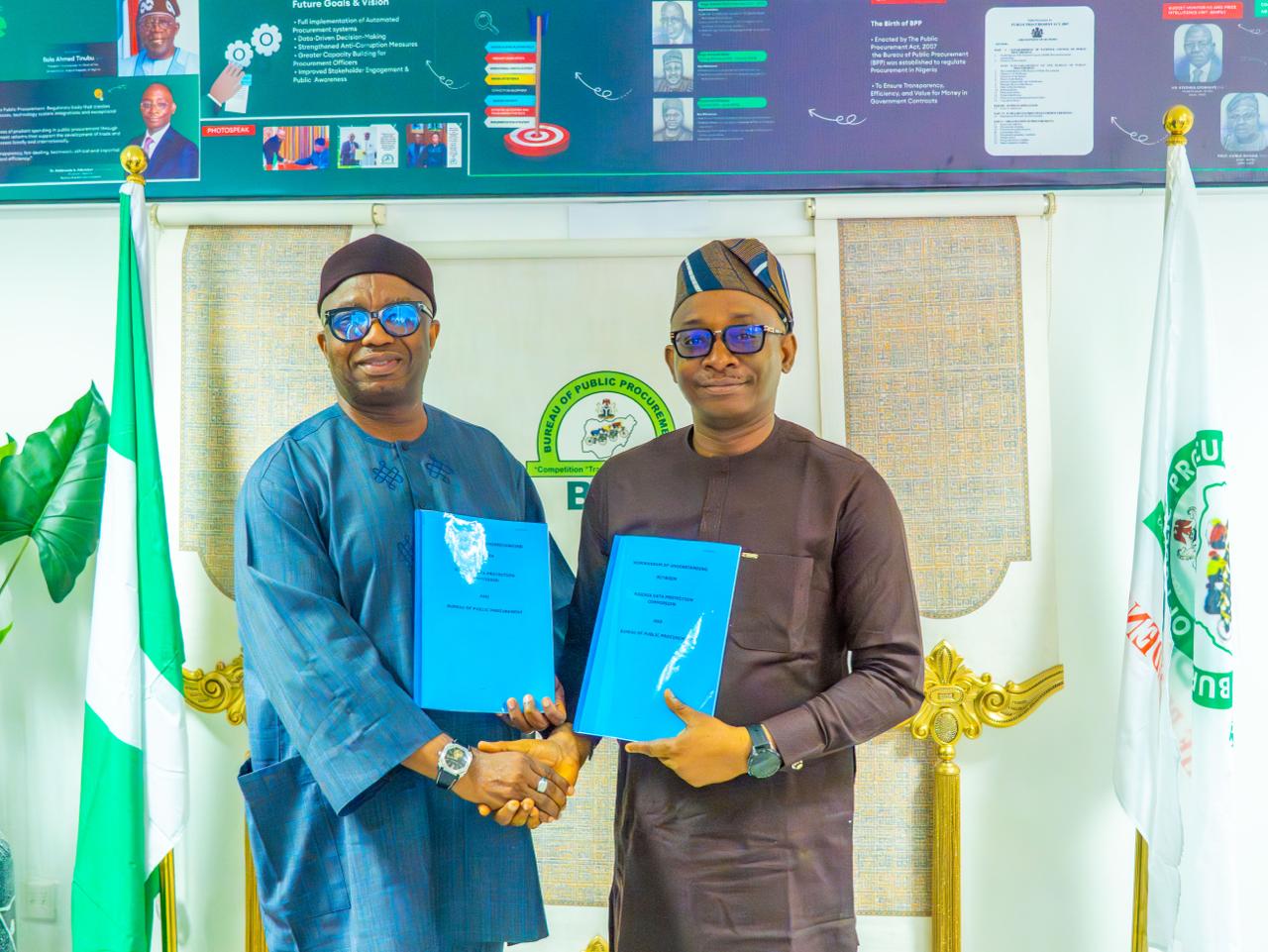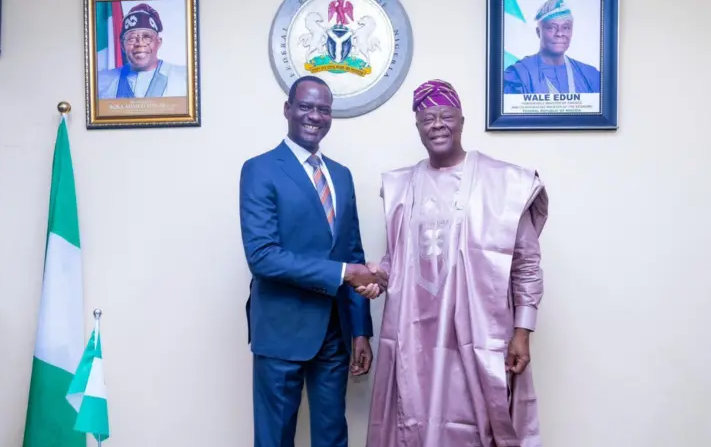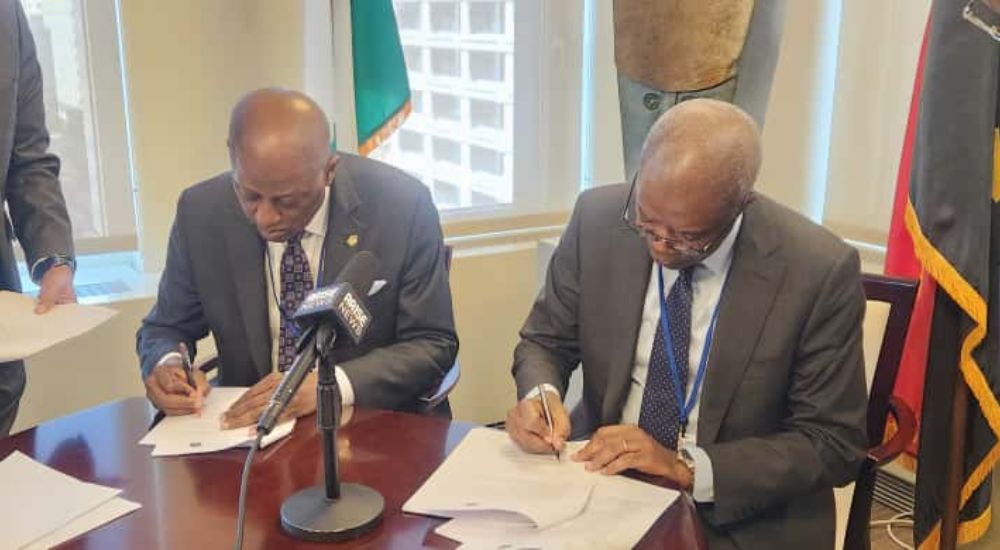
The Nigerian Communications Commission (NCC) and the Central Bank of Nigeria (CBN) have formalised a strategic partnership aimed at strengthening consumer protection and tackling fraud within Nigeria’s digital ecosystem. The agreement, sealed through a Memorandum of Understanding (MoU), is also expected to unlock new opportunities for collaboration between the telecommunications and financial sectors.
As part of the initiative, both institutions inaugurated two joint committees: one focused on Payment Systems and Consumer Protection, and another dedicated to the Telecoms Identity Risk Management System (TIRMS) Portal. The development was disclosed in a statement issued by Mrs. Nnenna Ukoha, Acting Director of Public Affairs at the NCC.
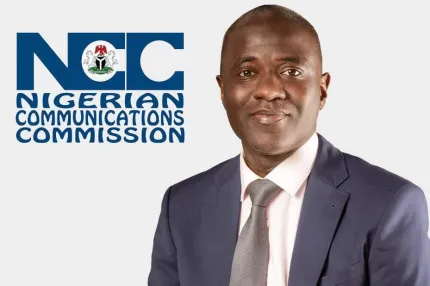
Speaking on the significance of the agreement, NCC’s Executive Vice Chairman and Chief Executive Officer, Aminu Maida, described the MoU as a structured framework designed to enhance cooperation in key areas such as payment system integrity, fraud prevention, and digital inclusion. He noted that the partnership also prioritises the protection of consumers and micro, small, and medium-sized enterprises, with the goal of fostering trust and resilience across Nigeria’s digital economy.
Dr. Maida characterised the agreement as a milestone in regulatory collaboration, highlighting its role in strengthening financial system stability and supporting inclusive growth in an increasingly interconnected environment.
He said: “The Commission places significant importance on collaboration. Indeed, many of the critical milestones we have achieved in addressing some of our industry’s challenges—and even in leapfrogging our sector—have been made possible through strategic partnerships and sustained collaboration. Our collaboration with the Central Bank is not new.
“Over the years, our two institutions have demonstrated the value of close regulatory coordination. A notable and recent example is our collective effort in resolving the long-standing USSD debt impasse—an intervention that restored confidence, preserved service continuity, and safeguarded the interests of consumers, telecom operators, and financial institutions alike. That experience reaffirmed a simple truth: complex, cross-sector challenges are best addressed through structured collaboration.
“This MoU provides a clear framework for cooperation in critical areas such as payment system integrity, consumer protection, fraud mitigation, and the responsible use of digital infrastructure. In particular, it supports initiatives that promote secure digital payments, enhance trust in mobile-enabled financial services, and extend safe access to underserved populations and MSMEs.
“For the NCC, this MoU speaks directly to one of the critical pillars of our strategic focus: leveraging cross-sectoral innovation to deliver a safe, resilient, inclusive, and trusted digital ecosystem. As mobile numbers increasingly underpin identity, authentication, and financial access, collaboration with the CBN is essential to ensuring that innovation is matched with strong governance, system stability, and consumer safeguards,” Dr. Maida declared.
NCC and CBN Boost Protection Against Electronic Fraud
Further explaining the operational impact of the partnership, he emphasised its focus on curbing electronic fraud, which continues to pose risks to the integrity of the digital economy. Central to this effort is the TIRMS Portal, which aggregates data on recycled phone numbers and those flagged for suspicious activity, providing financial institutions with improved visibility into the status of mobile lines.
He said: “For the prevention of electronic fraud, which has become increasingly pervasive, with significant implications for the integrity of our digital economy. Through the Telecom Identity Risk Management System (TIRMS) Portal—which aggregates data on churned (recycled) phone numbers, as well as numbers flagged within your sector—the Financial Services Industry will now have enhanced visibility into the status of phone numbers, one of the most widely utilized resources in your sector, although regulated by the NCC.
“This means that the Financial Institutions will be able to determine when a line is active, when it has been swapped, when it has been disconnected due to inactivity and reassigned to a new subscriber, and when it has been flagged for suspicious or fraudulent activity. This ensures that our financial services industry is better equipped with timely and relevant information to effectively combat e-fraud, particularly those perpetuated using phone numbers, in the country.
“The second area I want to highlight is an overarching one that both our institutions have consistently championed: it is the protection of Nigerian consumers. With this handshake, consumers who experience issues, such as airtime recharges that do not deliver value, can be assured of prompt resolution in the shortest possible time. The establishment of a platform for sustained engagement, coordinated policy responses, and joint action as new risks and opportunities emerge across the digital and financial landscape by this MoU, positions our two institutions to remain proactive, aligned, and effective in fulfilling our respective mandates,” the EVC stated.
On his part, the Governor of the Central Bank, Olayemi Cardoso, said the agreement would deepen coordination between both regulators, particularly in areas such as approvals, technical standards, and innovation-driven initiatives like regulatory sandbox testing.
He said, “Going forward, the Central Bank of Nigeria remains fully committed to working with the Nigerian Communications Commission to deliver a safer, more resilient, and more inclusive digital financial system—one that supports national productivity, protects consumers, and strengthens trust in Nigeria’s digital economy.”
Cardoso also inaugurated the two joint committees, noting that their work would prioritise the protection of consumers across both sectors and reinforce efforts to combat fraud nationwide.