NAWOJ FCT Pushes for Menstrual Dignity, Sanitary Access for Girls

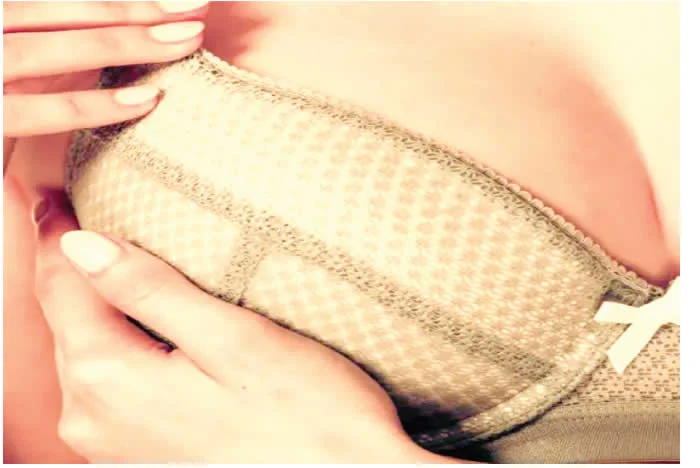
The Nigeria Association of Women Journalists (NAWOJ) FCT chapter has renewed calls for stronger public awareness on menstrual hygiene, improved access to sanitary products, and an end to the stigma surrounding menstruation, especially among women and girls in underserved communities.

The appeal was made in a statement issued to mark the 2026 World Menstrual Hygiene Day, observed annually on May 28, and signed by the Chairperson of NAWOJ FCT, Comrade Bassey Ita-Ikpang.

According to the association, menstrual health continues to play a vital role in shaping the dignity, confidence, educational opportunities, and overall wellbeing of millions of women and girls across Nigeria.

NAWOJ FCT further highlighted that many young girls still experience discrimination, embarrassment, and limited access to sanitary materials, largely driven by poverty, cultural misconceptions, and inadequate awareness.

Reinforcing its position, NAWOJ FCT stated:

“No girl should miss school, feel ashamed or suffer discrimination simply because of a natural biological process,” the statement read.

The association called on government institutions, development partners, schools, healthcare providers, and community leaders to prioritise menstrual health education while ensuring that sanitary products remain affordable and accessible to all.

It also described menstrual hygiene as more than a health concern, stressing that it is closely tied to human rights, gender equality, and social inclusion.

“As women journalists and advocates, we remain committed to using the media as a tool to amplify conversations around menstrual hygiene, break harmful cultural taboos and promote policies that protect the health and dignity of women and girls,” it stated.

NAWOJ FCT added that consistent investment in menstrual health programmes would help create safer environments where girls can learn, grow, and thrive without shame or restrictions linked to menstruation.

The group also noted that increased public enlightenment and stronger policy backing are necessary to address ongoing challenges, particularly in rural and low-income areas where access to sanitary products and reproductive health information remains limited.

In conclusion, NAWOJ FCT urged all relevant stakeholders to intensify efforts toward promoting menstrual dignity and ensuring that no girl is left behind due to her menstrual cycle.


Stay informed on developments, more updates and in-depth coverage. Explore more news, features and reports at LouisaOlaniyi.com.ng.


Leave a Reply

Your email address will not be published. Required fields are marked *