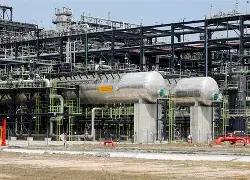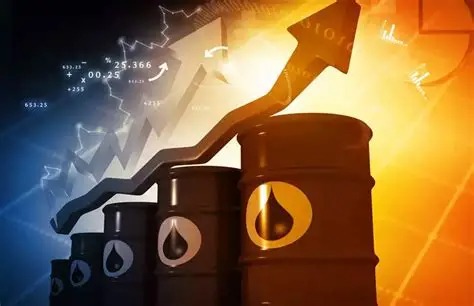

Nigeria has reaffirmed its commitment to the cooperation framework between the Organization of the Petroleum Exporting Countries (OPEC) and its allies under OPEC+, signaling its continued support for efforts aimed at stabilizing the global oil market.
The Federal Ministry of Petroleum Resources made this position known, stating that the country remains aligned with coordinated measures designed to manage crude oil supply and reduce price volatility across international markets.
According to the ministry, Nigeria recognizes the critical role played by OPEC and OPEC+ in regulating oil output, minimizing market instability, and creating a more predictable pricing environment for both producers and consumers.
In a statement made available to reporters, the ministry explained that these coordinated actions are essential for sustaining global economic stability and ensuring long-term energy development across producing and consuming nations.
The ministry further stated that Nigeria will continue to adhere to agreed production frameworks while maintaining constructive engagement with fellow member countries to strengthen cooperation and preserve market balance.
OPEC Framework and Nigeria’s Economic Priorities
While reaffirming its commitment to the alliance, the ministry stressed that national interest remains at the center of its decisions regarding participation in the OPEC+ framework.
It noted that Nigeria’s involvement would continue to be guided by the need to protect domestic economic priorities, especially at a time when the global energy landscape is being shaped by evolving demand patterns and broader market transitions.

Nigeria’s position reflects the balance between multilateral cooperation and national economic considerations, particularly as oil-producing nations face increasing geopolitical pressures and ongoing adjustments within the global energy sector.
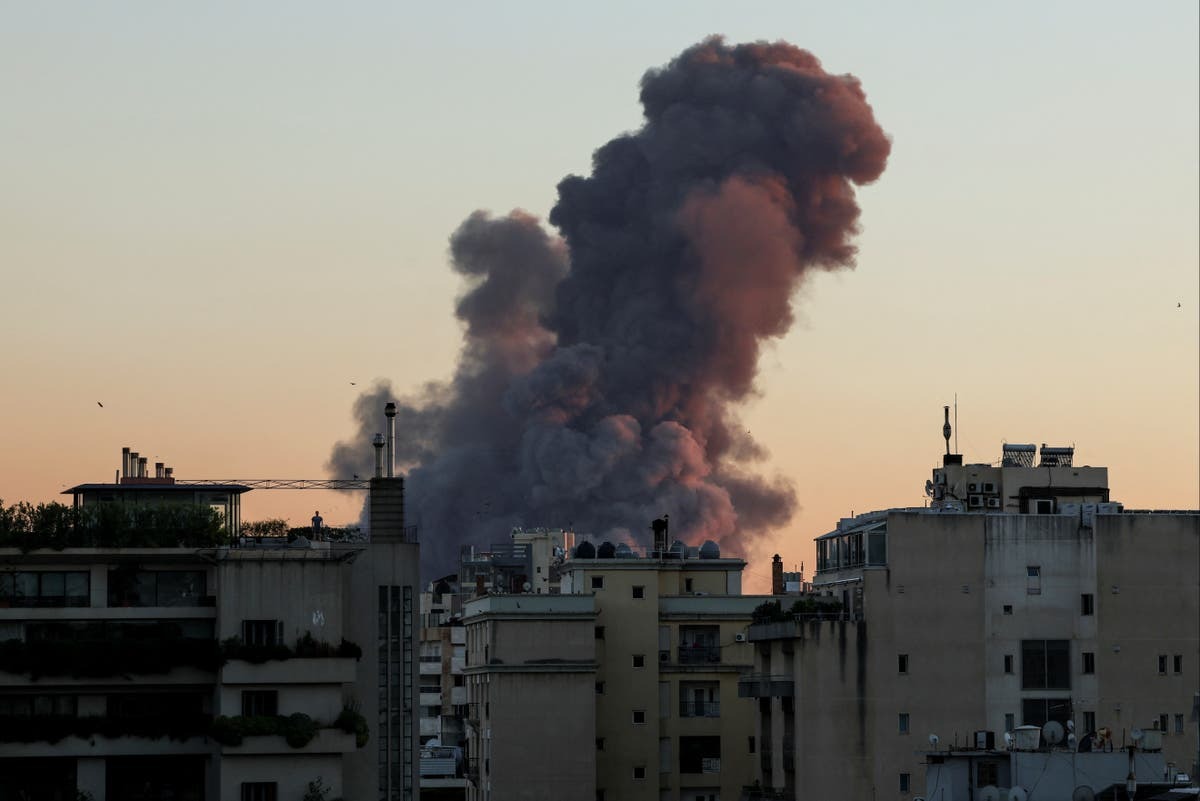
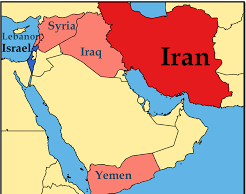
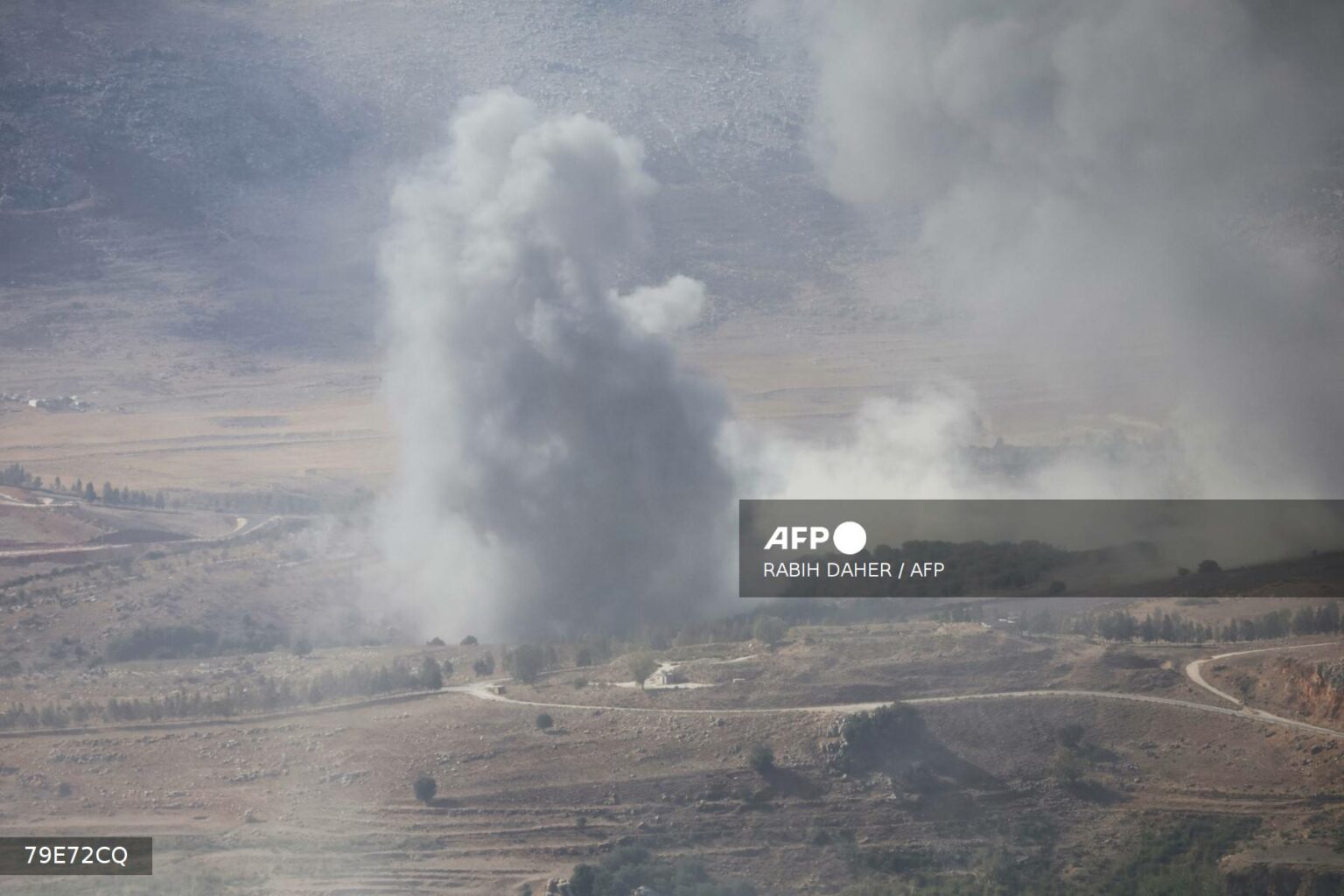
This development comes just weeks after the International Monetary Fund (IMF) warned that the ongoing conflict in the Middle East is pushing the global economy toward higher prices and slower growth.
It also follows the recent decision by the Organisation of the Petroleum Exporting Countries and its allies (OPEC+) to increase oil production quotas by 206,000 barrels per day (bpd) for May, a move seen as part of broader efforts to manage supply and maintain market stability.
Stay informed with the latest developments in Nigeria’s oil and gas sector, economy, and global energy trends. Visit LouisaOlaniyi.com.ng for more news, in-depth reports, and timely updates.