- July 8, 2026
- Admin User
- 0
The Nigerian Education Loan Fund (NELFUND) has stepped up its investigation into 34 tertiary institutions over allegations that they failed to refund students whose tuition fees were paid twice under the Federal Government’s student loan scheme.
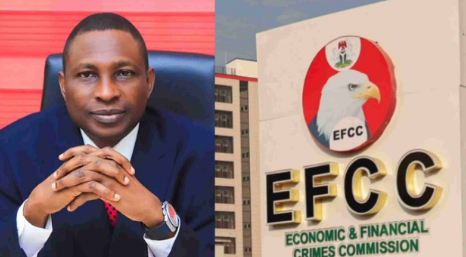
The investigation, being carried out in partnership with the Economic and Financial Crimes Commission (EFCC), follows numerous complaints from students who claimed they are yet to receive refunds after paying their tuition fees before NELFUND later settled the same fees directly with their institutions.
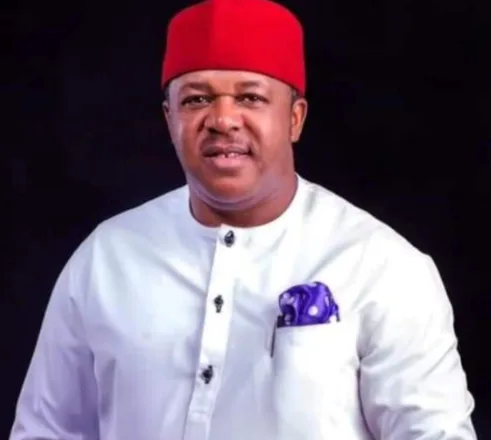
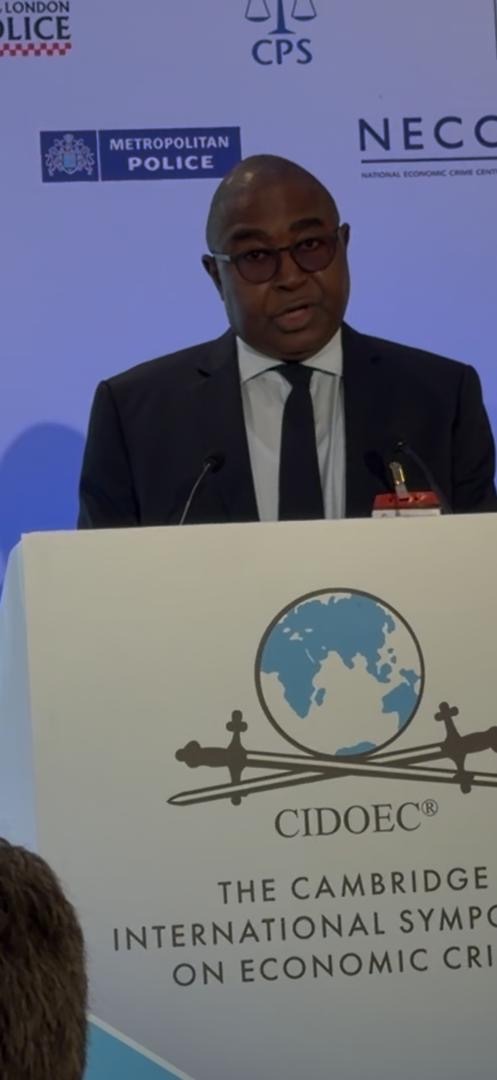
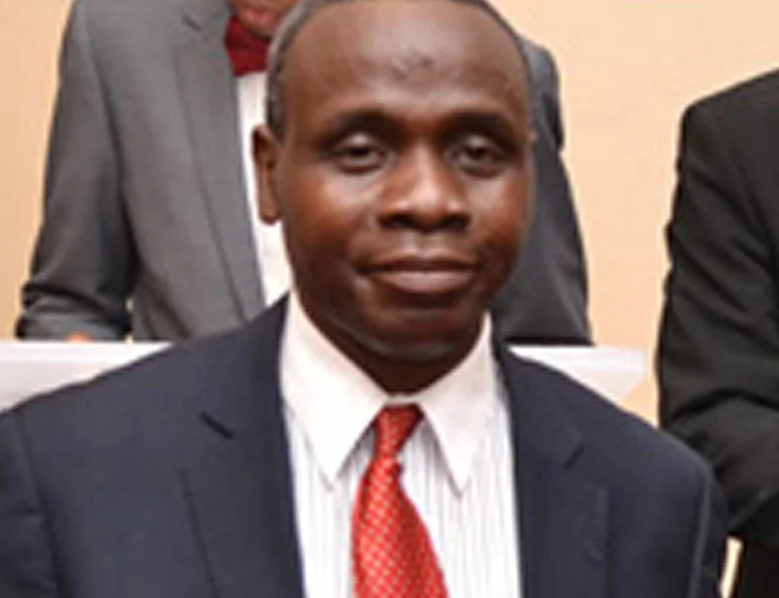
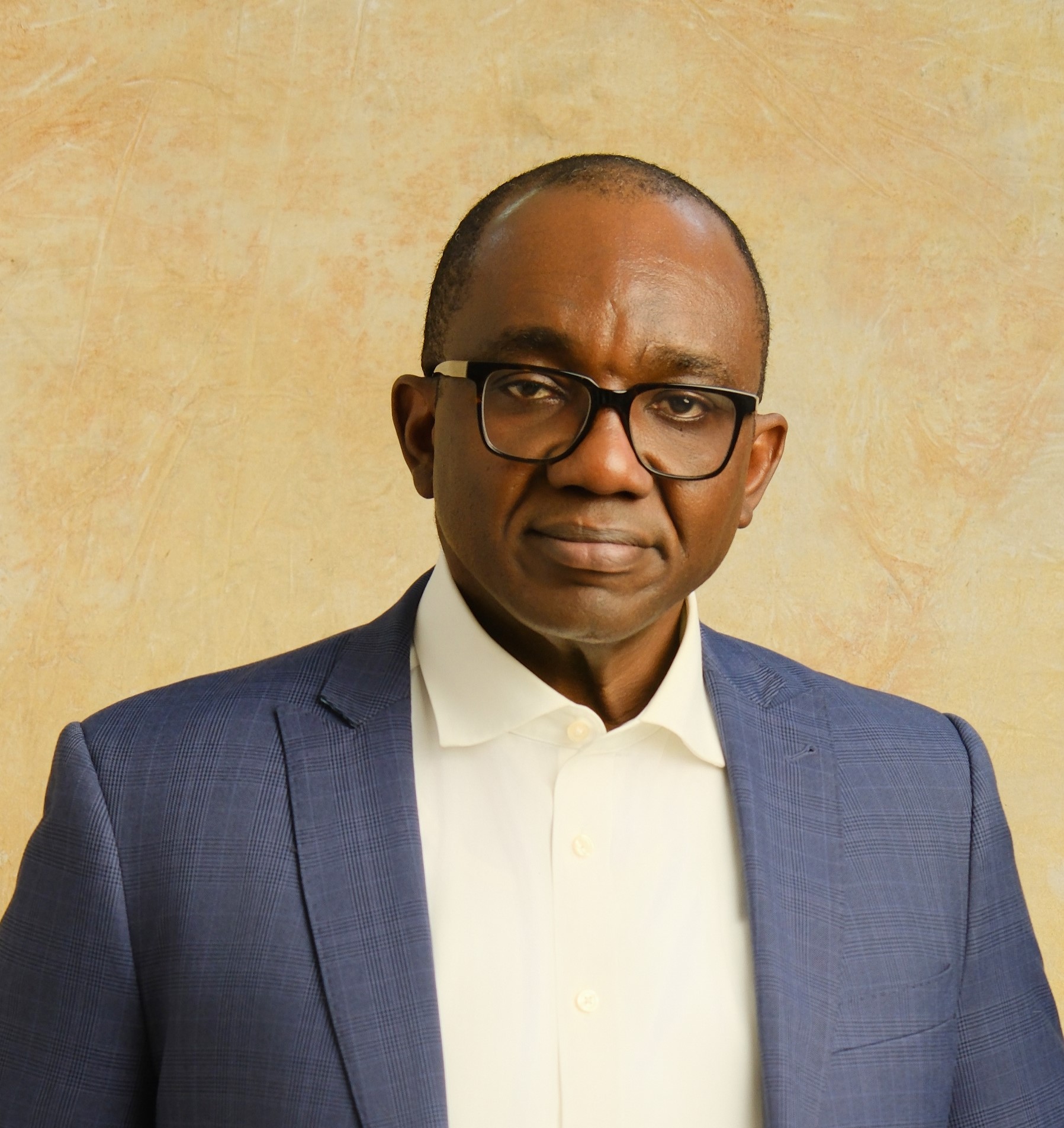
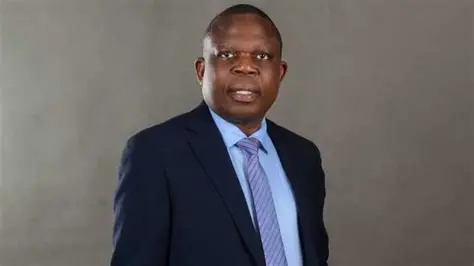
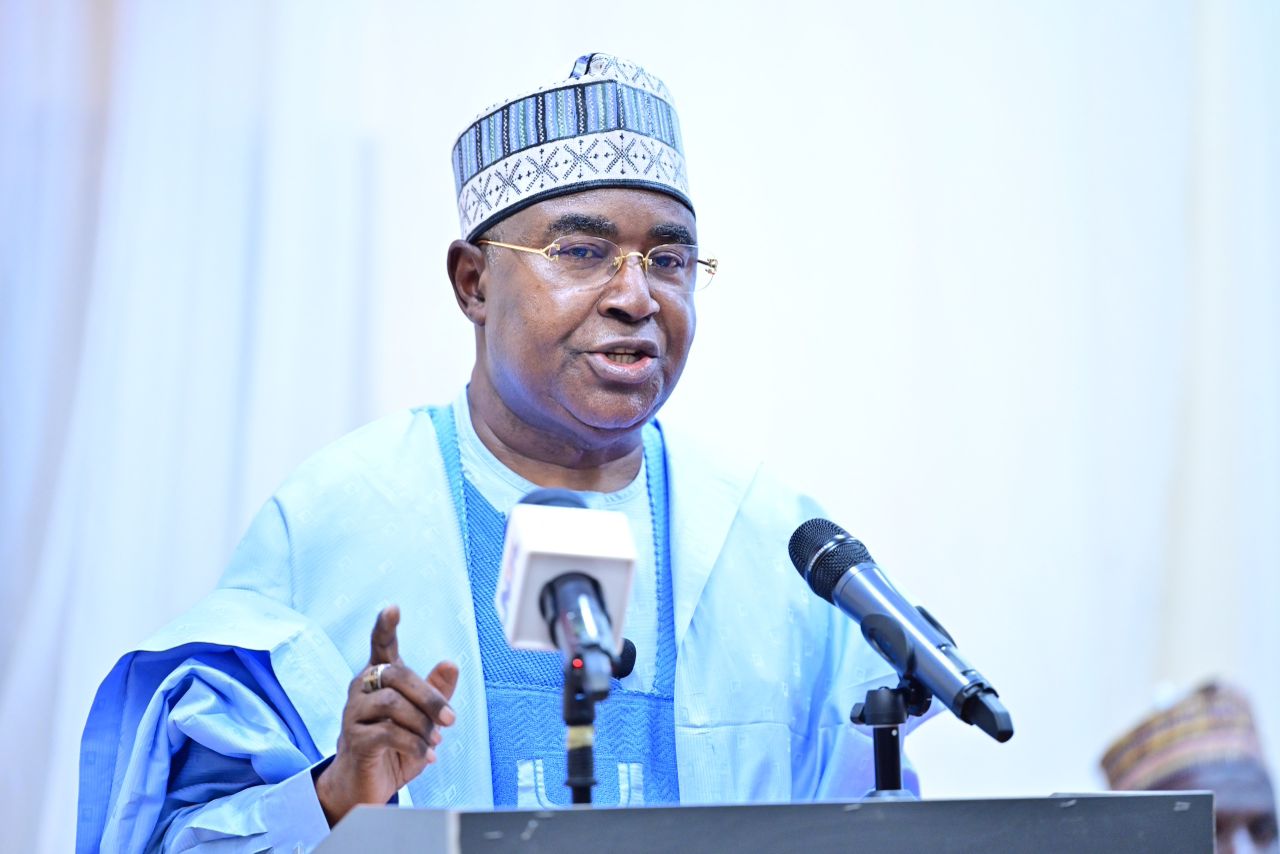
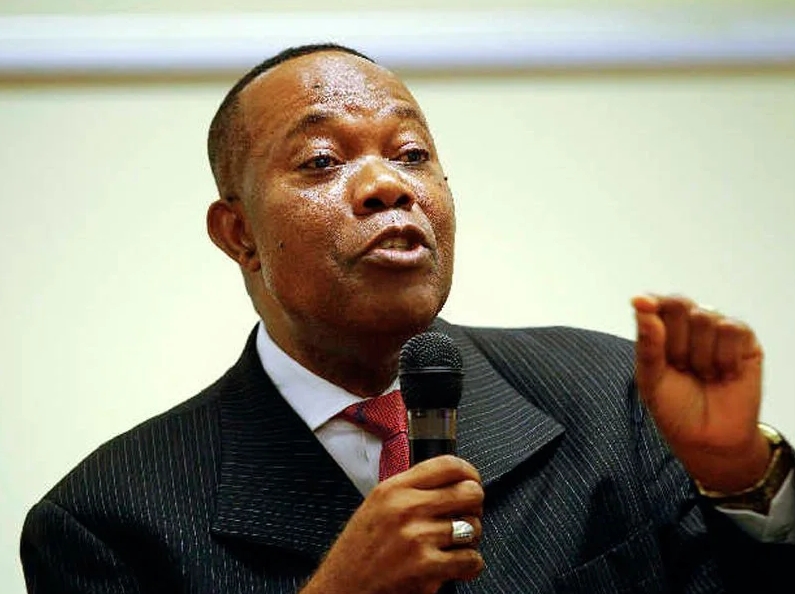
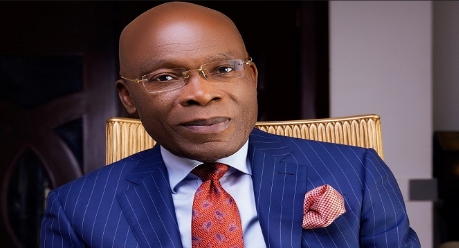
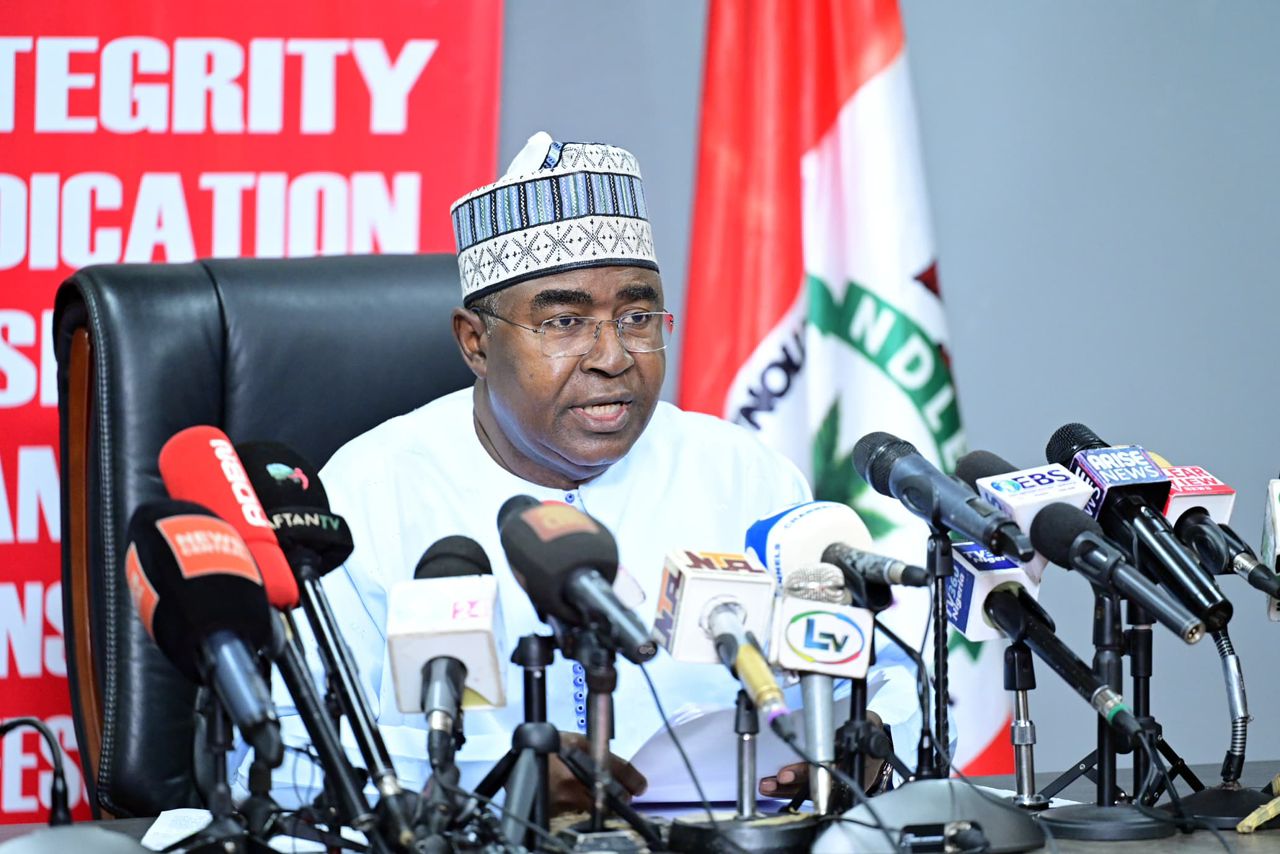
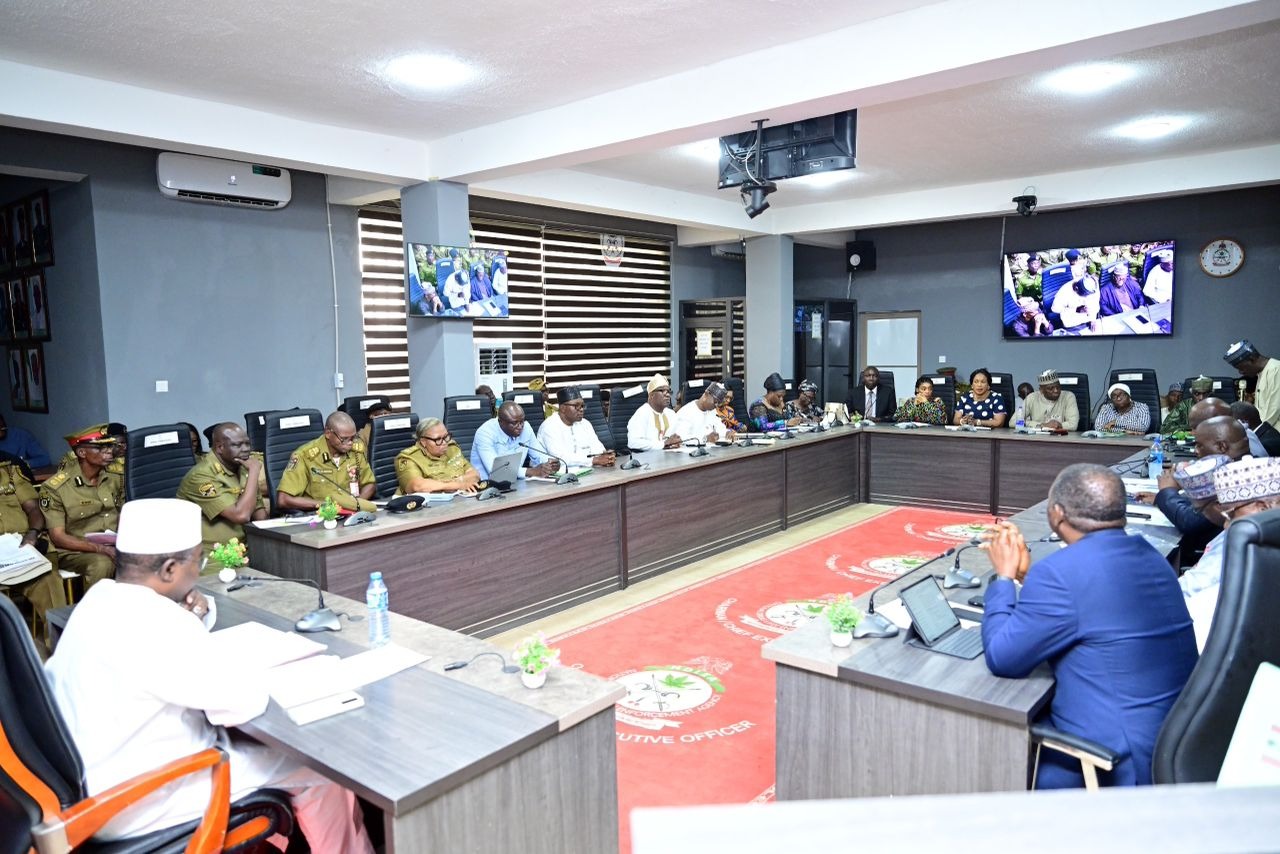
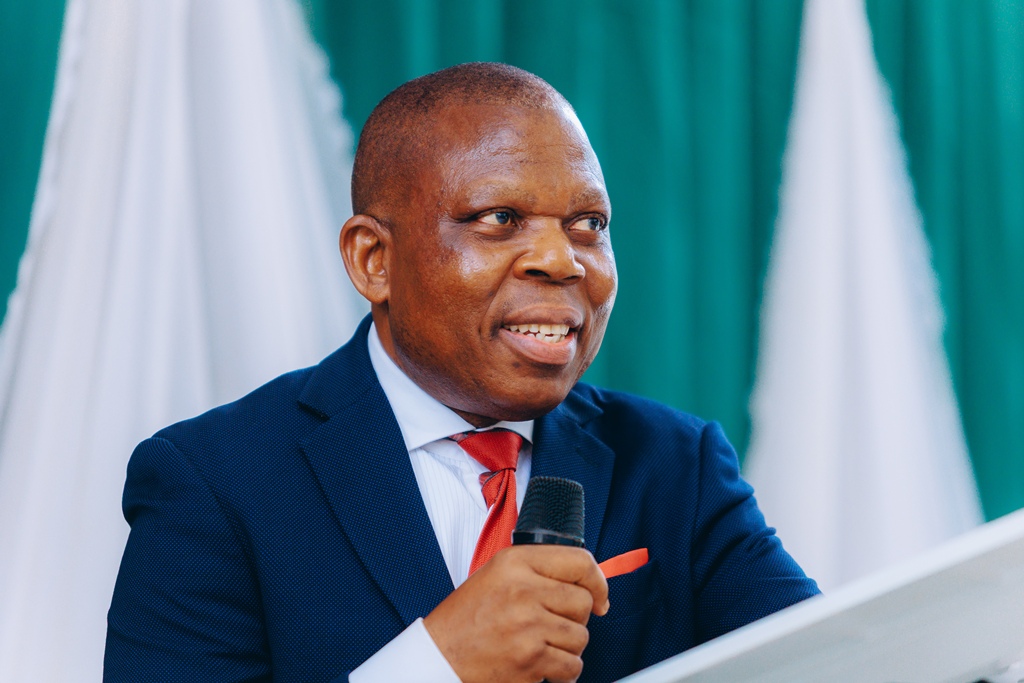
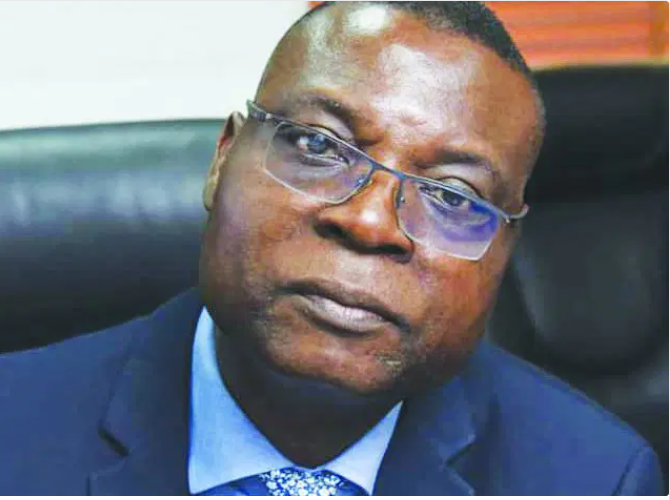
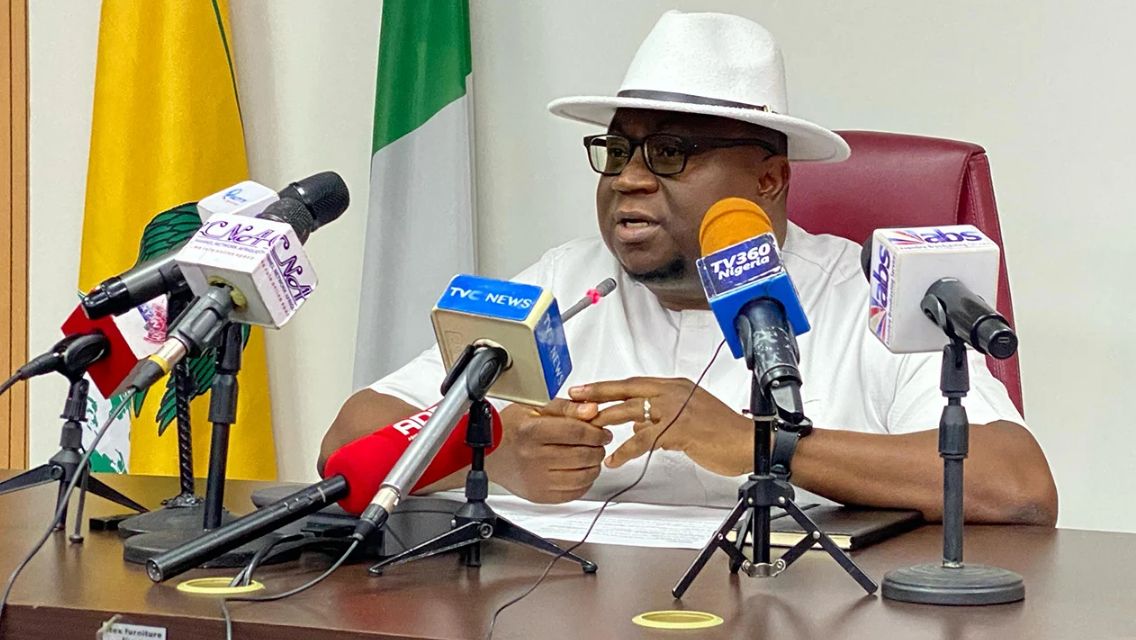
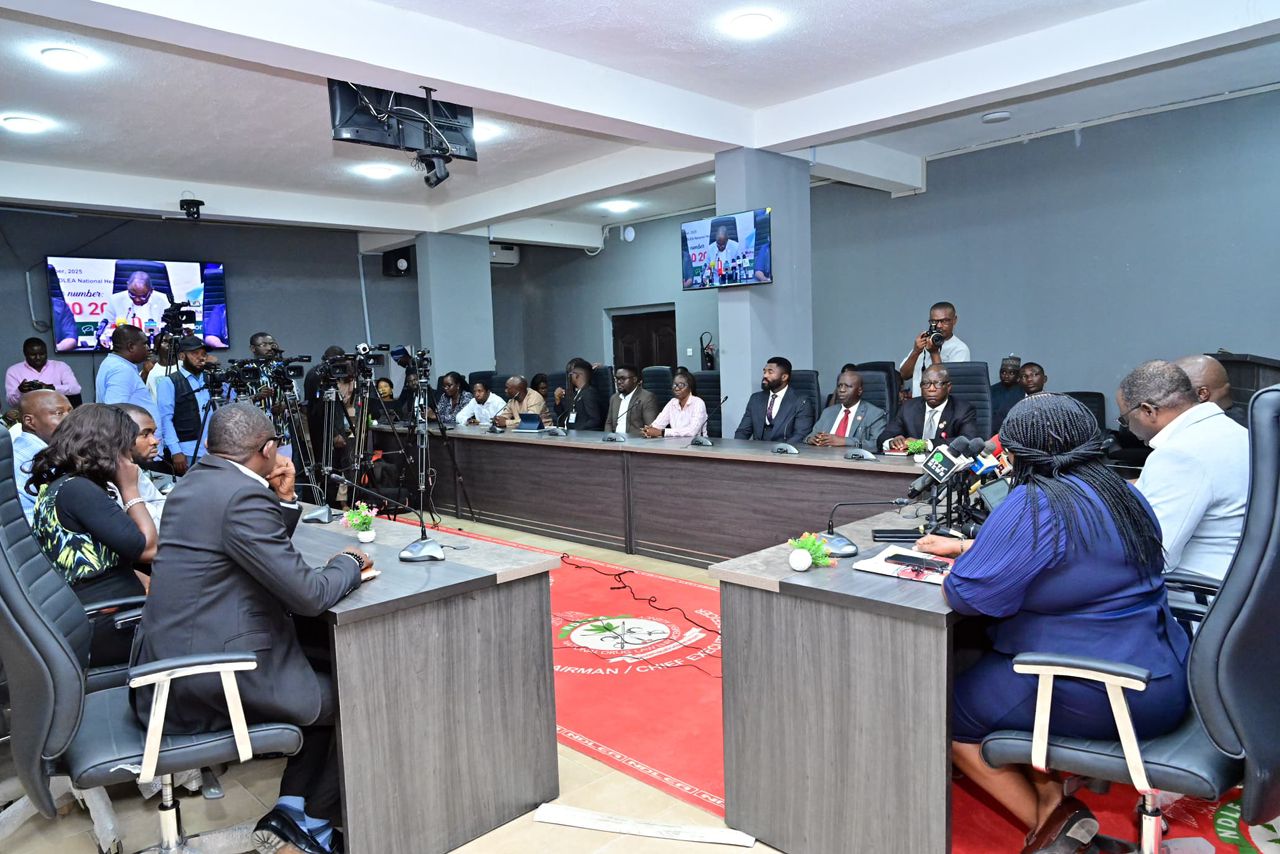
Managing Director of NELFUND, Akintunde Sawyerr, disclosed that the agency has established a five-member investigative team comprising EFCC operatives, internal auditors, and other officials to examine the allegations and determine whether the delays resulted from financial misconduct or administrative lapses.
According to him, about 34 institutions are currently under close scrutiny as the agency works to ensure transparency, accountability, and the protection of beneficiaries of the Federal Government’s education financing initiative.
Sawyerr explained that the refund issue arose because President Bola Ahmed Tinubu directed that the student loan scheme should commence in the middle of an academic session instead of waiting for the beginning of a new academic year.
As a result, many institutions had already begun registration before the scheme became operational. To avoid missing academic deadlines while awaiting approval of their loan applications, thousands of students paid their tuition fees using personal savings or borrowed funds.
When their applications were eventually approved, NELFUND also paid the tuition fees directly to the institutions, creating cases of duplicate payments.
“What happened is that a lot of schools got double payment, some from the students and some from us,” Sawyerr explained.
He clarified that institutions which received the duplicate payments are responsible for refunding the affected students, emphasizing that the reimbursement process does not fall within NELFUND’s direct control.
“The refund process is entirely out of our hands. It is the recipient of the double payments that is obliged to make refunds to the students,” he said.
NELFUND Seeks Transparency in Student Loan Scheme
According to the NELFUND boss, the prolonged delays have placed many students under financial strain, particularly those who borrowed money from relatives, friends, or financial institutions while waiting for their student loans to be approved.
Sawyerr further revealed that affected students have lodged complaints not only with NELFUND but also with the EFCC and the Independent Corrupt Practices and Other Related Offences Commission (ICPC), prompting the agency to deepen its collaboration with anti-corruption authorities.
He, however, cautioned against concluding that every institution deliberately withheld students’ refunds, noting that some schools simply lacked efficient administrative systems for processing reimbursements.
“Some have been very good at this. Others haven’t been so good at it. I reserve judgment on the intentionality around it because, for some of them, they just didn’t have the process to make refunds,” he said.
Although NELFUND does not possess the statutory powers to compel institutions to issue refunds or prosecute erring officials, Sawyerr expressed confidence that ongoing collaboration with the EFCC and other oversight agencies would strengthen accountability and ensure affected students eventually receive their money.
He also disclosed that NELFUND is developing a token-based payment platform that will allow students to electronically authorise tuition payments before funds are transferred directly to their institutions.
According to him, the proposed digital platform is expected to eliminate duplicate payments, improve transparency, and reduce the administrative bottlenecks associated with the current payment process.
Sawyerr explained that NELFUND intentionally avoids paying loan funds directly into students’ bank accounts because doing so could expose the programme to the risk of diversion of funds intended for educational purposes.
The Managing Director also raised concerns over tuition fee increases introduced by some institutions following the launch of the student loan scheme.
He disclosed that the agency has declined payment requests from institutions that raised their fees beyond acceptable levels, insisting that public funds should not be used to support arbitrary tuition hikes.
As the investigation continues, Sawyerr assured students that every reported irregularity would be thoroughly examined, adding that NELFUND routinely establishes investigative panels whenever concerns are raised to strengthen the integrity of the student loan programme.
The outcome of the ongoing probe is expected to determine whether the delayed refunds resulted from administrative shortcomings or deliberate misconduct by any of the affected institutions. The findings are also anticipated to guide future reforms aimed at improving the implementation of the student loan scheme, enhancing transparency, and safeguarding the interests of Nigerian students.
Stay informed with the latest breaking news, in-depth reports, and exclusive updates from Nigeria and around the world. Visit LouisaOlaniyi.com.ng for more stories as they happen.