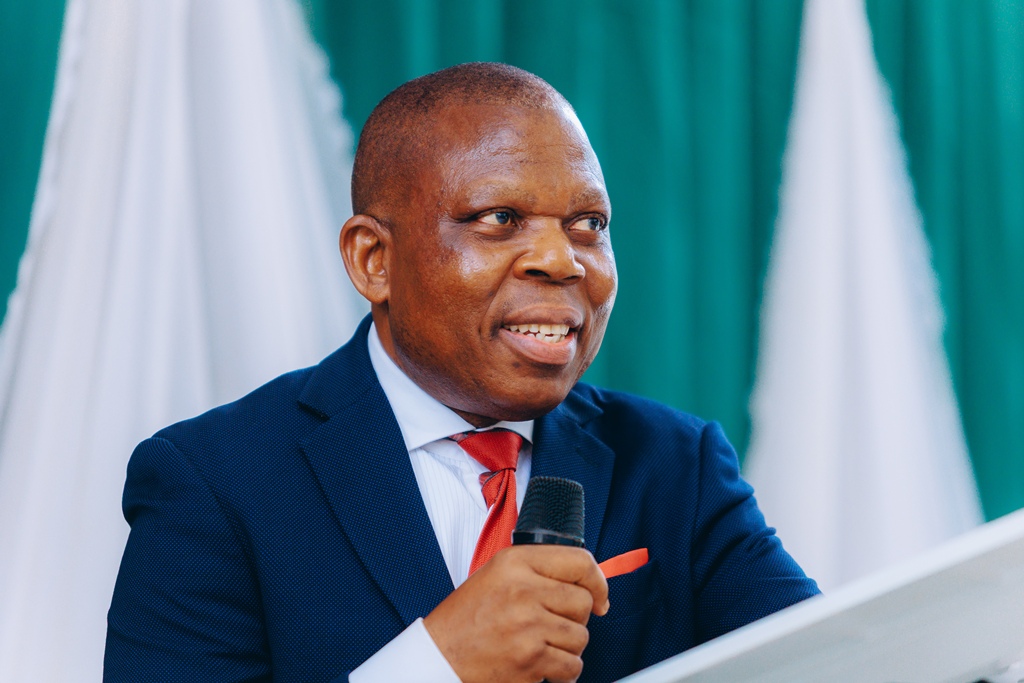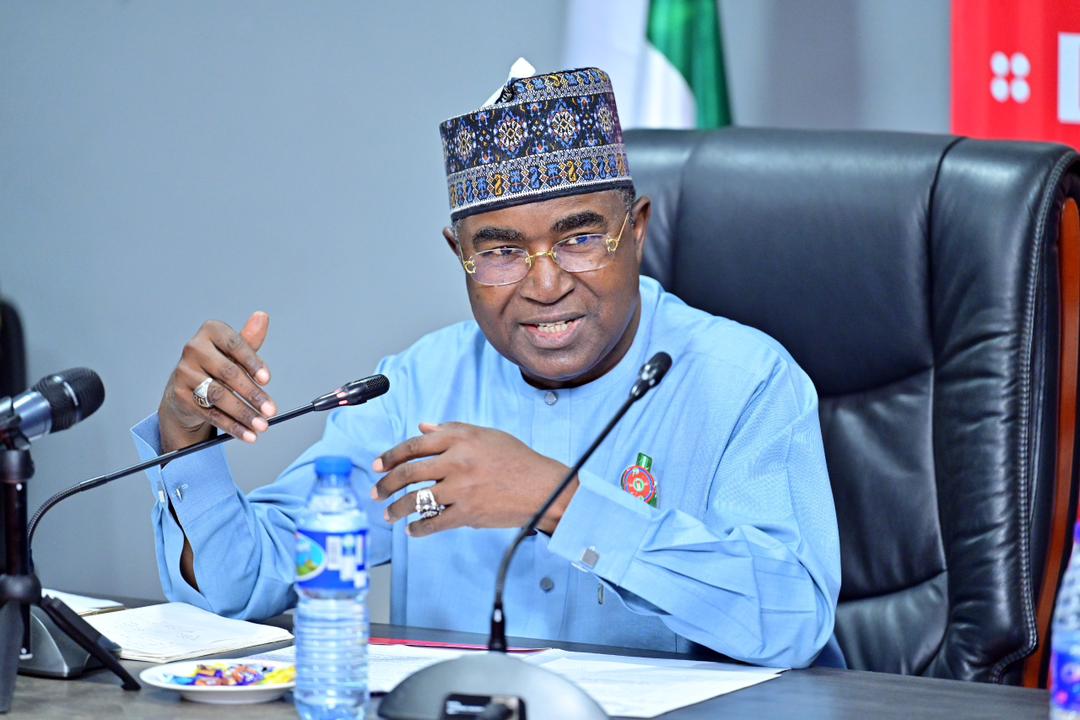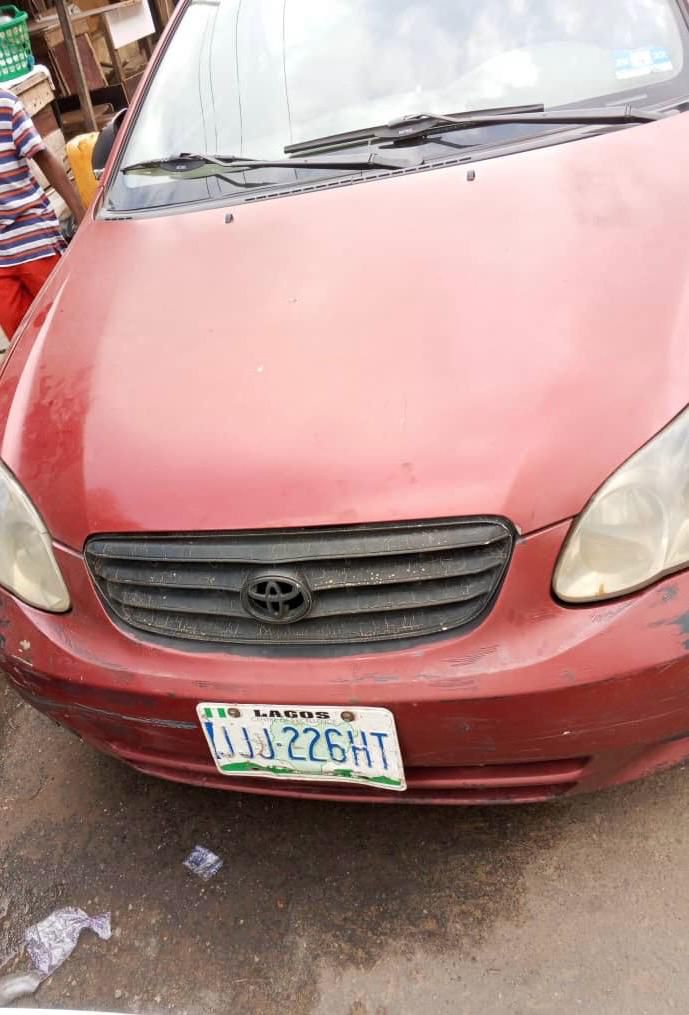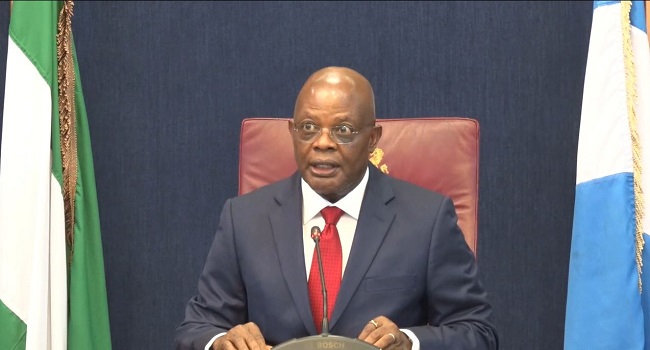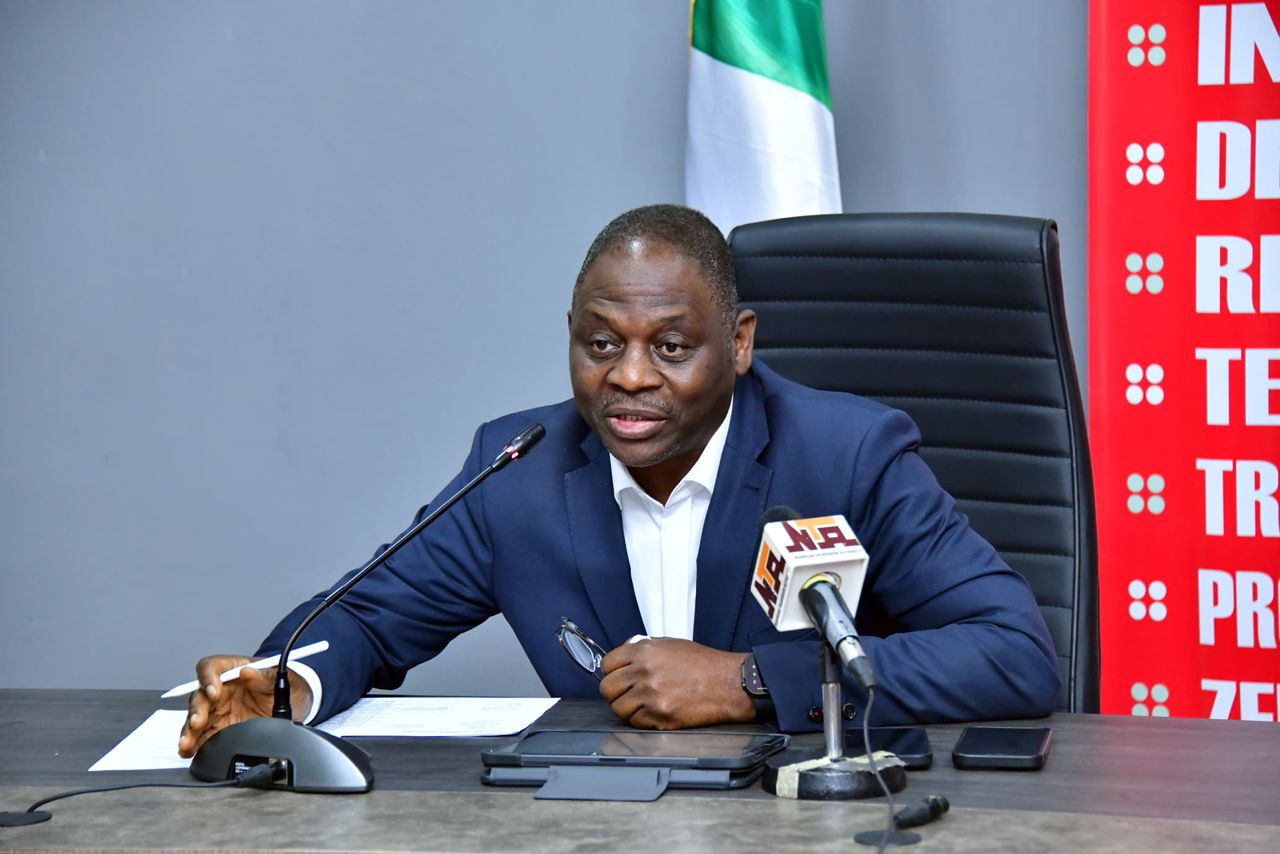
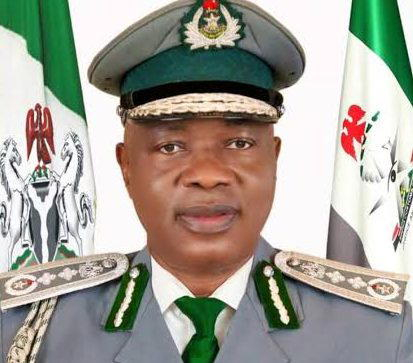
The Comptroller-General of the Nigeria Customs Service (NCS), Adewale Adeniyi, has disclosed that the Federal Government has reduced import tariffs on vehicles, lowering the rate for used vehicles from 15 per cent to five per cent and for brand-new vehicles from 20 per cent to 10 per cent.
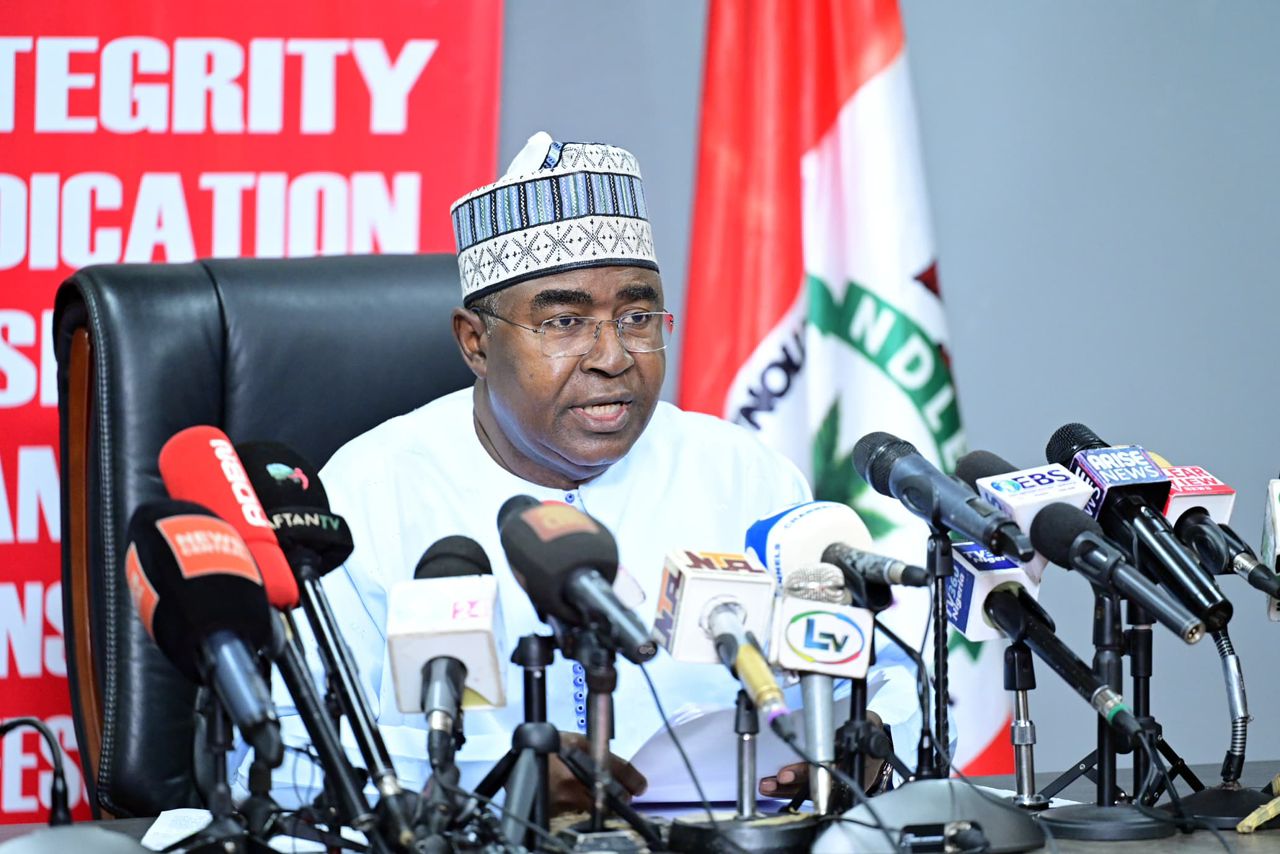
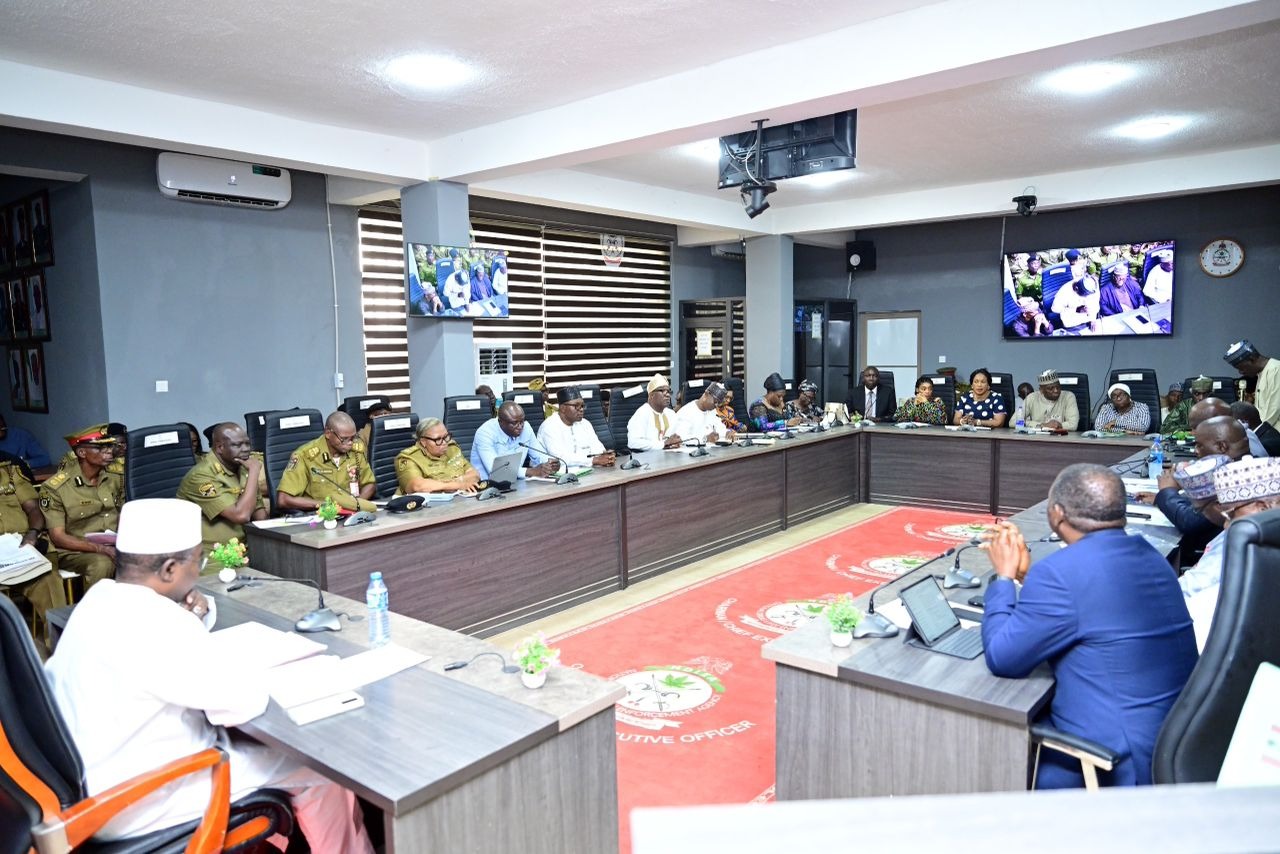
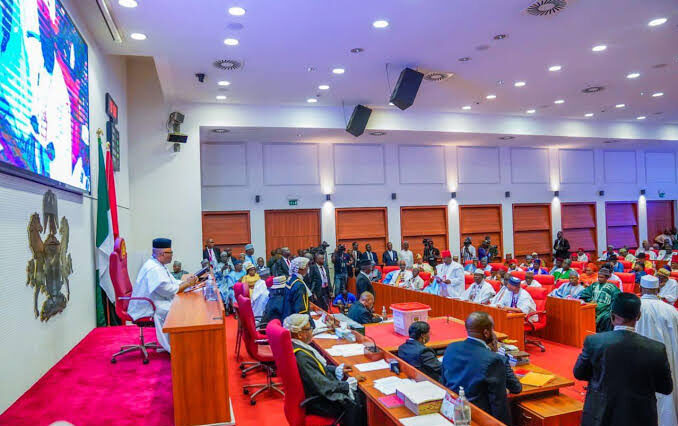
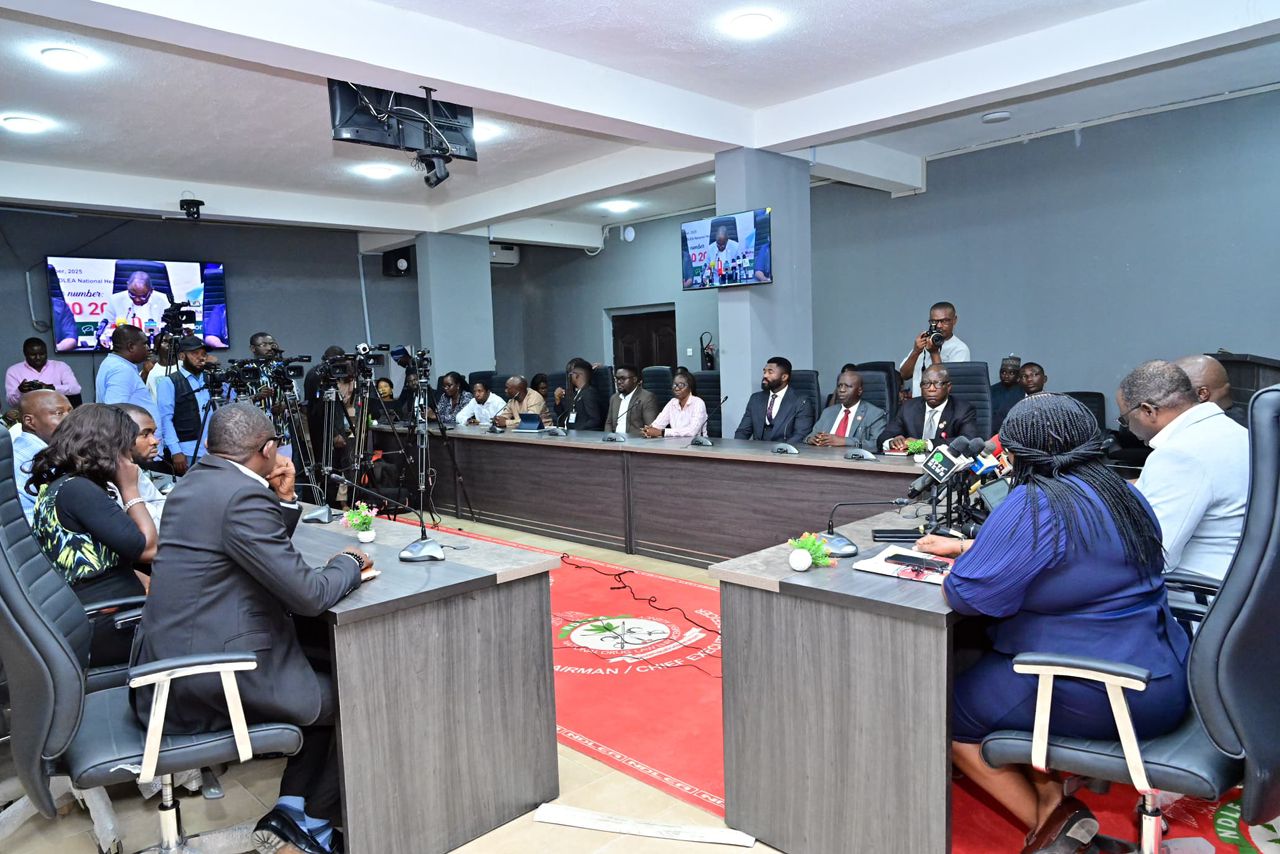
Adeniyi announced the development while appearing before the House of Representatives Committee on Customs and Excise to defend the Nigeria Customs Service’s proposed 2026 budget. He explained that the revised excise tariffs on vehicles form part of the Federal Government’s 2026 fiscal policy measures.
According to the Customs boss, although the new fiscal measures are expected to improve overall revenue generation, the reduction in vehicle tariffs may also have implications for customs revenue.
Adeniyi said: “We have the new excise tariff, which is provided in the 2026 fiscal policy. We believe that these measures will increase our revenue collection.
“Conversely, tariffs on vehicles and levies on vehicles have been reduced significantly. For used vehicles, it has been reduced from 15 percent to five percent, and for brand-new vehicles, the tariffs have been reduced from 20 percent to 10 percent. So we believe that this is something that may also negatively affect revenue.”
During the session, Alex Mascot, a lawmaker representing Abia State, questioned whether the tariff reduction would be sufficient to discourage importers from routing their cargo through neighbouring countries, particularly the Republic of Benin.
He said: “If five percent has been reduced from the fee that is paid when you import goods into the country, why then do people still move their goods to Cotonou? I am aware that a lot of importers are discouraged from bringing their goods into the country because of the high tariffs.”
Import Tariff Cuts and Revenue Performance
Responding, Adeniyi informed lawmakers that implementation of the revised tariff policy commenced in May.
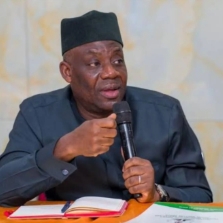
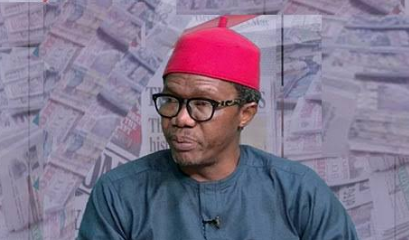
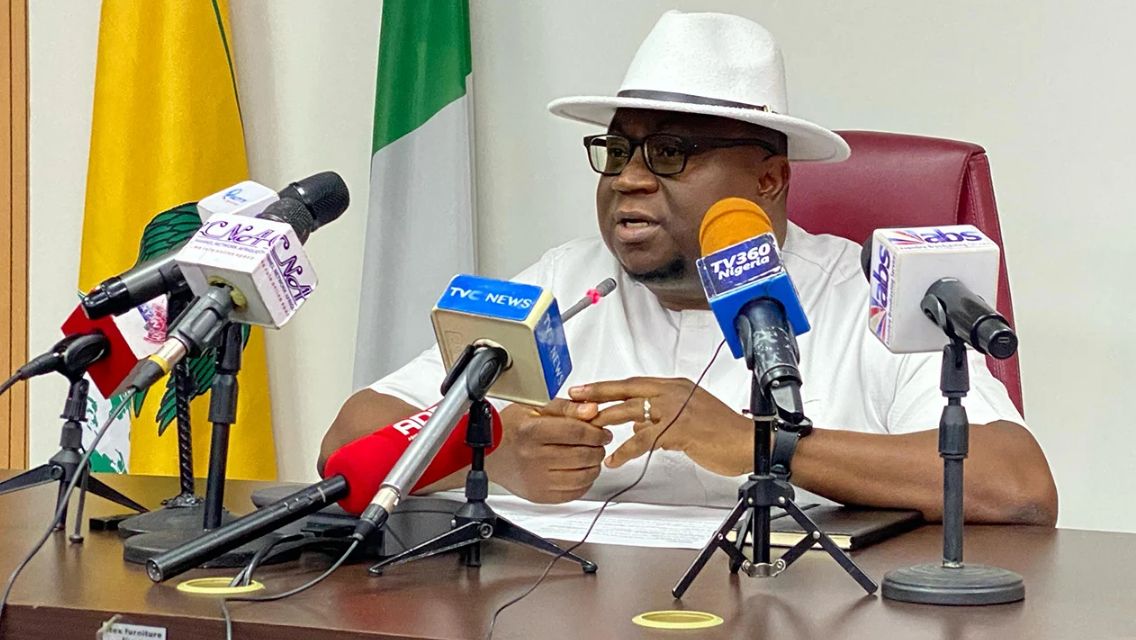
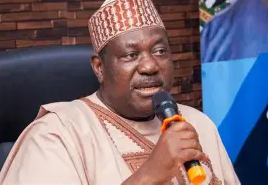
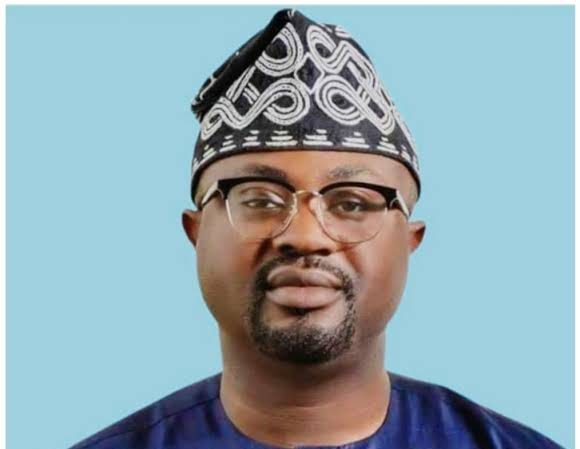
Chairman of the House Committee on Customs and Excise, Leke Abejide, welcomed the policy, describing it as a major relief for Nigerians.
He said: “So, I want the general public to know that the Nigerian government is doing something good for the public.
“People have been clamouring for this, and it has happened. So, we should clap for the federal government. We should commend President Bola Ahmed Tinubu for doing this for the public.”
Adeniyi also presented the Customs Service’s revenue performance for 2025, revealing that the agency generated N7.258 trillion between January and December, surpassing its approved revenue target by N1.153 trillion, representing an 18.89 per cent positive variance.
He attributed the strong performance to effective revenue collection despite several factors that constrained earnings. These included the suspension of excise duty on telecommunications services, the continued suspension of the proposed green tax introduced in 2023, and government policies promoting local production of healthcare products, which reduced import duty and Value Added Tax (VAT) collections on medical imports.
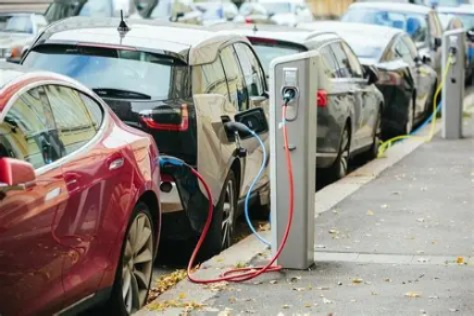
The Comptroller-General further noted that the Presidential initiative promoting compressed natural gas (CNG) and electric vehicles also reduced import-related revenue. He added that a significant volume of imports benefited from Import Duty Exemption Certificates (IDEC), VAT orders, and Schedule II of the Common External Tariff (CET).
According to him, imports valued at N34.538 trillion qualified for revenue concessions in 2025, with petroleum products accounting for 56.40 per cent, military imports making up 40.52 per cent, while IDEC and other qualifying items represented the remaining 3.08 per cent.
Adeniyi also cited disruptions in global trade caused by the Russia-Ukraine war, particularly its impact on wheat imports from the region, as another challenge affecting customs operations.
Looking ahead, the Customs Service has been assigned a revenue target of N11.074 trillion for the 2026 fiscal year.
He explained that the target comprises N5.542 trillion for the Federation Account, N1.491 trillion in non-federation revenue, N2.773 trillion from import VAT, and N1.266 trillion from Free-on-Board (FOB) collections.
To meet the target, Adeniyi said the Service will fully implement the Unified Customs Information System (UCIS), also known as B’Odogwu, to automate customs processes and strengthen revenue collection.
Other strategies, he said, include enhancing post-clearance audits and real-time systems audits to improve compliance, expanding the Authorised Economic Operator (AEO) and advance rulings programmes to facilitate trade, deploying geospatial technology alongside joint border patrols to combat smuggling, and deepening collaboration with relevant stakeholders.
He added that the new excise tariff regime under the 2026 fiscal policy, the planned reintroduction of the green tax, and other fiscal measures are expected to strengthen revenue generation despite uncertainties in global trade arising from tensions involving the United States, Israel, and Iran.
For the 2026 fiscal year, Adeniyi proposed an expenditure budget of N1.235 trillion. He said the budget would be financed through N949.86 billion from the four per cent FOB allocation, N55.47 billion from the Service’s two per cent VAT share, and N230.04 billion earmarked for ongoing capital projects.
The proposed expenditure, according to him, includes N421.70 billion for personnel costs, N307.77 billion for overhead expenses, and N565.93 billion allocated to capital projects.
Stay informed with the latest breaking news, business updates, politics, and more from across Nigeria and beyond. Visit LouisaOlaniyi.com.ng for trusted news and timely updates.