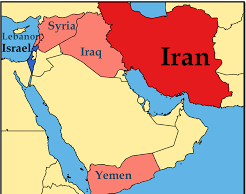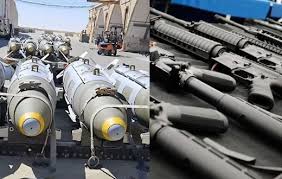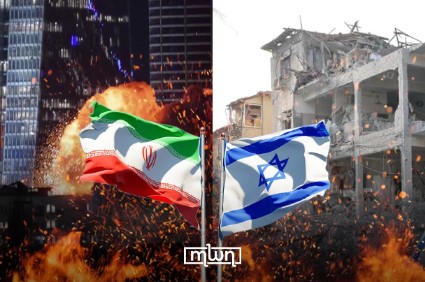

The United States has carried out a new wave of military strikes against Iran, targeting more than 80 military sites following attacks on three commercial oil tankers in the Strait of Hormuz. The latest military action marks a significant escalation in tensions across the Gulf and has renewed concerns over global energy security.
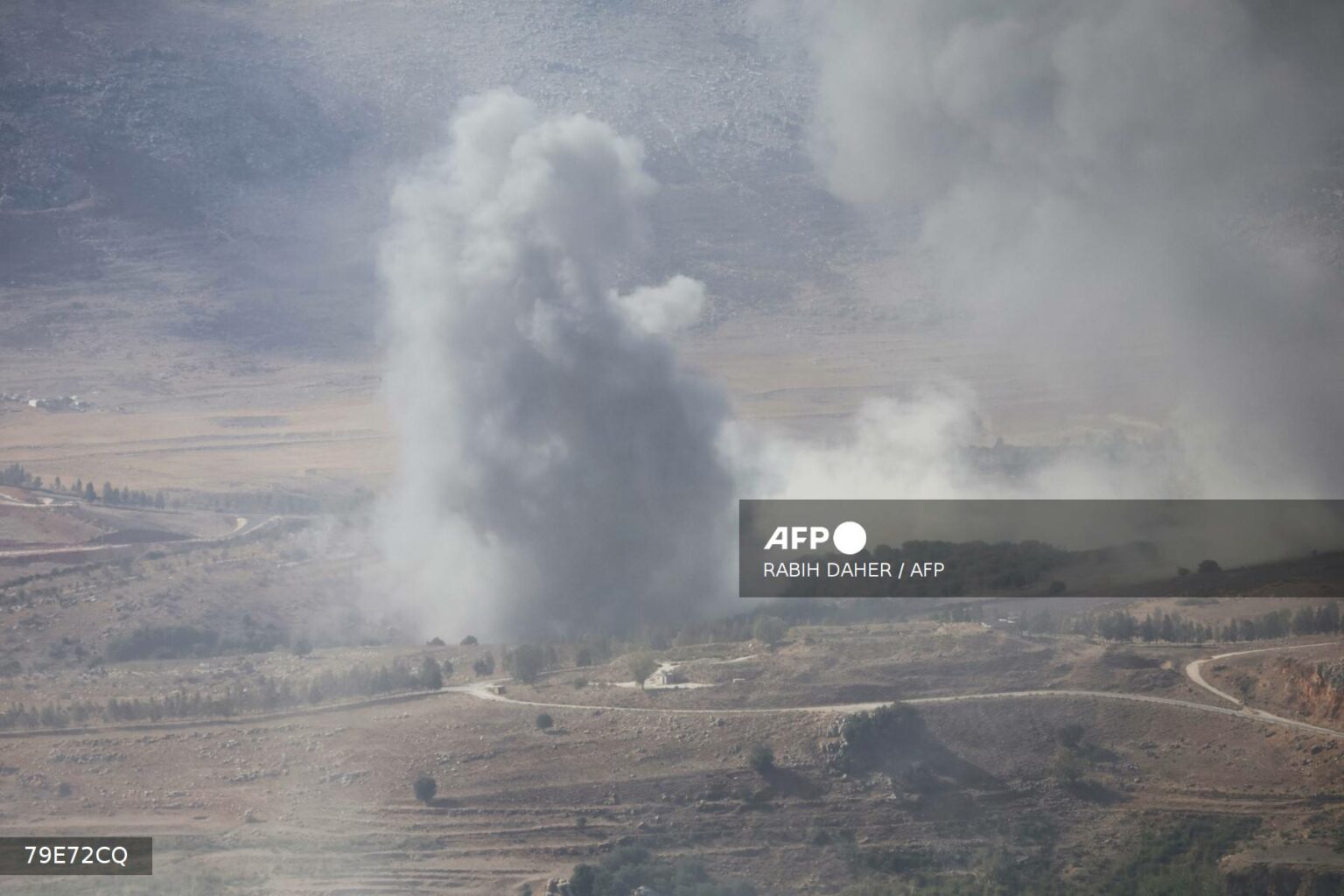
According to the US Central Command (CENTCOM), Tuesday’s operation struck more than 80 Iranian military assets, including missile launch sites, command-and-control centres, radar installations, air defence systems, drone launch facilities and over 60 Islamic Revolutionary Guard Corps (IRGC) fast attack boats operating in the strategic waterway.
CENTCOM said the operation was intended to “impose heavy costs” on Iran for what Washington described as attacks on commercial vessels crewed by innocent civilians in international waters.
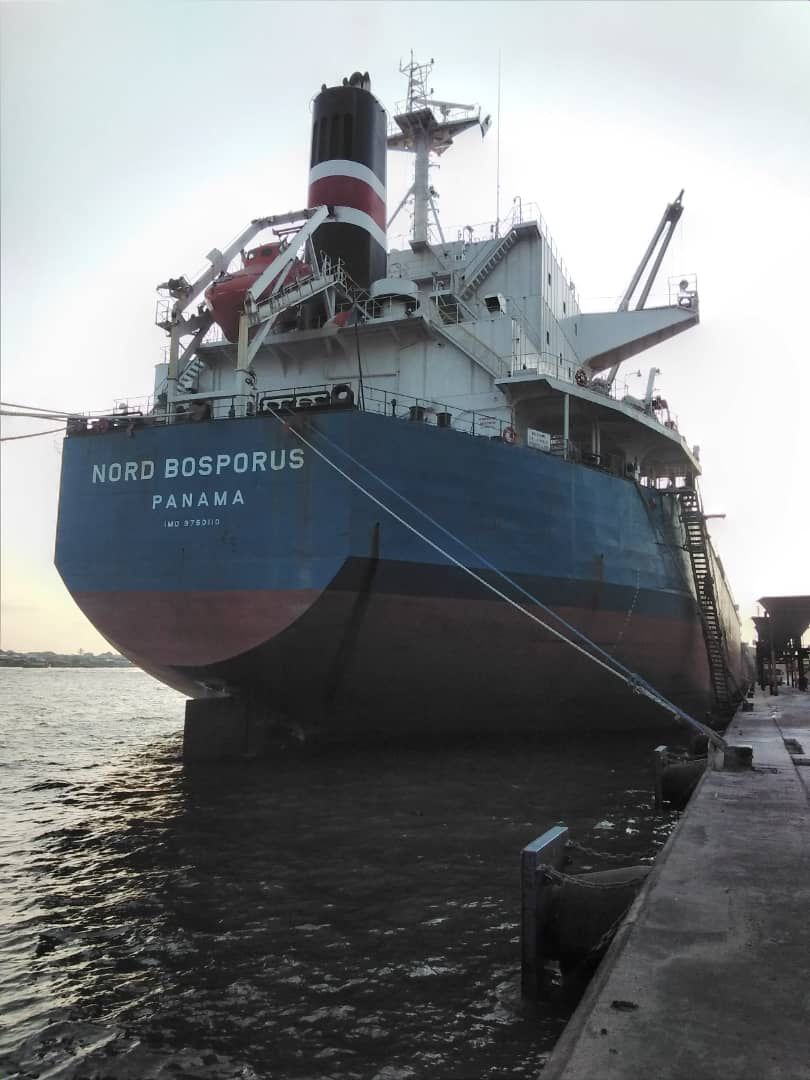
The military response came after three oil tankers were attacked while transiting the Strait of Hormuz, one of the world’s busiest maritime routes through which nearly one-fifth of global oil supplies pass.
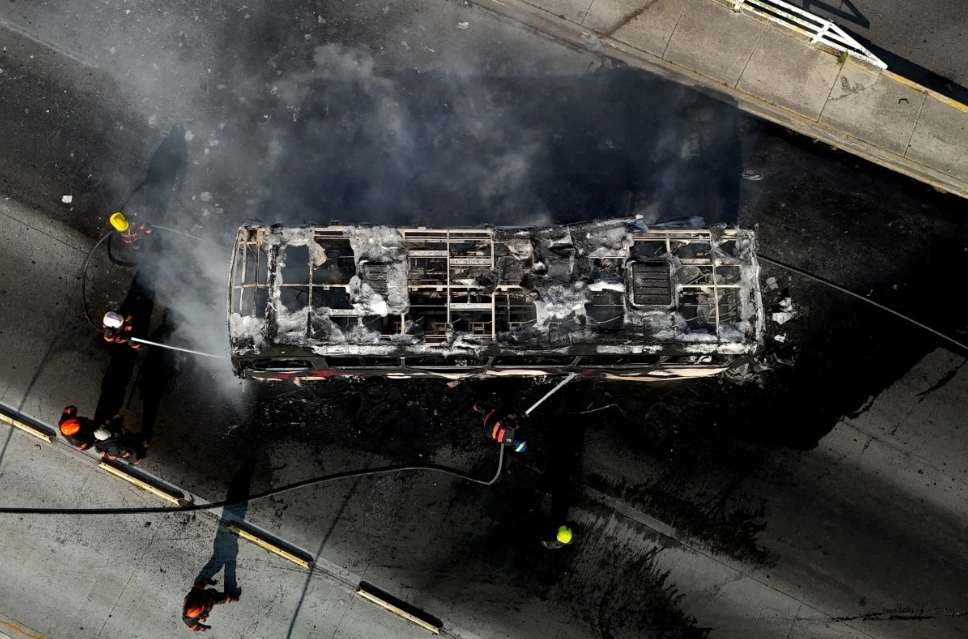
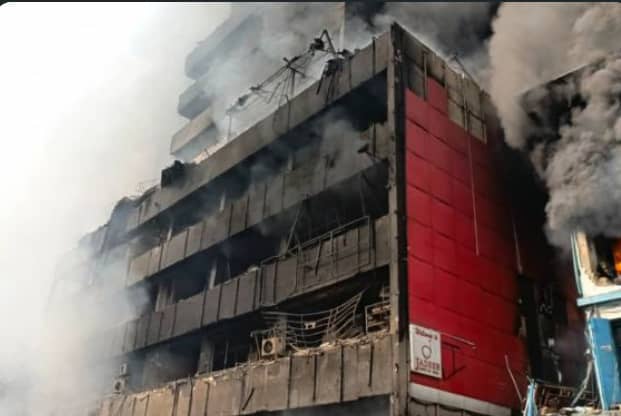
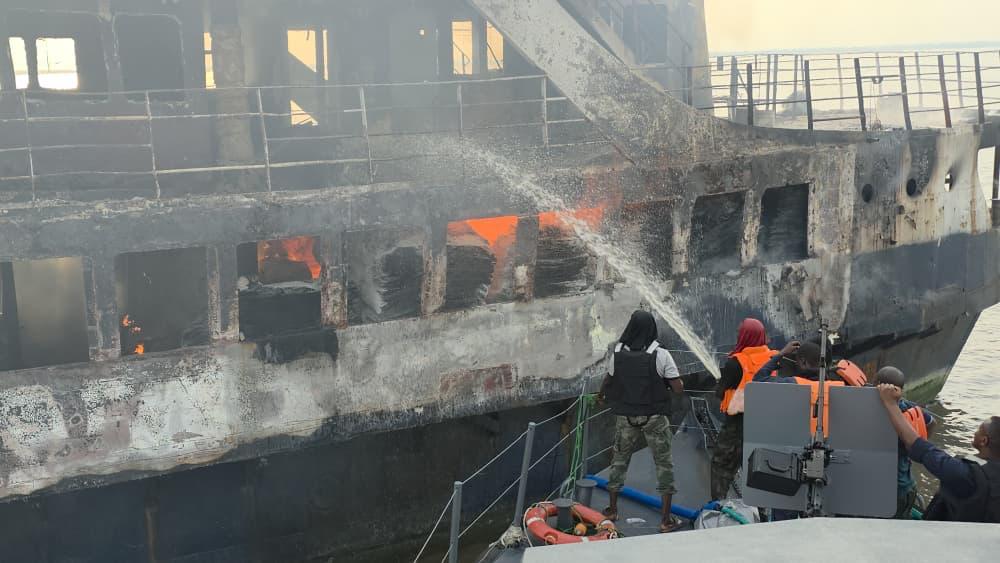
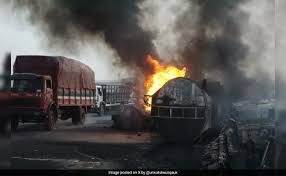
The United Kingdom Maritime Trade Operations (UKMTO) confirmed that one tanker caught fire after an unidentified projectile struck its engine room. Two other vessels also sustained damage in separate incidents but were able to continue their journeys.
Although Iran has not officially accepted responsibility for the attacks, the United States, Qatar and Saudi Arabia have accused Tehran of orchestrating the assaults.
Qatar said its vessel, Al-Rekayyat, was deliberately targeted while sailing near the Strait of Hormuz. Saudi Arabia also reported that its crude oil tanker, Wadyan, was struck during transit through the strategic waterway.
Iran, however, rejected the accusations, maintaining that commercial vessels failing to coordinate with Iranian maritime authorities or tampering with navigation systems risked accidents and collisions.
Within hours of the American operation, the Islamic Revolutionary Guard Corps (IRGC) announced retaliatory missile and drone strikes against what it described as 85 US military facilities in Bahrain and Kuwait.
Strait of Hormuz Crisis Tests Ceasefire Agreement
The IRGC said the attacks were aimed at the headquarters of the US Navy’s Fifth Fleet in Bahrain and Ali Al Salem Air Base in Kuwait. Independent verification of the reported strikes was not immediately available.
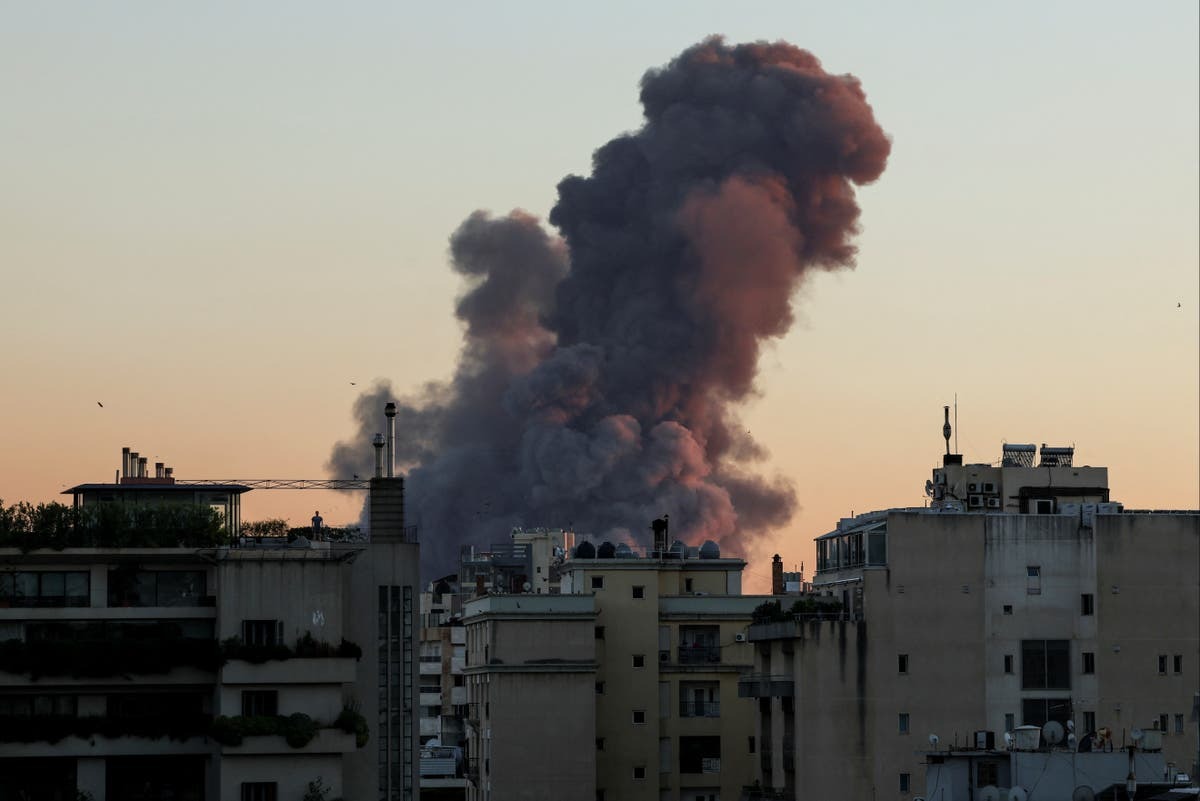
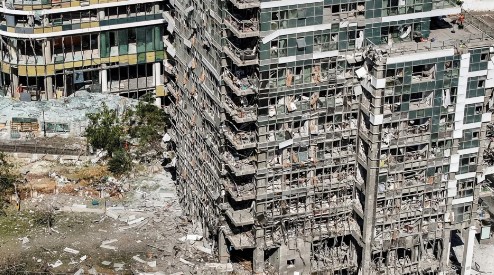
Meanwhile, Iranian state media reported explosions in Qeshm Island, Bandar Abbas, Sirik and other southern locations. Authorities said several civilians sustained injuries from flying debris following the US bombardment.
Iran’s Deputy Foreign Minister condemned the military action, describing it as a clear violation of the US-Iran memorandum of understanding signed last month. The official warned that Tehran would take “decisive measures” to defend its sovereignty.
Iran’s Foreign Ministry also criticised Washington’s decision to revoke a temporary waiver that had allowed limited Iranian oil exports under the agreement.
Iranian officials argued that the decision demonstrated the “bad faith, inconsistency and unreliability” of the US government and effectively undermined ongoing diplomatic efforts.
Before launching the strikes, the US Treasury revoked the waiver that had temporarily eased sanctions on Iranian oil exports. The move restores restrictions on Iranian crude exports and significantly increases economic pressure on Tehran.
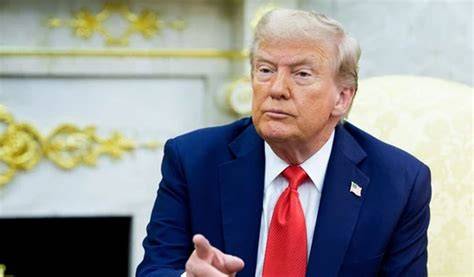
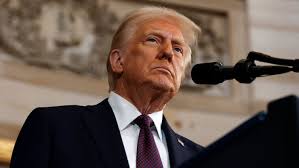
US President Donald Trump warned that Washington was prepared to carry out further military operations if Iran continued attacking commercial shipping or violated the ceasefire framework reached last month.
Despite the renewed military confrontation, US officials insisted that diplomatic negotiations remain open and that Washington continues to pursue a long-term agreement with Tehran.
The latest escalation has intensified concerns over prolonged instability in the Strait of Hormuz, a critical maritime corridor connecting the Persian Gulf to global markets. Any sustained disruption along the route could significantly affect global energy supplies and trigger higher international oil prices.
Financial markets reacted swiftly to the developments, with crude oil prices rising as investors assessed the growing risk of further attacks and potential disruptions to one of the world’s most important oil transit routes.
The latest exchange of military action represents one of the most serious confrontations between the United States and Iran since both countries signed a 14-point memorandum aimed at extending a ceasefire and reducing hostilities across the region.
While both sides continue to insist that diplomatic channels remain open, the latest escalation has cast fresh doubt over the future of the agreement and renewed fears of a wider regional conflict.
Stay informed with credible, timely, and in-depth coverage of the stories shaping Nigeria and the world. Visit LouisaOlaniyi.com.ng for the news, updates, and exclusive reports as events unfold.