Stay informed with the latest breaking news, politics, business, and current affairs from Nigeria and beyond. Visit LouisaOlaniyi.com.ng for more updates and in-depth reports.

- July 7, 2026
- Admin User
- 0
The West African College of Physicians (WACP), Nigeria Chapter, has urged governments at all levels to urgently strengthen Nigeria’s healthcare system or risk an escalation of the migration of skilled medical professionals, declining quality of care, and mounting pressure on already overstretched hospitals.
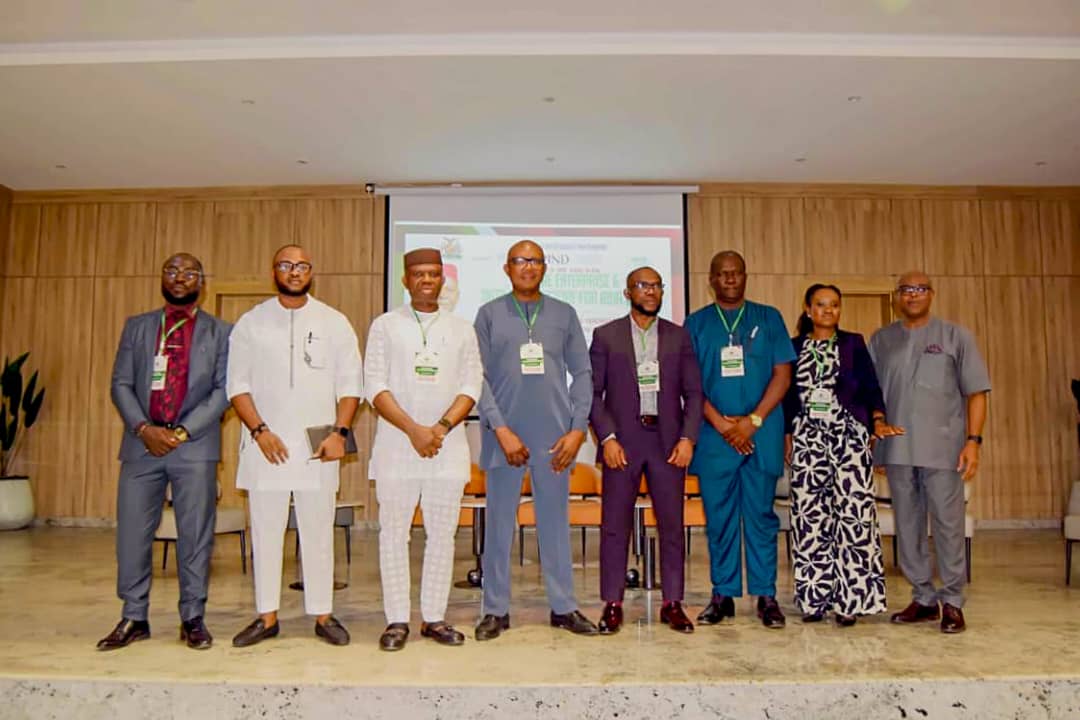
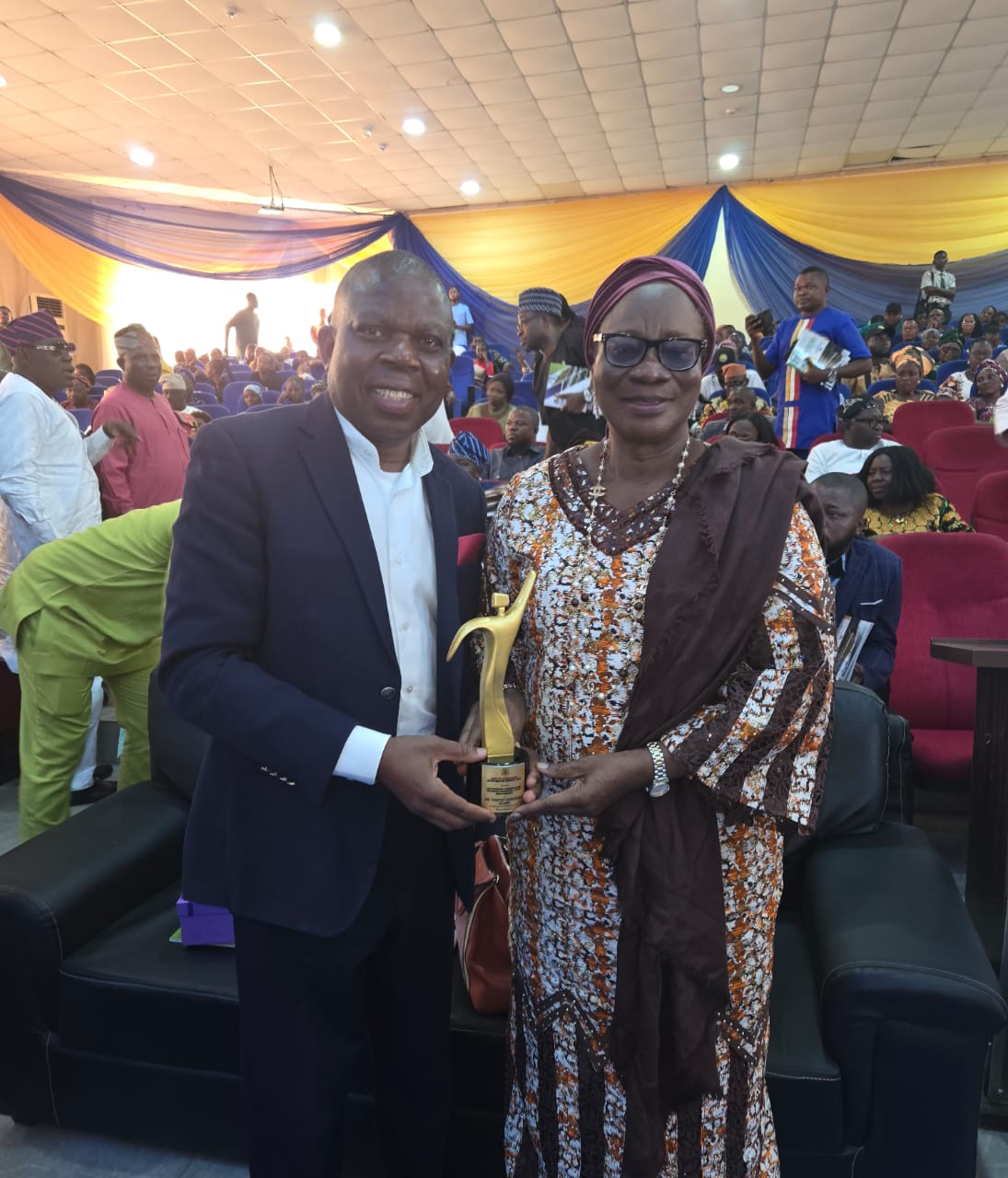
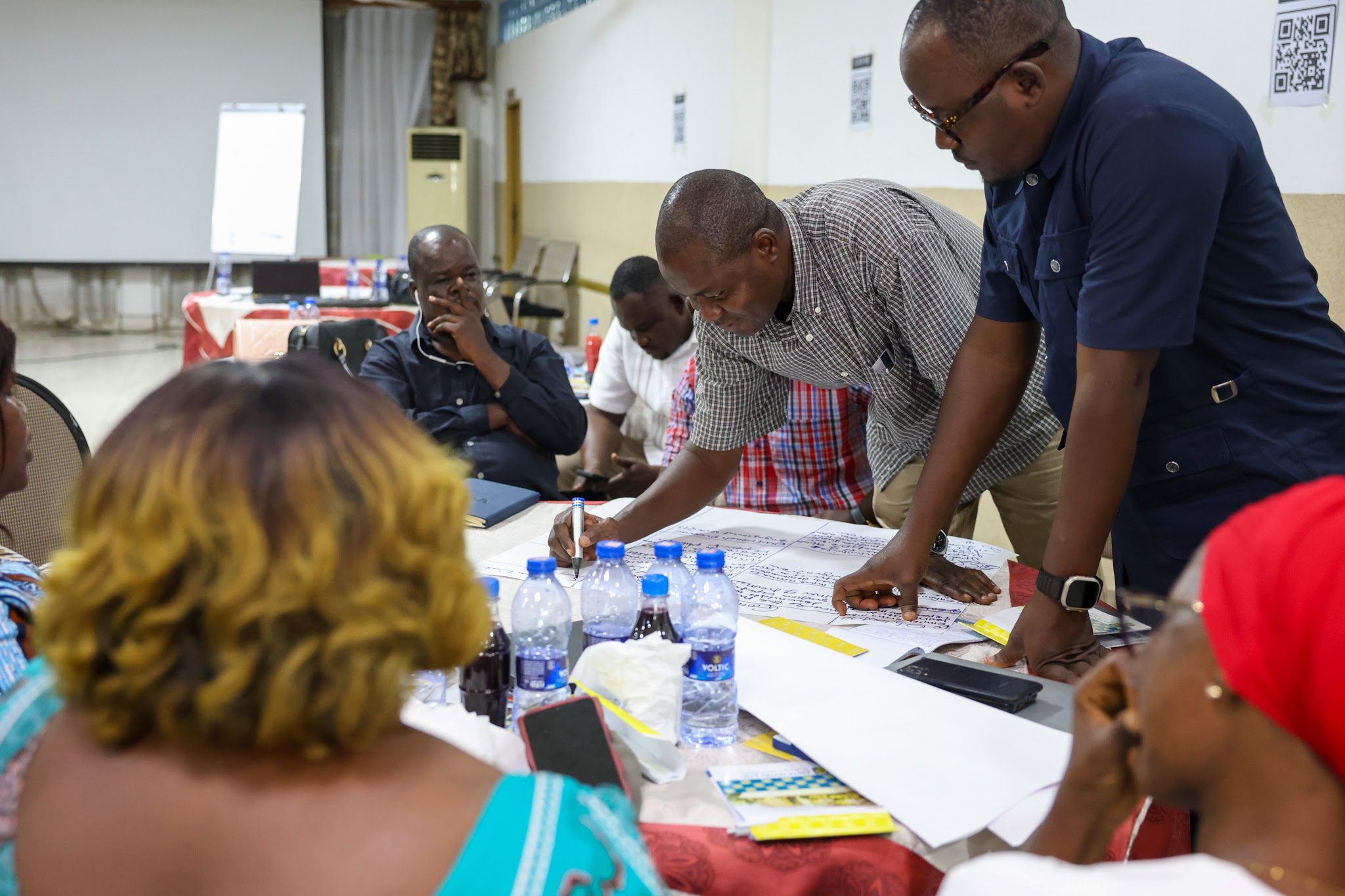
The warning was issued during a press conference held at the Theophilus Ogunlesi Hall, University of Ibadan, ahead of the 50th Annual General and Scientific Conference of the West African College of Physicians, Nigeria Chapter.
At the briefing, the College pointed to persistent challenges affecting the nation’s health sector, including weak governance, inadequate funding, poor workforce retention, and gaps in healthcare delivery. It stressed that meaningful reforms should be driven by collaboration, innovation, and a patient-centred approach.
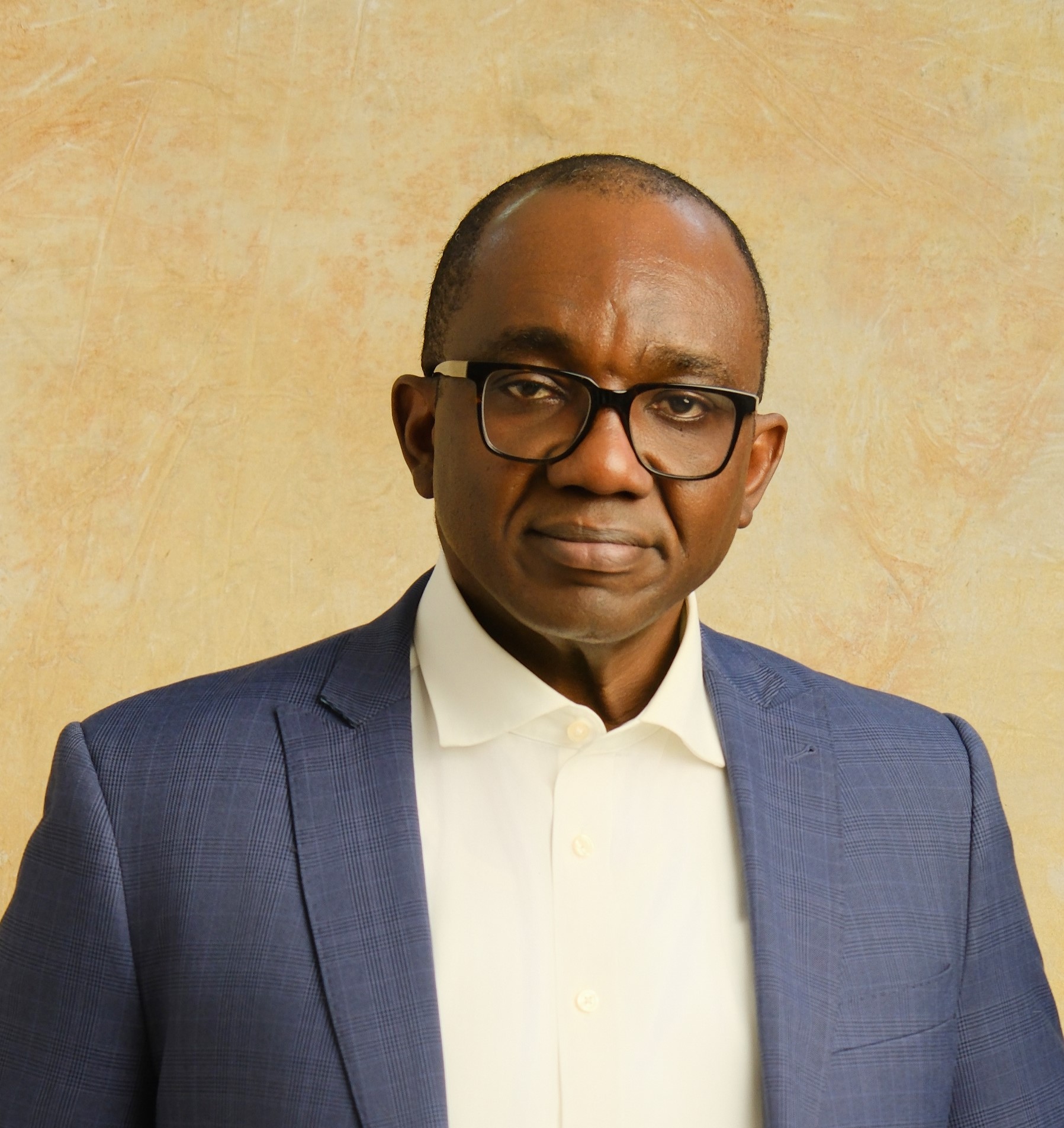
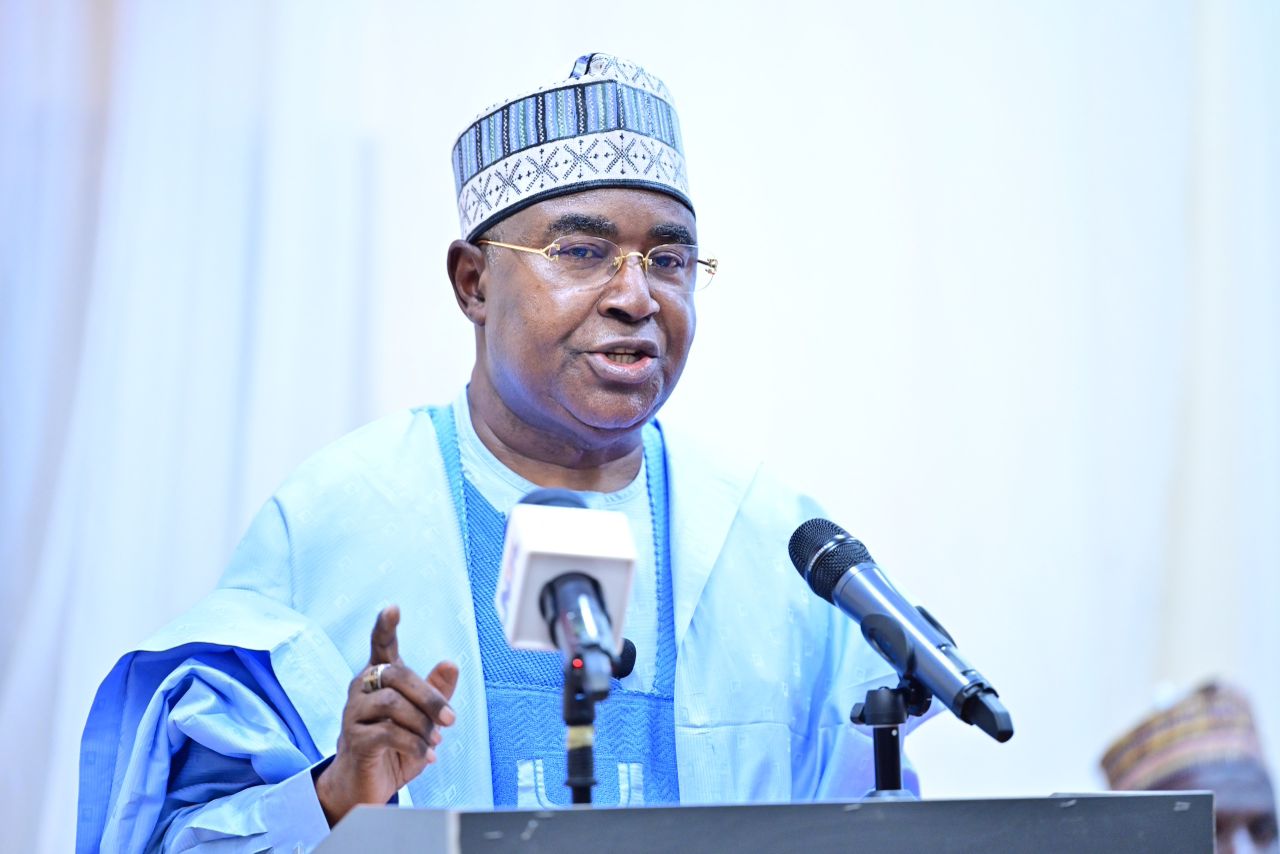
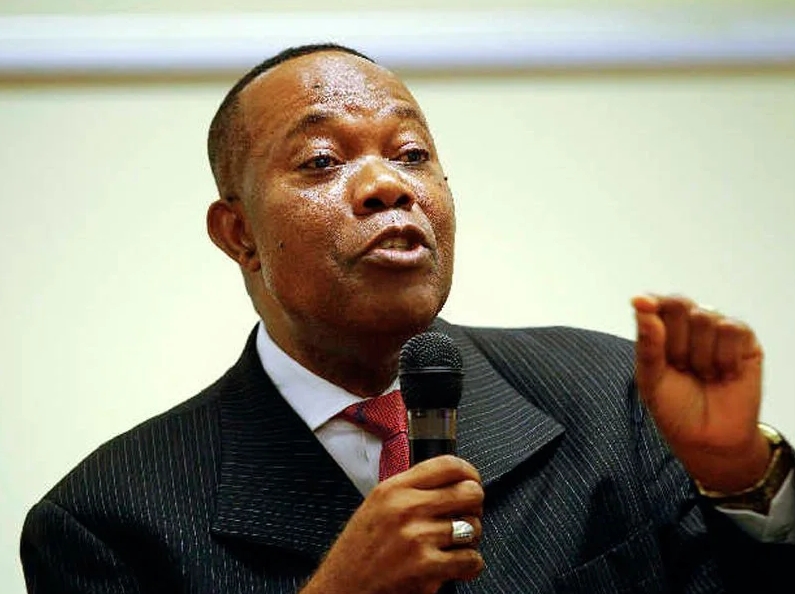
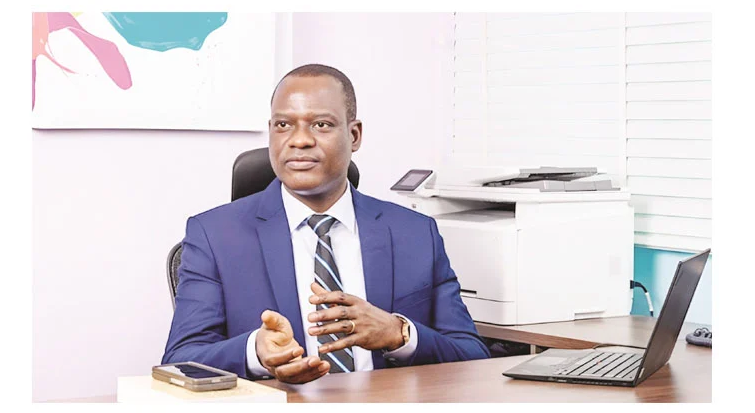
Chairman of the Nigeria Chapter of WACP and Vice President of the College, Prof. Benjamin Uzochukwu, said Nigeria’s healthcare challenges cannot be addressed through restrictive policies but by making medical practice within the country more attractive, efficient, and sustainable.
Speaking on the growing role of artificial intelligence in healthcare, Prof. Uzochukwu acknowledged its usefulness, particularly in diagnosis, but maintained that it cannot replace the compassion and judgment that healthcare professionals bring to patient care.
“For us and for me in particular, we should not rely solely on artificial intelligence. We must combine it with human intelligence.”
“In our clinical practice, we have found that artificial intelligence is very helpful, particularly in diagnosis. However, when it comes to management, the human element is missing.
“Artificial intelligence will not say, ‘I’m sorry.’ However, a clinician’s empathy can help address the social aspects of a patient’s problem by saying, ‘I’m sorry. How are you doing?’ and so on.”
Brain Drain Weakens Healthcare
The WACP chairman also expressed concern over the continued migration of Nigerian health professionals, warning that the trend is steadily weakening the country’s healthcare system.
“Brain drain continues to strip our hospitals of experienced specialists”. He added that rising inflation has further eroded the real value of healthcare workers’ earnings, making retention even more difficult.
Prof. Uzochukwu also criticised previous attempts to discourage medical professionals from leaving the country by restricting access to overseas specialist training, describing such measures as ineffective.
“At one point, the Federal Government introduced a policy that indirectly prevented some doctors from travelling abroad to undertake specialist training. However, we do not believe that this is the appropriate approach.
“To curb brain drain, we must ensure that what we have within the country is sufficient, of high quality, and offers appropriate remuneration to sustain the health system.
“If we strengthen our health system, then anyone who visits a health facility will receive appropriate treatment and quality healthcare services.”
Addressing the broader issue of healthcare financing, Prof. Uzochukwu called for increased government investment in the sector, noting that Nigeria remains far below the recommended funding benchmark.
“We must allocate at least the agreed 15% of the national budget to health. At present, spending is below 6 percent.” he said.