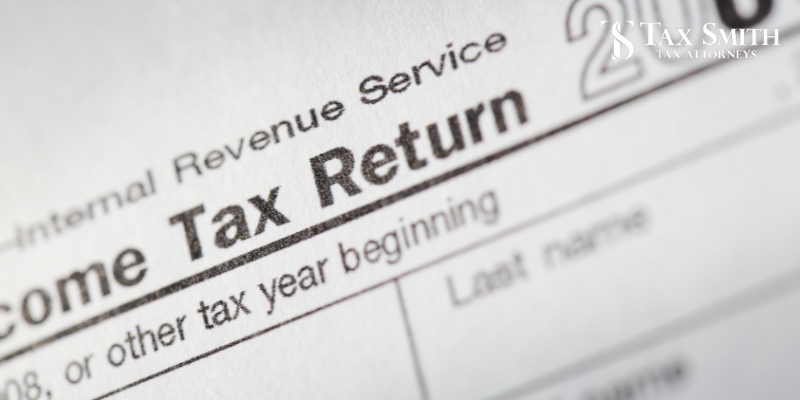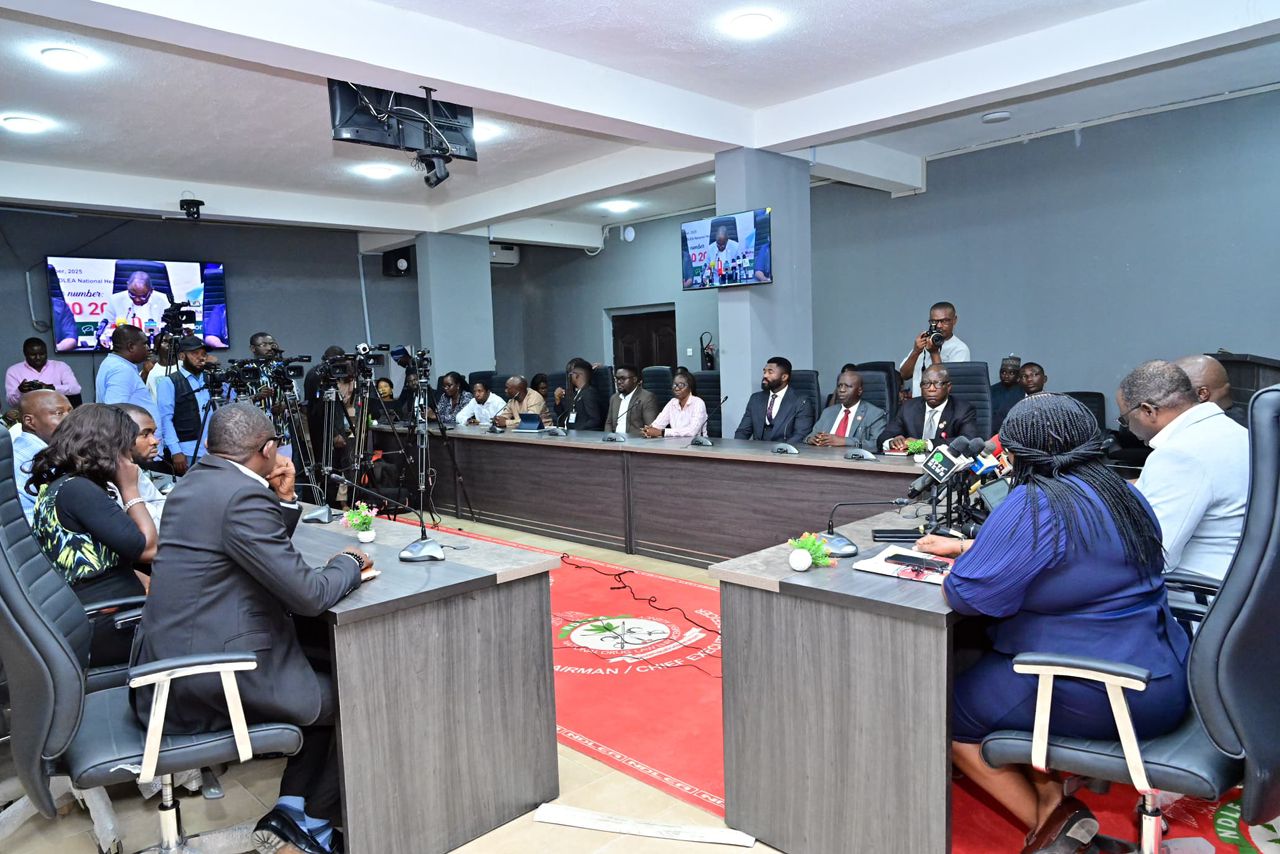
The Federal Government has reaffirmed that Nigeria’s new tax laws will commence as scheduled on January 1, 2026, including those that already took effect on June 26, 2025. The Presidency dismissed speculations suggesting a suspension or reversal of the tax reform programme, stressing that the implementation timeline remains intact.
According to the Presidency, the tax reforms represent a once-in-a-generation opportunity to establish a fairer, more competitive, and resilient fiscal framework. The reforms are expected to support sustainable economic growth while strengthening the social contract between the government and citizens.
The government emphasised that the new tax regime is not intended to impose higher taxes on Nigerians. Rather, it is designed to deliver a structural reset of the tax system through harmonisation, efficiency, and equity, while safeguarding the dignity of citizens and businesses.
“These reforms are aimed at creating clarity, reducing multiplicity, and ensuring that the tax system works for both government and taxpayers,” the statement said, adding that the focus is on broadening compliance rather than increasing tax burdens.
Presidency Urges Cooperation, Dismisses Disruption Claims on Tax Laws
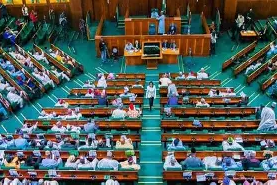
The Presidency urged all stakeholders, including the National Assembly, state governments, the private sector, and civil society organisations, to support the implementation phase of the reforms. It noted that the process has now firmly entered the delivery stage.
Addressing public discourse around alleged alterations to some provisions of the recently enacted laws, the government stated that no substantial issue has been identified that would warrant disrupting the reform timeline.
“Trust is built over time by making the right decisions, not through premature or reactive measures,” the statement noted, emphasising that stability and consistency are critical to the success of long-term fiscal reforms.
The administration further reaffirmed its commitment to due process and the sanctity of enacted laws, pledging continued collaboration with the National Assembly to promptly address any concerns that may arise during implementation.
The Presidency assured Nigerians that the Federal Government will continue to act in the overriding public interest to deliver a modern tax system that promotes prosperity, shared responsibility, and inclusive national development.
Stay informed on how Nigeria’s new tax reforms will affect citizens, businesses, and the economy. Read deeper analysis, expert insights, and policy updates on fiscal reforms and governance by visiting LouisaOlaniyi.com.ng your trusted source for clear, timely, and credible public policy reporting.