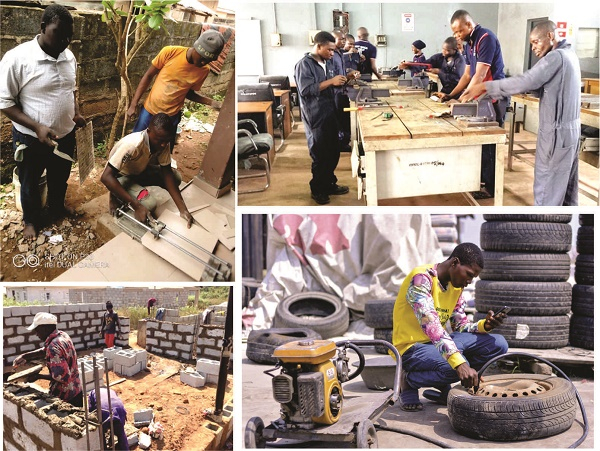
There was a time when building or renovating a house in Nigeria was stressful mainly because of funding and planning. Finding competent hands to execute the work was rarely the biggest hurdle. A plumber? A neighbour would recommend a reliable Beninoise artisan. A skilled tiler or POP installer? Togolese craftsmen were often just a phone call away. Bricklayers, aluminium fabricators, painters, and electricians, the informal network always delivered.
Today, that reality has vanished. Contractors now watch projects stall for weeks or months due to the unavailability of skilled workers. Homeowners delay renovations indefinitely, unable to find reliable professionals. When artisans do show up, many lack proficiency in modern techniques. The truly competent ones command premium fees and are booked solid for months in advance.
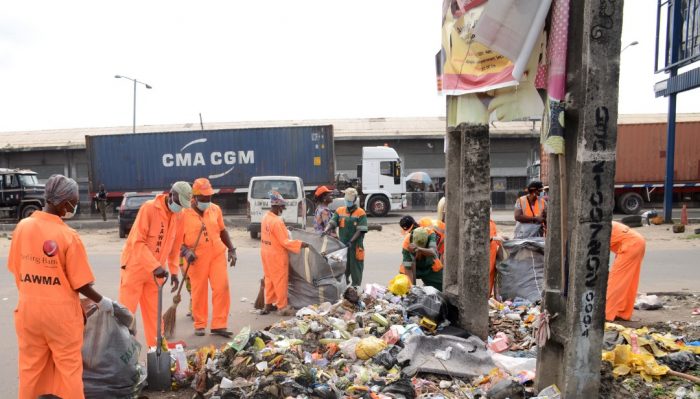
It is embarrassingly obvious that Nigeria is quietly grappling with a skilled artisan crisis. Though it receives far less attention than graduate unemployment, this shortage threatens to undermine economic growth more severely than many realise. The irony is painful: millions of young Nigerians remain jobless while the country desperately needs hands-on technical talent.
For decades, artisans from Benin Republic, Togo, and Ghana filled critical gaps in Nigeria’s construction sector. They earned a reputation for quality work in tiling, plumbing, masonry, carpentry, and finishing. Nigerian contractors preferred them because they delivered on time and to high standards.
The reasons were economic. Nigeria’s stronger currency and larger economy made it attractive. Workers could earn in naira and remit money home that held significant value in CFA francs.
That advantage has evaporated. The sharp depreciation of the naira in recent years has eroded real earnings. What once felt like good money now translates into far less back home. Many foreign artisans have returned to their countries or migrated elsewhere in search of better opportunities.
Their departure has laid bare a deeper failure: Nigeria never developed a sufficient domestic pipeline of skilled artisans. For generations, society pushed a single narrative – university education as the only respectable path. The consequences are now visible. The country has produced millions of degree holders, many of whom struggle to find relevant work, while a chronic shortage of plumbers, electricians, welders, and fabricators persists.
Nigeria’s development ambitions make this shortage particularly dangerous. The country aims to build millions of new homes, expand road networks, advance railway projects, develop industrial parks, roll out renewable energy solutions, and extend fibre optic networks.
Every one of these initiatives depends heavily on skilled technicians who can execute plans on the ground. Engineers design projects, but artisans and technicians bring them to life. No country has industrialised without competent electricians. No modern economy thrives without reliable plumbers, welders, and installers. Smart cities and green infrastructure remain dreams without a capable technical workforce.
The Path to Solving Nigeria’s Artisan Crisis
The artisan shortage is no longer just a construction headache, it is becoming a national economic constraint that slows industrialisation, raises project costs, and limits competitiveness.
Simply opening more technical colleges will not solve the problem. Nigeria must fundamentally change how it views and develops skilled labour.
The first step is to make technical education aspirational. Nations like Germany, Switzerland, and South Korea demonstrate that vocational training can carry the same prestige as university degrees. Apprentices earn stipends while learning and often build successful, well-paying careers without traditional degrees.
Nigeria should create structured two- to three-year apprenticeship programs for secondary school graduates. These should lead to nationally recognised certifications in high-demand areas such as plumbing, electrical installation, welding, solar power systems, refrigeration, fibre optics, smart home technology, and industrial automation.
Two, establish modern Regional Artisan Academies. These centers must move beyond outdated equipment and curricula. Training should incorporate contemporary skills including green building techniques, electric vehicle maintenance, industrial plumbing, and automation systems.
To attract young participants, programs must offer decent stipends, health insurance, and clear pathways to employment or entrepreneurship upon certification. Young Nigerians respond to opportunity, when properly incentivised, thousands would eagerly enroll.
Three, pursue public-private partnerships. Government cannot shoulder the full cost. Construction firms, manufacturers, telecom operators, power companies, and real estate developers, all of whom constantly lament the lack of skilled workers, should co-fund these initiatives. Investing in training today solves their recruitment problems tomorrow.
In addition, Nigeria needs to create an Artisan Development Fund. One major barrier for artisans is access to quality tools and equipment. While banks eagerly finance luxury cars, they rarely support a welder or electrician seeking professional gear. A dedicated low-interest loan fund for certified artisans would dramatically boost productivity, income, and job creation.
Lastly, leverage digital platforms. Yes! Technology can professionalise the sector. Trusted online marketplaces where certified artisans display qualifications, customer reviews, past projects, and transparent pricing would reduce fraud, build trust, and expand opportunities. A skilled plumber in Ibadan could reliably find work in Abuja or Lagos through verified digital referrals.
The truth is that the departure of foreign artisans simply exposed a long-standing vulnerability. The solution is not to hope they return, but to deliberately cultivate a new generation of highly skilled Nigerian craftsmen and technicians who can rival the best on the continent.
The country possesses a massive youth population, enormous infrastructure needs, and a growing private sector hungry for talent. What has been missing is a coordinated national strategy that treats vocational skills as a cornerstone of development rather than a backup plan.
The question now is no longer whether the country can afford to invest seriously in skilled artisans. It is whether it can afford not to.
…by Elvis Eromosele, a corporate communications expert and sustainability advocate.
Stay informed with the latest news, expert insights, and important developments from Nigeria and beyond. Visit LouisaOlaniyi.com.ng for more updates and stories that matter.