Nigeria’s Lassa fever outbreak has claimed 229 lives in 2026, as the Nigeria Centre for Disease Control and Prevention (NCDC) confirmed a fresh increase in infections, recording 25 new cases within one week across five states.
According to the agency’s Lassa Fever Situation Report for Epidemiological Week 28, confirmed infections increased from 14 cases recorded in Week 27 to 25 cases in Week 28. The newly reported infections were identified in Ondo, Bauchi, Edo, Kogi and Cross River states.
The report showed that between Epidemiological Weeks 1 and 28, Nigeria recorded 963 confirmed cases from 6,554 suspected infections. It also revealed that the case fatality rate (CFR) currently stands at 23.8 per cent, compared to 18.7 per cent during the corresponding period in 2025, indicating a rise in mortality associated with the disease.
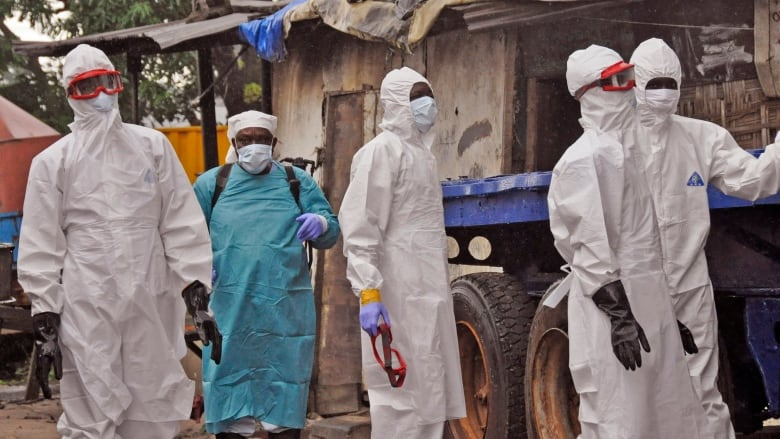
The NCDC further disclosed that one healthcare worker contracted the disease during the reporting week, highlighting the continued occupational risks faced by frontline health personnel involved in managing the outbreak.
Data from the report showed that 23 states and 114 Local Government Areas have recorded at least one confirmed case of Lassa fever this year. Ondo, Bauchi, Taraba, Edo and Benue states accounted for 86 per cent of all confirmed infections nationwide.
Breaking down the figures, the agency said Ondo State contributed 31 per cent of confirmed cases, followed by Bauchi with 25 per cent, Taraba with 14 per cent, Edo with 10 per cent and Benue with six per cent.
The report also indicated that young adults remain the most affected demographic, with individuals aged 21 to 30 years accounting for the highest number of confirmed cases. Patients affected by the disease ranged from one to 93 years of age, while the median age of confirmed cases was 30 years.
Explaining the high fatality rate, the NCDC attributed the trend to late presentation of patients at health facilities, poor health-seeking behaviour partly driven by the high cost of treatment, poor environmental sanitation in high-burden communities, and inadequate public awareness about the disease.
NCDC Intensifies Lassa Fever Response
The agency urged healthcare professionals to remain vigilant by maintaining a high index of suspicion for Lassa fever to ensure early diagnosis and prompt referral of suspected cases.
“Healthcare workers should maintain high suspicion for Lassa fever and initiate timely referral and treatment while adhering strictly to infection prevention and control procedures,” the NCDC advised.
The public health agency also called on state governments to strengthen year-round community engagement and intensify awareness campaigns on preventive measures, particularly in communities where the disease is endemic.
To sustain efforts at containing the outbreak, the NCDC said the national multi-partner Incident Management System remains active, coordinating surveillance, case management, infection prevention and control, laboratory diagnosis, risk communication and community engagement.
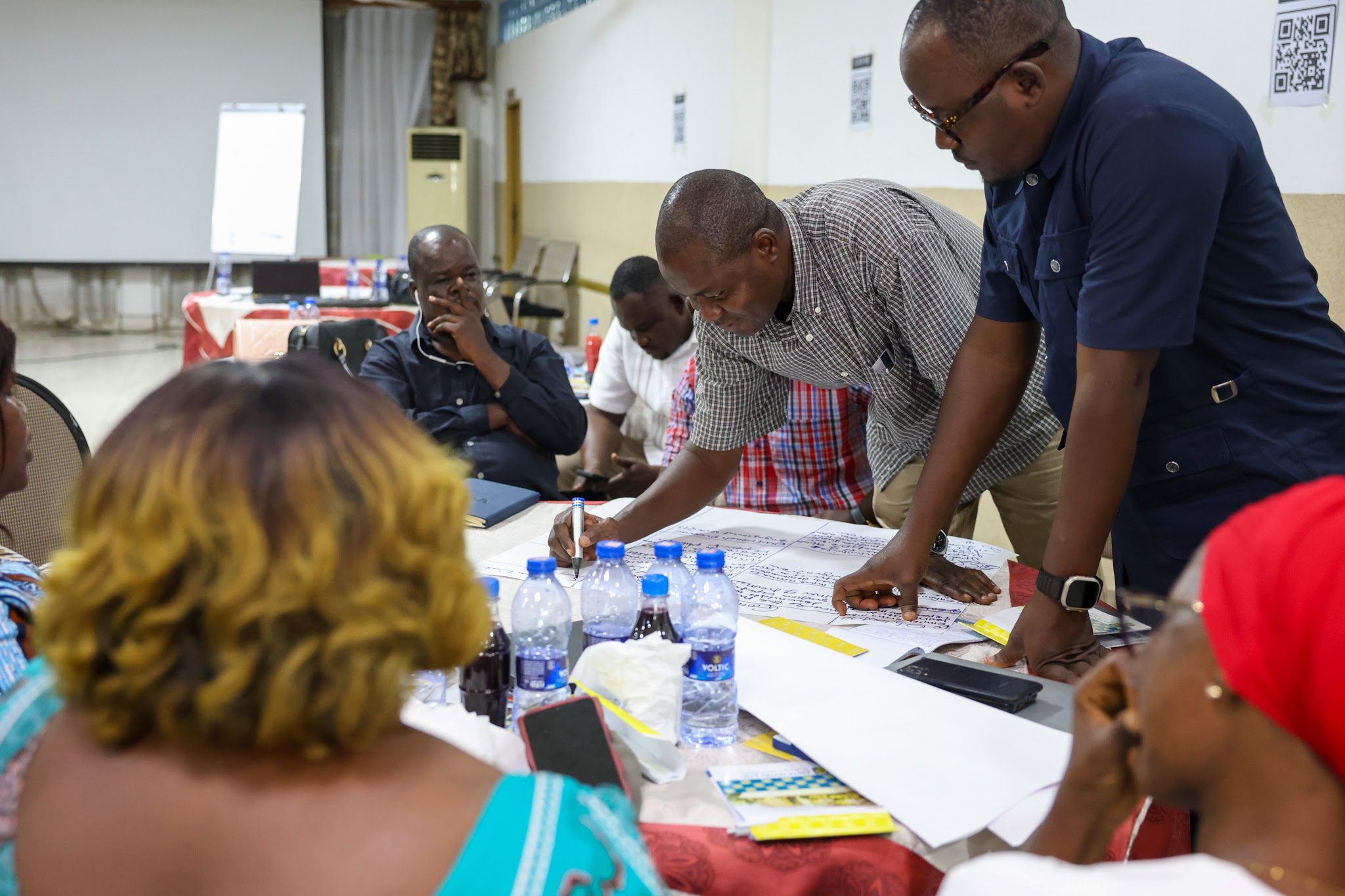
The agency listed several recent interventions, including the training of frontline healthcare workers with support from the World Health Organization, Africa CDC, Médecins Sans Frontières, FHI 360 and other partners. It also deployed National Rapid Response Teams to seven high-burden states, strengthened infection prevention programmes in endemic areas, distributed personal protective equipment to health facilities, and carried out community sensitisation campaigns targeting farmers, market women, religious leaders and traditional rulers.
In addition, the NCDC disclosed that it had developed a 30-day Healthcare Worker Protection Plan aimed at reducing infections among frontline personnel, while updated infection prevention guidelines have been distributed across the country.
Reiterating the importance of early treatment, the agency urged Nigerians, particularly residents of endemic communities, to seek immediate medical attention whenever they experience persistent fever or symptoms suggestive of Lassa fever.
The NCDC also appealed to state governments and development partners to strengthen disease surveillance, improve public awareness and sustain coordinated response efforts to prevent further spread of the disease.
For more breaking news, in-depth reports, and verified updates on health, politics, security, business, and technology, visit LouisaOlaniyi.com.ng. Stay informed with timely and credible stories from Nigeria and around the world.