
The International Telecommunication Union (ITU) has announced that its Partner2Connect Digital Coalition has secured more than $100 billion in commitments aimed at expanding internet access across the globe. While the milestone marks significant progress toward digital inclusion, the agency says the world will still need between $2.6 trillion and $2.8 trillion to fully bridge the digital divide by 2030.
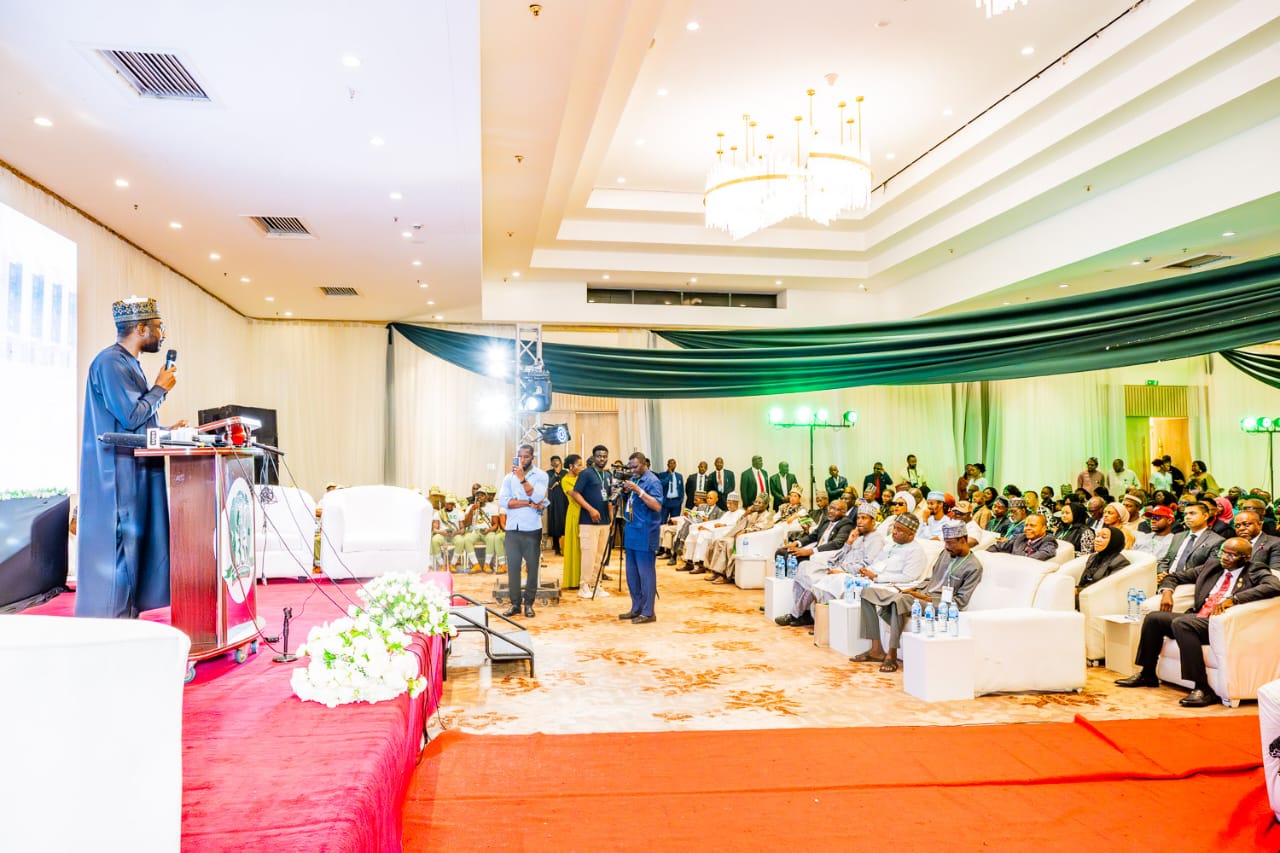
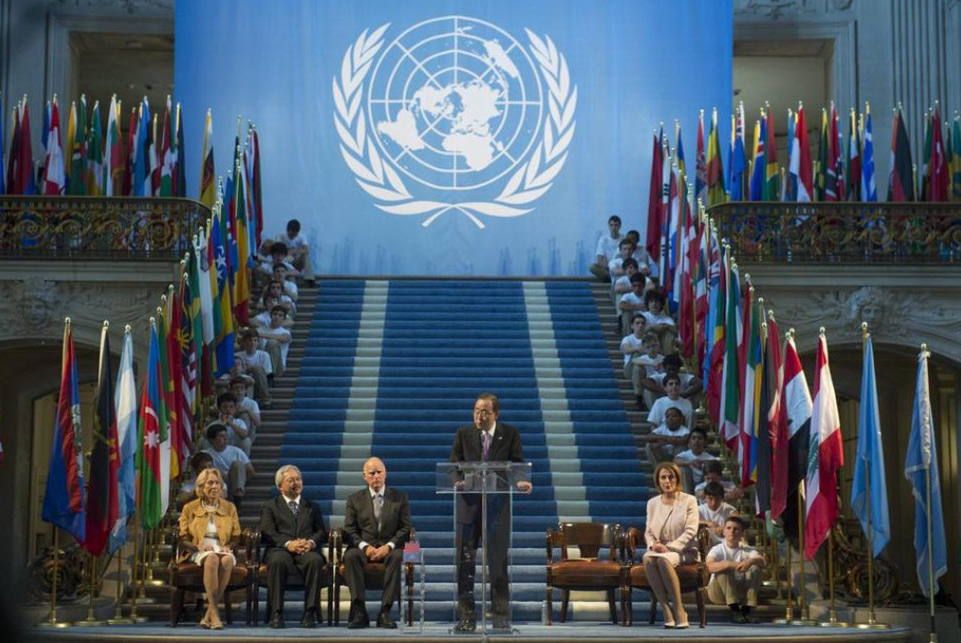
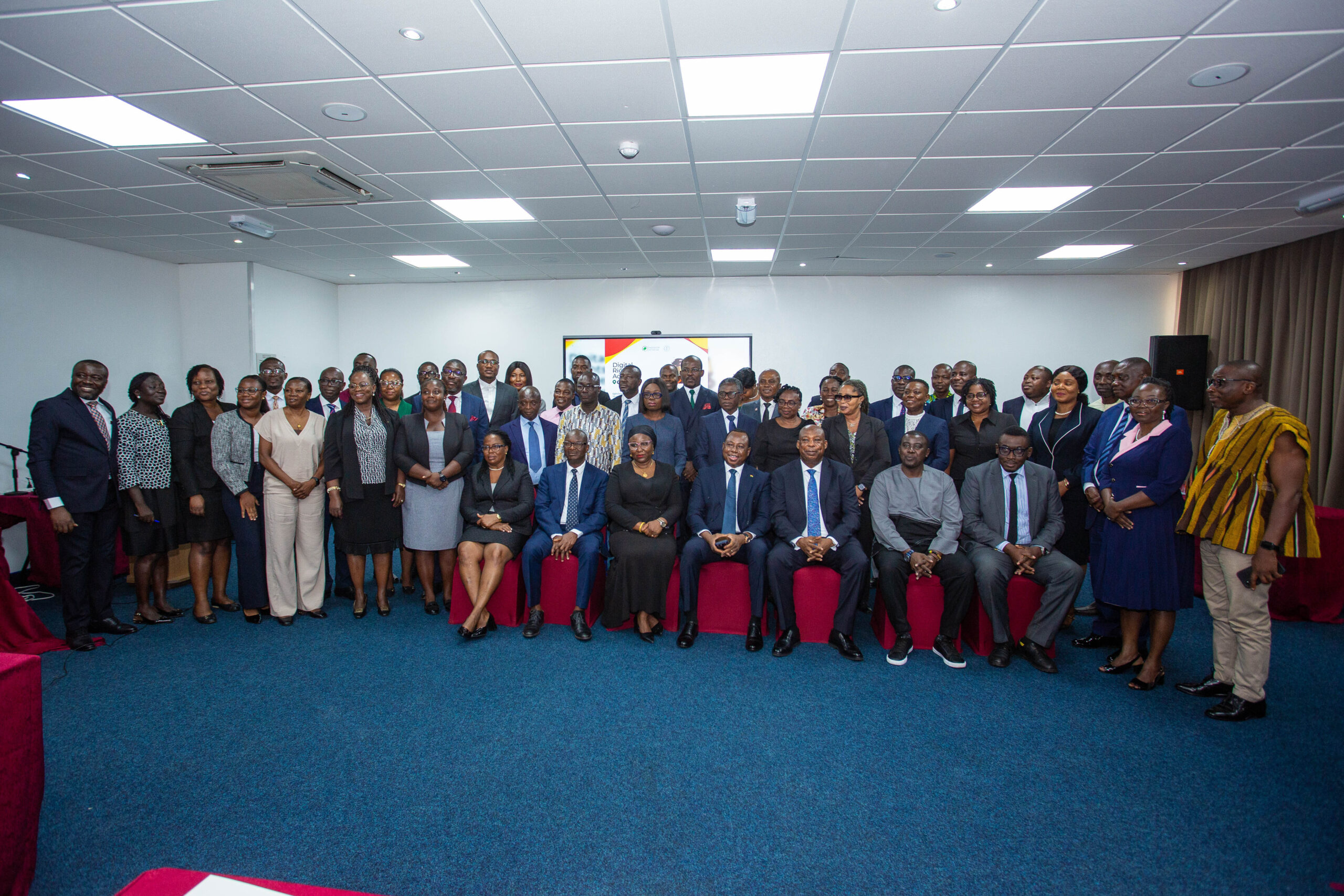
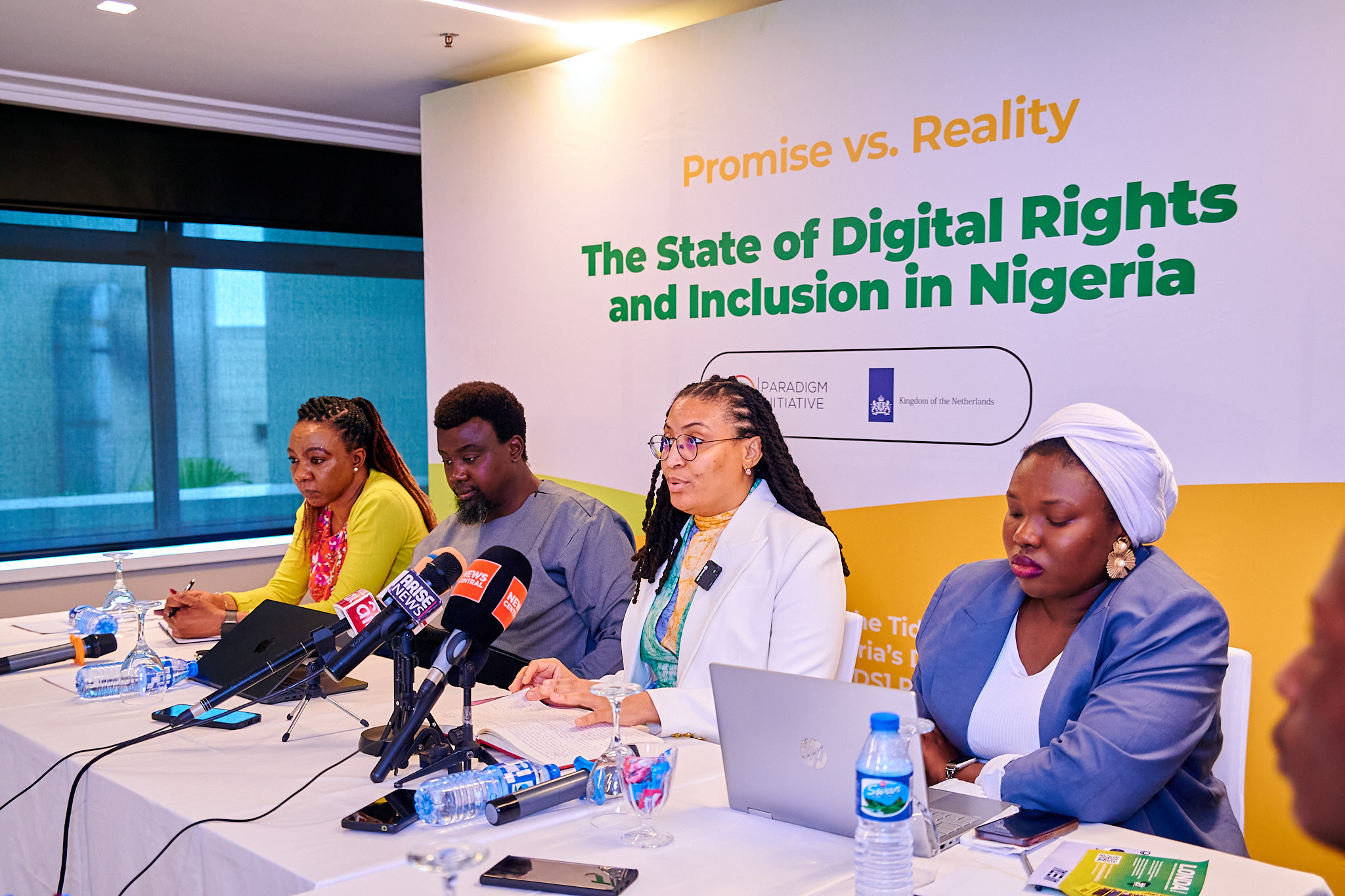
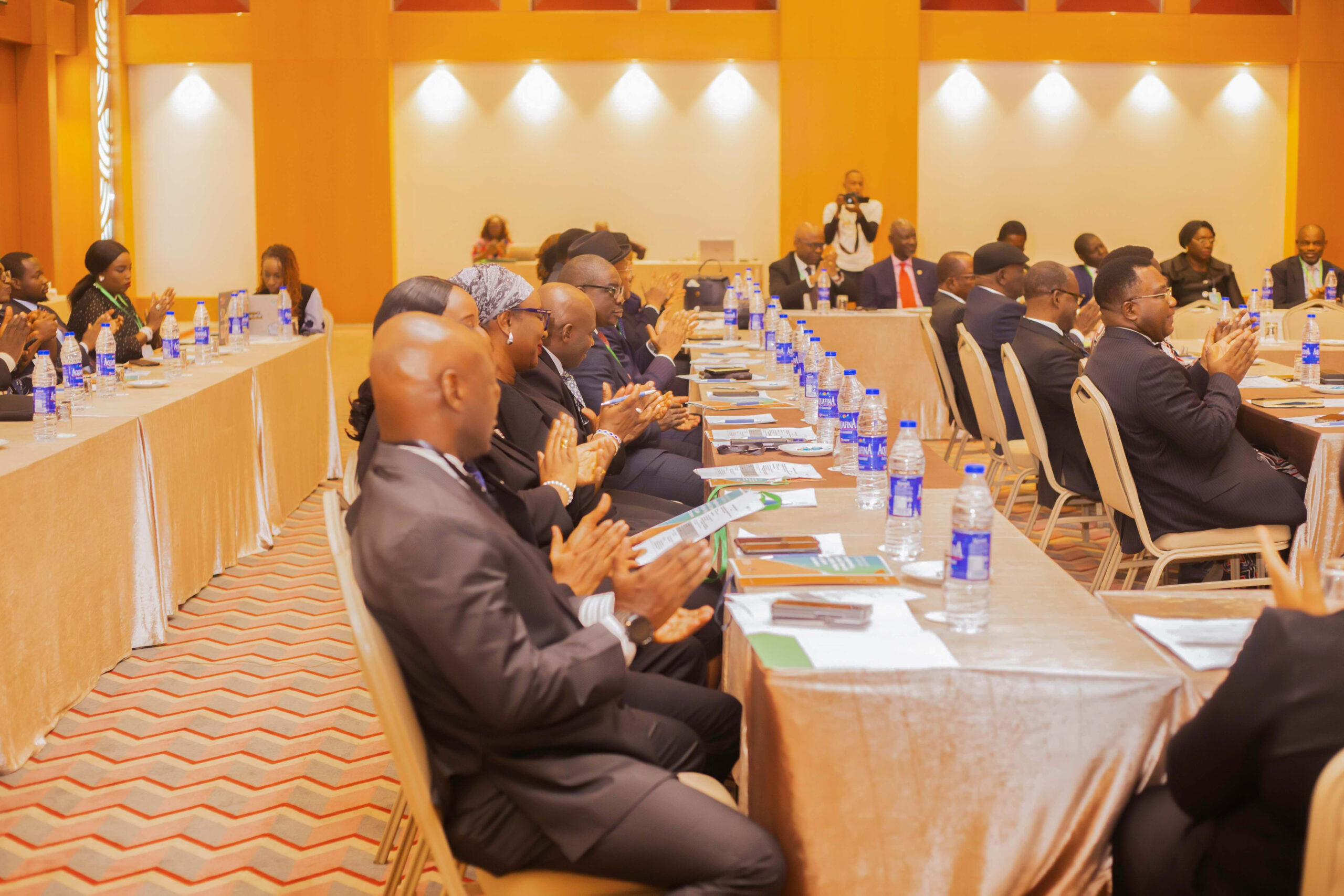
The announcement came during the World Summit on the Information Society (WSIS) Forum 2026 in Geneva, where governments, multilateral development banks, technology companies and international organisations gathered to renew their commitment to achieving universal and meaningful digital connectivity.
Despite years of investment, the challenge remains substantial, with approximately one-quarter of the world’s population still lacking internet access.
ITU Secretary-General Doreen Bogdan-Martin described the achievement as a major step forward, noting that Partner2Connect had exceeded its original fundraising target.
She said the coalition surpassing its $100 billion goal represents meaningful progress toward universal connectivity and demonstrates that “every pledge makes a difference in bringing everyone on board our shared digital future.”
Africa Takes Centre Stage in Digital Connectivity Efforts
Africa featured prominently among the coalition’s latest commitments, reflecting growing efforts to close the continent’s digital infrastructure and technology gaps.
The GSMA pledged support for inclusive artificial intelligence development across Africa through its African AI Language Models project. The initiative aims to develop AI systems that better represent African languages, cultures and indigenous knowledge, addressing longstanding concerns that the continent remains underrepresented in global AI development.
Microsoft also announced plans to connect more than 450 rural and underserved community hubs in Kenya through satellite-enabled infrastructure powered by its Azure Space platform, expanding internet access to communities with limited connectivity.
According to ITU data, Africa and the Asia-Pacific region currently record the highest levels of implementation among the coalition’s more than 1,000 commitments made by partners across 149 countries. Overall, projects are now being implemented in more than 190 countries worldwide.
ITU Highlights New Global Digital Funding
Beyond Africa, several organisations unveiled fresh financial commitments to strengthen digital infrastructure and artificial intelligence capabilities.
The Asian Development Bank pledged to mobilise $20 billion in public and private investment by 2035 to support its Asia-Pacific Digital Highway, an initiative expected to improve connectivity for as many as 650 million people.
Microsoft separately committed approximately $18 billion toward expanding AI and cloud infrastructure in Australia by 2029.
Meanwhile, Boston Consulting Group pledged $500 million to support AI projects focused on social impact, while ZTE Corporation committed $450 million over the next three years to strengthen AI ecosystem partnerships.
In South Africa, Telkom announced a $6.1 million commitment to establish the Telkom AI Institute, a project designed to strengthen artificial intelligence expertise and digital skills within the country.
From Funding to Implementation
With the fundraising milestone achieved, ITU officials say attention must now turn to delivering on the commitments already made.
Cosmas Luckyson Zavazava, Director of the ITU Telecommunication Development Bureau, described reaching the $100 billion mark as a defining moment for the coalition.
He said, “Now is the time to turn these pledges into impactful projects,” while calling for stronger alignment between national priorities and partner commitments to ensure investments produce measurable outcomes.
Although the ITU coordinates the Partner2Connect Digital Coalition, responsibility for implementing individual commitments remains with participating organisations, meaning accountability is shared across the coalition rather than managed centrally.
The ITU also noted that many of the initiatives are specifically designed to benefit women, followed by children and persons with disabilities, while infrastructure development continues to account for the largest share of pledged funding.
As roughly one-quarter of the global population remains offline (many of them in Africa) the coalition’s next phase will focus on accelerating project delivery and measuring real-world impact. The success of the initiative will ultimately depend on whether the more than $100 billion in commitments translate into meaningful improvements in connectivity rather than remaining financial pledges on the path toward achieving universal internet access by 2030.
Stay informed with the latest developments in technology, business, politics, and global affairs. Visit LouisaOlaniyi.com.ng for more breaking news, in-depth analysis, and exclusive updates.