
The Board of Trustees of the Tertiary Education Trust Fund (TETFund) has announced that tertiary institutions with delayed or abandoned TETFund-funded projects will not be eligible for new intervention projects under the 2027 allocation cycle unless all outstanding projects are completed.
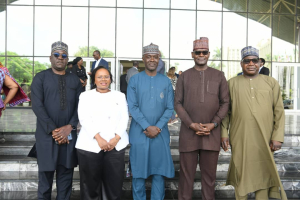
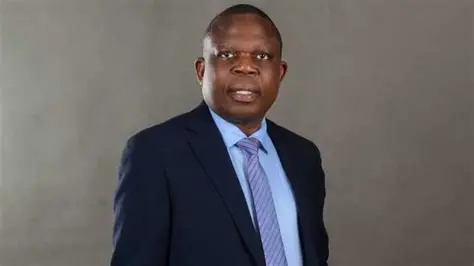
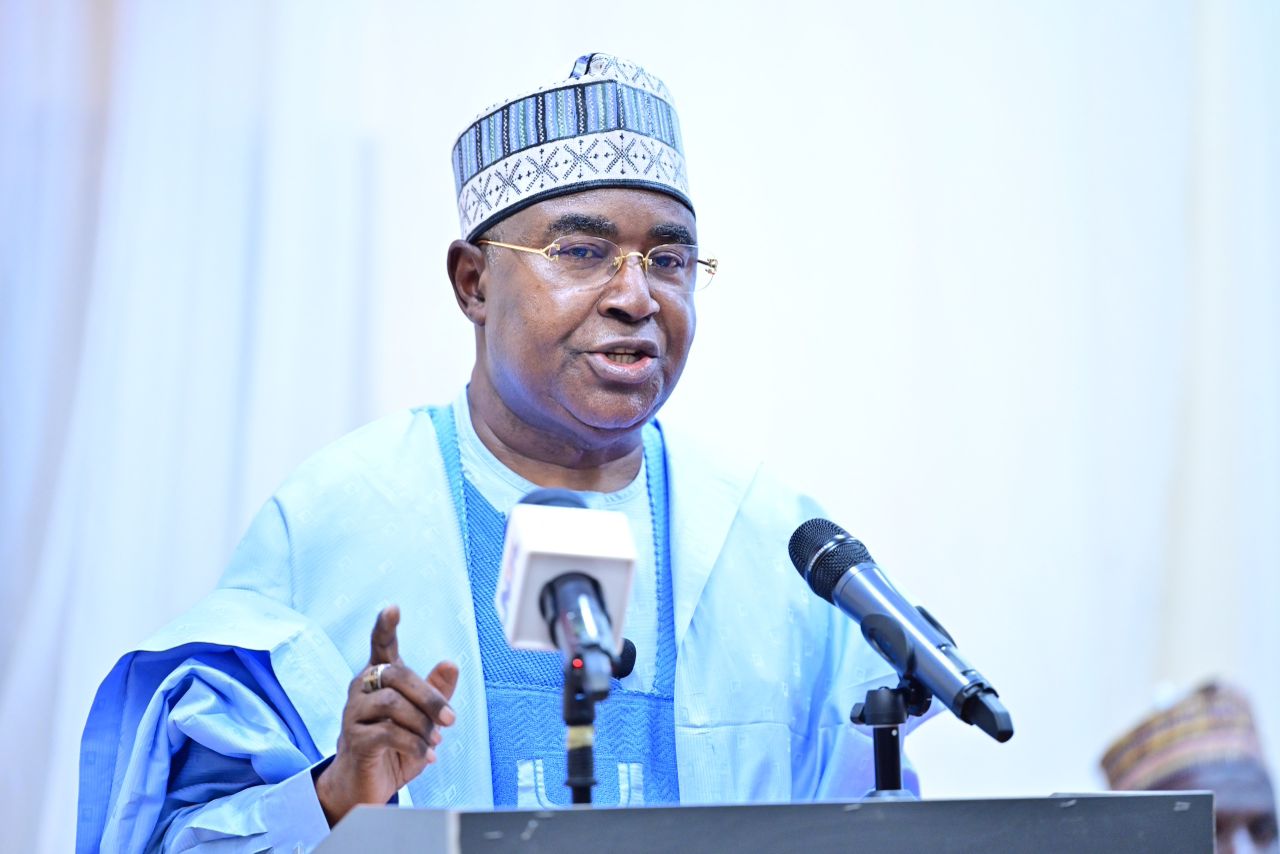
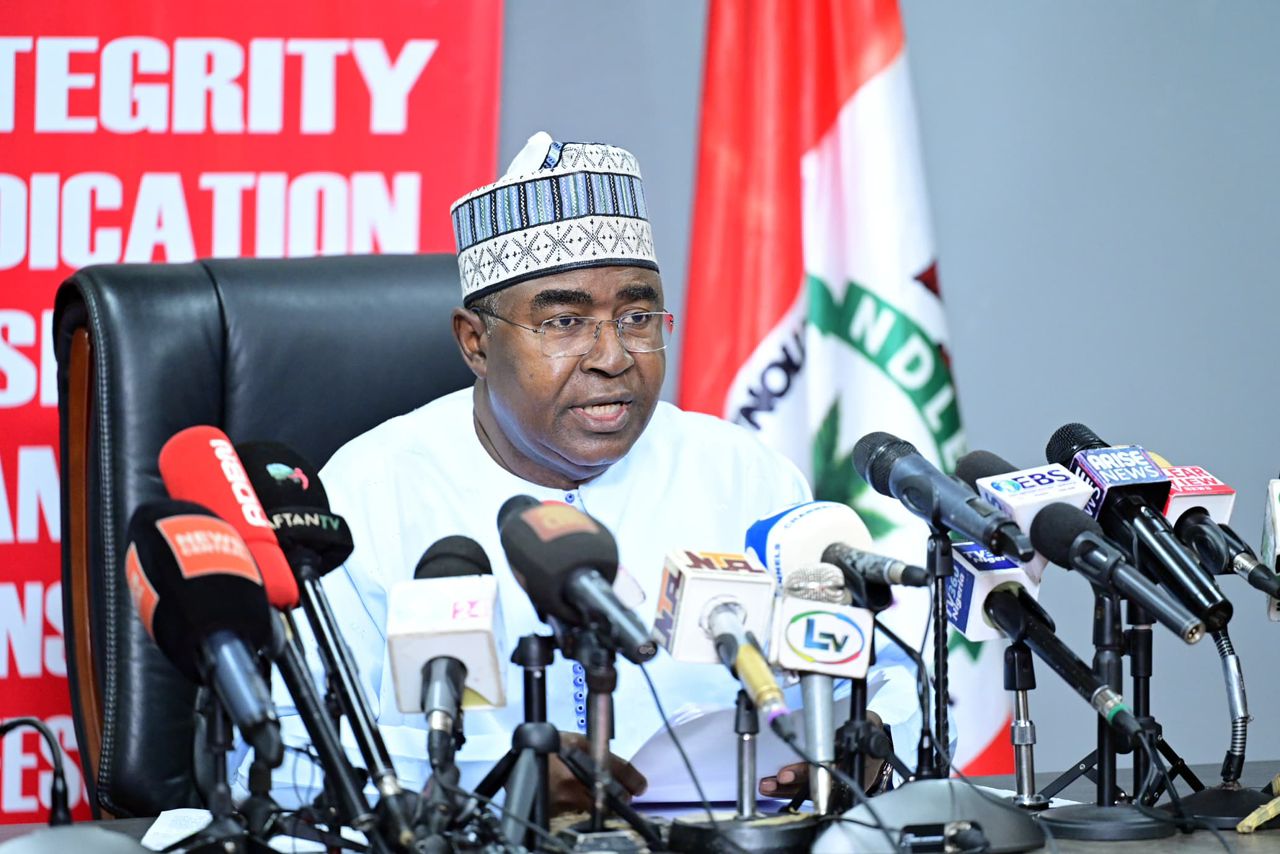
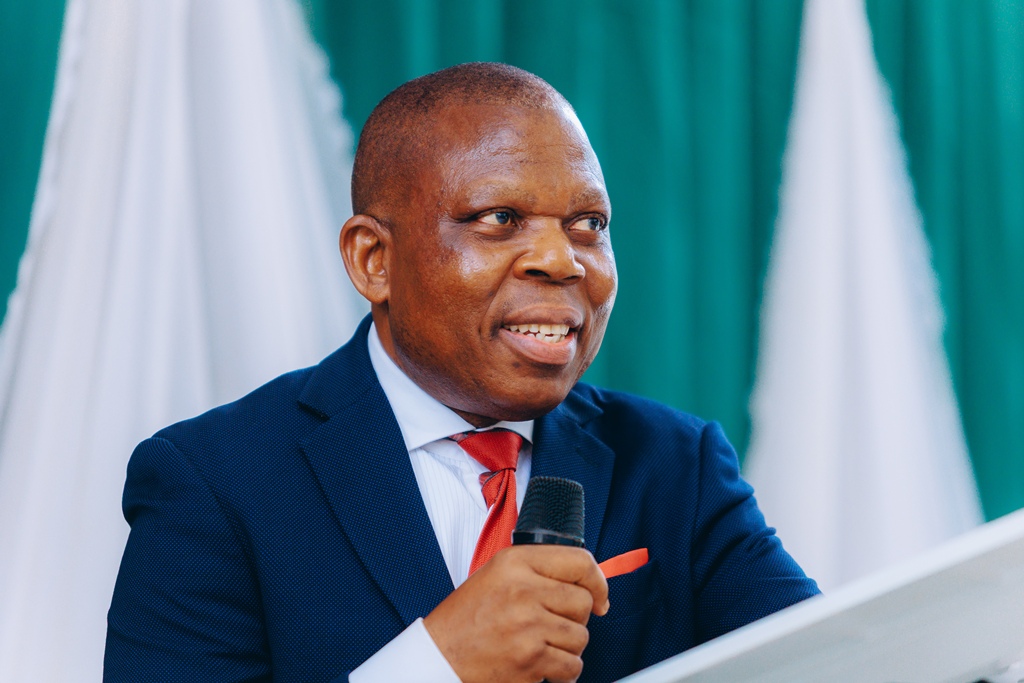
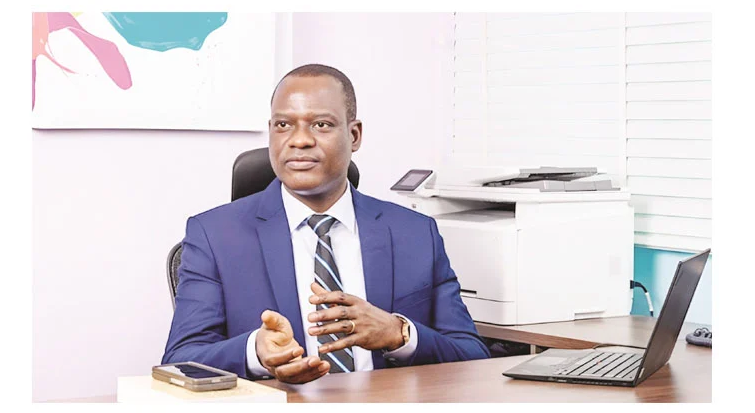
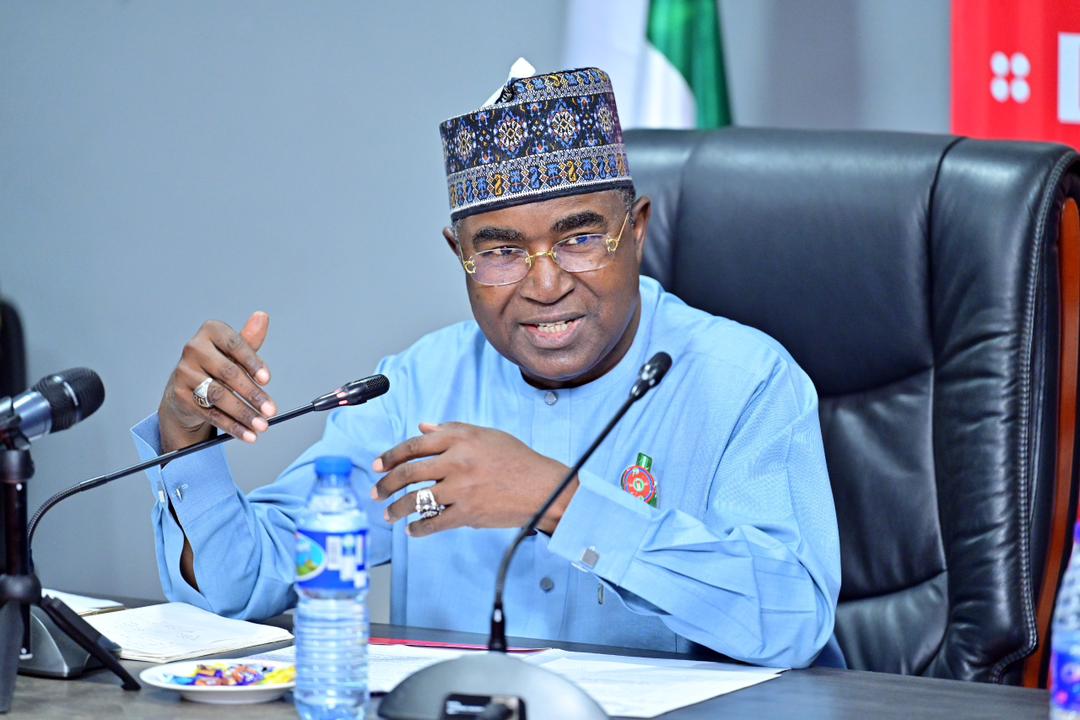
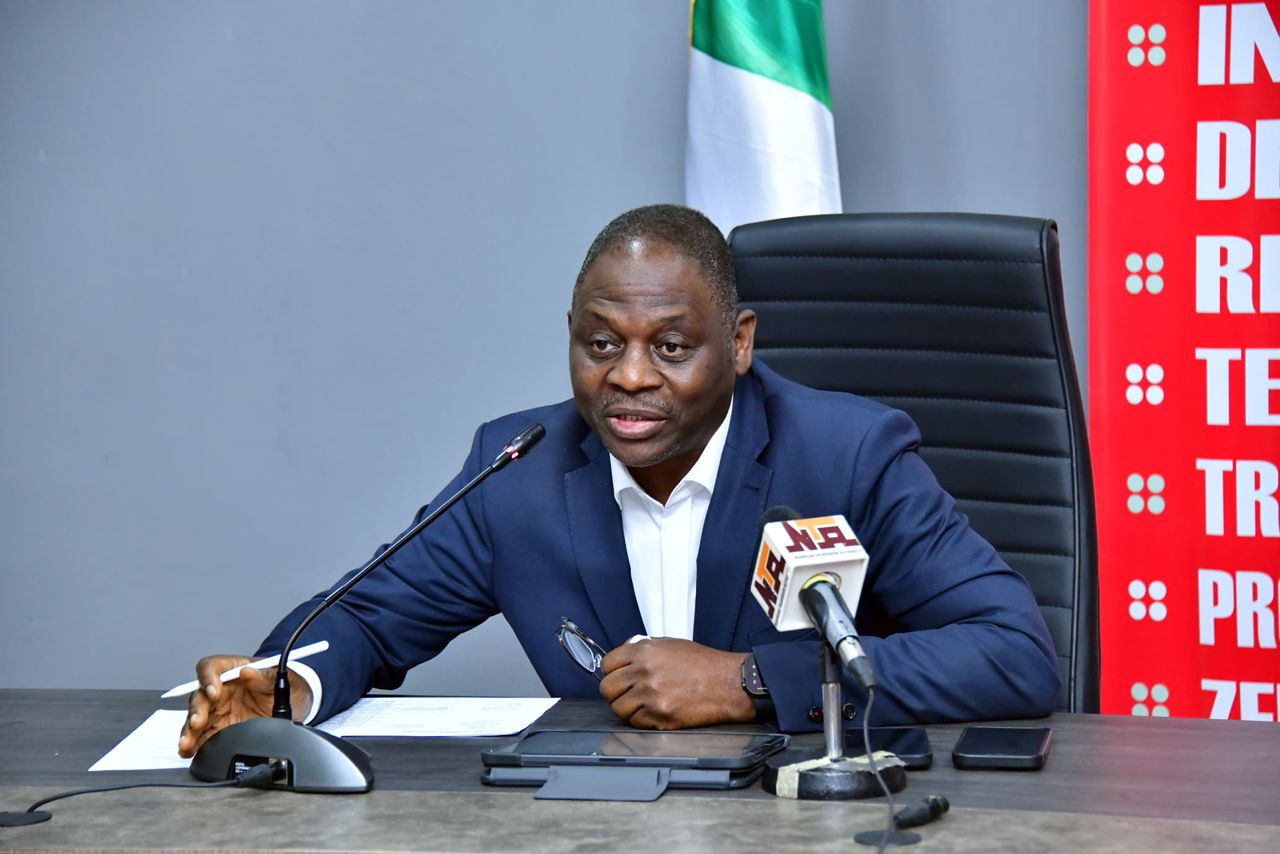
The directive was disclosed in a statement issued on Wednesday by the Fund’s Head of Public Relations, Abdulmumin Oniyangi, conveying the position of the Chairman of the Board of Trustees, Aminu Masari.
According to Masari, the decision is aimed at tackling the persistent delays in the execution of intervention projects across beneficiary institutions. He noted that after observing repeated cases of institutions failing to complete approved projects within the stipulated timelines, the Board had resolved to take a firm position on the matter.
He said, “The Board of Trustees has taken a final stand on the issue of delay in completion of approved projects in all its beneficiary institutions, warning that affected institutions will not get approval to commence new projects in the 2027 allocation cycle.”
Masari explained that institutions with delayed projects have now been directed to prioritize the completion of those projects using their Annual, Zonal and High Impact Intervention allocations.
“No new projects will be admitted from the identified beneficiary institutions for the 2027 intervention cycle,” he said.
The TETFund chairman acknowledged that external factors, particularly the rising cost of construction materials, had previously contributed to project delays. To address the challenge, the Board introduced a special intervention line in 2023 to support institutions in completing affected projects.
He noted that the initiative had delivered positive results, with many stalled projects successfully completed through the intervention.
He said, “The reasons given for the unacceptable development were volatility in market prices of key building materials like cement, reinforcement bars, sanitary and electrical fittings, among others. This informed the introduction of a new intervention line dedicated to completing the affected projects.
“A recent review confirmed that the initiative yielded the desired result as many of the affected projects have been completed following this intervention.”
Despite those gains, Masari expressed concern that new cases of delayed projects continue to emerge across beneficiary institutions.
He attributed the latest delays largely to administrative bottlenecks and leadership issues within institutions rather than a lack of funding.
“The continued occurrence of non-adherence to stipulated timelines in completing TETFund-sponsored projects is unacceptable,” he said.
“Lack of continuity in project implementation by heads of beneficiary institutions who prefer to start new projects, as well as delays in processing payments to contractors handling the projects, are largely responsible for the avoidable development,” Masari added.
He stressed that projects financed by TETFund should not suffer setbacks due to internal bureaucracy or politics within beneficiary institutions.
TETFund Sets New Compliance Measures
As part of measures approved by the Board to address the recurring challenge, beneficiary institutions have been directed to compile comprehensive lists of projects that have remained uncompleted for more than six months, identify the causes of the delays, and recommend practical solutions.
“Under the new directive, all beneficiary institutions must compile comprehensive lists of projects that have exceeded their completion timelines by more than six months, identify the causes of the delays, and propose practical remedies.
“The institutions are also expected to rank the affected projects according to priority, provide detailed cost estimates required for their completion, and establish stronger project supervision mechanisms involving their Physical Planning and Maintenance Departments,” Masari said.
To monitor compliance, he disclosed that TETFund teams comprising Board members and technical staff will carry out physical inspections of affected projects across beneficiary institutions in August and September 2026.
According to him, the findings from the inspections, alongside proposals submitted by institutions, will be reviewed during the Board’s statutory meeting scheduled for October 2026, where projects eligible for inclusion in the 2027 disbursement guidelines will be considered.
He stated, “The inspection reports and proposals submitted by institutions would be reviewed during the board’s statutory meeting scheduled for October 2026, where projects eligible for inclusion in the 2027 disbursement guidelines would be considered.”
Established under the Tertiary Education Trust Fund Act, TETFund serves as Nigeria’s primary intervention agency for financing infrastructure, research, academic staff training and development, library enhancement, and other capital projects in public universities, polytechnics, and colleges of education.
The Fund is financed through a dedicated education tax paid by registered companies operating in Nigeria and has, over the years, invested hundreds of billions of naira in lecture theatres, laboratories, hostels, libraries, medical facilities, research centres, and other critical academic infrastructure across public tertiary institutions.
However, delayed project execution, abandoned construction works, and changes in institutional leadership have remained recurring concerns, prompting repeated calls by the Fund for stricter monitoring and greater accountability.
The latest directive underscores TETFund’s renewed commitment to ensuring that intervention funds are translated into completed and functional infrastructure that supports teaching, learning, and research while preventing public resources from being tied down in abandoned or distressed projects.
Stay informed with the latest education, policy, and breaking news from across Nigeria. Visit LouisaOlaniyi.com.ng for more verified updates, in-depth reports, and trending stories.