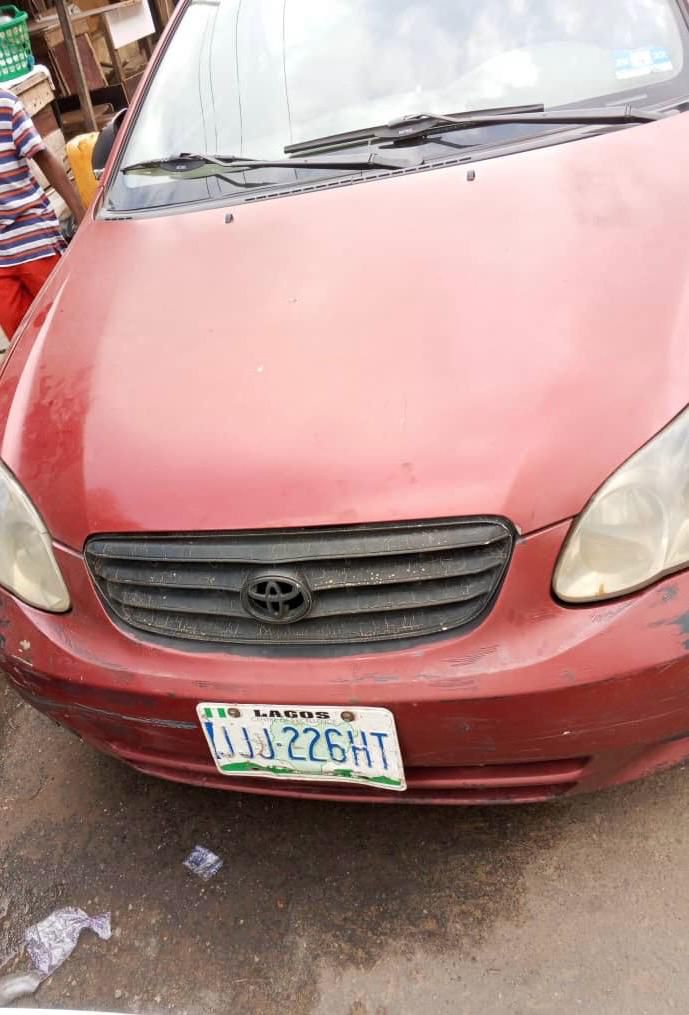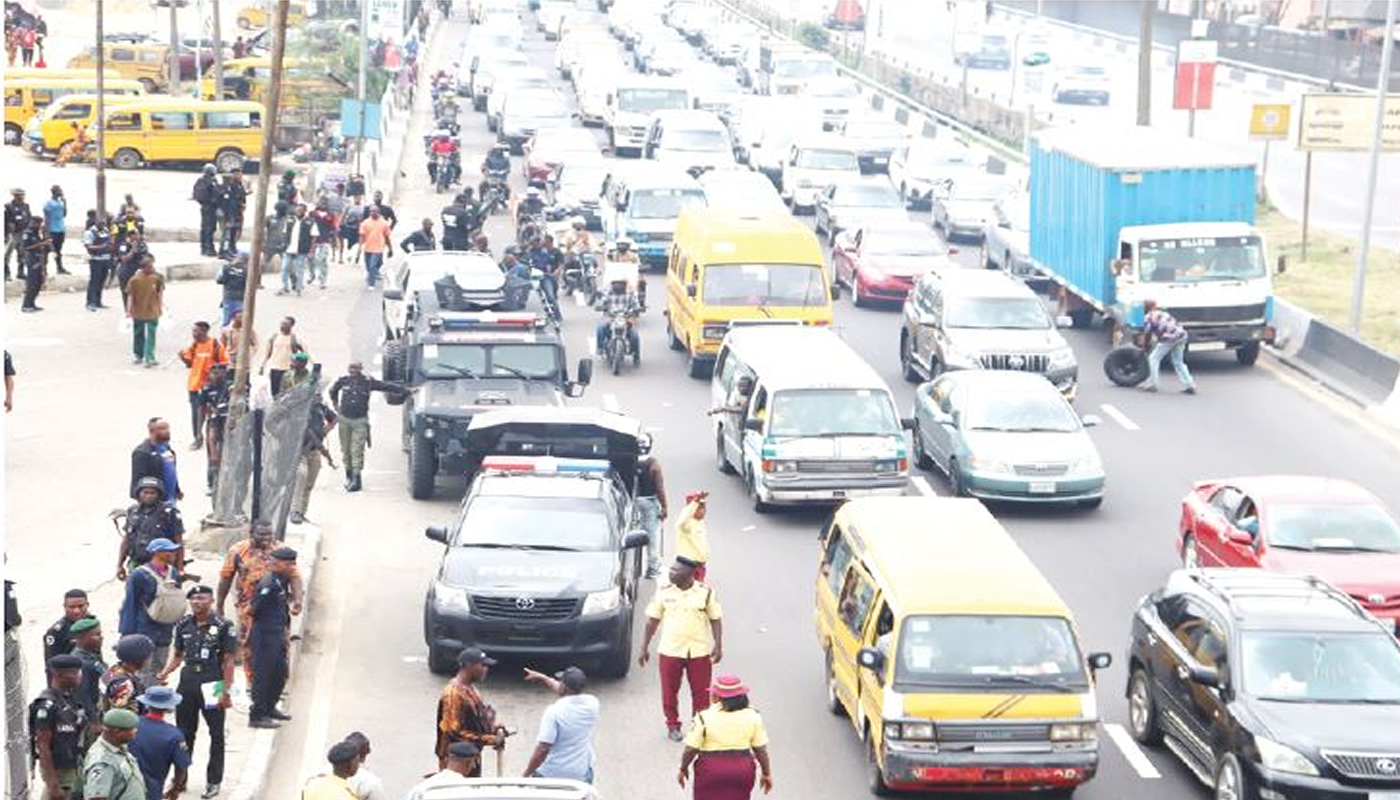
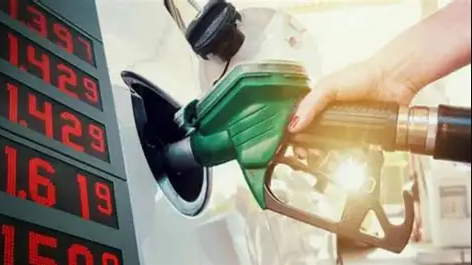
Fuel prices surged across Nigeria on Wednesday as the Nigerian National Petroleum Company (NNPC) and other marketers raised pump prices amid growing fears of scarcity.
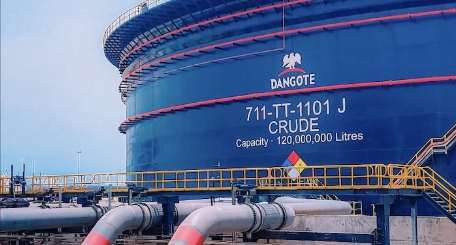
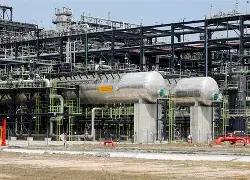
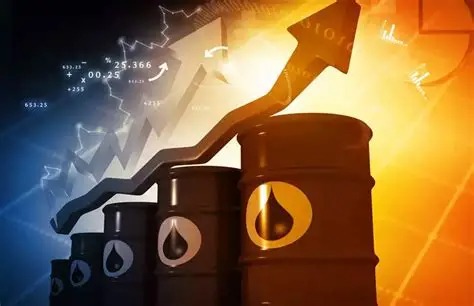
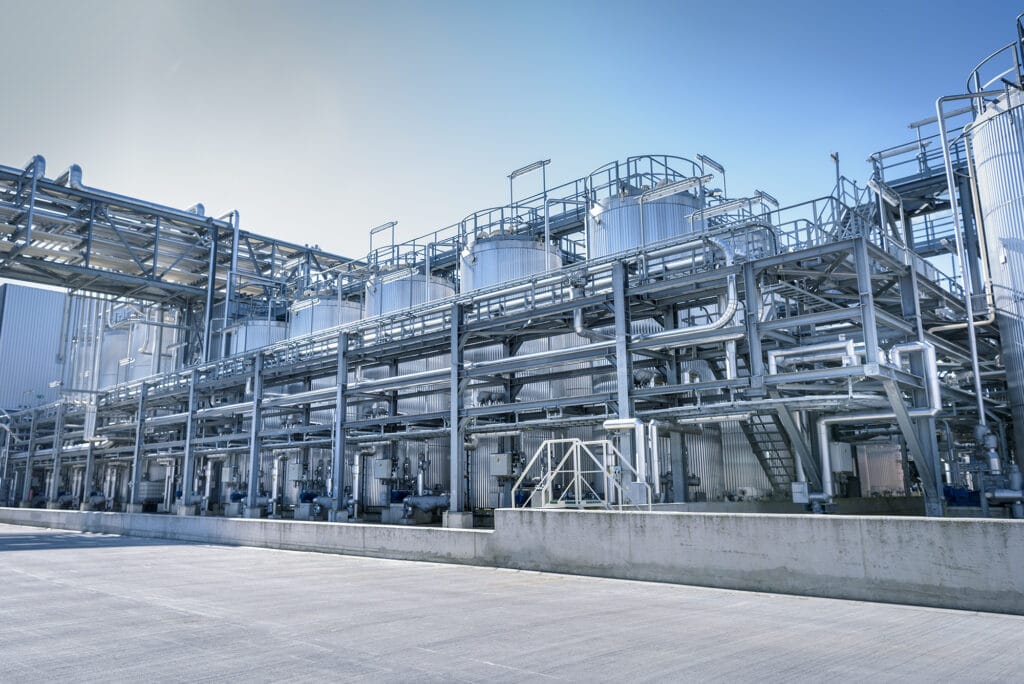
The spike follows a fresh adjustment by the Dangote Petroleum Refinery, which increased its petrol (PMS) gantry price to ₦874 per litre from ₦774 in early March 2026. The refinery attributed the change to volatility in the global crude oil market. The latest hike comes after a series of price reductions earlier in 2026 and late 2025, including a drop to ₦699 per litre in December 2025 aimed at maintaining competitive pricing.
Monitoring of filling stations showed retail prices ranging between ₦915 and ₦930 per litre in several outlets, with some stations selling even higher. On March 4, 2026, NNPC adjusted its pump price to ₦937 per litre. Other marketers followed suit: Jezco raised its price to ₦915, Javy to ₦930, and Petrocam to ₦935 per litre.
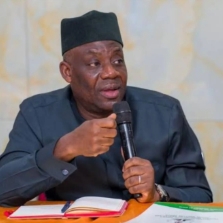
The National Publicity Secretary of the Independent Petroleum Marketers Association of Nigeria (IPMAN), Chinedu Ukadike, said the pump price could climb further in response to the refinery’s new rate. He projected that retail prices may range between ₦980 and above ₦1,000 per litre, depending on location and logistics.
Global Oil Tensions, NNPC Crude Sales Spark Fresh Pricing Debate
Industry sources say the upward review is being driven by instability in the international crude oil market, shifts in global crude fundamentals, and rising replacement costs. Checks by petroleumprice.ng indicated that the revised rate has filtered through the downstream value chain, signalling a broader change in pricing benchmarks.
In a notice issued to marketers, the refinery stated:
“Dear Valued Customer, we are pleased to inform you that PMS is currently available for purchase. Please be informed that the current price is N874 per litre. Thank you for choosing Dangote.”
The development followed a temporary suspension of petrol loading operations at the refinery effective midnight on March 2, 2026, after global crude prices climbed above $80 per barrel. While petrol loading was paused, supply of Automotive Gas Oil (diesel) continued. Several depot owners also halted petrol sales temporarily to reassess replacement costs.
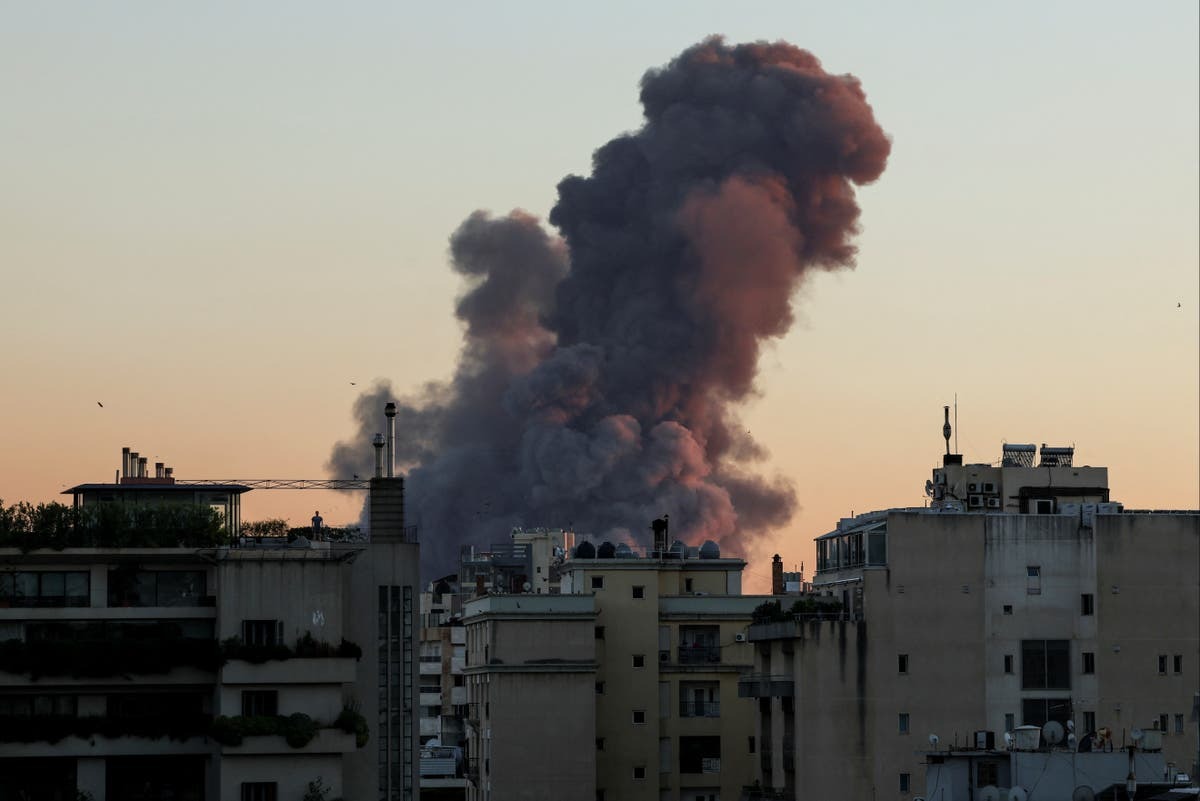
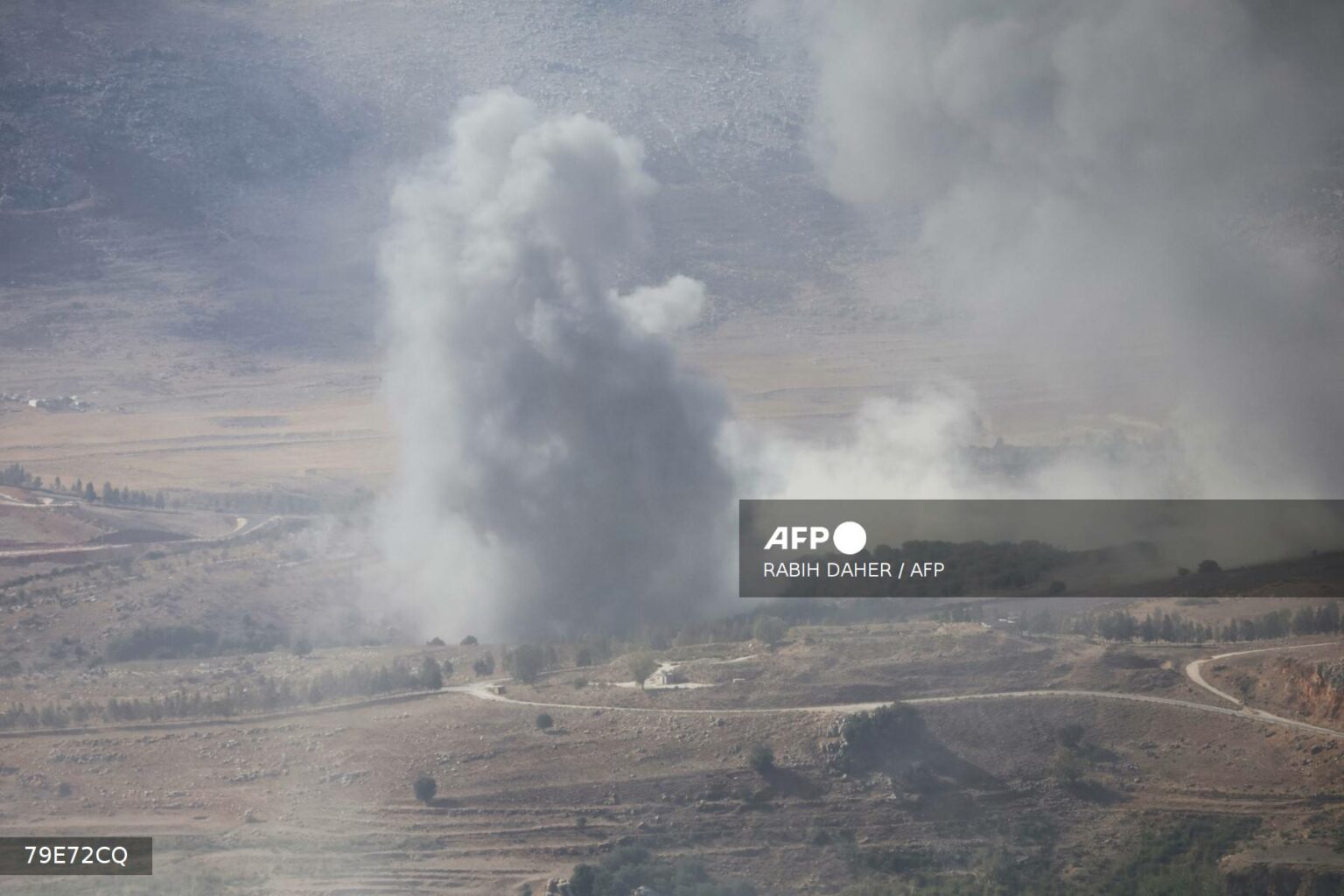
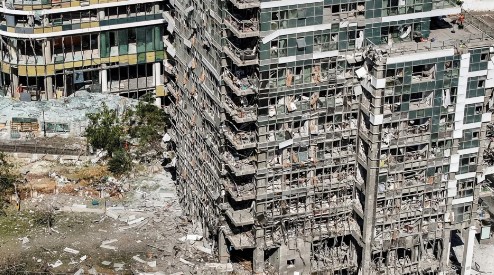
Meanwhile, JPMorgan Chase projected that Brent crude prices could rise to $120 per barrel if a prolonged Middle East conflict disrupts oil flows through the Strait. The bank warned that Gulf producers may only sustain normal output for about 25 days before storage facilities reach capacity, potentially triggering wider production shutdowns.
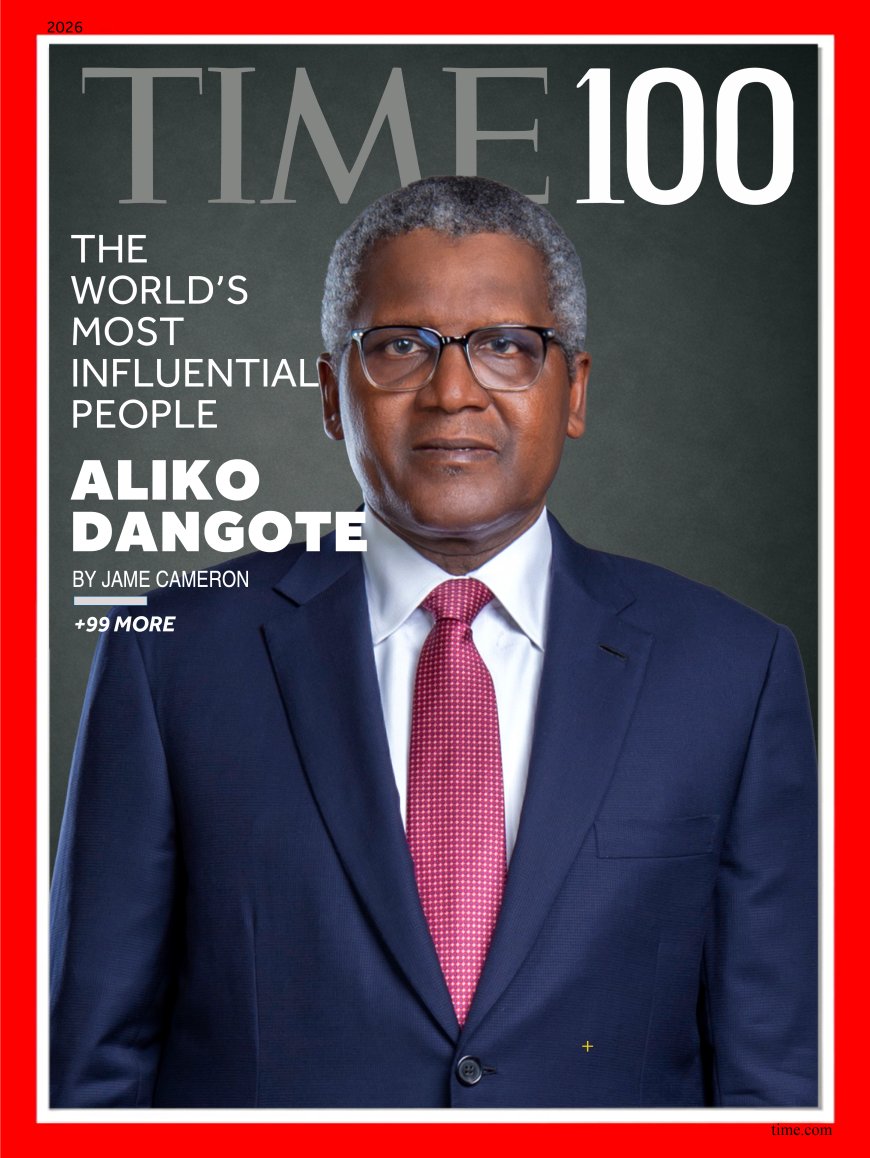
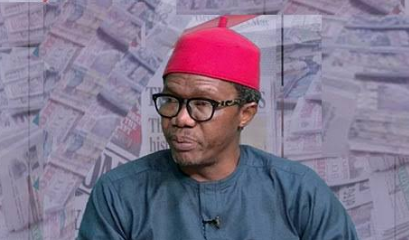
Reacting to the hike, Nigerian activist Deji Adeyanju criticised billionaire industrialist Aliko Dangote over the sharp increase.
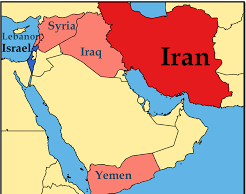
He said Dangote hiked the pump price of fuel by over 100%, due to the war in Iran. Yet, the Dangote Refinery purchases crude oil domestically from Nigeria, and the President even approved that the Nigerian National Petroleum Company (NNPC) sell crude oil to the Dangote Refinery in naira.
“What I find even more troubling is the fact that the products currently being supplied were refined long before the recent escalation of hostilities in the Gulf region. Why then should Nigerians bear the burden of a price increase tied to events that did not affect the cost of already-refined stock?
“Sadly, because the refinery operates in a near-monopoly position, the government appears either unwilling or unable to call it to order. This amounts to unprecedented wickedness, as the Dangote Refinery appears to be profiting from the misfortune of war at the expense of already impoverished Nigerian citizens.”