- August 25, 2026
- Admin User
- 0
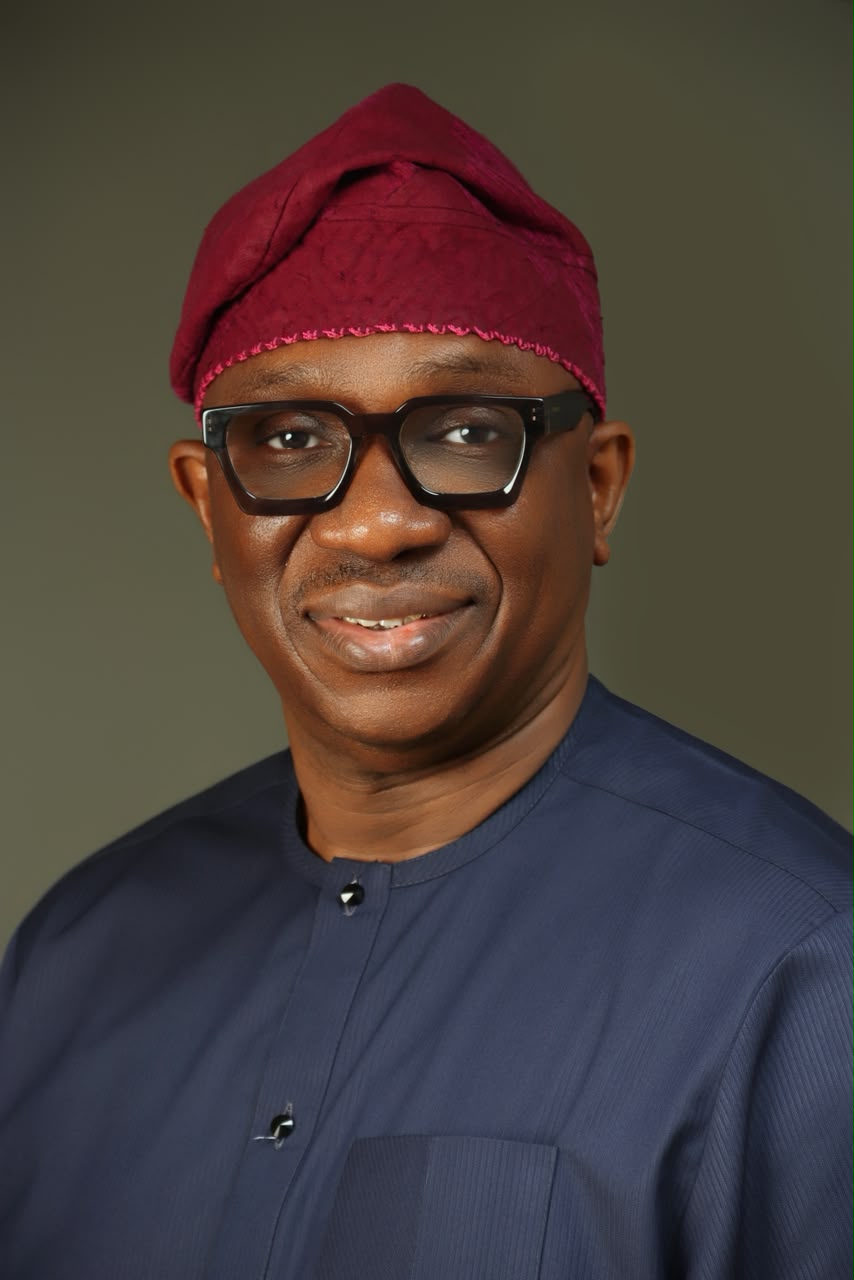
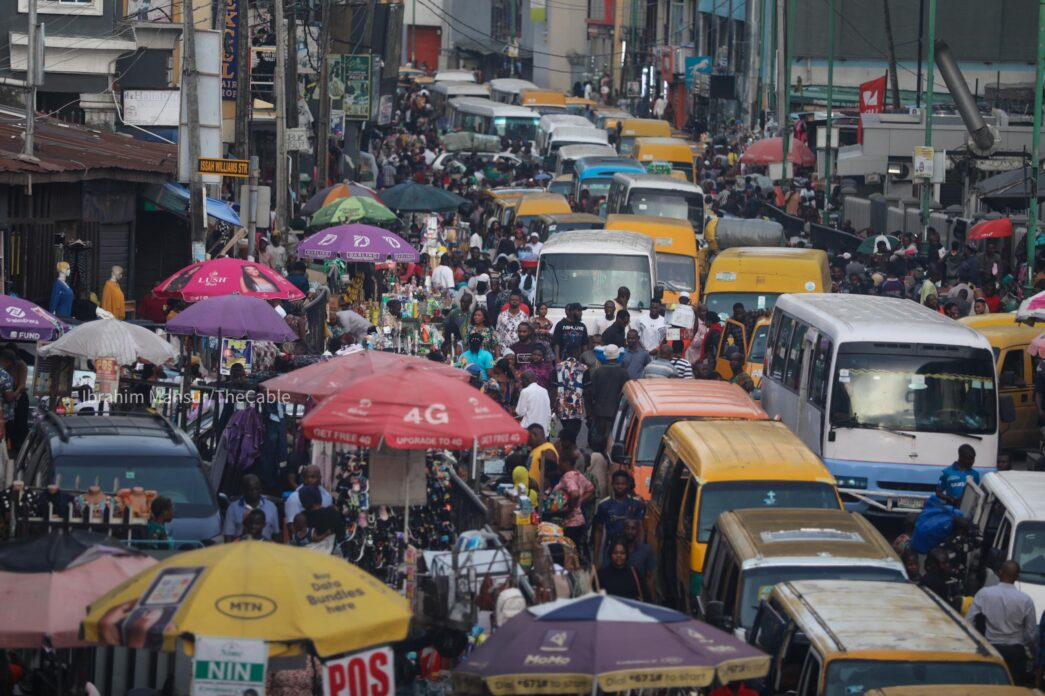
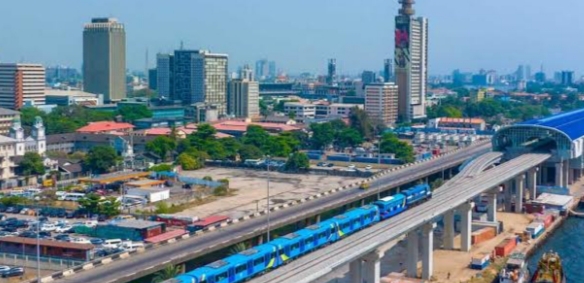
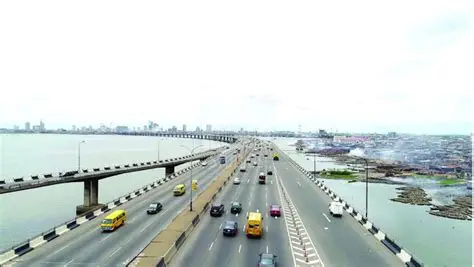
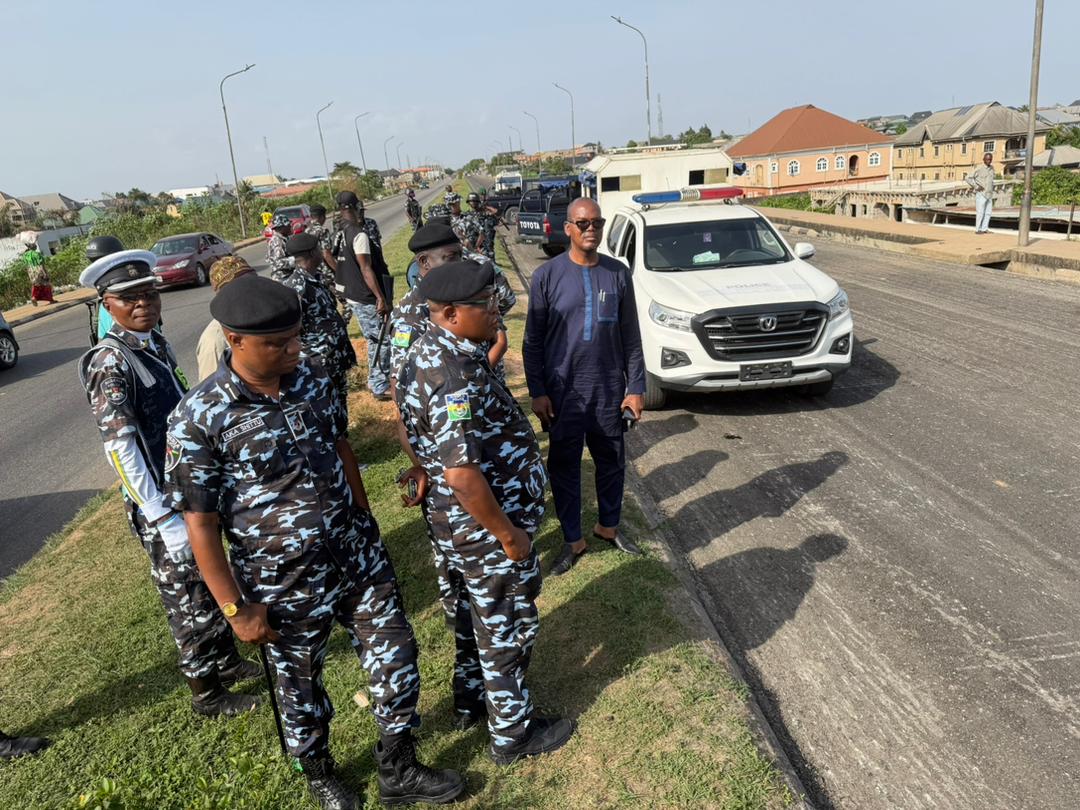
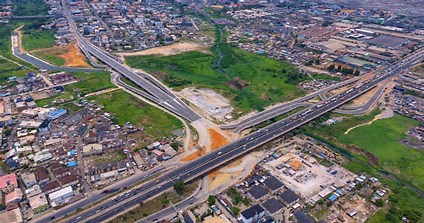
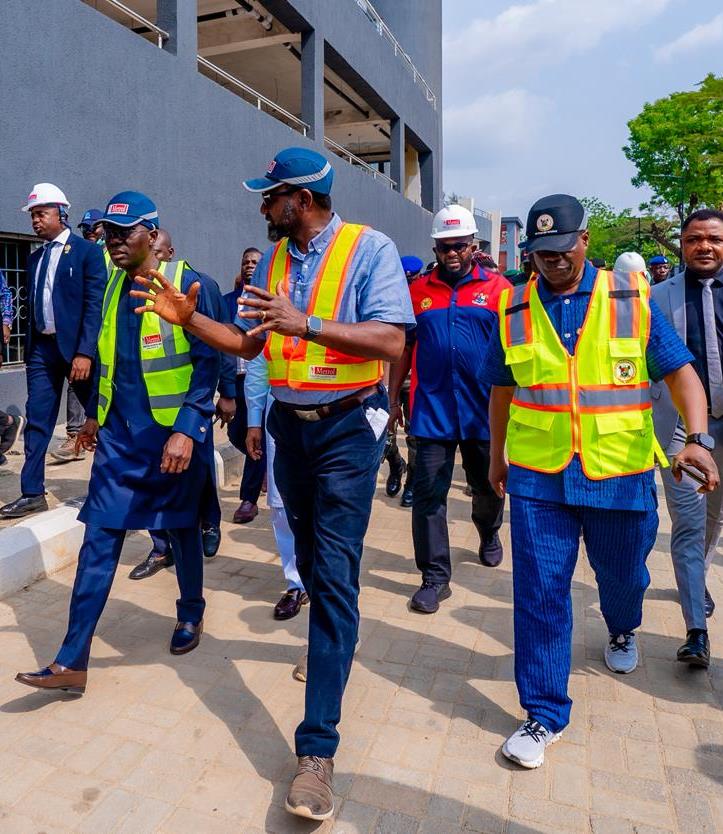
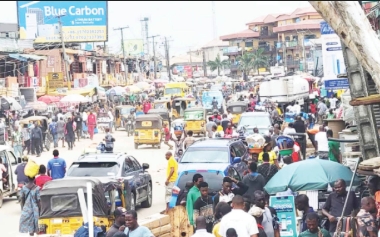
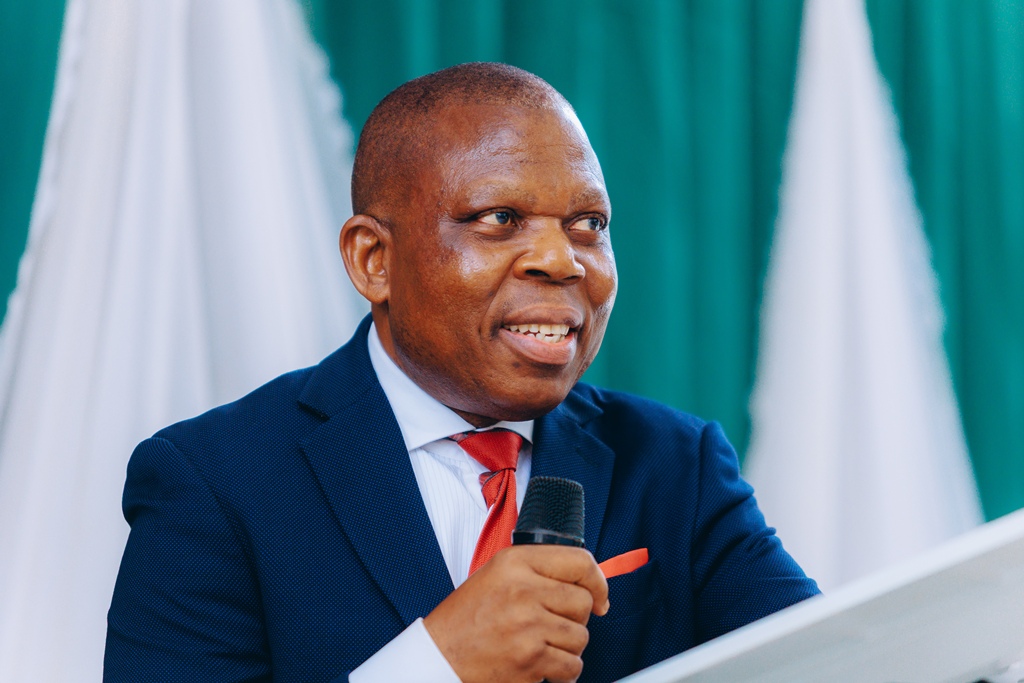
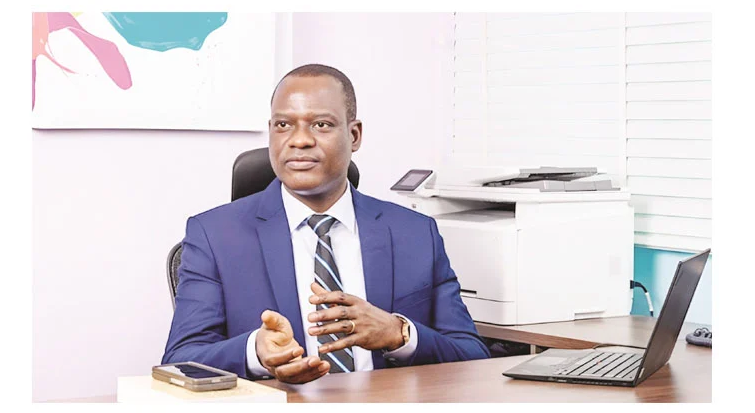
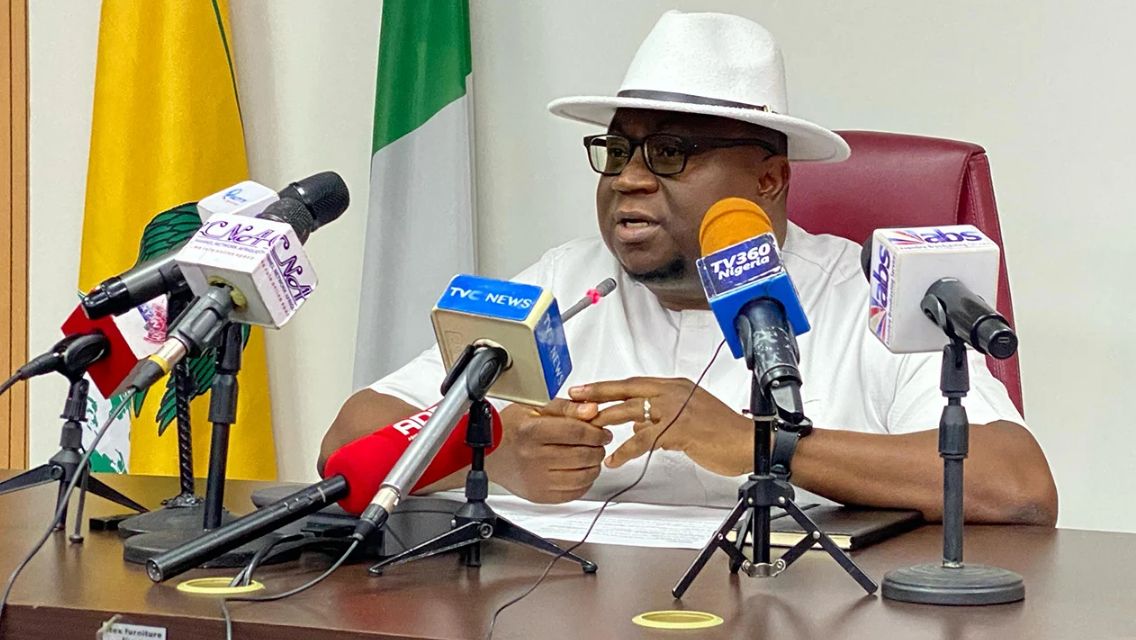
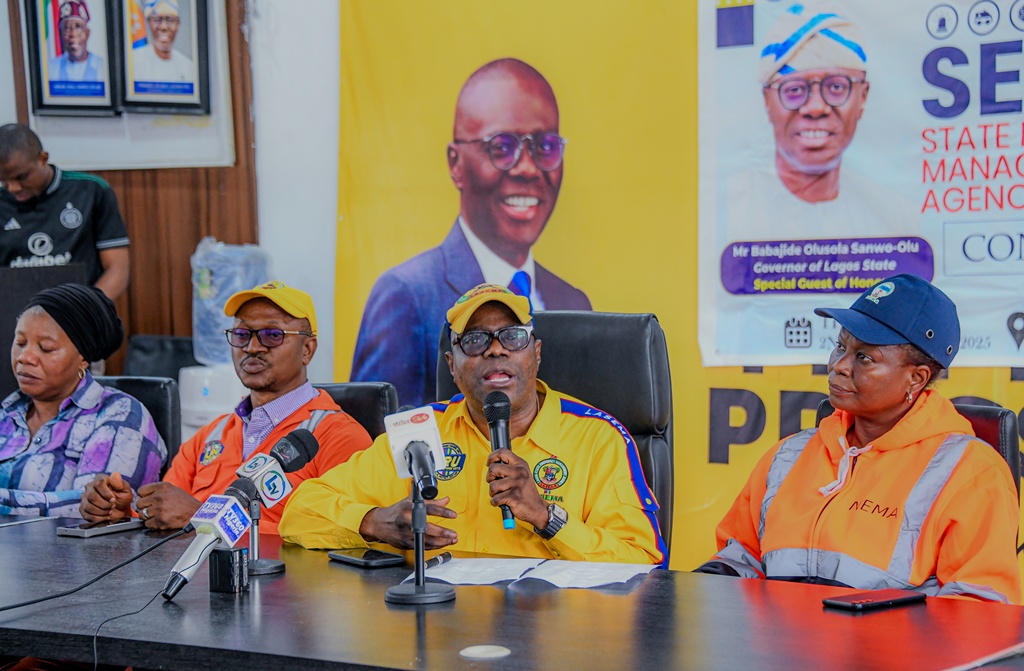
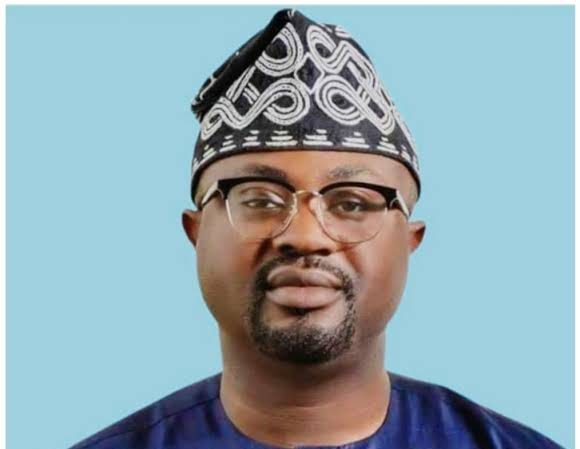
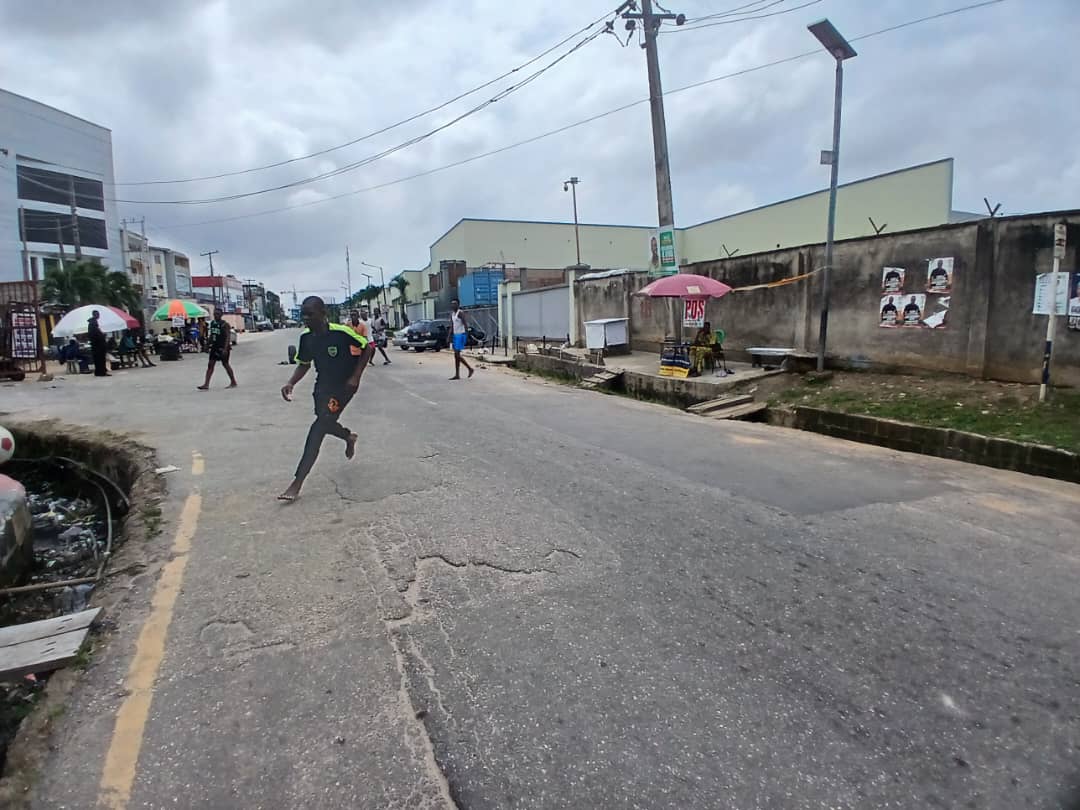
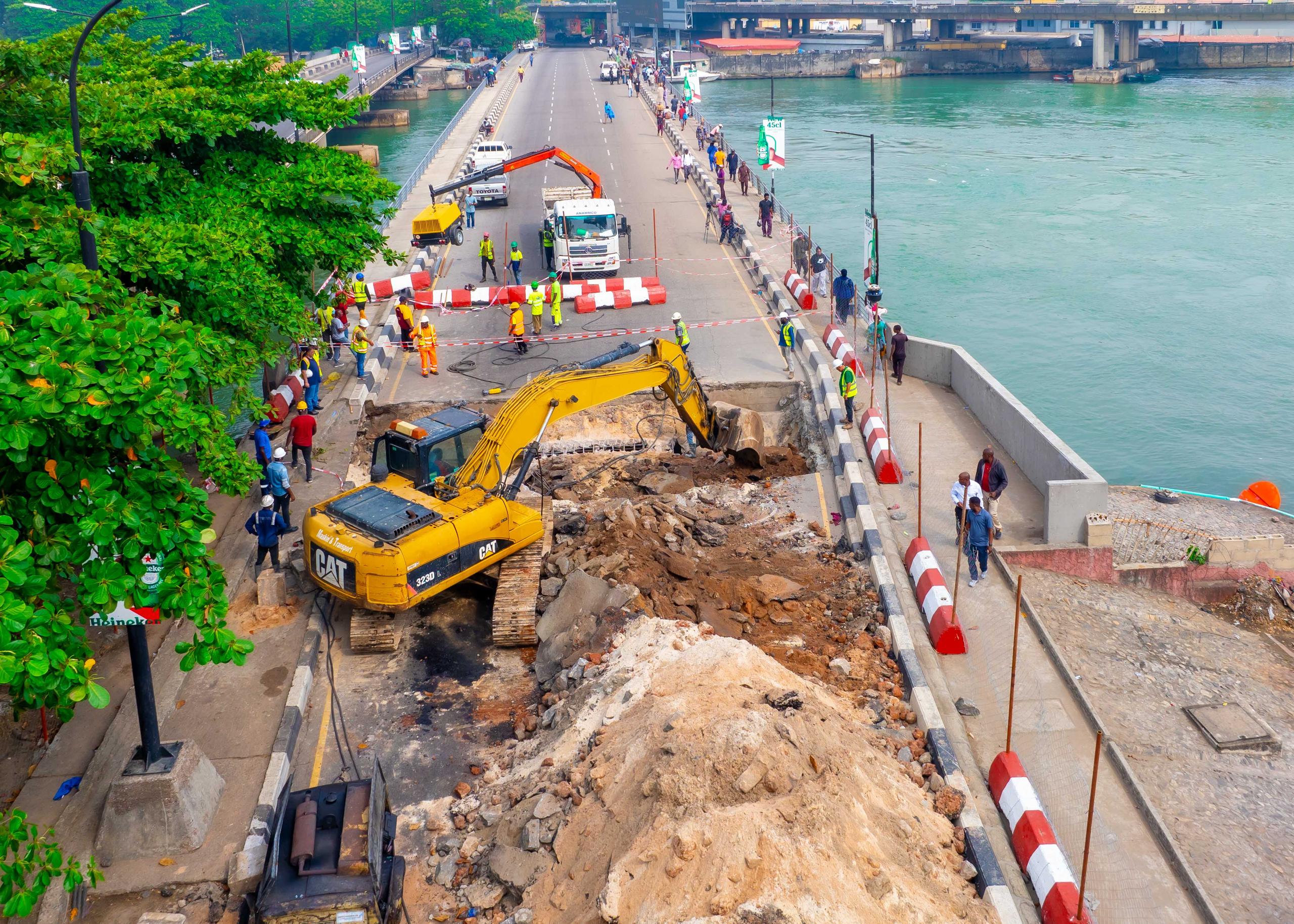
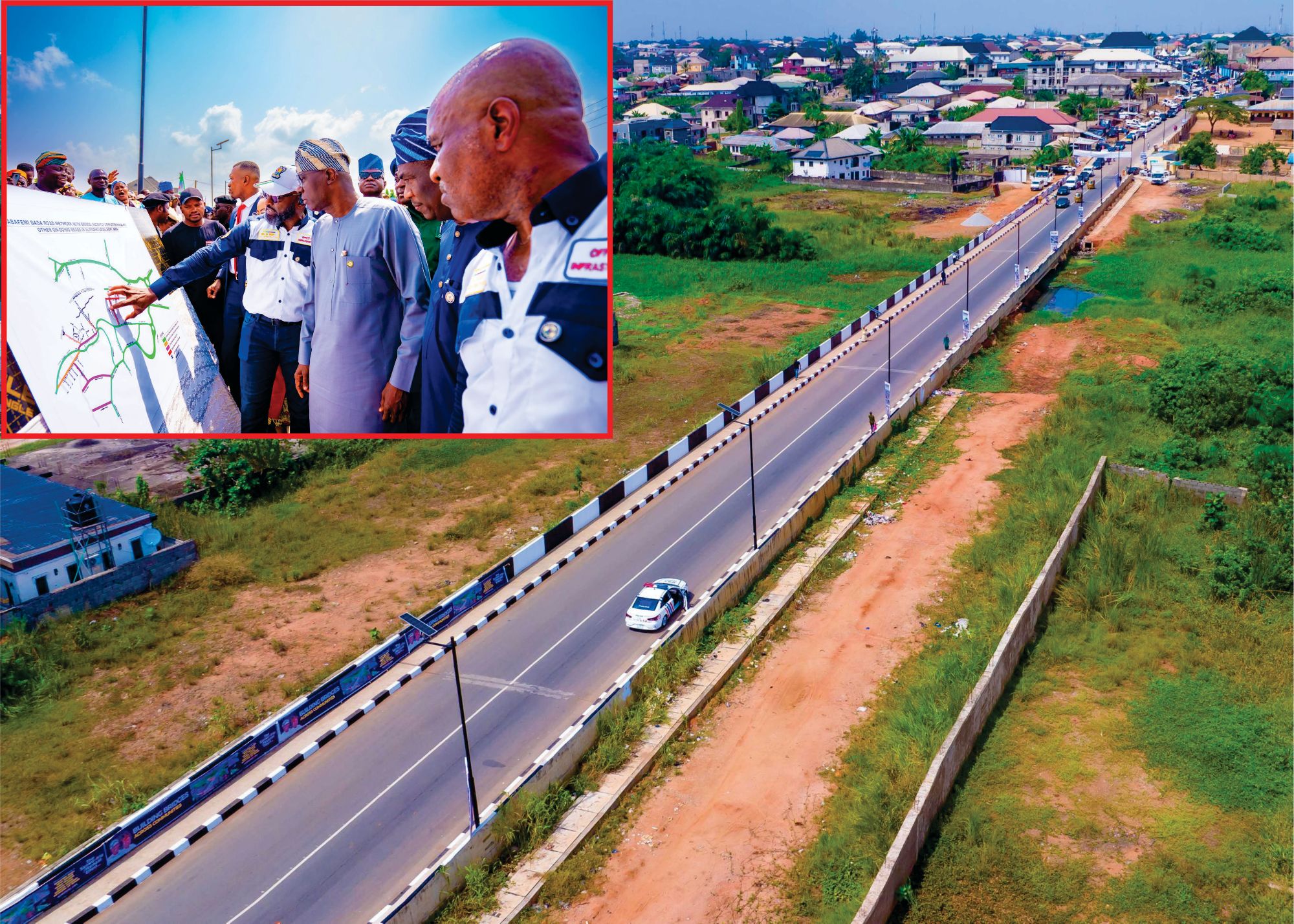
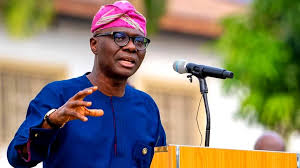
The Lagos State Government has announced plans to temporarily close the Oke-Afa Bridge in Isolo Local Government Area (LGA) to allow rehabilitation works to be carried out over a three-week period.
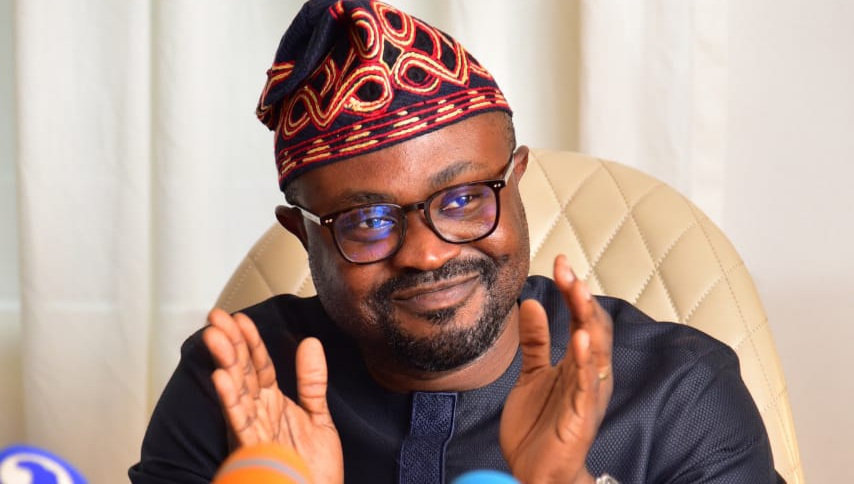
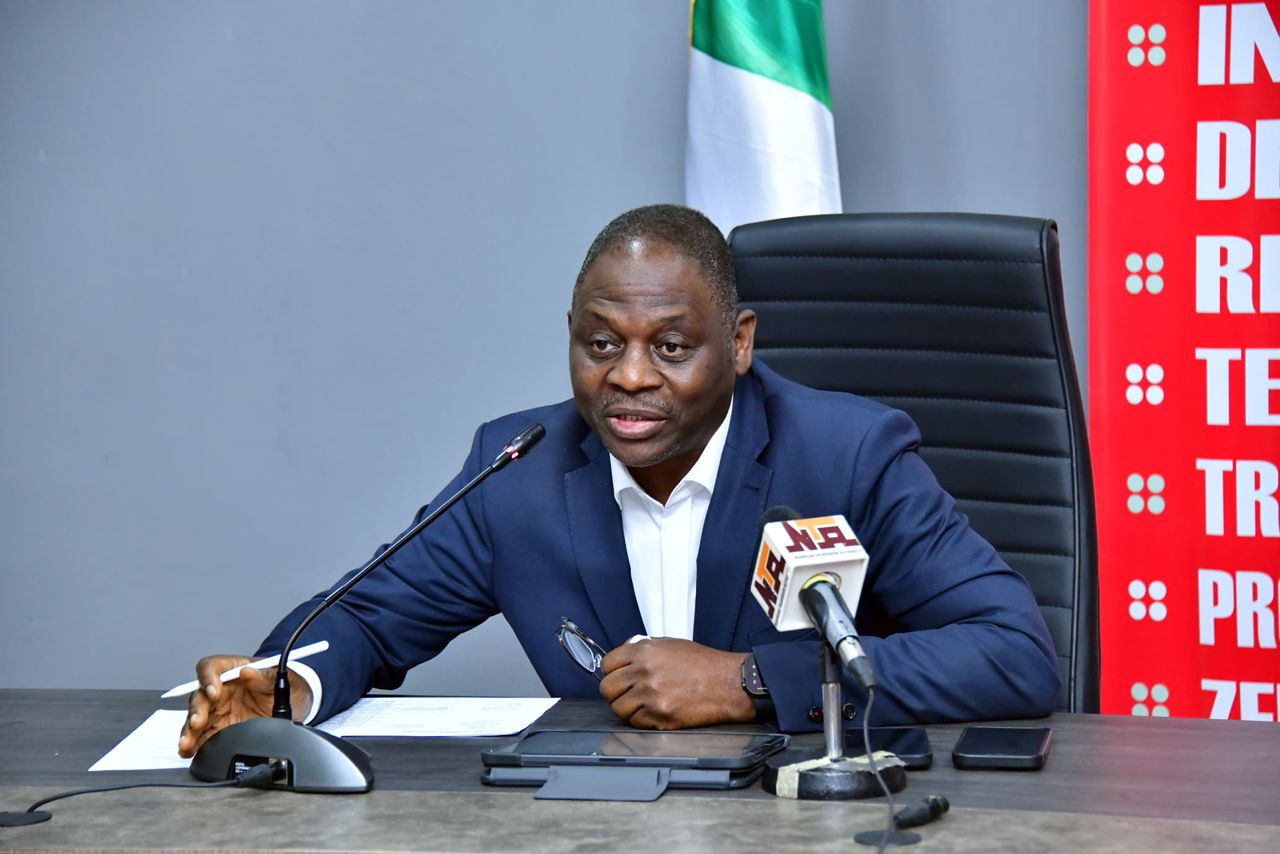
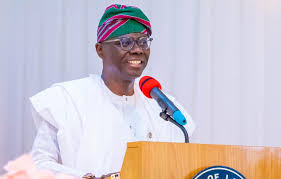
The Commissioner for Transportation, Oluwaseun Osiyemi, made this known on Monday, saying the rehabilitation is scheduled to commence on Friday, August 28, 2026, and end on Friday, September 18, 2026.
According to Osiyemi, the rehabilitation will be executed in two phases. The first phase will cover the outbound Isolo-to-Ejigbo section of the bridge and will run from Friday, August 28, to Friday, September 11, 2026.
The second phase, which will affect the inbound Ejigbo-to-Isolo section, is scheduled to commence on Saturday, September 12, and end on Friday, September 18, 2026.
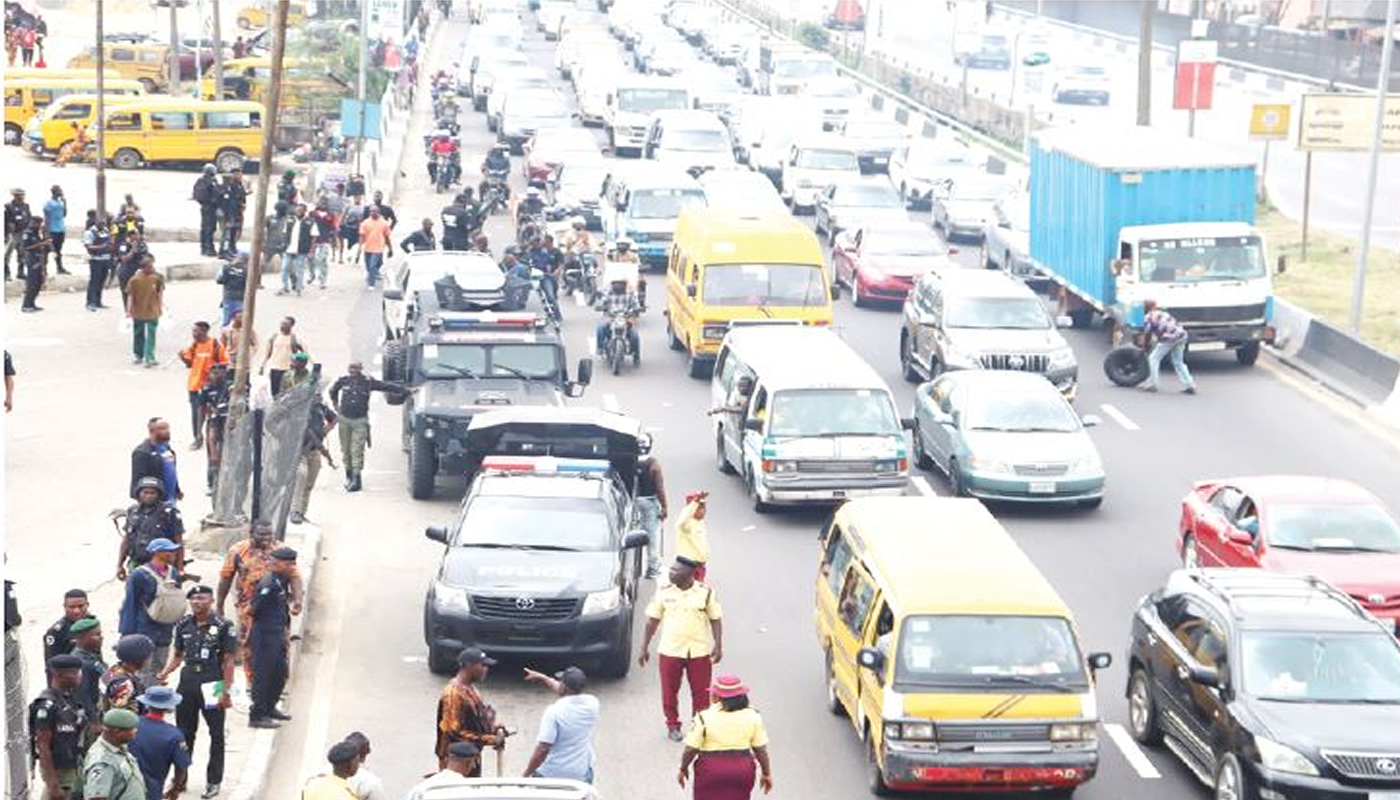
As a result of the works, vehicular movement on the affected sections will be temporarily restricted, with motorists advised to follow the designated alternative traffic arrangements.
During the first phase, motorists travelling from Isolo towards Ejigbo will be diverted onto the Isolo-bound carriageway at Pako Roundabout. Traffic will operate in both directions along the shared carriageway before motorists reconnect with the main carriageway at Mobil Filling Station to continue their journeys.
Motorists travelling from Ejigbo towards Isolo will, however, maintain free movement while sharing the carriageway with Ejigbo-bound motorists between Mobil Filling Station and Pako Roundabout. They will regain full access to the road after the Pako Roundabout.
Oke-Afa Rehabilitation: LASTMA to Manage Traffic
For the second phase, Osiyemi explained that motorists travelling from Ejigbo towards Isolo would be diverted onto the Ejigbo-bound carriageway from Mobil Filling Station, where traffic would move in both directions before reconnecting with the main carriageway at Pako Roundabout.
Motorists travelling from Isolo during the second phase will maintain free movement while sharing the carriageway with Isolo-bound traffic between Pako Roundabout and Mobil Filling Station. They will regain full access to the road after reaching Mobil Filling Station.
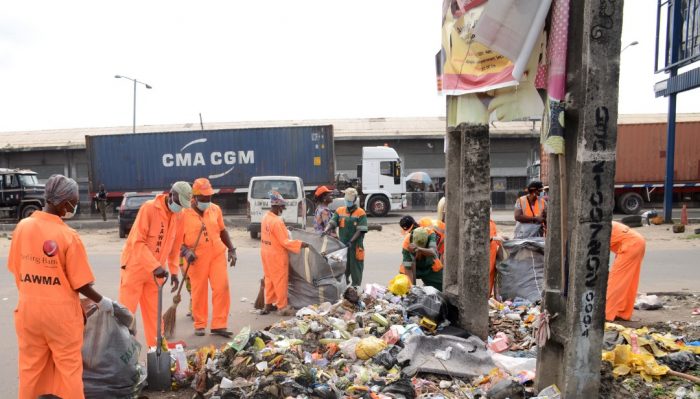
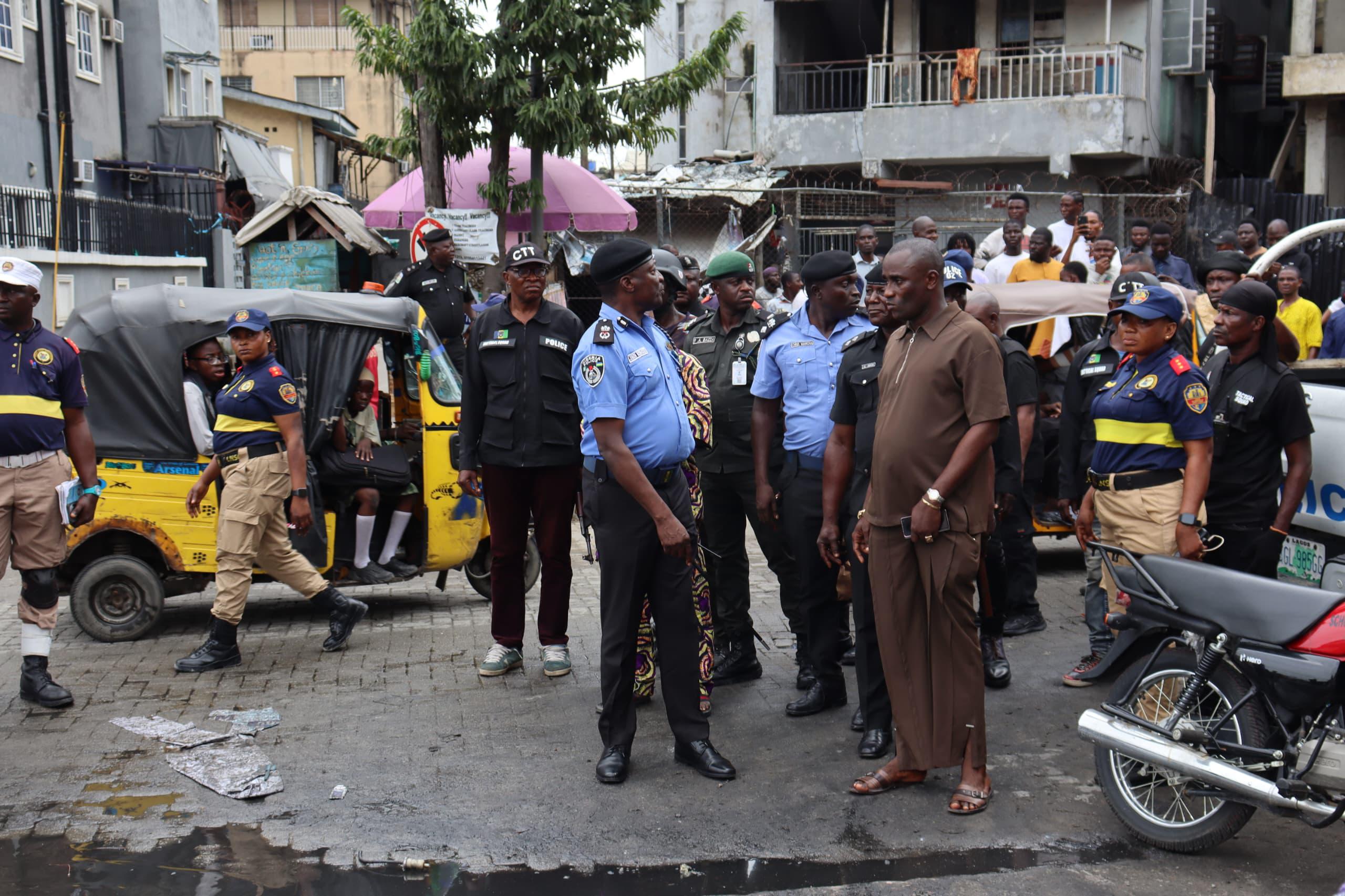
The Lagos State Traffic Management Authority (LASTMA), Osiyemi said, would deploy personnel to the area to coordinate traffic and reduce the impact of the rehabilitation on motorists.
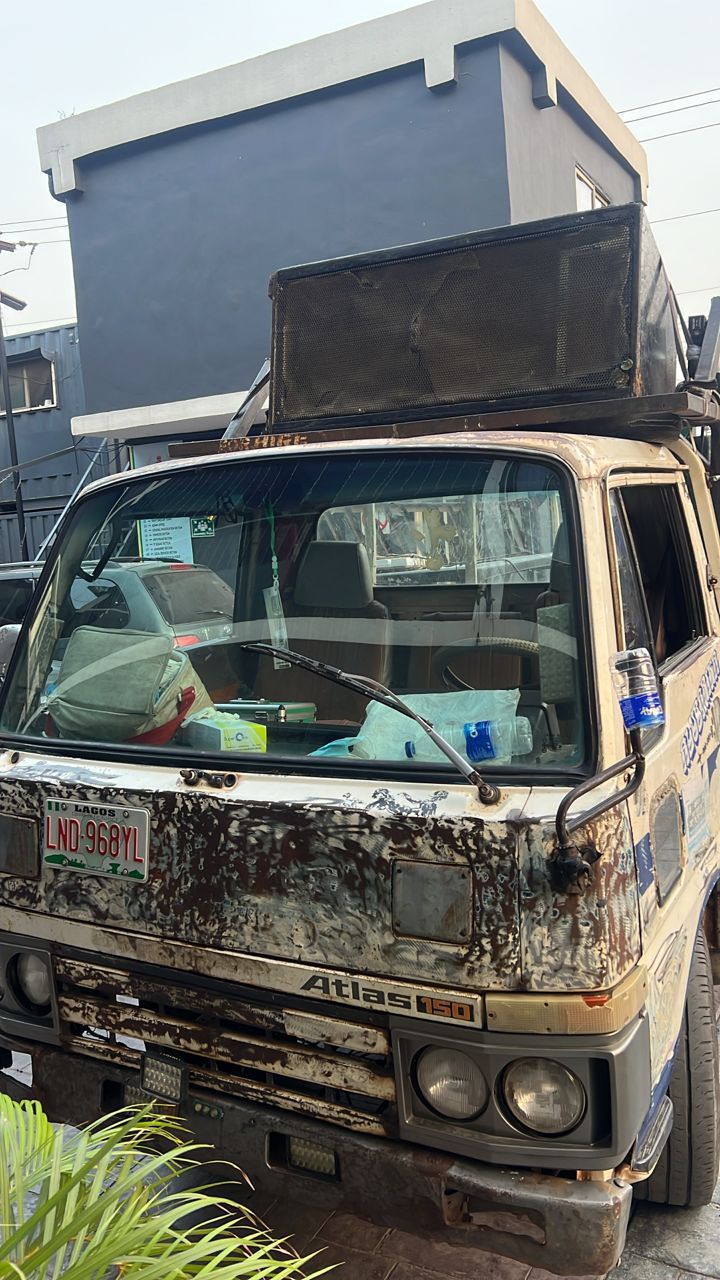
He added that an emergency tow vehicle would also be stationed within the axis throughout the rehabilitation period to facilitate the quick removal of vehicles that may break down and obstruct traffic.
Osiyemi appealed to motorists for patience, explaining that the partial road closure is part of the traffic management arrangements for the rehabilitation of Oke-Afa Bridge, which is being undertaken by the Federal Ministry of Works through the Office of the Federal Controller, Lagos.
Fake Government Agencies Expose Bureaucratic Weaknesses
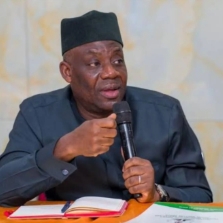
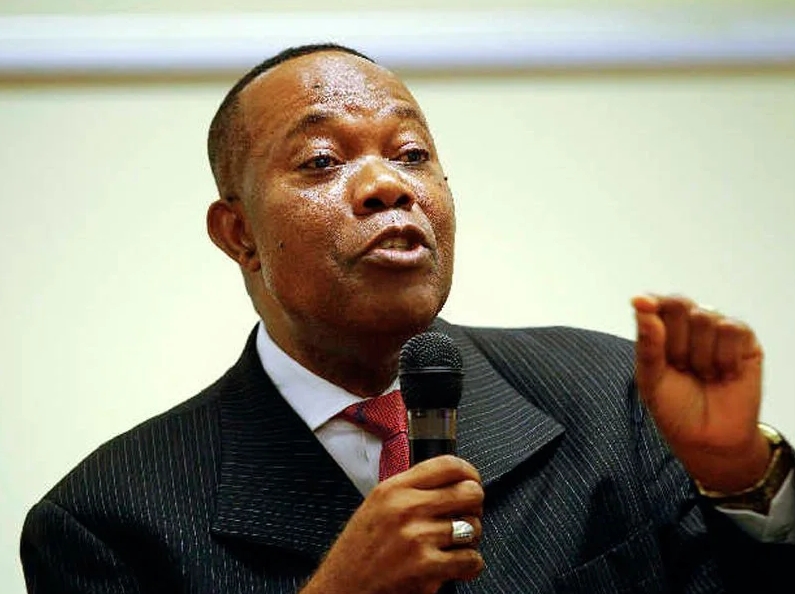
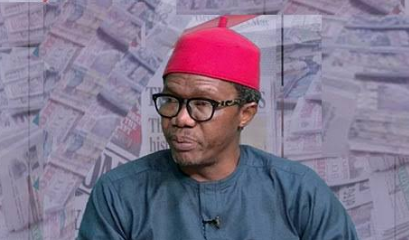
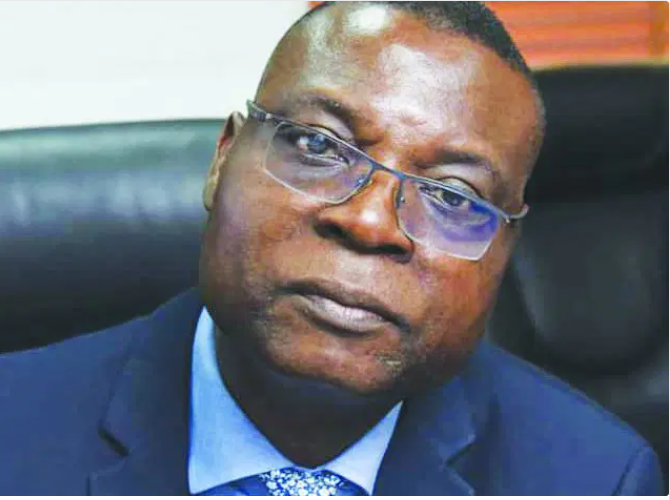
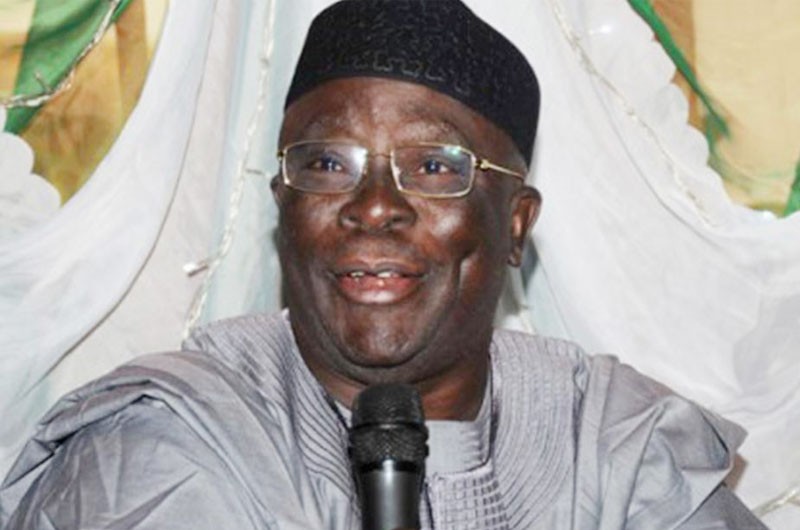
Meanwhile, a former Permanent Secretary of the Federation Civil Service Commission, Goke Adeboroye, has identified weaknesses in Nigeria’s bureaucratic system as a factor that allowed a fake presidential agency to allegedly operate within government structures without detection.
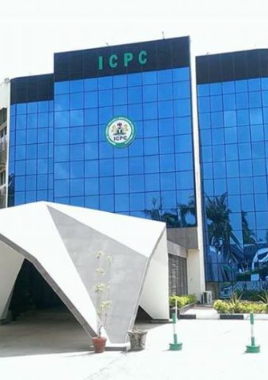
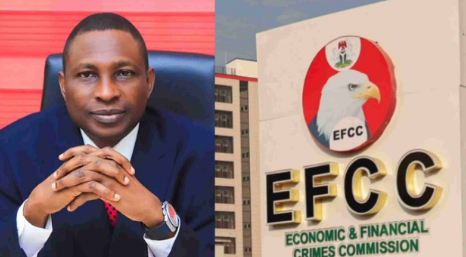
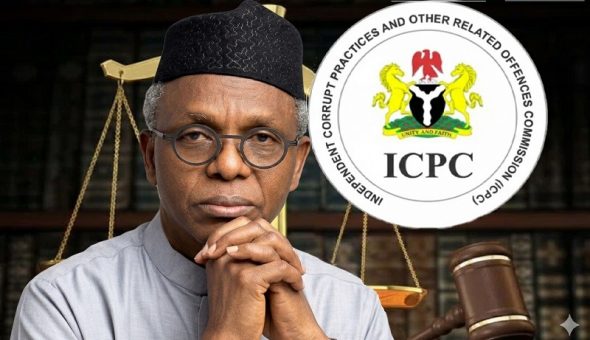
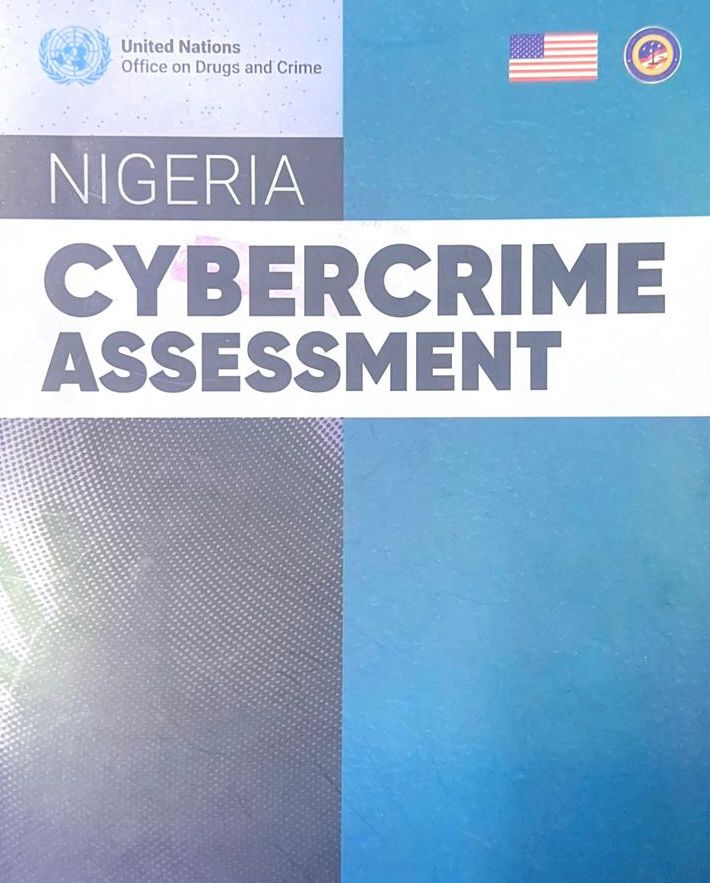
Adeboroye’s comments followed the discovery by the Independent Corrupt Practices and Other Related Offences Commission (ICPC) of a purported government agency known as the Presidential Foreign Intervention Promotion Council (PFIPC).
The ICPC said the organisation had no legal foundation and allegedly operated using forged appointment letters and other official documents. The commission also stated that the purported Director-General of the agency, Adeniyi Adeyemi Matthew, was never appointed by the Federal Government.
The development came alongside the discovery of another alleged fake agency, the National Brands Development and Made in Nigeria Special Project Office, which was reportedly operating within the Office of the Secretary to the Government of the Federation.
Reacting to the discoveries, Adeboroye questioned how an individual could allegedly gain access to the government system, obtain an appointment, access budgetary provisions and secure office space without the relevant authorities identifying the irregularities.
He said the situation points to weaknesses in the bureaucratic capacity of critical goernment offices, particularly the Office of the Secretary to the Government of the Federation, the Office of the Chief of Staff to the President and the Office of the Head of the Civil Service.v
According to him, the bureaucracy supporting these offices needs to possess the professional capacity required to support the President’s policy objectives while also providing effective checks against fraudulent or unlawful directives.
“The bureaucracy in those offices are not strong enough to be able to help the President drive the vision at the speed and with the efficiency that he wants,” Adeboroye said.
He further pointed to the relationship between political office holders and career civil servants, noting that while political appointees serve as principals to the bureaucracy and issue directives, civil servants are expected to possess the competence and integrity to challenge instructions that do not comply with established procedures.
“The political office holders are principals to the bureaucracy, and a lot of times, the bureaucracy takes directives from them.
“You need a bureaucracy that is not just professional but also has the capacity. The commitment to the system is also driven by his own or her own personal integrity,” he said.
Stay informed with the latest news, stories, and important updates from across Nigeria. Visit LouisaOlaniyi.com.ng for more updates and breaking stories.